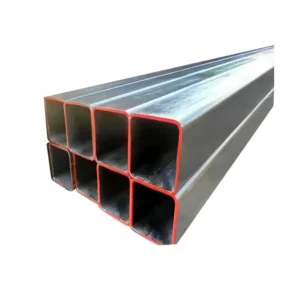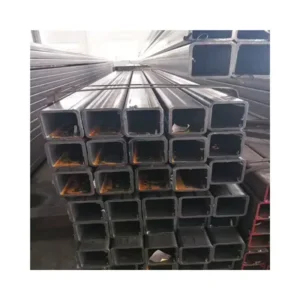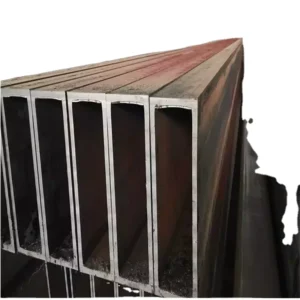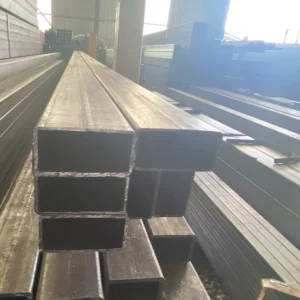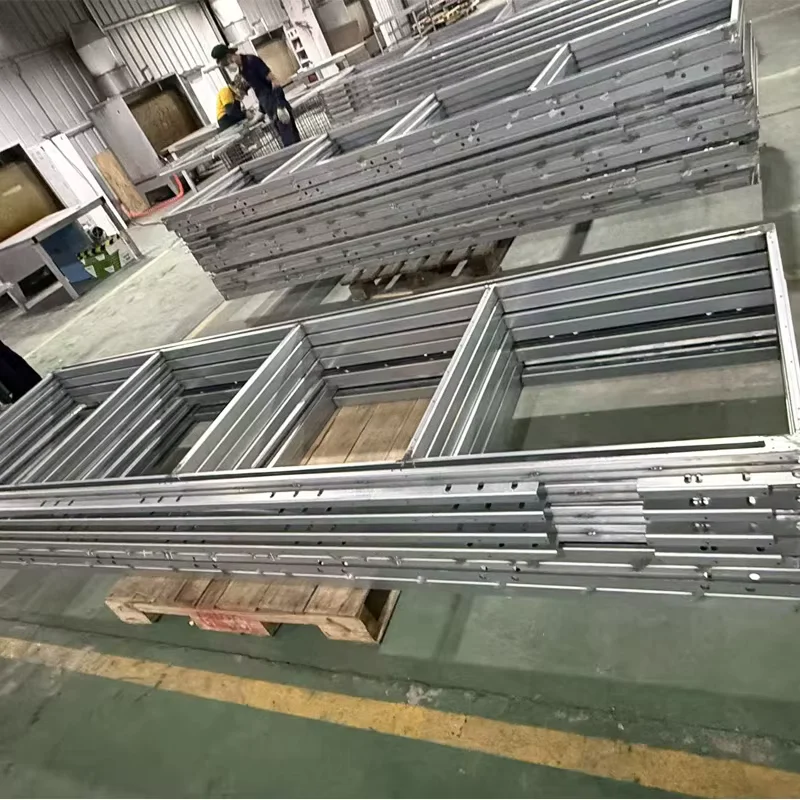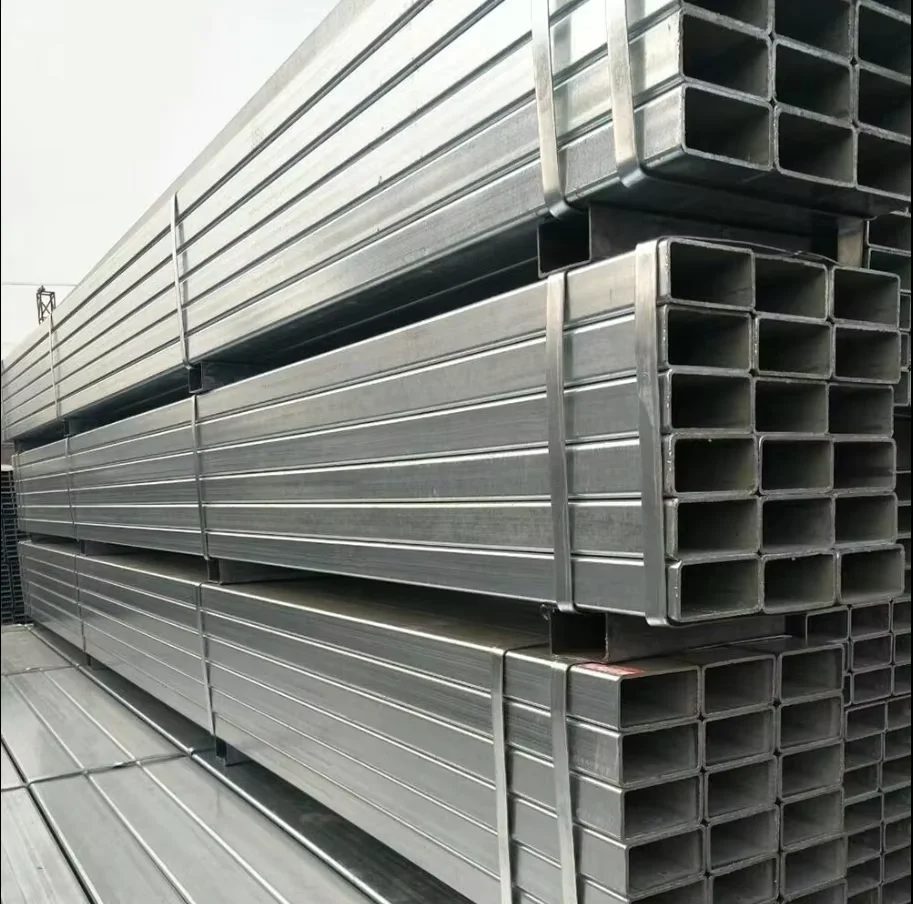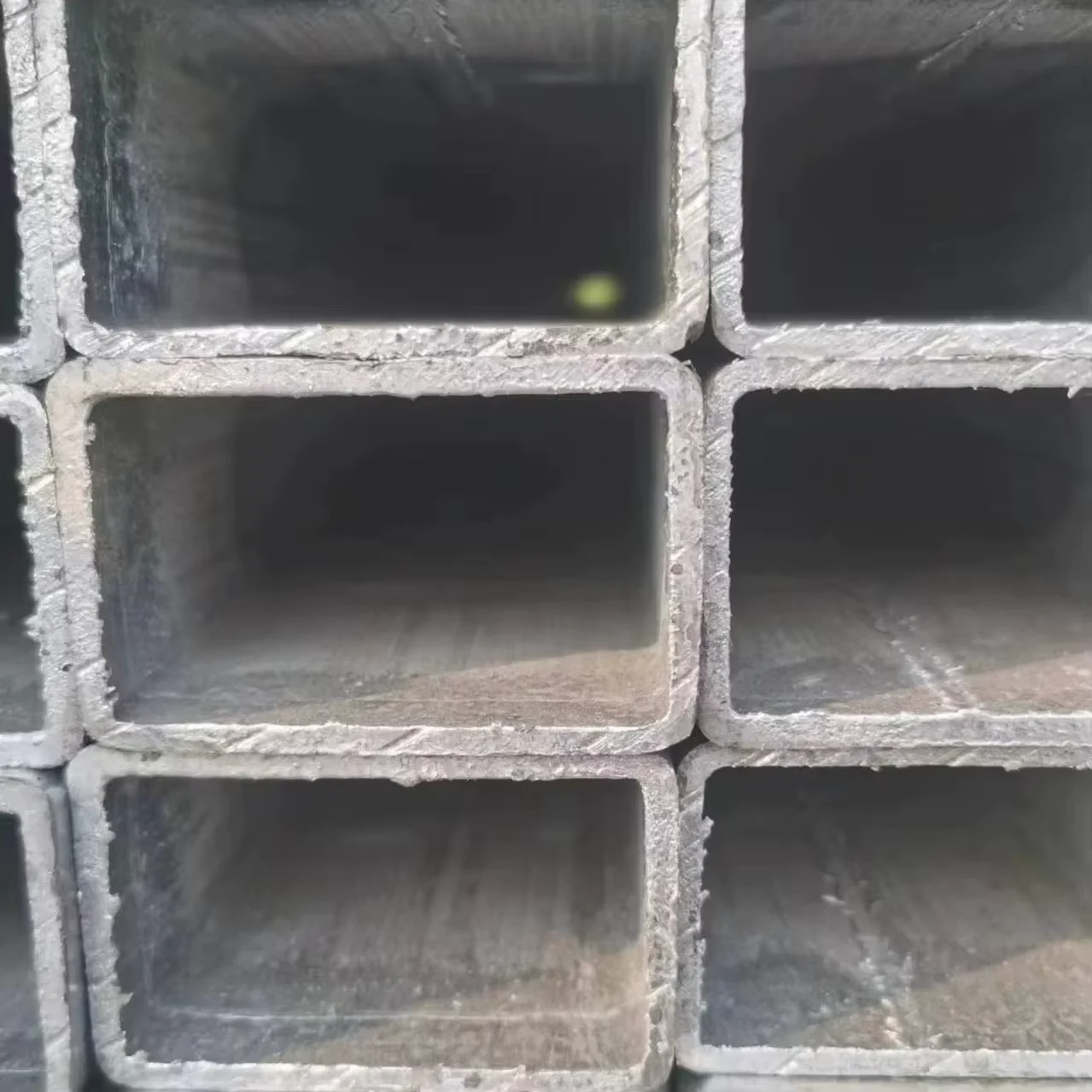
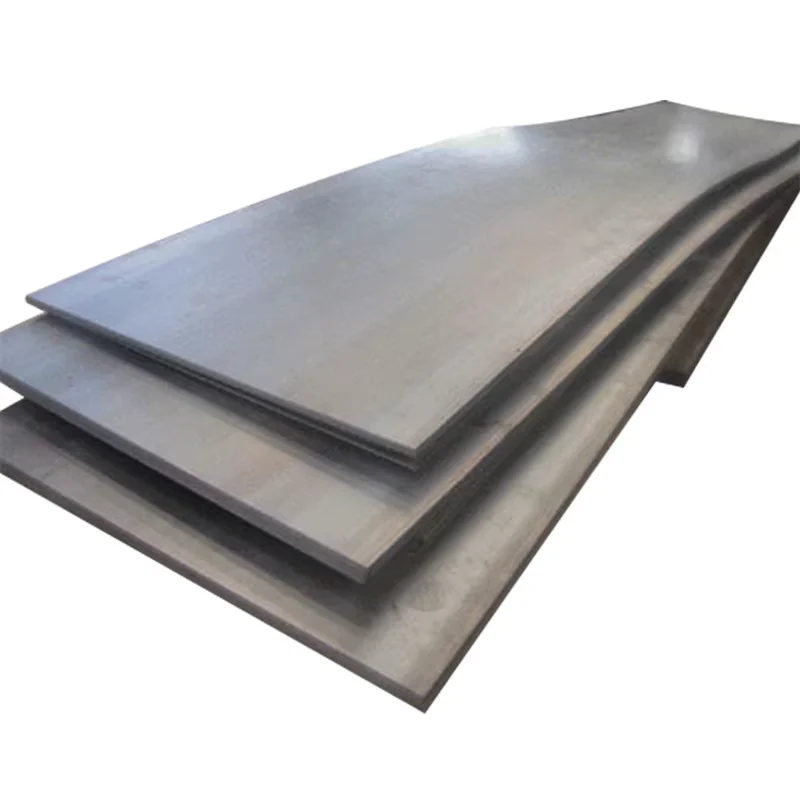
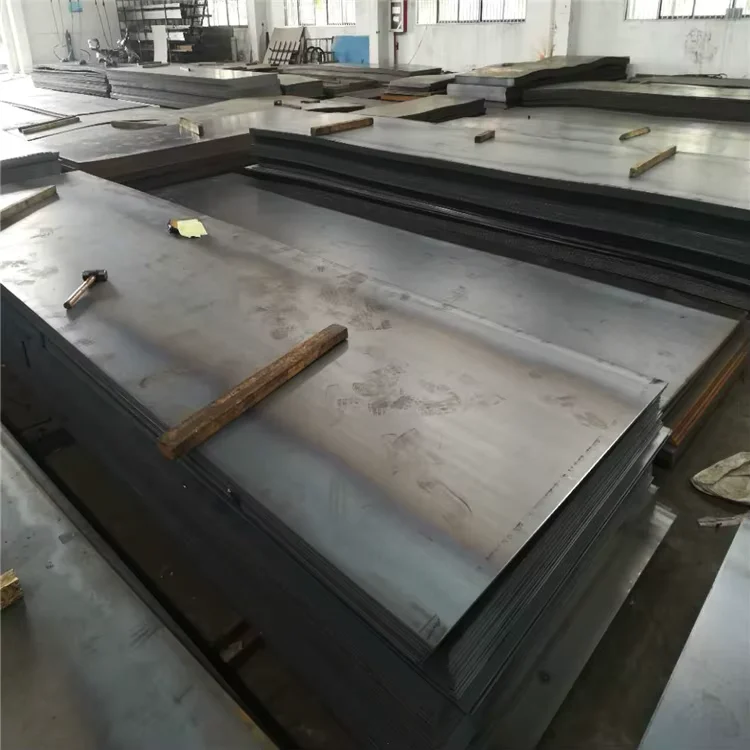
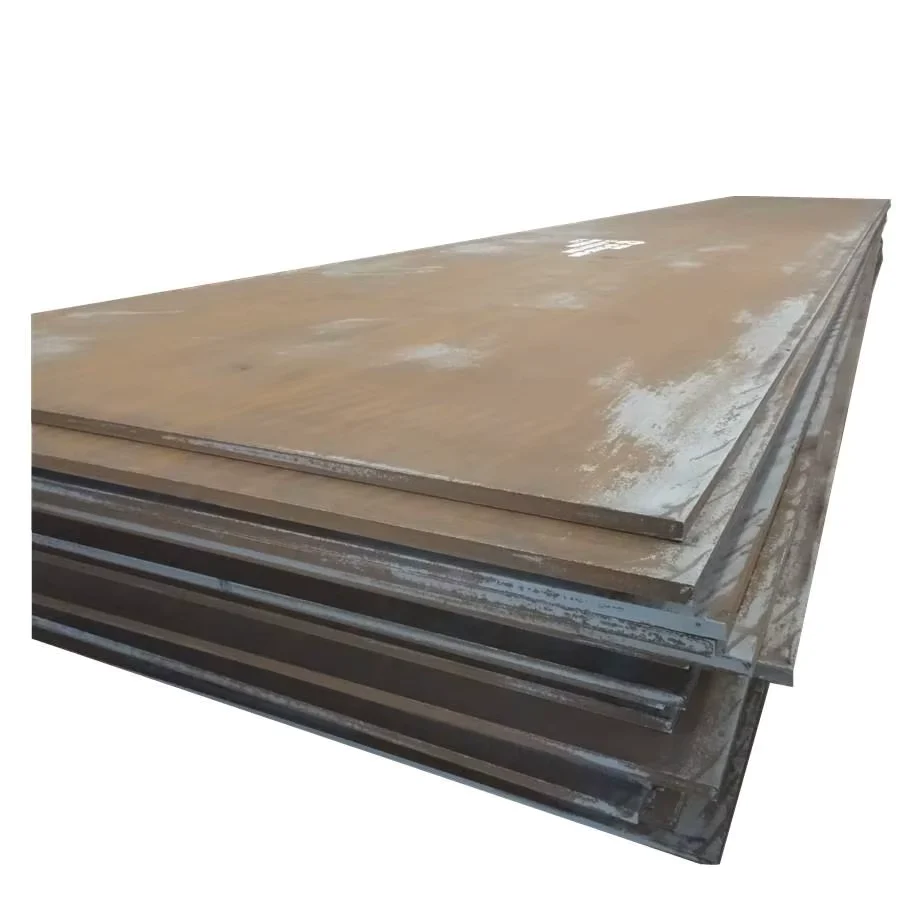
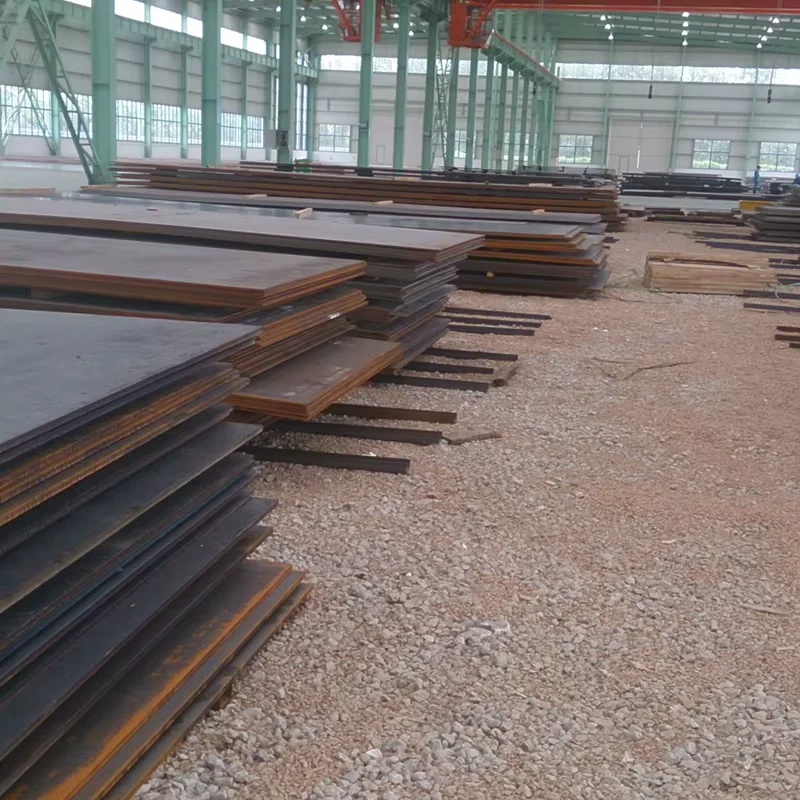
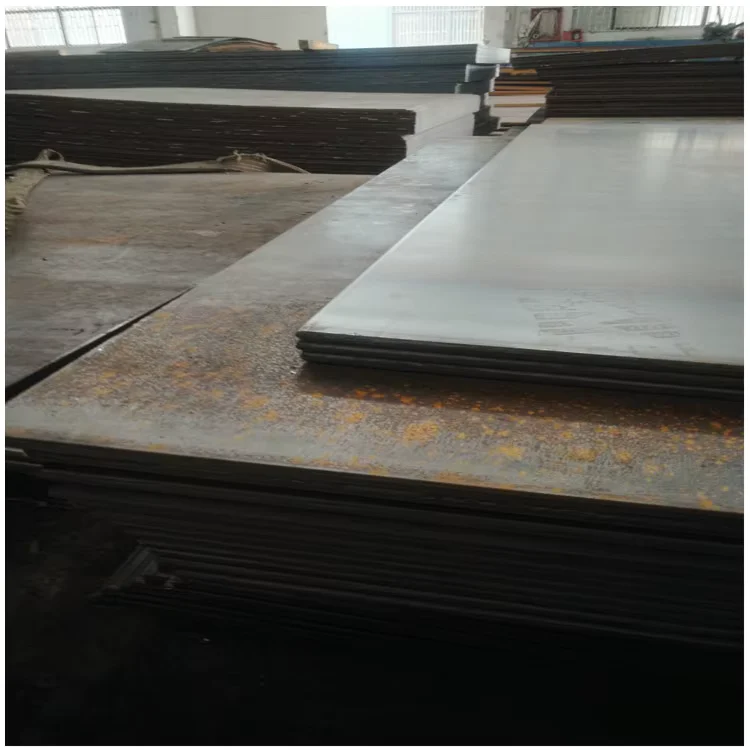
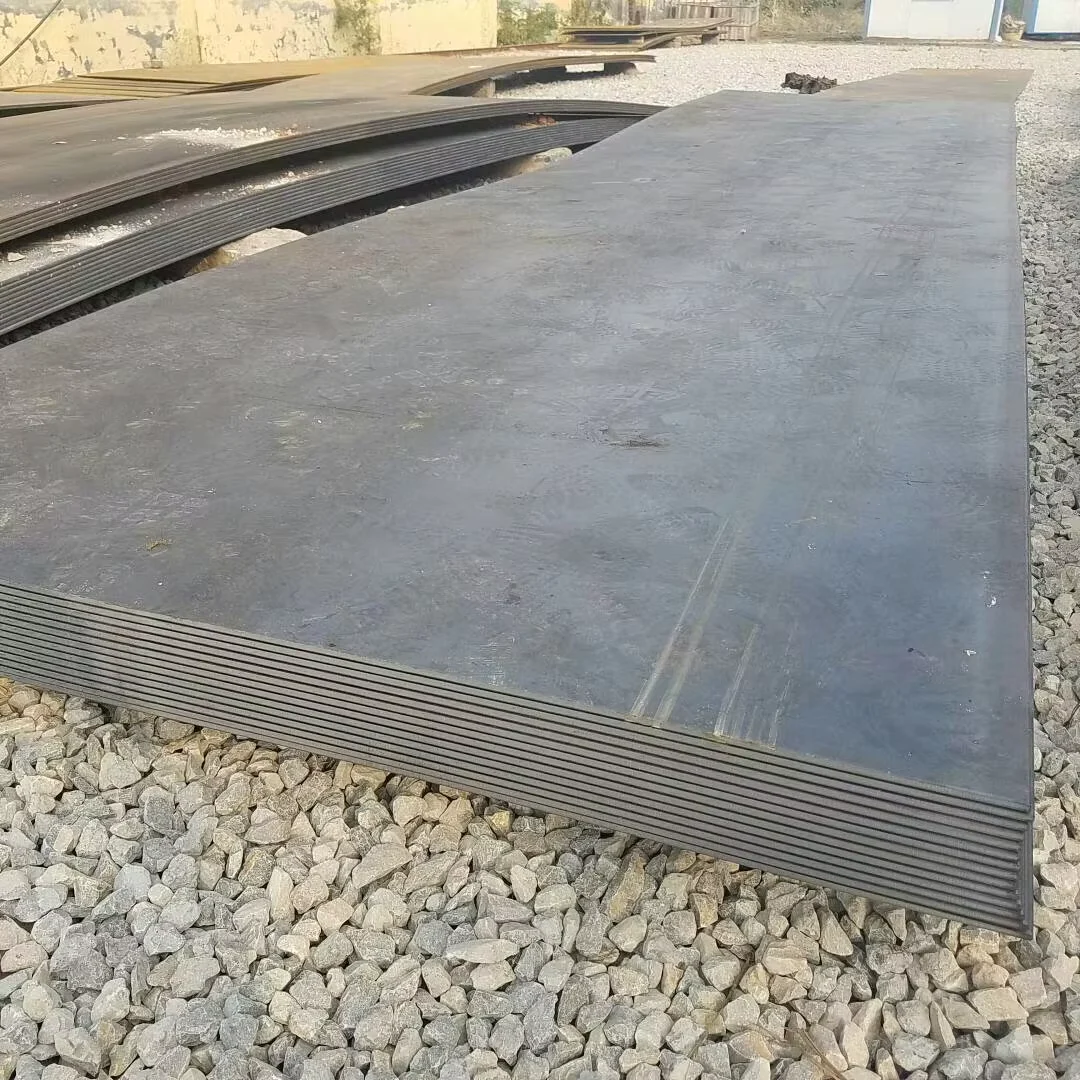

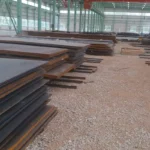
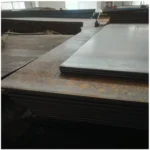

Description
Gate Check
identifier: A36/SS400 Carbon Steel Plate → Not empty/null → Proceed.
—
Direct Mill Supply — No Broker Markup — Carbon steel plates in A36, SS400, Q235, and S235JR rolled and cut from our own production lines in Shandong, shipped with full heat-number traceability from slab to finished sheet.
Technical Specifications
| Parameter | Value |
|---|---|
| Designation | A36/SS400 Carbon Steel Plate |
| Product Type | Steel Plate |
| Steel Grade | A36, SS400, A572, A53B, A106B, API 5L, Q195, Q215, Q235, Q345, S235JR, S355JR, S45C, S50C, ST37, ST35, ST42, ST45, ST52 |
| Standard | GB/T 709-2006, ASTM A36, JIS G4051, DIN EN 10083, SAE 1045, ASTM A29M |
| Thickness | 2 mm – 500 mm |
| Width | 300 mm – 5000 mm |
| Length | 1000 mm – 20000 mm (customizable) |
| Technique | Hot Rolled / Controlled Rolling / Normalizing / Annealing / Tempering / Quenching and Tempering |
| Surface Treatment | Black painted, PE coated, Galvanized, Color coated, Anti-rust varnished, Anti-rust oiled, Checkered |
| Tolerance | ±1% |
| Application | Automobile, Bridges, Buildings, Machinery, Pressure vessel industries, Ship building, Engineering construction, Mechanical manufacturing, Pavement slab |
| MOQ | 1 Ton |
| Origin | Shandong, China |
Application Suitability
| Industry | Typical Applications |
|---|---|
| Building & Construction | Base plates, column base connections, floor decking supports, bridge gusset plates |
| Machinery Manufacturing | Machine frame side plates, press bed plates, crane boom mounting plates |
| Pressure Vessel | Vessel shell plates, head plates, flange blanks for low-to-medium pressure systems |
| Ship Building | Deck plates, hull stiffener plates, bulkhead connection plates |
| Infrastructure & Engineering | Retaining wall anchor plates, highway signpost base plates, pavement slab reinforcement plates |
What Thickness Tolerance Really Means When You Cut 500 mm Plates to Size
A ±1% tolerance on a 500 mm plate means up to 5 mm of deviation — enough to throw off bolt-hole alignment on a column base.
When overseas buyers source A36 SS400 carbon steel plate from fragmented suppliers, the material often arrives with inconsistent gauge readings across the sheet width. A plate labeled 20 mm might measure 19.2 mm at one edge and 20.6 mm at the other — a problem that only surfaces during CNC drilling or on-site welding fit-up. The result is rework, wasted welding consumables, and schedule delays that no amount of price savings can offset. [NEED_CITE: thickness tolerance standards for hot-rolled steel plates per GB/T 709 and ASTM A6]
Matching Plate Grades to Structural and Pressure Applications
A36 and SS400 remain the default structural grades for building frames and bridge connections across North American and Japanese-spec projects, while Q235 and S235JR serve the same function under Chinese and European drawing packages respectively. When the engineering specification calls for higher load-bearing capacity — such as pressure vessel shells or crane boom mounting plates — Q345 or S355JR plates in controlled-rolled condition deliver the required performance without switching to alloy steel. Our custom cutting service holds dimensional tolerance within ±1% across the full 2 mm to 500 mm range, meaning base plates arrive at site ready for direct welding rather than requiring secondary machining.
Engineering Compliance and Surface Protection for Harsh Environments
Structural steel plates used in bridge construction and coastal infrastructure must comply with EN 1090 execution classes or AISC certification requirements, and the surface treatment choice directly affects long-term corrosion resistance. For inland building frames, black painted or anti-rust oiled A36 SS400 carbon steel plate provides adequate short-term protection during construction. For marine environments or chemical plant platforms, galvanized or PE-coated plates resist salt spray and industrial atmospheric corrosion significantly longer. Heat treatment options — normalizing for grain refinement, quenching and tempering for improved toughness — allow the same steel grade to meet different impact-energy requirements depending on the service temperature. [NEED_CITE: surface preparation and coating standards for structural steel per ISO 12944]
How Steel Grade Selection Affects Load-Bearing and Fabrication Cost
The A36 and SS400 grades share nearly identical yield strength ranges and are routinely treated as equivalent in international procurement — yet specifying the wrong grade system on a purchase order can trigger customs documentation mismatches. Q-series grades (Q195 through Q345) follow the Chinese GB standard system where the number indicates minimum yield strength in MPa; S-series grades (S235JR, S355JR) follow the European EN system with the same naming logic. For pressure vessel applications, A53B and A106B plates offer improved high-temperature performance over standard A36, while ST-series grades (ST37 through ST52) align with German DIN specifications commonly required in Middle East EPC projects. Choosing a higher grade than the design requires adds material cost without structural benefit; choosing a lower grade risks inspection rejection.
The Hidden Cost of Buying Plates Without Verified Mill Certificates
Purchasing A36 SS400 carbon steel plate based on price alone — without verified mill test certificates tied to specific heat numbers — creates a chain of risks that compound at the project site. Material without traceable chemistry and mechanical test data cannot pass third-party inspection by SGS or BV, meaning the entire shipment may be held at port or rejected during structural steel acceptance checks. Negative tolerance abuse is another common issue: plates rolled to the lower edge of the tolerance band weigh less per square meter than quoted, reducing actual load-bearing capacity while the buyer pays for theoretical weight. [NEED_CITE: material traceability and MTC requirements per EN 10204 Type 3.1]
Why Project Buyers Source Carbon Steel Plate From Our Mill
Our production starts from raw steel slab cast in our own facility, which means every plate’s chemistry and rolling history is recorded from the first heat through final cutting — there is no gap where third-party material enters the supply chain unverified. We maintain over 2,800 specifications in stock across A36, SS400, Q235, Q345, S235JR, S355JR, and other grades, so custom-cut orders do not require waiting for a full mill campaign. Every shipment leaves with a complete documentation package: mill test certificates with heat-number traceability, dimensional inspection reports, and coating thickness records where applicable. Our welding procedures and welder qualifications are certified to AWS and EN standards, so if your project requires pre-fabricated plate assemblies rather than loose sheets, the fabrication and material quality fall under one accountability point. Professional loading plans for heavy plate cargo ensure container weight distribution meets port safety requirements and avoids overweight penalties.
Documentation & Compliance
- Mill test certificate documenting A36 and SS400 chemical composition and mechanical properties per ASTM A36 and JIS G4051, with heat-number traceability to the original slab cast
- Third-party inspection report from SGS or BV covering dimensional verification, surface quality, and coating thickness for galvanized or PE-coated plates
- ISO 9001 quality management certificate covering the full production process from hot rolling through custom cutting and surface treatment
- Material traceability sheet linking each plate to its heat number, rolling schedule, and heat treatment record for pressure vessel and ship-building applications
- Export customs documentation including packing list, bill of lading, and certificate of origin formatted for destination-country clearance requirements
Packaging, Loading & Delivery
- Heavy carbon steel plates bundled with galvanized steel straps and edge protectors to prevent coating damage during ocean transit, with anti-rust oil applied to bare plate surfaces for voyages exceeding 30 days
- Custom-cut plates separated by wooden spacers within each bundle to prevent surface scratching and facilitate individual identification by heat number and dimension at the project site
- Container loading plans optimized for plates up to 5000 mm width and 20000 mm length, using open-top or flat-rack containers for oversized pieces that exceed standard 40-foot high-cube door dimensions
- Each plate marked with heat number, steel grade, thickness, and piece number using weather-resistant paint stencils for on-site identification and inspection traceability
- FOB, CIF, and DDP shipping terms available with door-to-door logistics coordination for project sites in the Middle East, Southeast Asia, Africa, and South America
Start Your Plate Procurement With Verified Specifications
Submit your project drawings or cutting lists with required steel grades, plate dimensions, surface treatment preferences, and destination port — our team responds within 24 hours with a detailed quotation including material cost, cutting charges, coating options, and shipping terms. We provide mill test certificates and third-party inspection coordination before production begins, so your procurement team can verify compliance against project specifications without waiting for the shipment to arrive.
Request a Quote With Mill Test Certification
Send your plate specifications and cutting requirements to receive pricing with full material documentation.
Contact: admin@xjystructure.com
WhatsApp: +86 188 5315 7756
Frequently Asked Questions
Q: What is the difference between A36 and SS400, and can they be used interchangeably?
A: A36 (ASTM standard) and SS400 (JIS standard) have nearly identical yield strength and tensile strength ranges, and are widely accepted as equivalent in international structural projects. The primary difference lies in the chemical composition limits and the testing standards referenced on the mill test certificate. We supply both grades with full MTC documentation matching the specified standard.
Q: Can you provide third-party inspection such as SGS or BV before shipment?
A: Yes. We coordinate SGS, BV, or other nominated third-party inspectors to verify plate dimensions, surface quality, coating thickness, and review mill test certificates at our facility before loading. The inspection report is included in the shipping documentation package.
Q: What surface treatment options are available for plates used in corrosive environments?
A: We offer galvanized coating for long-term corrosion resistance in marine and industrial atmospheres, PE coating for buried or submerged applications, anti-rust oil for short-term transit protection, and black painted or checkered finishes for general structural use. The choice depends on the service environment and project specification.
Q: What is the minimum order quantity and how does custom cutting work?
A: The minimum order quantity is 1 ton. You provide the required plate dimensions and quantities, and our CNC cutting line processes the plates to your exact specifications with ±1% dimensional tolerance. Cutting drawings are confirmed before production begins to avoid errors.
Q: How do you handle export packing for heavy and oversized plates?
A: Plates are bundled with galvanized steel straps and edge protectors, with wooden spacers between individual pieces. Oversized plates exceeding standard container dimensions are loaded into open-top or flat-rack containers with professional lashing plans to meet port safety and transport regulations.