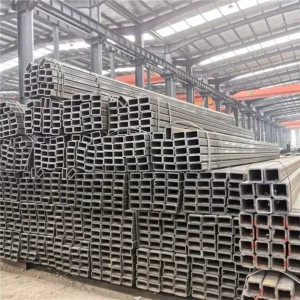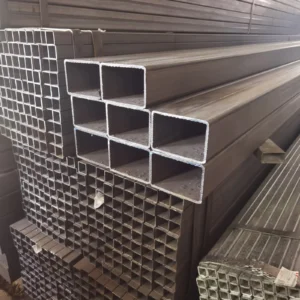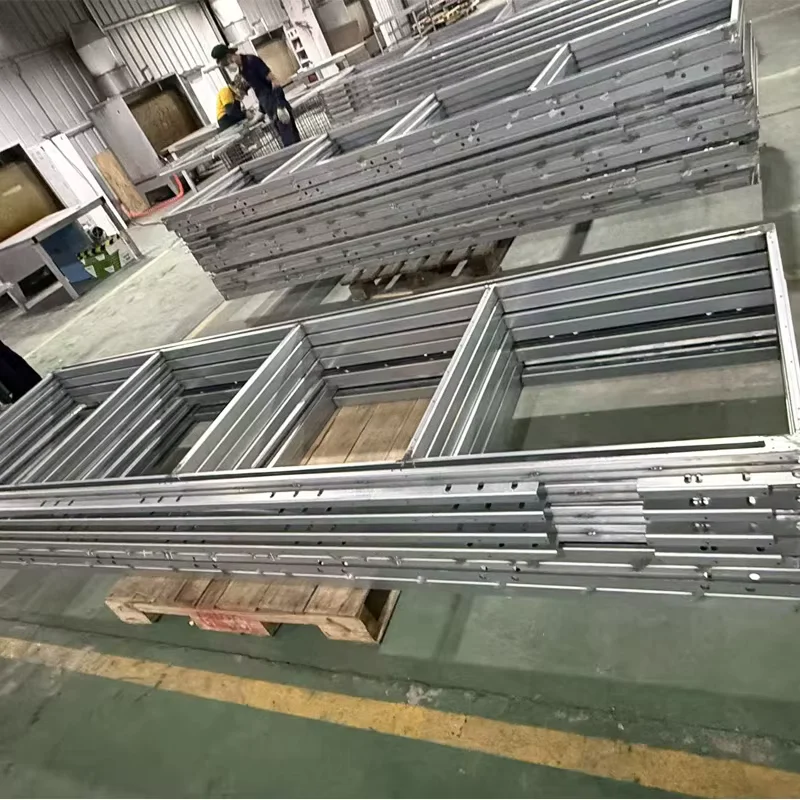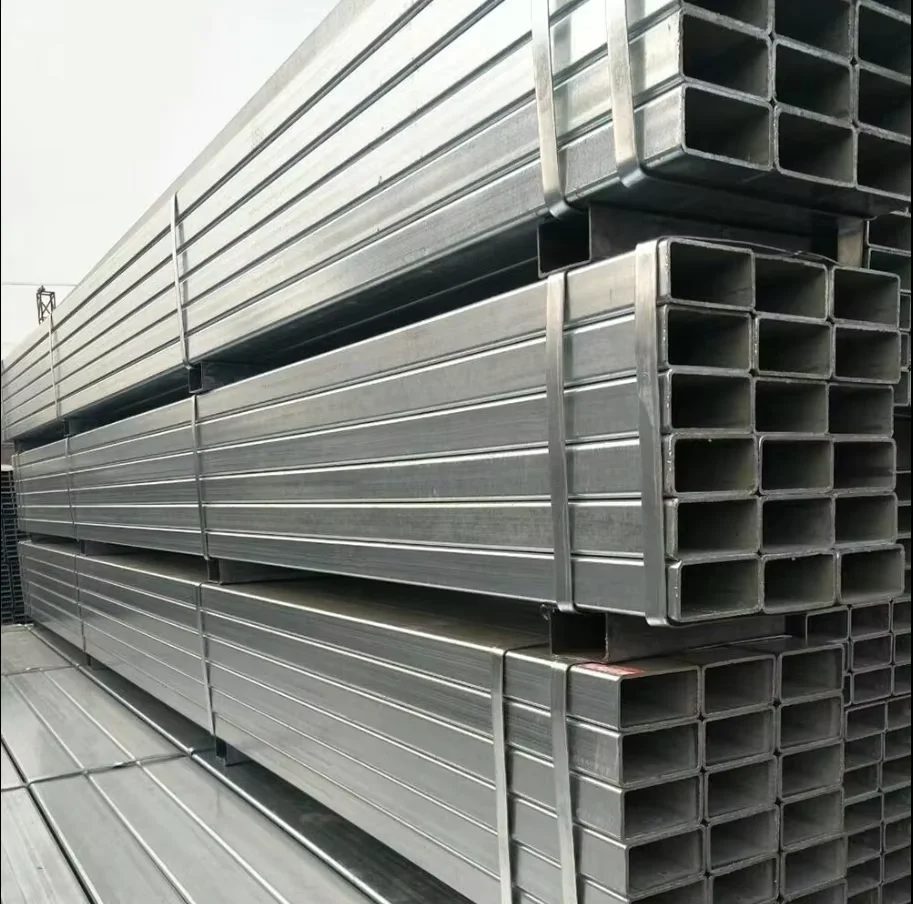
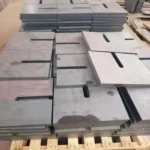
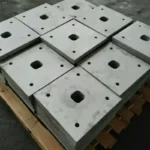
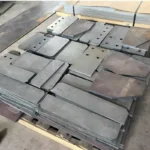
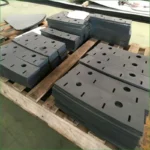

Description
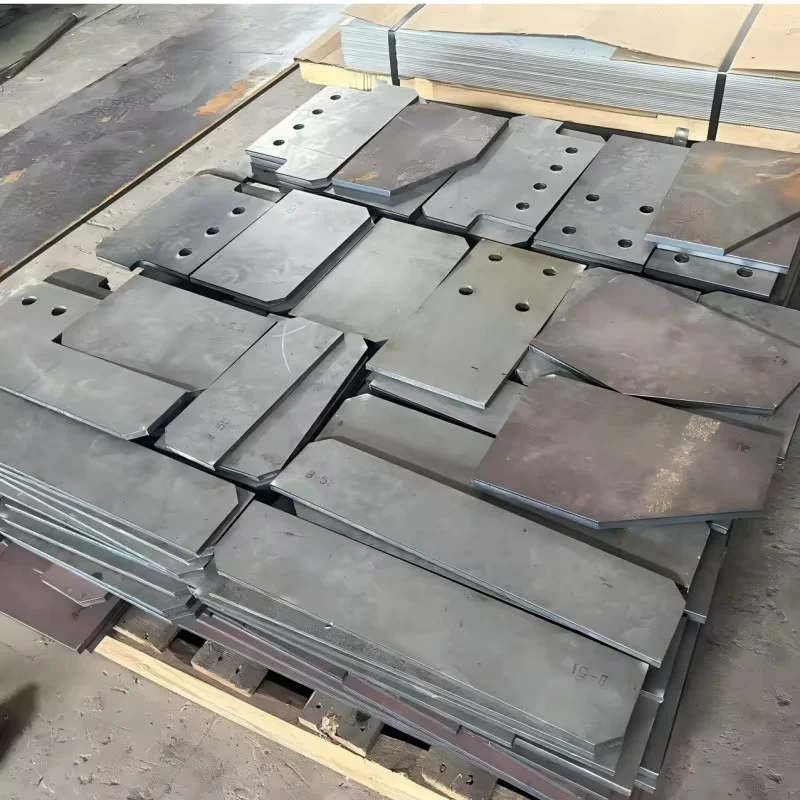
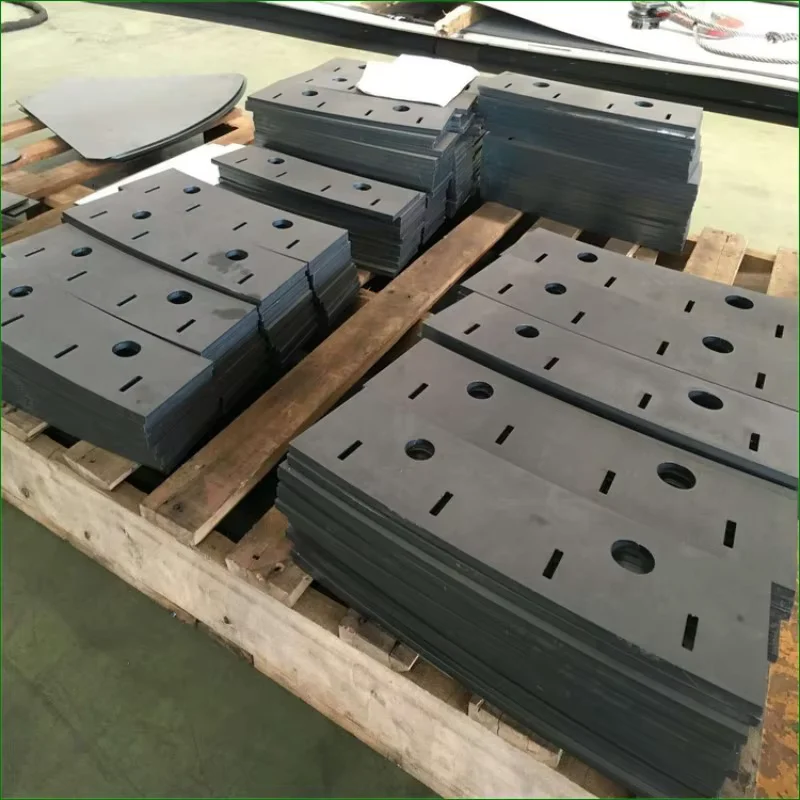
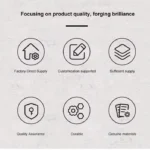
Factory-Direct Laser Cutting — 2,800+ raw material specs in-house, zero third-party sourcing gaps.
Technical Specifications
| Parameter | Value |
|---|---|
| Designation | Custom Steel Plate Laser Cutting Service |
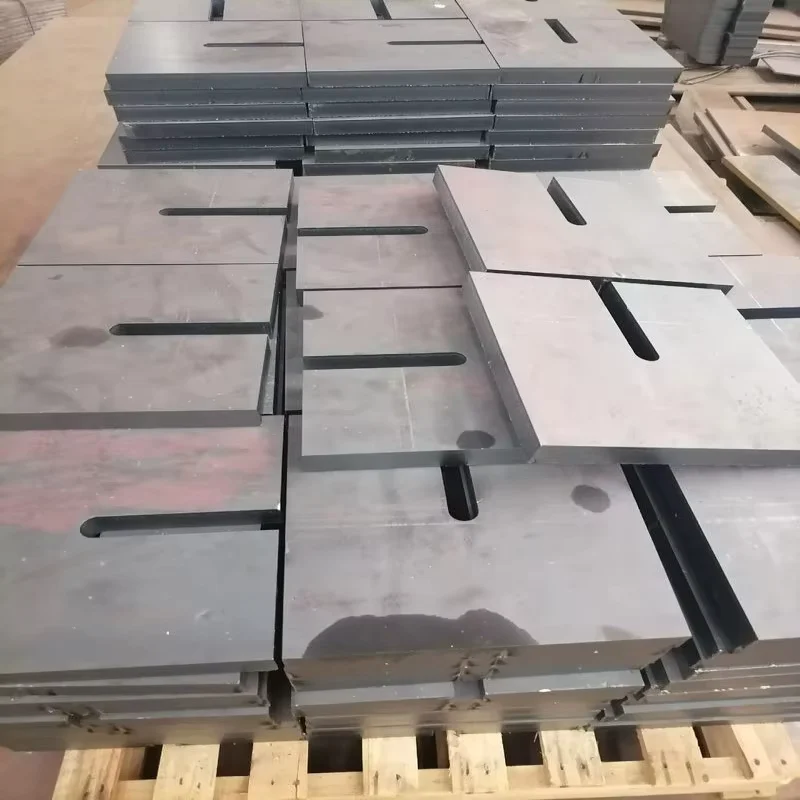
| Product Type | Drainage Grate / Sheet Metal Components |
| Steel Grade | Customers’ Requirement |
| Standard | Per customer specification |
| Technique | Laser Cutting |
| Size | Customized Size |
| Tolerance | High-accuracy laser cutting (exact part dimensions) |
| Application | Mechanical components / Assemblies / Drainage grates / Industrial platforms / Structural steel fabrication support |
| Origin | Shandong, China |
Application Suitability
| Industry | Typical Applications |
|---|---|
| Industrial Construction | Drainage grates for factory floors, platform walkways, mezzanine decking |
| Mechanical Engineering | Machine base plates, mounting brackets, conveyor frame gussets |
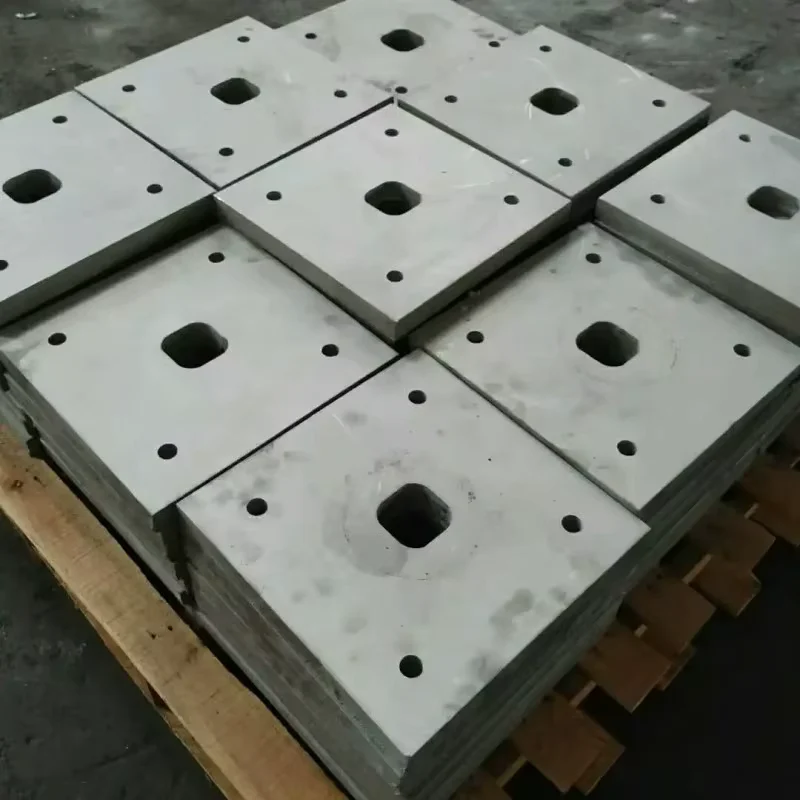
| Infrastructure & EPC | Bridge connection gussets, structural node plates, anchor base plates |
| Warehouse & Logistics | Racking support brackets, loading dock reinforcement plates |
What Material Traceability Gaps Cost on a Laser-Cut Plate Order
One source of steel, one source of truth — from mill plate to finished cut part.
When buyers outsource laser cutting to a fabricator who sources plates from third-party traders, the material certification chain breaks. Heat numbers on the mill test certificate no longer match what arrives on the shop floor. I learned this the hard way — not with laser-cut plates specifically, but with a batch of node plates for a Nigerian factory project. The cutting was done by a separate workshop; the plates came from a trader. When the container reached Apapa, the edges of the bottom layer had deformed during transit because nobody had calculated load distribution per layer. The entire batch was scrapped on site. That failure reshaped how we handle every cut piece leaving our facility — every plate is traceable back to our own production line, and every loading plan is engineered before the first piece is stacked. [NEED_CITE: material traceability requirements under EN 1090 structural fabrication standards]
How Laser-Cut Plates Fit Structural and Mechanical Assemblies
Laser cutting delivers the dimensional precision that bolted and welded steel connections demand. A drainage grate cut to exact aperture spacing or a node plate drilled and profiled for a moment connection must hold tolerances that plasma or oxy-fuel simply cannot achieve on thinner gauges. Our custom steel plate laser cutting service supplier factory capability covers plates from thin gauge sheet metal up to heavy structural thickness — all sized per your engineering drawings, not our catalog. Because the raw steel comes from our own mill with over 2,800 specifications in stock, we control both the grade chemistry and the cutting parameters, eliminating the mismatch between material cert and finished part.
Engineering Compliance and Surface Readiness
Structural plates used in load-bearing frames must conform to project-specified standards — whether EN 1090 for European construction, AWS D1.1 for American welded structures, or AISC codes for seismic zones. The laser cutting process itself produces a clean, oxide-free edge that is ready for welding without secondary grinding in most cases. For plates destined for corrosive environments — coastal infrastructure, chemical plant platforms, wastewater facilities — we coordinate post-cut surface treatment including shot blasting and painting or galvanizing, all under one quality system. Dimensional inspection reports accompany every shipment, verifying that cut profiles match approved shop drawings within stated tolerances. [NEED_CITE: EN 1090 execution class requirements for structural steel components]
Understanding the Laser Cutting Process for Steel Plates
Laser cutting uses a focused high-power beam to melt, burn, or vaporize steel along a programmed path, achieving kerf widths as narrow as 0.1 mm on mild steel. This makes it the preferred method for parts requiring tight geometric tolerances — gusset plates with multiple bolt holes, base plates with anchor bolt patterns, or decorative grates with repeating aperture designs. Unlike plasma cutting, which leaves a wider heat-affected zone and dross on the underside, laser cutting produces edges that are smooth enough for direct welding on most structural applications. The process works across the full range of commonly specified grades — from S235 through S355 and beyond — and handles both carbon steel and stainless variants. Tolerances remain consistent regardless of batch size, which matters when your project demands fifty identical connection plates or five hundred repeating grate panels. The key advantage for project buyers is repeatability: the fiftieth plate is dimensionally identical to the first, because the CNC program does not drift. [NEED_CITE: laser cutting tolerance standards for structural steel fabrication]
The Hidden Cost of Sourcing Cut Plates from Disconnected Suppliers
Ordering laser-cut plates from a fabricator who does not control raw material sourcing introduces risks that only surface at project handover. Material certificates may reference a different heat number than the plates actually delivered — a problem that triggers rejection during third-party inspection or customs audit. Dimensional tolerances promised in the quote may not match the as-delivered product if the subcontractor lacks calibrated CNC equipment. And when plates arrive without proper edge protection or stacking logic, transit damage turns a straightforward procurement into a costly delay. These are not theoretical risks. Engineering codes require documented material traceability from mill to final assembly, and missing paperwork means the component cannot be certified for structural use regardless of its physical quality. [NEED_CITE: structural steel documentation requirements for CE marking under EN 1090]
Why Project Buyers Source Laser-Cut Plates from XJY Structure
We operate both the steel production facility and the fabrication workshop — meaning the plate you specify is the plate we cut, and the mill test certificate we issue is backed by our own chemistry records. There is no intermediary trader, no uncertainty about grade substitution, and no gap in the traceability chain. Our workshop handles the full processing sequence: laser cutting, drilling, bending, welding, shot blasting, and painting — so your plates arrive ready for assembly, not as半成品 requiring secondary work at your site. Every welder on our floor holds AWS or EN certification, and every procedure is documented through qualified WPS and PQR records. For projects requiring third-party verification, we coordinate SGS or BV inspections directly from our facility. And because we stock over 2,800 raw material specifications, lead times for non-standard grades are measured in production scheduling, not in procurement waiting.
Documentation & Compliance
- Mill Test Certificate documenting chemical composition and mechanical properties of the base plate material per the specified steel grade and production standard
- Dimensional Inspection Report verifying laser-cut profiles against approved shop drawings with measured tolerances for each batch
- CE Certificate or Declaration of Performance for structural components manufactured under EN 1090 factory production control
- Welding Procedure Specification (WPS) and Procedure Qualification Record (PQR) for any welded assemblies included in the order
- Material Traceability Report linking each cut component to its source heat number and mill test certificate
- Third-Party Inspection Report from SGS or BV covering dimensional checks, visual weld inspection, and coating thickness measurement as applicable
Packaging, Loading & Delivery
- Laser-cut plates stacked with engineered timber separators and edge protectors to prevent contact damage during ocean transit — each stacking pattern is calculated based on plate thickness, weight, and geometry before loading begins
- Surface-treated components (shot-blasted, painted, or galvanized) wrapped in waterproof film with desiccant packs to preserve coating integrity through humid port environments
- Container loading plans optimized for plate dimensions to maximize payload per container while maintaining weight distribution that prevents shifting during sea freight
- Heat number and steel grade marked on every plate with low-stress steel stamps or paint markers for on-site identification and traceability verification
- Complete export documentation package including commercial invoice, packing list, bill of lading, and certificate of origin prepared for the destination country’s customs requirements
- FOB, CIF, and DDP shipping terms available with professional oversized cargo handling for large-format plate shipments
Getting a Quote for Your Laser-Cut Plate Project
Share your engineering drawings in PDF or DWG format along with the specified steel grade, quantities, surface treatment requirements, and destination port. Our engineering team reviews the drawings, prepares a detailed quotation covering material, cutting, processing, coating, packing, and freight, and returns it within 24 hours. For projects requiring shop drawing development or material optimization, our team works directly with your engineers before production begins.
Start Your Custom Steel Plate Laser Cutting Order
Submit your project drawings and specifications to receive a detailed quotation with material certification and production timeline.
Shandong Xin Jiyuan Special Steel Tube Co., Ltd
Website: www.xjystructure.com
Tel: +86 531 8573 6315
Mobile/WhatsApp/WeChat: +86 188 5315 7756
Email: admin@xjystructure.com
Address: No.11889, Jingshi West Road, Lulian Group, Jinan City, Shandong Province, China