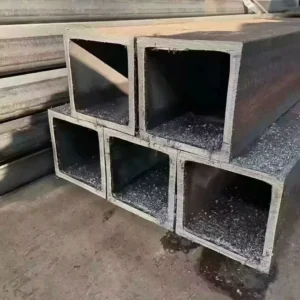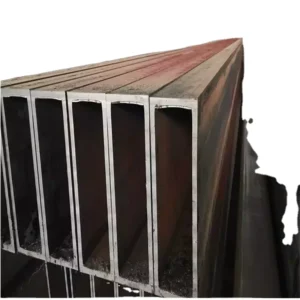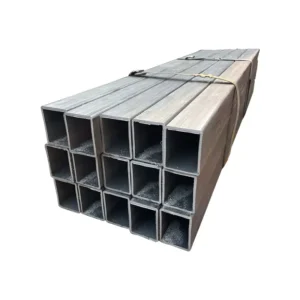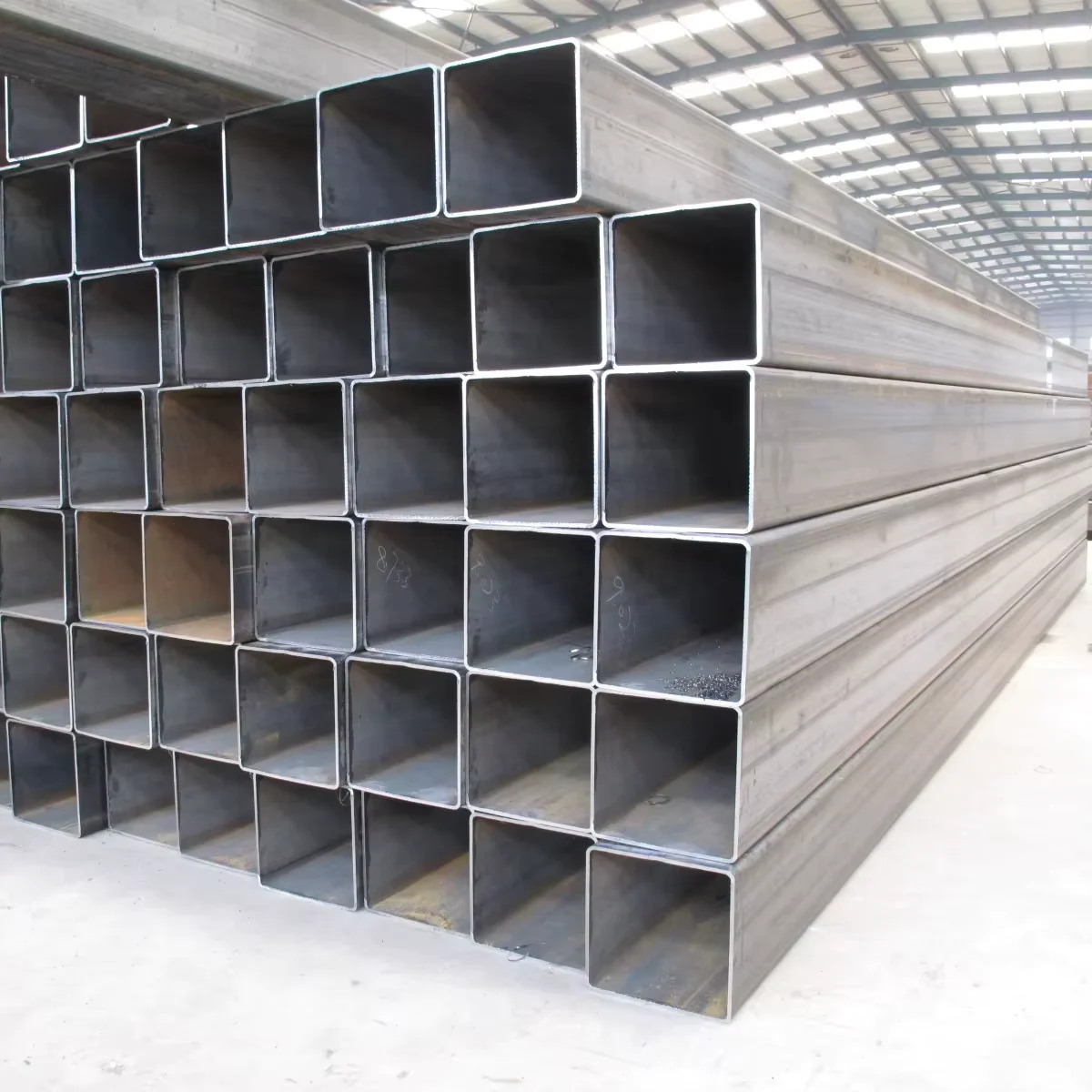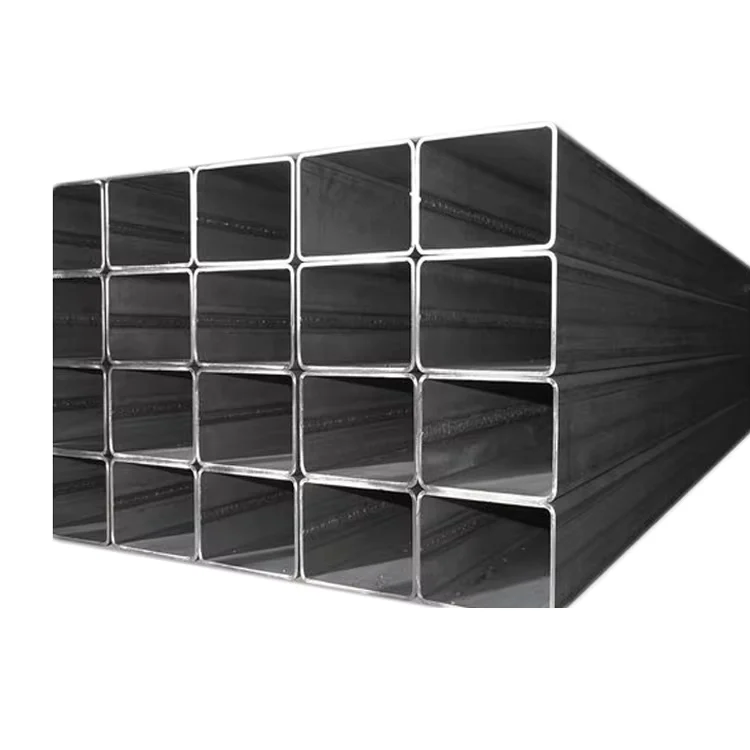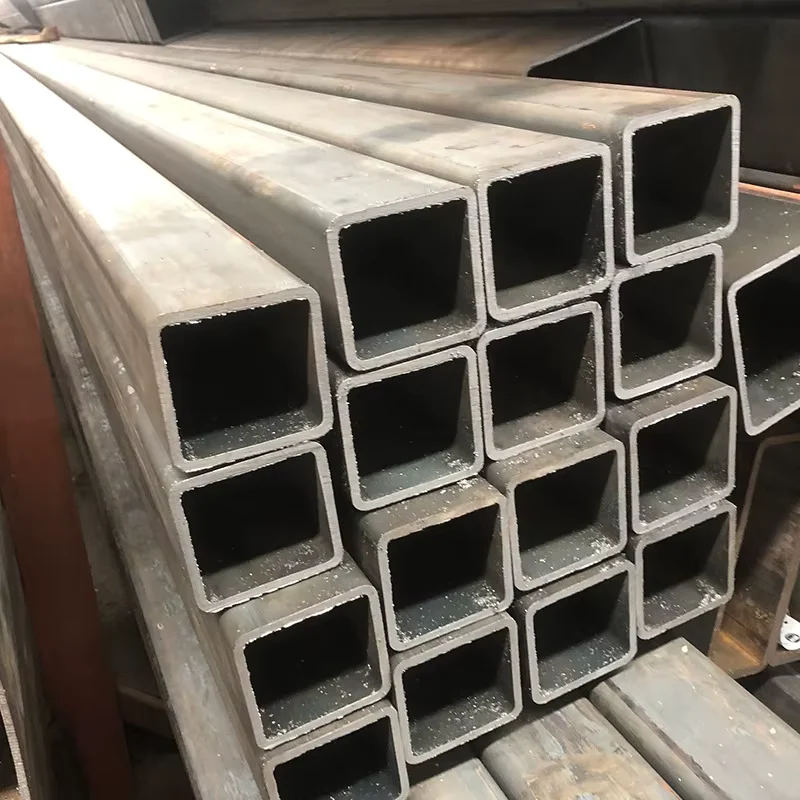
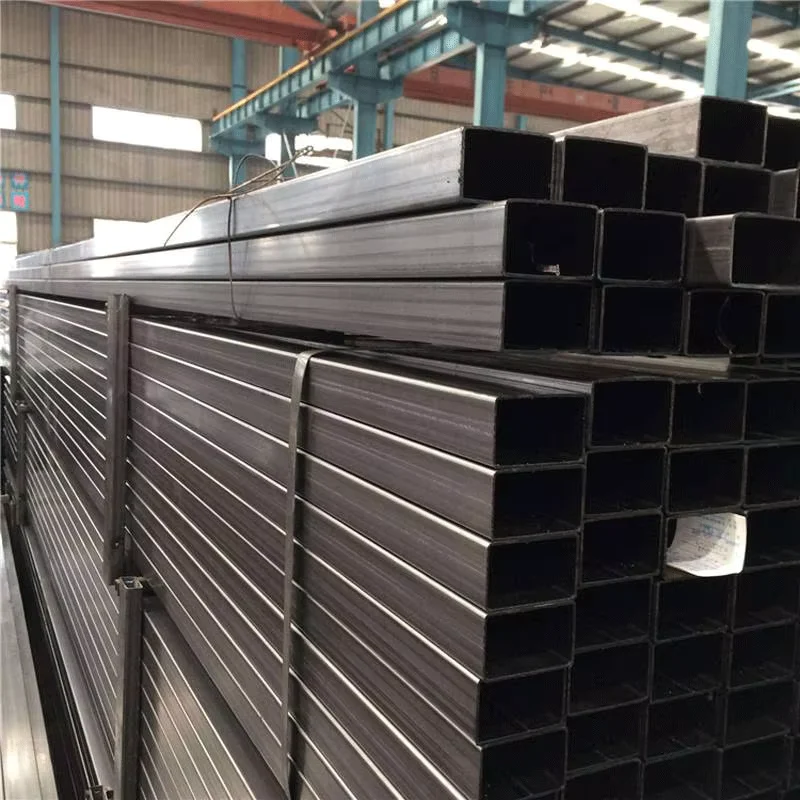

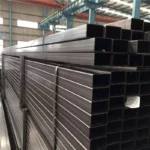
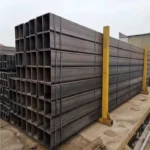
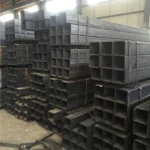
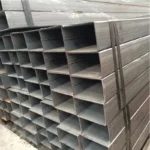
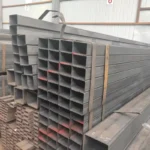
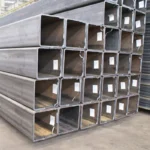
Description
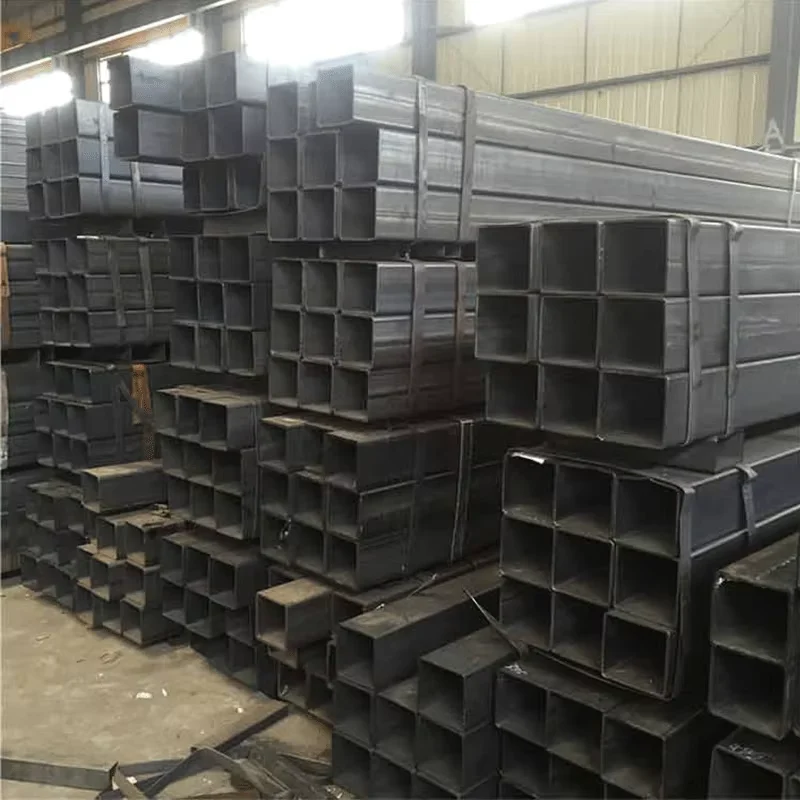
One-Source Mill to Fabrication — 2,800+ specifications in stock, covering Q195 through Q345 square and rectangular tubes in hot rolled and ERW process, shipped with full mill traceability.
Technical Specifications
| Parameter | Value |
|---|---|
| Designation | Carbon Steel Square and Rectangular Steel Tube |
| Product Type | Square and Rectangular Steel Tube (SHS/RHS) |
| Steel Grade | Q195, Q215, Q235, Q345, 10#, 20# |
| Standard | GB/T 6728, EN 10210, EN 10219, JIS G3466, BS |
| Section Shape | Square / Rectangular |
| Size Range | 20mm × 20mm – 610mm × 610mm |
| Wall Thickness | 0.6mm – 20mm |
| Length | 5.8m – 14m (standard) / Custom cut |
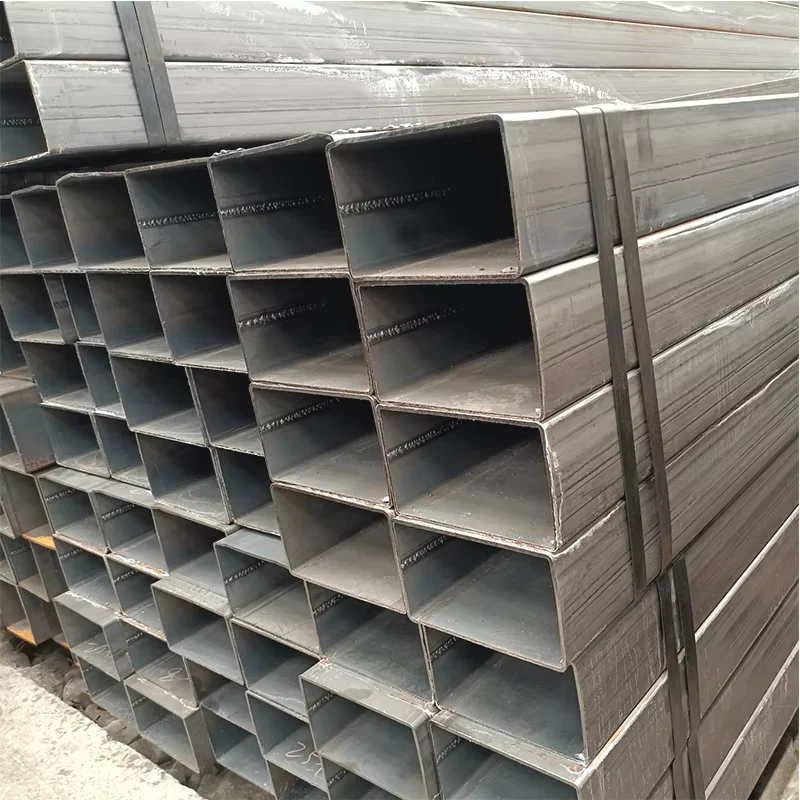
| Technique | ERW / Hot Rolled |
| Surface Treatment | Bare surface / Varnish painting / Galvanizing / Custom painting |
| Tolerance | ±1% / ±5% |
| Ends | Plain / Beveled (as per request) |
| Application | Steel structures / Construction frames / Civil engineering / Steel towers / Scaffolding / Machinery / Industrial platforms |
| Origin | Shandong, China |
Application Suitability
| Industry | Typical Applications |
|---|---|
| EPC & General Construction | Building frame structures, column and beam assemblies, portal frames for warehouses and factories |
| Industrial & Machinery | Machinery support bases, conveyor structures, industrial platform framing, equipment skids |
| Infrastructure & Towers | Steel tower bracing members, scaffolding uprights and ledgers, civil engineering support frames |
| Commercial & Logistics | Mezzanine floors, racking uprights, logistics center structural frames |
What Negative Tolerance Actually Costs on a Structural Frame Order
A ±1% tolerance on wall thickness is the line between passing third-party inspection and scrapping an entire container at the destination port.
When buyers source Hot Rolled Seamless Square and Rectangular Steel Tube from fragmented suppliers, the material certificates often look clean on paper — but the actual wall thickness drifts into negative tolerance territory beyond what EN 10219 or GB/T 6728 permits. I have seen orders where the mill test certificate stated 3.0mm wall, yet caliper readings at the port showed 2.4mm. The entire shipment was rejected, and the re-procurement delay pushed the project schedule back by weeks. [NEED_CITE: EN 10219 cold-formed hollow section dimensional tolerance requirements] Beyond the direct financial loss, there is the structural engineering liability: load-bearing calculations assume the specified wall thickness, and any deviation compromises the safety margin that the structural engineer signed off on.
Matching Section Sizes to Structural Load Paths
The 20mm to 610mm side-length range of this Hot Rolled Seamless Square and Rectangular Steel Tube covers everything from secondary bracing members to primary column sections. For light-gauge scaffolding and conveyor frames, Q195 and Q215 grades in thinner walls (0.6mm–3.0mm) provide adequate strength at lower cost. When the structural engineer specifies higher load capacity for building frames or industrial platforms, Q235 and Q345 grades in walls up to 20mm deliver the yield strength needed without upsizing the section. The hot rolled process produces tighter corner radii compared to cold-formed alternatives, which improves weld joint fit-up at moment connections — a detail that matters when the erection crew is trying to align bolted flange plates on a multi-story frame.
Engineering Compliance Across EN, GB, and ASTM Frameworks
Structural hollow sections used in EU-bound projects must conform to EN 10210 (hot finished) or EN 10219 (cold formed), while North American projects reference ASTM A500 or A1085. [NEED_CITE: steel grade equivalence between EN ASTM and GB standards] The Q235 grade maps closely to S235JR in the EN system and roughly to ASTM A36 in mechanical properties, while Q345 aligns with S355JR and ASTM A572 Grade 50. For projects in Southeast Asia and the Middle East, JIS G3466 and BS specifications are also accepted. Our engineering team reviews shop drawings against the applicable standard before production begins, ensuring that the chemical composition and dimensional tolerances match what the client’s consultant will expect at the inspection stage. Surface treatment selection — bare, varnish, galvanized, or custom painting — is coordinated with the project’s corrosion environment classification, whether that is C2 interior dry or C5 marine coastal exposure per ISO 12944.
Steel Grade Selection and Process Differences That Affect Site Performance
The Q-series carbon structural steels (Q195, Q215, Q235, Q345) follow the Chinese GB/T 700 and GB/T 1591 grading system, where the number after “Q” indicates the minimum yield strength in MPa. Q345, with its higher yield strength, is the go-to grade for primary structural members in warehouses, industrial plants, and multi-story steel frames. The 10# and 20# grades are low-carbon mechanical steels chosen when machining or cold-forming operations are required at the fabrication stage. Hot rolled process delivers the tube with a mill scale surface that accepts primer and paint systems well, while ERW process provides tighter dimensional consistency for precision applications. [NEED_CITE: hot rolled versus ERW hollow section manufacturing process comparison] Galvanizing adds corrosion resistance for outdoor or high-humidity environments, extending service life without ongoing maintenance — a critical consideration for steel towers and scaffolding systems that may remain exposed for years.
Hidden Costs When Material Certificates Do Not Match Reality
Procuring Hot Rolled Seamless Square and Rectangular Steel Tube without verified mill test certificates creates a chain of risk: the structural engineer’s calculations become invalid, the third-party inspector flags the material at the port, and the project owner faces either costly re-procurement or the temptation to “accept as-is” with compromised safety margins. [NEED_CITE: consequences of negative tolerance steel in structural applications] Material traceability gaps — where the fabricator sources tubes from unknown mills — mean that heat number verification is impossible, and customs authorities in strict markets (EU, Australia, Middle East) may hold the shipment pending additional testing. The real cost is never the price difference between a certified and uncertified supplier; it is the delay, the rework, and the liability exposure when a structural member fails to perform as designed.
Why Project Teams Source From XJY Structure
We operate our own steel production facility with three rolling lines, meaning every Hot Rolled Seamless Square and Rectangular Steel Tube we ship is manufactured under our direct quality control — not sourced from a third-party mill and resold. Our inventory holds over 2,800 specifications across the Q195–Q345 grade range, so projects requiring mixed section sizes in a single shipment can be fulfilled from one warehouse, eliminating the coordination burden of managing multiple suppliers. Every order is accompanied by a mill test certificate documenting chemical composition and mechanical properties per the applicable standard (EN 10210, EN 10219, or GB/T 6728), and we accept third-party inspection from SGS, BV, or the client’s nominated agency before shipment. For projects requiring CE marking under EN 10210 or EN 10219, our factory holds the necessary certification, and we provide the complete documentation package — including WPS, PQR, weld maps, and dimensional inspection reports — that EPC firms need for project handover. Custom cutting to exact lengths, beveled ends for welding preparation, and non-standard sizes outside the catalog range are handled in-house, reducing the need for secondary processing at the destination.
Documentation & Compliance
- Mill test certificate documenting Q235B or Q345B chemical composition and yield strength per GB/T 6728 or EN 10219, issued per heat number
- CE certificate confirming compliance with EN 10210 (hot finished) or EN 10219 (cold formed) for EU market delivery
- ISO 9001 quality management system certificate covering the full production process from raw material to finished tube
- SGS or BV third-party inspection report verifying dimensional tolerance, surface treatment thickness, and visual quality before loading
- Full material traceability linking each bundle to its heat number, chemical analysis, and mechanical test results
- Export customs documentation including packing list, bill of lading, and certificate of origin for destination port clearance
Packaging, Loading & Delivery
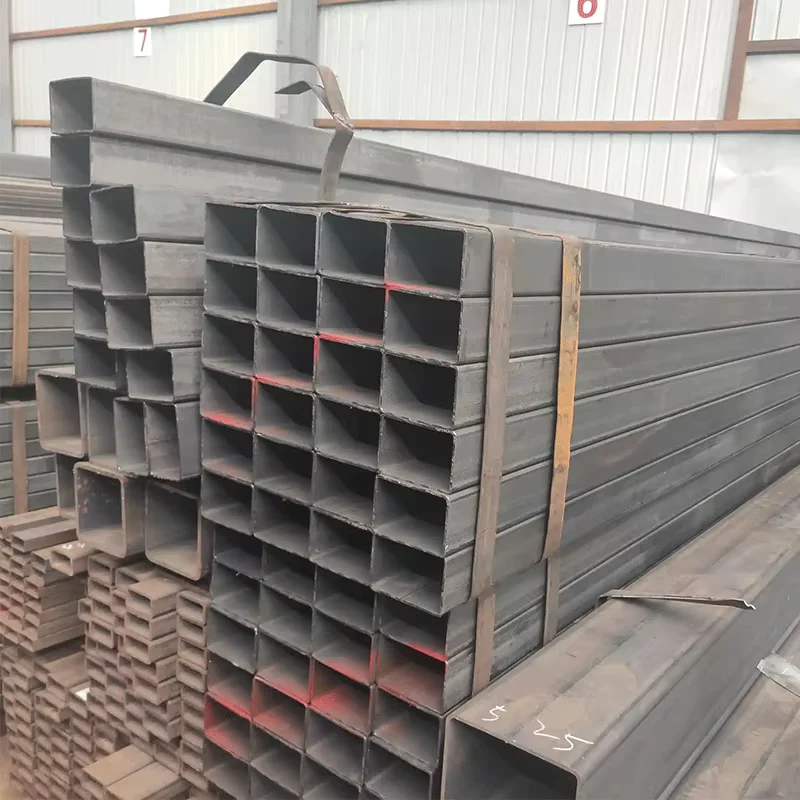
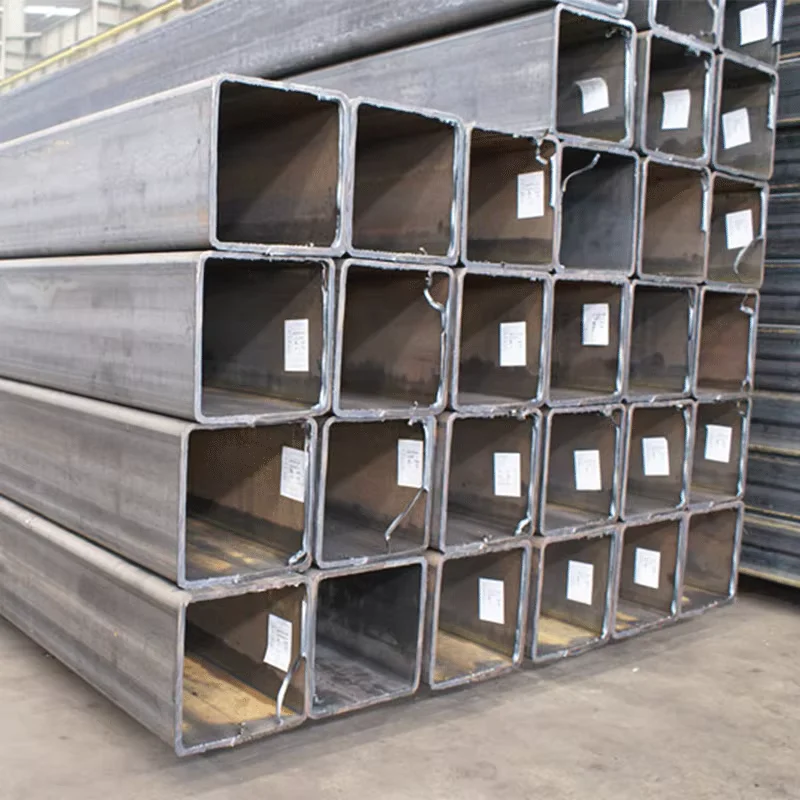
- Q235 and Q345 square and rectangular tubes bundled with steel strip ties and edge protectors, sized to fit standard 20ft and 40ft containers based on the 5.8m–14m length range
- Galvanized tubes wrapped with waterproof paper and plastic sleeves to prevent white rust formation during ocean transit
- Bare surface tubes coated with anti-rust oil before bundling to preserve the hot rolled mill scale during storage and shipping
- Container loading plans optimized for 610mm × 610mm large-section tubes and smaller 20mm × 20mm members to maximize weight utilization per shipment
- Heat number and steel grade stenciled on each bundle for on-site identification and traceability verification during erection
- FOB, CIF, and DDP shipping terms available, with professional loading supervision to prevent damage to tube ends and surface coatings
Getting a Firm Quote With Mill Test Documentation
Share your project drawings (PDF or DWG), specify the steel grade (Q195 through Q345), section sizes, wall thickness, surface treatment preference, and destination port. Our team responds within one working day with a detailed quotation covering material, fabrication if needed, coating, packing, and shipping costs — along with the mill test certificate format and third-party inspection arrangement. For non-standard sizes or custom lengths outside the 5.8m–14m range, we confirm production feasibility and lead time before you commit.
Frequently Asked Questions
Q: How do Q235 and Q345 grades compare to EN and ASTM equivalents?
A: Q235 corresponds closely to S235JR in the EN system and ASTM A36 in mechanical properties. Q345 aligns with S355JR under EN 10219 and roughly matches ASTM A572 Grade 50. We provide a cross-reference table with every inquiry so your engineer can verify equivalence.
Q: Can you arrange third-party inspection before shipment?
A: Yes. We accept SGS, BV, or your nominated inspection agency to verify dimensional tolerance, wall thickness, surface treatment, and visual quality at our facility before loading. The inspection report is included in the shipping documentation package.
Q: What is the minimum order quantity for custom sizes?
A: Standard catalog sizes (20mm–610mm side length, 0.6mm–20mm wall) are available from stock with no minimum order. Custom non-standard sizes or special lengths require a production run, and the minimum quantity depends on the specific section and steel grade requested.
Q: Do you provide galvanized and painted surface treatments in-house?
A: Yes. We offer bare surface, varnish painting, hot-dip galvanizing, and custom painting systems. The surface treatment is selected based on the project’s corrosion environment and specified coating thickness per ISO 12944 or client requirements.
Q: How do you ensure wall thickness meets the stated tolerance?
A: Every production batch undergoes dimensional inspection using calibrated ultrasonic thickness gauges and calipers. The ±1% or ±5% tolerance (depending on the standard and section size) is verified against EN 10219, EN 10210, or GB/T 6728 requirements, and the results are documented in the mill test certificate.
Request Your Quotation With Full Mill Documentation
Submit your specifications — steel grade, section size, wall thickness, quantity, and destination — to receive a detailed quotation and sample mill test certificate within one working day. Contact XJY Structure at admin@xjystructure.com or WhatsApp +86 188 5315 7756 to begin your procurement.