Description
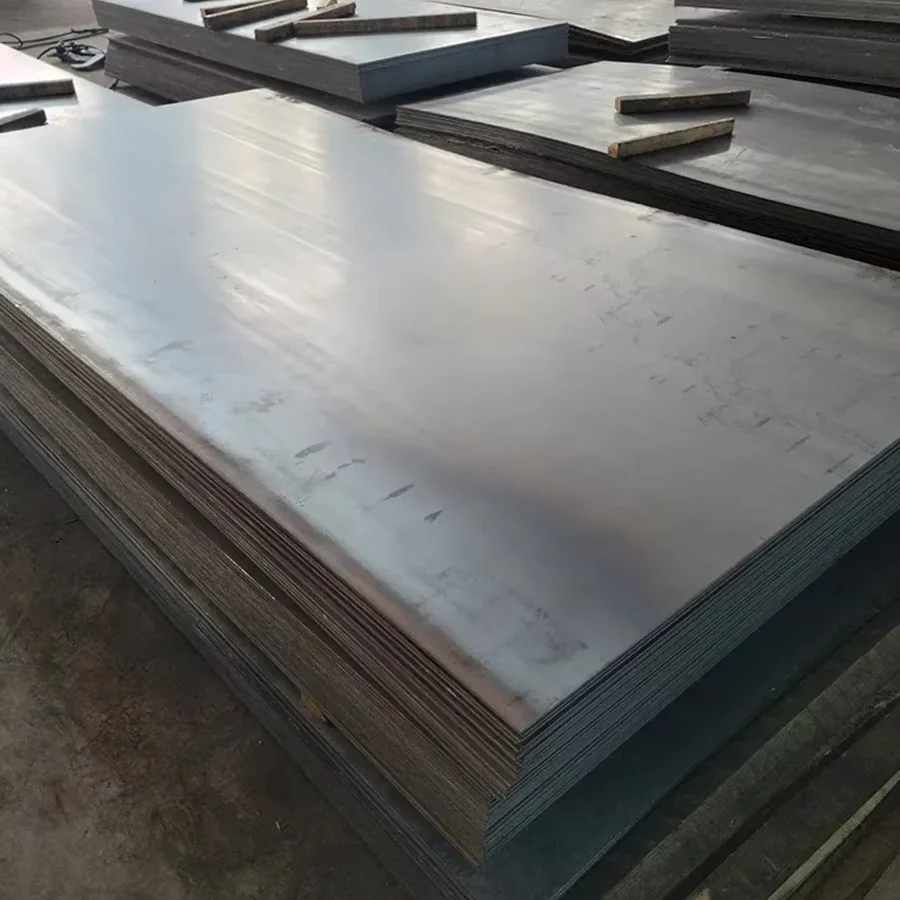
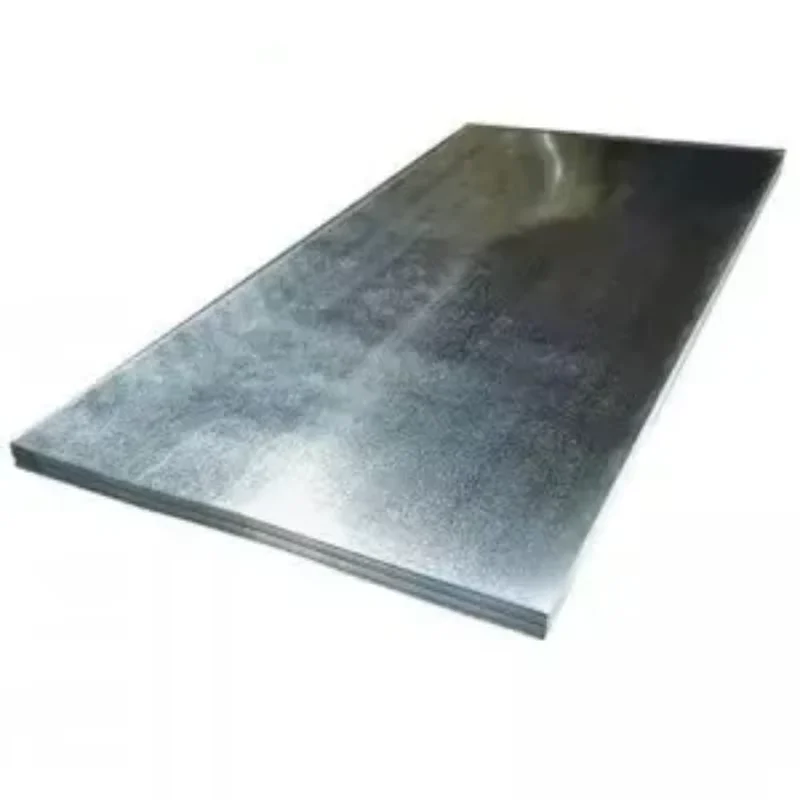
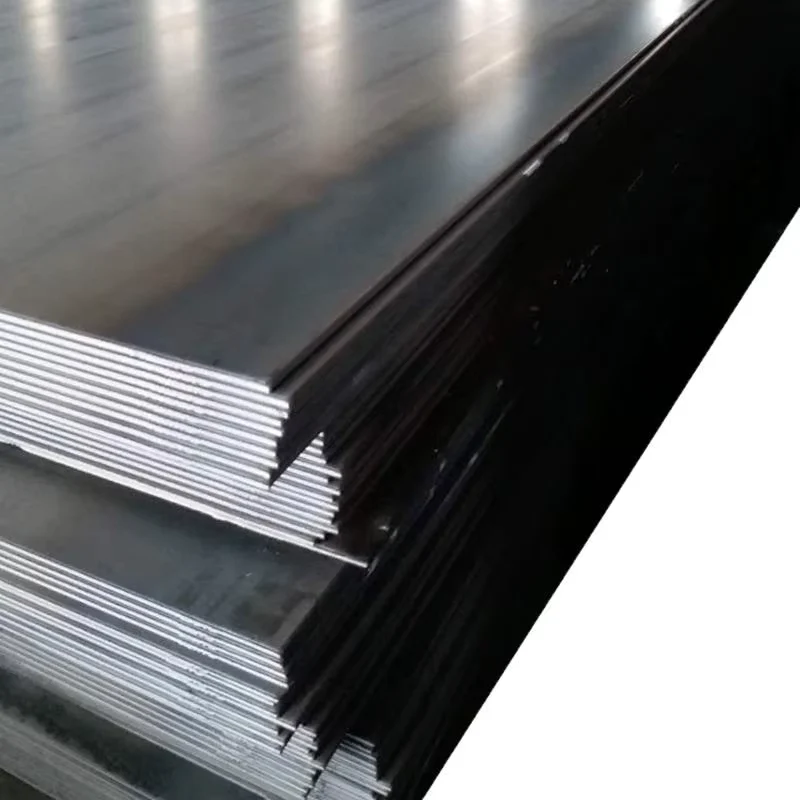
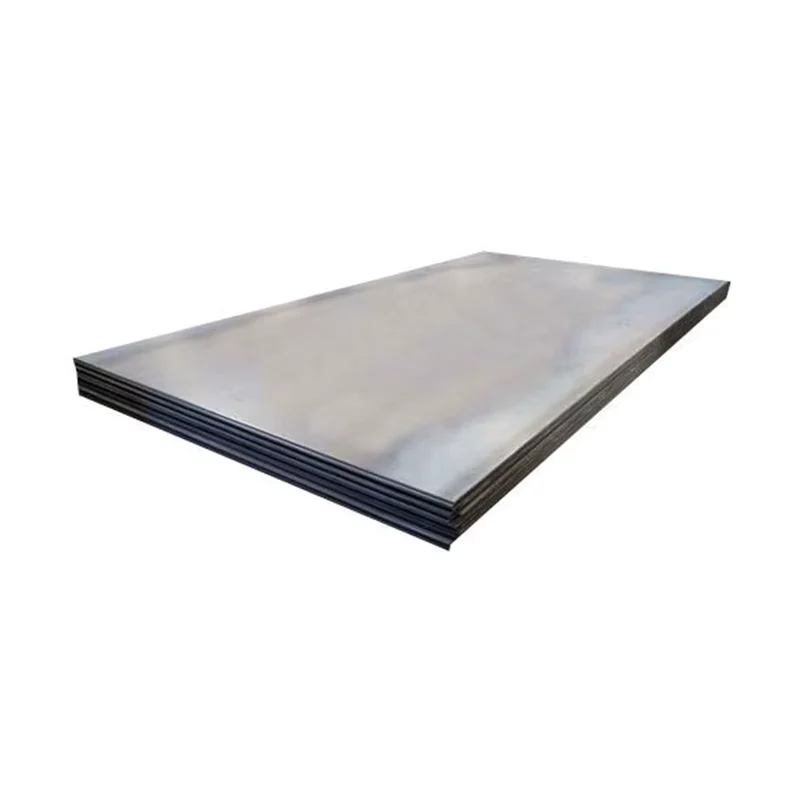
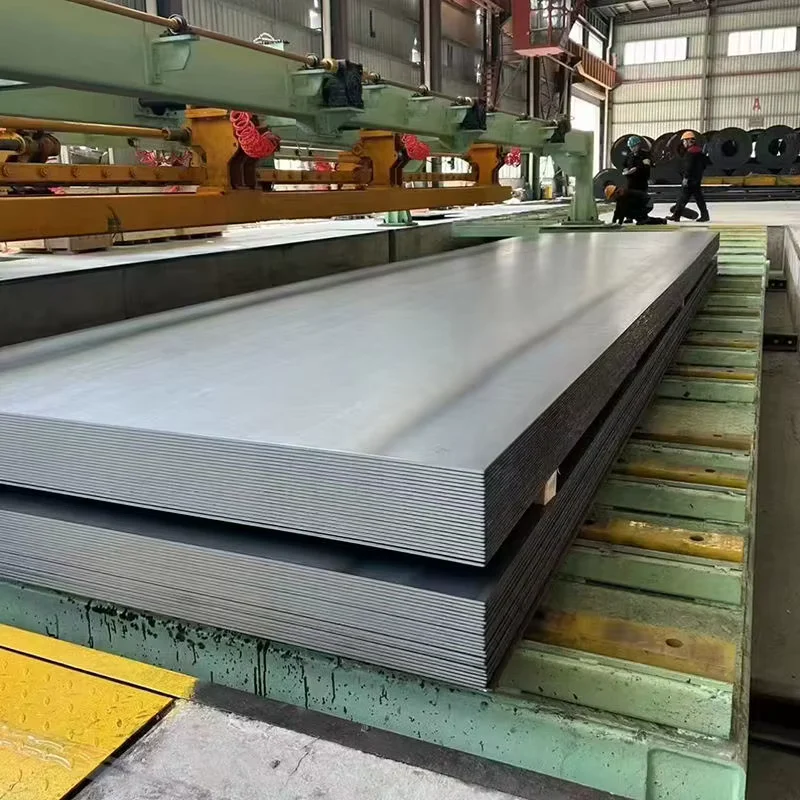
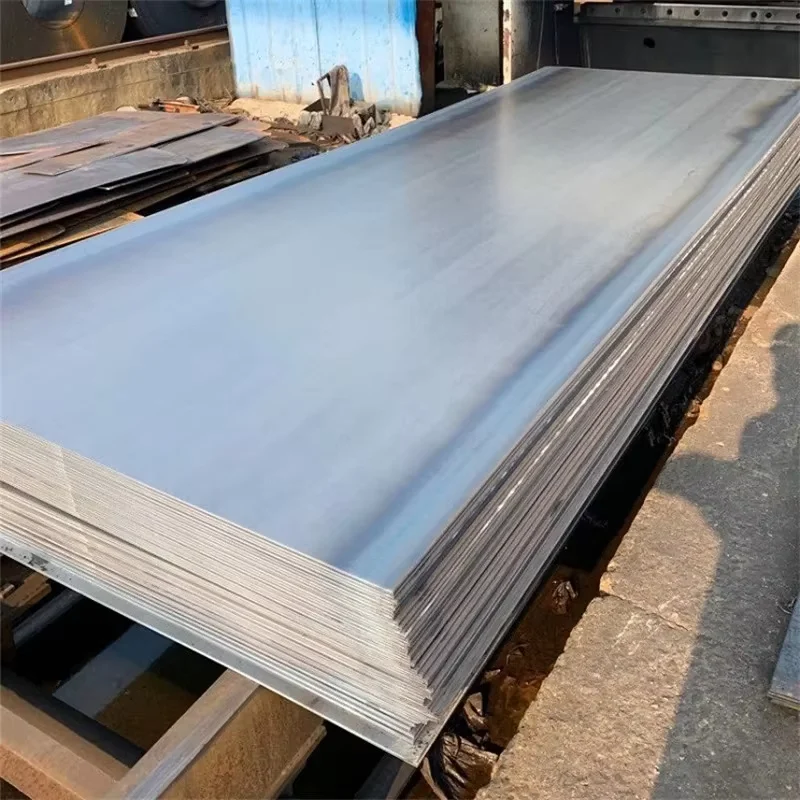
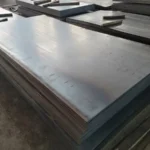
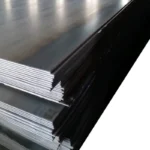
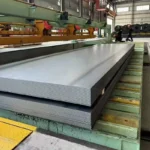
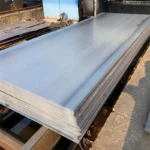
Factory-Direct Q235B Q345B Steel Plate Supply — Our own steel mill produces the raw plates we cut, bend, and weld, so every heat number traces back to a single source from slab to finished component.
Technical Specifications
| Parameter | Value |
|---|---|
| Designation | Q235B/Q345B Steel Plate |
| Product Type | Steel Plate |
| Steel Grade | Q235, Q235B, Q345, Q345B |
| Technique | Hot Rolled |
| Thickness | 0.8 mm – 1.2 mm |
| Width | Up to 1500 mm |
| Tolerance | ±1% |
| Surface Treatment | Skin Pass |
| Processing Service | Bending, Cutting, Decoiling, Punching, Welding |
| Standard | CE, API, RoHS, SNI, BIS, SASO |
| Application | Industrial equipment, Construction, Manufacturing, Fabrication |
Application Suitability
| Industry | Typical Applications |
|---|---|
| Industrial Equipment | Machine base frames, conveyor support structures, platform decking |
| Construction | Portal frame bracing plates, column base plates, embedded connection plates |
| Manufacturing | Equipment enclosures, structural brackets, pallet rack uprights |
| Fabrication | Shop-assembled truss gussets, beam-to-column splice plates, stair stringers |
What Material Traceability Gaps Cost on a Thin-Gauge Plate Order
A missing heat number on a 1 mm Q345B plate can shut down an entire fabrication batch at customs.
When plates are sourced through traders who consolidate stock from multiple mills, the chain between the original melt record and the delivered sheet often breaks. Third-party inspectors flag mismatches between the test report chemistry and the physical stamp on the plate. I watched a full container of high-strength carbon plate sit in a port warehouse for weeks because the manganese content on the certificate did not match the heat number etched on the edge [NEED_CITE: material traceability requirements under EN 10204 Type 3.1 inspection certificates]. For a Q235B Q345B steel plate supplier that controls its own melting and rolling, this problem does not exist — every plate leaves the mill with a traceable identity.
How 0.8–1.2 mm Hot-Rolled Plates Serve Structural Fabrication
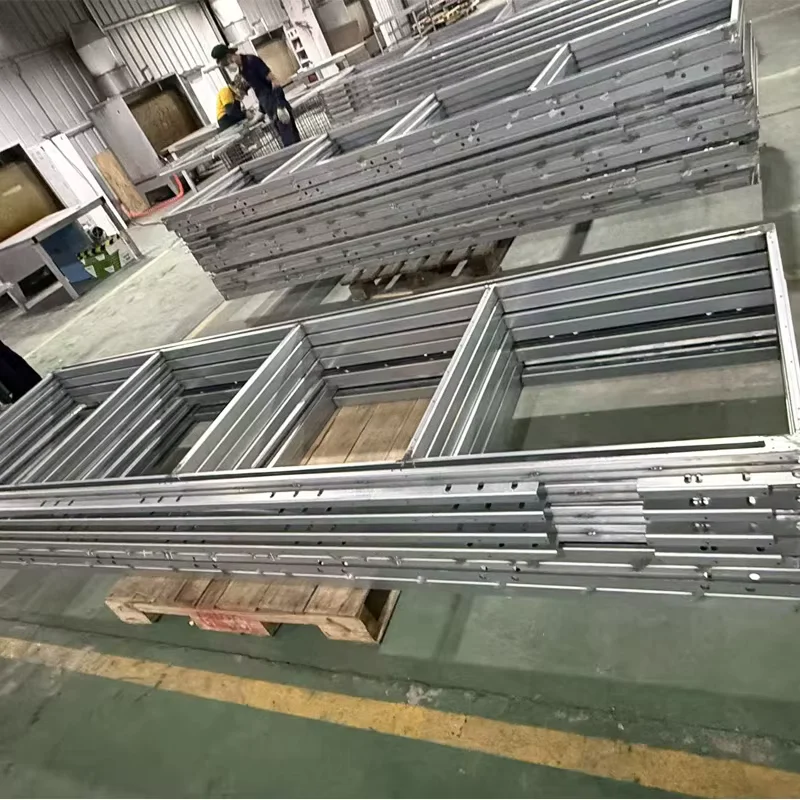
Thin-gauge Q235B and Q345B plates in the 0.8 mm to 1.2 mm range serve as gussets, bracing connectors, and base shims in light-to-medium structural frames. The skin-pass treatment improves surface flatness, which matters when these plates must sit flush against welded joints or bolted connections. A Q235B Q345B steel plate supplier with in-house CNC cutting and welding delivers these components ready to assemble, eliminating the secondary processing step that introduces dimensional drift.
Meeting International Compliance for Plate Fabrication
Structural plates used in EU-bound projects must conform to fabrication standards such as EN 1090, while Middle East and Southeast Asian specifiers often reference ASTM or local equivalents. The Q235B Q345B steel plate supplier must provide documentation that cross-references Chinese GB grades to the target standard, along with certified welding procedure specifications. Our mill produces plates under CE and API frameworks, and our fabrication division holds AWS and EN-certified welding procedures, so the compliance chain stays intact from raw material to finished assembly [NEED_CITE: EN 1090 execution class requirements for structural steel fabrication].
Understanding Q235B vs Q345B Grade Selection
The Q-series grading system designates minimum yield strength in MPa — Q235 indicates approximately 235 MPa yield, while Q345 steps up to roughly 345 MPa. For bracing plates and non-primary connections, Q235B offers adequate strength at lower cost. When plates serve as moment-resisting splice connections or support dynamic loads, Q345B provides the additional margin engineers require. The B suffix confirms Charpy impact testing at room temperature, a critical distinction for plates destined for welded structures in seismic zones. Hot rolling produces a grain structure suited to bending and punching, while the skin-pass treatment removes surface scale residuals and ensures consistent flatness for precision cutting [NEED_CITE: GB/T 700 and GB/T 1591 grade designation principles].
The Hidden Price of Unverified Plate Procurement
Plates sourced from consolidators who blend stock from unverified mills carry risks that surface only during inspection or fabrication. Chemistry mismatches trigger customs holds. Negative tolerance beyond the ±1% range means the delivered plate weighs less than calculated, compromising structural load assumptions. Missing or forged mill certificates force costly re-testing or outright rejection. A Q235B Q345B steel plate supplier operating its own melt shop eliminates these variables — the chemistry, the rolling schedule, and the test results all originate from one controlled process [NEED_CITE: consequences of non-conforming steel materials in structural engineering projects].
Procurement Confidence Through Vertical Integration
Our fabrication division operates under the same roof as the steel mill that produces the raw plates. This means when you order Q345B plates cut to your shop drawing dimensions, the heat number on each piece links directly to our mill test records. We maintain over 2,800 raw material specifications in stock, so standard gauge plates ship without waiting for a new rolling campaign. Every welder on our floor holds current AWS or EN certification, and our quality team generates complete documentation packages — WPS, PQR, weld maps, and dimensional reports — before any shipment leaves Jinan. For oversized fabricated assemblies, our loading team plans container stowage around the specific plate dimensions to maximize weight utilization.
Documentation & Compliance
- Mill Test Certificate documenting Q235B/Q345B chemical composition and mechanical properties per GB/T 700 and GB/T 1591, with heat number traceability
- CE certificate confirming compliance with applicable European construction product regulations for structural steel plates
- ISO 9001 quality management certificate covering both steel production and fabrication processes
- SGS or BV third-party inspection report available for pre-shipment verification of dimensions, surface quality, and coating thickness
- Material traceability sheet linking each plate’s heat number to its original melt chemistry and rolling records
- Full customs documentation package including packing list, bill of lading, and certificate of origin
Packaging, Loading & Delivery
- Hot-rolled Q235B/Q345B plates bundled with steel straps and edge protectors to prevent surface damage during ocean transit
- Skin-pass treated surfaces wrapped with moisture-resistant paper to preserve flatness and prevent oxidation before fabrication
- Container loading optimized for 0.8–1.2 mm gauge plates stacked with interleaving separators to maintain dimensional tolerance
- Custom cutting to project-specific lengths available, reducing on-site waste and secondary processing for construction applications
- Each plate marked with heat number, steel grade, and thickness for on-site identification and traceability verification
- FOB, CIF, and DDP shipping terms supported with professional oversized cargo handling for fabricated plate assemblies
Start Your Plate Procurement With Verified Documentation
Send your project drawings in PDF or DWG format along with the required steel grade, thickness, and quantity. Our engineering team reviews the specifications and returns a detailed quotation covering material, processing, coating, and logistics within 24 hours — including shop drawing timelines and production scheduling.
Request Your Q235B Q345B Steel Plate Quote Today
Submit your specifications, steel grade, and destination port to receive a detailed quotation with mill test certificates and production schedules.
Shandong Xin Jiyuan Special Steel Tube Co., Ltd
Website: www.xjystructure.com
Tel: +86 531 8573 6315
Mobile/WhatsApp/WeChat: +86 188 5315 7756
Email: admin@xjystructure.com
Address: No.11889, Jingshi West Road, Lulian Group, Jinan City, Shandong Province, China
Frequently Asked Questions
Q: Can you provide third-party inspection for Q235B Q345B steel plates before shipment?
A: Yes. We welcome SGS, BV, or other internationally recognized inspection agencies to conduct pre-shipment verification of plate dimensions, surface quality, chemical composition, and mechanical properties at our facility.
Q: What is the tolerance control for 0.8 mm to 1.2 mm thick plates?
A: Our hot-rolled Q235B and Q345B plates maintain a thickness tolerance of ±1%, verified through in-process dimensional checks and documented in the quality inspection report accompanying each shipment.
Q: Do you offer custom cutting and welding services for these plate gauges?
A: Yes. Our fabrication division provides CNC cutting, plasma cutting, bending, punching, and certified welding services for Q235B and Q345B plates, delivering finished components ready for assembly based on your engineering drawings.
Q: How do you ensure material traceability from mill to delivery?
A: Every plate produced in our mill carries a unique heat number linked to its original melt chemistry and rolling records. This traceability extends through fabrication and is documented in the mill test certificate package provided with each order.
Q: What international standards do your Q235B/Q345B plates comply with?
A: Our plates are produced under CE and API frameworks, and we provide grade equivalence documentation cross-referencing Chinese GB standards to EN, ASTM, and other international specifications required by your project.