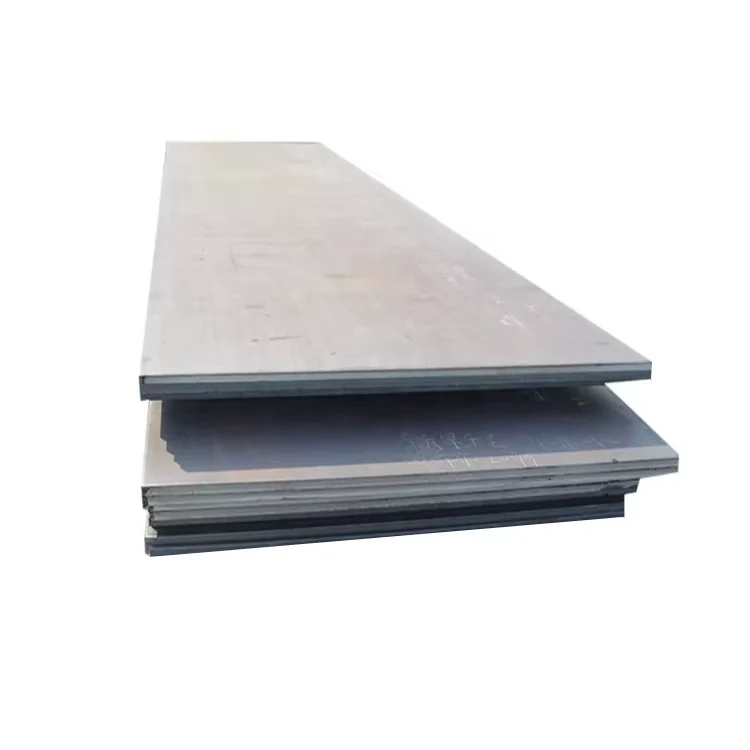
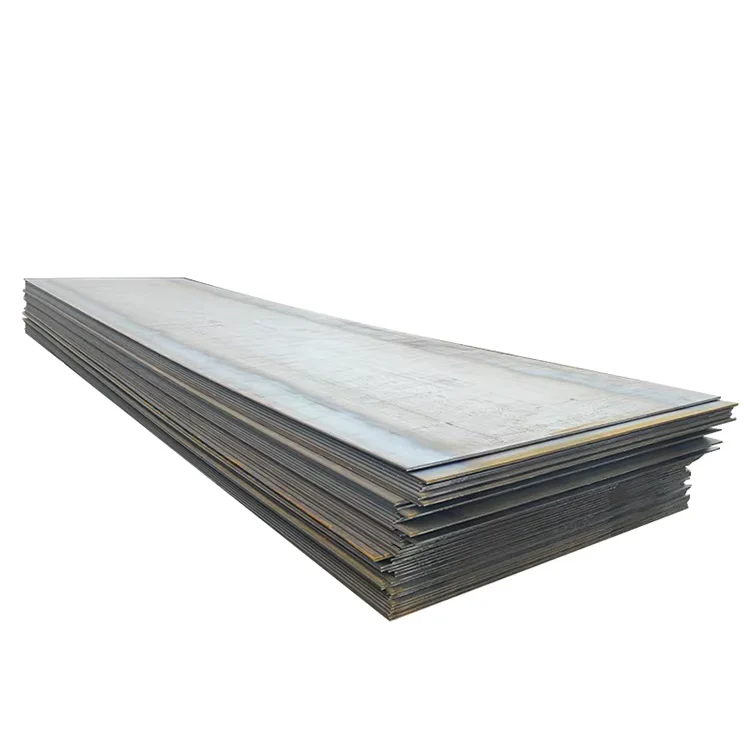
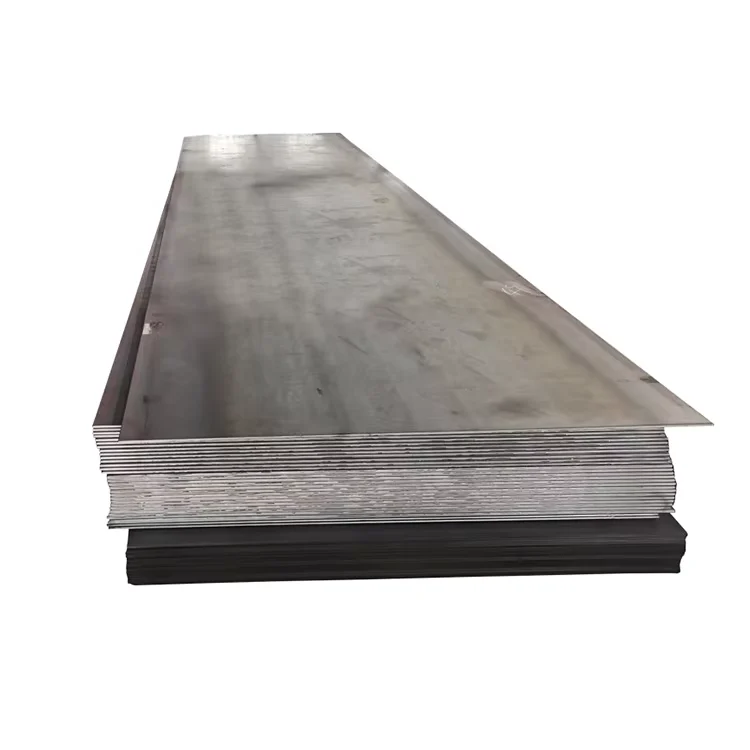
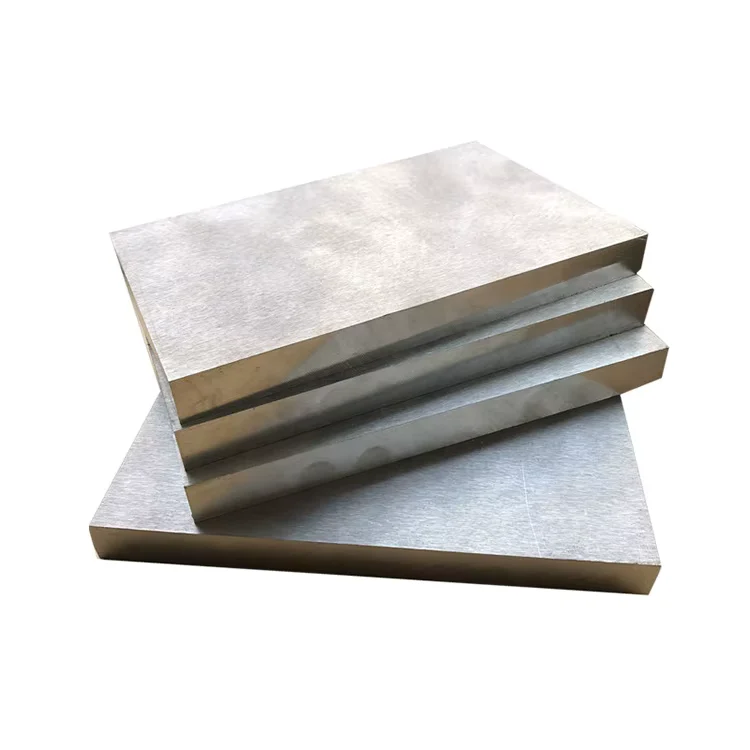
Description
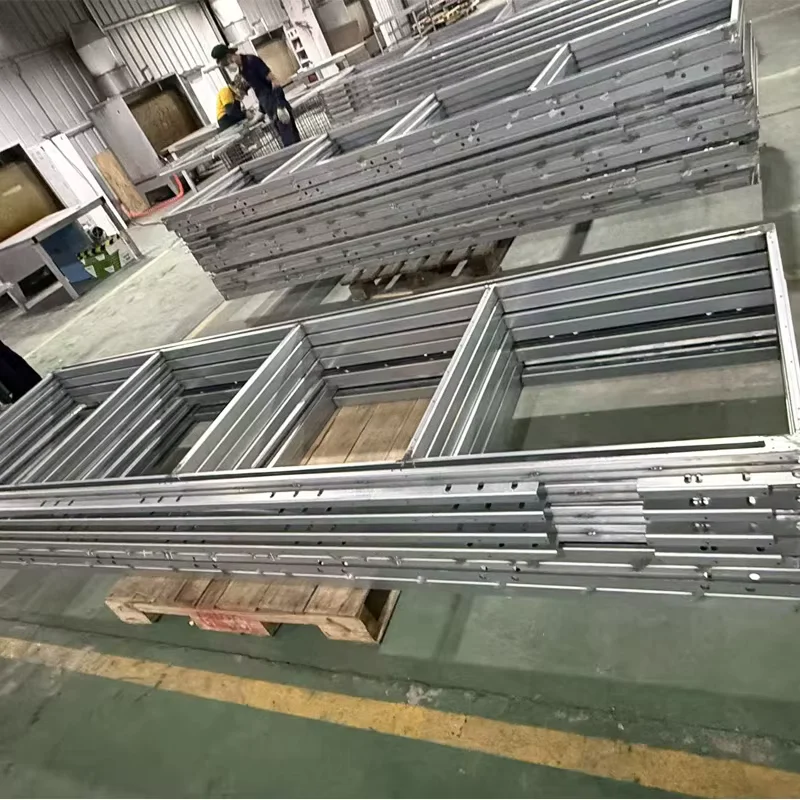
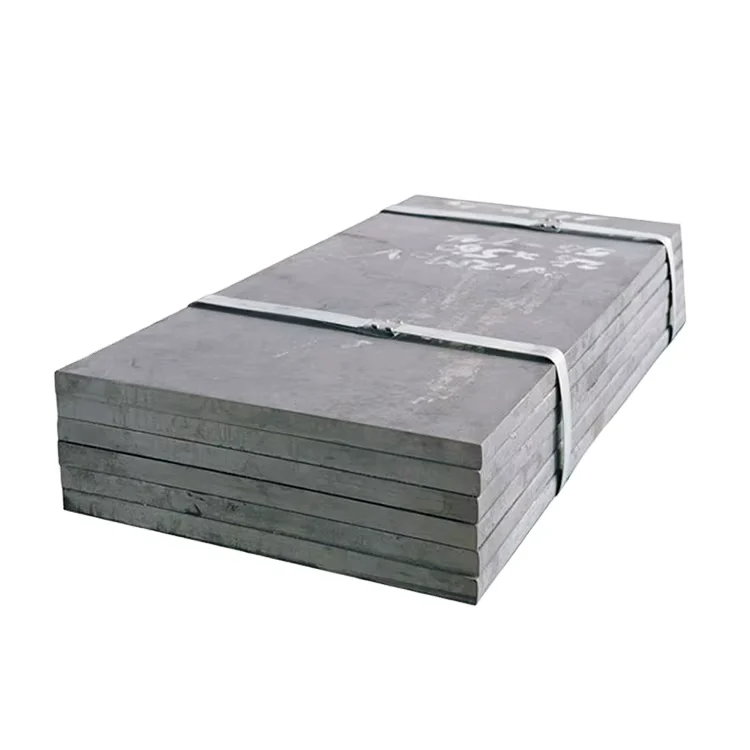
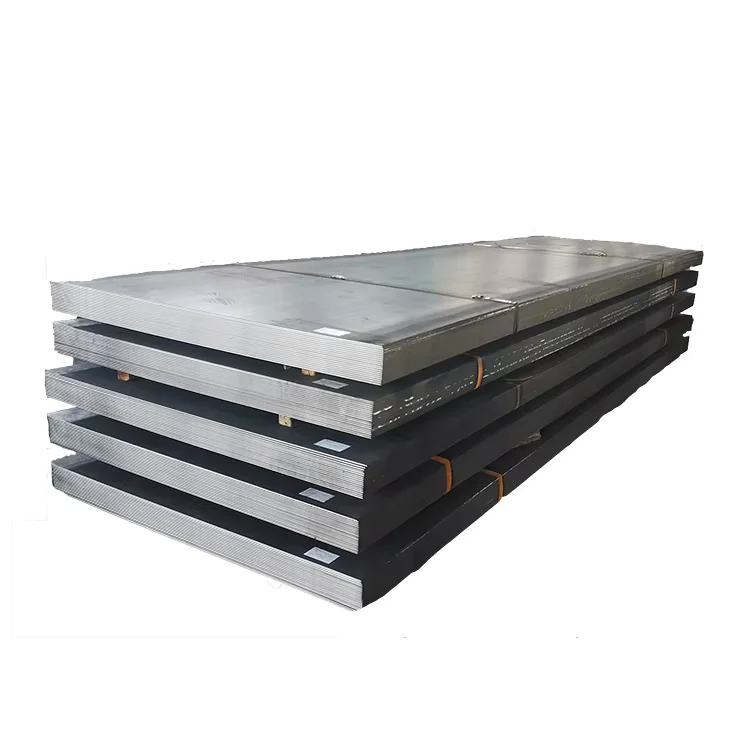
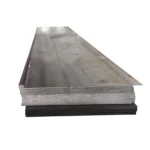
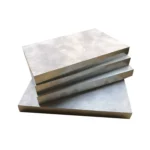
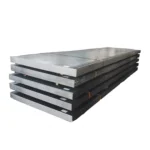
Direct Mill Supply for Q345 Laser-Cut Plates — XJY Structure operates its own steel mill and fabrication workshop, delivering Q345 carbon steel plate laser cutting processing with full heat-number traceability from raw slab to finished component.
Technical Specifications
| Parameter | Value |
|---|---|
| Designation | Q345 Carbon Steel Plate Cutting & Processing |
| Product Type | Steel Plate (with Laser Cutting / Welding Processing Service) |
| Steel Grade | Q195, Q215, Q235, Q345, SS490, SM400, SM490, SPHC, SPHD, SPHE, SPHF, SAE1002, SAE1006, SAE1008, SAE1010, S25C, S35C, S45C, 65Mn, SPHT1, SPHT2, SPHT3, SPHT4, QstE |
| Standard | ASTM, BS, DIN, GB/T, JIS |
| Thickness | 0.2–18 mm |
| Width | 610 / 760 / 840 / 900 / 914 / 1000 / 1200 / 1250 mm |
| Tolerance | Thickness ±0.02 mm, Width ±2 mm |
| Technique | Hot Rolled / Cold Rolled |
| Surface Treatment | Galvanized / Coated / Iron gray (low carbon) / Brown (special alloy & high carbon) / Partial ochre (weather resistance) / Temperature oxidation pattern |
| Processing Service | Laser Cutting, CNC Cutting, Welding, Bending, Punching, Decoiling |
| Application | Structural steel fabrication / Pressure vessels / Shipbuilding / Bridges / Building construction / Machinery manufacturing / Automotive / Industrial platforms |
| MOQ | 1 Ton |
Application Suitability
| Industry | Typical Applications |
|---|---|
| EPC & General Contracting | Column base plates, beam connection gussets, truss joint plates for commercial and industrial buildings |
| Infrastructure & Bridges | Bridge gusset plates, bearing stiffeners, splice plates for highway and rail projects |
| Industrial Facilities | Machinery base plates, equipment support platforms, mezzanine floor grating and stair treads |
| Pressure Vessels & Shipbuilding | Boiler end caps, vessel shell plates, deck stiffener plates per ASTM/DIN/GB standards |
| Machinery & Automotive | Frame brackets, chassis reinforcement plates, hydraulic cylinder end plates |
When a 3 mm Hole Offset Means a Full Site Rework
Material traceability gaps between plate supplier and fabricator are the root cause of most field-fit failures on overseas steel projects.
When you source plates from a trader who subcontracts cutting to a separate workshop, the heat number chain breaks. You receive plates with no mill certificate linking chemistry to the finished cut piece. On a Middle East platform project I managed, a batch of connection plates arrived with hole positions drifting 3 mm off drawing — fifty-plus pieces that could not bolt up without gas-cutting on site. The root cause was not the laser machine; it was that the cutting shop used mixed-origin plates without verifying thickness tolerance before nesting. A Q345 carbon steel plate laser cutting processing supplier that controls both the rolling mill and the cutting line eliminates this gap entirely. [NEED_CITE: material traceability requirements under EN 10204 inspection document types]
How Cut-to-Size Plates Match Structural Connection Demands
Precision laser cutting of Q345 plates to shop-drawing dimensions ensures that bolt-hole patterns, weld-prep edges, and overall profiles meet the fit-up tolerances required by EN 1090 and AISC erection codes. When plates are cut, drilled, and welded within a single quality system, dimensional data from the cutting stage feeds directly into the welding sequence — reducing cumulative stack-up errors that plague multi-vendor supply chains. XJY Structure runs CNC laser cutting, CNC drilling, bending, and MIG/MAG/SAW welding on the same facility floor, so every Q345 carbon steel plate laser cutting processing order carries one set of inspection records from raw plate to finished assembly.
Engineering Compliance Across Load, Corrosion, and Certification Boundaries
Structural connection plates for EPC projects must satisfy load-bearing calculations per EN 1993 or AISC 360, which in turn dictate minimum plate thickness and grade — Q345 delivers higher yield capacity than Q235 for heavily loaded base plates and gussets. In corrosive environments such as coastal platforms or chemical plants, surface treatment selection (hot-dip galvanized, shop primer, or multi-coat painting) must align with the project’s corrosion category per ISO 12944. For EU-bound shipments, EN 1090 execution class documentation is mandatory; for North American projects, AWS D1.1 welding procedure qualification is required. A Q345 carbon steel plate laser cutting processing supplier certified to both EN 1090 and AWS standards removes the need for duplicate auditing. [NEED_CITE: EN 1090 execution class requirements for structural steel components]
Decoding Q345 Grade Selection and Hot-Rolled Plate Behavior
Q345 belongs to the Chinese GB/T 1591 low-alloy high-strength series, broadly equivalent to S355JR in EN 10025 and ASTM A572 Grade 50 in the US system — all three deliver a minimum yield strength significantly above mild steel Q235/S235/A36, making them the default choice for primary structural members and heavily loaded connection plates. The hot-rolled production route produces a mill scale surface (iron gray on low-carbon heats) that accepts shop primers and galvanizing after proper blast cleaning; cold-rolled variants in thinner gauges offer tighter surface finish for machinery applications. Thickness tolerance of ±0.02 mm on the Q345 carbon steel plate laser cutting processing line ensures that nested cutting programs maintain kerf compensation accuracy, preventing undersized tabs and misaligned bolt holes. Surface treatment options — galvanized for outdoor exposure, coated for industrial interiors, or left as mill finish for welded assemblies — are applied after cutting and welding to protect edges and heat-affected zones.
Hidden Costs of Sourcing Cut Plates Without Mill Integration
Purchasing laser-cut plates from a trader who sources raw material from multiple mills creates three categories of hidden cost. First, mixed-heat plates with inconsistent chemistry lead to variable weldability — welders following a single WPS may encounter porosity or cracking on plates from a different heat. Second, missing or forged mill test certificates trigger customs holds and third-party inspection delays at destination ports. Third, unverified thickness tolerance means theoretical weight calculations diverge from actual delivered weight, inflating project material budgets. Referencing EN 10204 Type 3.1 or 3.2 inspection certificates and requiring heat-number stamping on every cut piece are non-negotiable safeguards. [NEED_CITE: EN 10204 metallic inspection document types and traceability]
Why Project Teams Source Q345 Plates Through XJY Structure
XJY Structure operates its own steel production facility with three rolling lines and over 2,800 raw material specifications in stock, meaning every Q345 carbon steel plate laser cutting processing order begins with plates rolled in-house — not purchased from third-party mills with unknown chemistry. The fabrication workshop houses CNC laser cutting, plasma/flame cutting, drilling, bending, and certified welding stations (AWS and EN qualified welders) under one roof, so shop drawing review, material nesting, cutting, welding, shot blasting, and painting proceed without inter-vendor handoffs. Engineering support includes shop drawing preparation, material optimization, and fabrication sequencing — critical for EPC firms managing tight site schedules. Complete quality documentation packages (WPS, PQR, weld maps, dimensional inspection reports, coating reports) ship with every order. International project delivery experience spans the EU, Middle East, Southeast Asia, and Africa, with professional packing and loading plans for oversized fabricated components.
Documentation & Compliance
- Mill Test Certificate (EN 10204 Type 3.1) documenting Q345 chemical composition and mechanical properties, with heat number traceable to XJY Structure’s own rolling mill
- CE Certificate and EN 1090 Declaration of Performance for structural steel components exported to EU member states
- ISO 9001 quality management system certificate covering the full scope from steel production through fabrication and surface treatment
- SGS or BV third-party inspection reports available for pre-shipment verification of Q345 plate dimensions, coating thickness, and weld quality
- Full material traceability by heat number stamped on every laser-cut piece, cross-referenced to the corresponding MTC
- Export customs documentation including packing list, bill of lading, and certificate of origin for destination-port clearance
Packaging, Loading & Delivery
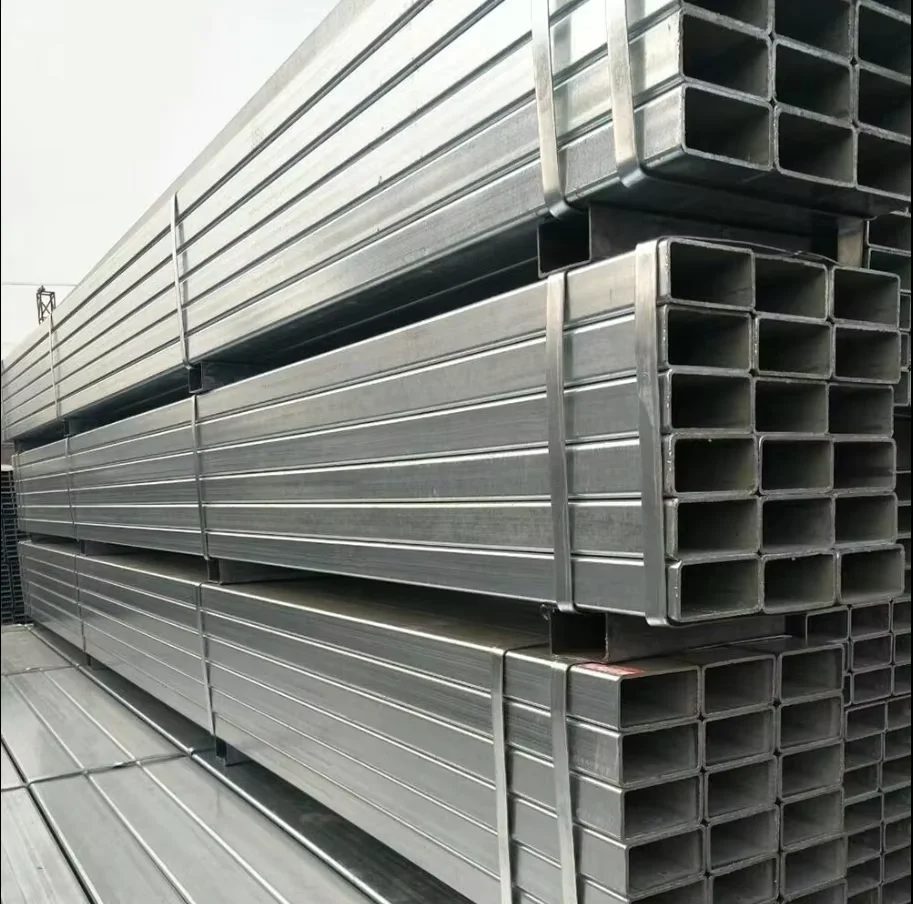
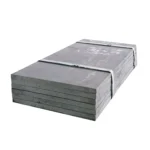
- Q345 plates bundled with galvanized steel strips and edge protectors to prevent coating damage and edge deformation during ocean transit
- Laser-cut pieces separated by timber dunnage and wrapped in waterproof film to preserve surface treatment (galvanized, coated, or mill finish) during storage and transport
- Container loading optimized for plate width (up to 1250 mm) and cut-piece dimensions to maximize 20ft and 40ft open-top or flat-rack container utilization
- Heat number and steel grade (Q345) stenciled on each bundle and individual large plates for site identification and traceability verification
- FOB, CIF, and DDP shipping terms available; professional lashing and securing plans for heavy and oversized fabricated components
Getting Your Q345 Plate Cutting Order Started
Submit your project drawings (PDF or DWG), steel grade requirement (Q345 or equivalent), quantity, surface treatment preference, and destination port — XJY Structure responds within 24 hours with a preliminary assessment, detailed quotation covering material, fabrication, coating, packing, and shipping, plus a shop drawing timeline and production schedule. For custom sizes outside standard width ranges, non-standard cutting programs are confirmed against MOQ and lead time before contract signing.
Frequently Asked Questions
Q: Can you provide cross-reference between Q345 and international equivalents like S355JR or ASTM A572?
A: Yes. Q345 under GB/T 1591 is broadly equivalent to S355JR (EN 10025) and ASTM A572 Grade 50 in terms of yield strength class. XJY Structure provides formal equivalence tables and can advise on substitution based on your project’s governing standard and welding requirements.
Q: Do you supply EN 10204 3.1 Mill Test Certificates, and can third-party inspection be arranged?
A: Every Q345 carbon steel plate laser cutting processing order ships with EN 10204 Type 3.1 MTC issued from XJY Structure’s own mill, with full heat-number traceability. SGS or BV third-party inspection can be arranged for pre-shipment dimensional, coating, and weld verification.
Q: What is the MOQ for custom laser-cut sizes, and can you work from our shop drawings?
A: The MOQ is 1 Ton. XJY Structure’s engineering team prepares shop drawings from your PDF or DWG files for review and approval before fabrication begins, ensuring hole patterns, edge prep, and overall dimensions match your erection sequence.
Q: What surface treatment options are available for Q345 plates, and how do you ensure coating adhesion on cut edges?
A: Options include hot-dip galvanized, shop primer, multi-coat painting, or mill finish. All cut edges and heat-affected zones undergo shot blasting to Sa 2.5 before coating application, ensuring adhesion meets ISO 12944 requirements for the specified corrosion category.
Q: How do you handle export packing and loading for heavy or oversized cut plates?
A: XJY Structure provides professional packing with steel strip bundling, timber dunnage separation, and waterproof wrapping. Oversized and heavy fabricated components receive custom lashing and securing plans for open-top or flat-rack containers, with complete export documentation and tracking until site delivery.
Request Your Q345 Plate Cutting Quotation Today
Send your drawings, steel grade, quantity, and destination port to receive a detailed quotation with shop drawing timeline and production schedule within 24 hours.
Shandong Xin Jiyuan Special Steel Tube Co., Ltd
Website: www.xjystructure.com
Tel: +86 531 8573 6315
Mobile/WhatsApp/WeChat: +86 188 5315 7756
Email: admin@xjystructure.com
Address: No.11889, Jingshi West Road, Lulian Group, Jinan City, Shandong Province, China