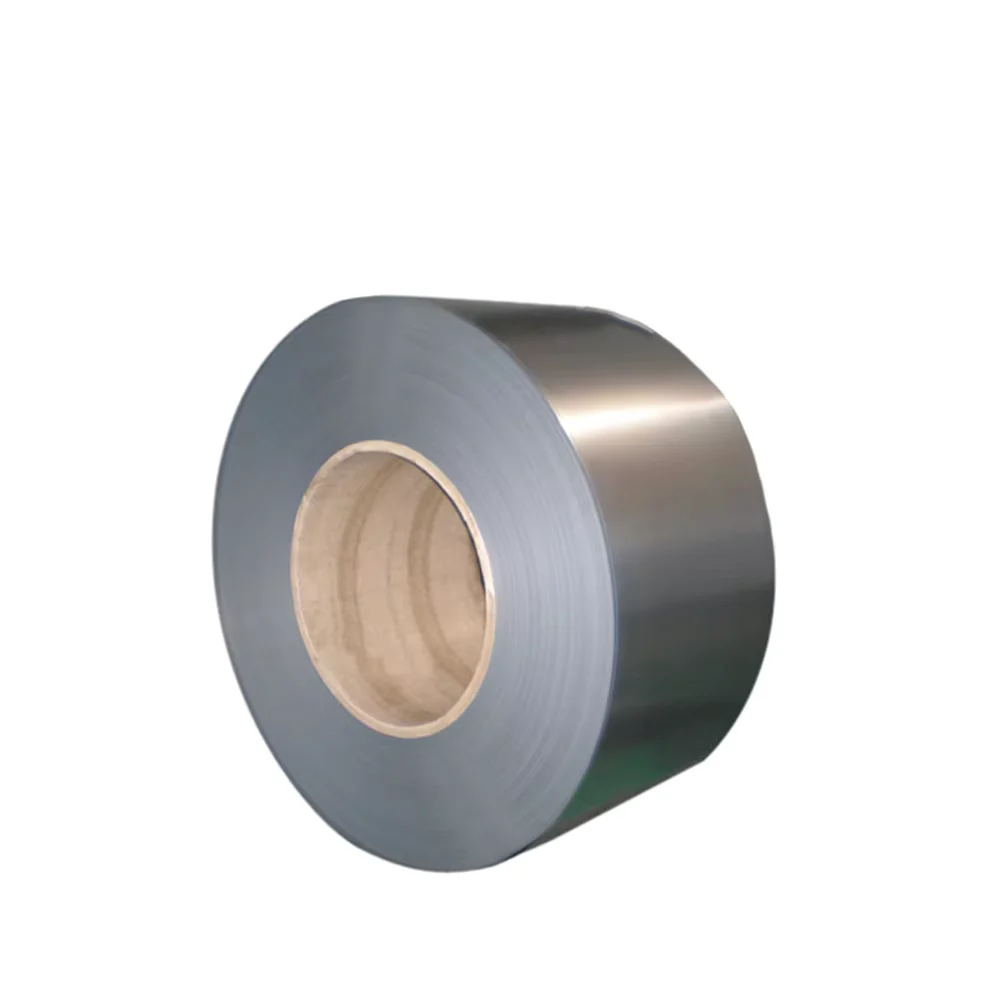
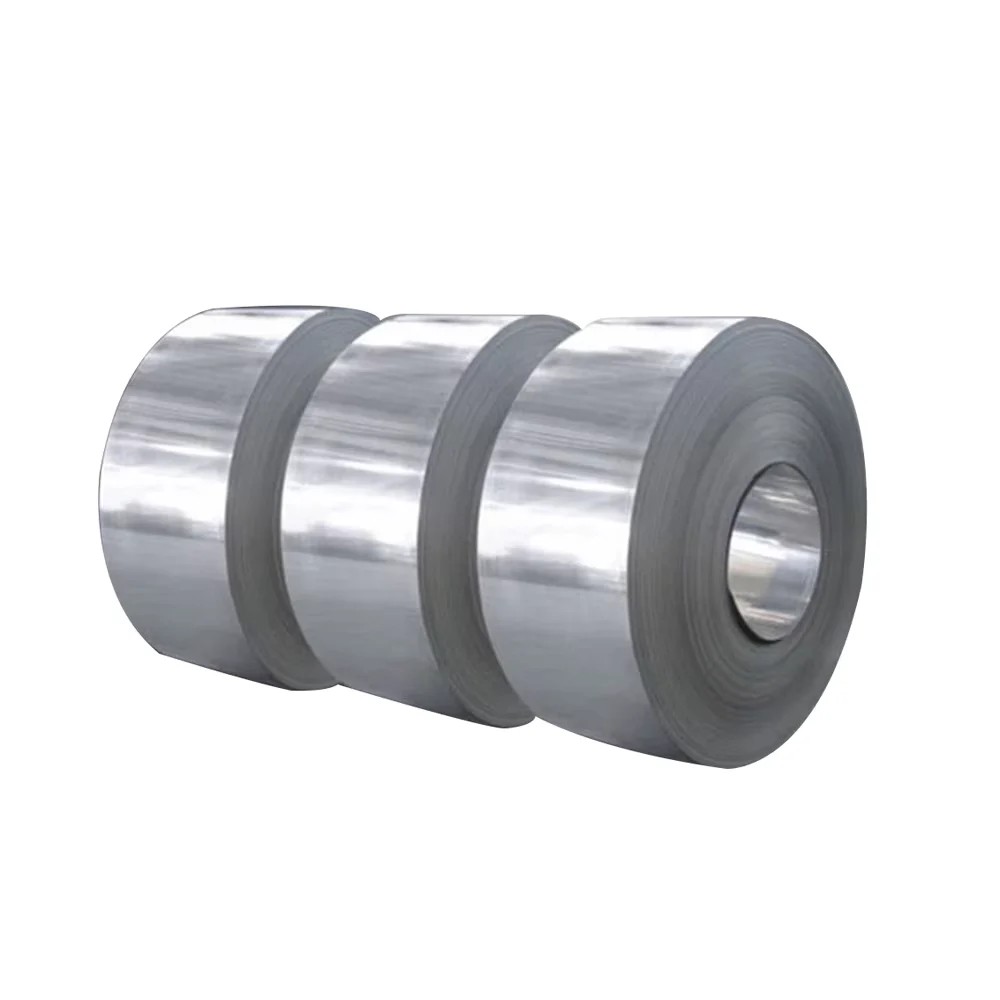
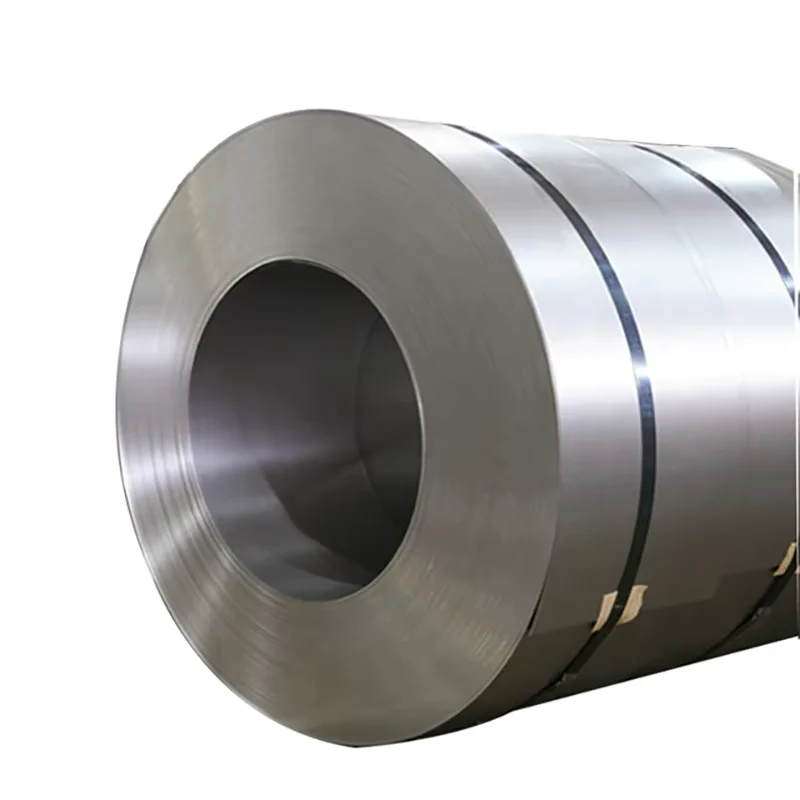
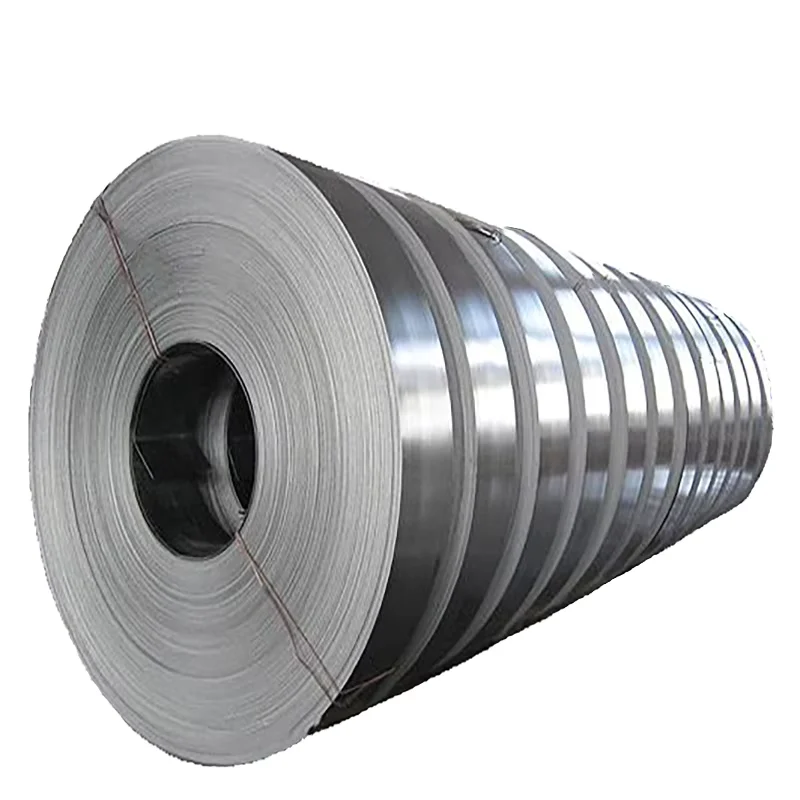
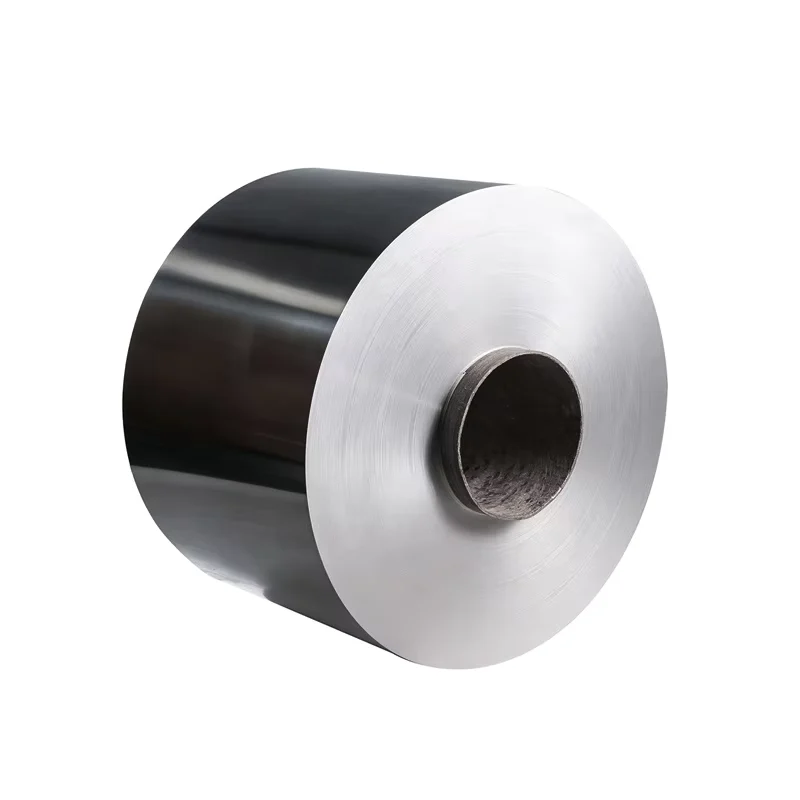
Description
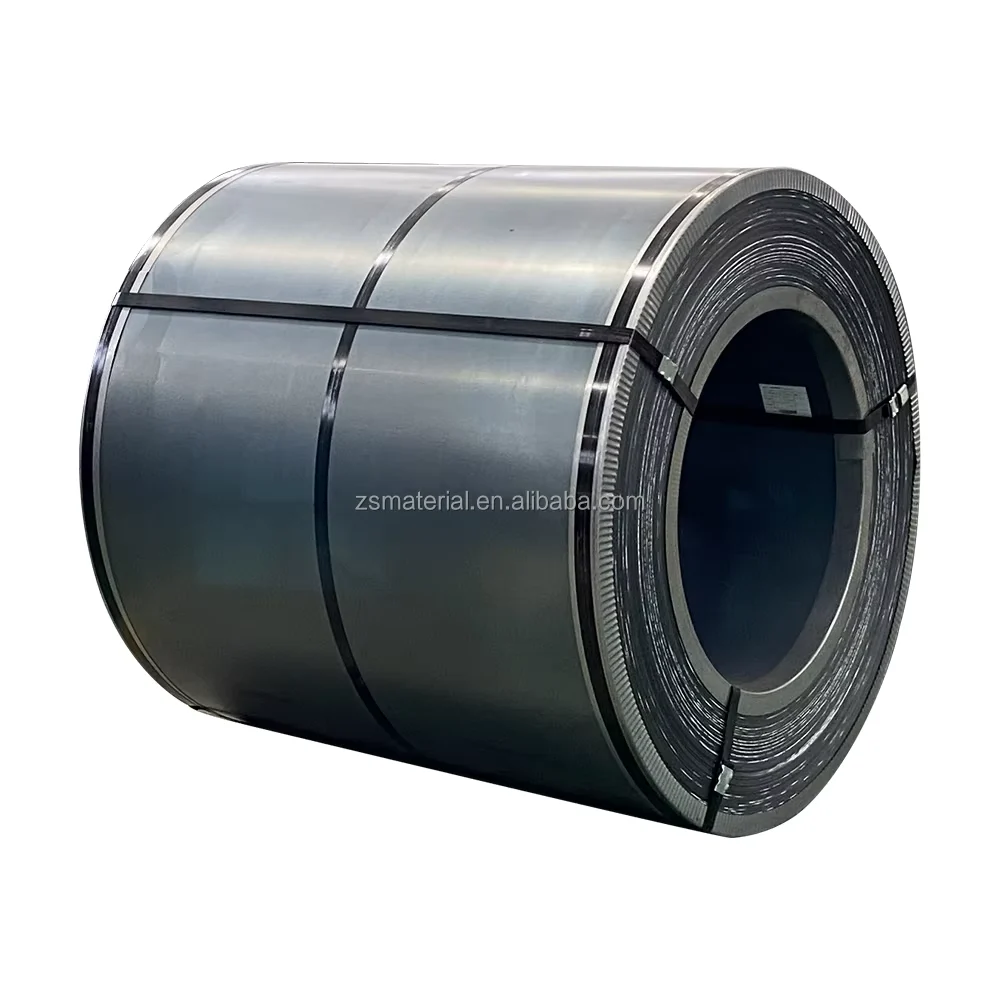
Direct Mill Supply, Full Traceability — Every stainless steel coil ships with heat-number traceability from our own production facility, eliminating third-party sourcing gaps.
Technical Specifications
| Parameter | Value |
|---|---|
| Designation | Stainless Steel Coil |
| Product Type | Steel Coil |
| Steel Grade | 201, 304, 304L, 316, 316L, 410, 430 |
| Standard | ASTM A240 / A480 |
| Section Shape | Coil / Strip |
| Width | 1000mm / 1219mm (custom slit widths available) |
| Thickness | 1mm / 2mm / 3mm / 4mm |
| Technique | Hot Rolled / Cold Rolled |
| Surface Treatment | Hot Rolled Finish / Cold Rolled Finish |
| Application | Chemical industry / Food processing equipment / Construction / General fabrication |
| Origin | Shandong, China |
Application Suitability
| Industry | Typical Applications |
|---|---|
| Chemical & Petrochemical | Pressure vessel cladding, piping insulation jackets, storage tank linings using 316/316L for chloride resistance |
| Food & Beverage | Processing tank shells, conveyor belts, hygiene-compliant work surfaces fabricated from 304/304L |
| Construction & Architecture | Roofing sheets, wall cladding panels, decorative trim and fascia using 430 and 201 grades |
| General Fabrication | Enclosures, brackets, ductwork, and light structural frames across multiple grade options |
Material Traceability Gaps Cost More Than the Coil Itself
When your supplier sources from a third-party mill, the certification chain breaks at the weakest link.
I once watched a 304 coil order get held at destination port because the mill test certificate listed a heat number that didn’t match the stamp on the steel. The fabricator had bought from a trader who swapped material at the warehouse. No amount of re-inspection could fix it — the entire batch was rejected. [NEED_CITE: EN 10204 3.1 inspection document requirements for metallic products] That’s the reality when a Stainless Steel Coil supplier cannot guarantee where the steel actually came from.
Matching Grade Selection to Corrosion Environments
Choosing between 304 and 316 for a Stainless Steel Coil order isn’t just about price — it’s about whether the material survives the environment it enters. In coastal construction or chemical processing where chloride exposure is constant, 316L’s molybdenum content provides pitting resistance that 304 simply cannot match. Meanwhile, 430 ferritic grade serves architectural cladding where appearance matters more than corrosion severity, and 201 offers a manganese-substituted alternative for budget-sensitive fabrication. Our own steel production facility covers all seven grades — austenitic, ferritic, and martensitic — so engineers specify what the project demands, not what a trader happens to have in stock.
Compliance Requirements Across Export Markets
Stainless Steel Coil shipments to the EU must carry documentation aligned with EN 10204 inspection certificate standards, while North American buyers reference ASTM A240 for chemical composition limits and A480 for general delivery conditions. [NEED_CITE: ASTM A240 standard specification for chromium and chromium-nickel stainless steel plate] Cold rolled finish coils demand tighter thickness tolerance documentation than hot rolled counterparts, and customs authorities in multiple jurisdictions now require heat-number traceability linking each coil back to its original melt. Missing any link in this chain means shipment holds, re-inspection fees, or outright rejection at the port.
Hot Rolled vs Cold Rolled: Process Decides Surface and Tolerance
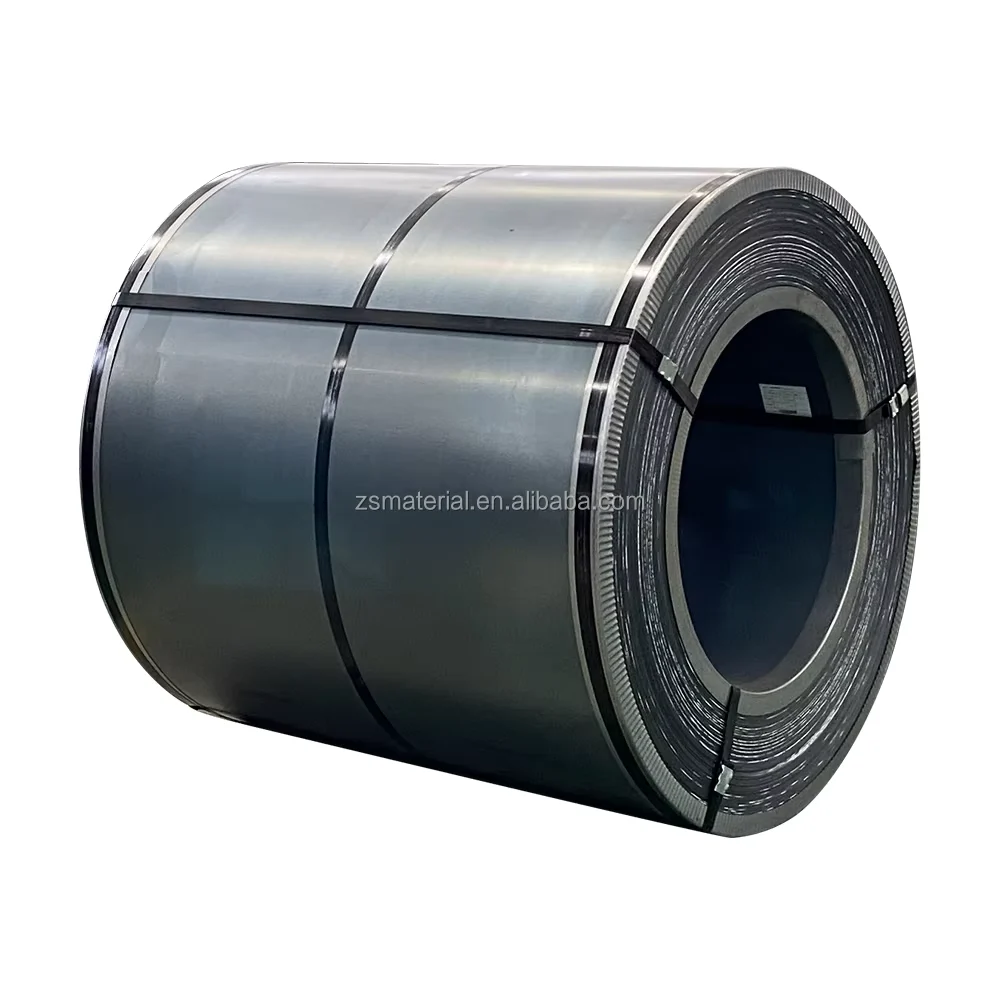
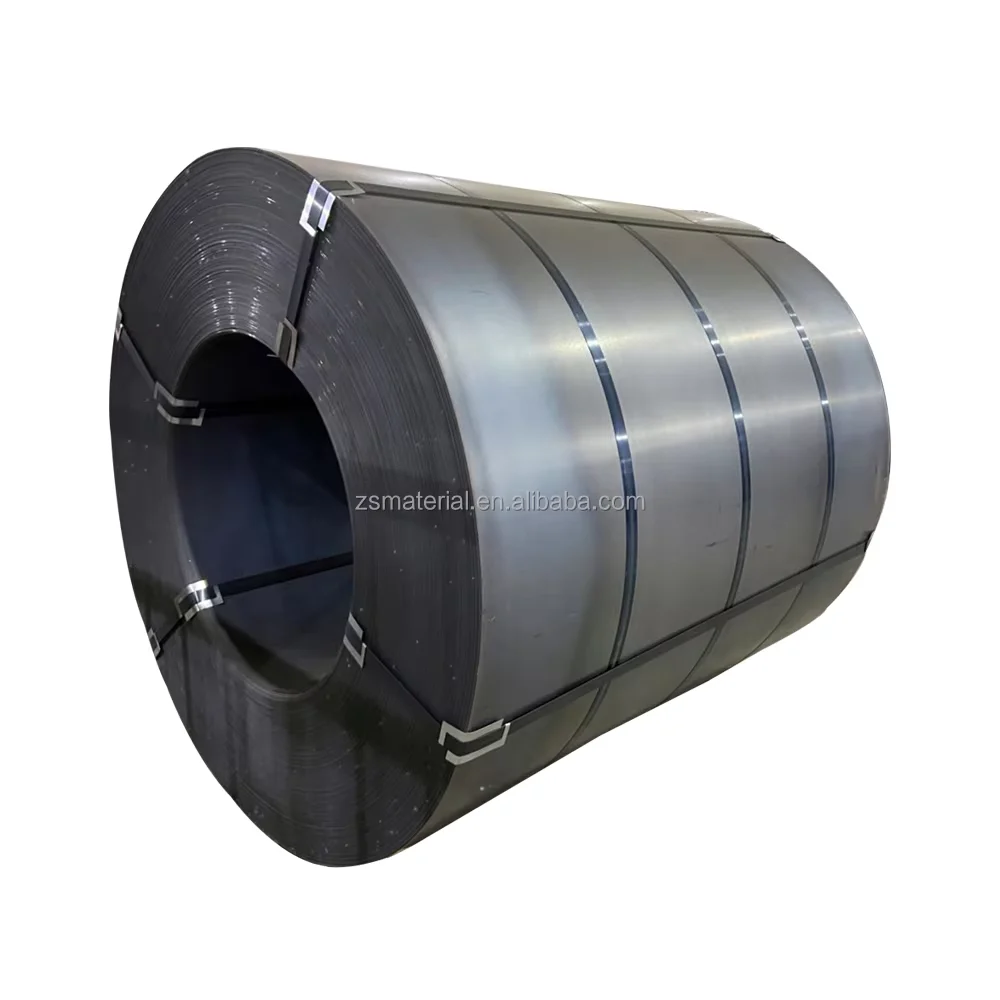
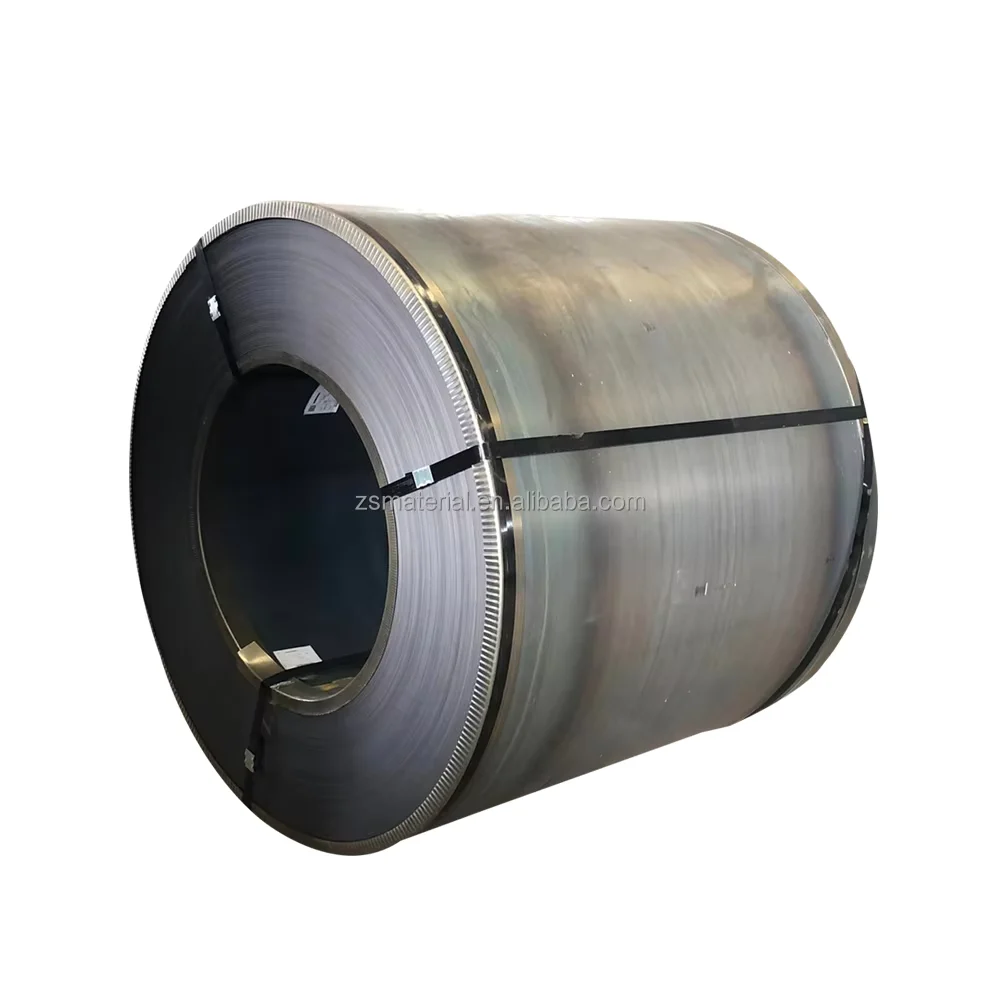
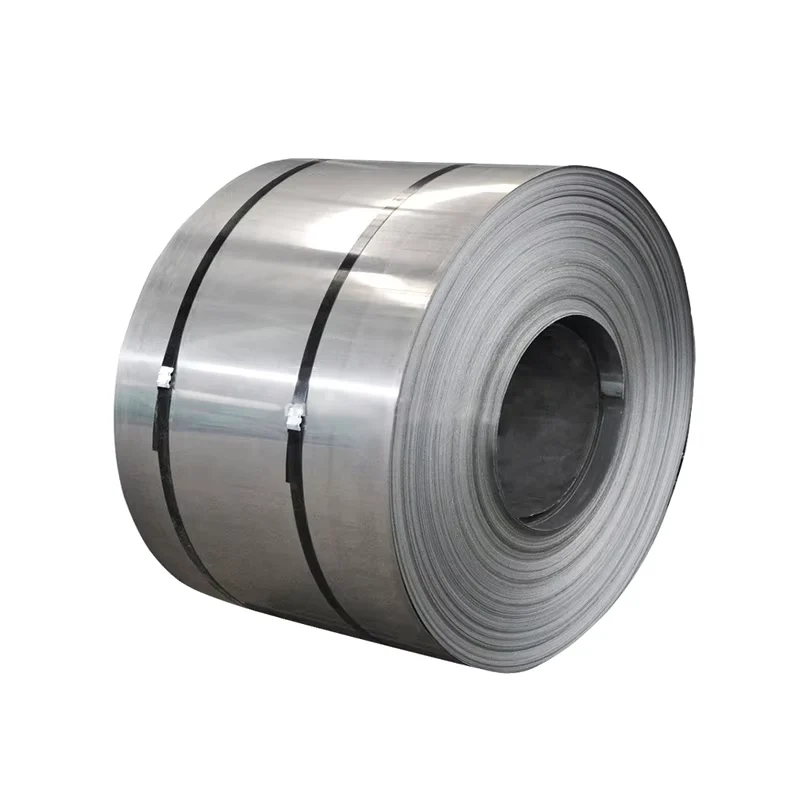
Hot rolled Stainless Steel Coil passes through the mill at elevated temperatures, producing a scaled surface suited for industrial applications where appearance is secondary — structural supports, tank shells, and ductwork. Cold rolled processing follows pickling and annealing, compressing the steel through polished rolls to achieve tighter thickness tolerance and a smoother surface finish ideal for food processing equipment and architectural panels. The choice between HR and CR affects not only aesthetics but also formability: cold rolled coils hold more consistent gauge across the width, reducing springback during bending operations. Our facility produces both processes in-house, with thickness ranging from 1mm to 4mm across standard widths of 1000mm and 1219mm, plus custom slit widths for specific fabrication layouts.
Hidden Costs of Unverified Stainless Steel Procurement
Ordering a Stainless Steel Coil without verified mill documentation invites consequences that dwarf the material savings. Chemical composition outside ASTM A240 limits means 316L may lack sufficient molybdenum for chloride resistance — a failure invisible until pitting appears months after installation. Thickness tolerance exceeding the specified range forces fabricators to either accept weaker structural performance or scrap and reorder, both of which compress project margins. [NEED_CITE: consequences of non-conforming stainless steel in corrosive environments] When customs officials flag missing heat-number traceability, the coil sits in a bonded warehouse while the project timeline collapses.
Vertically Integrated Supply from Melt to Coil
Our own steel production facility operates multiple production lines covering over 2,800 raw material specifications, meaning every Stainless Steel Coil we deliver originates from our melt shop — no third-party sourcing, no certification gaps. We maintain a dedicated quality documentation system where each coil carries its heat number from production through final inspection. Third-party inspection through SGS, BV, or TÜV is available upon request, and our engineering team reviews shop drawings to confirm grade selection matches the service environment. This vertical integration is why general contractors and EPC firms across the Middle East, Southeast Asia, and Africa specify our coils for their projects: one quality system, one accountability point, complete documentation from melt to delivery.
Documentation & Compliance
- Mill Test Certificate per EN 10204 3.1 documenting chemical composition and mechanical properties for each heat number across 201, 304, 304L, 316, 316L, 410, and 430 grades
- ASTM A240 / A480 compliance statement confirming conformance to specified grade requirements for each Stainless Steel Coil shipment
- Material traceability report linking coil identification to original melt heat number from our own production facility
- Third-party inspection report from SGS, BV, or TÜV available upon request covering dimensional verification and surface finish assessment
- Full export documentation package including commercial invoice, packing list, bill of lading, and certificate of origin for customs clearance
Packaging, Loading & Delivery
- Stainless Steel Coil bundled with steel strips and wrapped in moisture-proof kraft paper plus outer steel sheet protection to prevent surface scratching during ocean transit
- Cold rolled finish coils receive additional polyethylene film wrapping to preserve 2B or BA surface quality against humidity and salt spray exposure
- Coil loading optimized for 20ft and 40ft containers with wooden cradles and chocking to prevent rolling, weight distribution calculated per coil diameter and width
- Heat number and grade identification stenciled on each coil edge and documented on packing lists for site-level material verification
- FOB, CIF, and DDP shipping terms available with professional export packing and complete tracking until destination port delivery
Initiating Your Stainless Steel Coil Inquiry
Share your project drawings or specification sheet listing required grade, thickness, width, technique preference, and destination port — we respond within 24 hours with a detailed quotation including material cost, production timeline, and documentation scope. For projects requiring custom slit widths or mixed-grade orders, our engineering team provides material optimization recommendations before production begins. Confirm your certification requirements and inspection preferences upfront so we align the quality documentation package with your import compliance needs.
Frequently Asked Questions
Q: What is the difference between 304 and 316 Stainless Steel Coil for chemical processing applications?
A: 316 and 316L contain molybdenum addition that provides superior resistance to pitting and crevice corrosion in chloride-bearing environments such as seawater, acidic solutions, and chemical vapors. 304 and 304L are suitable for general-purpose and food-grade applications where chloride exposure is minimal. The choice depends on the specific corrosive agents present in your service environment.
Q: Can you provide custom slit widths beyond the standard 1000mm and 1219mm?
A: Yes, our production facility offers custom slit widths from standard master coils. Share your required width dimensions and we confirm feasibility, minimum order quantity, and lead time based on current production scheduling.
Q: What documentation accompanies each Stainless Steel Coil shipment?
A: Every shipment includes a Mill Test Certificate per EN 10204 3.1 with full chemical composition and mechanical properties, heat-number traceability linking back to our own melt shop, ASTM A240/A480 compliance statement, and standard export documents. Third-party inspection reports from SGS, BV, or TÜV are available upon request.
Q: How does hot rolled differ from cold rolled Stainless Steel Coil in terms of application?
A: Hot rolled coils have a scaled surface and are suited for industrial applications where surface appearance is not critical — structural supports, tank shells, and ductwork. Cold rolled coils offer tighter thickness tolerance and smoother surface finish, making them appropriate for food processing equipment, architectural panels, and decorative applications.
[Request Your Stainless Steel Coil Quotation]
Submit your grade, thickness, width, quantity, and destination port to receive a detailed quotation with mill test certificate scope and production timeline within 24 hours.
Shandong Xin Jiyuan Special Steel Tube Co., Ltd
Tel: +86 531 8573 6315
Mobile/WhatsApp/WeChat: +86 188 5315 7756
Email: admin@xjystructure.com
Address: No.11889, Jingshi West Road, Lulian Group, Jinan City, Shandong Province, China