Description
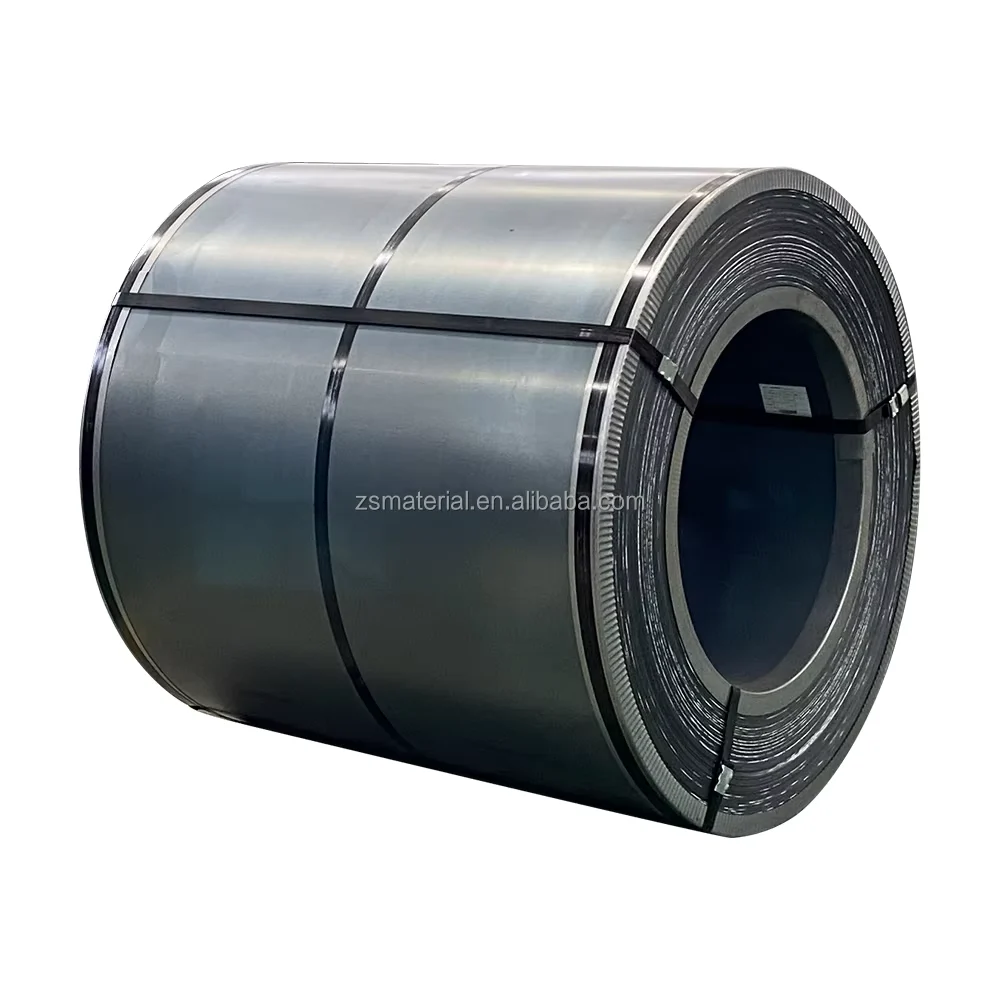
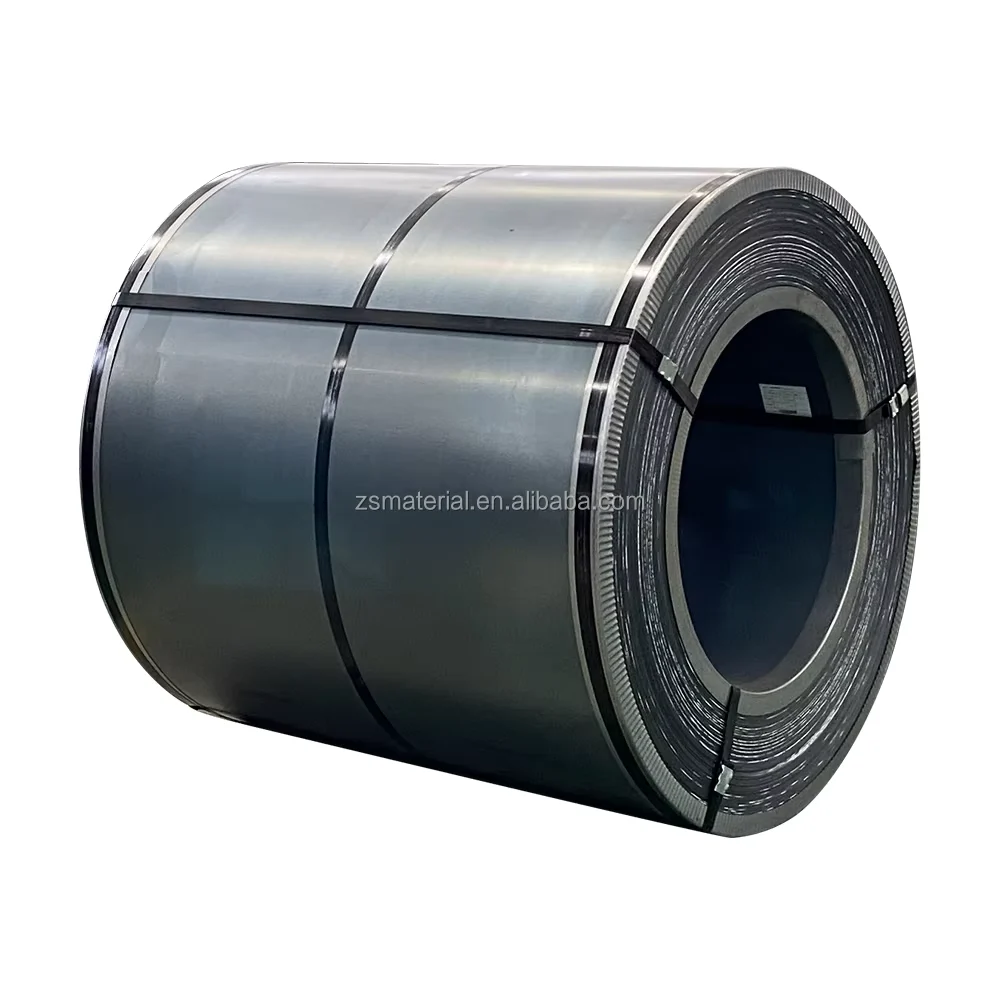
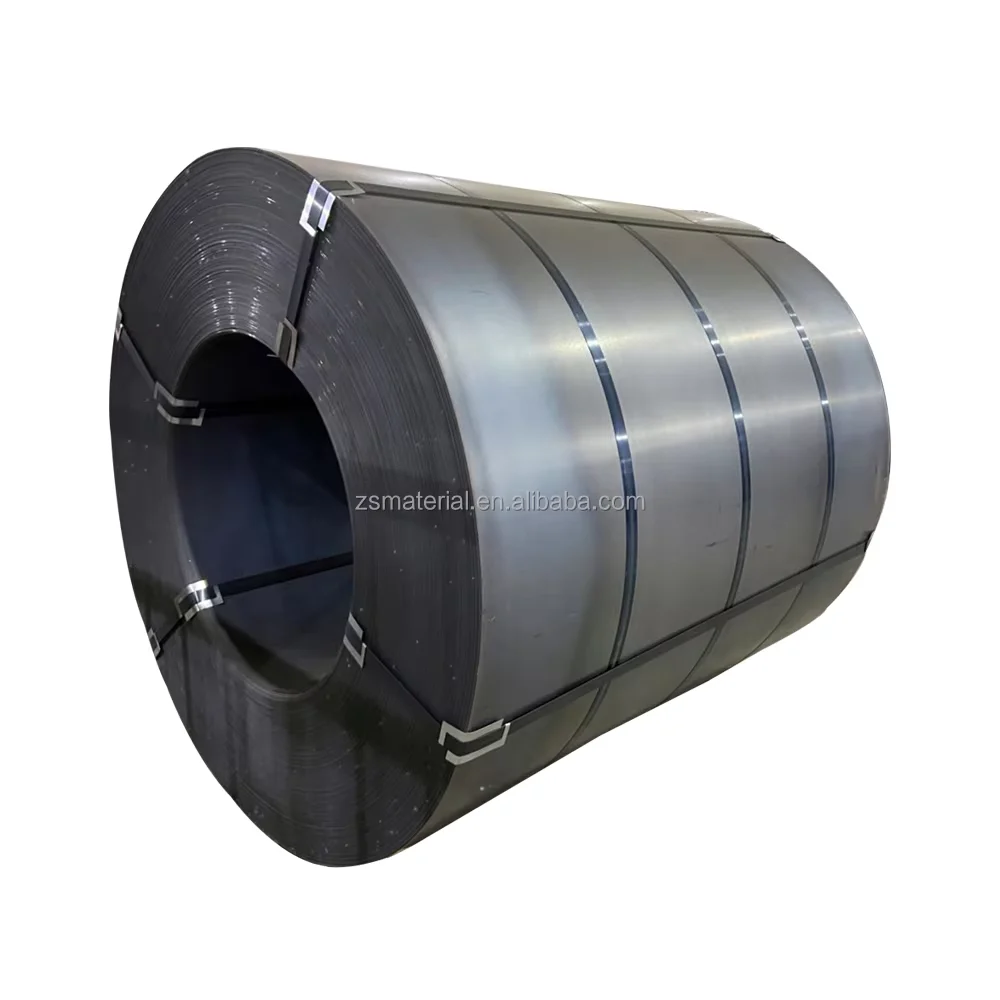
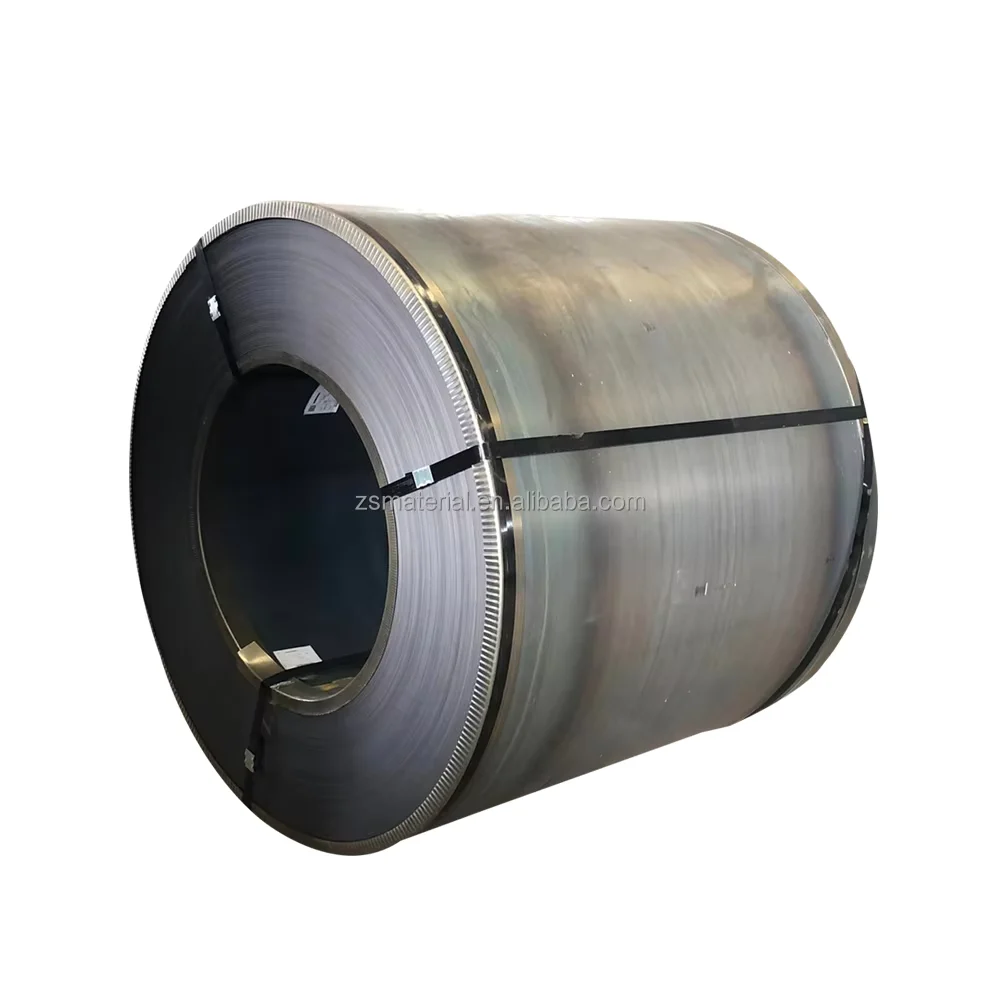
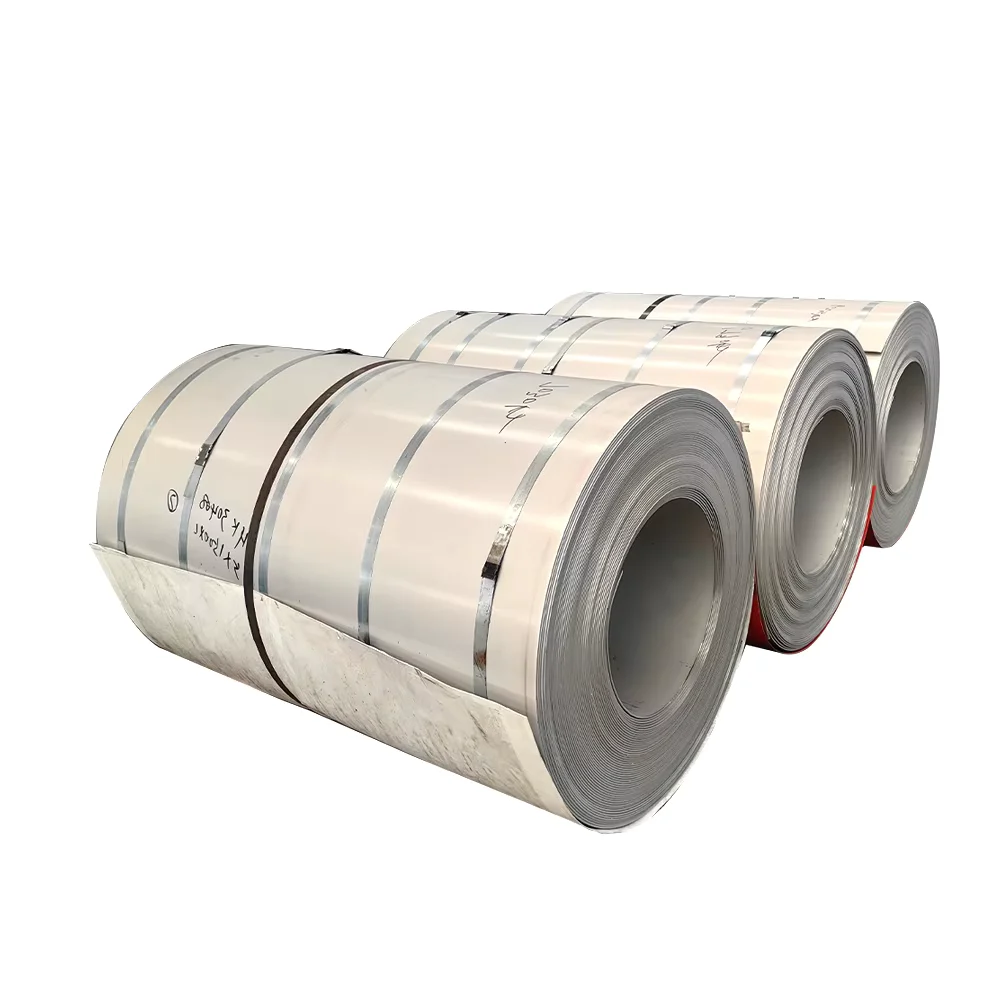
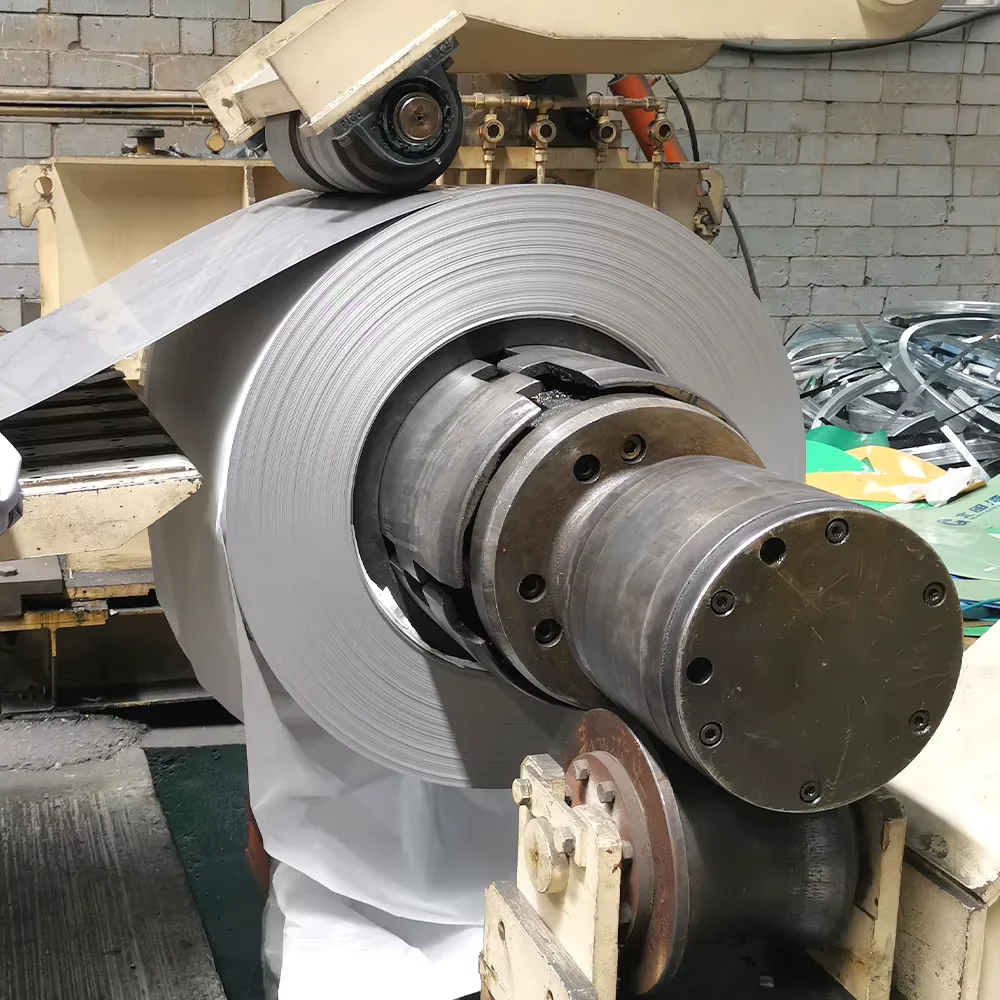
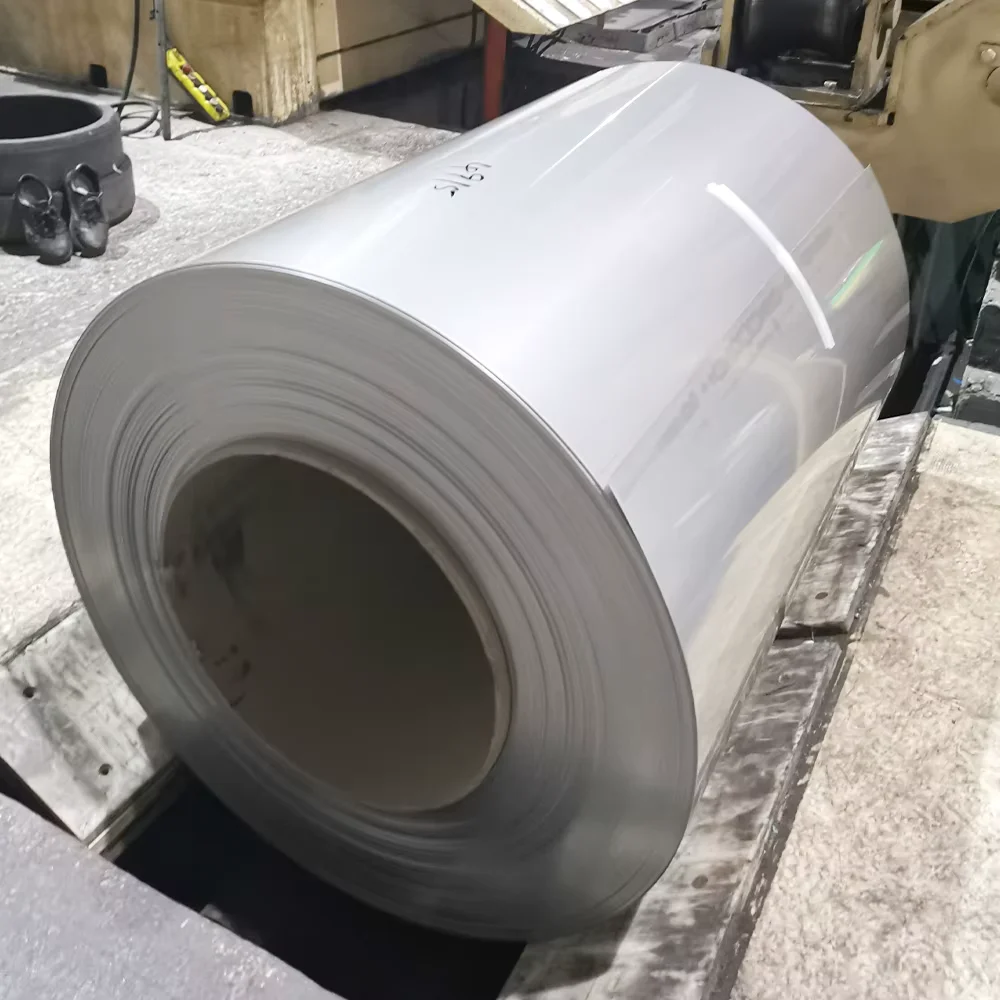
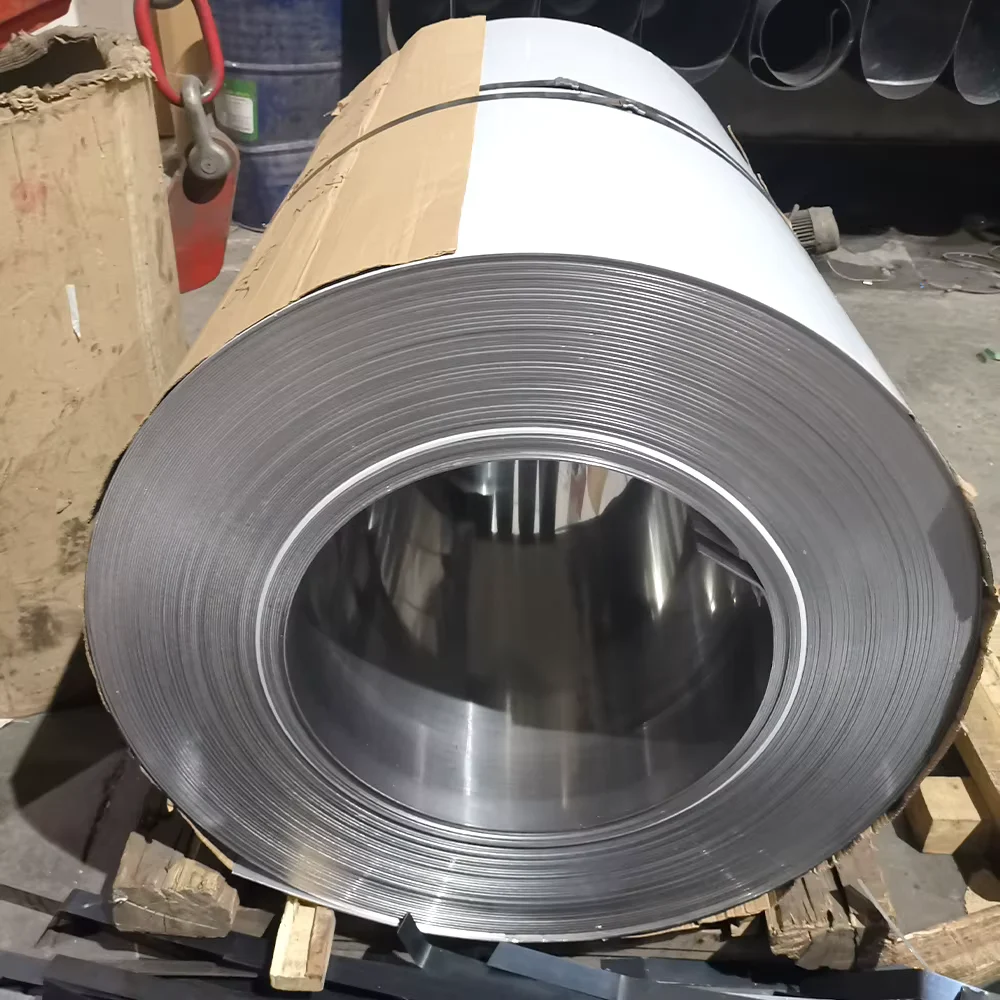
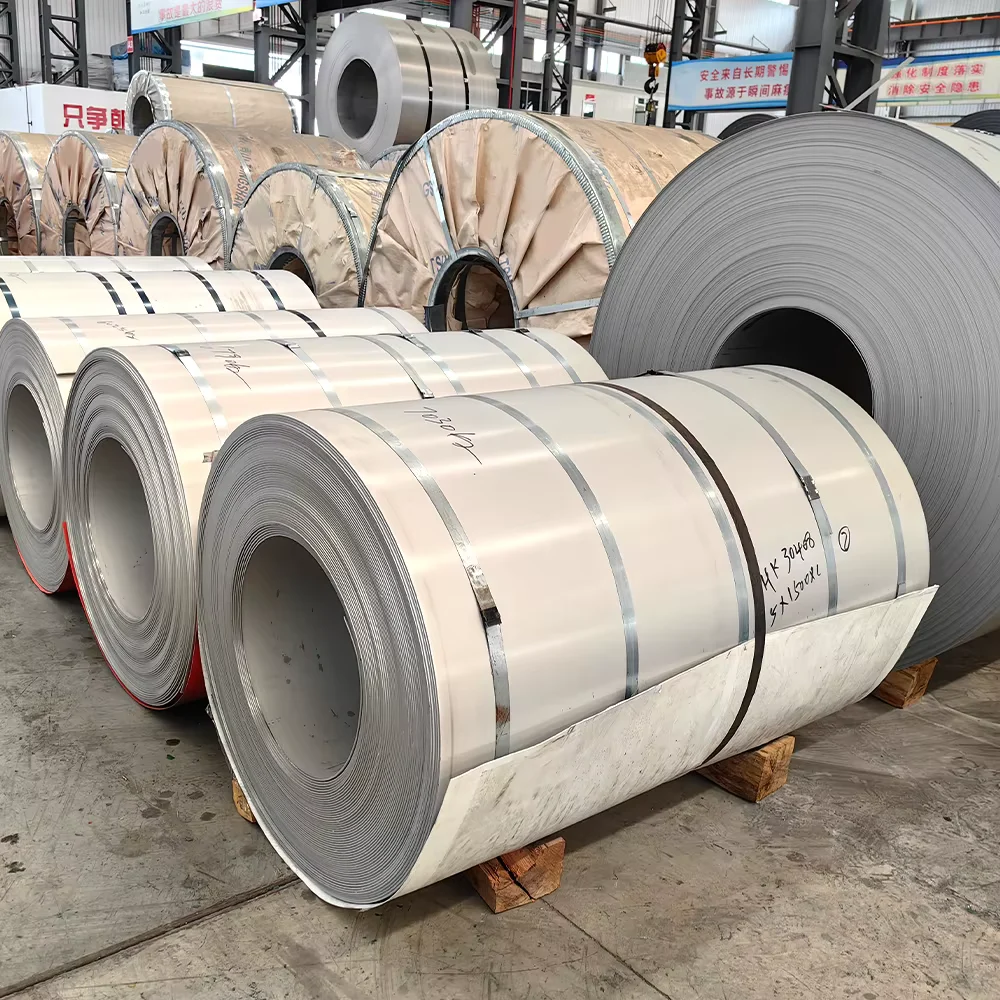
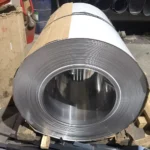
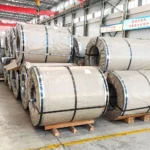
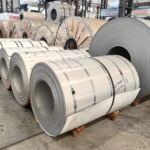
Factory-Direct 304L 316L Cold Rolled Stainless Steel Coil Supply — XJY Structure operates its own steel production lines with over 2,800 raw material specifications, enabling direct mill-to-coil delivery without trading intermediaries for 304L and 316L cold rolled stainless steel coil orders.
Technical Specifications
| Parameter | Value |
|---|---|
| Designation | 304L / 316L Cold Rolled Stainless Steel Coil |
| Product Type | Stainless Steel Coil |
| Steel Grade | 201, 301, 304, 304L, 310S, 316, 316L, 321, 405, 409L, 410, 410L, 420, 430, 430A, 309S, 2205, 2507, 2520, 904L |
| Standard | ASTM, JIS, GB, AISI, DIN, BS, EN |
| Thickness (Cold Rolled) | 0.15–3 mm |
| Thickness (Hot Rolled) | 3–120 mm |
| Width | 1000 mm / 1219 mm / 1500 mm (slit to narrow width available) |
| Length | 2000 mm / 2438 mm / 2440 mm / 3048 mm (or customized) |
| Surface Finish | 2B, 2D, BA, 8K, HL, NO.4, Short/Long Wire Drawing, Embossed, Colored |
| Technique | Cold Rolled / Hot Rolled |
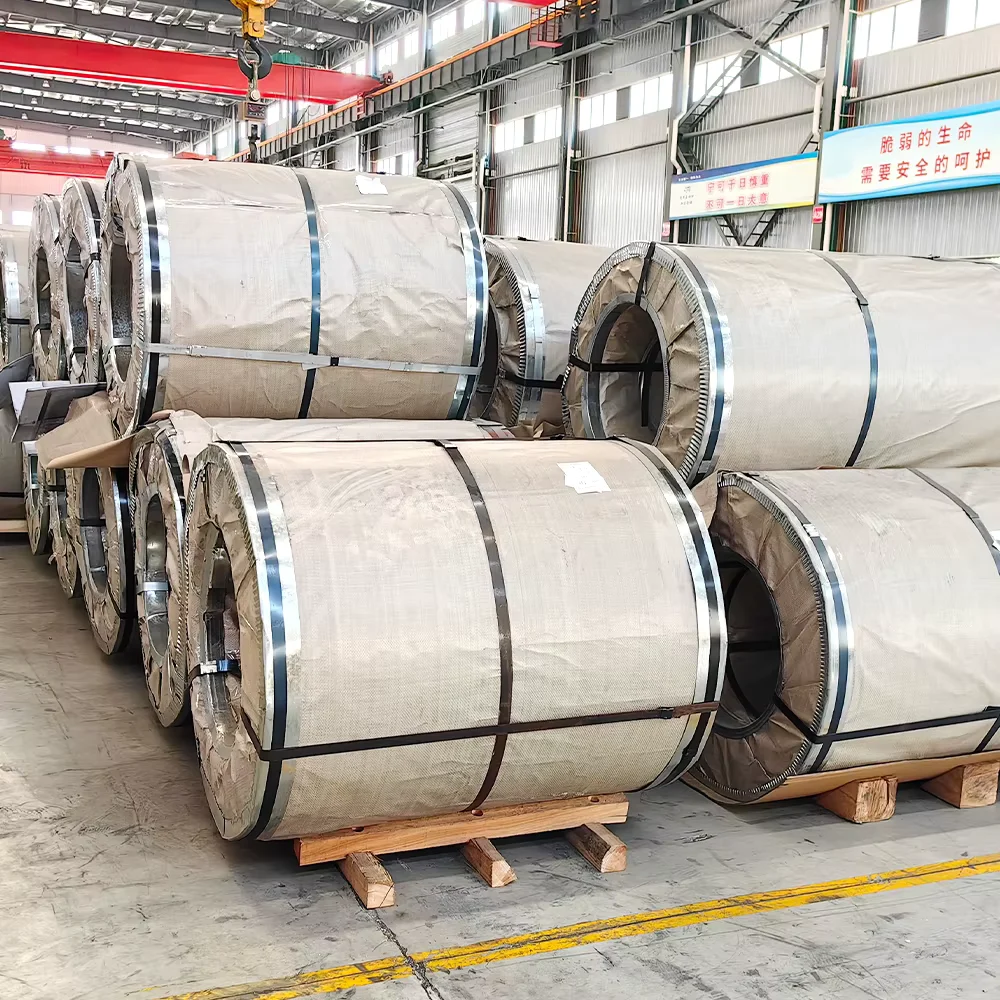
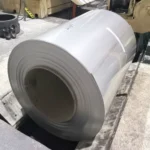
| Packing | Waterproof paper + steel strapping + pallet; BA and 8K with PVC film |
| Application | Medical equipment, food industry, construction & architectural decoration, chemical industry, petroleum industry, elevator interiors |
| Origin | Shandong, China |
Application Suitability
| Industry | Typical Applications |
|---|---|
| Construction & Architecture | Elevator interior panels, facade cladding, decorative wall sheets, column covers |
| Food & Medical Processing | Hygienic work surfaces, storage hoppers, pharmaceutical equipment housings |
| Chemical & Petroleum | Corrosion-resistant storage tanks, pipeline cladding, pressure vessel liners |
| Kitchen & Tableware | Commercial kitchen countertops, sink basins, utensil blanks |
| Industrial Equipment | Electrical enclosures, conveyor guide rails, machine guards |
Why Nickel Content Discrepancies Sink an Entire Shipment
A single spectrometer reading at the destination port can reject a full container of 316L cold rolled stainless steel coil.
I learned this the hard way on a Dubai curtain wall project — a batch of 316L cold-rolled coils arrived at Jebel Ali, and the client’s handheld XRF gun flagged low nickel across multiple pieces. The entire lot was rejected. No amount of mill certificates could override what the spectrometer showed on the dock. Since then, I have insisted on pulling raw laboratory data from the melt shop before any coil leaves the warehouse, not just a summary mill cert printed at the dispatch office.
Buyers sourcing a Cold Rolled 304L 316L Stainless Steel Coil Supplier from overseas face a structural information gap: the mill cert travels with the goods, but the actual chemistry verification happens thousands of miles away at the discharge port. When a fabricator sources raw slabs from multiple third-party mills, the traceability chain fractures — heat numbers on the certificate may not match the coils in the container. [NEED_CITE: stainless steel material traceability requirements in international procurement] This is not a theoretical risk; it is a recurring cost line on projects that skip factory-level chemistry audits.
Matching Surface Finish to Engineering Environment
Selecting the correct surface finish on a 304L or 316L cold rolled stainless steel coil determines both corrosion performance and aesthetic longevity in the field. A 2B finish — the standard cold-rolled matte surface — provides adequate corrosion resistance for indoor architectural panels and food processing equipment where appearance is secondary. For elevator interiors and decorative facades, BA (bright annealed) or 8K mirror finishes deliver the reflectivity specifiers demand, but these surfaces require PVC film interleaving to prevent scratching during transit. Brushed finishes (HL, NO.4, wire drawing) hide fingerprints and minor abrasion, making them the practical choice for high-traffic public spaces. The Cold Rolled 304L 316L Stainless Steel Coil Supplier you work with must understand which finish tolerates which handling environment — otherwise a mirror-polished 316L panel arrives at the site looking like it has been dragged across a warehouse floor.
Corrosion Resistance Standards and Grade Selection Compliance
The distinction between 304L and 316L is not academic — it determines whether a storage tank in a coastal chemical plant survives five years or two. Both grades rely on a minimum 10.5% chromium content to form a passive oxide layer, but 316L adds molybdenum (2–3%), which resists chloride-induced pitting in marine and chemical environments. For projects governed by ASTM standards, 304L conforms to ASTM A240 for pressure vessel and general corrosion-resistant applications, while 316L is specified under the same standard for environments with chloride exposure. [NEED_CITE: ASTM A240 chromium and chromium-nickel stainless steel plate sheet and strip requirements] Third-party inspection by SGS, BV, or TUV verifies both chemistry and surface quality before shipment, and EN 10204 3.1 type certificates accompany each consignment with full heat-number traceability from slab to finished coil.
Metallurgical Basis of Austenitic Grade Performance
The 300-series austenitic stainless steels — including 304L, 316L, 321, and 904L — derive their corrosion resistance and formability from a face-centered cubic crystal structure stabilized by nickel and manganese. The “L” suffix in 304L and 316L denotes low carbon (maximum 0.03%), which prevents chromium carbide precipitation at grain boundaries during welding — a critical factor when coils are slit, formed, and welded into tanks or ductwork on site. Without low-carbon chemistry, sensitization occurs in the heat-affected zone, and intergranular corrosion follows. Cold rolling to thicknesses between 0.15 mm and 3 mm produces a smooth, dimensionally precise surface with tight tolerance control, essential for applications like elevator panels where even 0.05 mm variation creates visible light distortion. The duplex grades 2205 and 2507, also available in our range, combine austenitic and ferritic structures for applications demanding higher strength and chloride resistance than 316L alone can deliver.
The Hidden Cost of Unverified Chemistry
When a Cold Rolled 304L 316L Stainless Steel Coil Supplier delivers material with chemistry outside the ASTM A240 range, the consequences cascade through the project. Fabrication proceeds — cutting, bending, welding — only for the client’s site inspector to flag non-conforming material during final acceptance. At that point, the coils have already been cut into blanks, welded into assemblies, or coated. Rework means new material, new shipping, and new delay penalties. [NEED_CITE: cost implications of material non-conformance in construction projects] Certification gaps also trigger customs holds: import authorities in the EU and Middle East increasingly require EN 10204 3.1 certificates with verifiable heat numbers, and shipments without proper documentation sit at the port accumulating demurrage charges. The cost of pre-shipment laboratory verification is a fraction of the cost of a rejected container.
Why XJY Structure Eliminates the Traceability Gap
XJY Structure operates as the dedicated structural steel fabrication division of Shandong Xin Jiyuan Special Steel Tube Co., Ltd, with its own steel production facility running three production lines and stocking over 2,800 raw material specifications. This vertical integration means the cold rolled stainless steel coil you order is produced, tested, and documented under one quality system — there is no gap between the slab supplier and the coil finisher. Our in-house laboratory generates original test data from each heat, and every Cold Rolled 304L 316L Stainless Steel Coil shipment carries a full documentation package including WPS records, dimensional inspection reports, and coating certificates where applicable. We hold ISO 9001:2015 certification and accommodate third-party inspection by SGS, BV, and TUV at the factory before loading. For projects across the EU, Middle East, Southeast Asia, and Africa, we provide complete export documentation and professional container loading plans for oversized or heavy coil orders.
Documentation & Compliance
- Mill test certificate documenting 304L and 316L chemical composition (C, Cr, Ni, Mo content) and mechanical properties per ASTM A240 / EN 10088, issued per EN 10204 3.1
- Third-party inspection report from SGS, BV, or TUV covering dimensional tolerance, surface finish grade, and chemical composition verification
- ISO 9001:2015 quality management system certificate covering the full production chain from raw slab to cold rolled coil
- Material traceability report linking each coil to its original heat number, melt shop pour record, and cold rolling pass schedule
- Export customs documentation including packing list, bill of lading, and certificate of origin for destination-country clearance
- Surface finish inspection report specifying roughness values (Ra) for 2B, BA, 8K, and HL finishes per project specification
Packaging, Loading & Delivery
- 304L and 316L cold rolled coils packed with waterproof kraft paper inner layer and outer steel strapping on fumigation-free pallets, preventing moisture ingress during ocean transit
- BA and 8K mirror finish coils additionally wrapped with PVC protective film on the exposed surface to prevent scratching and fingerprint marks during handling and transport
- Custom slit widths from master coils of 1000 mm, 1219 mm, and 1500 mm, with edge trim quality controlled to prevent burr formation on narrow strips
- Coil weight and dimensions optimized for 20-foot and 40-foot container loading, with wooden cradles and anti-roll chocks securing each coil against shifting during sea freight
- Heat number, steel grade (304L / 316L), thickness, width, and surface finish clearly marked on each coil ID tag and outer packaging for site identification
- Shipping terms available as FOB, CIF, or DDP with full container tracking from the loading warehouse to the destination port or project site
How to Initiate a Coil Procurement Inquiry
Submit your project specifications — including steel grade (304L, 316L, or other), thickness, width, surface finish, quantity, and destination port — and our team responds within 24 hours with a detailed quotation covering material cost, fabrication or slitting charges, packaging, and freight. Shop drawing review and material optimization support are available for projects requiring custom slit widths or non-standard lengths. We confirm all certification and customs documentation requirements before production begins, ensuring your Cold Rolled 304L 316L Stainless Steel Coil order clears inspection and customs without delay.
Frequently Asked Questions
Q: What is the practical difference between 304L and 316L for corrosion resistance?
A: Both grades provide strong general corrosion resistance through chromium-based passivation. 316L contains molybdenum (2–3%), which specifically resists pitting from chlorides — making it the required choice for marine environments, chemical processing, and coastal architectural applications. 304L is sufficient for indoor, food-grade, and non-chloride environments at lower cost.
Q: Which surface finish is appropriate for elevator interiors versus chemical tanks?
A: Elevator interiors typically specify BA, 8K mirror, or HL brushed finishes for aesthetic appearance. Chemical storage tanks and industrial equipment prioritize 2B or 2D finishes, where corrosion resistance and weldability matter more than visual reflectivity.
Q: Can you provide third-party inspection before shipment?
A: Yes. We accommodate SGS, BV, and TUV inspection at our factory before loading. The inspection covers chemical composition verification, dimensional tolerance checks, and surface finish assessment. The inspection report is included in the shipment documentation package.
Q: What is the minimum order quantity for custom slit widths?
A: Standard widths of 1000 mm, 1219 mm, and 1500 mm are available from stock. Custom slit widths are available upon request — please specify the required width, thickness, and total tonnage so we can confirm slitting feasibility and lead time.
Q: How do you ensure material traceability from slab to finished coil?
A: As a vertically integrated producer, we maintain heat-number traceability from the original melt shop pour through each cold rolling pass. Every coil is tagged with its heat number, and the mill test certificate references the same number, allowing full chain-of-custody verification at the destination.
Get Your 304L 316L Cold Rolled Stainless Steel Coil Quote with Full Mill Certification
Send your grade, thickness, width, surface finish, and quantity to receive a detailed quotation and sample mill test certificate within 24 hours.
Shandong Xin Jiyuan Special Steel Tube Co., Ltd — Tel: +86 531 8573 6315 — Mobile/WhatsApp/WeChat: +86 188 5315 7756 — Email: admin@xjystructure.com