Description
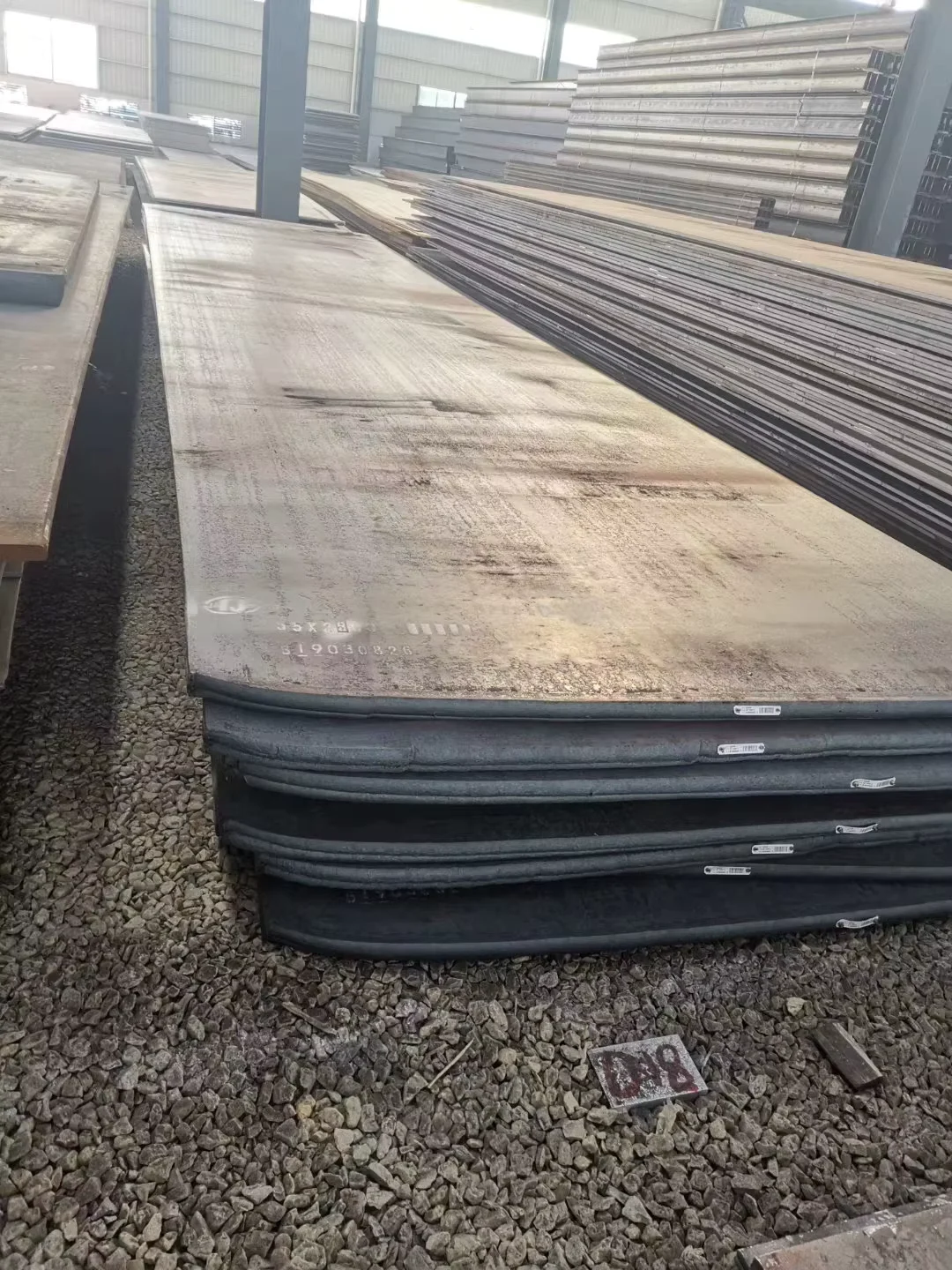
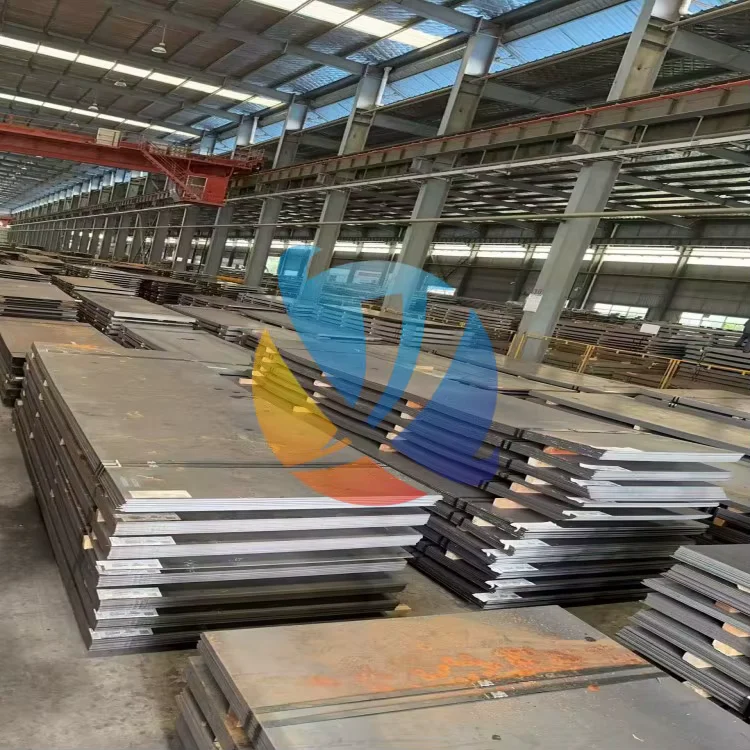
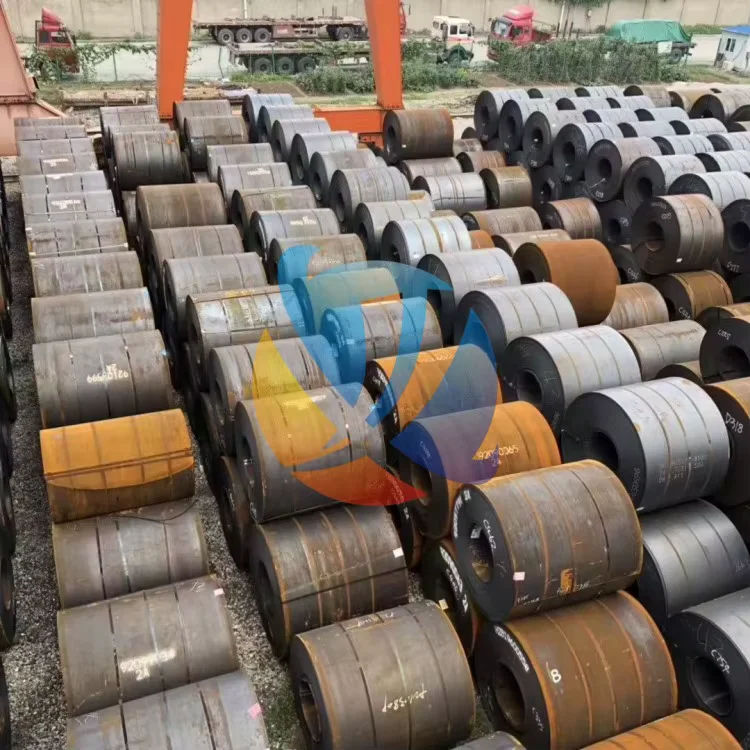
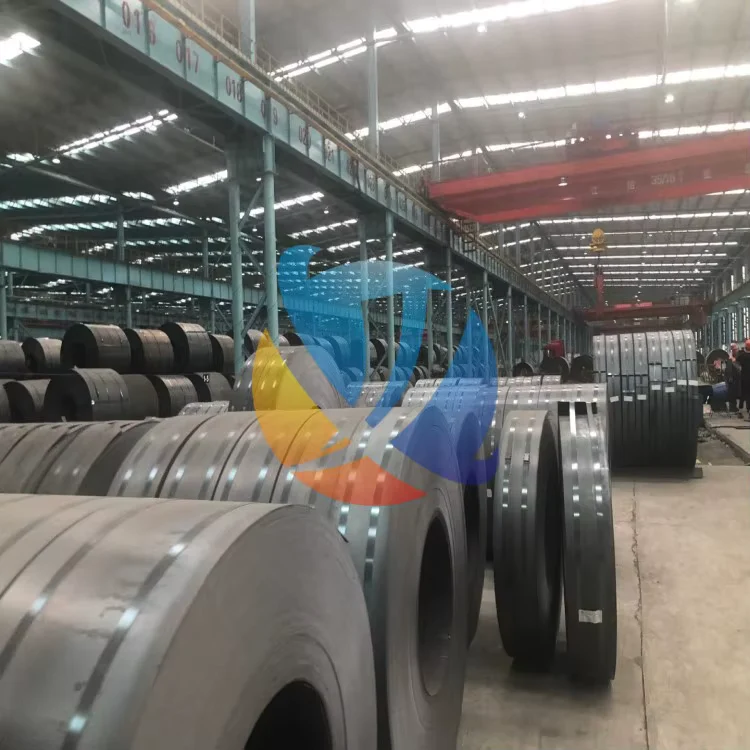
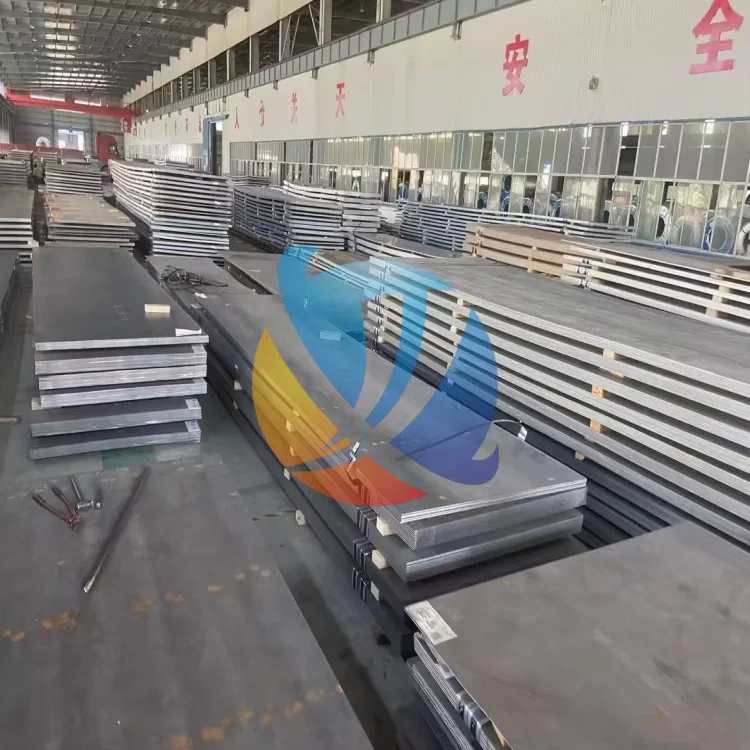
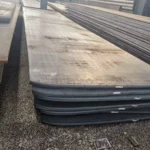
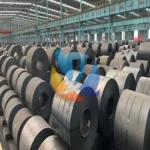
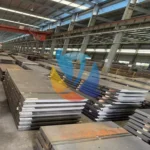
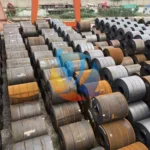
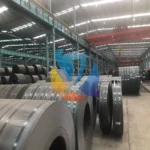
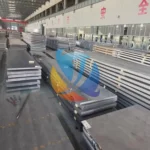
Factory-Direct Mill & Processing — We produce and process 65Mn carbon steel plate in one facility, from raw slab to cut-to-size finished plate, eliminating third-party sourcing gaps.
Technical Specifications
| Parameter | Value |
|---|---|
| Designation | 65Mn Carbon Steel Plate |
| Product Type | Steel Plate |
| Steel Grade | Q195, Q215, Q235A, Q235B, Q235C, Q235D, Q255A, Q255B, Q275, Q295A, Q295B, Q345B, Q345C, Q345D, Q345E, Q390A, Q390B, Q390C, Q390D, Q390E, Q420, Q420B, Q420C, Q420D, Q420E, Q460D, Q460E, Q500D, Q500E, Q550D, Q550E, Q620D, Q620E, Q690D, Q690E, S185, S235JR, S275JR, S355JR, S420NL, S460NL, S500Q, S550Q, S620Q, S690Q, A36, Grade B, Grade C, Grade D, Grade 36, Grade 40, Grade 42, Grade 50, Grade 55, Grade 60, Grade 65, Grade 80, SS330, SPHC, SS400, SPFC, SPHD, SPHE |
| Standard | GB/T709-2006, ASTM A36, ASTM A29M, JIS G4051, DIN EN 10083, SAE 1045 |
| Section Shape | Plate |
| Size Range | Thickness: 0.1mm–300mm; Width: 600mm–1250mm; Length: 1000mm–12000mm (or custom) |
| Technique | Hot Rolled |
| Surface Treatment | According to customer requirements (Non-oiled as default) |
| Tolerance | ±1% |
| Processing Service | Welding, Punching, Cutting, Bending, Decoiling |
| Application | Automobile, Bridges, Buildings, Machinery, Pressure vessel industries, Ship building, Engineering construction, Mechanical manufacturing, Pavement slab |
| Origin | Shandong, China |
Application Suitability
| Industry | Typical Applications |
|---|---|
| Industrial Construction | Factory building frames, warehouse platform decks, infrastructure support structures |
| Machinery Manufacturing | Heavy equipment base plates, conveyor frame components, press machine beds |
| Pressure Vessel Fabrication | Vessel shell plates, head forming blanks, nozzle reinforcement pads |
| Bridge & Shipbuilding | Bridge girder splice plates, ship deck plating, bulkhead stiffener plates |
| Engineering Construction | Pavement slab reinforcement, crane runway beams, equipment foundation plates |
What Cutting Tolerance Costs When Plates Arrive Off-Dimension
A ±1% tolerance on a 300mm plate means ±3mm — enough to misalign bolt holes and force on-site rework across an entire assembly.
I once watched a container of spring steel plates get rejected at a Vietnamese factory because the cutting tolerance drifted beyond what the mold holes could accept. The entire shipment had to be returned and re-cut. For buyers sourcing a 65Mn carbon steel plate cutting tool steel supplier overseas, that kind of dimensional gap between drawing and delivery is not just a quality issue — it is a schedule killer. When fabrication is outsourced across borders, verifying that each plate meets the specified thickness, width, and length tolerance requires more than a promise on a quotation. It demands in-process dimensional checks, documented inspection reports, and a fabrication partner who controls both the raw material and the cutting line under one roof. [NEED_CITE: dimensional tolerance standards for hot rolled steel plates per GB/T709]
How Hot Rolled Plate Thickness Range Matches Structural and Machinery Applications
A 0.1mm–300mm thickness range means the same 65Mn carbon steel plate cutting tool steel supplier can furnish thin gauge sheets for machinery guards and heavy plate for pressure vessel shells — without switching vendors. For structural frames, Q345B and S355JR plates in the 8mm–40mm range carry primary beam and column loads, while Q460D and S460NL plates serve high-stress crane runway and bridge girder connections. Our own steel mill produces the raw slab, and our in-house CNC cutting, punching, and bending lines process it to drawing dimensions — so material traceability runs from heat number to finished cut piece without a handoff to an outside processor.
Engineering Compliance: Steel Grade Selection, Certification, and Site Readiness
Structural steel plate orders for EU projects must conform to EN 1090 execution classes, while North American projects reference AISC and ASTM standards — and the grade equivalence between Q345B, S355JR, and A572 Grade 50 is not always obvious on a purchase order. [NEED_CITE: steel grade equivalence mapping between GB, EN, and ASTM systems] Hot rolled plates in Q235B and A36 serve general construction where formability matters more than yield strength, while Q690D and S690Q plates are specified for heavy machinery and mining equipment where higher strength reduces section weight. Surface treatment choice — non-oiled as default, or custom coating per project specification — directly affects weld prep requirements and corrosion resistance during site storage. Plates are delivered cut-to-drawing with full dimensional inspection, so welding and assembly can begin on arrival without secondary cutting at the job site. [NEED_CITE: EN 1090 structural steel fabrication execution class requirements]
Decoding the Grade Range: From Q235 Structural Carbon to S690Q Quenched and Tempered
The Q-series (Q195 through Q690) follows the Chinese GB system where the number indicates minimum yield strength in MPa — Q235B yields at approximately 235 MPa and serves building frames, while Q690D reaches much higher strength for heavy equipment structures. The S-series (S235JR through S690Q) follows the European EN system, with the JR suffix indicating room-temperature Charpy impact testing and the Q suffix indicating quenched and tempered delivery condition. ASTM grades (A36 through Grade 80) serve North American projects, where A36 is the baseline structural carbon steel and Grade 50 offers higher strength for bridge and heavy construction. Hot rolling produces a mill scale surface that provides baseline corrosion resistance during transport and storage, while the ±1% thickness tolerance ensures that theoretical weight calculations match actual delivered weight — critical for cost control on large-tonnage orders.
Hidden Costs of Sourcing Carbon Plate Without Verified Material Traceability
When a fabricator sources steel plate from third-party mills rather than producing it in-house, the material certification chain develops gaps — heat numbers on the MTC may not trace back to the original slab, and chemical composition cannot be independently verified. [NEED_CITE: material traceability requirements for structural steel per EN 1090] Plates that fail to meet the specified grade — whether through substitution of a lower grade or tolerance drift beyond the ±1% range — create cascading costs: failed third-party inspection at the port, customs holds due to incomplete documentation, and worst-case, structural rejection at the project site after welding has already begun. For a 65Mn carbon steel plate cutting tool steel supplier, controlling the full chain from slab to finished plate eliminates these risks at the source.
Why Project Teams Source Carbon Steel Plate From Our Integrated Mill and Fabrication Facility
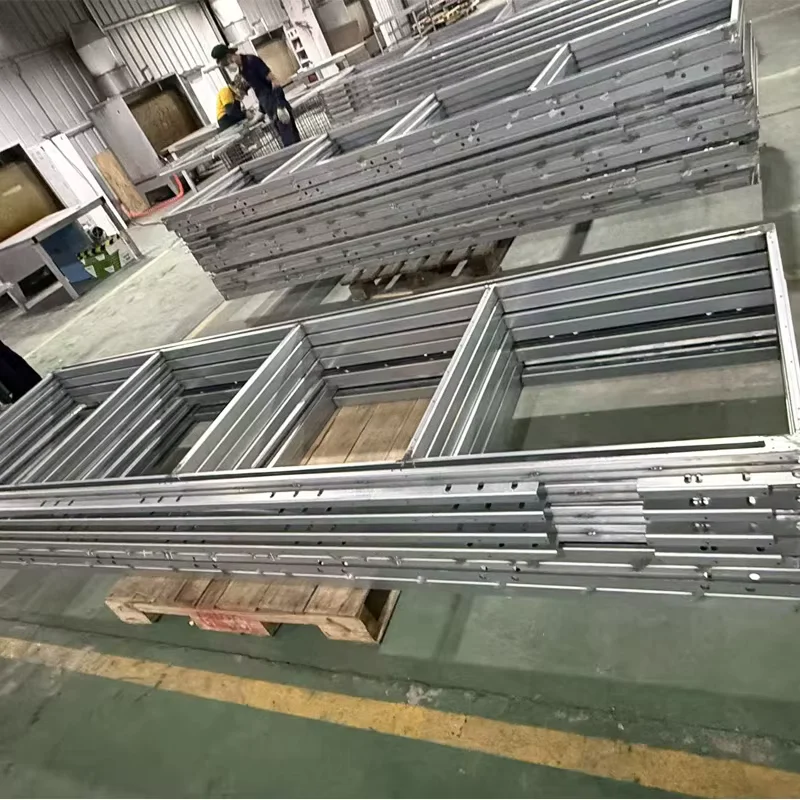
We operate our own steel production facility with multiple production lines and over 2,800 raw material specifications in stock — meaning the plate we cut for your project comes from our own mill, not a broker’s warehouse. Our in-house processing capabilities include CNC cutting, plasma and flame cutting, drilling, bending, and welding (MIG/MAG/SAW), so plates arrive at your site cut to drawing dimensions and ready for assembly. Every order ships with a complete quality documentation package: WPS, PQR, weld maps, dimensional inspection reports, and coating reports — the same documentation that EU and Middle East project inspectors require before releasing payment. We have delivered fabricated steel components to projects across the EU, Middle East, Southeast Asia, and Africa, and our certified welding procedures and qualified welders hold AWS and EN certifications. One source, one quality system, one point of accountability — from raw slab to shipped container.
Documentation & Compliance
- Mill Test Certificate documenting 65Mn and Q345B chemical composition and mechanical properties per GB/T709-2006, with full heat number traceability
- CE certificate confirming EN 1090 execution class compliance for structural steel plates exported to EU member states
- ISO 9001 quality management system certificate covering the integrated steel production and fabrication process
- SGS or BV third-party inspection report available for pre-shipment verification of dimensions, surface quality, and coating thickness
- Material traceability report linking each plate to its original heat number, slab cast record, and rolling schedule
- Complete export documentation package including packing list, bill of lading, and certificate of origin for customs clearance
Packaging, Loading & Delivery
- Hot rolled 65Mn and Q345B steel plates bundled with steel strips and edge protectors to prevent coating damage and edge deformation during ocean transit
- Non-oiled surface treatment as default, with custom oiling or coating available per project specification to prevent rust during extended storage or humid climate transport
- Cut-to-size plates stacked and separated with timber dunnage to maintain surface quality and allow forklift access at the project site
- Custom length plates up to 12,000mm loaded in dedicated containers with optimized stowage plans to maximize payload and minimize shipping cost per ton
- Each plate marked with heat number, steel grade, and dimensional identification for on-site material traceability and inspection verification
- FOB, CIF, and DDP trade terms available with professional oversized cargo loading and complete export tracking until site delivery
How to Request a Quotation for Cut-to-Size Carbon Steel Plate
Share your project drawings (PDF/DWG), steel grade requirements, thickness and dimensions, required standards, and destination port — we respond within 24 hours with a detailed quotation including material, processing, coating, packing, and shipping costs, along with a shop drawing timeline and production schedule. Our engineering team then prepares shop drawings for your review and approval before fabrication begins, ensuring that every plate matches your assembly requirements.
Start Your Carbon Steel Plate Order With Verified Mill Documentation
Submit your specifications, steel grade, and quantity to receive a detailed quotation and Mill Test Certificate sample.
- Company: Shandong Xin Jiyuan Special Steel Tube Co., Ltd
- Website: www.xjystructure.com
- Tel: +86 531 8573 6315
- Mobile/WhatsApp/WeChat: +86 188 5315 7756
- Email: admin@xjystructure.com
- Address: No.11889, Jingshi West Road, Lulian Group, Jinan City, Shandong Province, China
Frequently Asked Questions
Q: How do Q345B, S355JR, and A572 Grade 50 compare in terms of grade equivalence?
A: Q345B (GB/T1591), S355JR (EN 10025), and A572 Grade 50 (ASTM) are all minimum yield strength structural steels in the 345–355 MPa range. They are commonly used as equivalents for international projects, though chemical composition and impact testing requirements differ slightly between standards. We provide grade cross-reference documentation with every quotation to ensure the correct material is supplied for your project specification.
Q: Can you provide Mill Test Certificates and support third-party re-inspection?
A: Yes. Every order ships with a Mill Test Certificate documenting chemical composition and mechanical properties per heat number. We also support SGS, BV, or other third-party inspection agencies for pre-shipment verification of dimensions, surface quality, and coating thickness at our facility.
Q: Can you cut plates to my drawing dimensions, and what is the MOQ?
A: Yes. We provide CNC cutting, plasma/flame cutting, punching, and bending services to process plates to your exact drawing dimensions. There is no minimum order quantity for standard stock sizes — we can process single pieces or full project volumes from our integrated mill and fabrication facility.
Q: What surface treatment options are available for hot rolled plates?
A: Hot rolled plates are supplied non-oiled as default. Custom surface treatment including oiling, shot blasting, primer coating, or specialized painting is available per project requirements. Surface treatment choice affects weld prep requirements and corrosion resistance during transport and site storage.
Q: What are your trade terms and typical lead times?
A: We offer FOB, CIF, and DDP trade terms. Typical production lead times depend on order volume and processing complexity — standard stock sizes ship faster, while custom cut-to-size orders with coating require additional processing time. We provide a detailed production schedule with every quotation.