Description
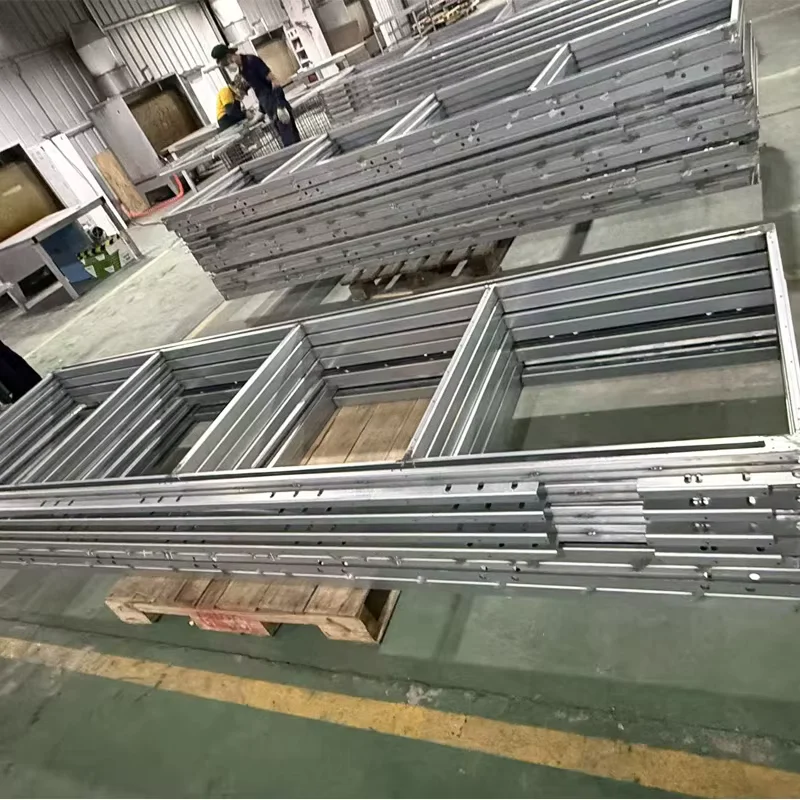
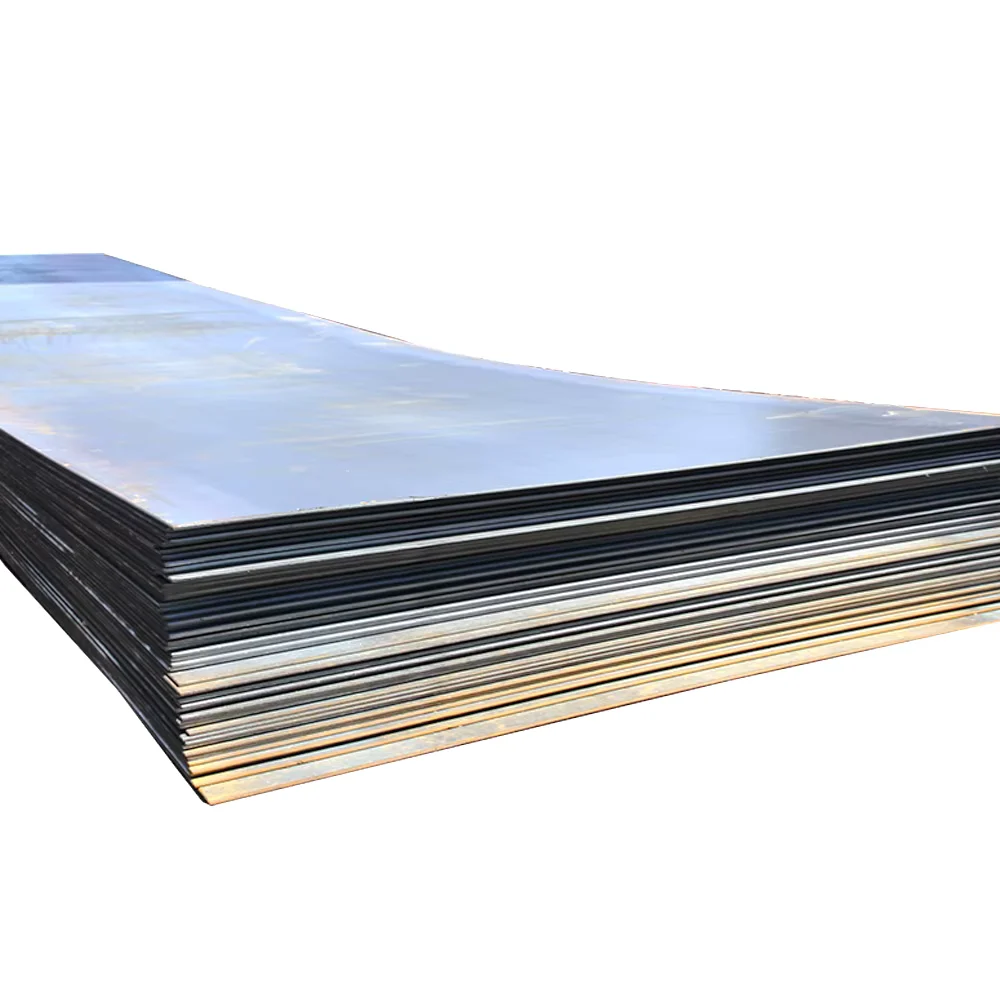
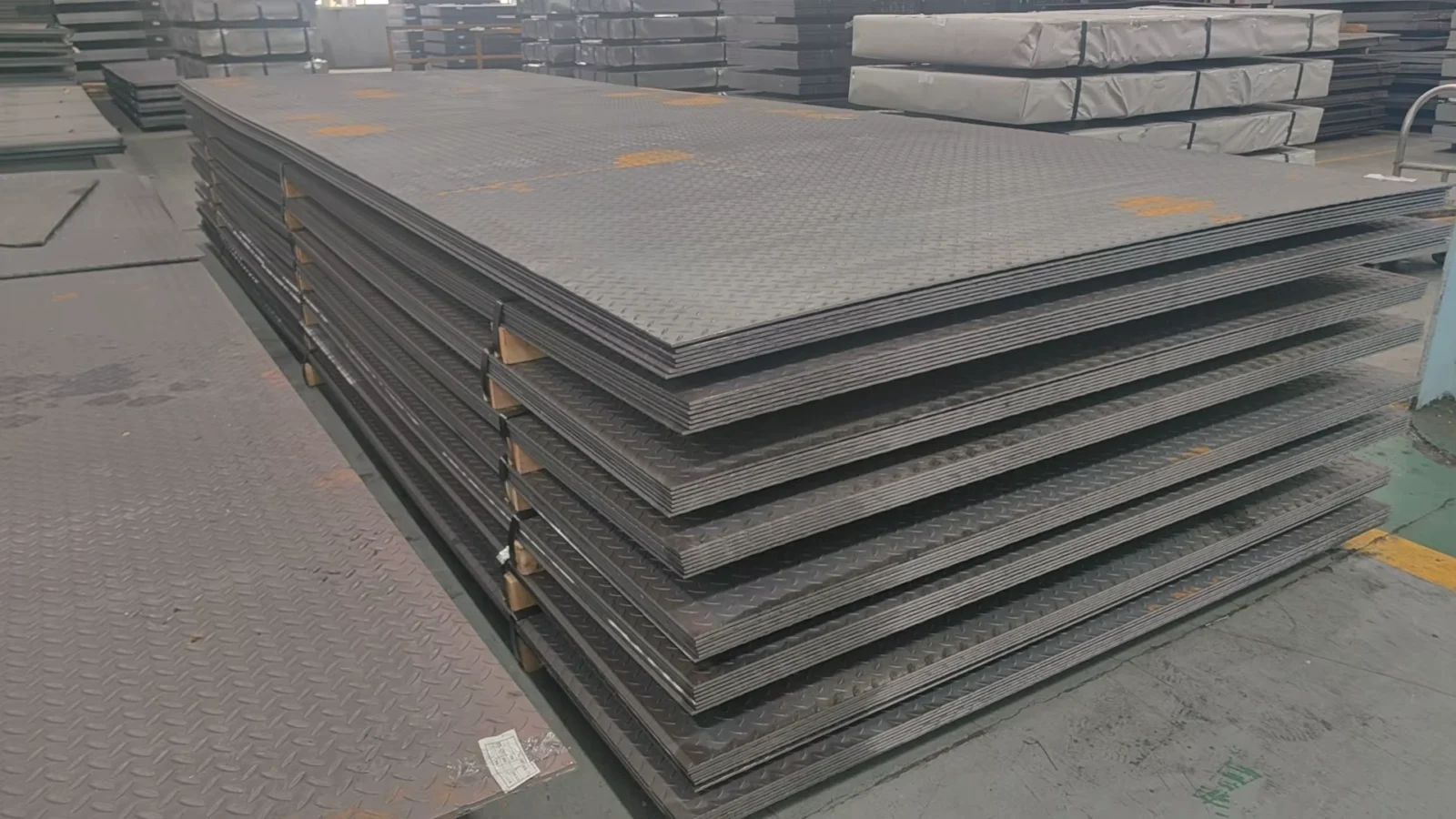
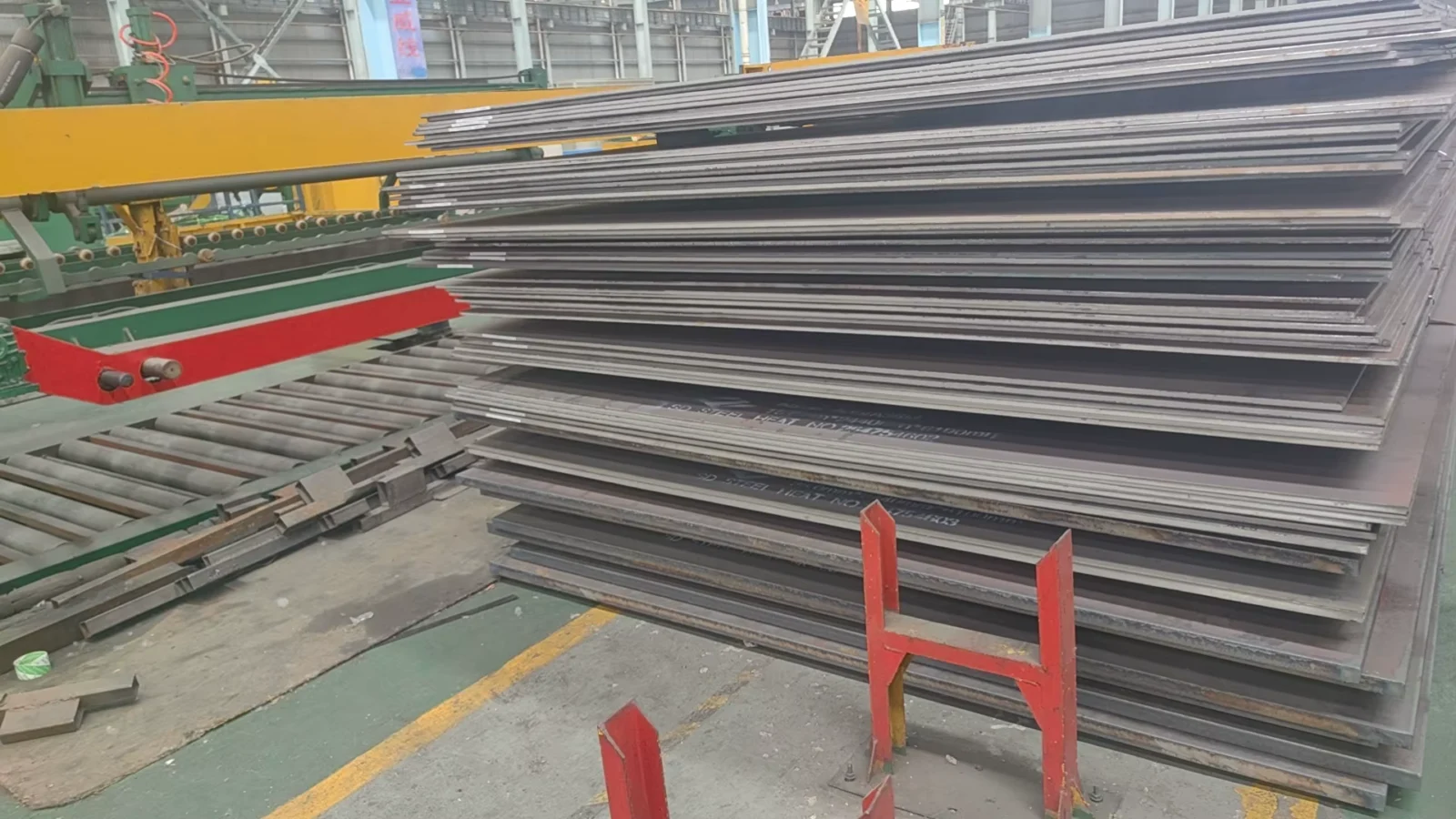
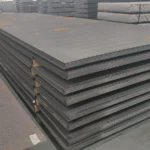
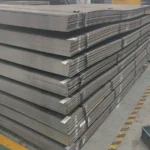
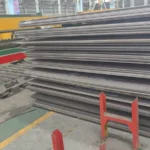
Integrated Steel Plate Mill and Fabrication — A36 Q235 carbon steel plate cutting processing service supplier operates from a single facility producing raw slabs through to CNC-cut finished plates.
Technical Specifications
| Parameter | Value |
|---|---|
| Designation | A36 Carbon Steel Plate / Q235 Steel Plate with Cutting & Processing Service |
| Product Type | Steel Plate |
| Steel Grade | A36, Q235, NM300, NM360, NM400, NM450, NM500, NM550, NM600 |
| Standard | ASTM, JIS, EN, GB |
| Section Shape | Sheet / Plate |
| Thickness | 3–300 mm |
| Width | Customizable |
| Length | Customizable |
| Technique | Hot Rolled / Cold Rolled |
| Surface Treatment | Skin Passed |
| Tolerance | ±1% |
| Processing Service | Welding, Cutting, Bending, Decoiling |
| Application | Bridges, Boilers, Shipbuilding, Armor, Automobiles, Roofing, Construction, Industrial Fabrication |
| MOQ | 1 Ton |
| Origin | Shandong, China |
Application Suitability
| Industry | Typical Applications |
|---|---|
| Infrastructure & Construction | Bridge deck plates, building column base plates, platform grating supports |
| Industrial Fabrication | Pressure vessel shells, boiler end caps, machinery base frames |
| Mining & Heavy Equipment | Excavator bucket liners, crusher wear plates, conveyor chute linings |
| Shipbuilding & Marine | Hull structural plates, deck stiffener plates, bulkhead panels |
| Energy & Power | Wind turbine base plates, transformer tank walls, support brackets |
Where Dimensional Tolerance Decides Site Assembly Costs on A36 Q235 Carbon Steel Plate Cutting Processing Service Orders
A two-millimeter deviation on a cut node plate means bolt holes will not align on site.
When buyers source plates overseas, the gap between the material mill and the processing workshop creates a chain of accountability failures. The steel arrives with a valid mill test certificate, but the cutting shop works to its own tolerance habits rather than the project drawing. Bolt holes drift, connection plates refuse to seat, and the general contractor faces a choice: pay for local rework in a country where skilled welders cost three times the plate value, or wait six weeks for replacement pieces to ship. On EPC projects across Africa and Southeast Asia, I have watched this exact scenario erase the cost advantage of buying from China. The A36 Q235 carbon steel plate cutting processing service supplier must control both the slab chemistry and the CNC program under one quality system to prevent this. [NEED_CITE: dimensional tolerance requirements for structural steel fabrication per EN 1090-2]
How Thickness Range and Grade Coverage Match Structural and Wear-Resistant Demands
The 3–300 mm thickness range covers everything from roofing support sheets to heavy crane runway beams. For structural frames, A36 and Q235 provide the ductility and weldability that connection design relies on. When the same project includes hopper linings or excavator buckets, the NM300 through NM600 wear-resistant series replaces carbon steel in high-abrasion zones without changing the procurement channel. The A36 Q235 carbon steel plate cutting processing service supplier delivers both categories from one material tracking system, so the project engineer receives a single documentation package covering every heat number.
Engineering Compliance and Certification Pathways for Global Projects
Structural plates for European markets must conform to EN standards with CE marking, while North American projects specify ASTM A36 with mill test reports formatted to ASME requirements. The A36 Q235 carbon steel plate cutting processing service supplier maintains certification across ASTM, JIS, EN, and GB systems, allowing the same plate chemistry to serve multiple regulatory frameworks. Third-party inspection through SGS, BV, or TÜV verifies dimensional accuracy and coating thickness before shipment. For projects requiring EN 10204 3.2 certificates, the in-house laboratory issues test reports countersigned by authorized independent inspectors. [NEED_CITE: EN 10204 inspection document types for metallic products]
Steel Grade Selection Logic: Carbon Structural vs. Wear-Resistant Series
A36 and Q235 belong to the carbon structural family, where the design focus is on yield strength, elongation, and weldability for load-bearing frames. The NM series introduces chromium and other alloying elements that produce a martensitic microstructure, giving surface hardness that resists abrasion from ore, coal, and aggregate. Specifying NM400 instead of A36 for a conveyor chute lining extends service life by multiples, but the trade-off is reduced formability and different welding procedures. The A36 Q235 carbon steel plate cutting processing service supplier provides WPS documentation for both families, ensuring that the fabrication shop receives welding parameters matched to the actual grade shipped. Hot-rolled plates receive skin-pass treatment to improve surface flatness, while the NM grades maintain their as-quenched hardness through controlled cooling. Thickness tolerance of ±1% applies across the full range, though buyers should note that negative tolerance reduces theoretical weight and may affect structural calculations if not accounted for in the design.
The Hidden Cost of Unverified Material Sources
When a trading company sources plates from multiple mills and sends them to an unrelated cutting shop, the material traceability chain breaks. The project receives plates with conflicting heat numbers, or worse, plates labeled as A36 that carry no verifiable chemistry. Customs authorities in destination countries increasingly reject shipments lacking proper EN 10204 or ASTM mill test documentation. Beyond the clearance delay, unverified plates create structural liability: if a connection fails, the engineer cannot prove the material met the specified grade. The A36 Q235 carbon steel plate cutting processing service supplier eliminates this risk by producing the slab, rolling the plate, and cutting the final piece within one facility, with every heat number traceable from raw material to finished component. [NEED_CITE: material traceability requirements in structural steel codes]
Why Direct Mill Integration Changes the Procurement Equation
The A36 Q235 carbon steel plate cutting processing service supplier operates its own steel production facility with three rolling lines and maintains over 2,800 specifications in inventory. This vertical integration means the buyer deals with one entity for material certification, processing quality, and shipping documentation. The in-house laboratory tests every heat for chemical composition and mechanical properties before the plate enters the cutting queue. For projects requiring non-standard dimensions or special edge preparation, the engineering team reviews shop drawings and proposes nesting layouts that minimize material waste. Certified welding procedures and qualified welders handle any post-cutting assembly, with full WPS, PQR, and weld map documentation included in the delivery package. Professional loading teams plan container and bulk vessel stowage for plates ranging from 3 mm sheets to 300 mm heavy plates, ensuring no damage during ocean transit.
Documentation & Compliance
- Mill Test Certificate documenting A36 and Q235 chemical composition and mechanical properties per ASTM and GB standards, with heat number traceability
- CE certificate confirming compliance with EN structural steel requirements for European market projects
- ISO 9001 quality management system certificate covering the integrated steel production and fabrication process
- SGS or BV third-party inspection report verifying plate dimensions, surface quality, and coating thickness before shipment
- Material traceability records linking each cut piece to its original heat number and rolling schedule
- Complete customs documentation including packing list, bill of lading, and certificate of origin formatted for destination country requirements
Packaging, Loading & Delivery
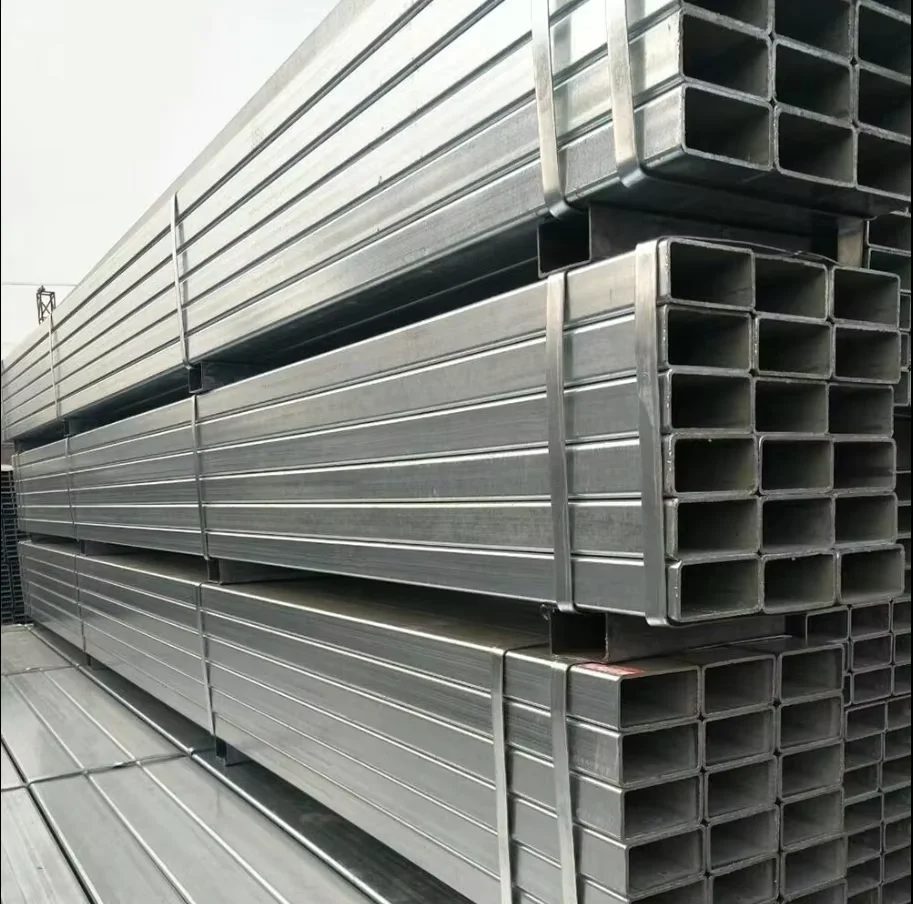
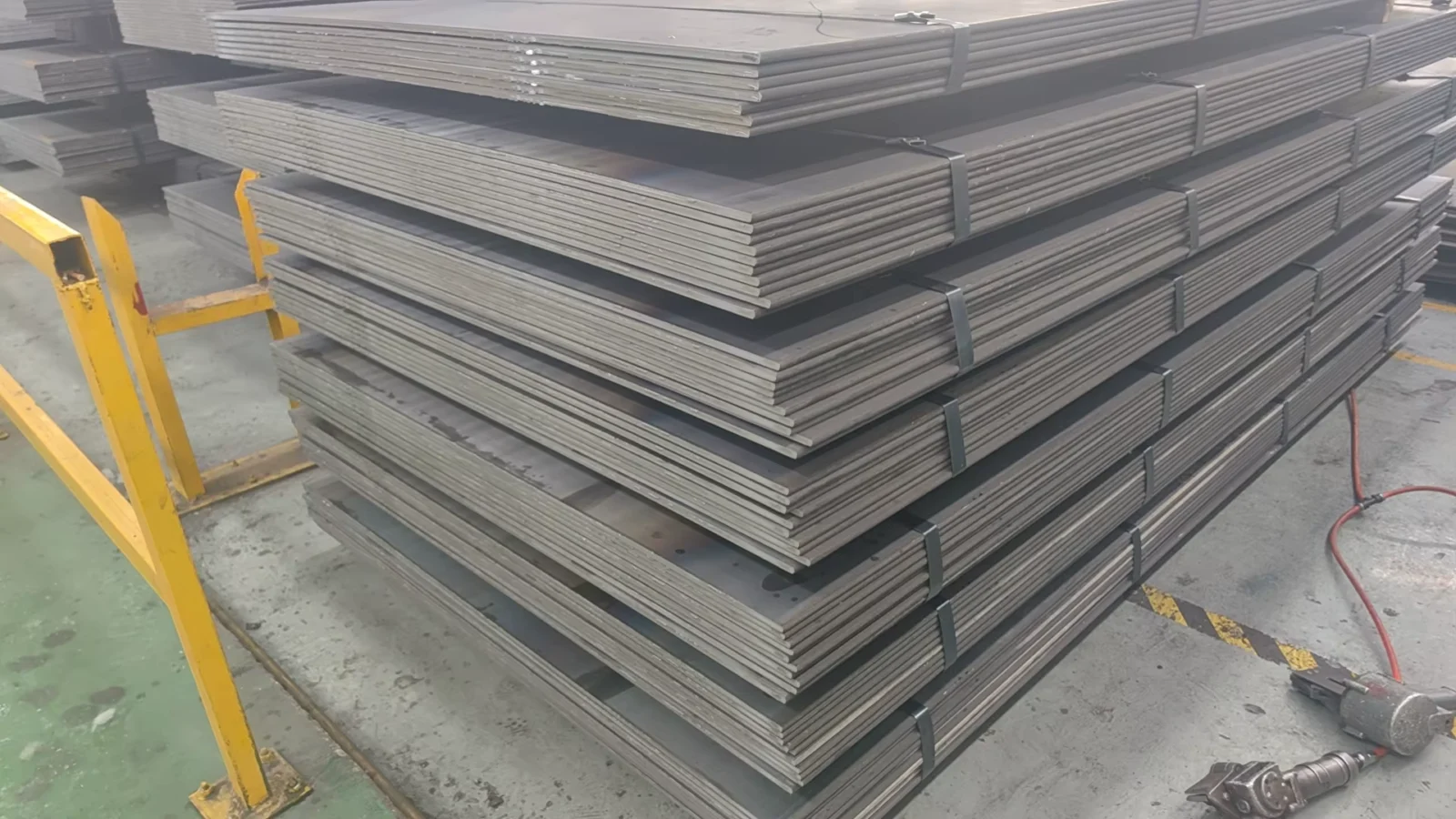
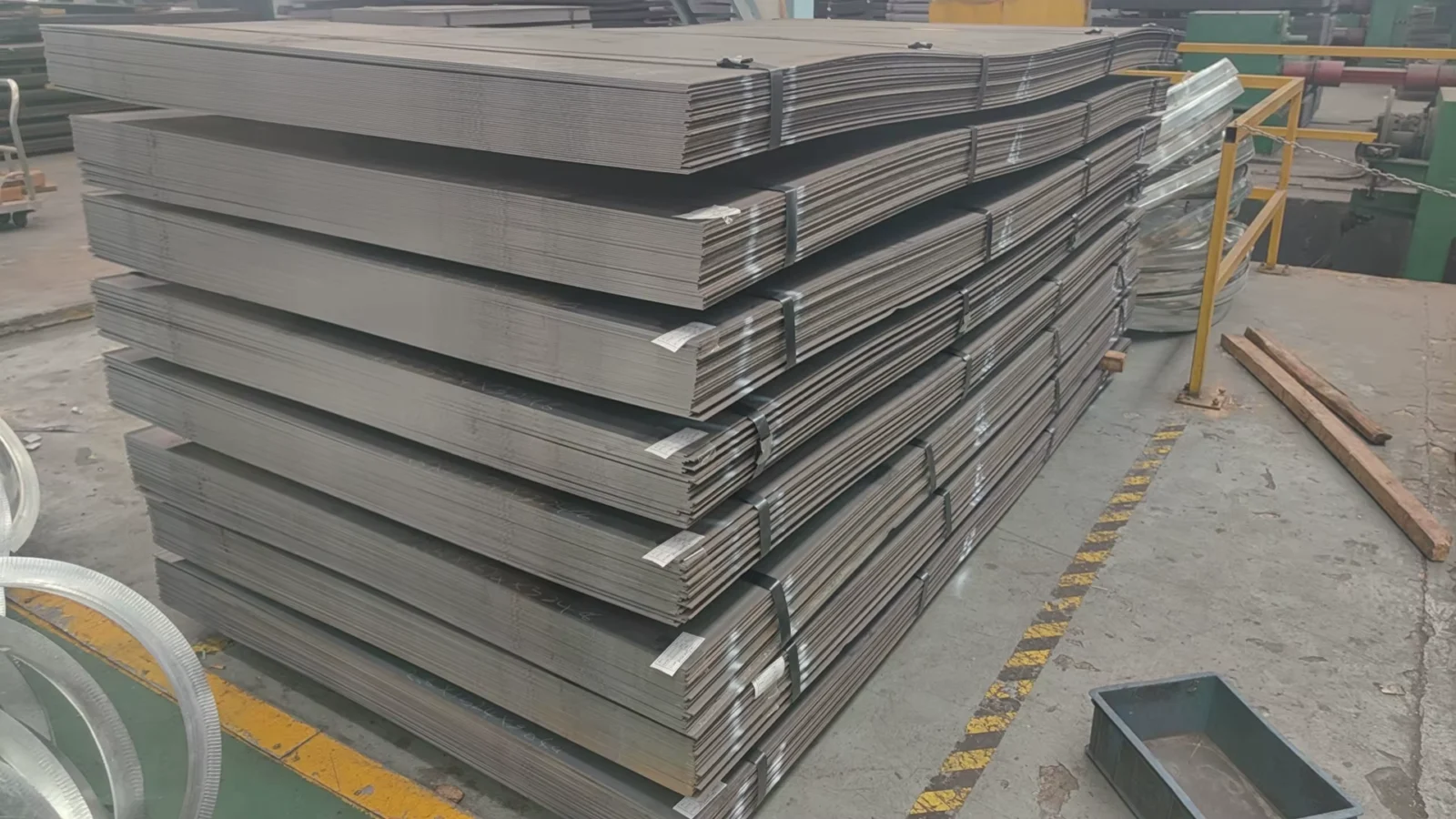
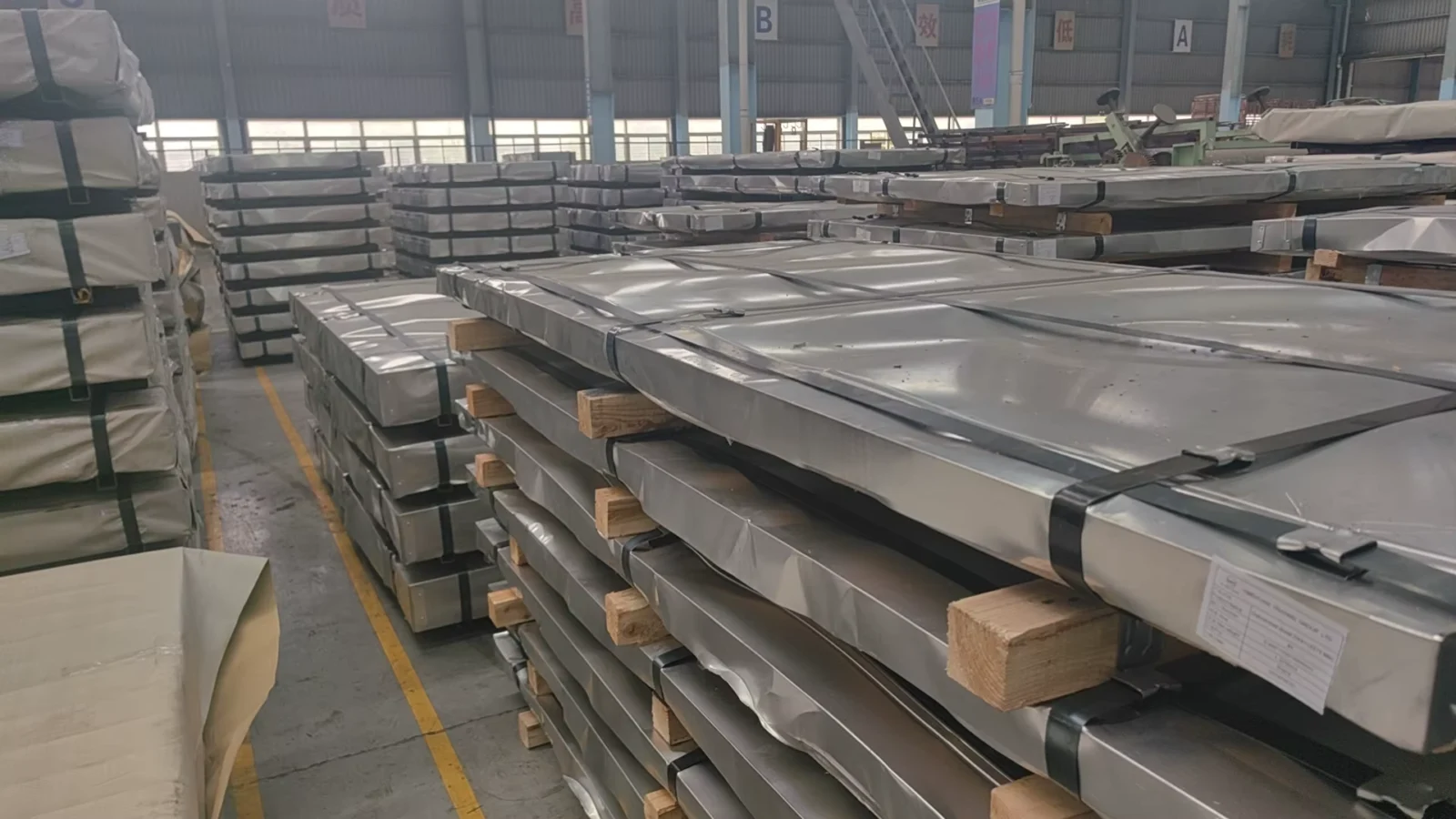
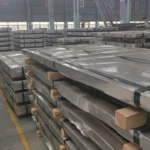
- A36 and Q235 plates bundled with steel strips and edge protectors to prevent surface damage during handling and ocean transit
- NM series wear-resistant plates packed with waterproof wrapping to preserve the as-quenched surface condition
- Heavy plates above 20 mm thickness loaded on timber sleepers with dunnage to distribute weight and facilitate fork lift access
- Custom-cut pieces labeled with heat number, steel grade, and piece mark matching the approved shop drawing
- Container loading optimized for plates up to 12 meters length, with open-top or flat-rack options for oversized pieces
- FOB, CIF, and DDP shipping terms available with door-to-door logistics coordination for project sites
How to Initiate a Project Inquiry for Cut-to-Size Plates
Submit project drawings in PDF or DWG format along with the required steel grades, thickness specifications, and applicable standards. The engineering team responds within 24 hours with a preliminary assessment including material availability, cutting feasibility, and production scheduling. For projects requiring third-party inspection or special certification, confirm these requirements at the inquiry stage so the quality team can arrange witness points.
Frequently Asked Questions
Q: What is the difference between A36 and Q235, and can they be used interchangeably?
A: A36 follows the ASTM standard while Q235 follows the Chinese GB standard. Both are carbon structural steels with similar yield strength levels and weldability. The A36 Q235 carbon steel plate cutting processing service supplier can provide either grade based on project specification, and mill test certificates clearly identify which standard the material meets.
Q: Can you cut plates to exact dimensions from my shop drawings?
A: Yes. The facility offers CNC cutting, plasma cutting, and flame cutting services. Submit drawings in PDF or DWG format, and the engineering team prepares a nesting layout for approval before cutting begins. The minimum order quantity is 1 Ton.
Q: When should I specify NM400 or NM450 instead of A36 or Q235?
A: The NM series is designed for high-abrasion environments such as mining chutes, excavator buckets, and crusher liners. If the application involves sliding contact with ore, coal, or aggregate, the wear-resistant grades provide significantly longer service life. For structural frames where weldability and formability are primary concerns, A36 or Q235 remains the appropriate choice.
Q: Do you provide EN 10204 3.1 or 3.2 certificates?
A: Yes. EN 10204 3.1 certificates are issued by the in-house laboratory. For 3.2 certificates requiring independent inspector witness, third-party inspection through SGS, BV, or TÜV can be arranged at the time of order confirmation.
Q: How are heavy plates packed for export shipment?
A: Plates are bundled with steel strips, placed on timber sleepers, and secured with edge protectors. Heavy plates above 20 mm thickness receive additional dunnage for fork lift access. Container loading plans accommodate plates up to 12 meters, with open-top or flat-rack options for oversized pieces.
Request a Quote with Mill Test Documentation
Submit your project specifications, steel grade requirements, and target quantity to receive a detailed quotation including material costs, processing fees, and shipping options. The engineering team will review your drawings and confirm cutting feasibility within 24 hours.
Contact: admin@xjystructure.com | WhatsApp: +86 188 5315 7756 | Website: www.xjystructure.com