Description
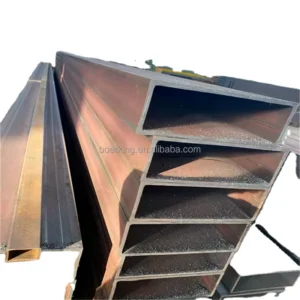
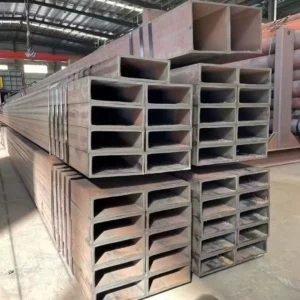
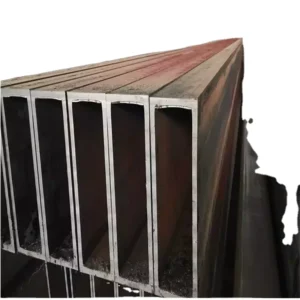
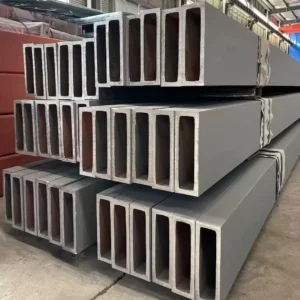
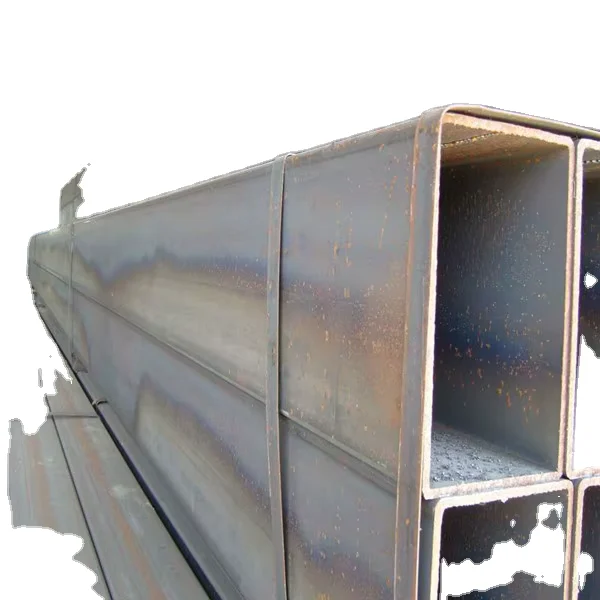
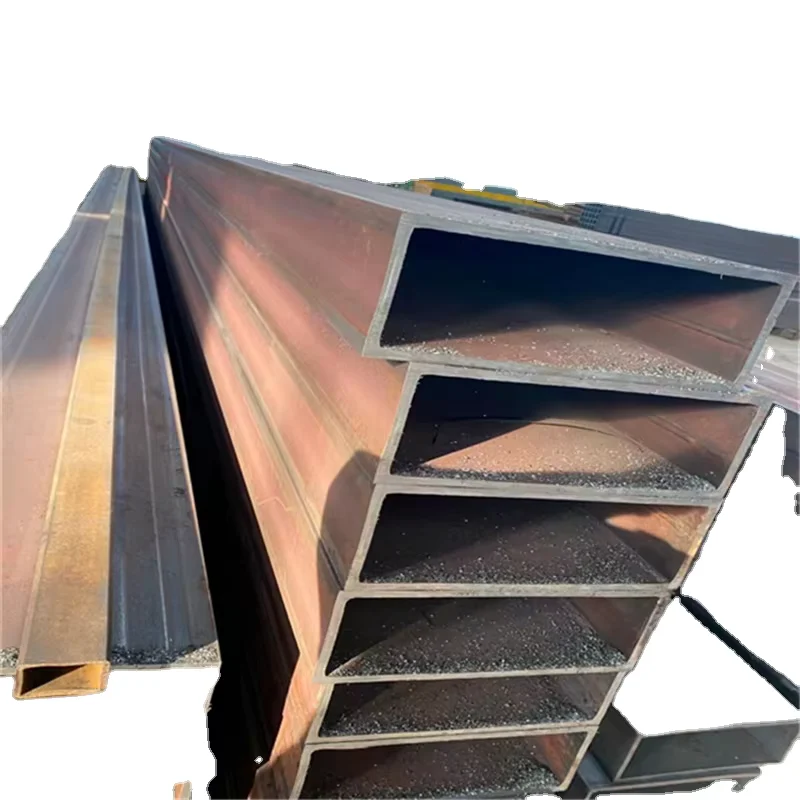
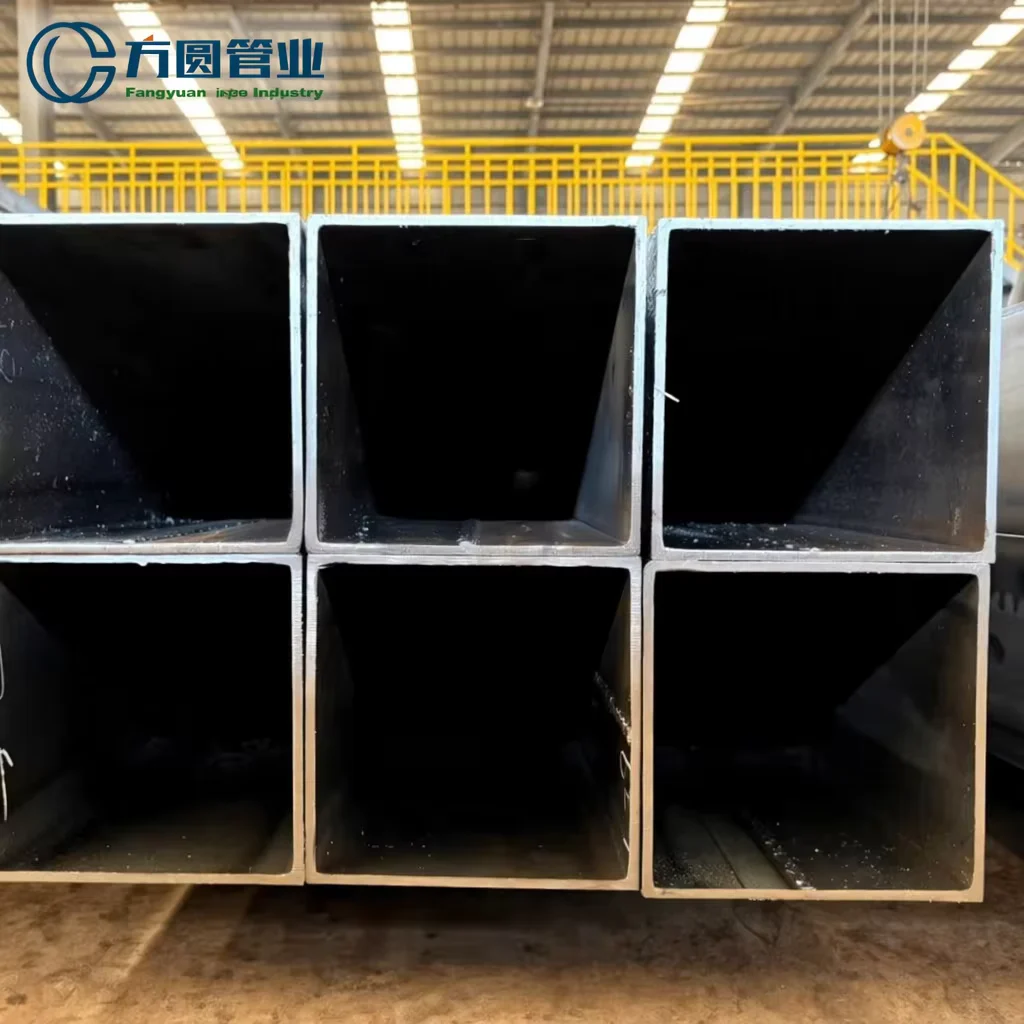
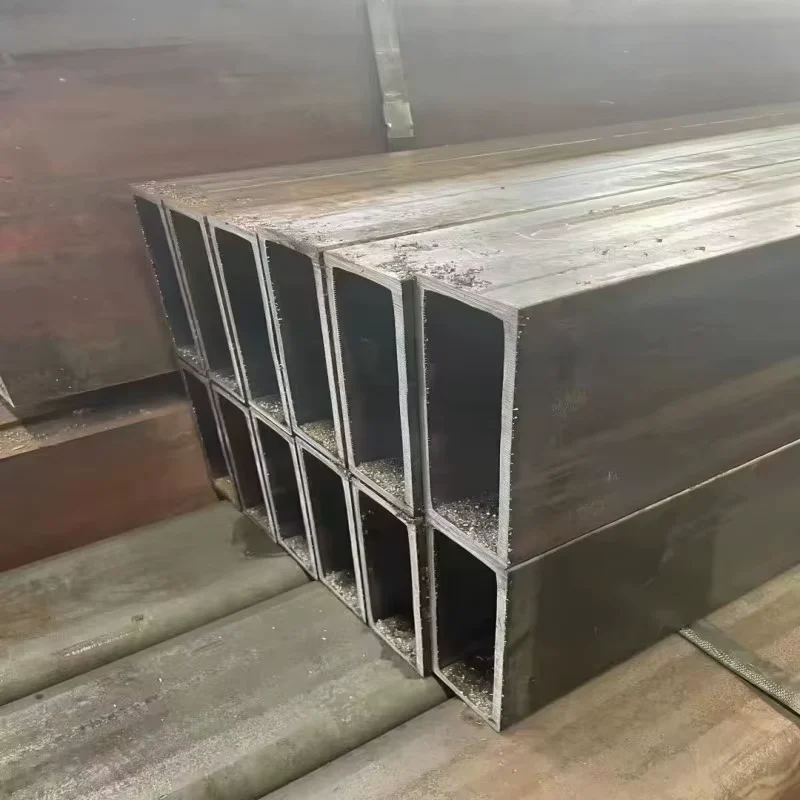
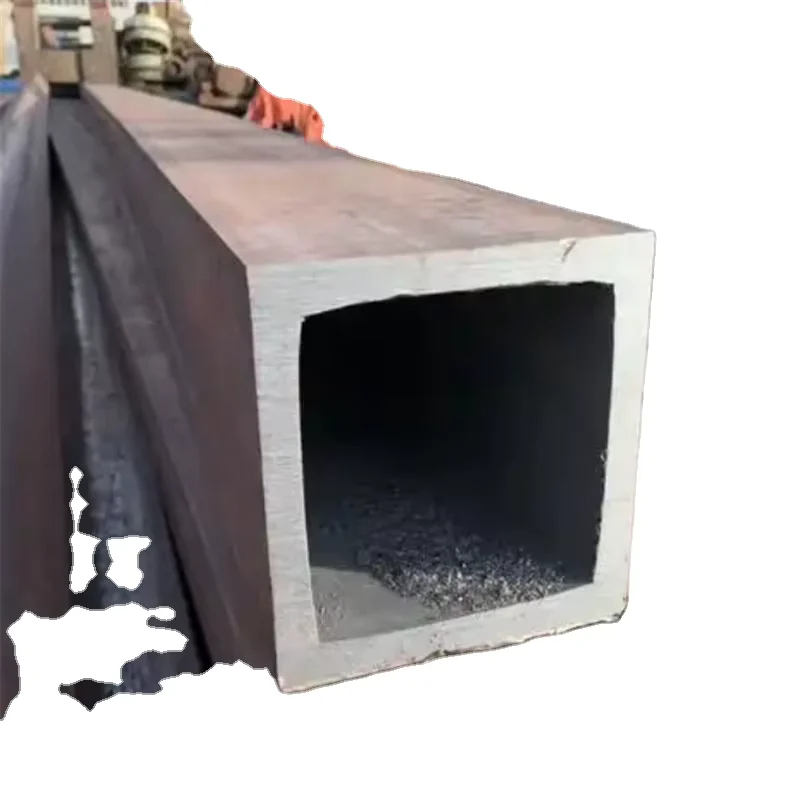
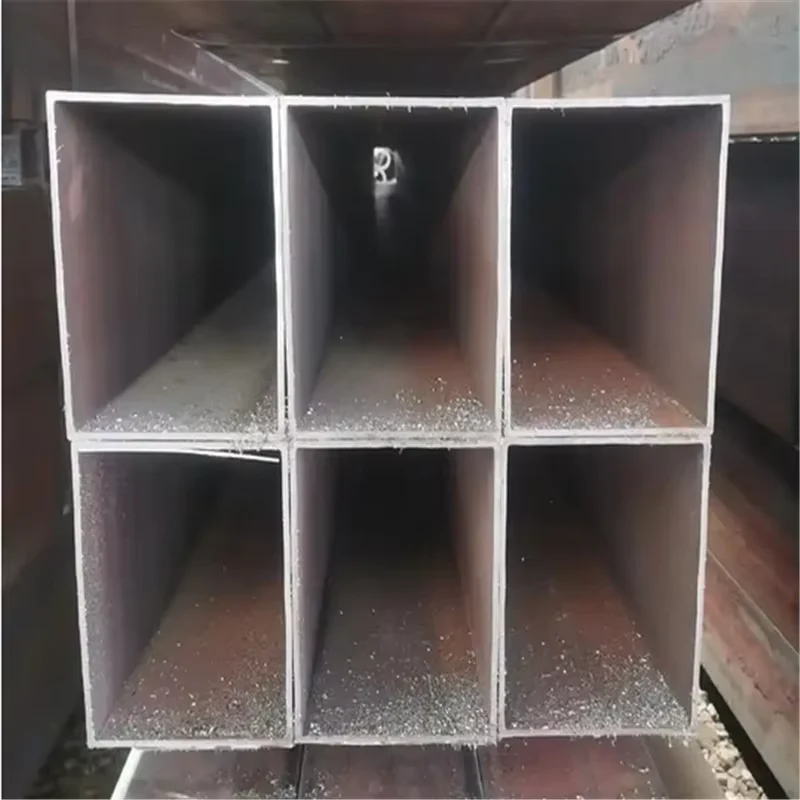
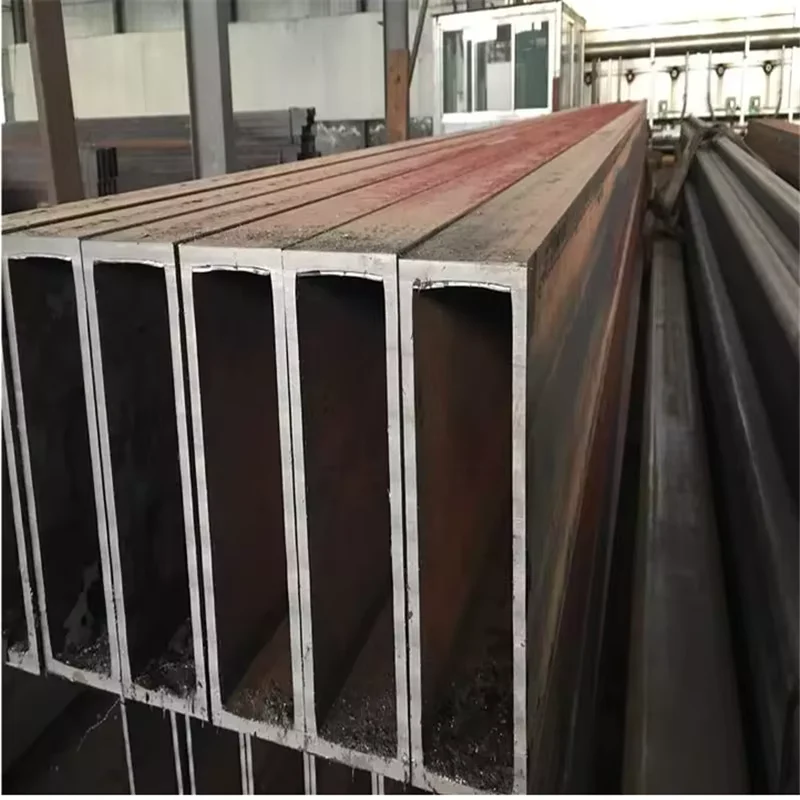
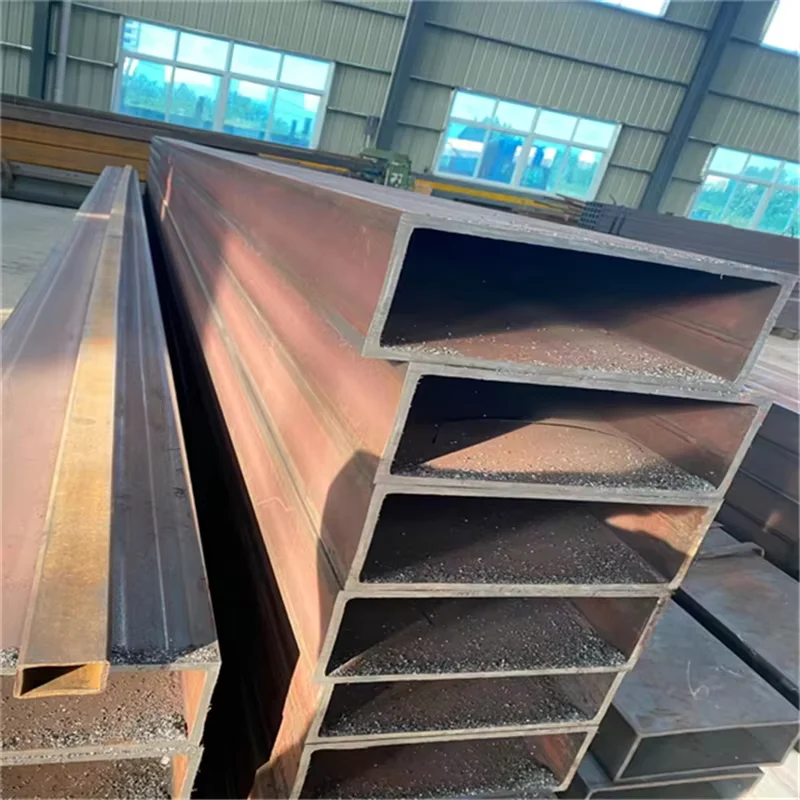
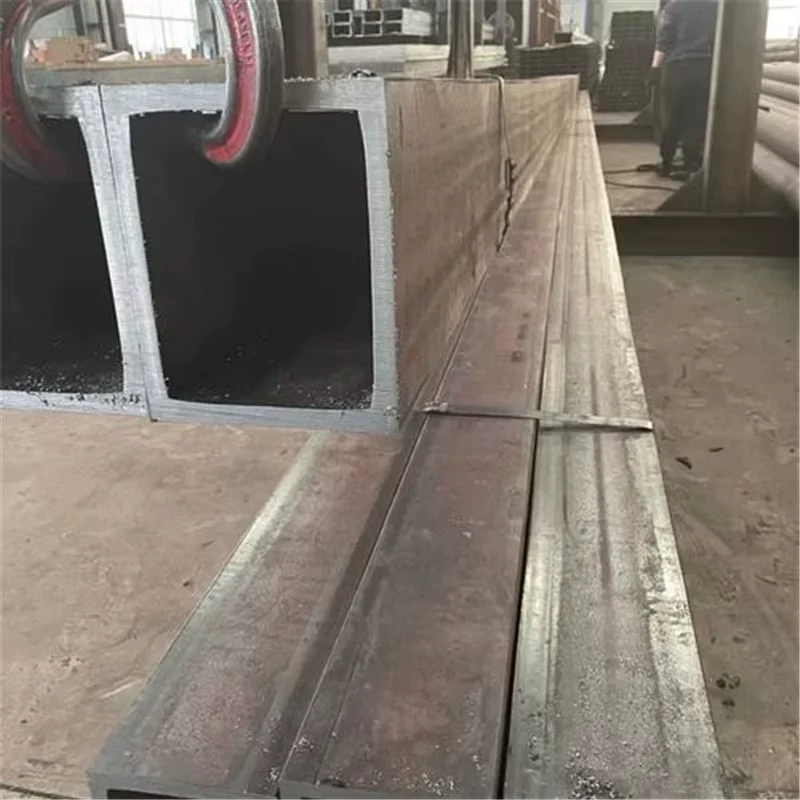
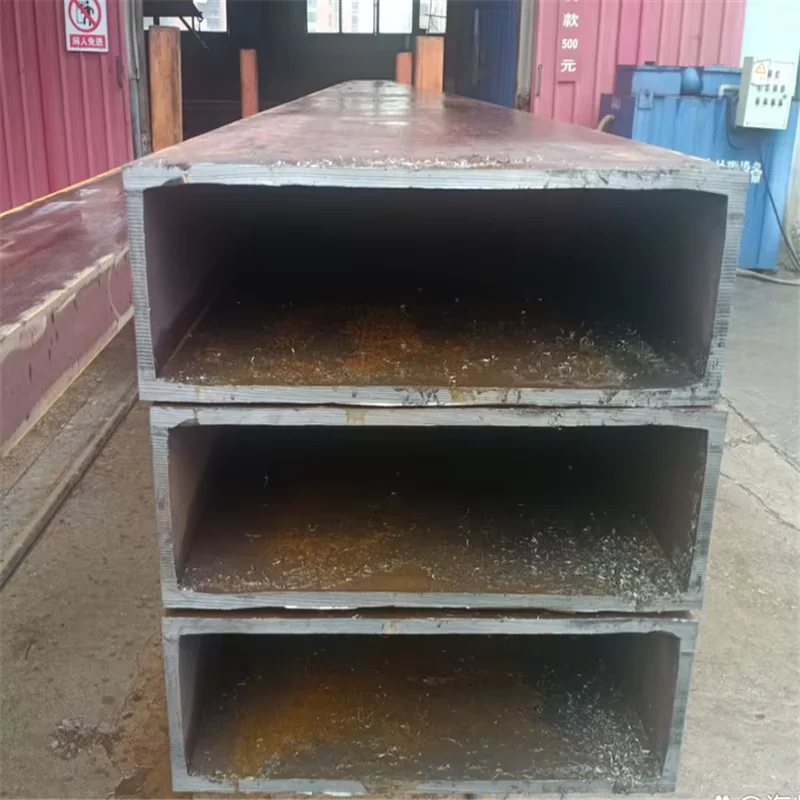
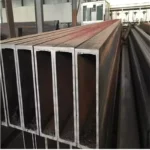
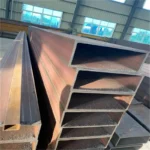
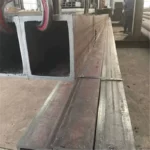
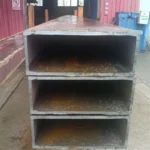
Direct Mill Supply for Sharp Corner SHS/RHS — S355J2H sharp corner square rectangular steel tube produced from our own steel mill with full EN10210 compliance and material traceability by heat number.
Technical Specifications
| Parameter | Value |
|---|---|
| Designation | S355JR S355J0 S355J2H Sharp Corner Square and Rectangular Steel Tube |
| Product Type | Sharp Corner Square and Rectangular Steel Tube (SHS / RHS) |
| Steel Grade | S235JR, S275JR, S355JR, S355J0, S355J2H, ASTM A53 GR.B, A36, Q460, SS400 |
| Standard | EN10210, EN10219 |
| Section Shape | Square / Rectangular (90° sharp corners) |
| Size Range | 15×15 mm – 1000×1000 mm (Square); 20×30 mm – 600×800 mm (Rectangular) |
| Wall Thickness | 0.5 mm – 50 mm |
| Length | 5.8 m – 14 m or customized |
| Technique | ERW (Electric Resistance Welded) / Hot Rolled |
| Surface Treatment | Bare / Oiled / Painted / Galvanized / 3PE / Varnish |
| Tolerance | ±1% |
| Ends | Plain ends / Cutting / Threading / Beveled / Flange |
| Application | Steel structures / Construction frames / Machinery structures / Scaffolding / Greenhouse / Furniture / Building materials / Low pressure fluid transport |
| MOQ | 1 Ton |
| Origin | Shandong, China |
Application Suitability
| Industry | Typical Applications |
|---|---|
| EPC & General Contractors | Building frames, column-beam assemblies, platform structures for commercial and industrial projects |
| Steel Structure Companies | Trusses, portal frames, connection assemblies for warehouse and logistics center construction |
| Machinery & Equipment | Equipment support frames, conveyor structures, crane booms requiring precise corner geometry |
| Architecture & Façade | Exposed structural members where 90° sharp corners meet aesthetic and connection requirements |
| Infrastructure | Scaffolding systems, bridge support components, signage gantries |
Where 90° Corner Precision Decides Site Assembly Outcomes
Sharp corner geometry eliminates field rework when bolted or welded connections demand exact bearing surfaces.
When overseas buyers source sharp corner tubes from traders who consolidate from multiple mills, corner radius inconsistency becomes a silent problem. A tube that measures 3 mm radius at one end and 6 mm at the other forces site crews to grind, shim, or reject connections entirely — costing days of delay on every frame joint. I have seen warehouse projects in Southeast Asia where entire bay sections had to be re-bolted because the corner geometry did not match the shop drawings. With a S355J2H sharp corner square rectangular steel tube produced under controlled ERW or hot rolled forming, the 90° corner is held to ±1% tolerance across the full length, so connection plates sit flush and weld prep stays consistent. [NEED_CITE: EN 10219 cold-formed hollow section dimensional tolerance requirements]
Matching Structural Frames and Exposed Architecture to Corner Geometry
A S355J2H sharp corner square rectangular steel tube serves two distinct engineering needs simultaneously. For structural frames in warehouses and industrial plants, the sharp corner provides full bearing contact against base plates and gusset connections, distributing load without the gap that rounded corners create. For architectural applications — exposed columns, canopy structures, façade supports — the crisp 90° edge delivers the visual precision that designers specify. Our sharp corner forming process holds this geometry consistently across sizes from 50×50 mm to 1000×1000 mm, whether the tube is supplied bare for site painting or pre-galvanized for corrosive environments.
Engineering Compliance and Certification Pathways
Structural steel frames designed to EN 1993 require hollow sections that conform to EN10210 for hot finished or EN10219 for cold formed profiles. The S355J2H grade delivers impact toughness at sub-zero temperatures, making it the default choice for projects in Northern Europe, high-altitude regions, or refrigerated industrial facilities. For EU market entry, CE marking per EN10210-1 is mandatory — and this is where fragmented sourcing breaks down. A fabricator who buys tubes from one mill, has them galvanized at a separate facility, and ships through a trader cannot provide a coherent Declaration of Performance. Our vertically integrated line — from raw steel production through forming, welding, surface treatment, and final inspection — keeps the entire certification chain under one quality system. [NEED_CITE: CE marking requirements for structural steel hollow sections under EN 10210]
Steel Grade Selection and Forming Process Explained
The S-series grades (S235JR, S275JR, S355JR, S355J0, S355J2H) follow the European EN standard system where the number indicates minimum yield strength in MPa, and the suffix defines impact test conditions — JR for room temperature, J0 for 0°C, J2 for -20°C. Selecting S355J2H over S355JR is not about static load capacity alone; it is about ensuring the tube will not suffer brittle fracture under dynamic loading or cold climate conditions. The ERW welding process produces a longitudinal seam that is forge-welded under heat and pressure, creating a weld zone with properties matching the parent metal — suitable for most structural applications up to moderate wall thickness. For heavier sections where through-thickness properties matter, hot rolled hollow sections offer more uniform grain structure across the corner zones. The sharp corner forming itself requires precise control of bend radius and springback compensation; inconsistent control produces corners that look sharp visually but measure 2-4 mm radius under gauge — a defect that only shows up during connection fitting.
Hidden Costs of Sourcing Sharp Corner Tubes Without Mill Traceability
Buying sharp corner tubes based on price alone, without verified mill test certificates tied to heat numbers, creates three categories of hidden cost. First, customs authorities in EU and Middle East markets increasingly demand EN 10204 3.1 certificates that trace chemical composition back to the original melt — tubes without this documentation get held at port, incurring demurrage and re-export expenses. Second, negative tolerance abuse — where wall thickness drifts below the specified minimum — reduces load capacity and fails third-party inspection on site, forcing replacement orders that delay the entire project schedule. Third, material substitution (supplying S355JR when S355J2H was specified) passes visual inspection but fails impact testing at low temperature, creating latent structural risk. [NEED_CITE: EN 10204 inspection document types for steel products]
Why Engineering Teams Source Sharp Corner Tubes From Our Mill
Our facility operates three dedicated production lines for structural steel tubes, backed by an in-house steel mill that produces the raw material — meaning the S355J2H sharp corner square rectangular steel tube you order comes from a single source with full heat-level traceability from slab to finished section. We maintain over 2,800 specifications in stock, covering the full size range from 15×15 mm to 1000×1000 mm, so project teams sourcing multiple section sizes for a single structure deal with one supplier and one quality standard. Our internal laboratory performs chemical analysis, tensile testing, and impact testing per EN10210 before any batch leaves the mill — and we welcome SGS, BV, or TÜV third-party inspection at any production stage. For projects requiring CE marking, we provide the complete Factory Production Control documentation and Declaration of Performance needed for EU customs and site approval. Custom lengths up to 14 m, non-standard sizes, and specific surface treatment requirements (hot-dip galvanized, 3PE coating, or shop primer) are handled within the same production workflow — no subcontracting, no certification gaps.
Documentation & Compliance
- Mill Test Certificate (EN 10204 3.1) documenting S355J2H chemical composition, yield strength, and Charpy impact values at -20°C per heat number
- CE Certificate and Declaration of Performance per EN10210-1 for structural hollow sections entering EU markets
- ISO 9001 quality management certificate covering the full production process from raw steel to finished sharp corner tube
- SGS / BV / TÜV third-party inspection reports available at any production stage, covering dimensional checks, weld seam quality, and coating thickness
- Full material traceability linking each tube bundle to its original heat number, rolling record, and test results
- Export documentation package including packing list, bill of lading, certificate of origin, and customs clearance support for destination country requirements
Packaging, Loading & Delivery
- S355J2H sharp corner tubes bundled with steel strips and edge protectors to preserve 90° corner geometry during handling and ocean transit
- Galvanized sharp corner RHS packed with separation layers to prevent zinc coating damage from friction between nested sections
- Custom-length tubes (5.8 m to 14 m) loaded with optimized container stowage plans to maximize 20ft and 40ft GP utilization for project orders
- Surface protection matched to treatment type: oiled bare tubes wrapped in waterproof paper, painted sections with interleaf separators, 3PE coated tubes with padded cradle supports
- Heat number and steel grade stenciled on each tube end with bundle tags matching the mill test certificate for site identification
- FOB, CIF, and DDP delivery terms available with professional loading supervision and real-time shipment tracking until site arrival
Getting Your Sharp Corner Tube Quote Started
Send your project drawings (PDF or DWG), section sizes, steel grade requirements, surface treatment preference, and destination port — our engineering team responds within 24 hours with a detailed quotation including material cost, fabrication options, coating specifications, and container loading plan. For non-standard sizes or custom lengths outside the 15×15 mm to 1000×1000 mm range, we provide feasibility assessment and production timeline confirmation before you commit.
Request Your S355J2H Sharp Corner Tube Quotation
Submit your specifications and steel grade requirements to receive pricing, mill test certificate samples, and container loading plans within 24 hours.
Shandong Xin Jiyuan Special Steel Tube Co., Ltd
Website: www.xjystructure.com
Tel: +86 531 8573 6315
Mobile/WhatsApp/WeChat: +86 188 5315 7756
Email: admin@xjystructure.com
Address: No.11889, Jingshi West Road, Lulian Group, Jinan City, Shandong Province, China
Frequently Asked Questions
Q: What is the difference between S355JR, S355J0, and S355J2H for sharp corner square rectangular steel tube?
A: All three grades share the same minimum yield strength of 355 MPa. The difference lies in impact testing temperature: JR is tested at room temperature (+20°C), J0 at 0°C, and J2H at -20°C. For projects in cold climates or structures subject to dynamic loading, S355J2H provides the highest fracture toughness assurance.
Q: Can you provide third-party inspection for S355J2H sharp corner tubes before shipment?
A: Yes. We accept SGS, BV, and TÜV inspection at any production stage — from raw material verification through dimensional checks, weld seam testing, and coating thickness measurement. The third-party report is issued independently and accompanies the shipment documentation.
Q: What is the minimum order quantity for custom-size sharp corner rectangular steel tubes?
A: The standard MOQ is 1 Ton. For non-standard sizes outside our regular stock range (15×15 mm to 1000×1000 mm square, 20×30 mm to 600×800 mm rectangular), we evaluate production feasibility based on your required dimensions and total tonnage.
Q: How do you ensure corner geometry stays at true 90° for sharp corner tubes?
A: Our sharp corner forming process uses precision-calibrated rolls with springback compensation specific to each wall thickness and steel grade. Dimensional checks are performed at multiple points along the production line, and corner radius is verified against the ±1% tolerance specified in EN10219.
Q: What surface treatment options are available for sharp corner square and rectangular steel tubes?
A: We offer bare (oiled for transit protection), hot-dip galvanized, painted (primer or finish coat per RAL or project specification), 3PE coating for buried or highly corrosive environments, and varnish. The choice depends on the installation environment and project design life.