
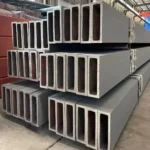
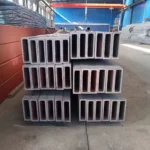
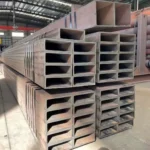
Description
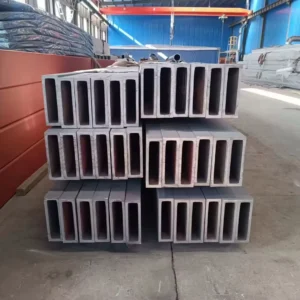
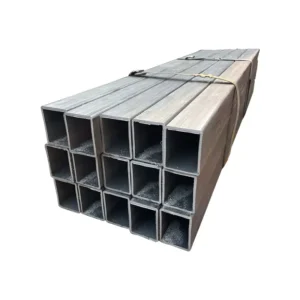
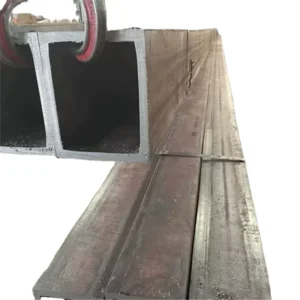
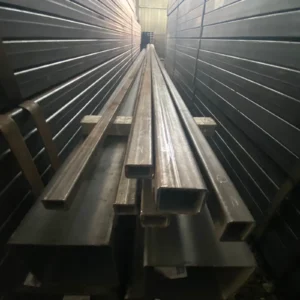
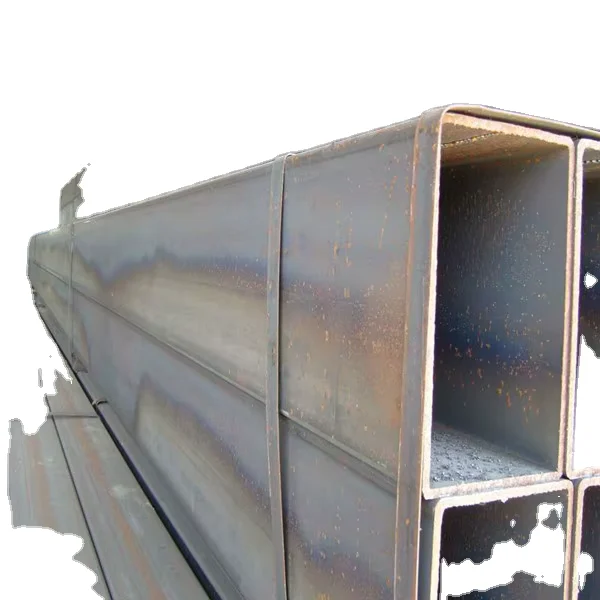
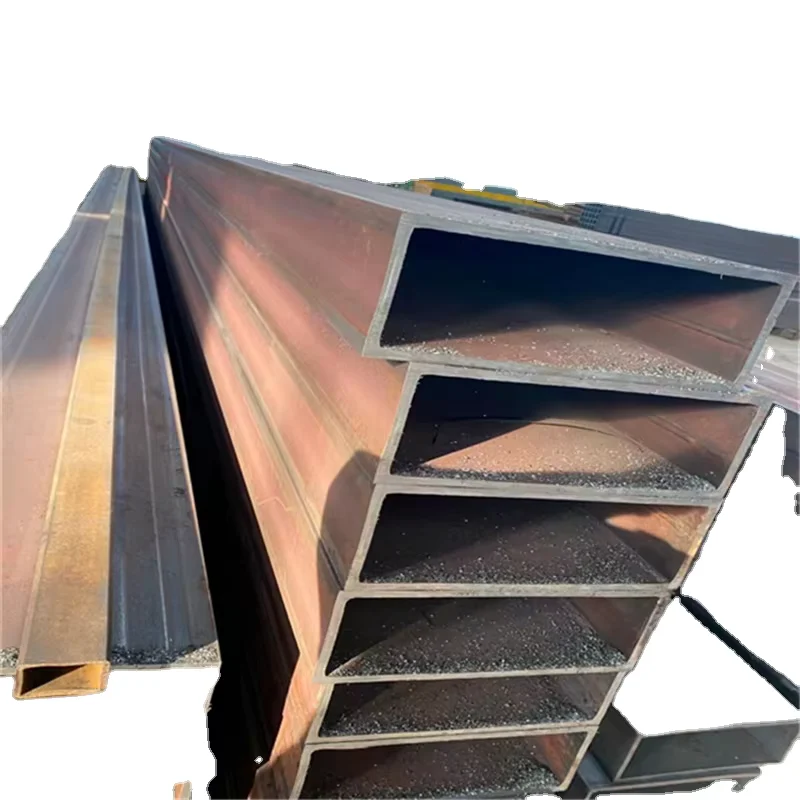
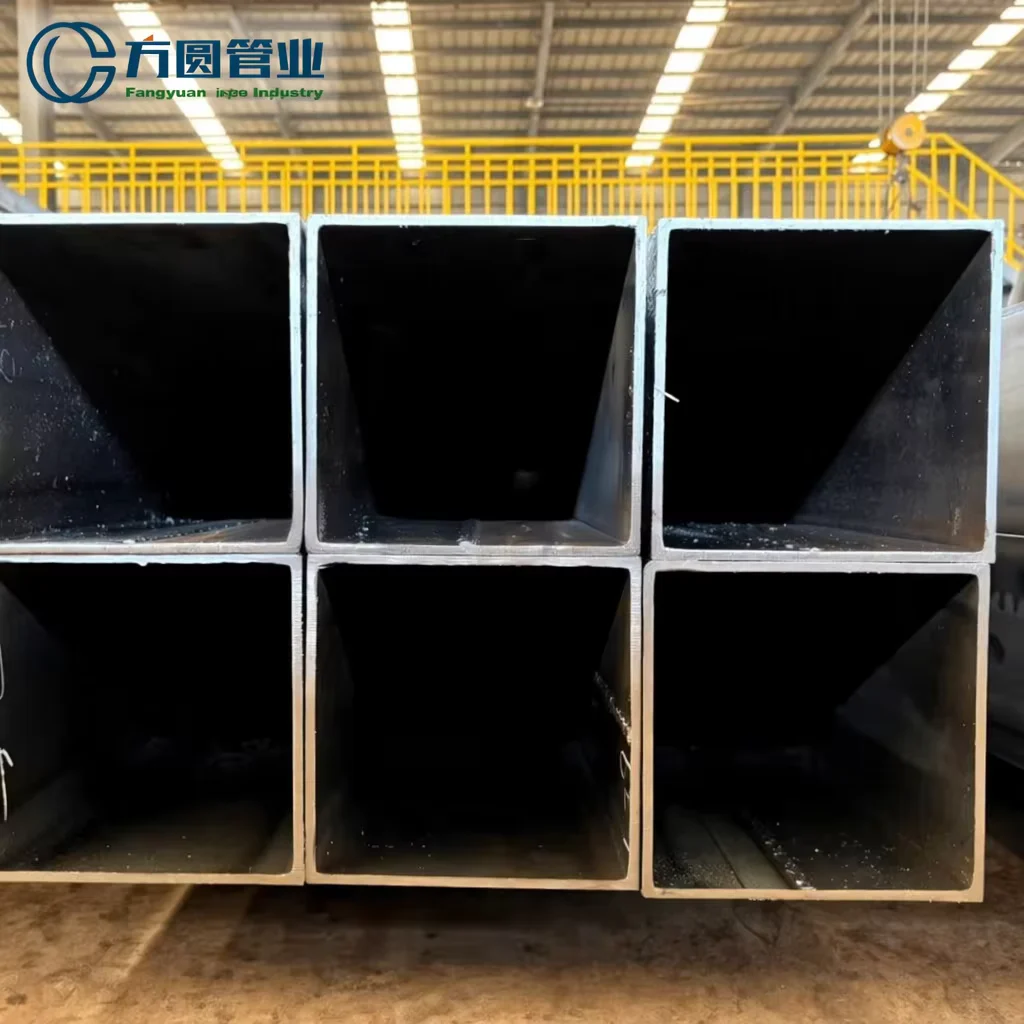
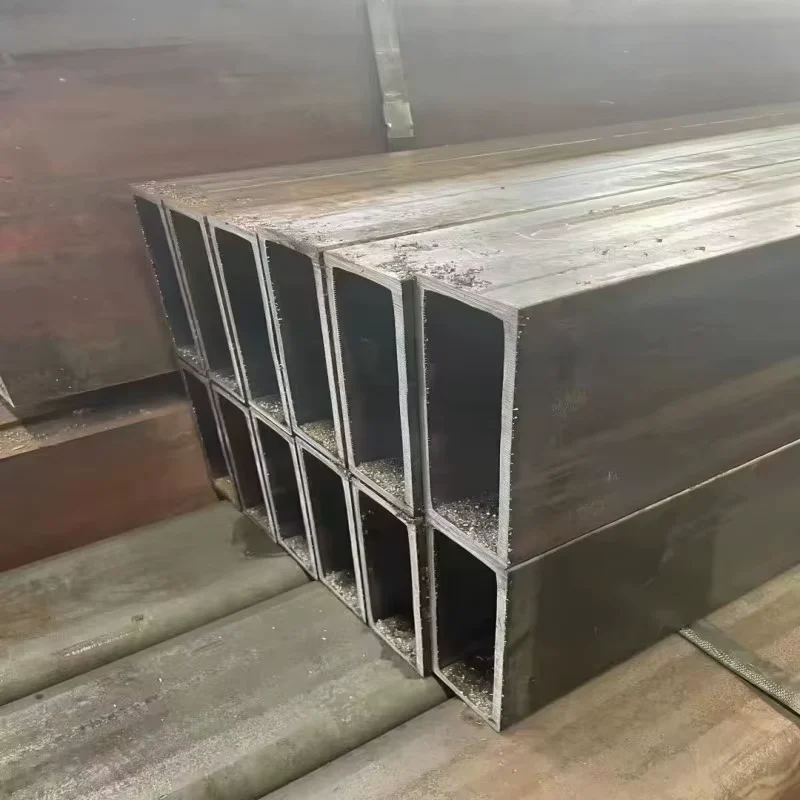
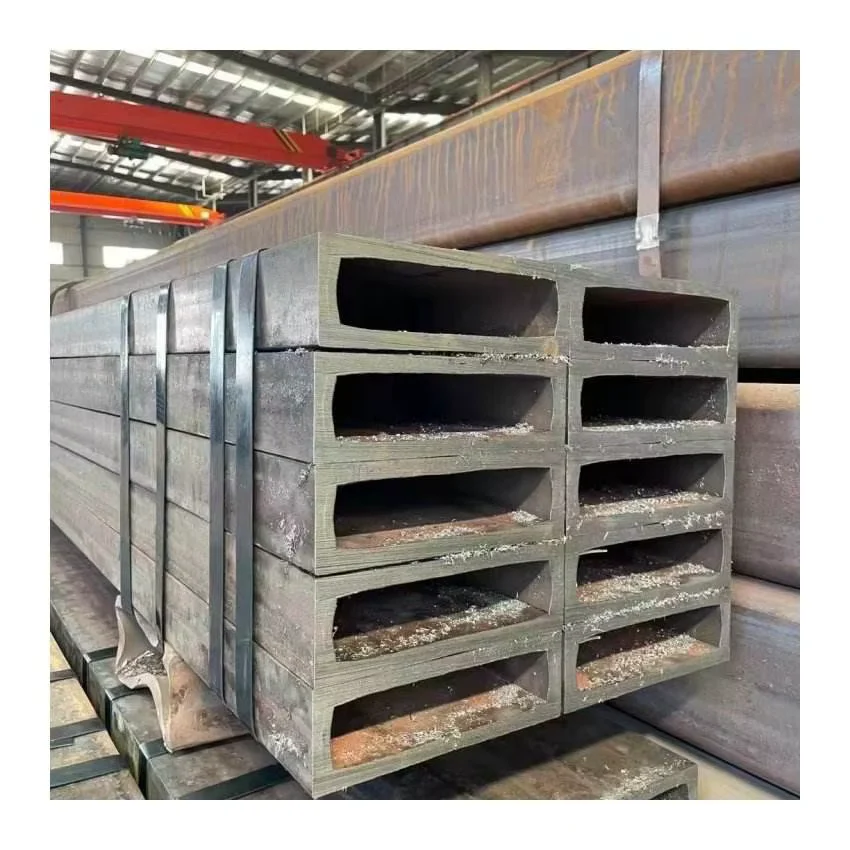
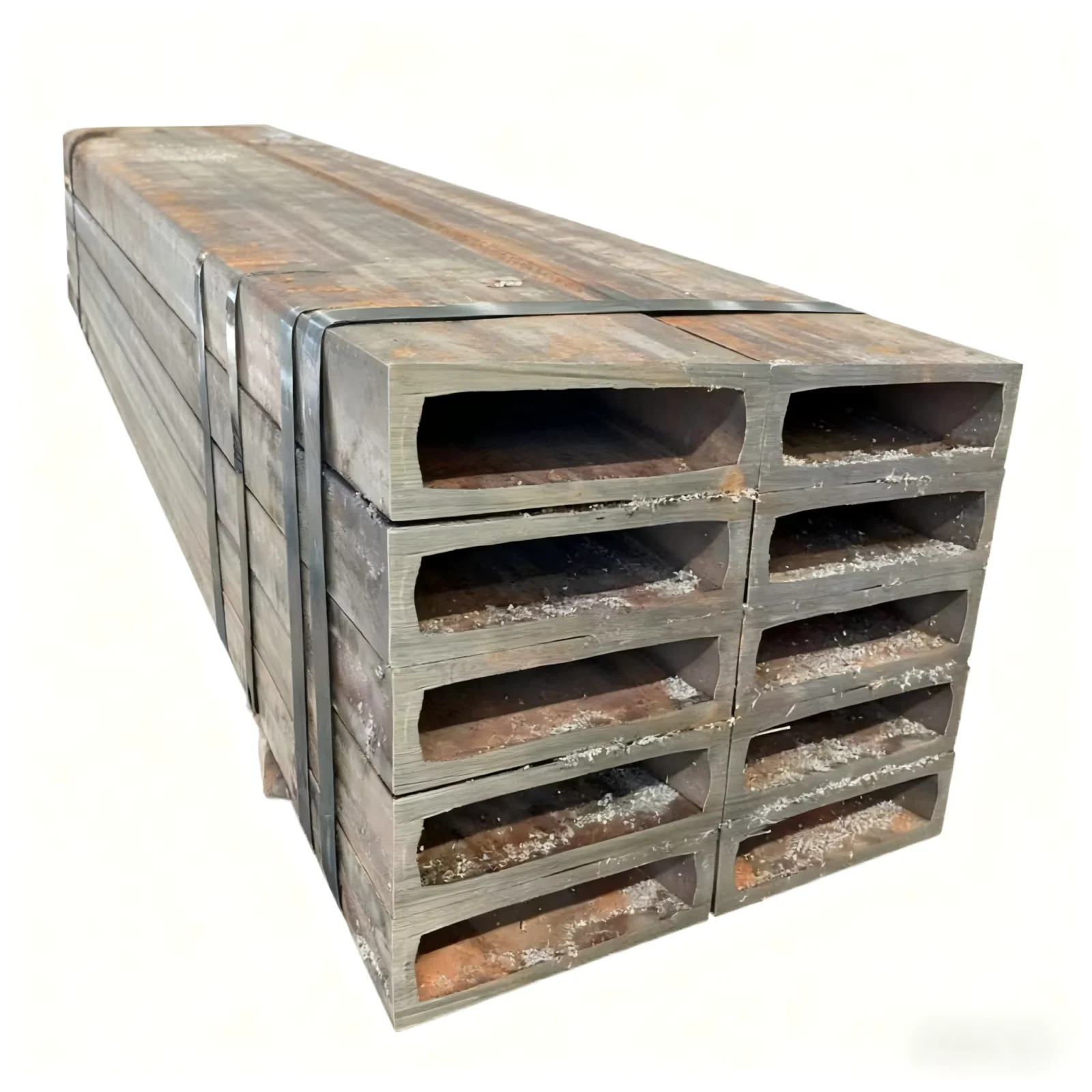
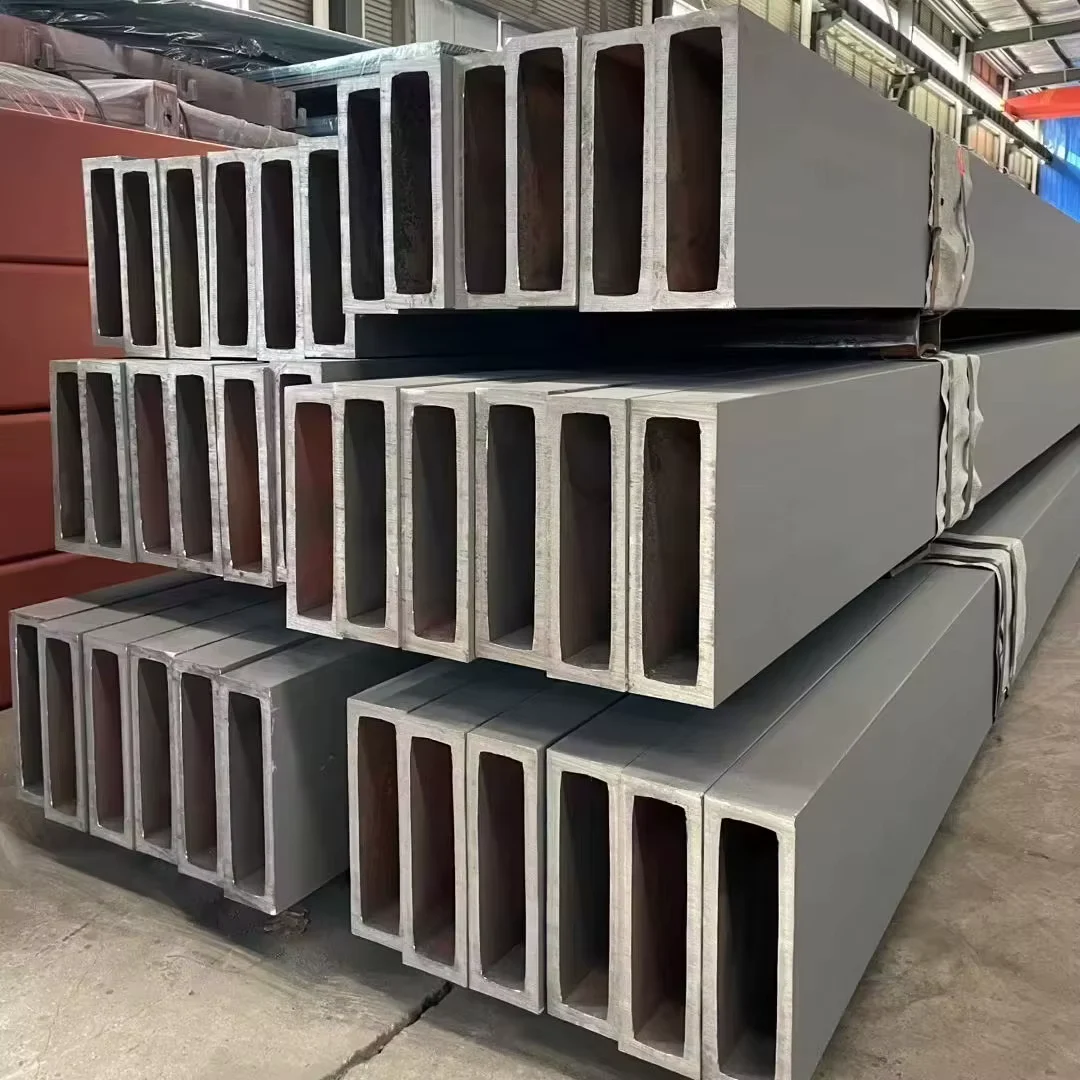
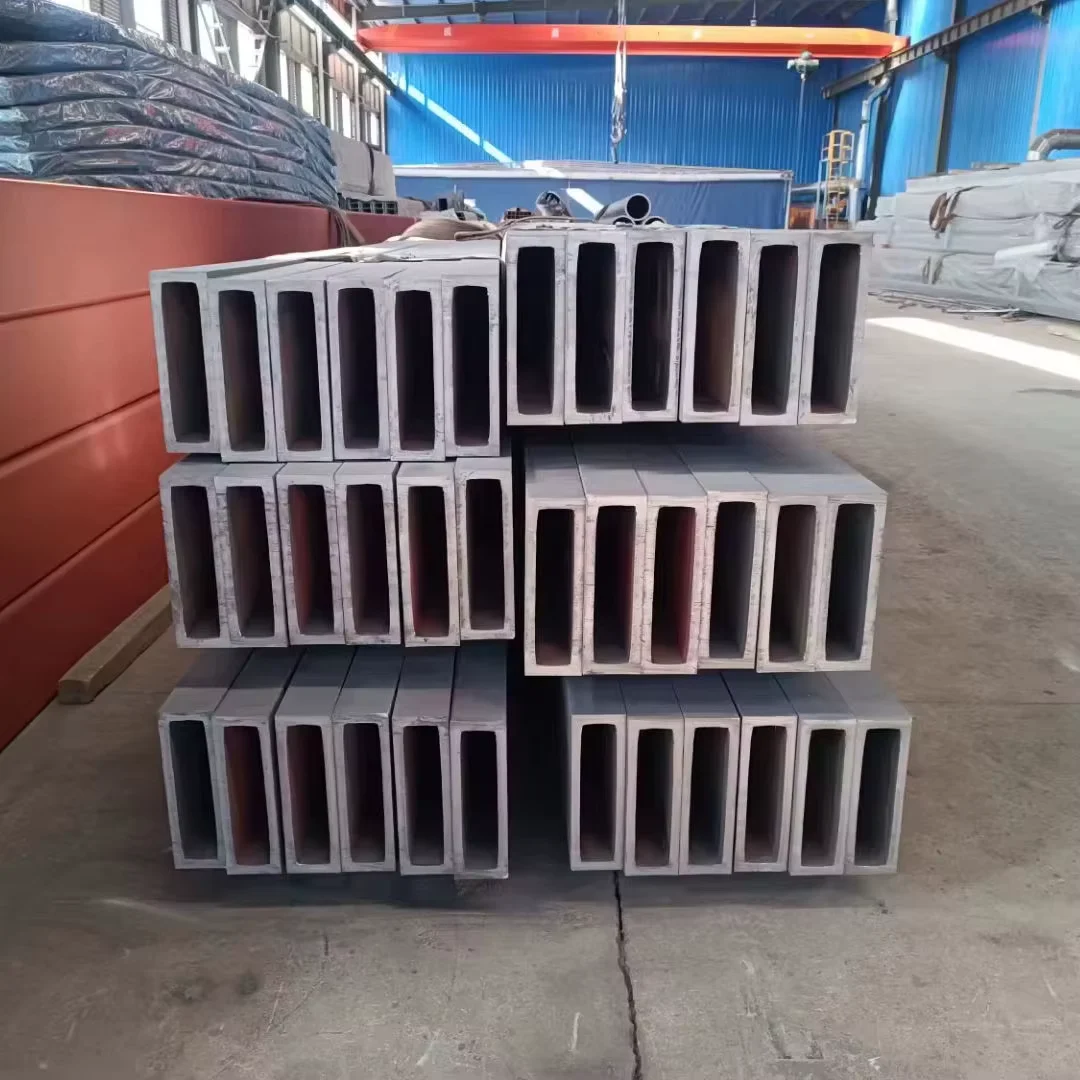
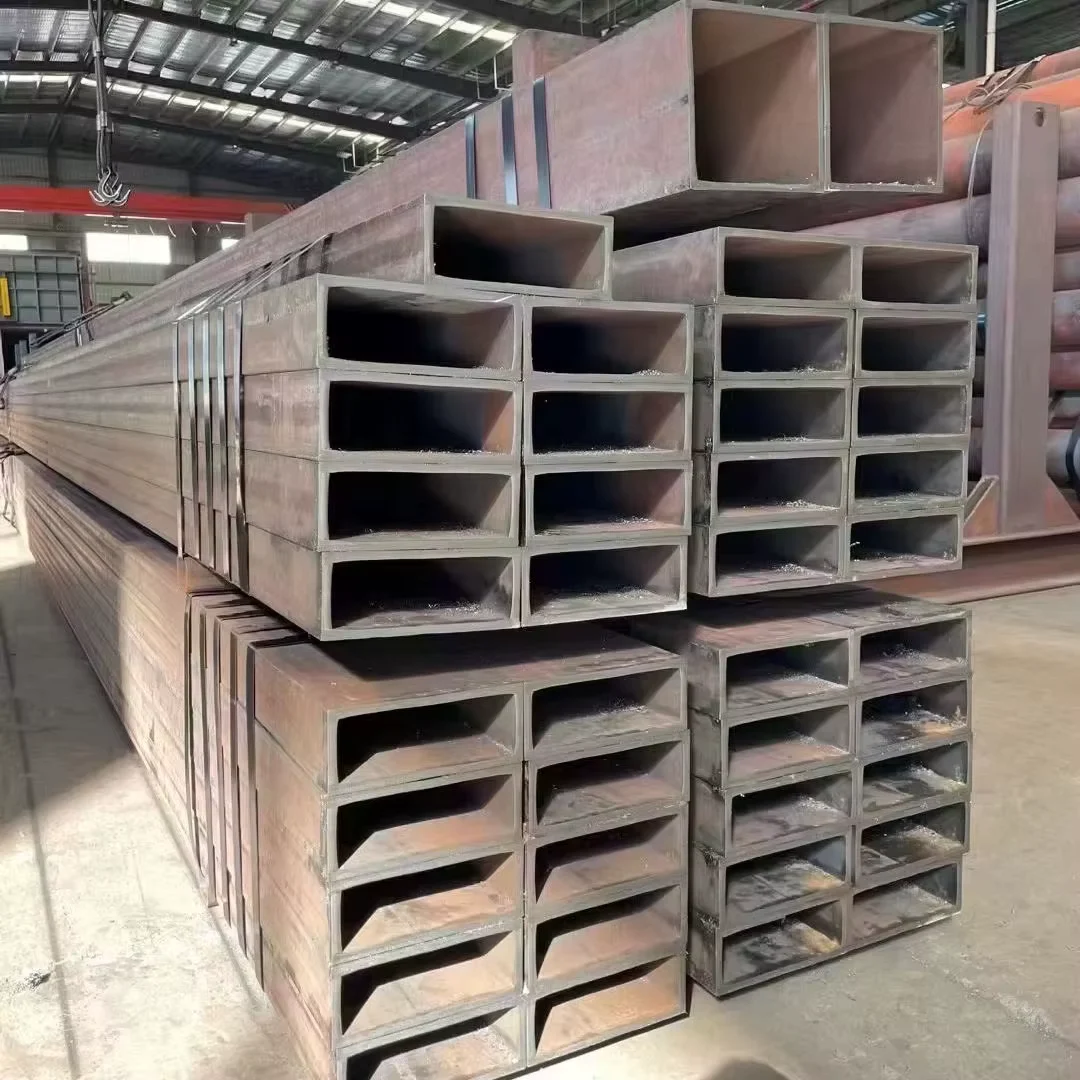
Factory-direct sharp corner RHS/SHS — Q235B and Q345B sections rolled and fabricated under one roof, eliminating third-party material gaps.
Technical Specifications
| Parameter | Value |
|---|---|
| Designation | Q235B/Q345B Sharp Corner Square and Rectangular Steel Tube |
| Product Type | Sharp Corner Square and Rectangular Steel Tube (RHS/SHS) |
| Steel Grade | Q235B, Q345B |
| Standard | GB/T 6728; other international standards available upon request |
| Section Shape | Square / Rectangular (Sharp Corner / Right-Angle) |
| Size Range | Width 150–625 mm |
| Length | 5–15 m (standard lengths include 5.8 m, 6 m, 12 m) |
| Technique | ERW (Electric Resistance Welded) / Hot Rolled |
| Surface Treatment | Hot Rolled (Black); HDG (Hot-Dip Galvanized) available per request |
| Tolerance | ±1% |
| Ends | Plain ends; custom cutting available |
| Application | Construction building / Steel structures / Structural frames / Industrial projects |
| Origin | Shandong, China |
Application Suitability
| Industry | Typical Applications |
|---|---|
| Commercial & Industrial Construction | Building frames, structural columns and beams for warehouses and logistics centers |
| Infrastructure & EPC Projects | Steel trusses, platform supports, and connection assemblies for industrial plants |
| Machinery & Equipment Manufacturing | Machinery frames, equipment bases, and industrial platform supports |
What Corner Radius Inconsistency Costs on a Sharp Corner RHS Order
Tight 90° corners are the single most rejected dimension on overseas sharp corner RHS shipments — and rework at destination rarely costs less than the tube itself.
When procurement teams source Q235B Q345B sharp corner square rectangular steel tube from fragmented suppliers, the forming process often leaves corner radii that exceed the drawing spec by even a fraction of a millimeter. That fraction means connection plates do not sit flush, bolt holes drift, and field welds carry unintended eccentric loads. [NEED_CITE: dimensional tolerance requirements for cold-formed sharp corner hollow sections] On a recent warehouse frame project, two containers of right-angle tubes were held at port because inner corner zinc coating fell below spec — the bends had not received adequate immersion time, and the rework delayed the entire erection schedule by weeks.
Matching Sharp Corner Geometry to Structural Connection Requirements
The defining advantage of a Q235B Q345B sharp corner square rectangular steel tube lies in its ability to deliver true 90° internal corners that mate directly with gusset plates, base plates, and moment connections without filler shimming. For EPC contractors building steel frame structures, this means bolt patterns hold their designed geometry and weld prep time drops significantly. Our vertically integrated production — from raw steel slab to finished sharp corner section — ensures that the corner radius you approve on the shop drawing is the corner radius that arrives on site, with full material traceability from our own mill test records.
Engineering Compliance and Certification for Global Projects
Structural frames designed to EN 1993 or AISC standards require hollow sections that meet defined dimensional and material certification thresholds. Q235B and Q345B grades produced under GB/T 6728 carry direct equivalence pathways to S235 and S355 designations under EN 10219, making them suitable for EU and international projects where CE marking and third-party inspection are mandatory. [NEED_CITE: steel grade equivalence between GB and EN standards for structural hollow sections] For projects in corrosive environments — coastal warehouses, chemical plants, or agricultural facilities — the option to specify hot-dip galvanized surface treatment after forming ensures zinc coverage across the sharp corner geometry, which is critical since inner corners are the most vulnerable point for coating thinning. Dimensional inspection reports, coating thickness measurements, and weld maps are included in the standard QC documentation package.
Steel Grade Selection and Forming Process Explained
Q235B and Q345B represent the two most widely specified carbon structural steel grades in the Chinese standard system, with Q345B offering higher yield strength for load-bearing columns and primary frame members, while Q235B serves secondary structures and lighter framing applications. The ERW (Electric Resistance Welded) process produces sharp corner RHS/SHS by forming flat strip through a series of rolls into a closed section, then welding the seam under pressure — this method delivers consistent wall thickness and tight corner tolerances across the 150–625 mm width range. Hot rolled sharp corner tubes, by contrast, are formed at elevated temperatures and offer superior corner radii control for heavy-wall sections where cold forming would risk cracking. The ±1% tolerance on our sharp corner sections means that a 200 mm × 200 mm tube will measure between 198 mm and 202 mm — tight enough for precision connection design without field modification. For projects requiring corrosion resistance, hot-dip galvanizing after forming ensures the zinc coating covers all surfaces including the critical inner corner zones, though immersion time must be carefully controlled to prevent thinning at sharp bends.
The Hidden Cost of Sourcing Sharp Corner Tubes Without Mill Traceability
Procuring Q235B Q345B sharp corner square rectangular steel tube from trading companies or brokers who source from unnamed mills creates a chain of custody gap that surfaces at the worst possible moment — customs clearance or site inspection. Without heat-number traceability linking each tube to its original mill test certificate, projects face the risk of material rejection by third-party inspectors, shipment holds at destination ports, and in the worst case, structural safety concerns if the steel chemistry does not match the specified grade. [NEED_CITE: material traceability requirements under EN 10219 for structural hollow sections] The cost of replacing a rejected shipment — including demurrage, air freight for urgent replacements, and erection delays — routinely exceeds the original material cost by several multiples.
Why Project Teams Source Sharp Corner RHS Directly From Our Facility
Our production model eliminates every gap between raw material and finished fabrication that typically creates risk in overseas steel procurement. We operate our own steel mill with multiple production lines and maintain over 2,800 raw material specifications in stock, meaning your Q235B or Q345B sharp corner tubes are rolled from steel we produce and test in our own laboratory — not sourced from a third party and resold through intermediaries. Every shipment carries a mill test certificate documenting chemical composition and mechanical properties, traceable by heat number back to the original melt. Our fabrication workshop handles downstream processing — CNC cutting, bending, punching, and welding — so your sharp corner tubes arrive on site pre-cut to length, pre-drilled, and pre-assembled as needed, reducing secondary handling and field modification. We hold ISO 9001 certification and offer third-party inspection through SGS, BV, or TÜV upon request, with complete QC documentation packages including dimensional reports, coating thickness measurements, and weld procedure records. For projects requiring EN 10219 or AISC compliance, our engineering team provides shop drawing review and material optimization support before production begins.
Documentation & Compliance
- Mill test certificate documenting Q235B and Q345B chemical composition and mechanical properties per GB/T 6728, traceable by heat number
- Third-party inspection report from SGS, BV, or TÜV covering dimensional accuracy, coating thickness, and surface quality for sharp corner RHS/SHS
- ISO 9001 quality management system certificate covering the full production chain from raw steel to finished fabricated components
- Material traceability documentation linking each tube bundle to its original heat number and mill test record
- Customs clearance documents including packing list, bill of lading, and certificate of origin formatted for destination country requirements
- Dimensional inspection reports and coating thickness measurement records included in the standard QC package for every shipment
Packaging, Loading & Delivery
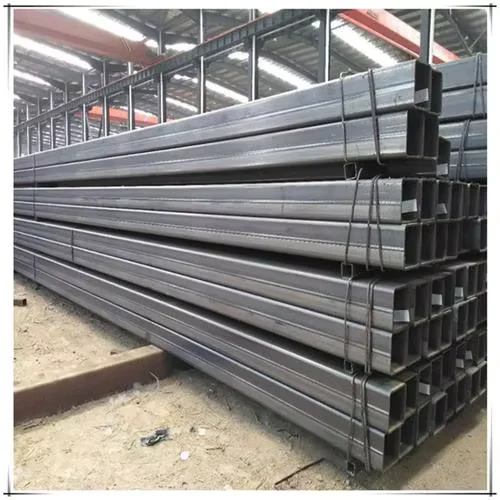
- Q235B and Q345B sharp corner square and rectangular steel tubes packed in seaworthy steel strip bundles with edge protectors to preserve corner geometry during ocean transit
- Hot-dip galvanized sharp corner RHS bundled with protective wrapping to prevent zinc coating damage from friction and moisture during shipping
- Custom cutting to project-specified lengths within the 5–15 m range, with each bundle labeled by heat number, steel grade, and dimensional specification
- Container loading optimized for 5.8 m, 6 m, and 12 m standard lengths to maximize payload per 20ft and 40ft containers, reducing freight cost per ton
- Delivery terms available including FOB, CIF, and door-to-door logistics with full export documentation and shipment tracking until site arrival
Getting Your Sharp Corner RHS Quote Started
Submit your project drawings, steel grade requirements, and target specifications to receive a detailed quotation including material cost, fabrication services, surface treatment, and shipping within 24 hours. Our engineering team will review your shop drawings, confirm corner radius tolerances, and advise on the most efficient production route for your Q235B Q345B sharp corner square rectangular steel tube order.
Request Your Sharp Corner RHS Quotation and Mill Test Certificate
Share your project specifications, steel grades, and destination port to receive a detailed quote with full material documentation. Contact us at admin@xjystructure.com or WhatsApp +86 188 5315 7756.
Frequently Asked Questions
Q: What is the difference between Q235B and Q345B for sharp corner structural tubes?
A: Q345B offers higher yield strength than Q235B, making it suitable for primary load-bearing members such as columns and main beams in steel frame structures, while Q235B is commonly specified for secondary framing, bracing, and lighter structural applications. Both grades are produced under GB/T 6728 and carry equivalence pathways to European and international standards.
Q: Can you produce non-standard widths and custom lengths for sharp corner RHS?
A: Yes, our production range covers widths from 150 mm to 625 mm, and we offer custom cutting to project-specified lengths within the 5–15 m range. Non-standard sizes are available for project trials and full production runs, with shop drawing review provided before fabrication begins.
Q: How does hot-dip galvanizing affect the sharp corner geometry?
A: Hot-dip galvanizing is performed after the sharp corner forming process, ensuring zinc coverage on all surfaces including inner corners. However, immersion time must be carefully controlled at sharp bends to prevent coating thinning — our production process accounts for this to maintain minimum coating thickness across the entire section.
Q: What quality documentation is included with each shipment?
A: Every shipment includes a mill test certificate with chemical composition and mechanical properties traceable by heat number, dimensional inspection reports, coating thickness measurements for galvanized orders, and customs documents. Third-party inspection reports from SGS, BV, or TÜV are available upon request.
Q: What is the tolerance on sharp corner dimensions?
A: Our sharp corner square and rectangular steel tubes are produced to ±1% dimensional tolerance, ensuring that corner geometry and overall section dimensions meet the requirements for precision structural connections without field modification.