Description
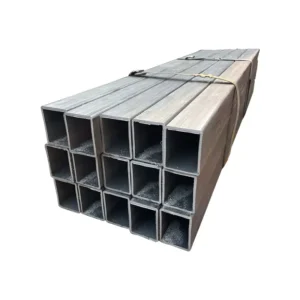
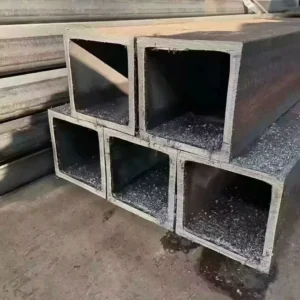
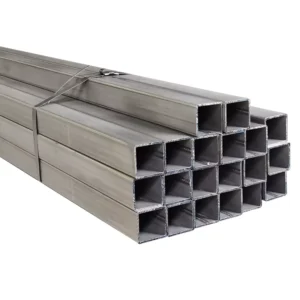
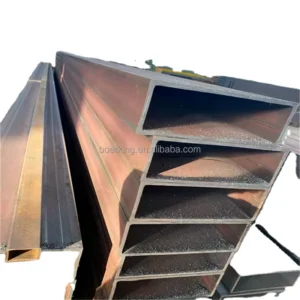
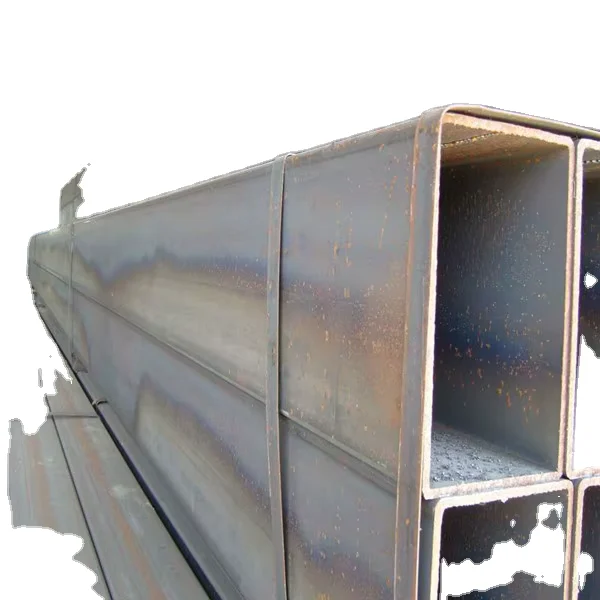
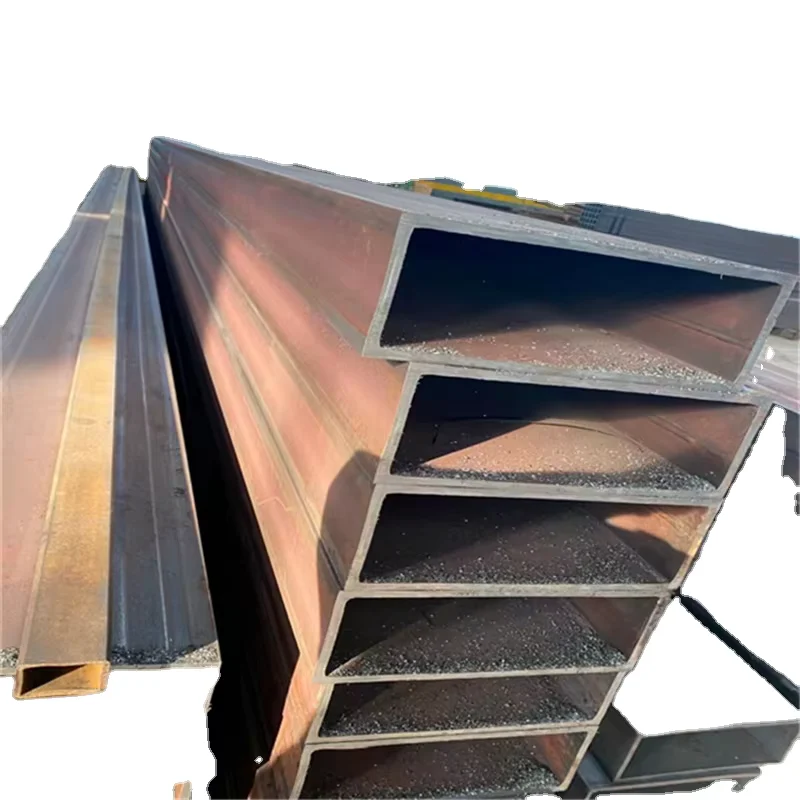
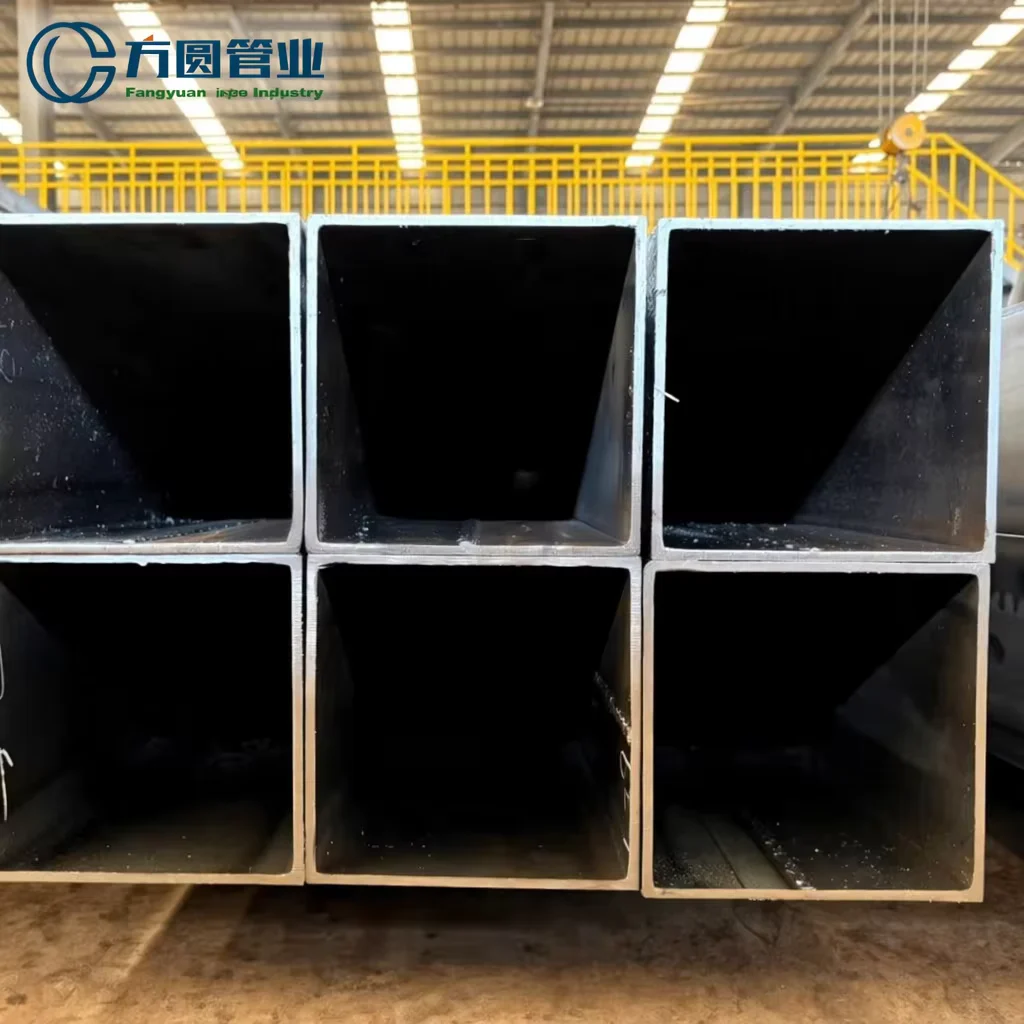
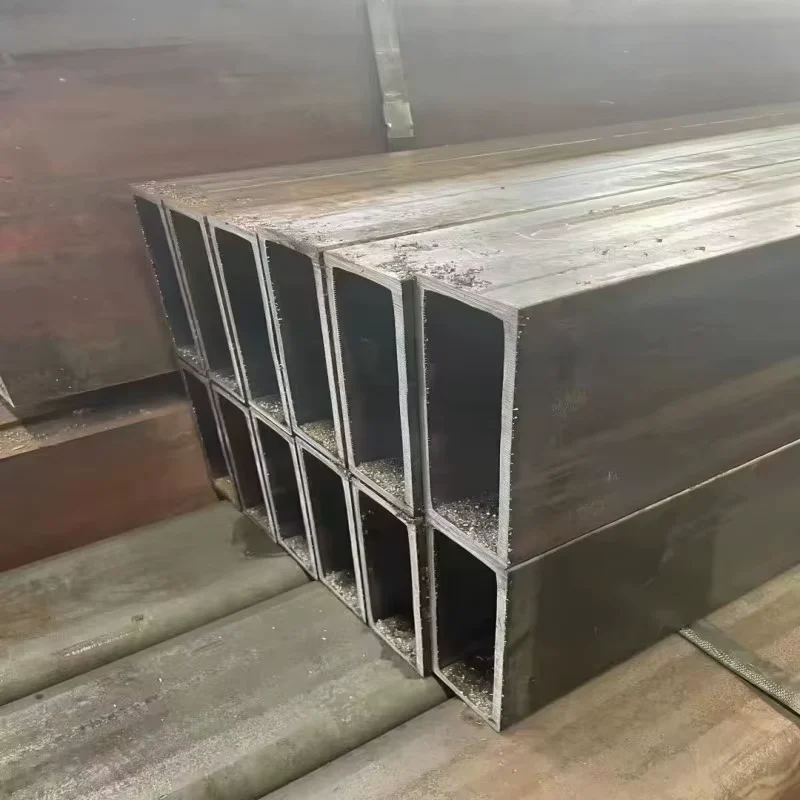
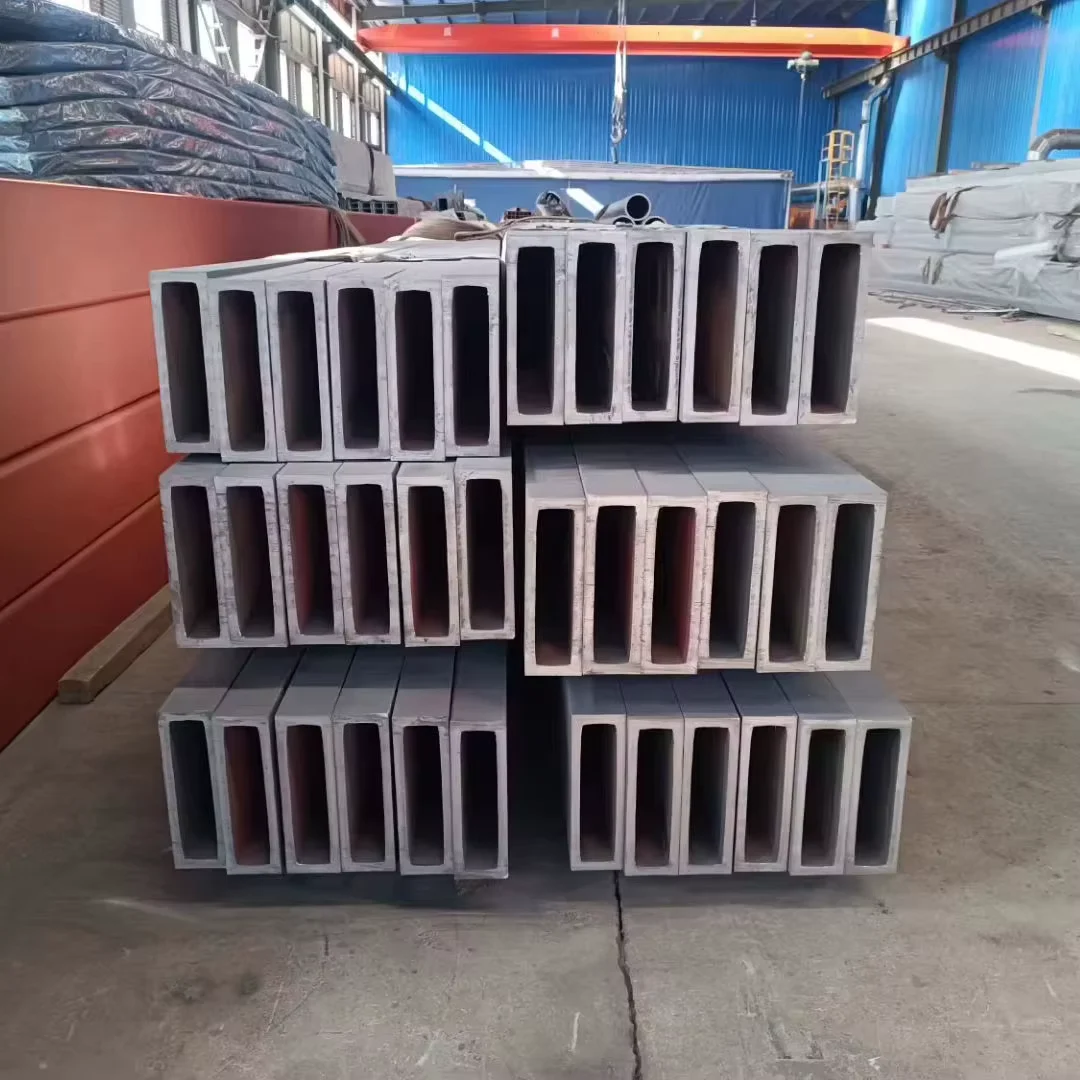
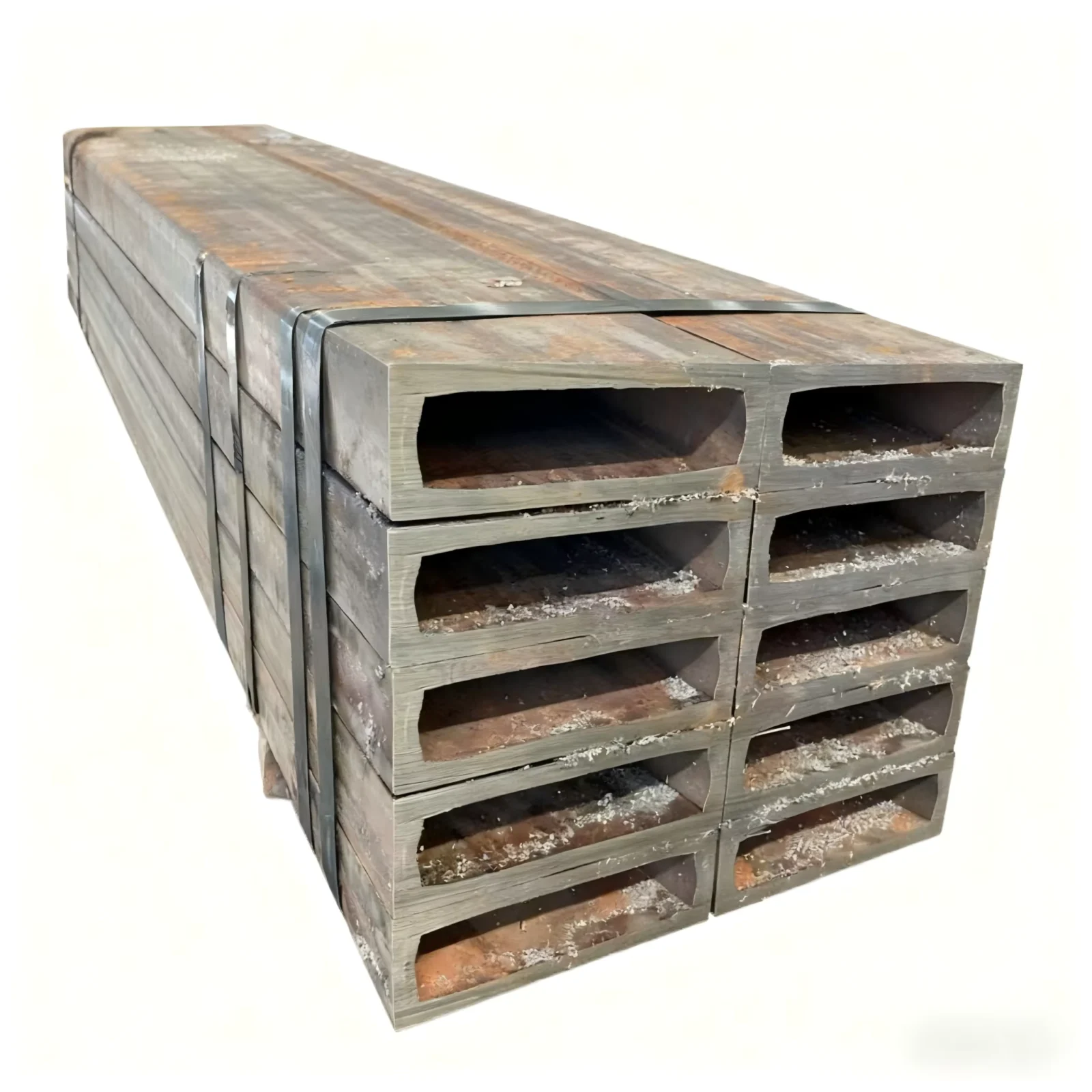
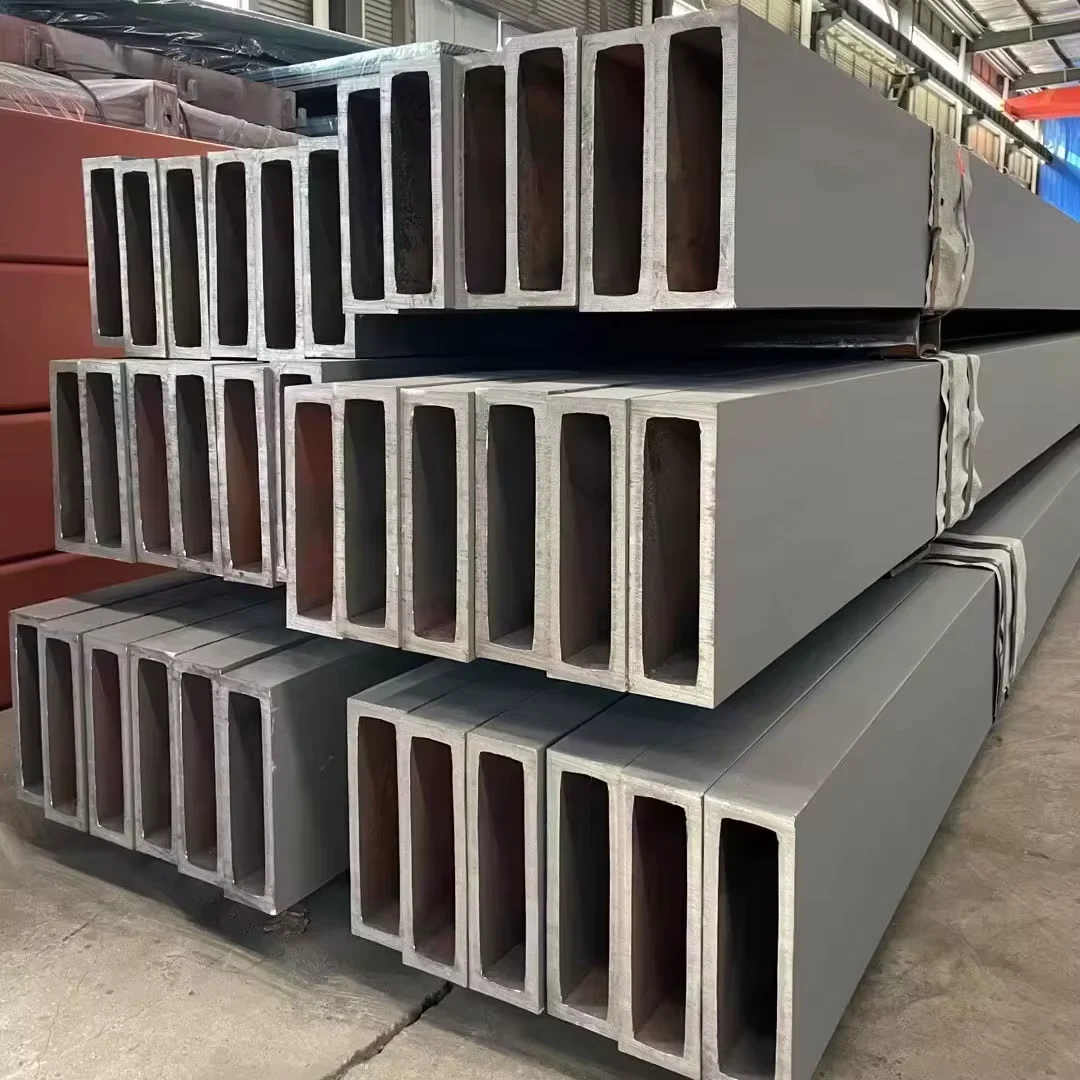
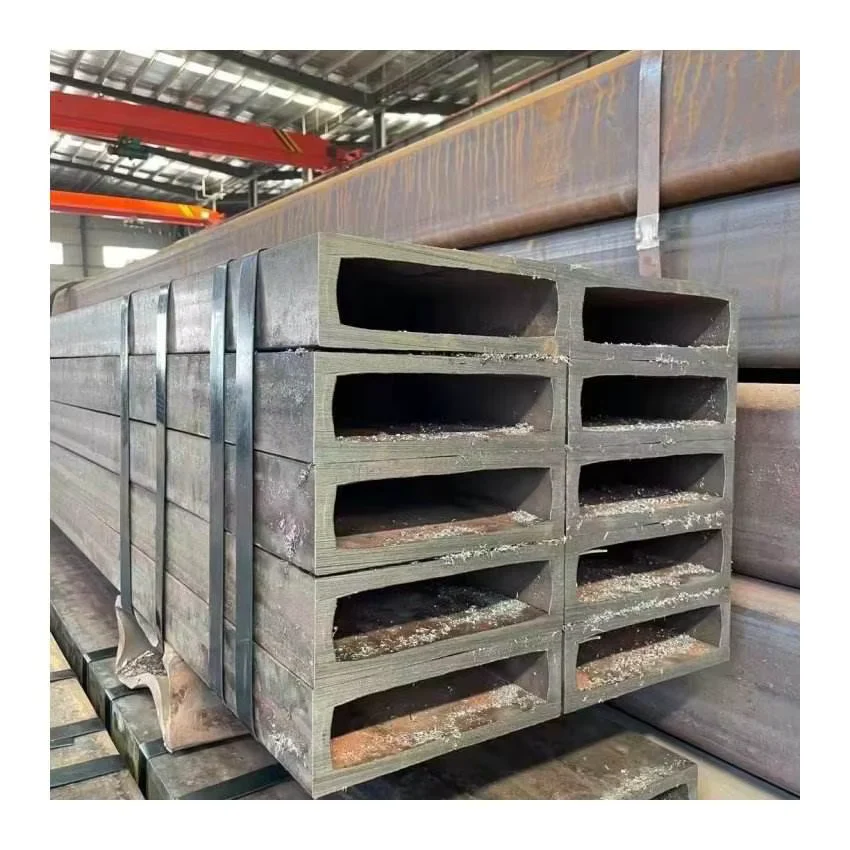
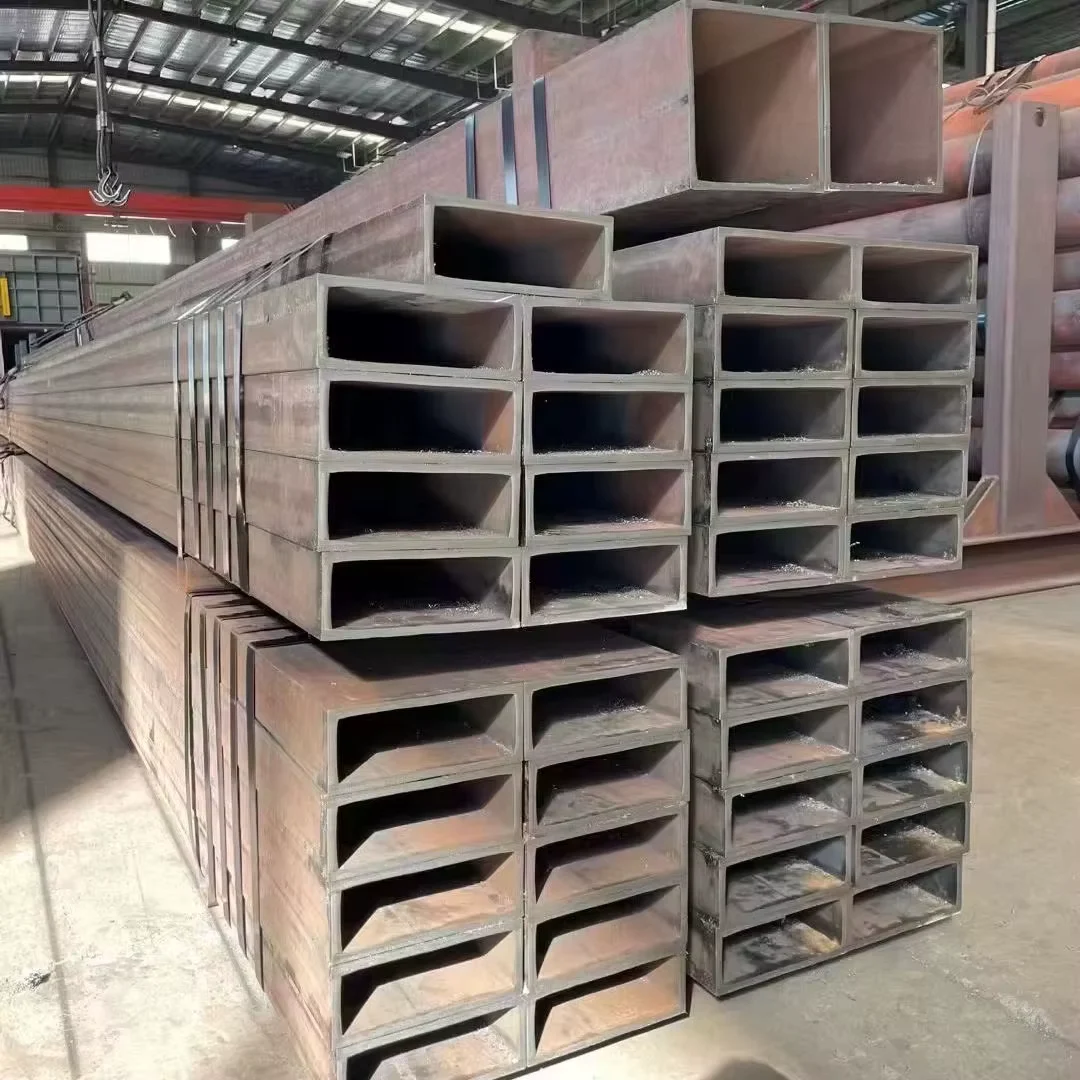
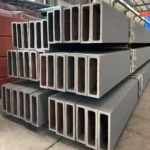
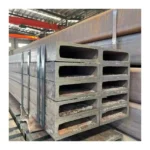
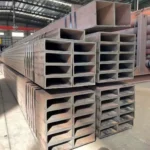
Factory-Direct Sharp Corner Tubes, No Middlemen — Q345B and Q235B sharp corner square and rectangular steel tubes produced in our own mill and fabricated under one roof, eliminating the gap between raw material supplier and fabricator.
Technical Specifications
| Parameter | Value |
|---|---|
| Designation | Q345B/Q235B Sharp Corner Square and Rectangular Steel Tube |
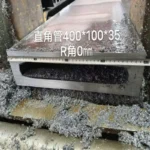
| Product Type | Sharp Corner Square and Rectangular Steel Tube (Special-Shaped Tubes) |
| Steel Grade | Q345B, Q235B |
| Standard | GB (GB/T 6728) |
| Section Shape | Square / Rectangular (Sharp Corner / Right-Angle) |
| Size Range | Side length / width: 150–625 mm |
| Length | 5–15 m (standard 5.8 m / 6 m / 12 m) |
| Technique | ERW (Electric Resistance Welded) / Hot Rolled |
| Surface Treatment | Hot Rolled (Oiled or Non-Oiled) |
| Tolerance | ±1% (dimensional) |
| Ends | Plain ends, custom on request |
| Application | Construction building, Steel structures, Structural pipe applications |
| Processing Service | Bending, Cutting, Decoiling, Punching, Welding |
| Origin | Shandong, China |
Application Suitability
| Industry | Typical Applications |
|---|---|
| Commercial Construction | Building frames, column assemblies, modular steel structures |
| Industrial Infrastructure | Factory platforms, load-bearing structural supports, conveyor frames |
| Architectural Engineering | Façade systems, right-angle joint connections, visible structural elements |
| Warehouse & Logistics | Portal frame structures, mezzanine supports, racking uprights |
What Dimensional Drift Costs on a Modular Steel Frame Order
Sharp corner tolerance is where budget overruns hide.
When overseas buyers source special-shaped structural tubes, standard rounded-corner ERW profiles leave radius gaps at bolted connections — forcing on-site shimming or full re-fabrication. Worse, fragmented suppliers who outsource raw material procurement create breaks in the certification chain. A shipment arrives with sharp corners that look right on the outside but measure 2–3 mm off on internal radii, and the entire bay alignment fails. On a recent warehouse project in the Gulf, a batch of right-angle tubes with uncontrolled wall thickness negative tolerance arrived with bolt holes that simply would not line up. The whole lot had to be reworked at the fabrication yard — weeks of delay absorbed by the main contractor. [NEED_CITE: EN 10219 cold-formed hollow section dimensional tolerance requirements]
How Right-Angle Profiles Match Structural Frame Connections
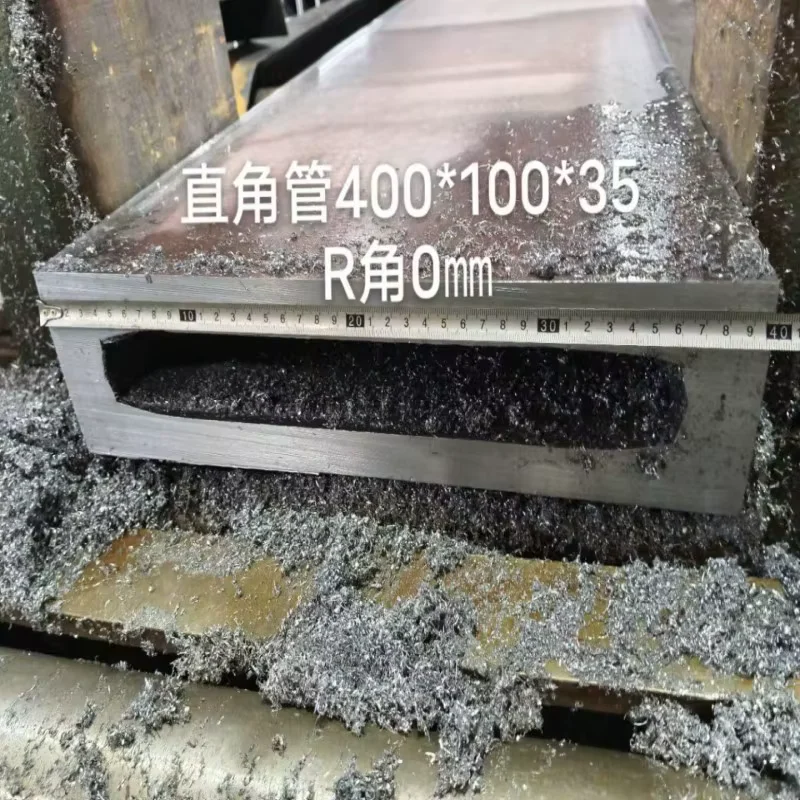
A Q345B sharp corner square rectangular steel tube delivers true 90-degree internal corners that sit flush against gusset plates and moment connections — no filler shims, no gap-welding compromises. The 150–625 mm side length range covers the majority of column-to-beam and beam-to-beam joints in portal frame and braced frame systems. Because we produce these tubes from our own mill-grade raw steel and fabricate in-house, every batch carries a single traceable heat number from the original steel production through final welding and dimensional inspection. That integrated chain is what keeps modular frame assemblies within alignment tolerance when they arrive on site.
Meeting Structural Codes and Surface Protection Requirements
For projects governed by EN 1993 or AISC design codes, the Q345B grade provides the higher yield strength tier needed for primary load-bearing members, while Q235B serves secondary and bracing elements at lower cost. Hot-rolled oiled surface treatment protects against transit corrosion without adding coating thickness that could interfere with tight-fit bolted connections. For projects shipping to the EU, EN 10219 compliance documentation is essential for customs clearance and structural engineer sign-off. [NEED_CITE: steel grade equivalence between Chinese GB standards and EN/ASTM systems] Custom lengths up to 15 m reduce on-site cutting waste, and in-house punching and welding services mean connection plates can be pre-fitted before dispatch.
Understanding Q345B vs Q235B and the Hot-Rolled ERW Process
The Q-series grading system follows Chinese national standards, where the number indicates the minimum yield strength class — Q345B sits above Q235B in load-bearing capacity, making it the default choice for main structural columns and heavy-duty platforms. Both grades are produced via hot-rolled ERW, a process that forms the tube from heated steel strip and welds the seam through electric resistance, producing a uniform grain structure along the weld line. The sharp corner forming technology achieves true right-angle internal profiles by controlling the rolling pass sequence at elevated temperature — something that cold-formed tubes cannot replicate without risking micro-cracking at the corner radii. The ±1% dimensional tolerance on side lengths ensures that 625 mm profiles remain within acceptable fit-up margins for bolted moment connections. Hot-rolled surface treatment, available oiled or non-oiled, provides baseline corrosion protection during storage and transit while remaining compatible with subsequent painting or galvanizing if the project specification requires it.
The Hidden Price of Sourcing from Disconnected Suppliers
Choosing a fabricator who buys raw tubes from third-party mills rather than producing their own creates three compounding risks: material certificates that cannot be traced back to the original heat, dimensional tolerances that vary between batches because multiple mills are involved, and welding procedure qualifications that do not cover the specific grade-thickness combination in your project. When a structural engineer requests a mill test certificate and the supplier can only provide a dealer’s declaration, the entire shipment may be rejected at customs or fail the client’s incoming inspection. [NEED_CITE: material traceability requirements in EN 1090 structural steel fabrication standard] The cost of replacing rejected tubes mid-project — including re-fabrication, re-shipping, and schedule delays — typically dwarfs any initial price saving from a disconnected supply chain.
Why XJY Structure Delivers Differently on Sharp Corner Tubes
We operate our own steel production facility with three production lines and maintain over 2,800 raw material specifications in stock — meaning the Q345B and Q235B strip used for your sharp corner tubes comes from our mill, not a broker’s warehouse. Our fabrication workshop handles CNC cutting, drilling, bending, and welding under certified procedures (AWS/EN qualified welders), so connection-ready components ship as finished assemblies rather than raw stock requiring secondary work. Every order is supported by a complete quality documentation package: WPS, PQR, weld maps, dimensional inspection reports, and coating reports. We have delivered structural steel packages across the EU, Middle East, Southeast Asia, and Africa, and our shop drawing review process catches fit-up conflicts before fabrication begins — not after the container reaches the job site.
Documentation & Compliance
- Mill Test Certificate documenting Q345B and Q235B chemical composition and mechanical properties per GB/T 6728, traceable to original heat number
- Third-party inspection reports from SGS or BV covering dimensional verification, weld seam quality, and surface condition prior to shipment
- ISO 9001 quality management system certificate governing the full production chain from raw steel to finished sharp corner tube
- Complete export documentation package including packing list, bill of lading, and certificate of origin for customs clearance in destination country
- Welding procedure specifications (WPS) and procedure qualification records (PQR) for any fabricated connections or pre-welded assemblies included in the order
Packaging, Loading & Delivery
- Hot-rolled oiled Q345B sharp corner tubes bundled with steel strips and edge protectors to preserve surface condition and prevent corner damage during ocean transit
- Custom-length tubes (5.8 m / 6 m / 12 m / up to 15 m) loaded with optimized container stowage plans to maximize payload per 40ft HC container
- Heat number and steel grade markings stenciled on each bundle for on-site identification and traceability verification against mill test certificates
- 150–625 mm sharp corner rectangular profiles secured with timber dunnage and nylon slings to maintain dimensional integrity and prevent surface scoring
- FOB, CIF, and DDP shipping terms available with professional oversized cargo loading plans for large-section tubes exceeding standard container dimensions
Getting Your Sharp Corner Tube Quote Started
Share your project drawings (PDF or DWG), specify Q345B or Q235B grade, side dimensions within the 150–625 mm range, required lengths, and destination port — we respond within 24 hours with a detailed quotation covering material, fabrication, coating, packing, and shipping, plus a shop drawing timeline and production schedule. If your project requires non-standard sizes or custom wall thicknesses, our engineering team will review feasibility and provide a fabrication assessment before you commit.
Request Your Sharp Corner Tube Quotation
Send your project specifications, steel grade requirements, and target delivery date to receive a detailed quotation with full mill test certificate documentation.
Contact XJY Structure
Website: www.xjystructure.com
Mobile/WhatsApp/WeChat: +86 188 5315 7756
Email: admin@xjystructure.com
Frequently Asked Questions
Q: What is the difference between sharp corner tubes and standard ERW square tubes, and when should I specify right-angle profiles?
A: Standard ERW square tubes have rounded internal corners with a radius proportional to wall thickness. Sharp corner tubes are produced through a specialized hot-rolled forming process that achieves true 90-degree internal angles. You should specify right-angle profiles when your design requires flush connections at bolted joints, tight-fit moment connections, or clean architectural lines where radius gaps are unacceptable.
Q: Can you produce non-standard sizes or custom wall thicknesses outside the 150–625mm range, and what is the MOQ for custom orders?
A: Yes, our own mill and fabrication facility allow us to produce non-standard side lengths and custom wall thicknesses beyond the standard 150–625 mm range. MOQ depends on the specific profile and production setup — share your drawing and we will confirm feasibility and minimum quantity for your project.
Q: How do Q235B and Q345B compare to international equivalents like S235JR/S355JR or ASTM A500 Grade B/C?
A: Q235B and Q345B follow Chinese GB standards and are widely accepted on international projects. Q235B is broadly comparable to S235JR in yield strength class, while Q345B aligns with S355JR. For projects requiring ASTM compliance, we can discuss equivalent grade sourcing and provide cross-reference documentation for engineer approval.
Q: What surface treatment options are available — hot rolled oiled, galvanized, or painted — and how do they affect lead time?
A: Standard delivery is hot-rolled with oiled or non-oiled surface. Galvanizing and painting services are available through our in-house processing or qualified partners. Additional surface treatment adds to the production schedule — we will confirm the extended timeline in your quotation based on the coating specification required.
Q: What quality documentation and certifications are provided with each shipment for international project compliance?
A: Each shipment includes a Mill Test Certificate with chemical composition and mechanical properties traceable to the original heat number, ISO 9001 quality system certificate, and complete export documents. Third-party inspection reports from SGS or BV are available upon request. For EU projects, EN 10219 compliance documentation can be provided.
Start Your Project with XJY Structure
Submit your project drawings, steel grade selection, and destination port to receive a comprehensive quotation with mill test certificate documentation and production timeline.
Contact XJY Structure
Website: www.xjystructure.com
Mobile/WhatsApp/WeChat: +86 188 5315 7756
Email: admin@xjystructure.com