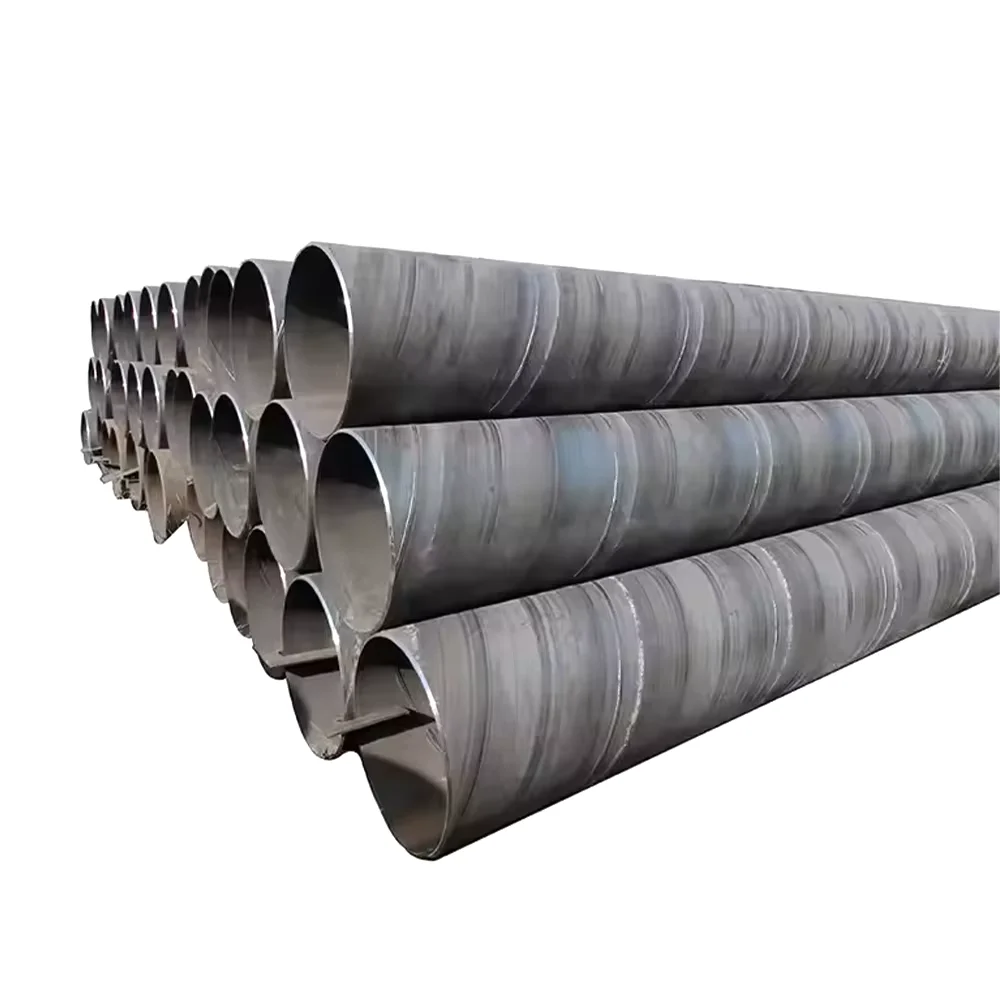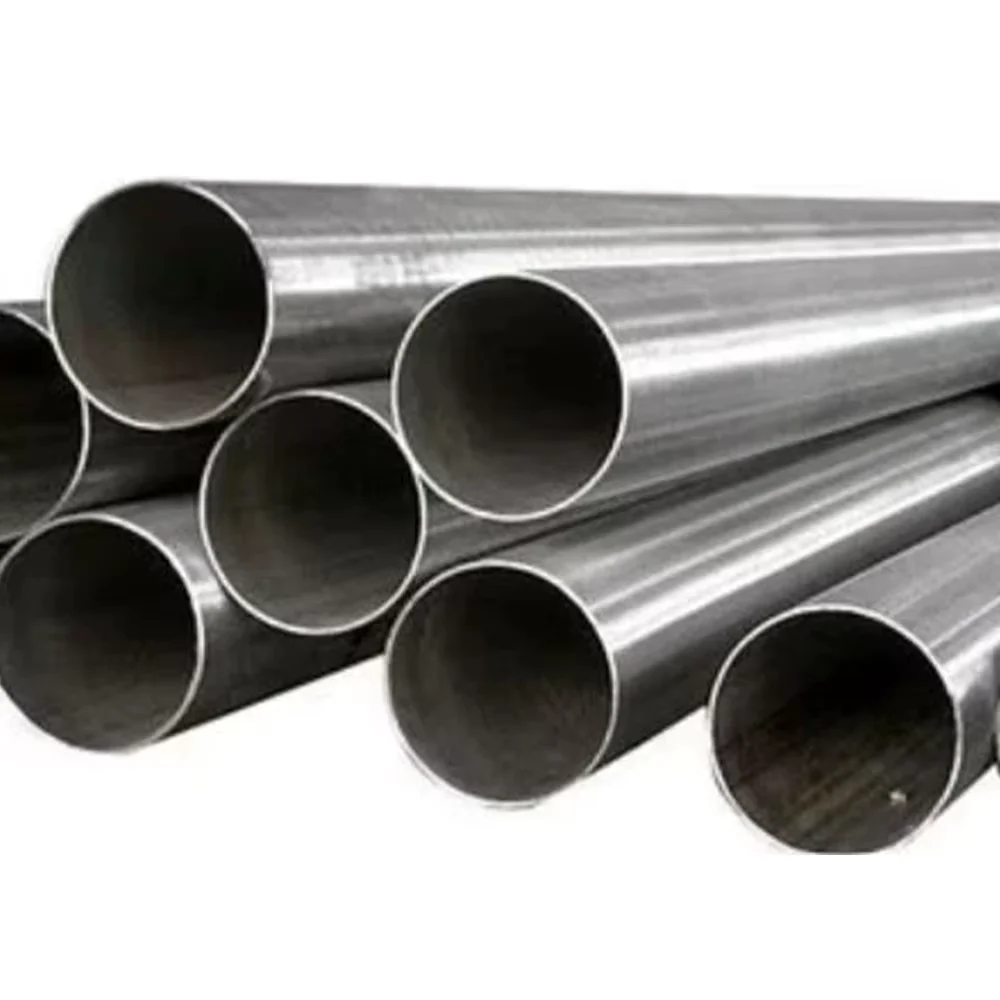
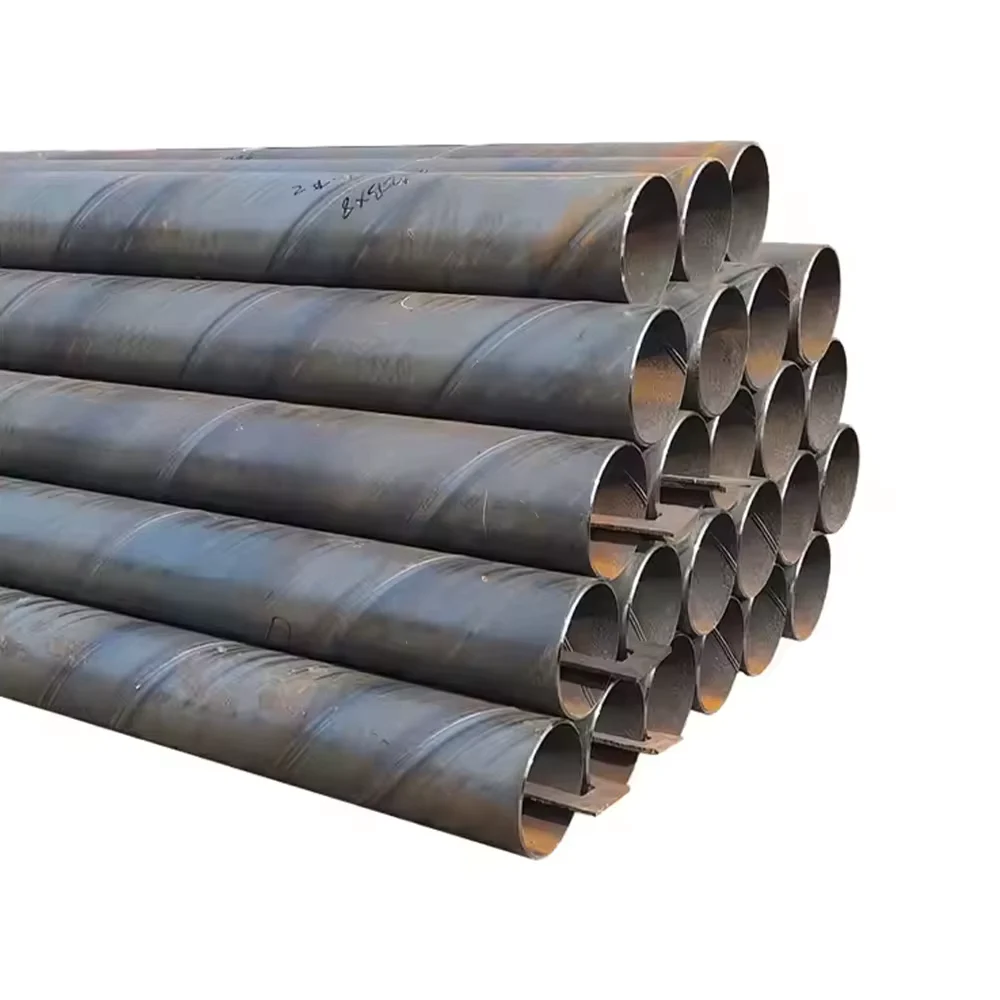
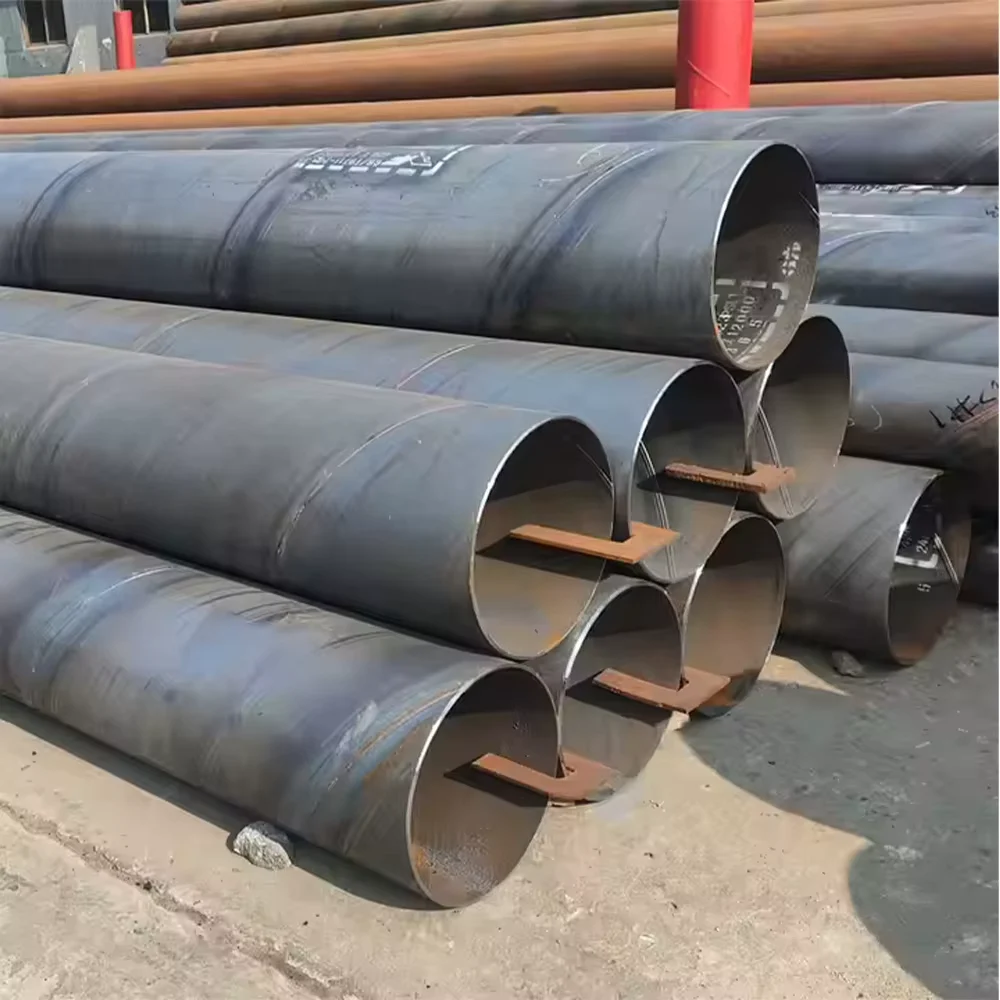
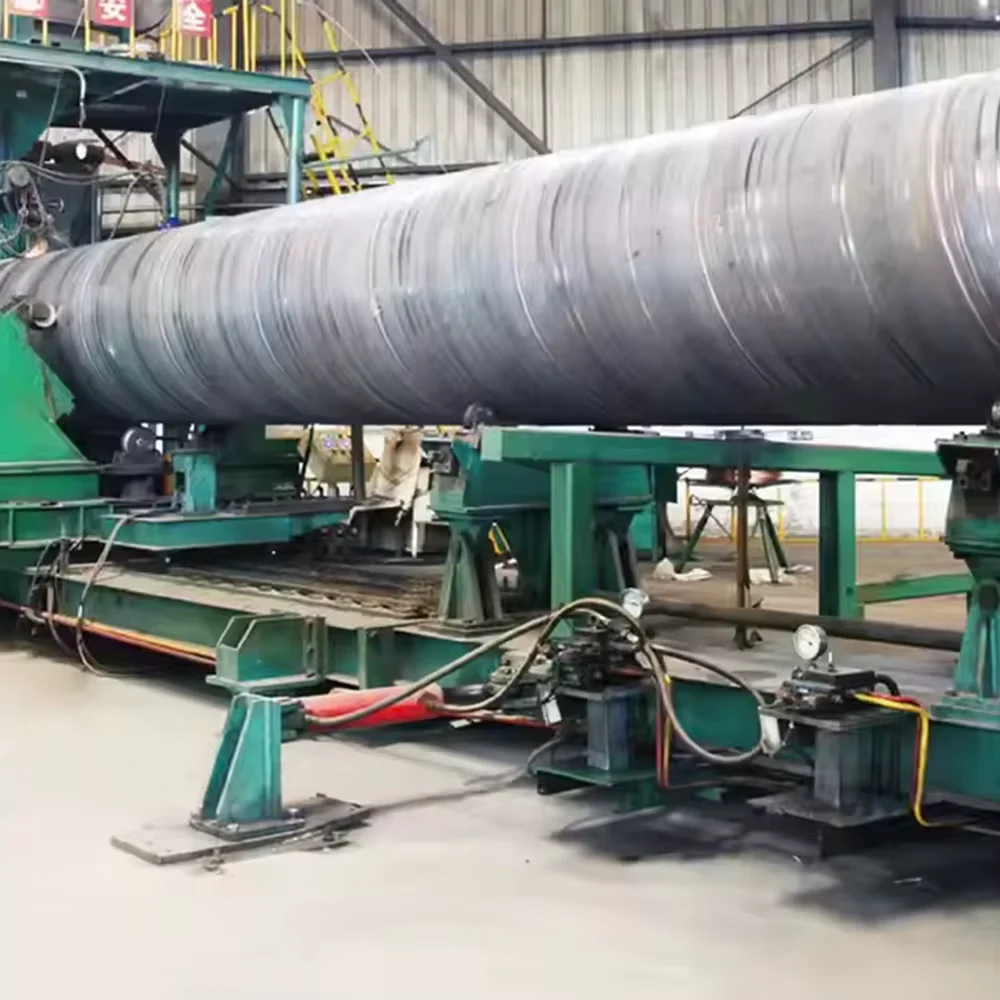

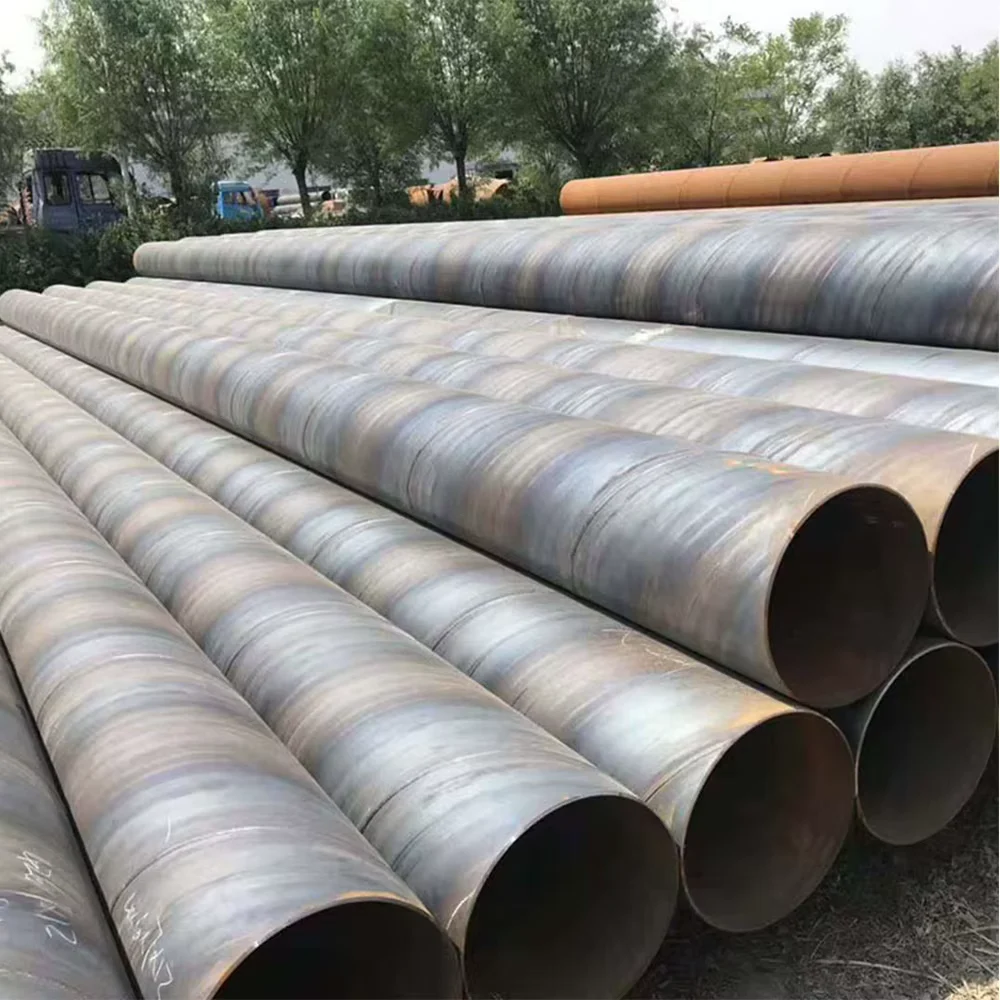
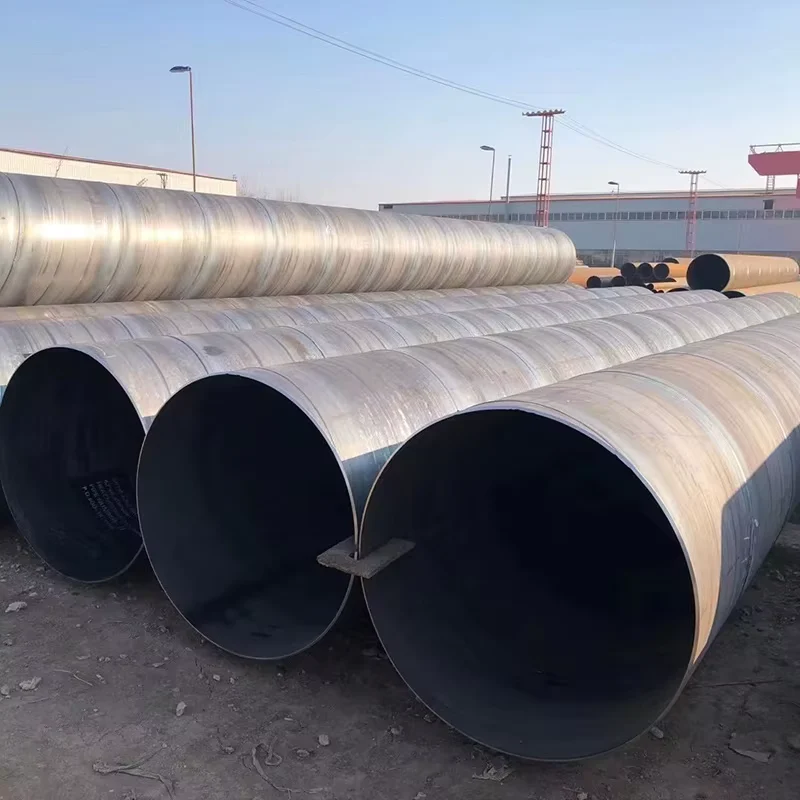
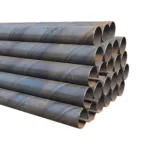


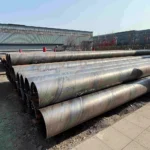


Description
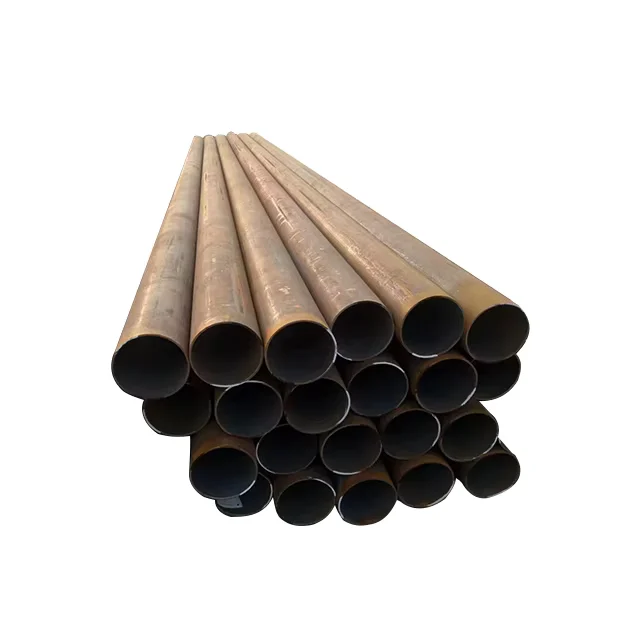
Factory-direct seamless pipe from own billet to finished product — XJY Structure controls the entire chain from raw steel billet to ASTM A106 A53 seamless carbon steel pipe, eliminating third-party sourcing gaps.
Technical Specifications
| Parameter | Value |
|---|---|
| Designation | ASTM A106 A53 Seamless Carbon Steel Pipe |
| Product Type | Seamless Steel Pipe / Round Steel Pipe |
| Steel Grade | ASTM A106, ASTM A53, API 5L, S355JR, Q195, Q235A-B, Q345A-E, 20#, 10#, 16Mn, ASTM A36, ASTM A500, SS400, St37, St52, S235JR, S355TRH |
| Standard | GB/T 8162, GB/T 8163, GB 5310, ASTM A53, ASTM A106, API 5L, DIN, JIS, GOST |
| Section Shape | Round |
| Size Range | OD 10–1000 mm |
| Wall Thickness | 1–120 mm |
| Length | 1–12 m (or customized) |
| Technique | Hot Rolled / Cold Drawing |
| Surface Treatment | Black Painted / Varnished / Anti-corrosive Oil / Galvanized |
| Tolerance | ±1% |
| Ends | Plain / Beveled / Threaded / Socket |
| Application | Fluid transport, boiler systems, structural applications, construction pipelines, machinery parts, curtain wall, greenhouse structures, fencing, pressure piping |
| MOQ | 5 Tons |
| Origin | Shandong, China |
Application Suitability
| Industry | Typical Applications |
|---|---|
| EPC & Industrial Projects | Oil and gas transmission pipelines, high-pressure boiler systems, chemical fertilizer plant piping networks |
| Construction & Infrastructure | Structural columns, fluid transport networks, curtain wall support frames |
| Mechanical & Fabrication | Machinery parts, greenhouse frames, fencing posts |
Material Traceability Gaps That Cost Projects Thousands
Seamless pipes sourced from trading intermediaries carry unverified chemical compositions and missing heat-number linkage.
Overseas buyers ordering ASTM A106 A53 seamless carbon steel pipe from fragmented suppliers often discover — upon third-party inspection at destination — that mill certificates do not match actual chemistry, or that heat numbers on the pipe surface cannot be traced back to the original billet cast. [NEED_CITE: material traceability requirements in EN 10204 inspection documents] When carbon content falls below specification or manganese ratios shift, entire batches fail acceptance testing. The rework cost, schedule delay, and replacement shipping far exceed the initial price difference between a verified fabricator and an unverified broker.
Matching Pipe Dimensions to Pressure and Structural Load Requirements
Selecting the correct ASTM A106 A53 seamless carbon steel pipe starts with understanding how outer diameter and wall thickness interact under operating pressure. For high-temperature service in boiler systems and oil/gas pipelines, ASTM A106 Gr.B provides consistent performance across OD 10–1000 mm with wall thickness up to 120 mm. Structural applications such as curtain wall supports and greenhouse frames benefit from the tighter ±1% tolerance achieved through cold drawing, while hot-rolled pipes suit heavy-wall pressure piping where dimensional precision is secondary to load-bearing capacity. Our engineering team reviews project drawings to confirm that the selected grade and dimension combination meets both the design code and the fabrication sequence required at site.
Engineering Compliance Across International Standards and Corrosive Environments
Projects destined for European markets require CE marking and compliance with EN 10210 or EN 10219 hollow section standards, while North American EPC firms specify ASTM A106 or A53 with full ASME B31.3 process piping documentation. [NEED_CITE: ASTM A106 high-temperature service carbon steel pipe requirements] Surface treatment selection depends on the operating environment: black painted or varnished finishes protect during transit and indoor installation, anti-corrosive oil suits temporary outdoor storage, and hot-dip galvanizing extends service life in coastal or chemical-exposed applications. Custom cut-to-length services eliminate on-site cutting waste, and beveled or threaded ends reduce field welding preparation time. Material certification packages include full chemical composition reports and mechanical test results per heat number, ensuring customs clearance and site acceptance without documentation disputes.
Understanding Grade Selection and Manufacturing Process Differences
The ASTM A106 A53 seamless carbon steel pipe range covers multiple grade systems that serve distinct engineering purposes. ASTM A106 Gr.B is the standard choice for high-temperature fluid transport, while API 5L grades from X42 to X70 address pipeline transmission requirements with tighter chemistry control. European S-series grades like S355JR and S235JR offer higher yield strength for structural applications, and Chinese Q-series grades including Q235B and Q345B provide cost-effective alternatives for domestic-specification projects. [NEED_CITE: grade equivalence between ASTM A106 and EN 10210 standards] The manufacturing process matters equally: hot-rolled seamless pipes achieve thicker walls suitable for high-pressure service, while cold-drawn pipes deliver tighter dimensional tolerance and smoother surface finish for precision applications. Surface treatment selection — from anti-corrosive oil to hot-dip galvanizing — directly determines service life in corrosive environments, and proper documentation of coating thickness ensures warranty compliance.
Hidden Costs of Unverified Material Sources
Purchasing ASTM A106 A53 seamless carbon steel pipe from unverified suppliers introduces risks that surface only after the material reaches the project site. Pipes with chemistry outside specification fail third-party inspection at destination, triggering rejection claims that delay project milestones by weeks. Missing heat-number traceability prevents weld procedure qualification, forcing fabricators to scrap material already delivered. [NEED_CITE: consequences of non-compliant steel materials in structural engineering] Negative tolerance abuse — where wall thickness consistently falls below the nominal value — reduces pressure rating and structural load capacity, creating safety liabilities that emerge during commissioning or years into service. The apparent savings from lower unit prices disappear when replacement orders, air freight, and schedule penalties are calculated.
Why Engineering Firms Choose Vertically Integrated Fabricators
XJY Structure operates its own steel production facility with three production lines and maintains over 2,800 specifications of raw material inventory, enabling direct control from billet to finished ASTM A106 A53 seamless carbon steel pipe. This vertical integration eliminates the material sourcing gap that creates traceability problems for buyers working with trading intermediaries. Every heat number is tracked from raw billet through hot rolling or cold drawing, with in-process dimensional checks and non-destructive testing documented at each stage. Certified welding procedures and qualified welders ensure that any fabrication work — including cutting, beveling, and welding — meets AWS and EN standards. Complete quality documentation packages include mill test certificates with full chemical and mechanical properties, dimensional inspection reports, coating thickness measurements, and certificates of origin required for customs clearance. International project experience across the EU, Middle East, Southeast Asia, and Africa demonstrates consistent delivery of certified materials meeting project-specific standards.
Documentation & Compliance
- Mill test certificate documenting ASTM A106 Gr.B and A53 Gr.B chemical composition and mechanical properties per heat number, compliant with EN 10204 3.1/3.2 requirements
- CE certificate confirming compliance with EN 10210 for hot-finished structural hollow sections or EN 10219 for cold-formed sections, required for European market access
- ISO 9001 quality management system certificate covering the entire production process from raw material inspection to finished pipe packaging
- SGS or BV third-party inspection reports available at any production stage, verifying dimensional accuracy, surface treatment thickness, and material chemistry
- Full material traceability from billet heat number through all processing stages, documented in the mill test certificate and marked on each pipe
- Complete export documentation package including packing lists, bills of lading, certificates of origin, and coating reports for customs clearance
Packaging, Loading & Delivery
- ASTM A106 A53 seamless carbon steel pipe bundled with steel strips and edge protectors to prevent surface damage during ocean transit, with bundle weight optimized for container or bulk vessel loading
- Surface treatment protection: galvanized pipes wrapped with waterproof paper and plastic film to preserve zinc coating; black painted or oiled pipes bundled with ventilation gaps to prevent condensation
- Container loading optimization: OD 10–219 mm pipes loaded in nested configurations to maximize container utilization; OD 200–1000 mm pipes shipped on flat racks or bulk vessels with professional lashing
- Custom cut-to-length service available for 1–12 m lengths, reducing on-site cutting waste and enabling direct installation for curtain wall and greenhouse frame applications
- Heat number and steel grade clearly marked on each pipe with stenciled identification, matching the mill test certificate documentation for site verification
- FOB, CIF, and DDP shipping terms available with professional export packing and complete documentation for door-to-door delivery to project sites worldwide
Requesting Quotation with Full Material Certification
Submit your project drawings in PDF or DWG format along with the required ASTM A106 A53 seamless carbon steel pipe specifications, steel grade, quantity, surface treatment preference, and destination port. Our engineering team responds within 24 hours with a detailed quotation including material cost, fabrication charges, coating fees, packing expenses, and shipping rates, plus a shop drawing timeline and production schedule. Third-party inspection arrangements and certification documentation requirements are confirmed before contract signing to ensure smooth customs clearance and site acceptance.
Frequently Asked Questions
Q: What is the difference between ASTM A106 and ASTM A53 for seamless carbon steel pipe?
A: ASTM A106 covers seamless carbon steel pipe specifically designed for high-temperature service in boiler systems and high-pressure fluid transport, while ASTM A53 covers seamless and welded pipe for general structural and low-pressure applications. ASTM A106 requires tighter chemistry control and mechanical properties suited for elevated temperature operation, making it the preferred choice for oil/gas pipelines and industrial boiler systems.
Q: How do you ensure material traceability from billet to finished pipe?
A: Every heat number is tracked from the raw billet casting stage through hot rolling or cold drawing, with chemical composition and mechanical properties tested and documented at each processing stage. The mill test certificate includes full traceability from billet heat number to finished pipe, and each pipe is marked with the corresponding heat number for site verification.
Q: Can you provide third-party inspection and what certifications are included?
A: Third-party inspection by SGS, BV, or TÜV is accepted at any production stage, covering dimensional accuracy, surface treatment thickness, material chemistry verification, and non-destructive testing. The quality management system holds ISO 9001 certification, and products carry CE marking for European markets with full compliance documentation including EN 10204 3.1/3.2 mill test certificates.
Q: What surface treatment options are available for corrosive environments?
A: Surface treatment options include black painted or varnished finishes for transit protection and indoor installation, anti-corrosive oil for temporary outdoor storage, and hot-dip galvanizing for long-term corrosion resistance in coastal or chemical-exposed environments. Coating thickness is measured and documented in the quality inspection report to ensure compliance with project specifications.
Q: How are large-diameter pipes packed and loaded for shipping?
A: Pipes with OD 10–219 mm are bundled and loaded in nested configurations to maximize container utilization, while pipes with OD 200–1000 mm are shipped on flat racks or bulk vessels with professional lashing and securing. All bundles include edge protectors and waterproof wrapping to prevent surface damage and corrosion during ocean transit, with complete export documentation for customs clearance.
Get Your ASTM A106 A53 Seamless Carbon Steel Pipe Quote with Full Mill Certification
Submit your project specifications, steel grade requirements, and destination port to receive a detailed quotation with complete material certification documentation within 24 hours.
Company: Shandong Xin Jiyuan Special Steel Tube Co., Ltd
Website: www.xjystructure.com
Tel: +86 531 8573 6315
Mobile/WhatsApp/WeChat: +86 188 5315 7756
Email: admin@xjystructure.com