Description
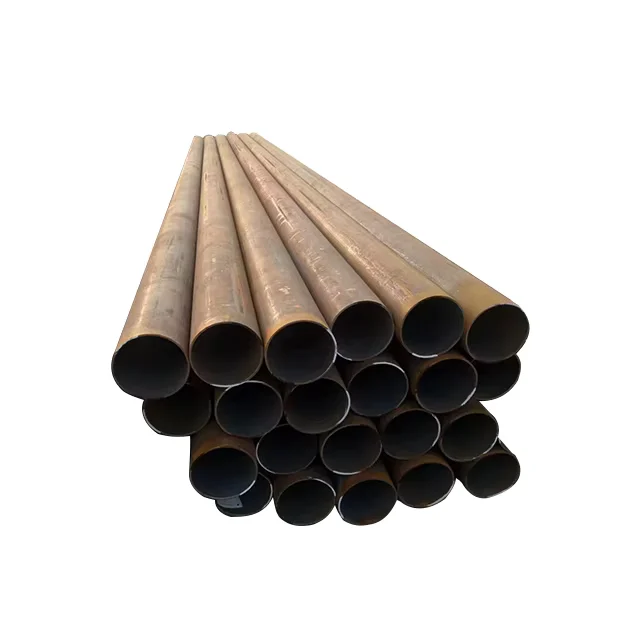
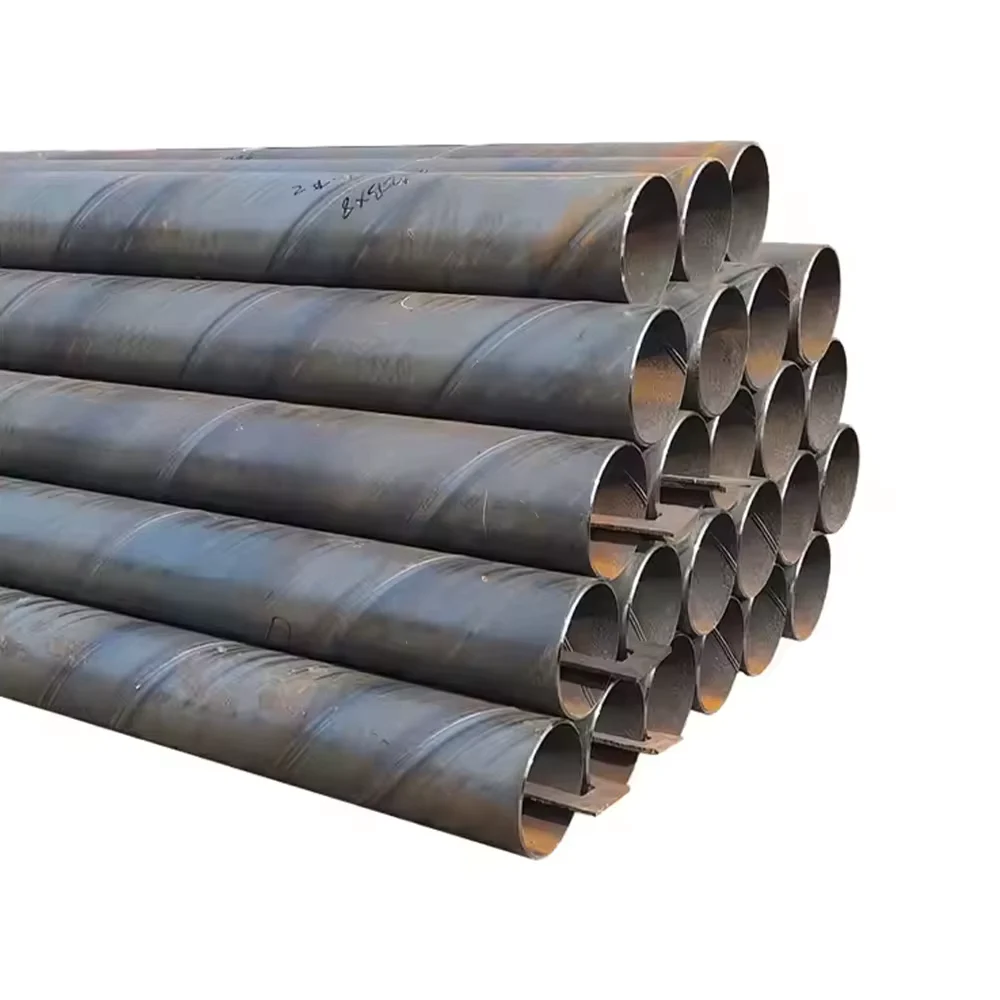
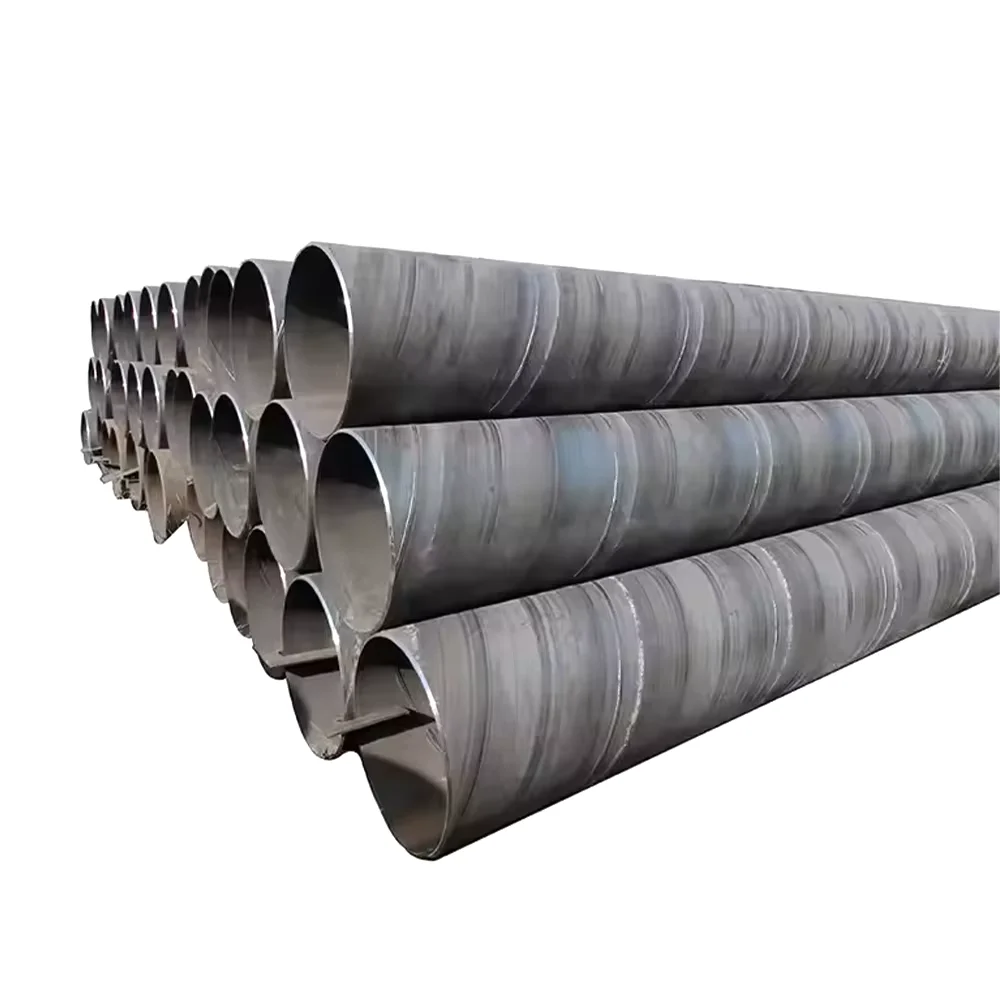
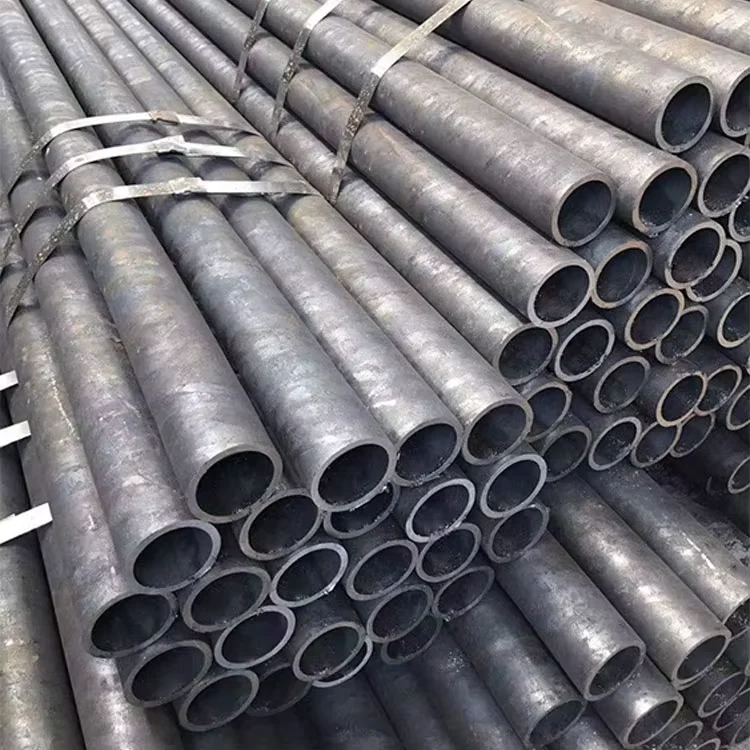
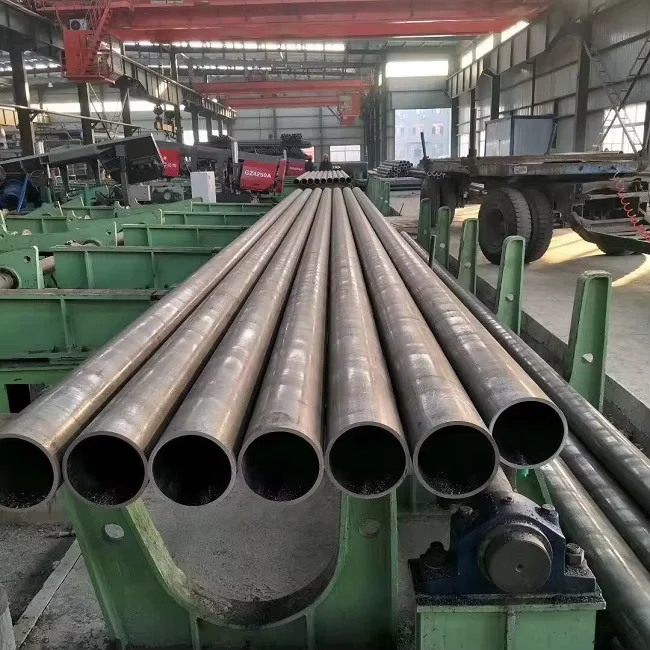
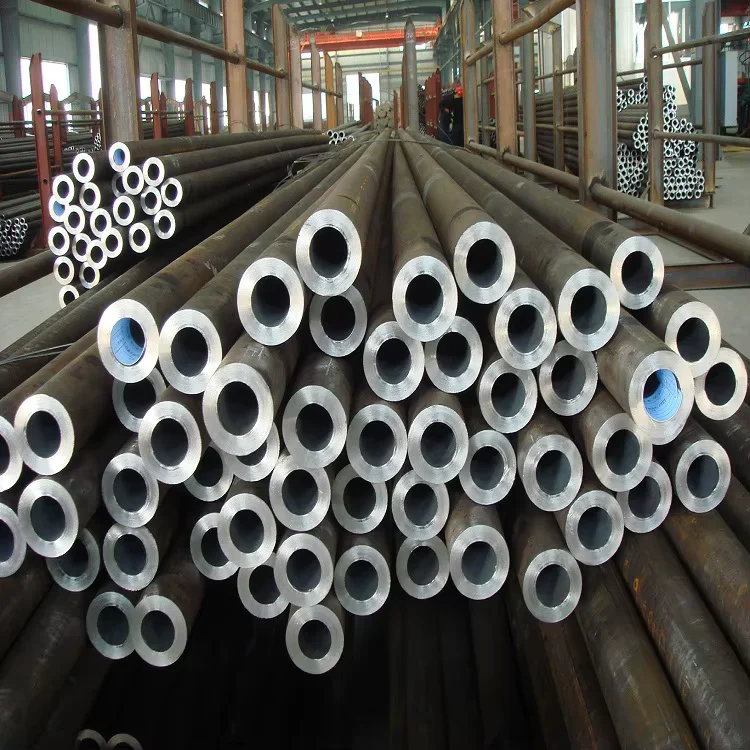
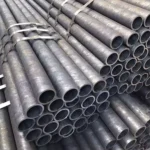
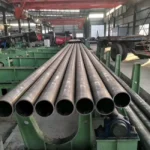
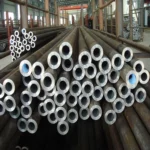
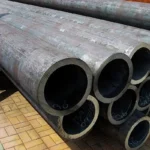
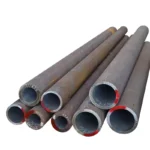
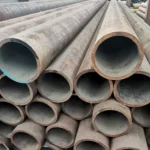
Factory-Direct Mill Source — ASTM A106 Grade B seamless pipes rolled and finished in-house with full heat-number traceability from billet to beveled end.
Technical Specifications
| Parameter | Value |
|---|---|
| Designation | ASTM A106 Carbon Steel Seamless Pipe |
| Product Type | Seamless Steel Pipe |
| Steel Grade | ASTM A106 Grade A, ASTM A106 Grade B, 20#, 45# |
| Standard | ASTM A106, API 5CT, API 5L, BS, JIS, DIN |
| Section Shape | Round |
| Outer Diameter | 10–609 mm |
| Wall Thickness | 1.65–59.54 mm |
| Length | 5.8–14 m (standard export length) |
| Technique | Hot Rolled / Cold Rolled |
| Surface Treatment | Oiled / Non-oiled |
| Tolerance | ±5% / ±1% |
| Ends | Plain / Beveled |
| Application | Fluid Pipe, Boiler Pipe, Drill Pipe, Hydraulic Pipe, Gas Pipe, Oil Pipe, Chemical Fertilizer Pipe, Structure Pipe |
| Origin | Shandong, China |
Application Suitability
| Industry | Typical Applications |
|---|---|
| Oil & Gas | High-pressure transmission pipelines, drill pipe strings, gas gathering lines |
| Power & Energy | Boiler tube circuits, superheater headers, steam transport in thermal plants |
| Petrochemical | Process piping for chemical fertilizer plants, refinery feed lines |
| Infrastructure EPC | Hydraulic ram cylinders, pile casing, structural columns in industrial frames |
| Machinery | Hydraulic system manifolds, stress-bearing shafts, heavy-duty roller frames |
Why Traceability Beats Price Per Ton on ASTM A106 Orders
A missing heat number on a mill test certificate can shut down an entire pressure-vessel inspection.
When overseas EPC buyers source an ASTM A106 carbon steel seamless pipe supplier through intermediaries, the chain between the original melt shop and the finished pipe often breaks. Third-party traders consolidate stock from multiple mills, and material certificates get reissued — or worse, fabricated. I have seen full container loads held at Jebel Ali because the MTC heat numbers did not match the stencil on the pipe ends. For boiler and high-temperature service under ASTM A106, this is not a paperwork inconvenience; it is a code-compliance failure that forces the buyer to scrap or re-order. [NEED_CITE: ASTM A106 material certification requirements for high-temperature service]
Matching Wall Thickness and Diameter to Pressure Service
An ASTM A106 carbon steel seamless pipe supplier covering OD 10–609 mm and wall up to 59.54 mm addresses the full spectrum from instrument lines to heavy-wall pressure vessels. Hot-rolled Grade B pipes handle the demanding combination of high internal pressure and elevated temperature found in boiler circuits and refinery process piping, while cold-rolled variants deliver tighter ±1% tolerance for hydraulic cylinder applications where dimensional precision directly affects seal performance. The availability of both plain and beveled ends means the same supplier can feed either welded tie-in systems or threaded coupling assemblies without secondary machining delays on site.
Code Compliance and Certification Across Procurement Regions
Projects in the Middle East and Southeast Asia frequently specify API 5L for pipeline segments and ASTM A106 for plant piping within the same EPC package. Sourcing both from a single vertically integrated source eliminates the risk of mixed-certification shipments and simplifies third-party inspection scheduling. For European-end projects, cross-referencing ASTM A106 Grade B to EN 10216-2 P265GH requires documented chemical equivalence — a comparison our in-house laboratory verifies per heat before release. [NEED_CITE: steel grade equivalence between ASTM A106 and EN 10216 standards]
Hot Rolled vs. Cold Rolled: Process Choices for Pressure and Precision
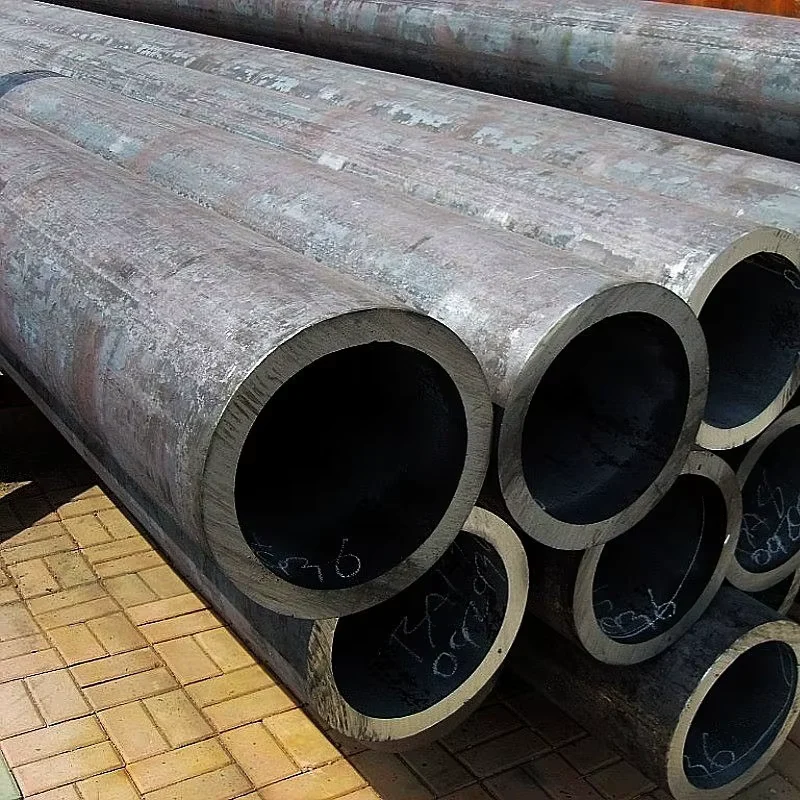
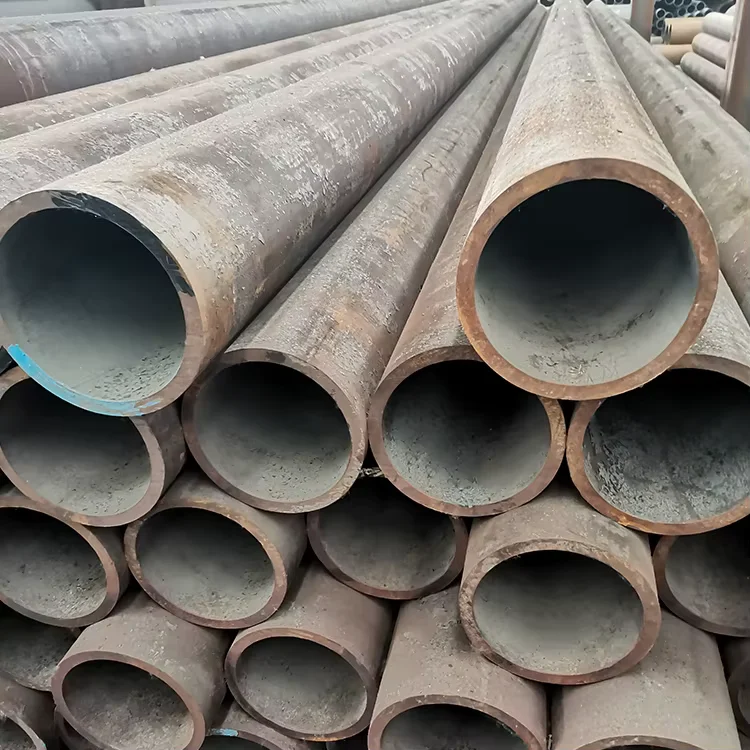
Hot-rolled ASTM A106 Grade B pipe is the default for high-temperature service above 400 °C because the normalized microstructure from controlled cooling provides stable creep resistance. Cold-rolled pipe, produced by drawing hot-rolled shells through dies and mandrels, achieves superior surface finish and tighter OD/wall tolerance — essential for hydraulic and instrument applications where even minor ovality causes fitting leaks. The trade-off is cost and maximum wall capability: heavy-wall sections above 40 mm remain hot-rolled territory. Negative tolerance control at ±1% on precision orders prevents the weight-shortage disputes that arise when theoretical-weight billing meets actual-weight inspection at destination.
The Hidden Cost of Unverified Carbon Steel Pipe
Pipes with undocumented chemistry or exaggerated wall thickness create three categories of failure: weld-rejection during construction due to unexpected carbon-equivalent values, hydrotest failure at lower-than-specified burst pressure, and customs detention when MTC format does not match EN 10204 3.1 or 3.2 requirements. [NEED_CITE: EN 10204 inspection document types for steel products] Re-ordering after a failed third-party inspection at the port typically adds weeks to the project schedule and erases any initial price saving from buying uncertified stock.
Procurement Confidence from Mill to Port
Our own steel production facility operates three rolling lines with over 2,800 specifications in ready stock, meaning ASTM A106 Grade A and Grade B pipes in both hot-rolled and cold-rolled condition ship from a single material lot — one melt, one certificate chain, one accountability point. Every pipe passes through our in-house physical and chemical laboratory for composition re-verification and mechanical testing before release, and we welcome SGS, BV, or TUV inspection at any production stage. Shop-drawing review and material optimization support ensure the specified grade and dimension actually match the engineering intent before the first cut is made.
Documentation & Compliance
- Mill Test Certificate per EN 10204 3.1 documenting ASTM A106 Grade B chemical composition (C, Mn, Si, S, P) and mechanical properties including tensile strength and elongation
- API 5L and API 5CT product specification level certificates for pipeline and casing applications
- ISO 9001 quality management system certificate covering the full fabrication and pipe supply process
- SGS / BV / TUV third-party inspection reports available for pre-shipment dimensional, visual, and NDT verification
- Full heat-number traceability from billet test record through finished pipe, linked to each bundle stencil marking
- Export customs package including packing list, bill of lading, and certificate of origin formatted for destination-port clearance
Packaging, Loading & Delivery
- ASTM A106 Grade B pipes bundled with galvanized steel strips at intervals matched to the 5.8–14 m export length, with end protectors on beveled finishes to prevent edge damage during transit
- Oiled surface treatment applied to non-oiled-ordered pipes only upon request, preserving the bare mill finish for welding-ready delivery to fabrication shops
- OD 10–219 mm small-diameter pipes nested inside larger-diameter pipes where dimensional combination allows, maximizing 20ft and 40ft container payload
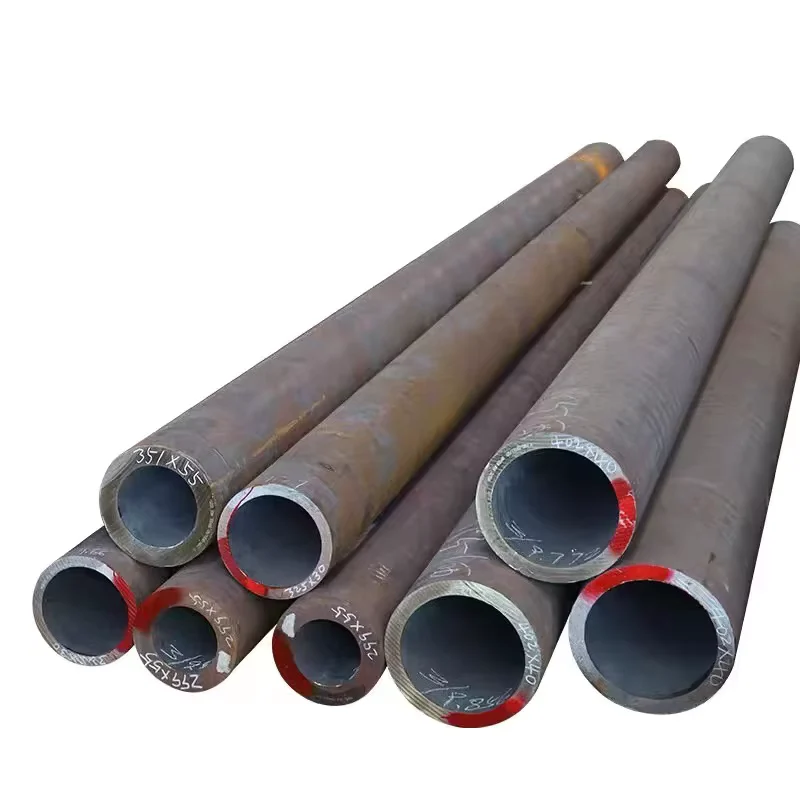
- Cut-to-length service available against shop drawings, with each piece stenciled with heat number, steel grade, and OD × wall for site identification
- Professional lashing and dunnage planning for heavy-wall sections above 40 mm to prevent bundle shift during ocean freight
- FOB, CIF, and DDP terms supported with complete export documentation and container tracking until site delivery
Requesting a Quotation with Full Material Certification
Submit your project drawings or specification sheet listing ASTM A106 grade, OD, wall thickness, quantity, and end condition to receive a detailed quotation including material cost, fabrication if required, surface treatment, packing, and freight. We respond within 24 hours with a preliminary assessment and shop-drawing timeline, and confirm third-party inspection availability before contract signing.
Frequently Asked Questions
Q: What is the difference between ASTM A106 Grade A and Grade B for high-temperature service?
A: Grade B has higher manganese and tensile strength than Grade A, making it the standard choice for boiler and pressure-vessel piping where elevated temperature and internal pressure coincide. Grade A is typically specified for lower-pressure steam and fluid lines. Both grades share the same carbon-maximum chemistry framework and are supplied with full MTC per heat.
Q: Can you provide third-party inspection before shipment?
A: Yes. SGS, BV, and TUV inspection teams can be scheduled at any stage — from raw material verification through dimensional checks, NDT testing, and final surface inspection. Inspection reports are included in the export documentation package.
Q: What is the tolerance policy for cold-rolled ASTM A106 pipe?
A: Standard hot-rolled tolerance is ±5% on wall thickness. Cold-rolled precision orders can achieve ±1% tolerance, which is specified for hydraulic cylinder and instrument applications requiring tight dimensional control. Tolerance choice is confirmed at quotation stage against your engineering requirements.
Q: How do you handle negative tolerance and weight settlement disputes?
A: We clearly state whether billing is on theoretical weight or actual weight at the contract stage. For actual-weight settlement, every bundle is weigh-bridge certified before loading. Our in-house laboratory re-tests wall thickness with ultrasonic gauges on every heat before release, preventing the negative-tolerance overruns that cause destination disputes.
Q: Do you supply beveled ends for welding preparation?
A: Yes. Plain ends and beveled ends are both available. Bevel angle and root face are machined to your WPS specification — typically 30–37.5° for API and ASME welding procedures — and each beveled end is protected with plastic caps before bundling.
Get Your ASTM A106 Quote with Mill Test Certificates
Send your pipe specification, steel grade, quantity, and destination port to receive pricing, MTC samples, and production lead time within one business day.
Mobile / WhatsApp / WeChat: +86 188 5315 7756 | Email: admin@xjystructure.com | Website: www.xjystructure.com