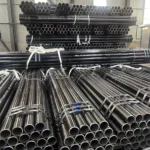
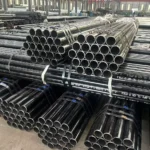
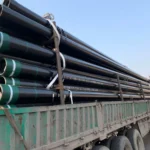
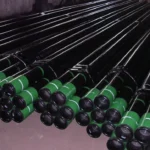
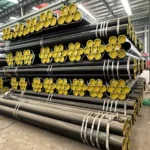
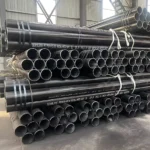
Description
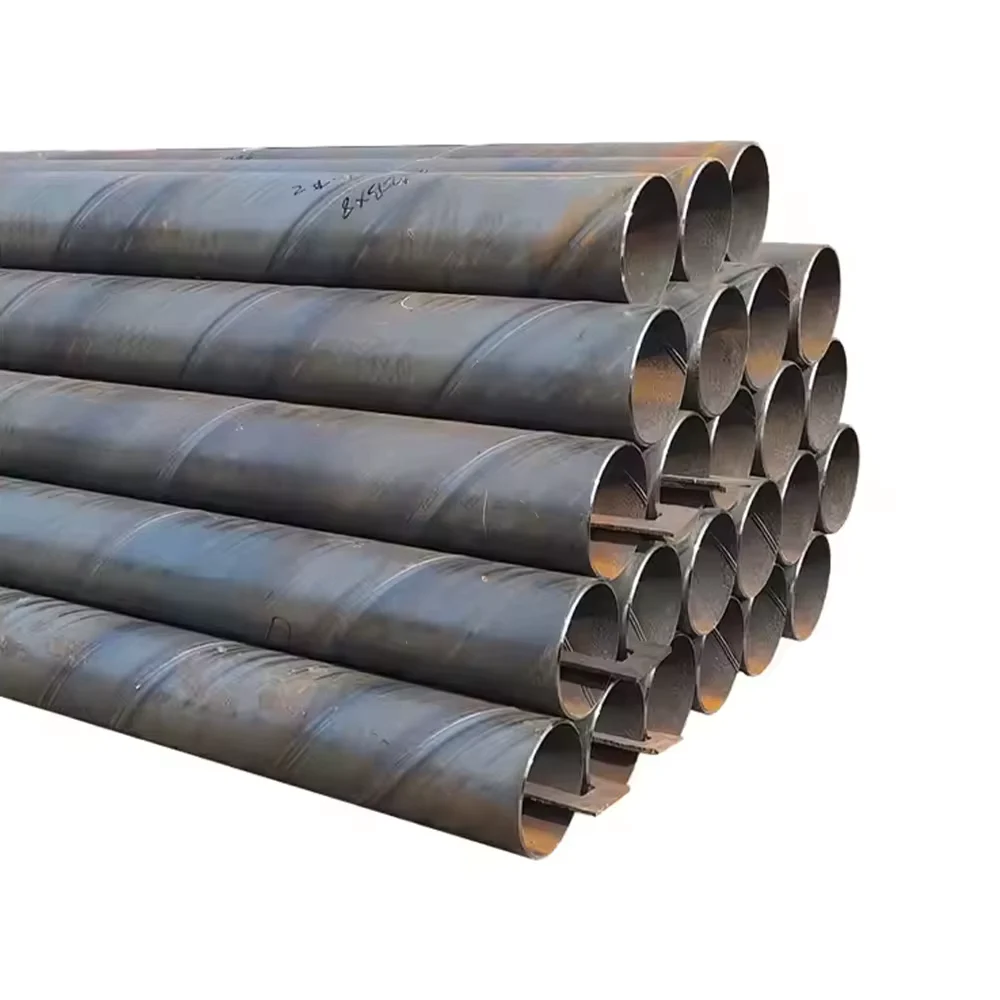
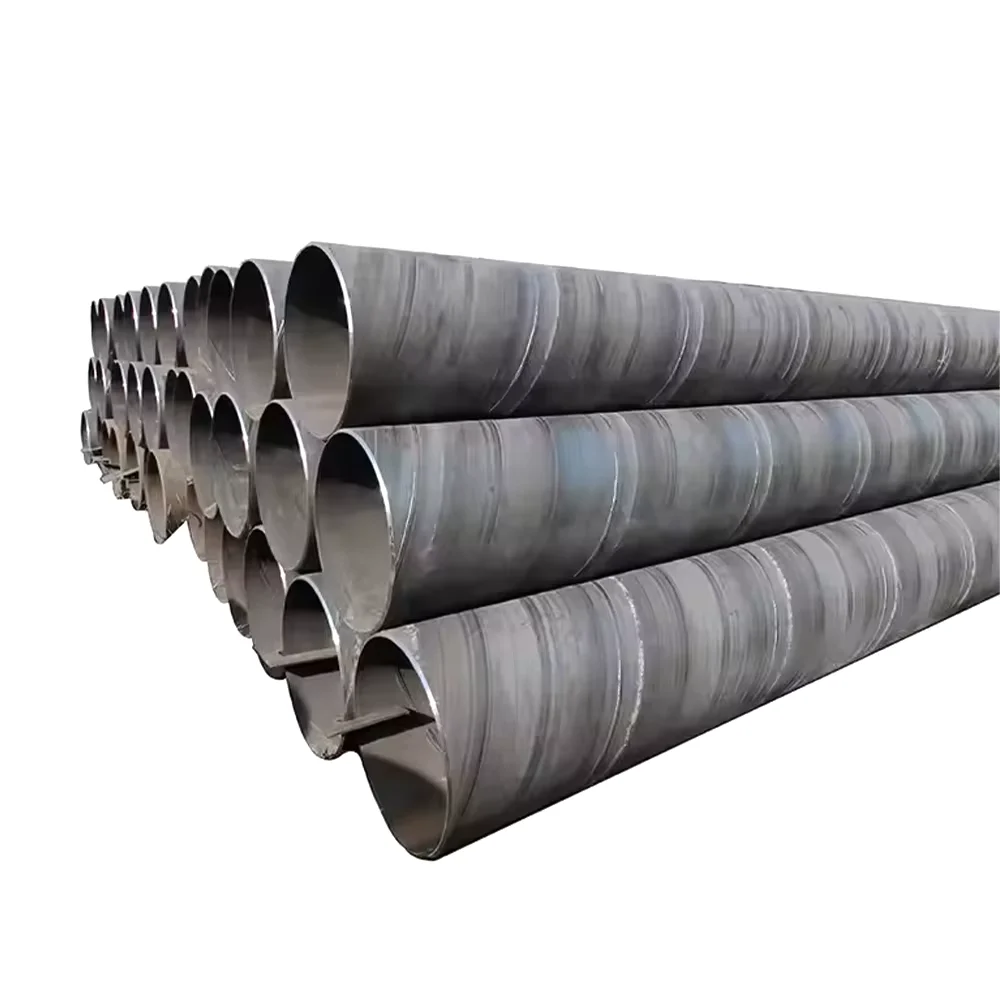
Factory-direct ASTM A106 pipes — 2,800+ specifications in stock from our own steel mill, eliminating third-party sourcing gaps.
Technical Specifications
| Parameter | Value |
|---|---|
| Designation | ASTM A106 Seamless Steel Pipe |
| Product Type | Seamless Steel Pipe |
| Steel Grade | ASTM A106A, ASTM A106B, ASTM A106C, ASTM A179, ASTM A192, ASTM A210, ASTM A53A, ASTM A53B, 10#, 20#, 45#, P1, P5, P9, P11, P22, P91, P92, 15CrMo, Cr5Mo |
| Standard | API 5CT, API 5L, ASTM, BS, JIS, DIN |
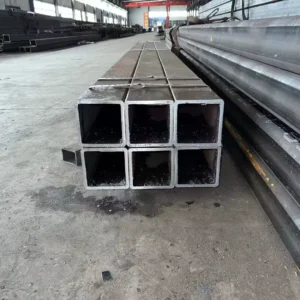
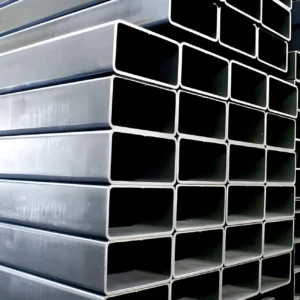
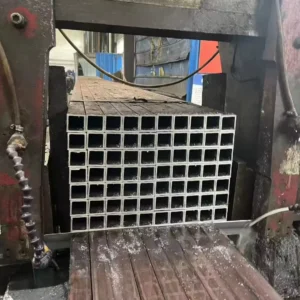
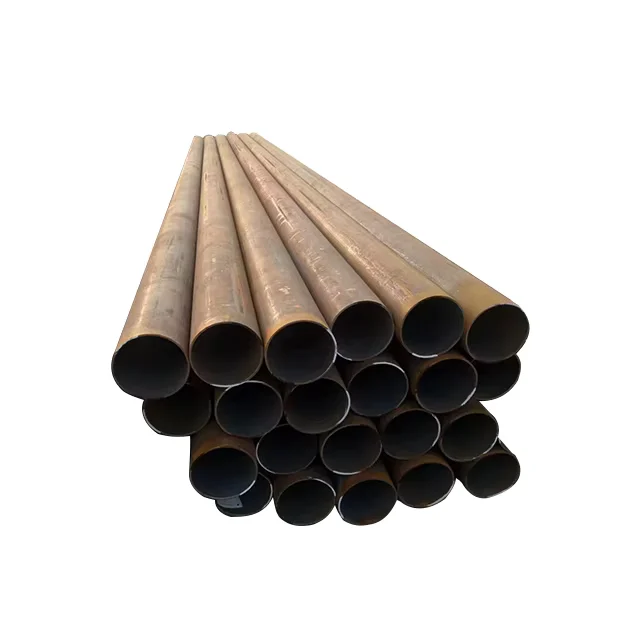
| Section Shape | Round, Square |
| Size Range | OD 10–609 mm |
| Wall Thickness | 1.65–59.54 mm |
| Technique | Seamless / Cold Rolled / Hot Rolled / Cold Drawn |
| Surface Treatment | Hot Rolled |
| Tolerance | ±5%, ±1% |
| Ends | Customized |
| Application | Fluid Pipe, Boiler Pipe, Drill Pipe, Hydraulic Pipe, Gas Pipe, Oil Pipe, Chemical Fertilizer Pipe, Structure Pipe |
| Origin | Shandong, China |
Application Suitability
| Industry | Typical Applications |
|---|---|
| Oil & Gas | Refinery process piping, drilling risers, transmission pipelines, wellhead connections |
| Power Generation | Boiler tubes, superheater elements, steam lines, heat exchanger circuits |
| Industrial Construction | Structural columns, fluid transport manifolds, machinery frames, hydraulic systems |
| Chemical Processing | Reactor feed lines, fertilizer plant piping, corrosive fluid conveyance |
Material Traceability Gaps Cost More Than Price Differences
Vertical integration from billet to finished pipe closes the certification chain.
When procurement teams source seamless pipes from trading companies, the material test certificate often traces back to an unknown mill — not the fabricator. I have seen projects delayed six weeks because third-party inspectors could not verify heat numbers against the original melt shop records. [NEED_CITE: material traceability requirements in pressure piping codes]
An ASTM A106 Seamless Steel Pipe Manufacturer controlling the entire production sequence — from continuous casting through hot rolling and final inspection — provides MTCs with full heat-to-finish traceability. This eliminates the gap between what the certificate claims and what actually arrives on site.
Matching High-Temperature Service Requirements
ASTM A106B and A106C grades dominate high-temperature service because their carbon-manganese chemistry maintains strength above 400°C. For boiler applications, ASTM A179 and A210 offer tighter chemistry controls for weldability and creep resistance. Our ASTM A106 Seamless Steel Pipe inventory covers OD 10–609 mm across all three grades, allowing engineers to specify the exact grade per ASME B31.1 or B31.3 without waiting for custom mill runs.
Engineering Compliance Across Global Standards
Pressure piping systems require compliance with multiple overlapping standards. ASTM A106 pipes for North American projects must meet ASME SA106 dimensional and testing requirements, while equivalent DIN 17175 ST35.8 or 13CrMo44 grades serve European refinery expansions. [NEED_CITE: international steel grade equivalency tables for pressure service] Certification documentation must include chemical composition, tensile properties, and hydrostatic test results — all traceable to the original heat number stamped on each pipe end.
Understanding Seamless Manufacturing and Grade Selection
The seamless extrusion process eliminates the longitudinal weld seam present in ERW pipe, making ASTM A106 the default choice for high-pressure and high-temperature service. Grade A serves moderate temperatures; Grade B covers most refinery and power plant applications; Grade C provides higher strength for thicker-wall sections. Cold-drawn finishing achieves tighter tolerances (±1%) for precision machining, while hot-rolled pipes offer cost efficiency for standard construction. Surface condition — hot-rolled mill scale, oiled, or bare — depends on downstream coating requirements and storage conditions.
Hidden Costs of Unverified Pipe Procurement
Pipes with incomplete MTCs or untraceable heat numbers face rejection during third-party inspection, triggering re-procurement cycles that delay project completion by weeks. [NEED_CITE: pressure piping inspection and rejection procedures] Negative tolerance stacking — where wall thickness consistently falls at the lower specification limit — reduces pressure ratings and may require design recalculation. Material substitution without proper documentation voids insurance coverage and creates liability exposure for EPC contractors.
Why Project Teams Specify Our Mill-Direct Supply
Our vertically integrated facility produces ASTM A106 Seamless Steel Pipe from our own billet casting through final inspection, eliminating the sourcing opacity that plagues trading-company supply chains. Every heat carries a unique identifier linking chemical analysis, mechanical test results, and dimensional inspection to the original melt record. Our in-house laboratory performs tensile testing, charpy impact, and hydrostatic verification per ASTM A530 requirements. With 2,800+ specifications in inventory — including P91, P92, and 15CrMo alloy grades for elevated-temperature service — we consolidate procurement for multi-grade projects under a single quality system.
Documentation & Compliance
- Mill Test Certificate documenting ASTM A106B chemical composition and tensile properties per ASTM A530
- Third-party inspection reports from SGS, BV, or TUV covering dimensional verification and NDT testing
- Material traceability by heat number with charpy impact test results for low-temperature service grades
- API 5L and API 5CT compliance certificates for oil country tubular goods
- ISO 9001 quality management system certification covering the complete manufacturing sequence
- Export documentation including packing list, bill of lading, and certificate of origin
Packaging, Loading & Delivery
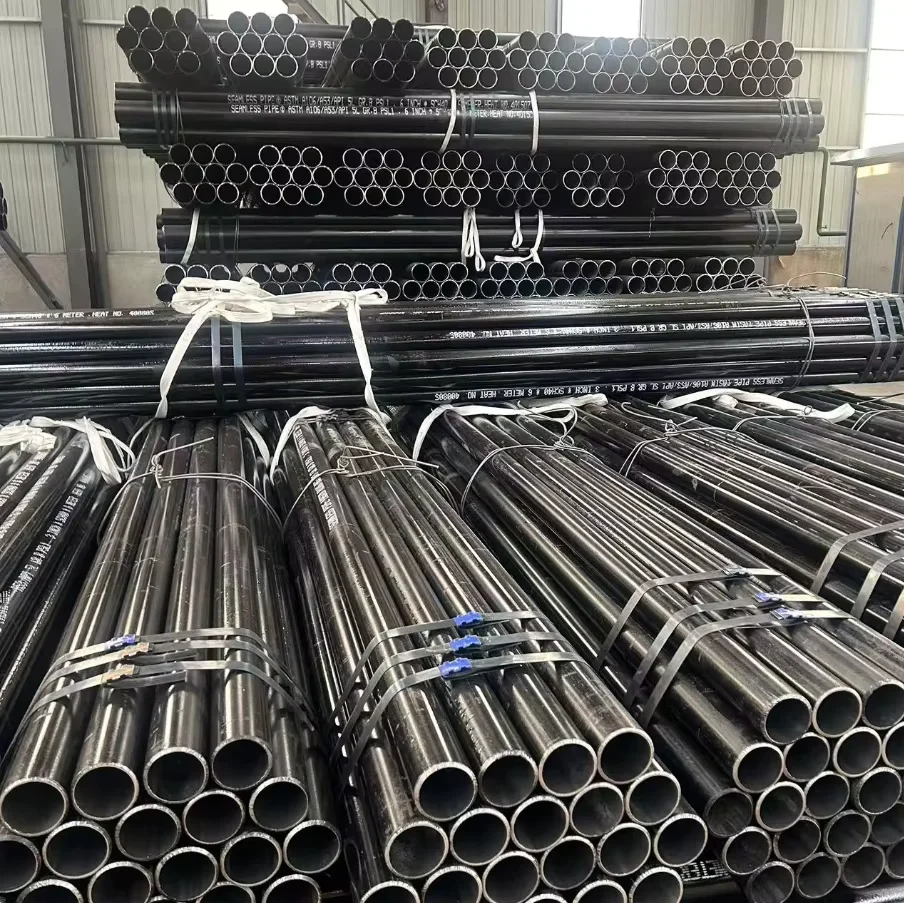
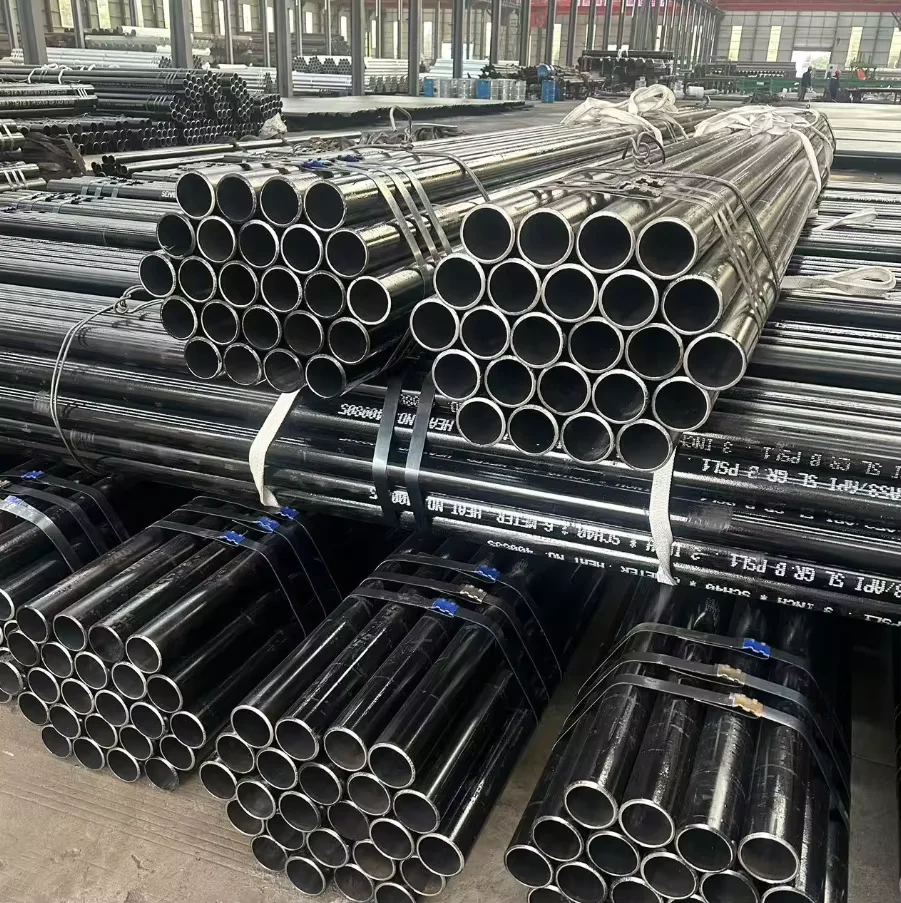
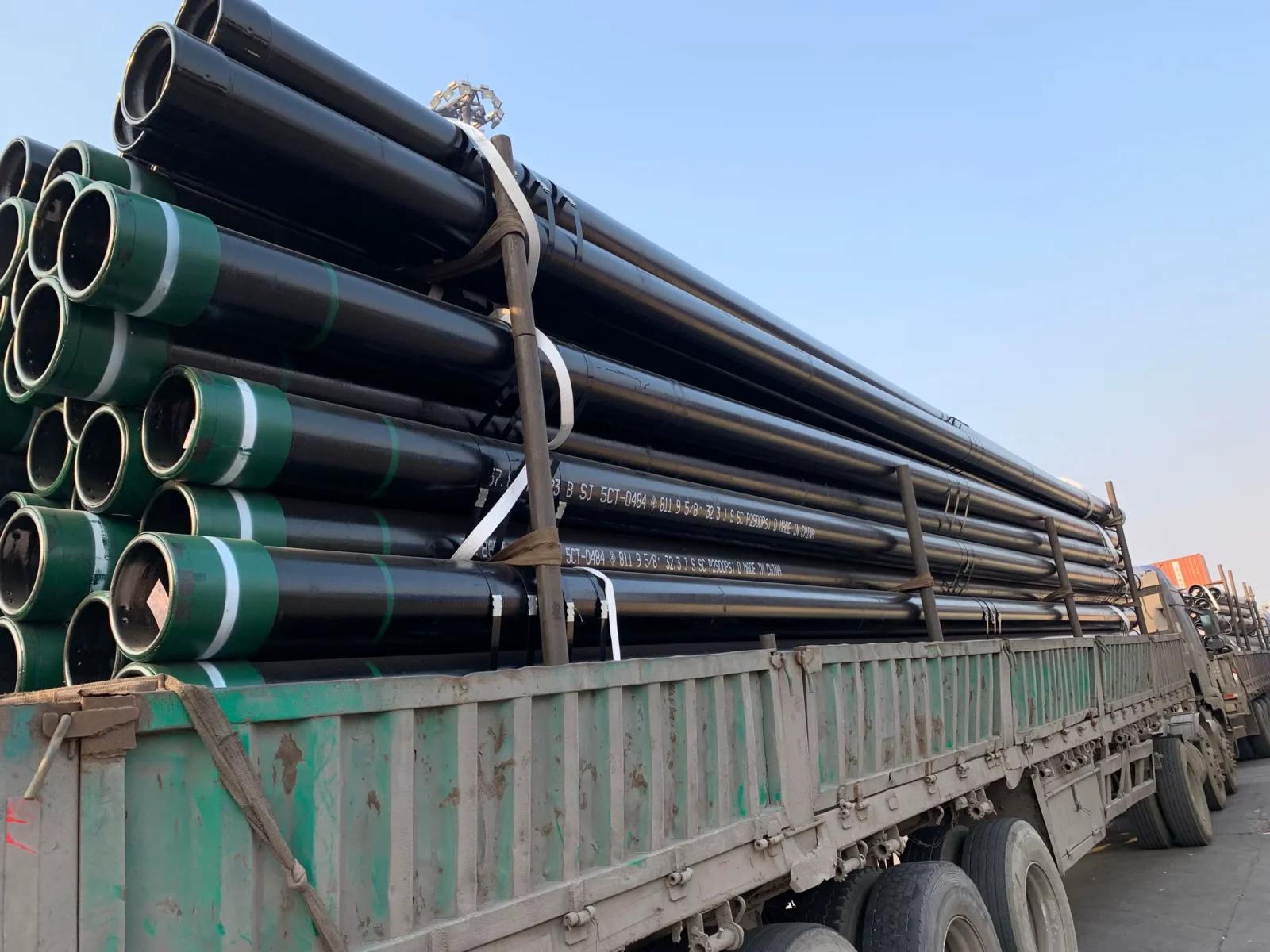
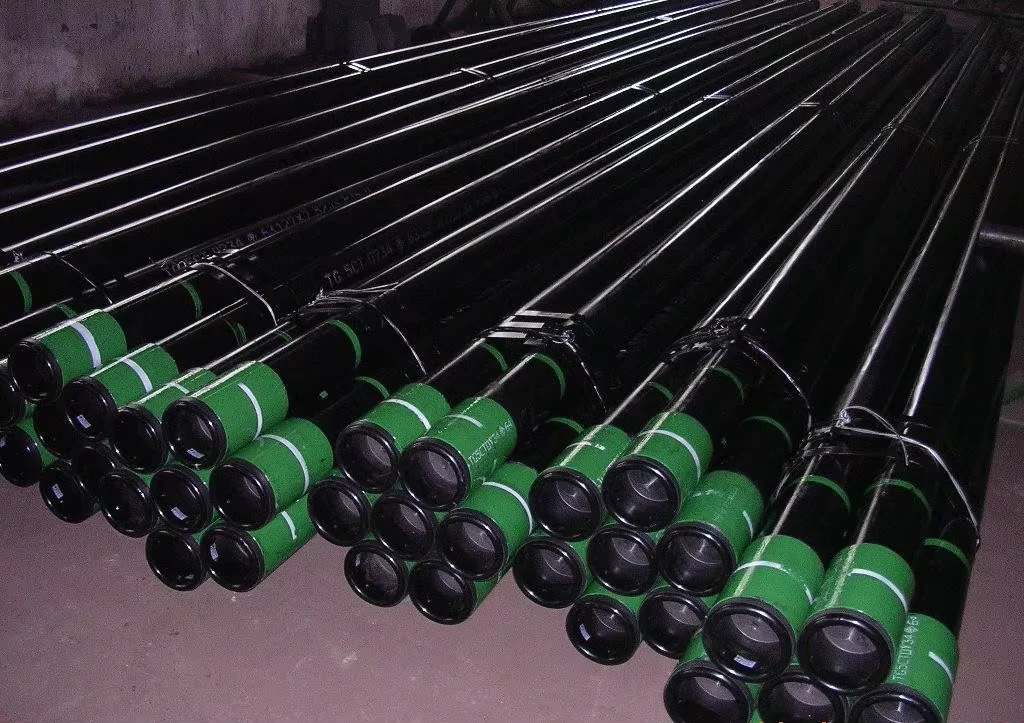
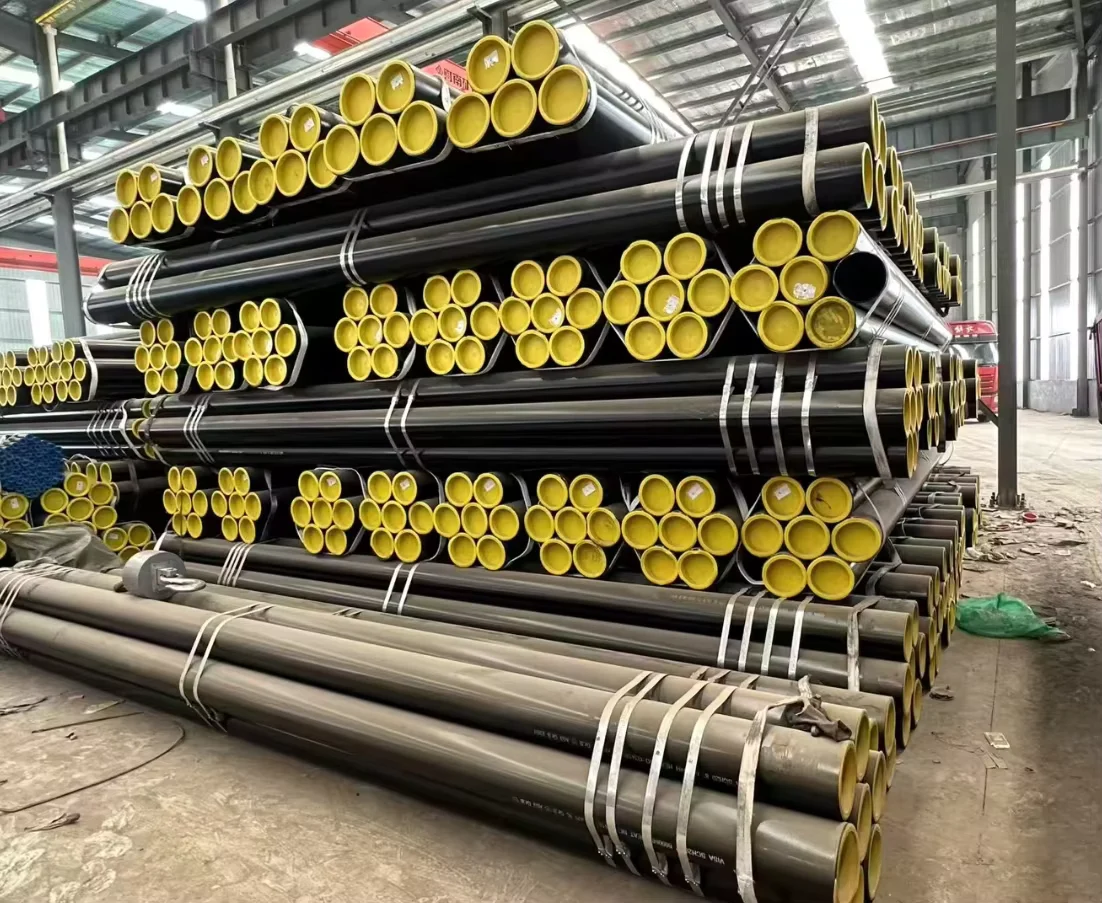
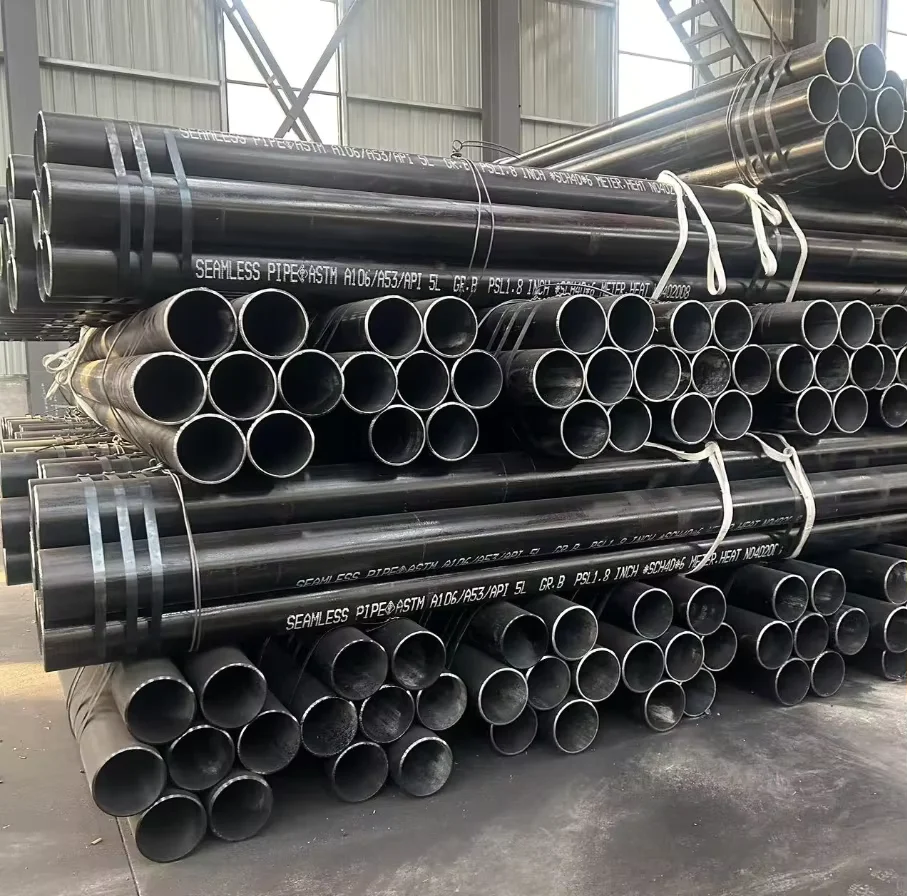
- Hot-rolled ASTM A106 pipes bundled with steel strips and edge protectors to preserve mill finish during ocean transit
- Oiled surface treatment applied per customer specification to prevent corrosion during extended storage or humid climate transport
- OD 10–219 mm pipes loaded in nested configurations to maximize container utilization for small-diameter orders
- Custom-length cutting available per project drawing requirements, with beveled or plain ends as specified
- Heat number and grade identification stenciled on each pipe end for site-level traceability verification
- FOB, CIF, and DDP shipping terms with professional lashing for oversized cargo exceeding 12-meter lengths
Initiating Your Procurement Process
Submit project specifications including ASTM A106 grade, OD/Wall thickness requirements, total tonnage, and destination port to receive a detailed quotation with production timeline. Our engineering team reviews shop drawings for material optimization and confirms MTC documentation requirements before contract execution.
Request Your ASTM A106 Quotation with Full Material Certification
Share your project drawings and specification sheet to receive pricing, mill test certificate samples, and production scheduling within 24 hours.
Contact: Shandong Xin Jiyuan Special Steel Tube Co., Ltd
Website: www.xjystructure.com
Tel: +86 531 8573 6315
Mobile/WhatsApp/WeChat: +86 188 5315 7756
Email: admin@xjystructure.com
Address: No.11889, Jingshi West Road, Lulian Group, Jinan City, Shandong Province, China
Frequently Asked Questions
Q: Can you provide third-party inspection for ASTM A106 pipes before shipment?
A: Yes. We coordinate SGS, BV, or TUV inspection at any production stage — from incoming billet verification through dimensional checks, NDT testing, and container loading supervision. Inspection reports are included in the final documentation package.
Q: What is the difference between ASTM A106 Grade B and Grade C?
A: Grade B offers minimum tensile strength of 415 MPa with 0.30% maximum carbon, suitable for most refinery and power plant applications. Grade C provides 485 MPa minimum tensile strength with 0.35% maximum carbon for higher-pressure or thicker-wall requirements. Both grades maintain identical dimensional tolerances per ASTM A530.
Q: Do you stock alloy grades like P91 or P92 for high-temperature service?
A: Yes. Our inventory includes P1, P5, P9, P11, P22, P91, P92, 15CrMo, and Cr5Mo alloy grades for elevated-temperature and creep-resistant applications. These grades require specific heat treatment and testing per ASTM A335, with full MTC documentation provided.
Q: What surface treatment options are available for ASTM A106 pipes?
A: Standard options include hot-rolled mill finish, oiled for corrosion protection, bare (descaled), or custom coating per project specification. Galvanizing is available for corrosion-prone environments, though typically specified under ASTM A53 for structural applications.
Q: How do you ensure material traceability from billet to finished pipe?
A: Each heat receives a unique identifier at the casting stage. This number follows the material through hot rolling, finishing, testing, and final packaging. The Mill Test Certificate links chemical composition, mechanical properties, and test results directly to the heat number stamped on each pipe end.