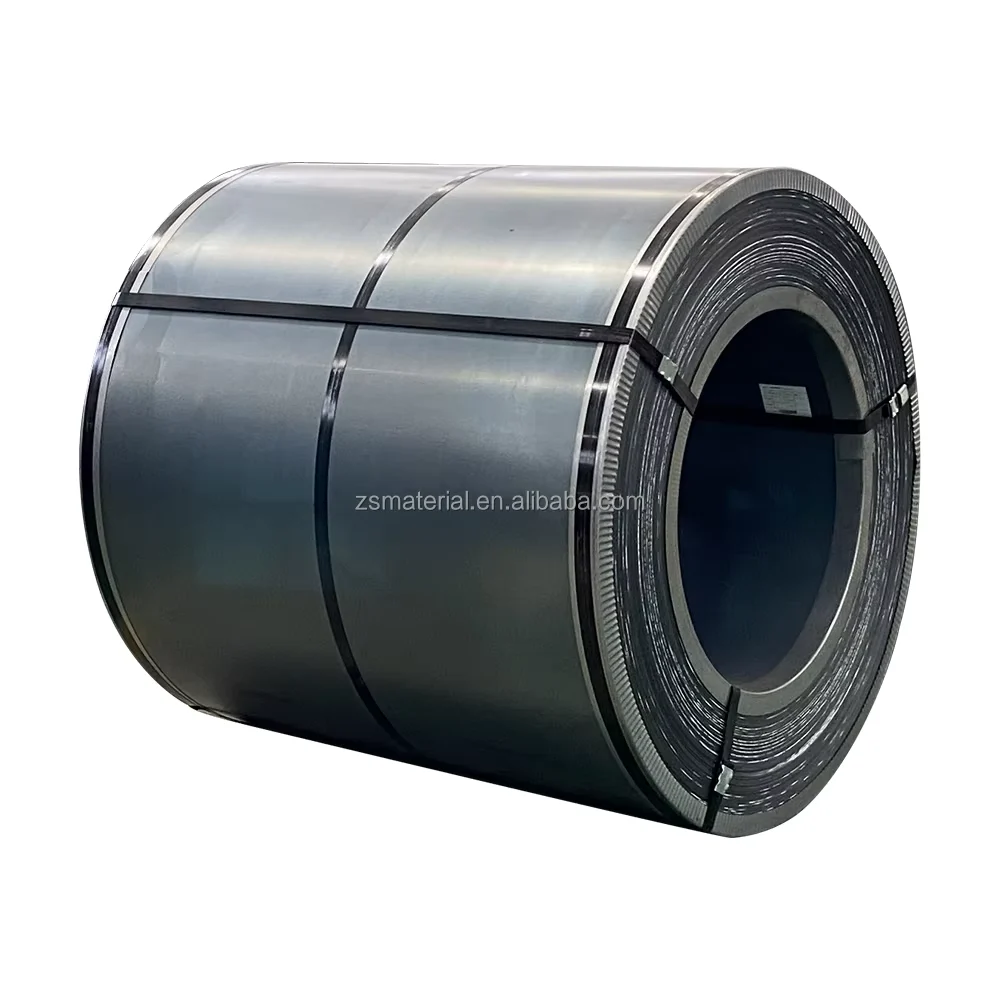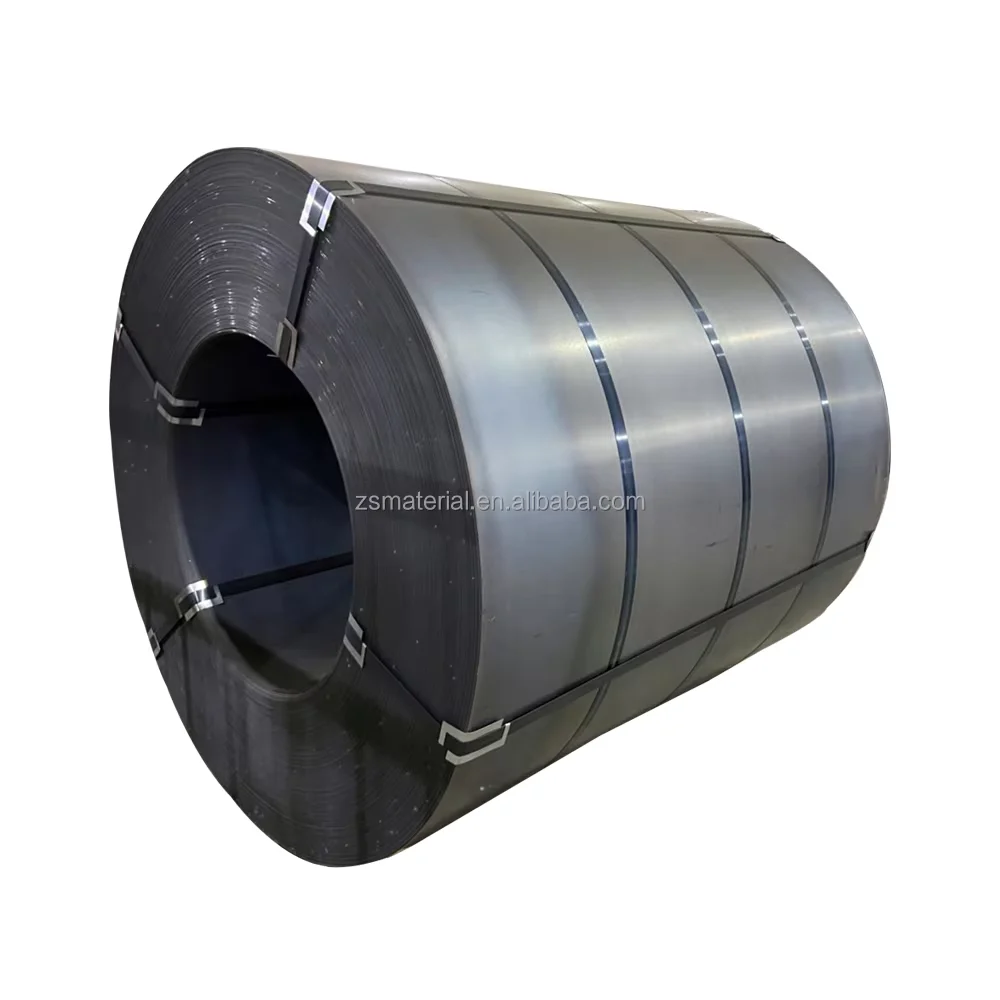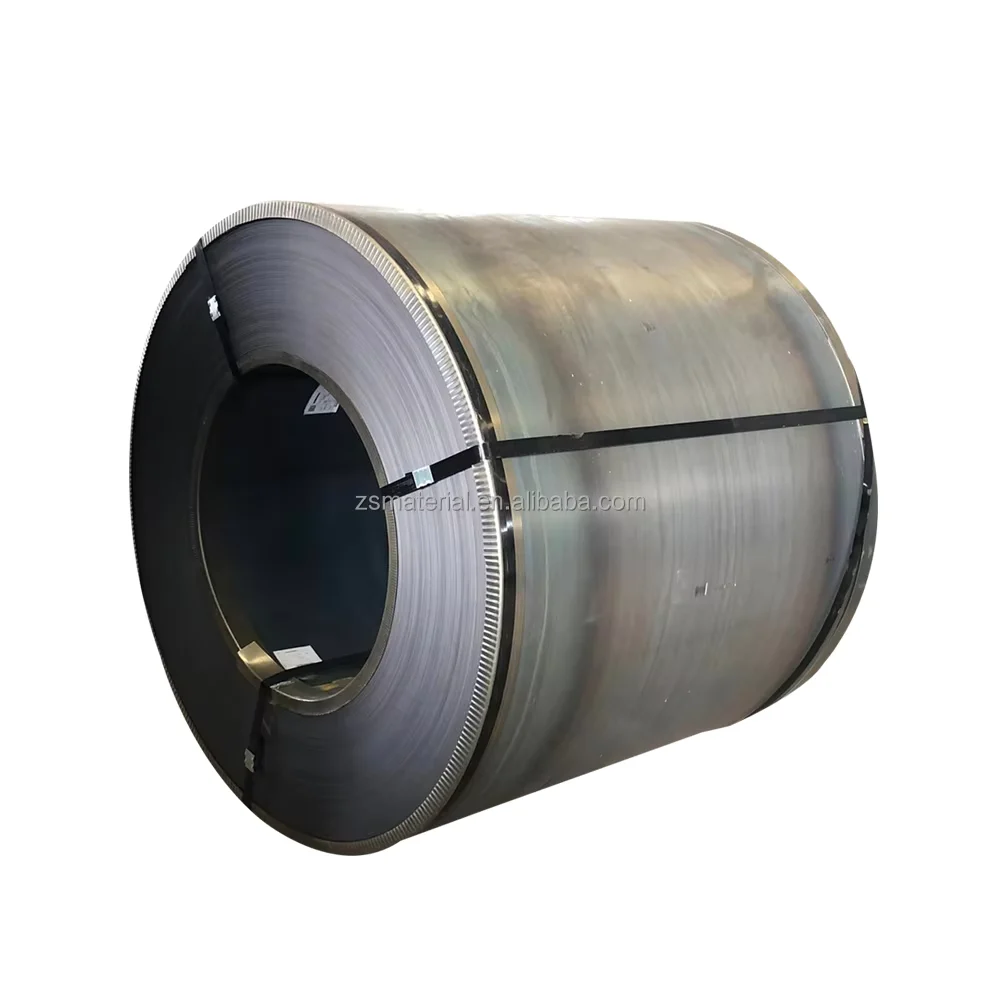
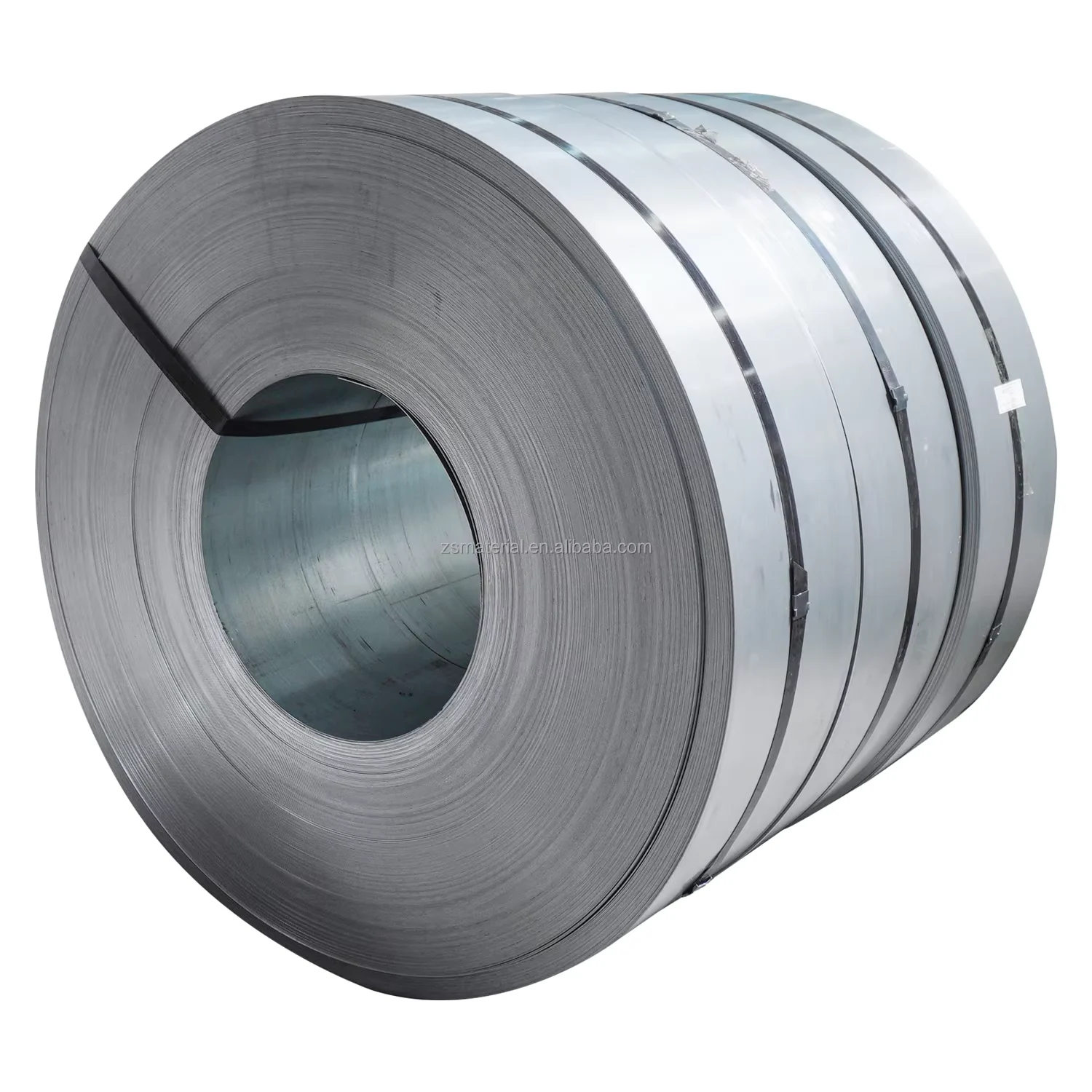
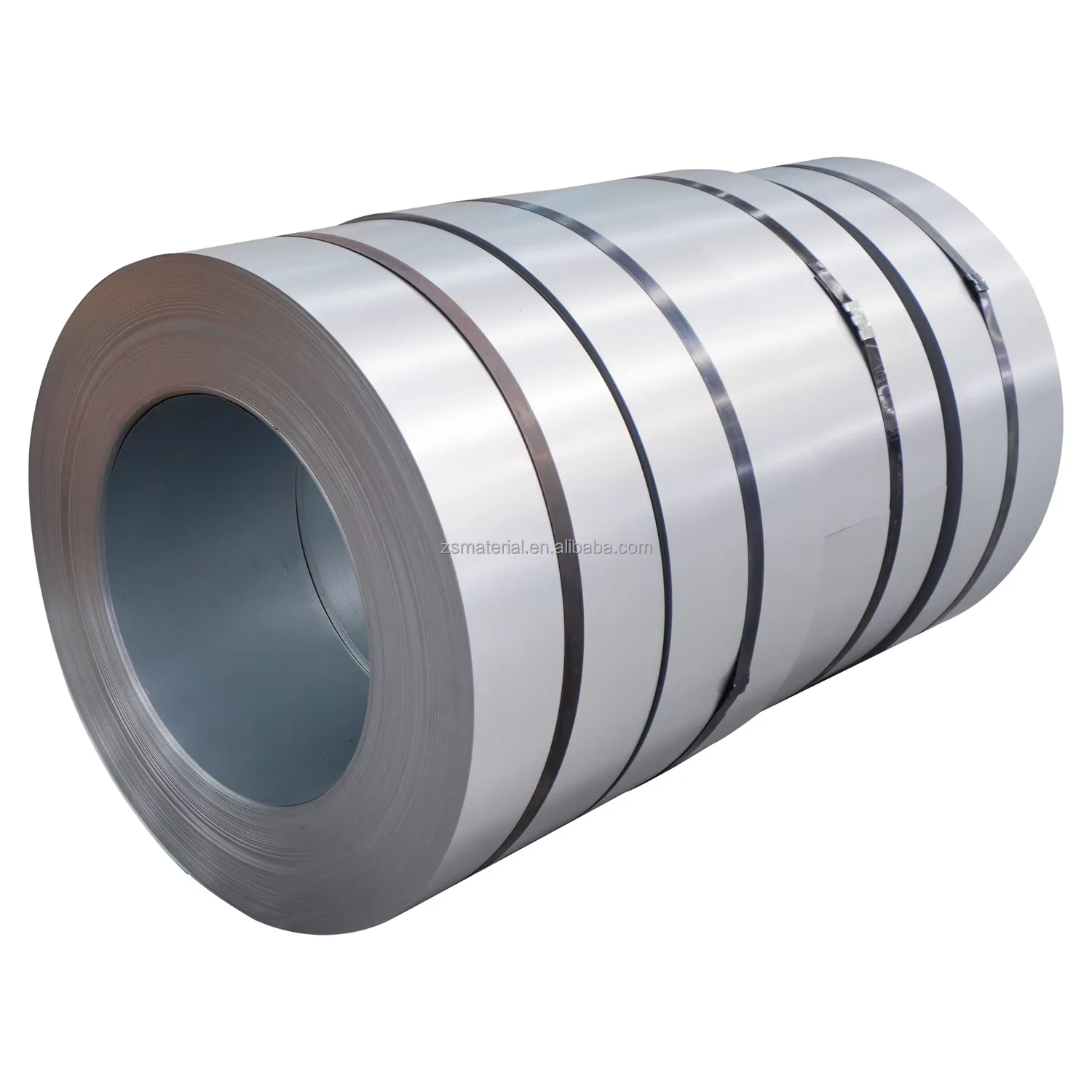
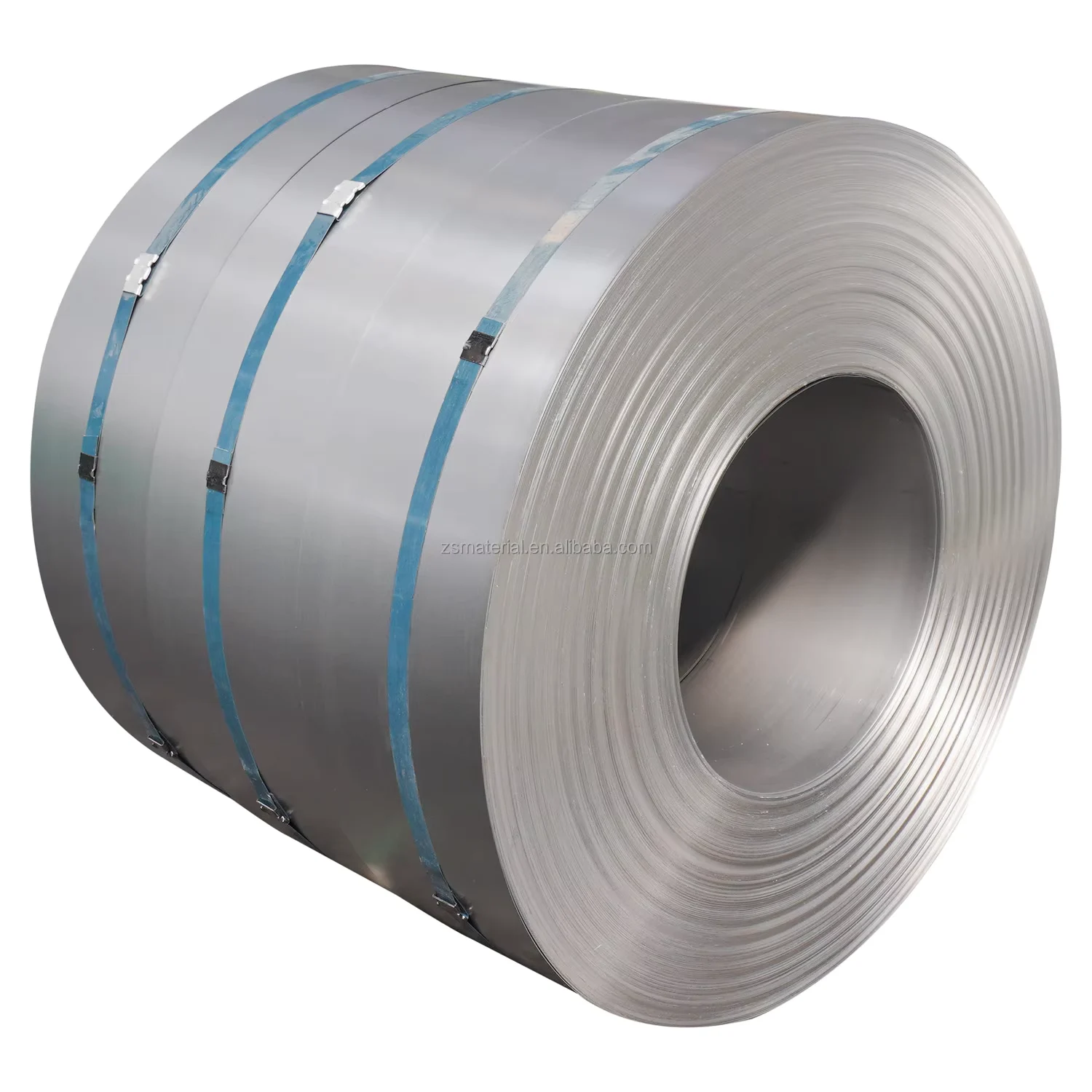
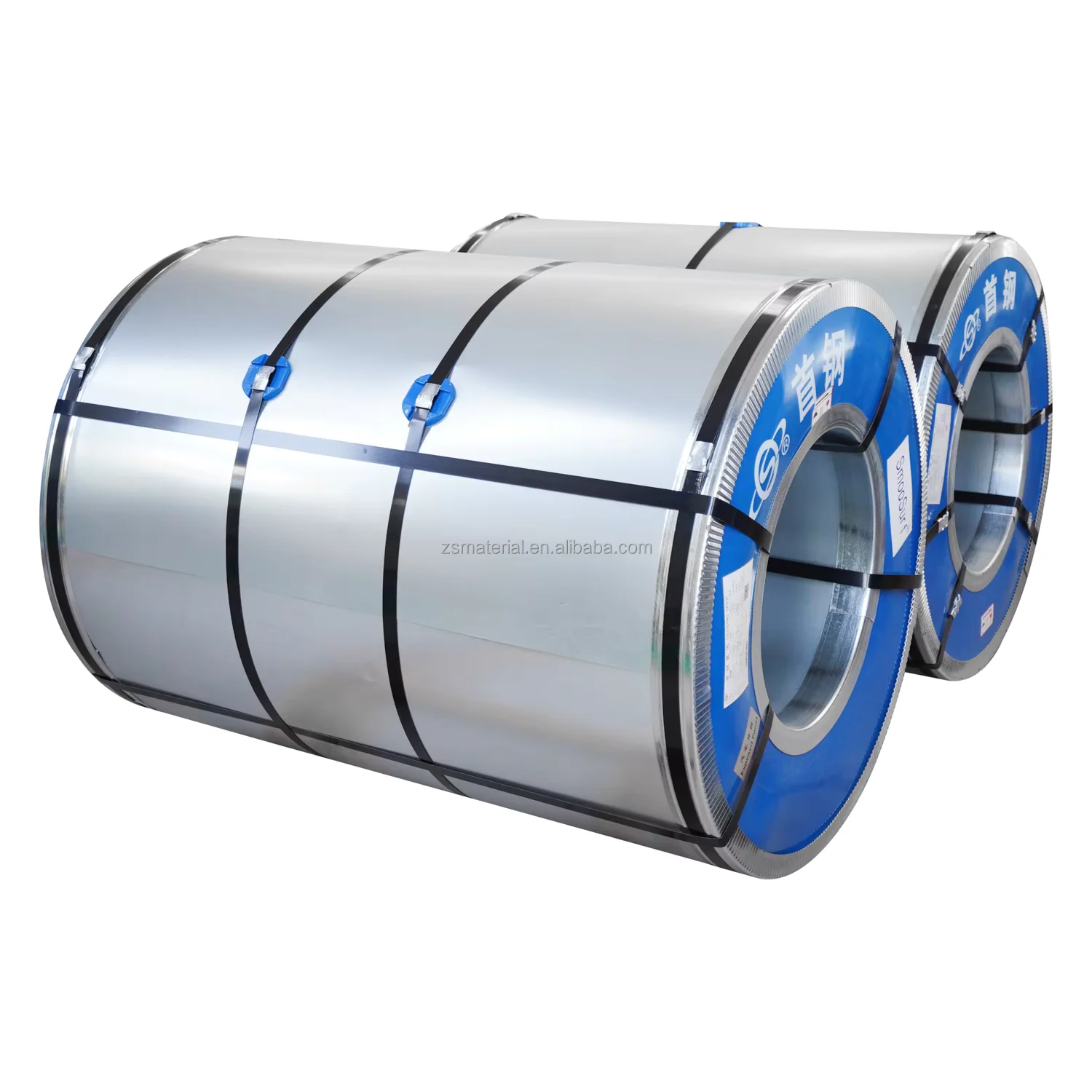
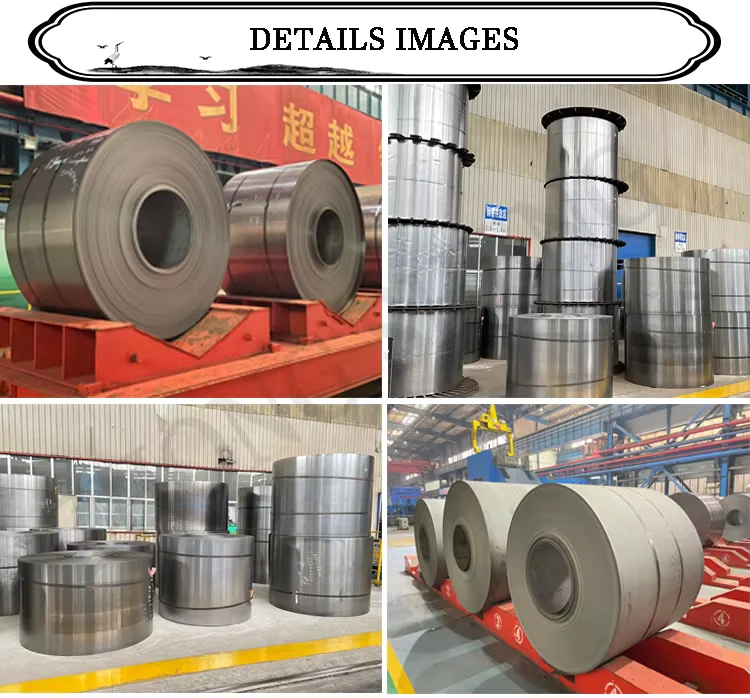

Description
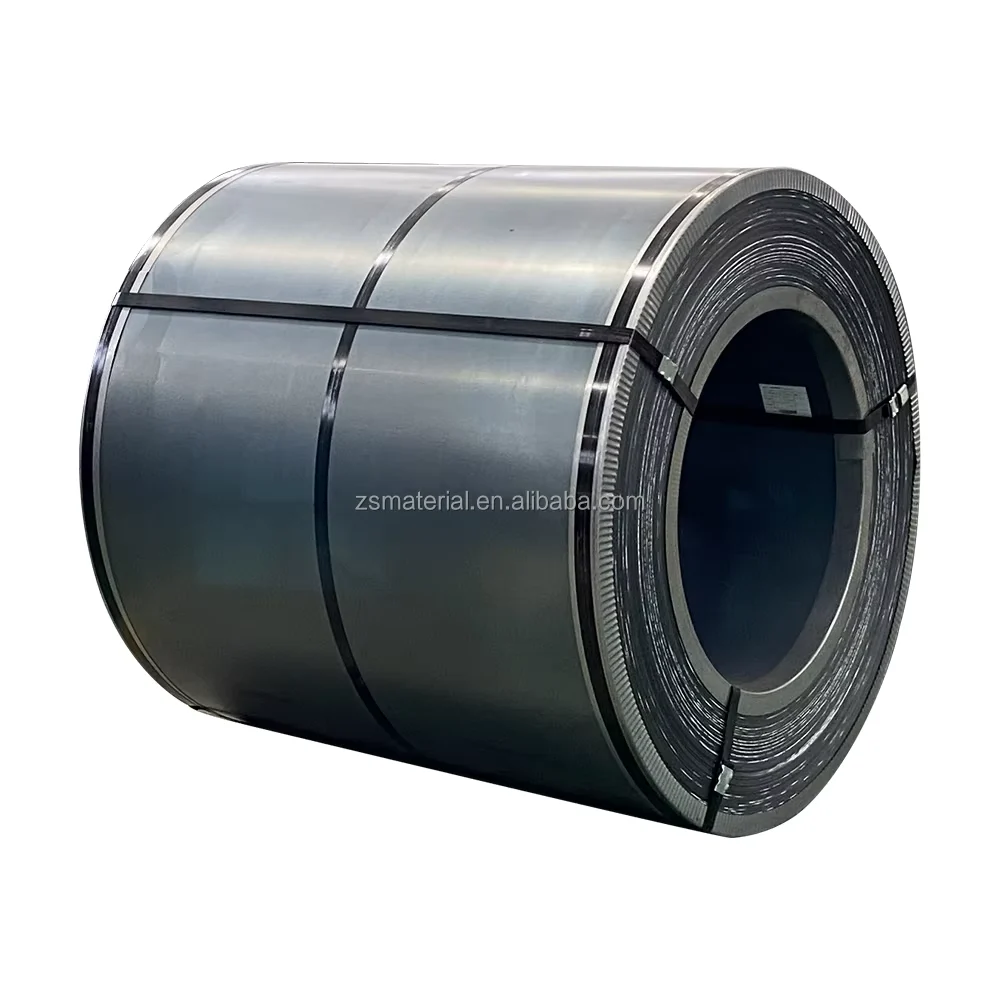
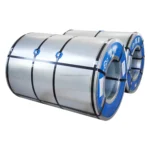
Factory-direct carbon steel coils — Our own steel mill with 3 production lines controls every gauge reading before release.
Technical Specifications
| Parameter | Value |
|---|---|
| Designation | Carbon Steel Coil |
| Product Type | Steel Coil |
| Steel Grade | Carbon Steel |
| Standard | AISI / ASTM / DIN / JIS / GB / EN |
| Thickness Range | 0.13–4.0 mm |
| Width Range | 600–3000 mm |
| Coil Weight | 8–35 MT |
| Coil ID | 508 mm / 610 mm (custom available) |
| Technique | Hot Rolled / Cold Rolled |
| Surface Finish | Smooth / Patterned / Checker |
| Payment Terms | T/T, L/C |
| Application | Construction, mechanical manufacturing, automotive, petrochemical, heat exchangers, agricultural equipment |
| Origin | Shandong, China |
Application Suitability
| Industry | Typical Applications |
|---|---|
| Construction & Engineering | Building frames, roof panels, scaffolding components, warehouse structures |
| Mechanical Manufacturing | Automotive stamping blanks, appliance housings, crane boom sections |
| Petrochemical & Power | Pressure vessel shells, heat exchanger plates, piping supports |
| Agricultural Equipment | Harvester frames, silo panels, irrigation machinery components |
What Negative Tolerance Abuse Costs on a Coil Order
A coil that measures 0.42 mm instead of 0.50 mm will crack during stamping — and the entire batch gets scrapped at the buyer’s end.
I pulled thickness readings off every coil report myself after shipping a container of 0.5 mm cold rolled coils to a Thai automotive stamping shop years back. The mill rode the negative tolerance too hard, and their panels cracked during forming. When buyers source a Custom Carbon Steel Coil Supplier from China without verifying actual gauge against the mill test certificate, they face dimensional rejection at their press line, rework delays, and material waste that no price discount can offset. [NEED_CITE: cold rolled coil thickness tolerance standards per ASTM A568]
How Thickness and Width Range Match Engineering Requirements
A Custom Carbon Steel Coil Supplier covering 0.13–4.0 mm thickness and 600–3000 mm width serves both thin-gauge cold rolled stamping applications and heavy hot rolled structural fabrication. The 508 mm and 610 mm coil IDs — plus custom core options — align with decoiler setups across automotive press lines and construction roll-forming equipment. Our integrated mill produces over 2,800 raw material specifications, so a single order for patterned hot rolled plate and smooth cold rolled sheet ships under one material traceability chain.
Compliance Requirements Across Destination Markets
Carbon steel coils destined for EU construction projects must carry EN standard compliance documentation, while North American automotive and structural buyers require ASTM conformance on mill test certificates. Surface finish selection — smooth for automotive painting, patterned or checker for anti-slip industrial flooring — directly affects downstream processing and corrosion protection strategy. Third-party inspection through SGS, BV, or TÜV at the production stage confirms gauge, width, and surface quality before container sealing. [NEED_CITE: EN 10025 hot rolled structural steel product standards]
Hot Rolled vs Cold Rolled: Process and Application Logic
Hot rolled carbon steel coils form at temperatures above the recrystallization point, producing thicker gauges up to 4.0 mm with a scaled surface suited for structural frames, building panels, and industrial platforms where tight surface finish is not critical. Cold rolled coils undergo further reduction at room temperature, achieving thinner gauges down to 0.13 mm with smooth surface finish and tighter dimensional tolerance — essential for automotive stamping and appliance housings. Patterned and checker surfaces on hot rolled stock provide anti-slip properties for walkways, mezzanine floors, and transport vehicle beds without secondary processing. Coil weight ranging from 8 MT to 35 MT allows buyers to optimize container loading: lighter coils for air-freight or LCL shipments, heavier coils for full container loads targeting port-to-port delivery. [NEED_CITE: hot rolled versus cold rolled steel surface finish and tolerance comparison]
Hidden Costs of Sourcing Without Verified Mill Documentation
Accepting a Custom Carbon Steel Coil Supplier quote without requiring heat-number traceability on the mill test certificate exposes the buyer to material substitution risk — coils certified as one grade may ship as a lower-grade substitute, causing structural rejection at site inspection or customs hold at destination port. Width tolerance outside the specified 600–3000 mm range forces re-slitting at the buyer’s facility, adding processing cost and schedule delay. Missing or incomplete coating and surface treatment documentation triggers re-inspection requirements that stall project handover. [NEED_CITE: steel coil material traceability and MTC requirements for international trade]
Why Buyers Consolidate Material and Fabrication at XJY Structure
Our own steel mill with 3 production lines means the Custom Carbon Steel Coil Supplier you deal with also controls the raw material — no third-party sourcing gap, no broken certification chain. Every coil ships with a mill test certificate documenting chemical composition and mechanical properties per the ordered standard. Buyers sourcing structural components and raw coils from a single point receive one quality system, one set of shipping documents, and one accountable contact for the entire material-to-fabrication supply. We accept SGS, BV, and TÜV inspection at any production stage, and our engineering team reviews shop drawings to optimize material usage before rolling begins.
Documentation & Compliance
- Mill test certificate documenting carbon steel chemical composition and mechanical properties per AISI, ASTM, DIN, JIS, GB, or EN standard per ordered coil
- Third-party inspection report from SGS, BV, or TÜV covering thickness, width, surface quality, and coil weight verification
- ISO 9001 quality management system certificate covering the full production process from slab reheating to coil finishing
- Material traceability by heat number linking each coil to its original melt batch and rolling schedule
- Customs documentation package including commercial invoice, packing list, bill of lading, and certificate of origin for destination port clearance
Packaging, Loading & Delivery
- Carbon steel coils bundled with three or more steel strips and edge protectors to prevent edge damage during ocean transit, with coil ID and heat number clearly marked on each bundle tag
- Hot rolled coils with scaled surface wrapped in waterproof kraft paper and outer steel sheeting to prevent moisture-induced rust during container shipping
- Cold rolled coils with smooth or patterned surface wrapped in anti-rust paper and plastic film, then covered with steel sheet to preserve surface finish quality
- Coil weight optimized per container type: 8–15 MT coils for 20-foot containers, 20–35 MT coils for 40-foot containers, maximizing payload without exceeding port crane capacity limits
- Custom coil ID (508 mm, 610 mm, or buyer-specified) matched to destination facility decoiler equipment to eliminate on-site re-processing
- Shipping terms FOB, CIF, or DDP with professional lashing and load distribution planning for oversized coil cargo
How to Initiate a Coil Procurement Inquiry
Submit your project specifications — thickness, width, steel grade, standard, surface finish, coil ID, and destination port — to receive a detailed quotation including material cost, production schedule, and mill test certificate timeline. Our engineering team reviews your requirements within 24 hours and confirms whether standard stock or custom rolling is needed. For buyers requiring both raw coils and fabricated structural components, a consolidated inquiry covers the full material-to-fabrication supply under one contract and one quality documentation package.
Frequently Asked Questions
Q: What is the difference between hot rolled and cold rolled carbon steel coils for my application?
A: Hot rolled coils suit structural and construction applications where thickness ranges from 1.2 mm to 4.0 mm and surface finish is not critical. Cold rolled coils serve automotive, appliance, and precision manufacturing requiring thinner gauges from 0.13 mm to 1.2 mm with smooth surface and tighter dimensional tolerance.
Q: Do you provide mill test certificates and third-party inspection reports?
A: Every coil ships with a mill test certificate documenting chemical composition and mechanical properties per the ordered standard. Third-party inspection through SGS, BV, or TÜV is available at any production stage upon request.
Q: Can you produce non-standard widths, thicknesses, or coil IDs?
A: Yes. Standard width covers 600–3000 mm and thickness covers 0.13–4.0 mm. Custom coil IDs beyond 508 mm and 610 mm are available to match your decoiler equipment specifications.
Q: What surface finishes are available and how do they affect fabrication?
A: Smooth surface suits painting and coating applications. Patterned and checker surfaces provide anti-slip properties for flooring and walkway applications without secondary processing. Hot rolled coils carry a mill scale surface that requires shot blasting before painting.
Q: What is the production lead time and how do you handle coil shipping?
A: Typical production lead times apply after drawing and specification approval. Coils are packed with steel strip bundling and waterproof wrapping, loaded with professional lashing for ocean freight, and shipped under FOB, CIF, or DDP terms with complete export documentation.
Secure Your Carbon Steel Coil Supply With Verified Documentation
Share your thickness, width, grade, and destination port requirements to receive a quotation with mill test certificate timeline and production schedule confirmation.
Shandong Xin Jiyuan Special Steel Tube Co., Ltd
Website: www.xjystructure.com
Mobile/WhatsApp/WeChat: +86 188 5315 7756
Email: admin@xjystructure.com