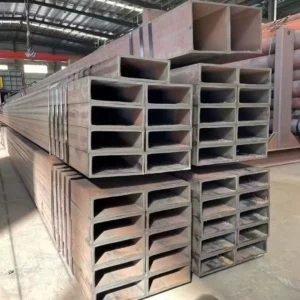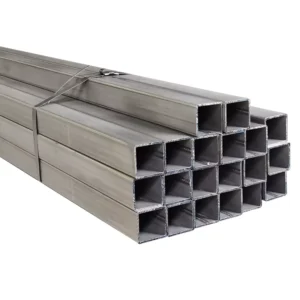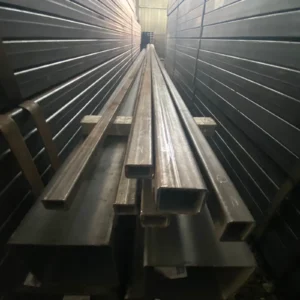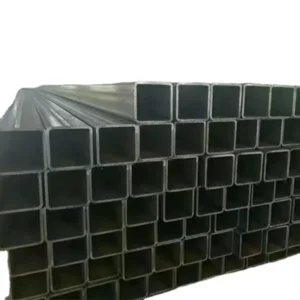
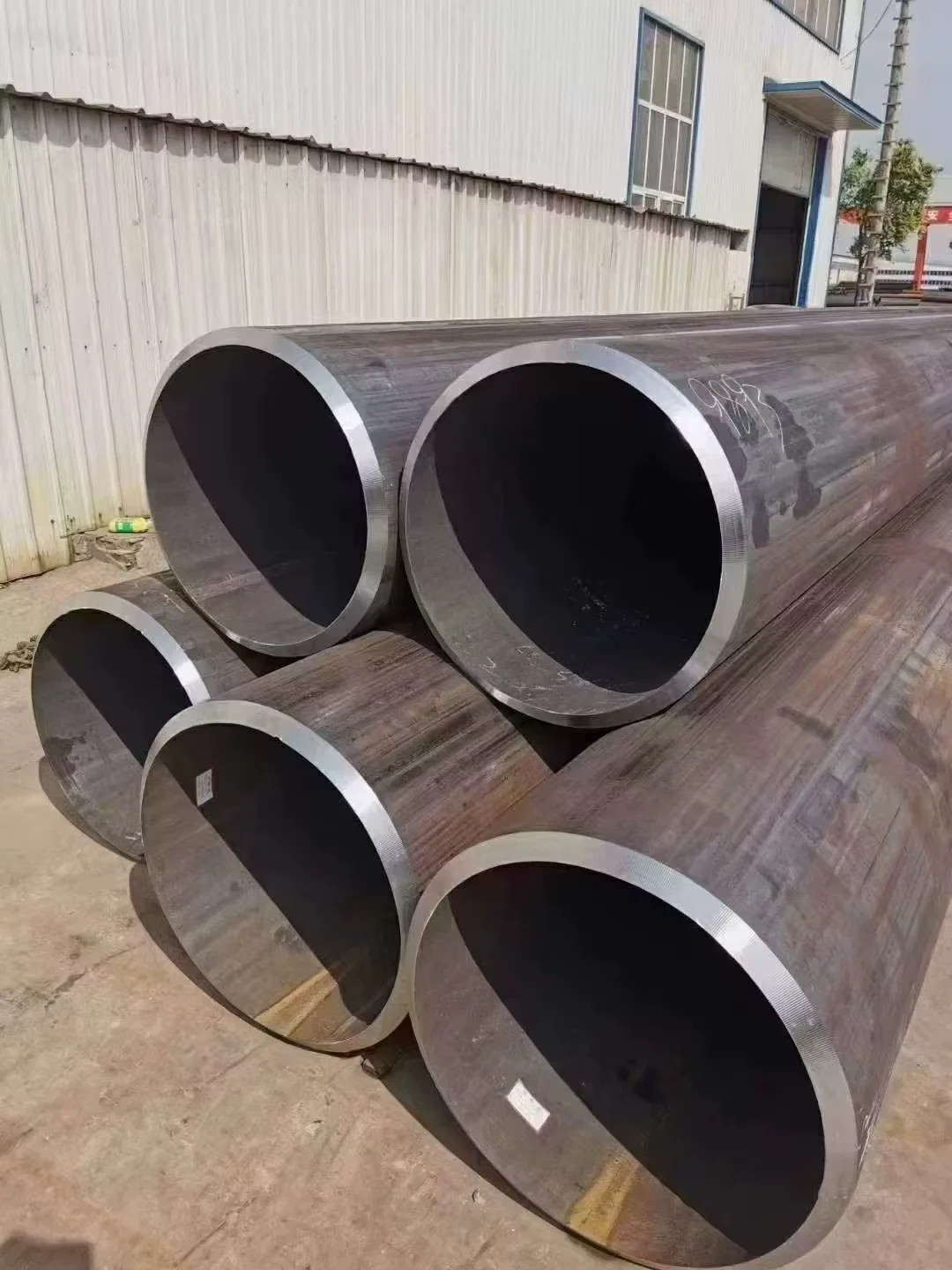
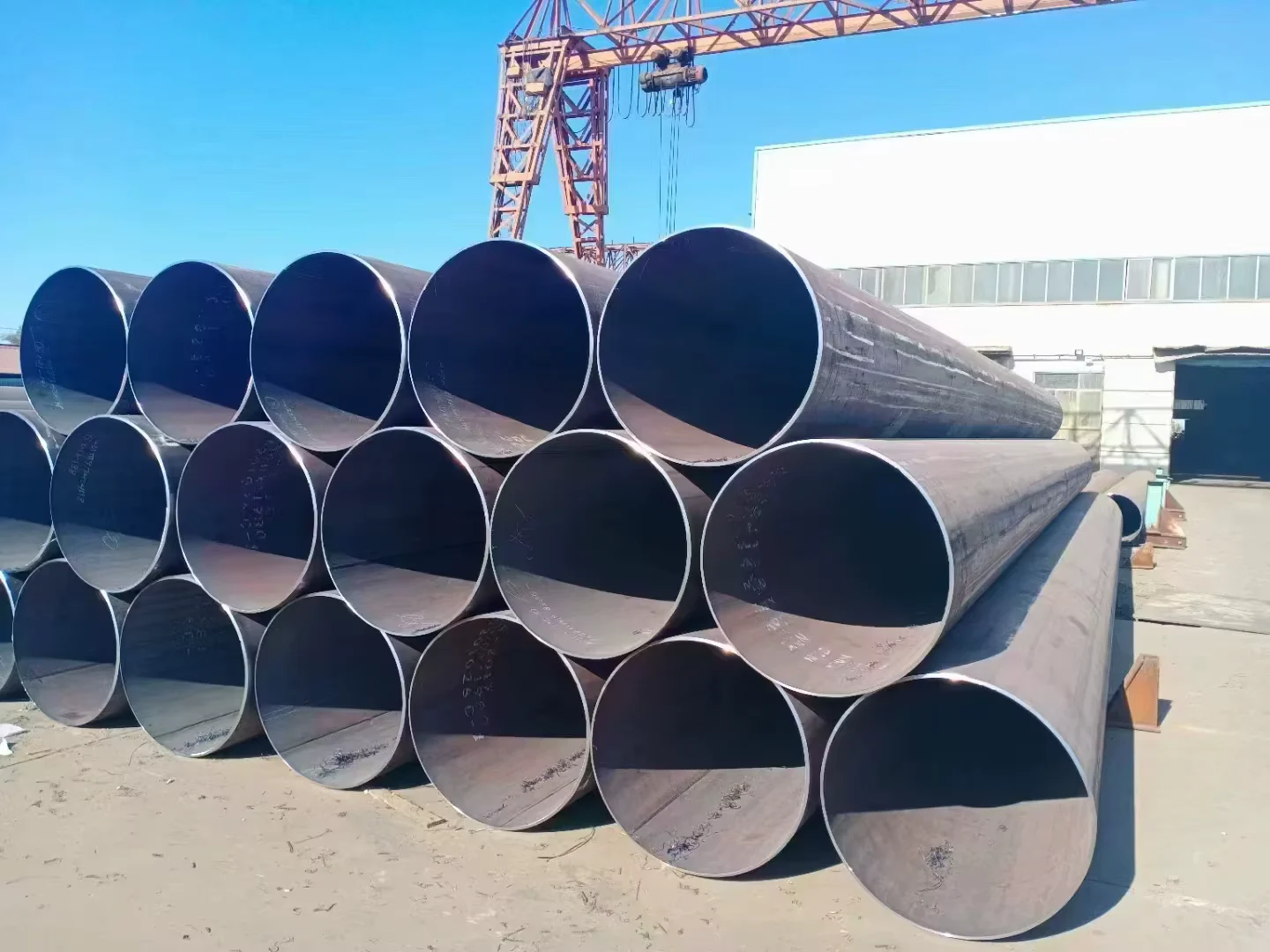
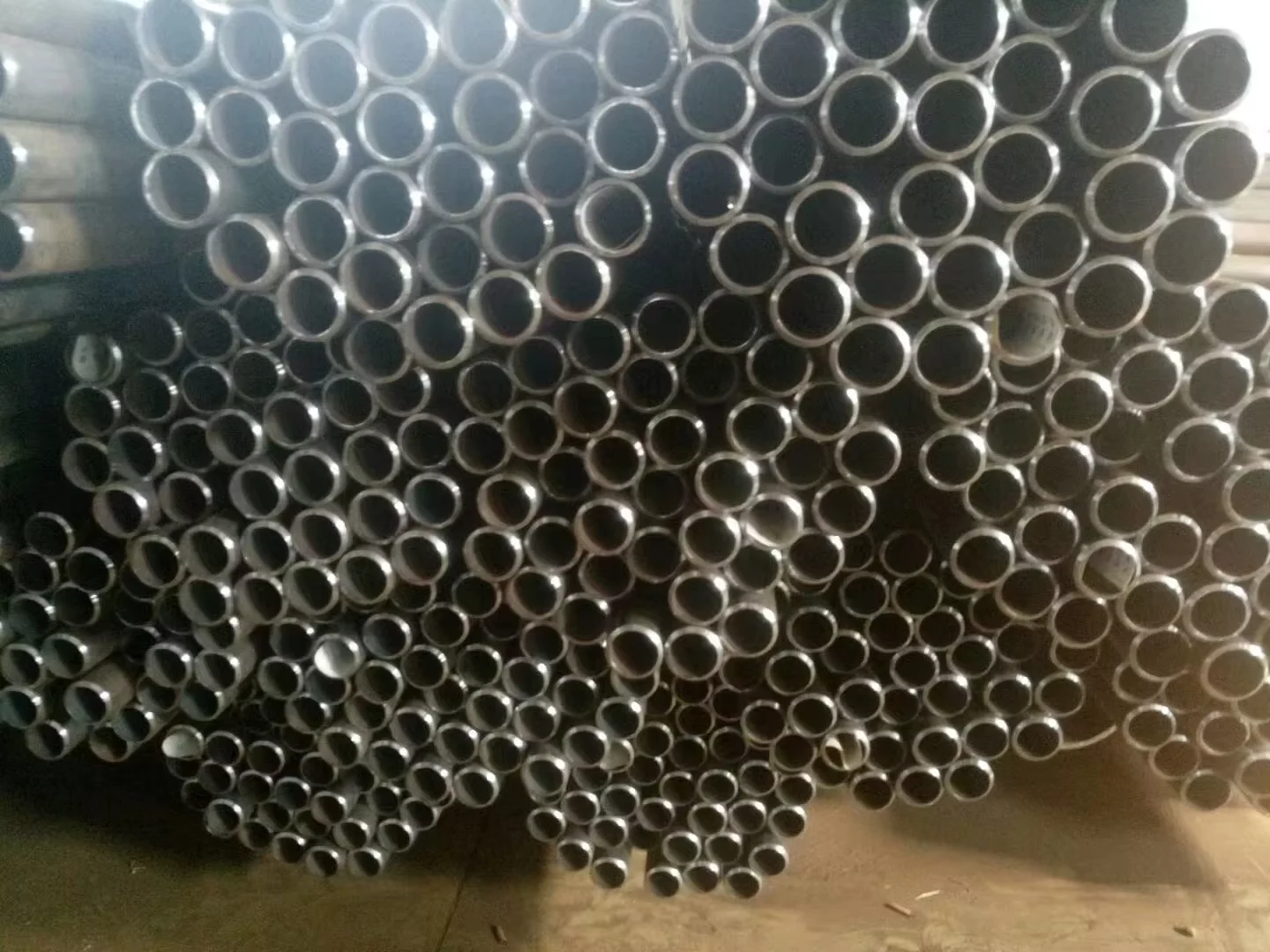
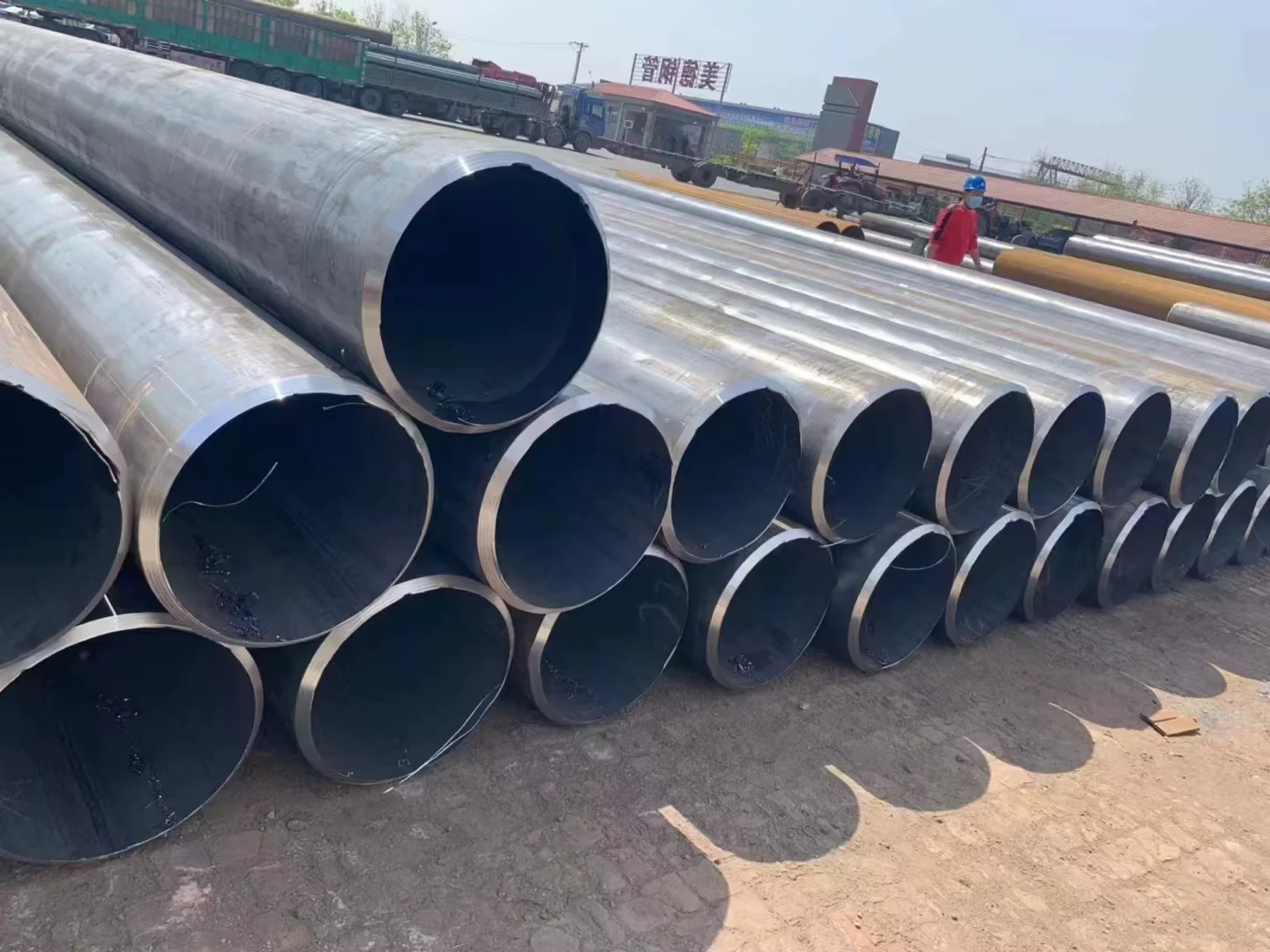
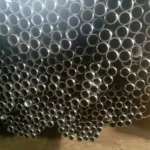
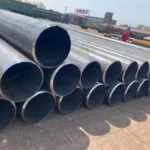
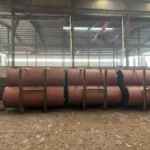
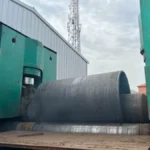
Description
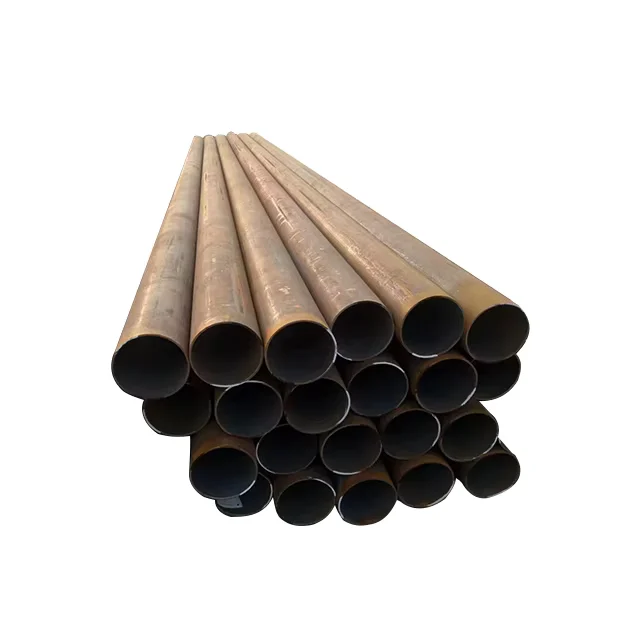
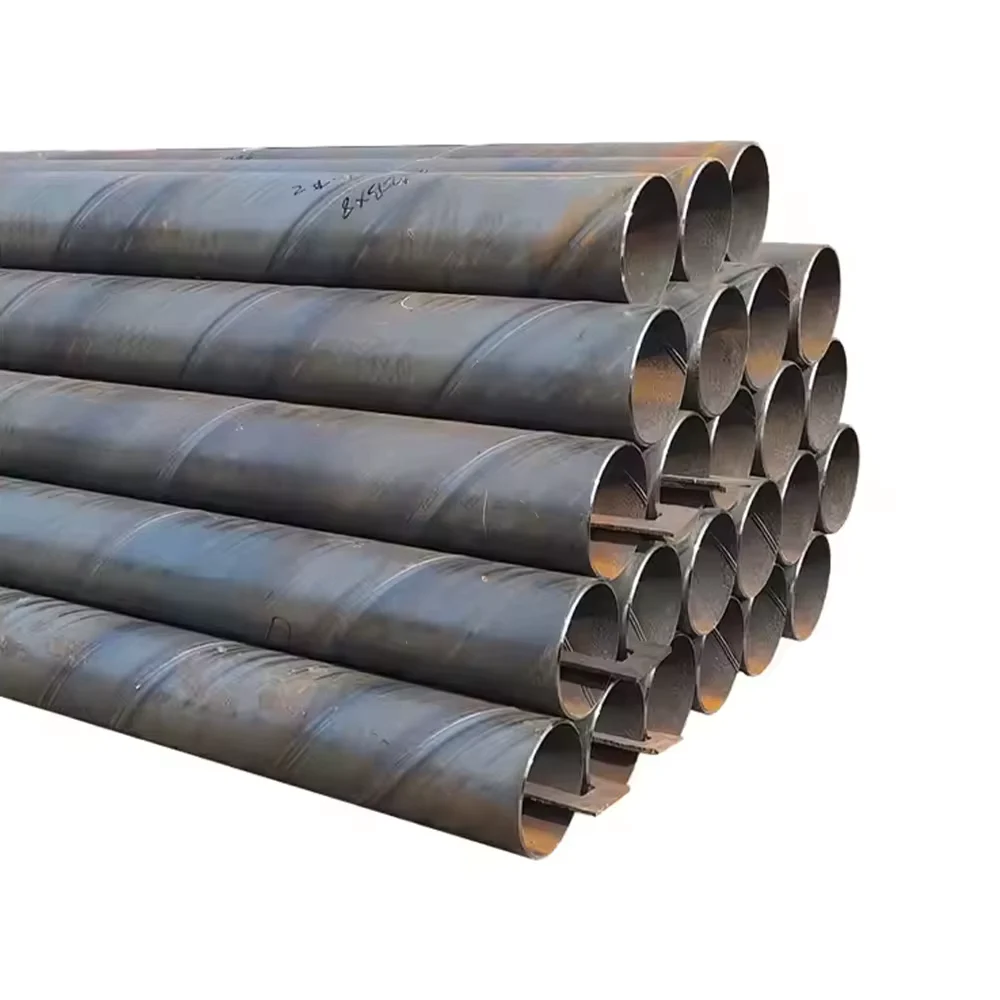
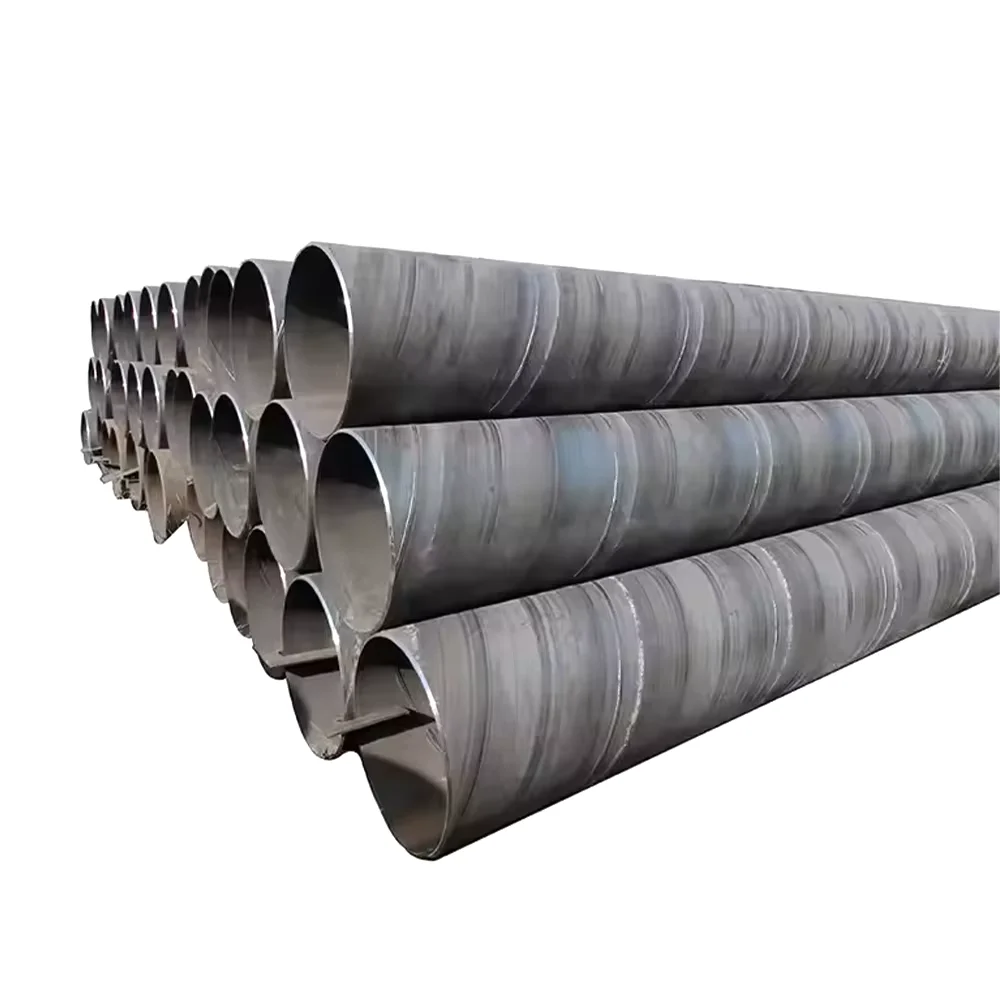
Full-Range DIN Alloy Pipe Sourcing — Over 2,800 raw material specifications stocked in-house eliminate grade-matching delays for petroleum and fluid transport projects.
Technical Specifications
| Parameter | Value |
|---|---|
| Designation | DIN Standard Alloy Welded Steel Pipe |
| Product Type | Welded Steel Pipe |
| Steel Grade | A53, A106, A179, A333, A519, A500, A335, Q235, Q235B, Q345, Q345B, Q195, St37, St42, St37-2, St35.4, St52.4, St35 |
| Standard | DIN |
| Section Shape | Round |
| Technique | Hot Rolled / Cold Rolled / Cold Drawn |
| Surface Treatment | Black, Bright, Galvanized, Painted |
| Oiled or Non-oiled | Customized |
| Tolerance | ±5% |
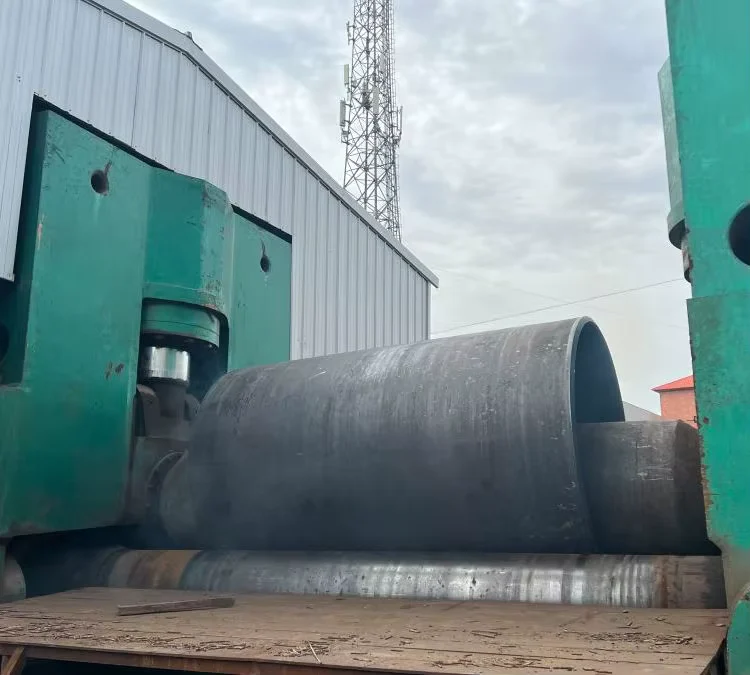
| Processing Service | Welding, Punching, Cutting, Bending, Decoiling |
| Invoicing | By Actual Weight |
| Package | Standard Seaworthy Packing |
| Application | Oil Pipe, Gas Pipe, Fluid Pipe, Boiler Pipe, Hydraulic Pipe, Petroleum Liquid Transport, Chemical Fertilizer Pipe, Drill Pipe, Structure Pipe |
| MOQ | 1 Ton |
| Origin | Shandong, China |
Application Suitability
| Industry | Typical Applications |
|---|---|
| Oil & Gas EPC | Petroleum liquid transport pipelines, gas distribution networks, drill pipe casings |
| Industrial Plant Construction | Boiler feed lines, hydraulic systems, chemical fertilizer process piping |
| Infrastructure & Civil Engineering | Structural support columns, pipeline bridge crossings, utility conduit systems |
| Mechanical & Equipment Manufacturing | Hydraulic cylinder barrels, machinery shafts, conveyor roller tubes |
Where Wall-Thickness Tolerance Decides Pipeline Integrity
A ±5% tolerance on DIN alloy welded steel pipe is not a marketing figure — it is the difference between passing hydrostatic pressure tests and failing them at the commissioning stage.
When buyers source alloy welded steel pipes for oil and gas applications from overseas fabricators, the most common failure point is not the steel grade itself but the wall thickness consistency across the length of each pipe. Negative tolerance drift beyond the declared ±5% range means sections of pipe arrive thinner than specified, creating weak points in pressurized petroleum transport lines. Third-party inspectors measuring wall thickness at random intervals will flag these deviations, and the entire shipment faces rejection or costly renegotiation. [NEED_CITE: DIN standard wall thickness tolerance requirements for welded steel pipes] The problem compounds when fabricators source raw material from multiple third-party mills — material traceability gaps make it impossible to verify which heat numbers correspond to which pipe sections, leaving buyers unable to prove compliance to their end clients.
Matching DIN Alloy Welded Steel Pipe to Pressurized Fluid Systems
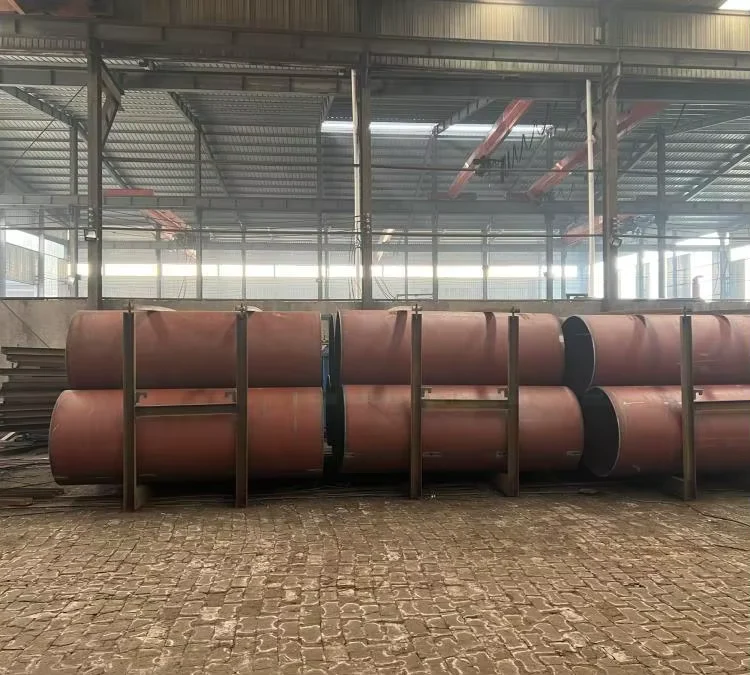
A DIN standard alloy welded steel pipe selected for petroleum liquid transport must balance internal pressure resistance with external corrosion protection over decades of service. The round section profile provides uniform stress distribution under internal fluid pressure, while the ±5% wall thickness tolerance ensures that minimum wall dimensions remain within the design safety margin specified by pipeline engineering codes. Surface treatment selection — whether black, galvanized, painted, or oiled — directly determines how the pipe performs in buried, submerged, or atmospheric exposure conditions typical of oil field infrastructure. Our vertically integrated production line handles the complete sequence from raw steel coil through welding, dimensional calibration, and surface coating, meaning every DIN standard alloy welded steel pipe leaving the facility carries a single accountable quality chain from melt to finish.
Engineering Compliance and Certification Requirements
Petroleum transport pipelines operating under DIN standards must demonstrate material conformity through certified mill test documentation that traces each pipe back to its original heat number and chemical composition report. For projects targeting European markets, EN 10219 cold-formed welded hollow section requirements or equivalent DIN specifications govern dimensional tolerances, weld seam quality, and mechanical property verification. [NEED_CITE: EN 10219 cold-formed hollow section certification requirements] North American projects referencing ASTM A53, A106, or A335 require separate documentation confirming grade equivalence and testing methodology alignment. Welding procedure specifications and qualified welder certifications become critical when field modifications or custom fabrication — including cutting, bending, and punching — are performed before shipment. The availability of third-party inspection through recognized bodies provides independent verification that the DIN standard alloy welded steel pipe meets both the declared standard and the specific project requirements before loading.
Steel Grade Selection and Welding Process Fundamentals
The range of steel grades available for DIN standard alloy welded steel pipe — spanning from carbon steel grades like Q235 and St37 through higher-strength options like Q345 and St52.4 to specialized alloy grades like A335 for high-temperature service — reflects the diverse operating conditions encountered in oil and gas applications. Carbon steel grades such as A53 and A106 serve general-purpose fluid transport where moderate pressures and temperatures prevail, while A335 alloy grades address elevated temperature environments typical of refinery process lines and boiler connections. The welded manufacturing process produces a longitudinal seam that, when properly executed with qualified welding procedures and post-weld heat treatment where required, delivers mechanical properties consistent with the base metal specification. Surface treatment options address different corrosion environments: black finish suits indoor or temporary installations, galvanized coating provides sacrificial zinc protection for atmospheric exposure, painted systems offer customizable barrier protection, and oiled surfaces prevent rust during storage and transit before final commissioning. Wall thickness tolerance control at ±5% ensures that the actual weight per meter aligns with engineering calculations for pressure containment and structural load bearing.
The Hidden Cost of Tolerance Drift and Documentation Gaps
Procuring DIN standard alloy welded steel pipe based solely on the lowest unit price often exposes projects to costs that far exceed the initial savings. Wall thickness measured at the pipe ends may comply with specifications while mid-length sections drift into negative tolerance territory — a pattern that passes mill-end inspection but fails random site verification. Material certificates that cannot be traced to specific heat numbers create documentation gaps that delay customs clearance and prevent project handover to the end client. [NEED_CITE: material traceability requirements for pressure piping standards] Pipes arriving without proper surface protection develop rust during ocean transit, requiring costly re-blasting and recoating before installation. These failures do not appear in the initial quotation but accumulate through project delays, re-inspection fees, and replacement lead times that push commissioning schedules past contractual deadlines.
Why Source DIN Alloy Welded Steel Pipe From Our Facility
Our production model integrates raw steel manufacturing with finished pipe fabrication under one roof, meaning the DIN standard alloy welded steel pipe you receive carries material certification generated from our own melt records rather than assembled from third-party mill documents. The facility maintains over 2,800 raw material specifications in stock, allowing immediate grade matching for orders ranging from standard carbon steel A53 to specialized alloy grades like A335 without waiting for external procurement. Every heat of steel passes through our in-house laboratory for chemical composition verification and mechanical property testing before entering the production line, producing mill test certificates that document actual results rather than specification minimums. Third-party inspection through internationally recognized bodies is available for any order, providing independent confirmation of dimensional accuracy, weld quality, and coating thickness. Custom processing services — including cutting to exact project lengths, bending for routing requirements, and punching for connection points — reduce field modification work and accelerate installation schedules. Professional loading planning accounts for the weight distribution and securing requirements of heavy-wall alloy pipe, preventing transit damage and ensuring containers arrive at destination with cargo intact.
Documentation & Compliance
- Mill test certificate documenting chemical composition and mechanical properties for each heat number of DIN standard alloy welded steel pipe, traceable from raw material receipt through final inspection
- Third-party inspection report from SGS or BV confirming dimensional accuracy, wall thickness compliance, and surface treatment quality per project specifications
- ISO 9001 quality management system certificate covering the complete production process from steel melting through finished pipe packaging and shipment
- Material traceability records linking each pipe section to its original heat number, chemical analysis report, and production date for audit verification
- Welding procedure specifications and welder qualification certificates for orders requiring custom fabrication services including cutting, bending, and punching
- Complete customs documentation package including commercial invoice, packing list, bill of lading, and certificate of origin formatted for destination country requirements
Packaging, Loading & Delivery
- DIN standard alloy welded steel pipe bundled with steel strips and edge protectors to prevent surface damage to galvanized or painted coatings during handling and transit
- Oiled pipe surfaces sealed with end caps to prevent contamination and maintain rust protection during ocean shipment to humid destination ports
- Container loading plans optimized for round section pipe nesting, maximizing payload per container while maintaining weight distribution within transport limits
- Custom cut-to-length services available for orders requiring specific pipe lengths that reduce field cutting waste and accelerate installation
- Heat number and steel grade markings applied at regular intervals along each pipe for on-site identification and traceability verification
- FOB, CIF, and DDP shipping terms available with professional export documentation and real-time tracking from factory gate to project site
Initiating Your DIN Alloy Welded Steel Pipe Inquiry
Submit your project specifications including steel grade requirements, dimensional parameters, surface treatment preferences, and destination port to receive a detailed quotation with material certification documentation and production timeline. Our engineering team reviews shop drawings and technical requirements to confirm grade equivalence, tolerance compliance, and processing service alignment before contract execution. Request third-party inspection arrangements and customs documentation requirements at the inquiry stage to ensure complete compliance with your project’s quality verification and import procedures.
Get Your DIN Alloy Welded Steel Pipe Quote with Full Material Certification
Send your specifications and quantity requirements to receive pricing, mill test certificate samples, and production scheduling confirmation.
Company: Shandong Xin Jiyuan Special Steel Tube Co., Ltd
Website: www.xjystructure.com
Tel: +86 531 8573 6315
Mobile/WhatsApp/WeChat: +86 188 5315 7756
Email: admin@xjystructure.com
Address: No.11889, Jingshi West Road, Lulian Group, Jinan City, Shandong Province, China
Frequently Asked Questions
Q: What steel grades are available for DIN standard alloy welded steel pipe?
A: The product range includes carbon steel grades A53, A106, A179, A333, A519, A500, Q235, Q235B, Q345, Q345B, Q195, St37, St42, St37-2, St35.4, St52.4, St35, and alloy grade A335 for high-temperature applications. Grade selection depends on operating pressure, temperature, and corrosion environment requirements.
Q: Can you provide third-party inspection for DIN standard alloy welded steel pipe orders?
A: Third-party inspection through internationally recognized bodies such as SGS or BV is available for any order. Inspection covers dimensional verification, wall thickness measurement, weld seam quality, surface treatment thickness, and documentation review before shipment.
Q: What surface treatment options are available for corrosion protection?
A: Surface treatment options include black finish for indoor or temporary applications, bright finish for aesthetic requirements, galvanized coating for atmospheric corrosion protection, painted systems for customized barrier protection, and oiled surfaces for transit rust prevention. Selection depends on the installation environment and service life requirements.
Q: What is the minimum order quantity for DIN standard alloy welded steel pipe?
A: The minimum order quantity is 1 Ton. Smaller quantities are accepted for project samples, trial orders, and specialized grade requirements. Invoicing is calculated by actual weight to ensure accurate billing.
Q: Can you perform custom processing services like cutting and bending?
A: Custom processing services including welding, punching, cutting, bending, and decoiling are available to reduce field modification work. Processing is performed according to approved shop drawings and project specifications, with dimensional inspection reports provided for verification.