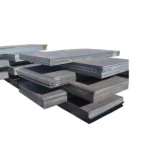
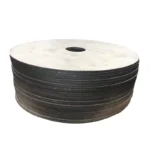
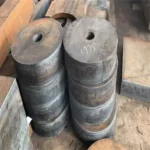
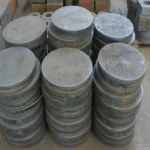
Description
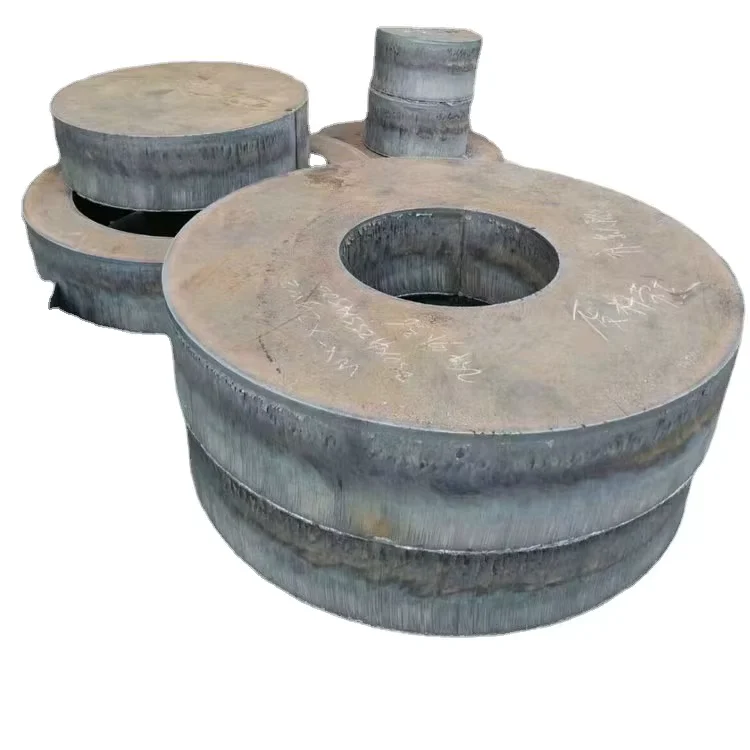
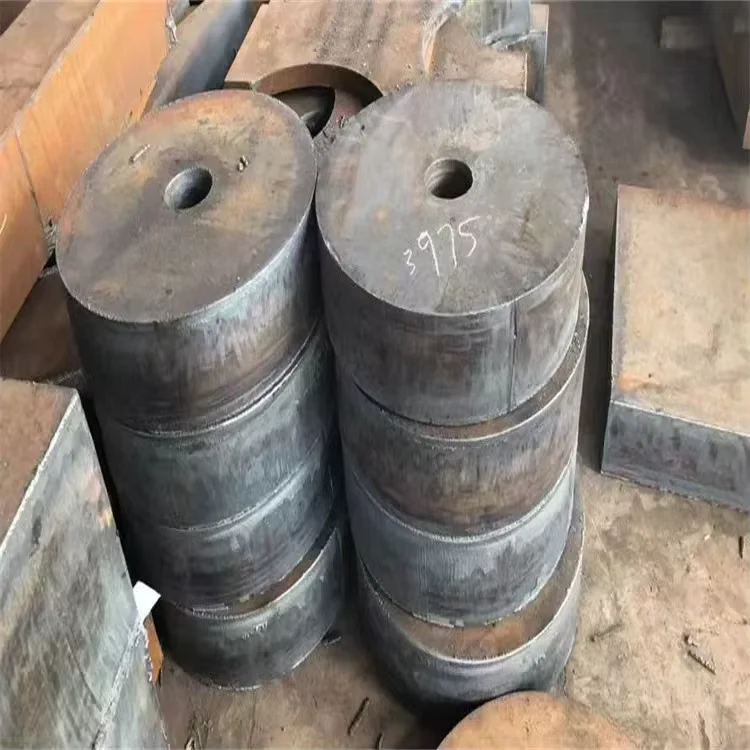
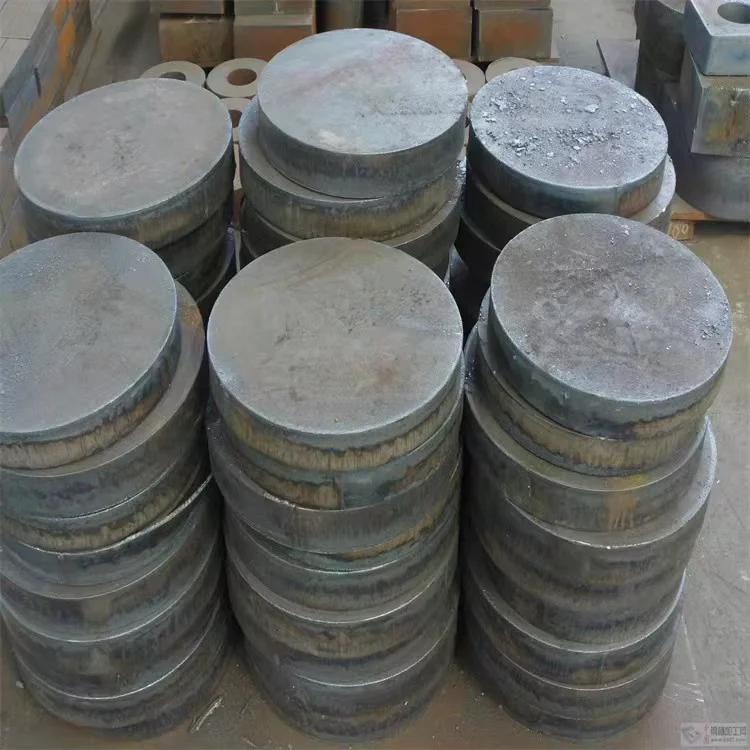
Integrated Mill-to-Cutting Supply — We produce NM500, AR550, and XAR400 plates in our own mill and laser-cut them in-house, keeping full material traceability from slab to finished part.
Technical Specifications
| Parameter | Value |
|---|---|
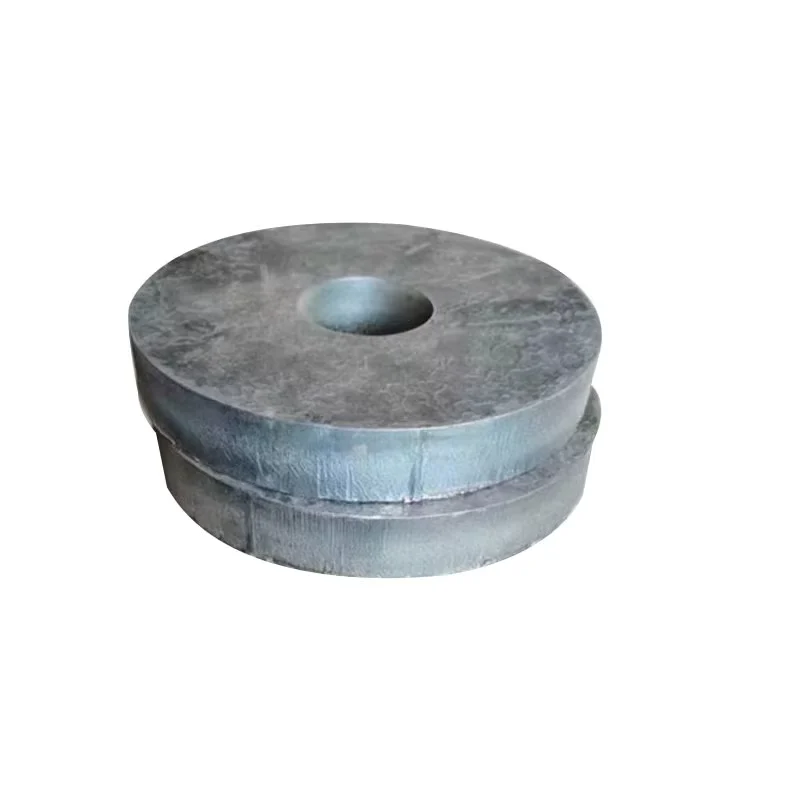
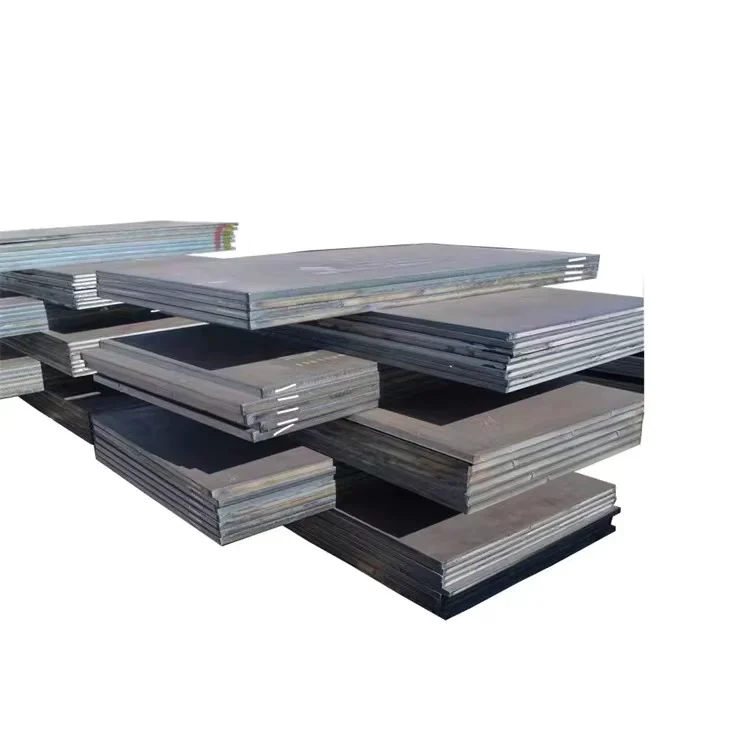
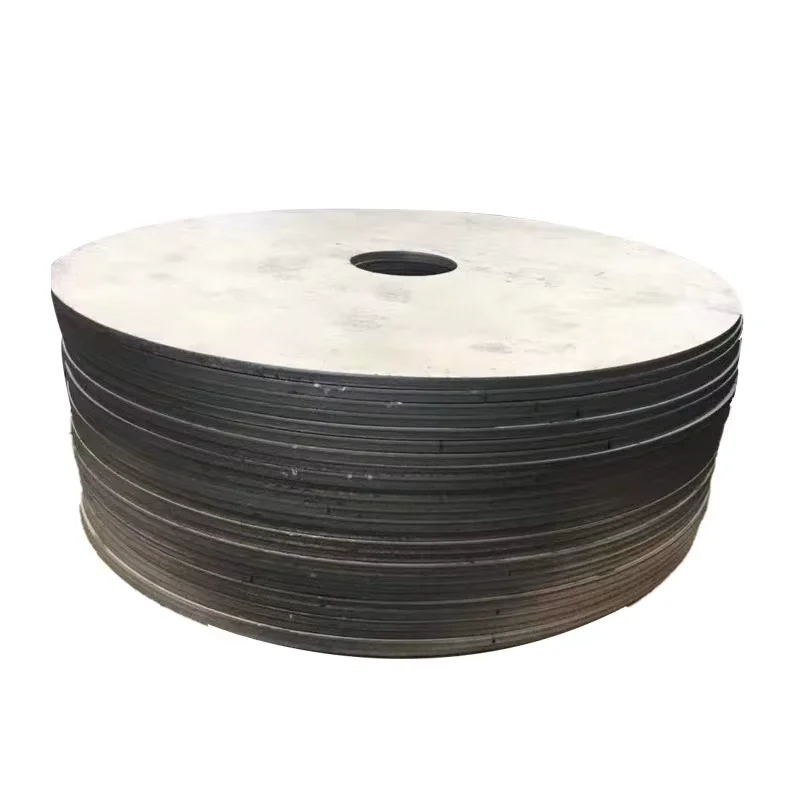
| Designation | Wear Resistant Steel Plate Laser Cutting |
| Product Type | Steel Plate |
| Steel Grade | NM500, AR550, XAR400 |
| Thickness Range | 25–45 mm |
| Technique | Laser Cutting |
| Tolerance | ±0.01–0.005 mm |
| Surface Treatment | As-cut / Customizable |
| Application | Industrial Equipment / Mechanical Equipment / Heavy Machinery / Mining Equipment / Construction Machinery |
Application Suitability
| Industry | Typical Applications |
|---|---|
| Mining & Quarrying | Liner plates for crusher jaws, excavator bucket side cutters, dump truck bed liners |
| Construction Machinery | Loader blade edges, bulldozer end bits, concrete pump piston cups |
| Industrial Processing | Hopper chutes, conveyor skirting, cyclone separators |
| Recycling & Scrap Handling | Shear blades, shredder hammers, grapple wear pads |
Why Hardness Consistency Matters More Than Nominal Grade on a Laser-Cut Wear Plate
A plate labeled NM500 that tests at 460 HB will crack under impact before it wears.
When buyers source wear resistant steel plate laser cutting from overseas, the most frequent failure is not dimensional inaccuracy — it is hardness deviation caused by unverified third-party sourcing. A fabricator who buys raw plates from multiple traders cannot guarantee consistent quench-and-temper cycles across heats. Once laser cutting introduces thermal stress, plates with borderline hardness develop micro-cracks along the cut edge. On-site rejection then triggers air-freight replacements that erase any cost saving from offshore procurement. [NEED_CITE: Brinell hardness testing standards for wear-resistant steel plates]
Matching Thickness and Grade to High-Impact Abrasion Environments
The 25–45 mm thickness range covers the sweet spot where mining and heavy machinery engineers specify wear resistant steel plate laser cutting for components that face both sliding abrasion and moderate impact. NM500 suits general-purpose liners where through-hardness and weldability matter most, while AR550 and XAR400 push into higher Brinell ranges for applications such as crusher jaw plates and shredder hammers where surface hardness directly determines service life. Because our own mill controls the rolling and heat-treatment parameters, every plate shipped for laser cutting carries a verified hardness profile across the full cross-section — not just a surface reading.
Structural Compliance and Certification Pathways for Wear Components
Wear plates used in load-bearing machinery frames must satisfy both hardness specifications and weldability limits defined by international standards. [NEED_CITE: EN and ASTM equivalence for wear-resistant steel grades] European procurement teams often require CE-marked documentation even for non-structural wear parts, because end-users classify them under machinery safety directives. Our laser-cut components ship with full mill test certificates covering chemical composition, Brinell hardness distribution, and Charpy impact values at specified test temperatures. For projects in the Middle East and Southeast Asia, third-party inspection through SGS or BV is arranged before container sealing, ensuring customs clearance is never delayed by missing paperwork.
How NM500, AR550, and XAR400 Differ in Metallurgical Response
NM500 achieves its hardness through a quench-and-temper cycle that produces a tempered martensite matrix with controlled carbon content, balancing surface abrasion resistance against weld-zone softening. AR550 pushes the Brinell range higher by adjusting alloying elements such as chromium and molybdenum, which deepens hardenability for thicker sections up to 45 mm. XAR400, originally developed under German steelmaking specifications, uses a low-carbon design with boron additions to maintain toughness at the plate edges after laser cutting. The tolerance window of ±0.01–0.005 mm on laser-cut profiles ensures that bolt-hole patterns and mating surfaces meet assembly requirements without secondary machining.
Hidden Costs When Material Traceability Breaks Down
Ordering wear resistant steel plate laser cutting from a supplier who sub-contracts raw plates creates a documentation gap: the mill test certificate may reference a heat number that does not match the physical plates delivered. [NEED_CITE: material traceability requirements in EN 10204 inspection standards] When project inspectors discover this mismatch during pre-assembly checks, the entire batch faces rejection regardless of actual hardness performance. Rework costs — including re-cutting, re-welding, and schedule delays — typically exceed the original price difference between a verified mill-integrated supplier and a broker.
Procurement Confidence from Vertical Integration
Our facility combines raw steel production with laser cutting, welding, drilling, and surface treatment under one roof, which eliminates the material sourcing gaps that cause most overseas fabrication disputes. Every heat of NM500, AR550, or XAR400 plate is produced on our own mill lines, tested in our in-house laboratory, and then transferred directly to the cutting workshop with heat numbers carried through every processing step. Engineering teams reviewing shop drawings receive fabrication sequencing advice based on actual plate inventory, not catalog assumptions. Complete quality documentation packages — including WPS, PQR, weld maps, dimensional inspection reports, and coating certificates — are compiled before shipment rather than assembled after complaints.
Documentation & Compliance
- Mill test certificate documenting NM500 / AR550 / XAR400 chemical composition and Brinell hardness values per heat number
- Third-party inspection report from SGS or BV confirming dimensional accuracy and surface quality of laser-cut profiles
- Material traceability sheet linking each finished component to its original slab heat number and rolling schedule
- Welding procedure specification and welder qualification records for any welded assemblies included in the order
- Export customs documents including packing list, bill of lading, and certificate of origin formatted for destination-country clearance
Packaging, Loading & Delivery
- Laser-cut NM500 and AR550 plates stacked with interleaved timber spacers to prevent edge contact damage during ocean transit
- Cut surfaces coated with rust-preventive oil suitable for 25–45 mm thickness plates before wrapping in waterproof paper and steel strip binding
- Container loading plans optimized for 25–45 mm plate dimensions to maximize weight utilization within standard 20ft and 40ft open-top containers
- Each bundle labeled with heat number, steel grade, thickness, and purchase order reference for site identification
- FOB, CIF, and DDP delivery terms available with professional oversized cargo loading and lashing for heavy plate shipments
Starting Your Laser-Cutting Inquiry
Submit your project drawings in PDF or DWG format along with steel grade preference, thickness requirements, and destination port to receive a detailed quotation including material, cutting, coating, packing, and freight costs. Our engineering team will prepare shop drawings for your approval before any production begins, and a 30 percent deposit secures material procurement and scheduling.
Request Your Quotation and Mill Test Certificate
Send your specifications to admin@xjystructure.com or contact us via WhatsApp at +86 188 5315 7756 to begin the inquiry process.
Frequently Asked Questions
Q: What is the difference between NM500, AR550, and XAR400 for laser cutting applications?
A: NM500 offers balanced hardness and weldability for general wear applications, AR550 provides higher Brinell values for severe abrasion environments, and XAR400 delivers consistent toughness at plate edges after cutting due to its low-carbon boron-alloyed composition.
Q: Can you provide third-party inspection for laser-cut wear plates?
A: Yes, we arrange SGS, BV, or TUV inspection before shipment to verify dimensional accuracy, hardness distribution, and surface quality of all laser-cut components.
Q: What documentation is included with a wear resistant steel plate laser cutting order?
A: Each shipment includes mill test certificates with chemical composition and hardness values, material traceability records linking components to original heat numbers, welding procedure specifications if applicable, and complete export customs documents.
Q: What thickness range is available for laser cutting?
A: We laser-cut wear resistant plates in the 25–45 mm thickness range with tolerances of ±0.01–0.005 mm, suitable for heavy-duty mining, construction, and industrial applications.
Q: How do you ensure hardness consistency across laser-cut components?
A: Our vertically integrated facility produces raw plates in our own mill and performs all laser cutting in-house, maintaining full material traceability from slab to finished part with verified hardness profiles across the complete cross-section.
Get Accurate Pricing with Verified Material Certification
Upload your drawings and specify your steel grade, thickness, and quantity to receive a comprehensive quotation with mill test certificates included. Contact admin@xjystructure.com or WhatsApp +86 188 5315 7756 today.