
Description
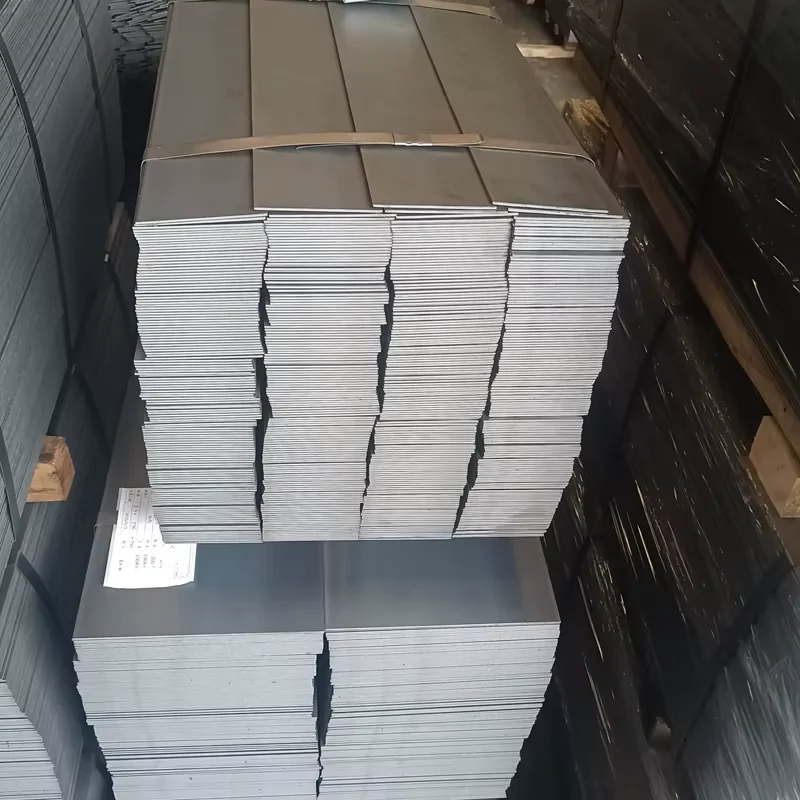
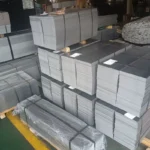
Full-Range Hot Rolled Plate Sourcing — Q195 and Q235 grades in 4.5-25mm thickness held in stock at our Jinan warehouse, cut and shipped direct from our own rolling mill.
Technical Specifications
| Parameter | Value |
|---|---|
| Designation | Q195 Q235 Hot Rolled Carbon Steel Plate |
| Product Type | Hot rolled carbon steel plate |
| Steel Grade | Q195, Q235 (also available S235, S355, A36, SS400) |
| Standard | GB/T 709 (also EN 10025, ASTM A36, JIS G3101) |
| Section Shape | Flat plate |
| Size Range | Width 1000-2000mm × Length 2000-12000mm |
| Thickness | 4.5mm – 25mm |
| Technique | Hot rolled |
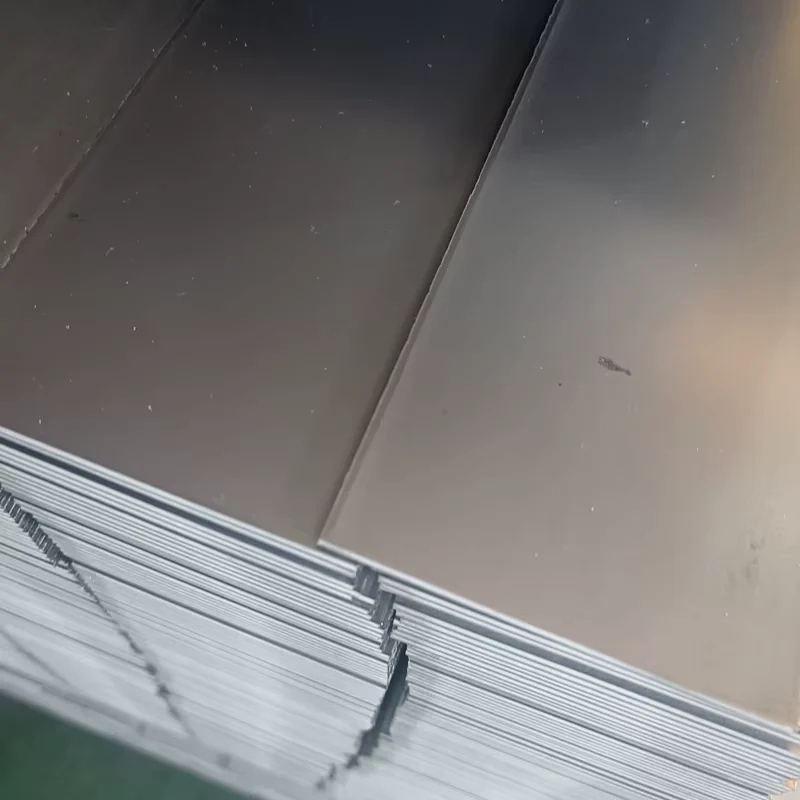
| Surface Treatment | Bare (mill scale), shot blasted, or galvanized per request |
| Tolerance | Thickness and flatness per GB/T 709 |
| Ends | Mill edge or trimmed edge |
| Application | Structural frames, machinery base plates, warehouse construction, platform grating support |
| MOQ | 5 metric tons |
| Origin | Shandong, China |
Application Suitability
| Industry | Typical Applications |
|---|---|
| Construction & Infrastructure | Column base plates, beam splice plates, embedded anchor plates for concrete foundations |
| Industrial Facilities | Machinery mounting plates, conveyor frame gussets, platform walkover panels |
| Warehouse & Logistics | Racking upright base plates, mezzanine floor support brackets, dock leveler frames |
| Steel Fabrication Shops | Cut-to-size blanks for welded box sections, bracket fabrication, connection node plates |
Thickness Tolerance Is Where Plate Orders Bleed Money
A plate that reads 10mm on the purchase order but arrives at 9.2mm will not fit a machined recess — and the fabricator absorbs the loss.
When procurement teams source a Q195 Q235 hot rolled carbon steel plate supplier without verifying actual gauge at the mill gate, negative tolerance stacking becomes a silent cost driver. Plates ordered at 8mm for a welded column base may arrive averaging 7.4mm across the bundle, meaning the structural engineer’s load calculation no longer matches the as-delivered section. On CNC-dependent projects, even 0.3mm of deviation forces fixture re-machining or outright rejection at the factory gate. [NEED_CITE: hot rolled plate thickness tolerance standards under GB/T 709 and EN 10025]
Matching Plate Thickness to Structural Load Paths
A Q235 plate at 12mm thickness carries a fundamentally different load capacity than the same grade at 6mm — yet both ship under the same purchase order line if the buyer does not separate structural plates from non-structural cladding supports. Our rolling lines produce Q195 Q235 hot rolled carbon steel plate in the 4.5-25mm range precisely because fabrication shops need both thin gauge for bracket work and heavy gauge for base plates on the same project. We ship mixed-thickness containers to warehouse builders who use 6mm for mezzanine bracing and 16mm for column bases in a single building envelope.
Engineering Compliance and Surface Condition
Structural plates welded into load-bearing frames must conform to the chemical composition and tensile requirements of the declared standard — GB/T 709 for domestic Chinese projects, EN 10025-2 for European-bound fabrications, ASTM A36 for North American spec compliance. When plates arrive with heavy mill scale and no shot blasting record, the welder faces porosity risk on fillet welds, and the coating applicator cannot guarantee adhesion on primer systems. [NEED_CITE: surface preparation requirements for hot rolled steel before welding and coating per ISO 8501-1] Galvanized Q235 plates bypass this entirely for corrosive environments, though the zinc coating adds thickness that must be accounted for in tight-tolerance bolted connections.
Understanding the Q-Grade Steel System
Q195 and Q235 belong to the Chinese GB standard designation where the “Q” prefix indicates yield point and the number represents minimum yield strength in MPa. Q195 offers lower strength with superior formability, suited for bent brackets and light-gauge fabrication where welding heat input must stay controlled. Q235 steps up in yield strength and becomes the default choice for structural base plates, column connections, and machinery mounts where rigidity matters more than deep drawing. Both grades hot roll from continuously cast slabs at temperatures above 1200°C, producing a mill scale oxide layer that protects during transit but requires removal before welding or painting. When a project specifies S235JR under EN 10025, the chemical composition and impact testing requirements differ from Q235B under GB/T 709 — a Q235 Q235 hot rolled carbon steel plate supplier must document which standard governs the heat, not merely claim equivalence.
The Hidden Cost of Unverified Plate Procurement
Plates sourced without mill test certificates tied to specific heat numbers create a chain of liability gaps. When a structural inspector requests traceability on a 16mm Q235 base plate already welded into a column assembly, the fabricator cannot produce chemistry records — and the entire connection must be core-drilled for independent testing at project expense. Negative tolerance abuse compounds this: a bundle labeled 10mm that averages 9.1mm passes the mill gate legally under some tolerance bands but fails the engineer’s section modulus calculation. Customs authorities in the EU and Middle East increasingly reject plate shipments lacking CE marking documentation or EN-standard test reports, regardless of whether the steel itself meets mechanical requirements. [NEED_CITE: customs documentation requirements for structural steel plate imports into EU member states]
Why Fabricators and EPCs Source Plates From Our Mill
We operate three hot rolling lines in Jinan producing Q195 Q235 hot rolled carbon steel plate alongside our structural steel fabrication workshop — meaning the plate you order for base plates and the welded column assembly it bolts to come from one material traceability chain. Our in-house laboratory issues mill test certificates per heat number covering chemical composition and mechanical properties, so every plate shipped carries documentation the project inspector can verify without third-party testing. We hold over 2,800 steel specifications across our warehouse, allowing mixed-thickness container loading where a single shipment carries 6mm gusset plates, 12mm splice plates, and 20mm base plates for the same project site. Our export team manages CE documentation for EU-bound shipments, SGS pre-shipment inspection for Middle East projects, and professional container loading plans that maximize payload for plates in the 4.5-25mm range without exceeding road weight limits at destination.
Documentation & Compliance
- Mill test certificate documenting Q235B chemical composition (C, Mn, Si, S, P) and tensile properties per GB/T 709, linked to individual heat number
- CE certificate confirming conformity with EN 10025-2 for plates destined for European structural applications
- ISO 9001 quality management certificate covering the full hot rolling and inspection process at our Jinan facility
- SGS or BV third-party inspection report available for pre-shipment verification of thickness, flatness, and surface condition
- Full material traceability from slab cast heat number through final plate dimensions and test results
- Export customs documentation including packing list, ocean bill of lading, and certificate of origin for destination-country clearance
Packaging, Loading & Delivery
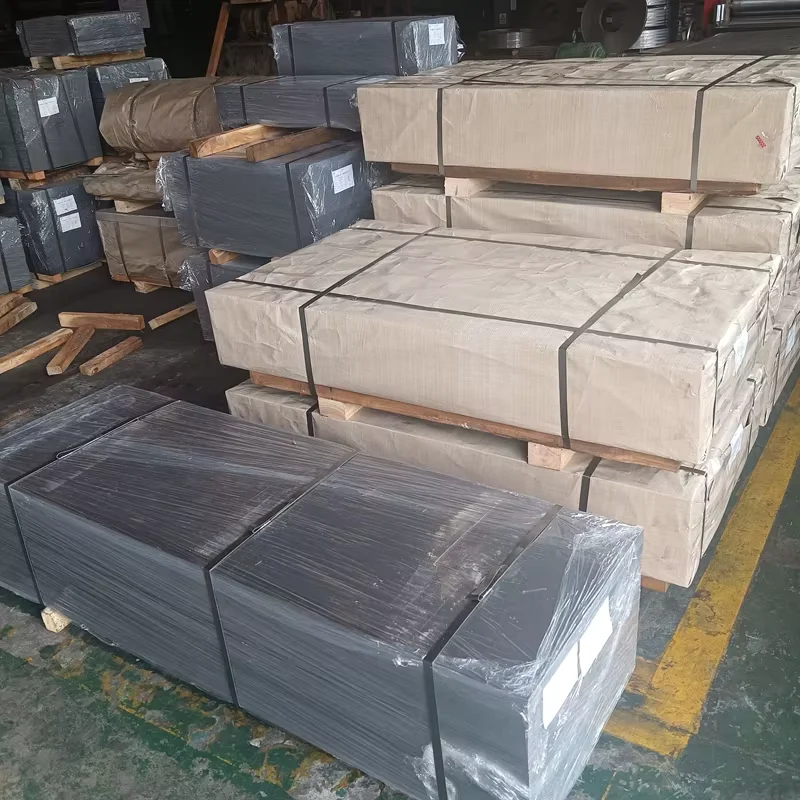
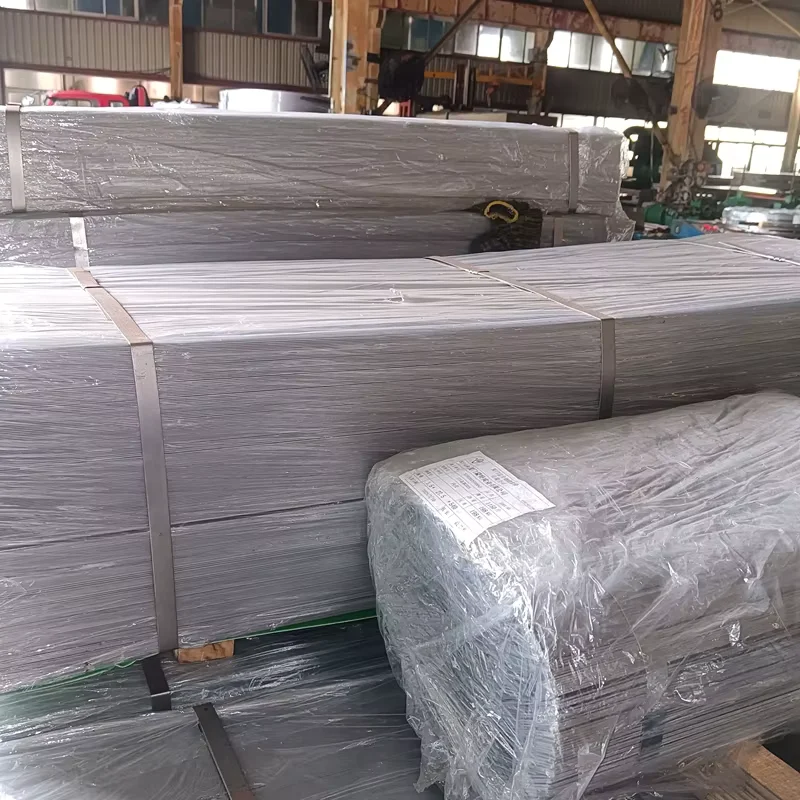
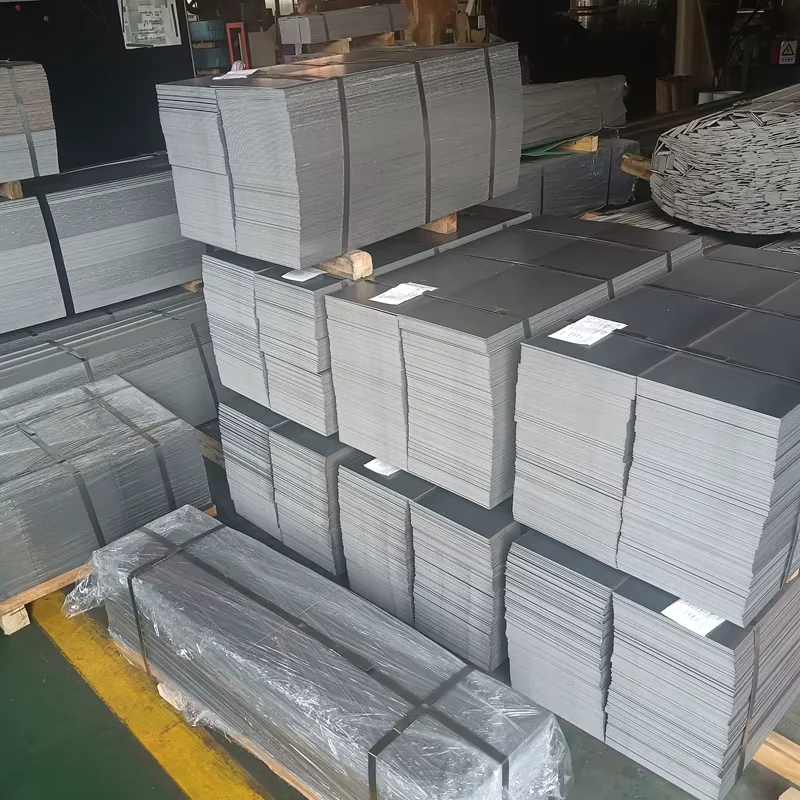
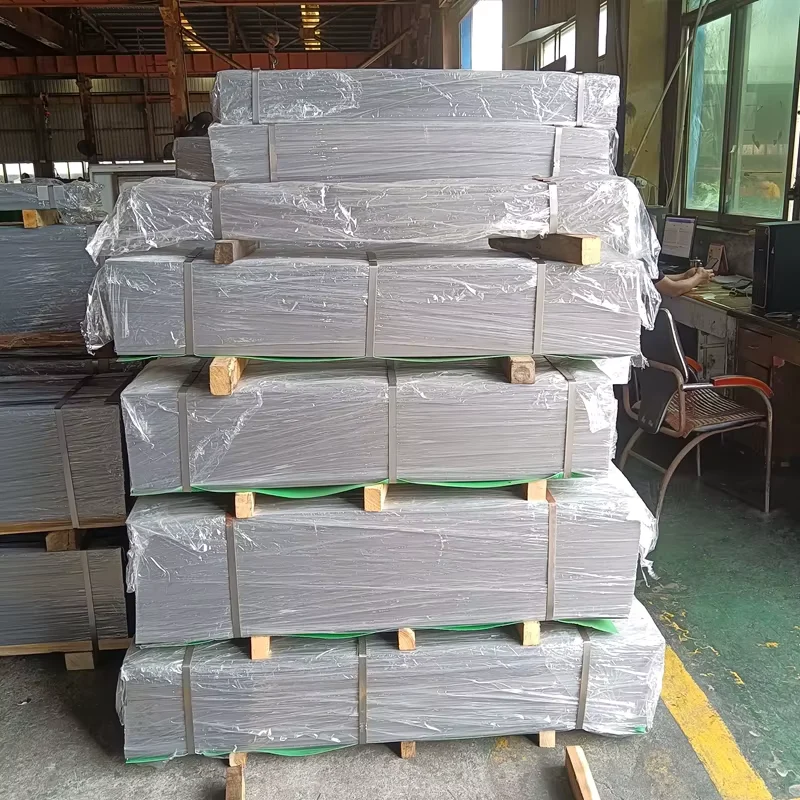
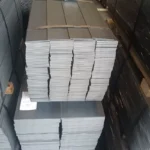
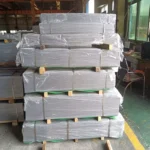
- Hot rolled Q195 Q235 plates bundled with high-tensile steel straps at 1000mm intervals, with edge protectors on trimmed-edge plates to prevent strap cutting during ocean transit
- Bare mill-scale plates coated with rust-preventive oil on request; galvanized plates shipped with interleaved paper separators to preserve zinc coating integrity
- Container loading optimized for 4.5-12mm plates in 20ft GP (max 27 tons payload) and 12-25mm plates in 20ft OT or flat rack for oversized widths above 1500mm
- Cut-to-length service available for plates ordered in specific dimensions up to 12000mm, eliminating on-site cutting waste for warehouse racking base plates
- Each bundle tagged with heat number, steel grade Q195 or Q235, thickness, and purchase order reference for site-level identification
- FOB Qingdao or Tianjin port standard; CIF and DDP terms available with door-to-door logistics coordination for project sites in Southeast Asia, Middle East, and Africa
Starting Your Plate Procurement
Send your project drawing list or cut schedule specifying steel grade, thickness, width, length, quantity, and destination port — we return a quotation with mill test certificate sample, production lead time, and container loading plan within one business day. For non-standard thickness or width requirements outside the 4.5-25mm range, our engineering team reviews feasibility against our rolling mill capabilities and responds with alternatives.
Request a Quotation with Mill Test Documentation
Submit your plate specifications, steel grade, and destination port to receive pricing, MTC samples, and delivery terms.
Mobile/WhatsApp/WeChat: +86 188 5315 7756
Email: admin@xjystructure.com
Website: www.xjystructure.com