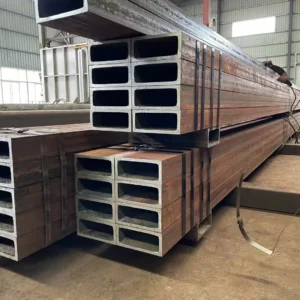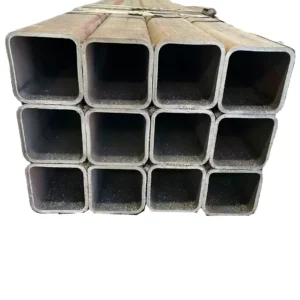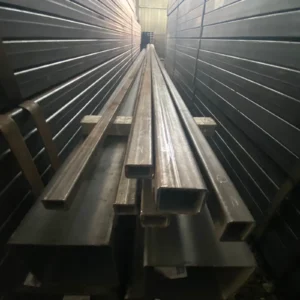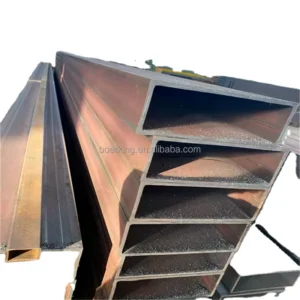
Description
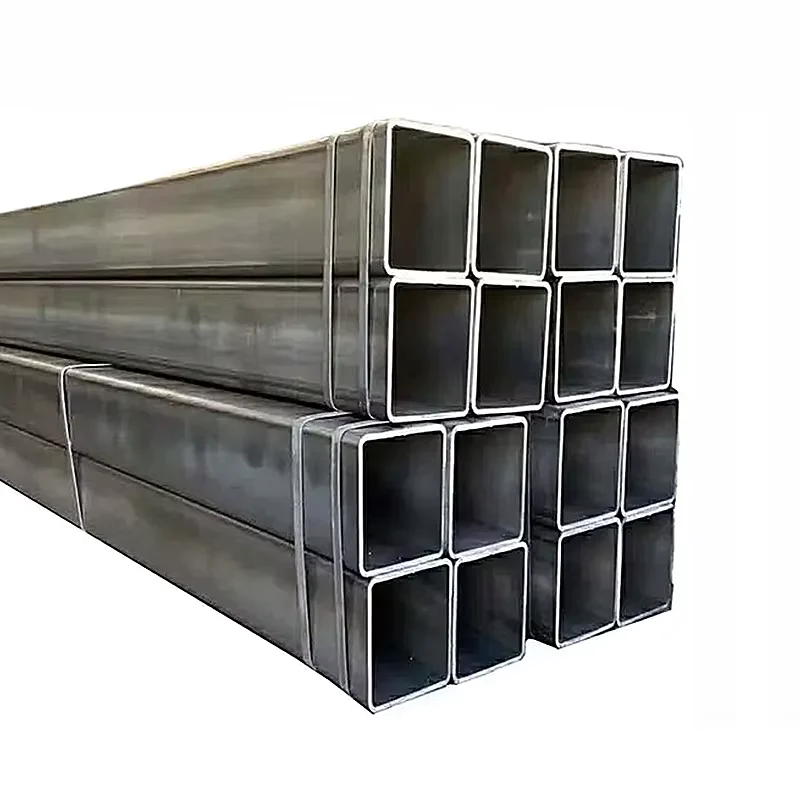
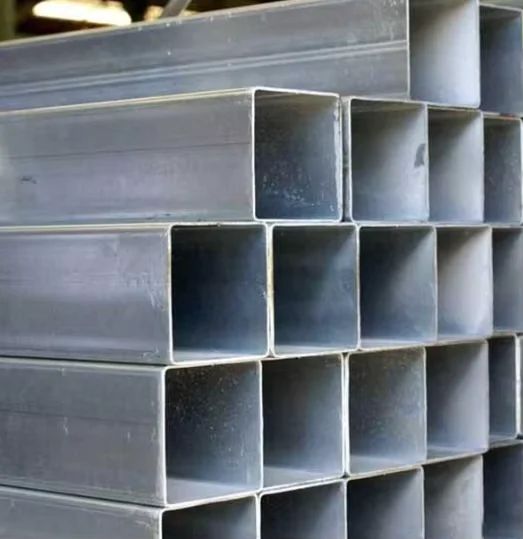
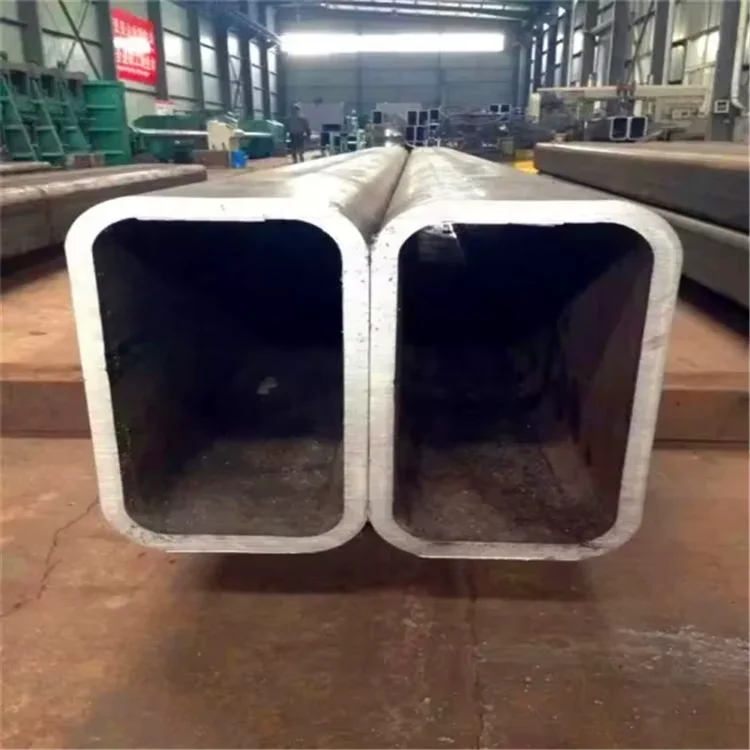
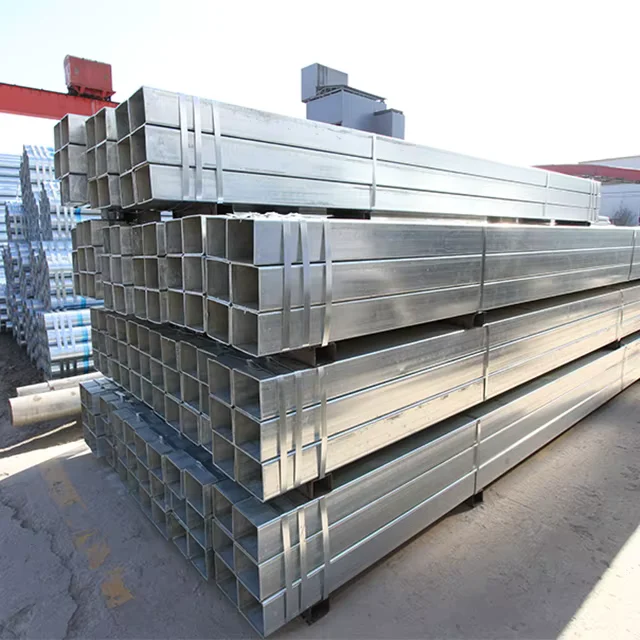
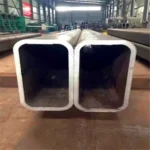
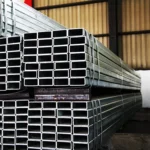
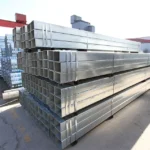
Factory-Direct Galvanized Tube Supply — XJY Structure produces Q235 and Q345 galvanized square and rectangular steel tubes in-house, from raw steel rolling to final zinc coating, eliminating third-party markup and material traceability gaps.
Technical Specifications
| Parameter | Value |
|---|---|
| Designation | Q235 Galvanized Square Steel Tube |
| Product Type | Square / Rectangular Steel Tube (Hollow Section) |
| Steel Grade | Q235, Q345, Q195, Q215, St37, St42, St52, A53 Grade A/B, 10#, 20#, 45#, 16Mn |
| Standard | BS EN, GB, AISI, ASTM, DIN, JIS, ISO9001 |
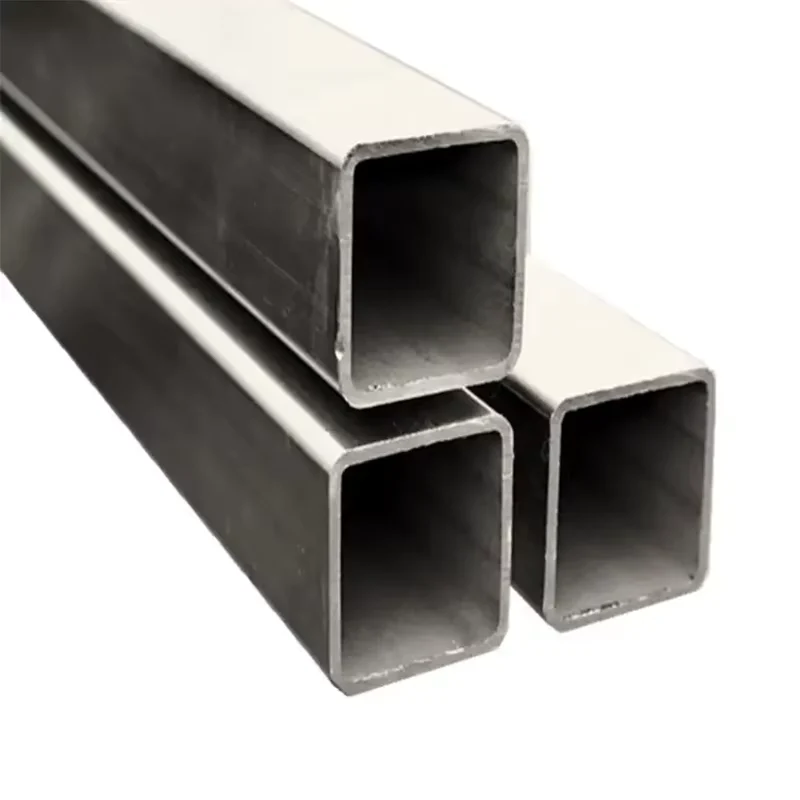
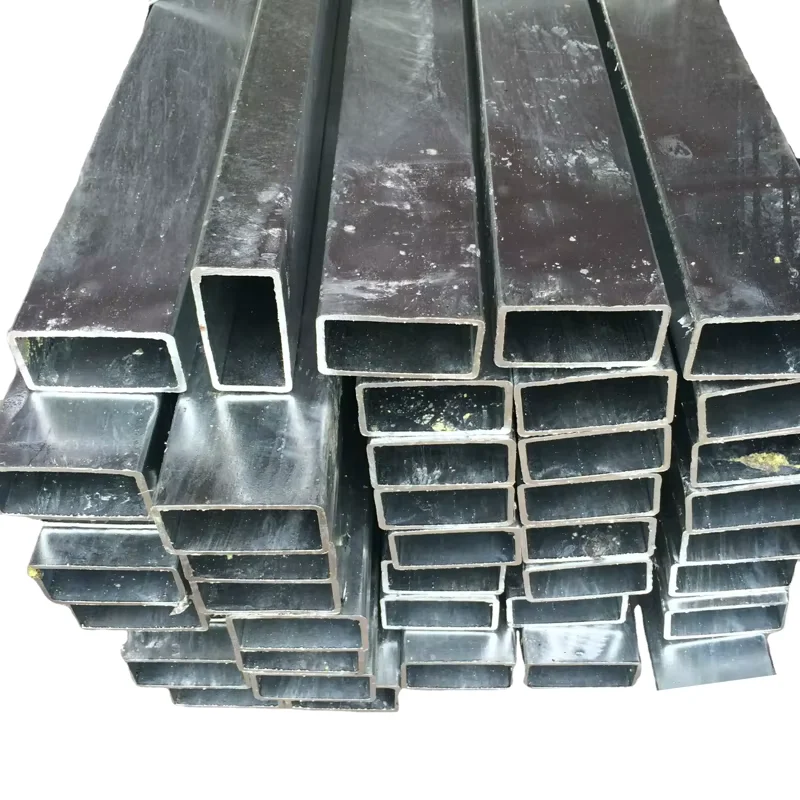
| Section Shape | Square / Rectangular |
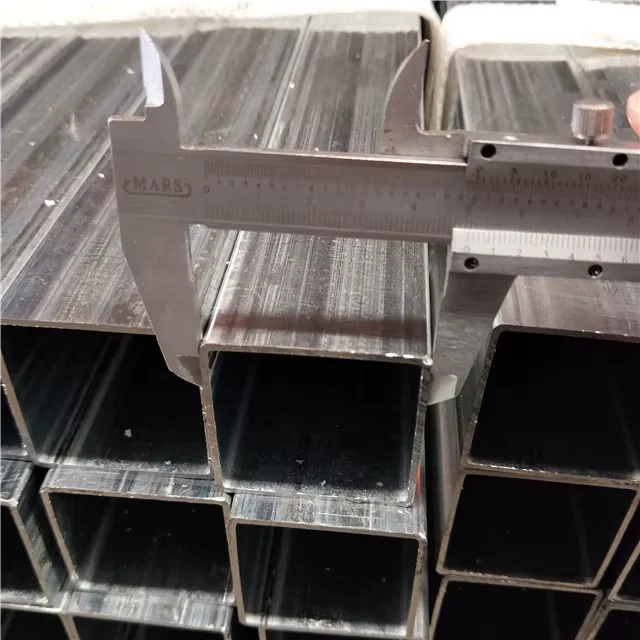
| Size Range | 10mm – 1000mm (outer diameter or side length) |
| Wall Thickness | 0.6 – 28mm |
| Length | 1 – 12m or customized |
| Technique | ERW (Hot Rolled / Cold Rolled) |
| Surface Treatment | Galvanized (30–275g/m²), Oiled, Color Paint, 3PE, Bared |
| Zinc Coating | 30–275g/m² |
| Ends | Plain, Beveled, Threaded with Couplings or Sockets |
| Application | Steel structures, construction frames, fencing, machinery, bridges, general engineering structures, cars, ships, boilers |
| MOQ | 1 Ton |
| Origin | Shandong, China |
Application Suitability
| Industry | Typical Applications |
|---|---|
| Construction & Infrastructure | Structural frames for warehouses and commercial buildings, scaffolding systems, perimeter fencing, stairway supports |
| Industrial Facilities | Machinery base frames, conveyor support structures, platform handrails, equipment mounting brackets |
| General Engineering | Bridge parapet posts, ship deck framing, boiler support columns, pressure vessel outer casings |
| EPC & General Contracting | Prefabricated building modules, logistics center racking supports, solar panel mounting structures |
What Zinc Coating Uniformity Costs on a Galvanized Square Steel Tube Order
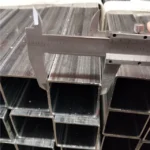
Inconsistent zinc thickness at corners is the single most common reason galvanized hollow sections fail third-party inspection on arrival.
Overseas buyers sourcing a galvanized square steel tube from fragmented suppliers often discover coating gaps only after the cargo reaches the job site. Corner zones on square and rectangular sections receive less zinc during hot-dip galvanizing due to drainage geometry, and without per-piece edge measurement, sub-standard readings go undetected until the client’s own inspector pulls out a coating thickness gauge. The result is not just a rejected batch — it is re-shipping, re-galvanizing, and weeks of idle crane time on a project that cannot wait. Material traceability gaps compound the problem: when the fabricator sources raw tubes from unknown mills, heat-number documentation breaks down, and customs or classification societies refuse to sign off. [NEED_CITE: hot-dip galvanizing coating thickness requirements for structural hollow sections]
How 10–1000mm Size Coverage Matches Structural Frame Requirements
A galvanized square steel tube in the 10–1000mm range covers nearly every member in a standard structural frame — from 10mm handrail posts to 400mm main columns in warehouse portals. Wall thickness from 0.6mm to 28mm allows engineers to specify light-gauge fencing sections and heavy-load bearing columns from a single supply source. ERW production in both hot-rolled and cold-rolled variants ensures dimensional consistency across the full range, which matters when bolted connections must align on site without field reaming. Custom lengths up to 12m reduce on-site splicing, and end finishing options — plain, beveled, or threaded with couplings — let the galvanized square steel tube drop directly into the connection detail the shop drawing calls for.
Engineering Compliance for Galvanized Hollow Sections in International Projects
Structural galvanized square and rectangular tubes exported to the EU must conform to EN 10210 (hot-finished) or EN 10219 (cold-formed) for load-bearing applications, and CE marking is mandatory for structural steel components under the Construction Products Regulation. For North American projects, ASTM A500 or A53 grade compliance governs acceptance, while Middle East and African EPC specs frequently reference BS EN or GB equivalents with project-specific supplementary requirements. Zinc coating selection — 30g/m² for indoor, dry environments versus 275g/m² for coastal or industrial atmospheres — must align with the corrosion category defined in ISO 12944. [NEED_CITE: EN 10219 cold-formed structural hollow section dimensional tolerances] Certification documentation, including mill test certificates with heat-number traceability and third-party inspection reports from SGS or BV, determines whether the cargo clears customs or sits at the port pending re-verification.
Steel Grade Selection and ERW Process Fundamentals
Q235 remains the default structural grade for general construction frames in China and markets accepting GB standards, offering adequate yield strength for non-heavy-load applications at competitive cost. Q345 (equivalent to S355JR in EN or A572 Gr. 50 in ASTM) provides higher yield strength for columns and beams in multi-story structures or long-span portals where deflection limits govern the design. The St37–St52 series covers European legacy specifications still referenced in older project drawings across the Middle East and Africa. ERW welding produces a continuous longitudinal seam with tight dimensional tolerance, making it the dominant process for square and rectangular hollow sections in the 10–1000mm range — more cost-effective than seamless for structural applications, with sufficient weld integrity for non-pressure uses. Hot-dip galvanizing at 30–275g/m² provides sacrificial corrosion protection; the coating weight selected should match the exposure environment rather than defaulting to the highest grade, as excess zinc adds cost without proportional benefit in sheltered conditions. Wall thickness tolerance directly affects theoretical weight calculations and, more importantly, the actual load-bearing capacity of compression members — a 0.3mm under-tolerance on a 4mm wall tube reduces section modulus more than most procurement teams realize until the structural engineer flags it. [NEED_CITE: steel grade equivalence between Q235, S235JR, and A36]
Hidden Costs of Procuring the Wrong Galvanized Square Steel Tube
Specifying the correct steel grade and coating weight matters far more than unit price per ton. A Q235 tube substituted where Q345 is called for will pass visual inspection but fail structural load testing, forcing complete member replacement after erection. Missing or incomplete mill test certificates trigger customs holds in the EU and GCC countries, where importers must present EN 10204 3.1 or 3.2 documentation before release. Coating thickness below the specified minimum — particularly at corners and edges — leads to premature corrosion in marine or industrial environments, voiding project warranties. Negative tolerance beyond allowable limits reduces section properties, creating safety liabilities that surface only during structural auditing. [NEED_CITE: EN 10204 inspection document types for steel products]
Why Project Teams Source This Galvanized Square Steel Tube from XJY Structure
XJY Structure operates its own steel mill with three production lines and over 2,800 raw material specifications, meaning every galvanized square steel tube shipped is traceable from billet to finished coating — no third-party tube sourcing, no broken certification chains. The in-house fabrication division handles CNC cutting, drilling, welding, and assembly, so buyers receiving fabricated frames and loose tubes from the same facility deal with one quality system and one point of accountability. Certified welding procedures (WPS/PQR) and qualified welders (AWS/EN) ensure that any on-tube welding for connections meets international standards. Complete quality documentation — mill test certificates, dimensional inspection reports, coating thickness reports, and weld maps — ships with every order, eliminating the documentation gaps that delay site acceptance. Third-party inspection by SGS, BV, or TÜV is available before shipment for clients requiring independent verification. Professional packing and loading teams handle oversized and heavy bundles, with detailed loading plans to prevent zinc coating damage during ocean transit.
Documentation & Compliance
- Mill test certificate documenting Q235 or Q345 chemical composition and mechanical properties per GB/T 700 or EN 10025, with heat-number traceability from raw slab to finished tube
- CE certificate confirming compliance with EN 10210 or EN 10219 for structural hollow sections exported to EU member states
- ISO 9001 quality management system certificate covering the full production process from steelmaking through galvanizing and final inspection
- SGS or BV third-party inspection report verifying zinc coating thickness (30–275g/m²), dimensional tolerance, and surface quality before shipment
- Material traceability sheet linking each bundle to its heat number, production date, and coating batch for site-level verification
- Complete customs documentation including packing list, bill of lading, and certificate of origin formatted for destination-country import requirements
Packaging, Loading & Delivery
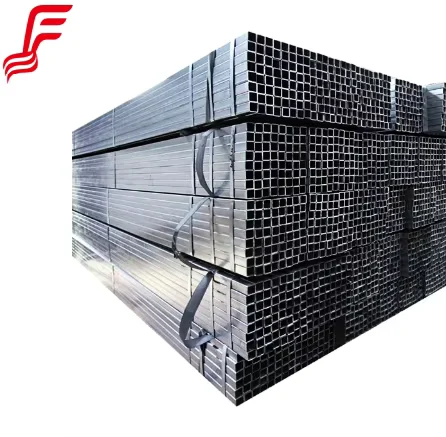
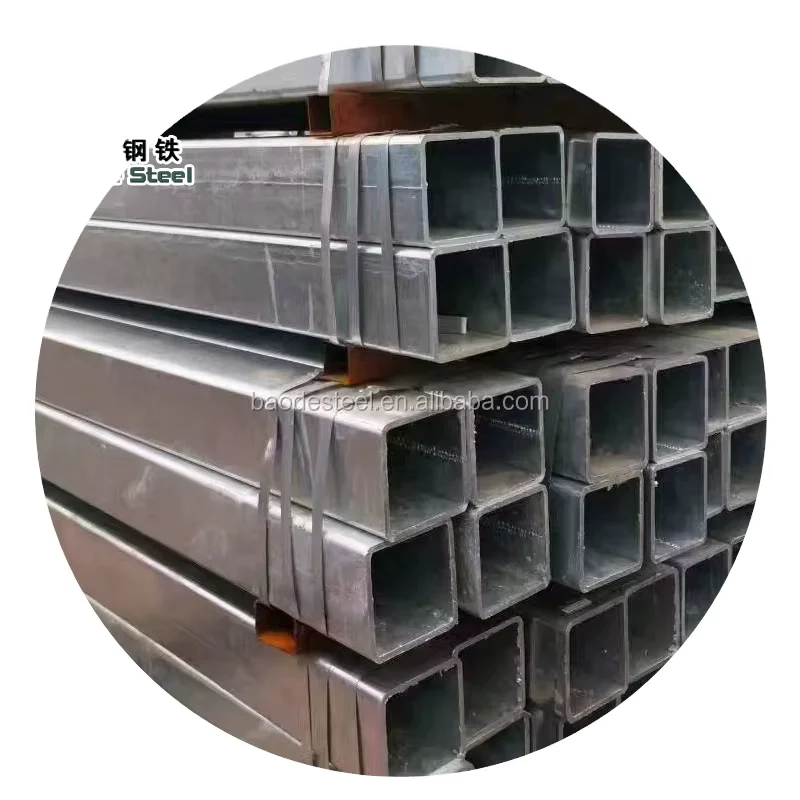
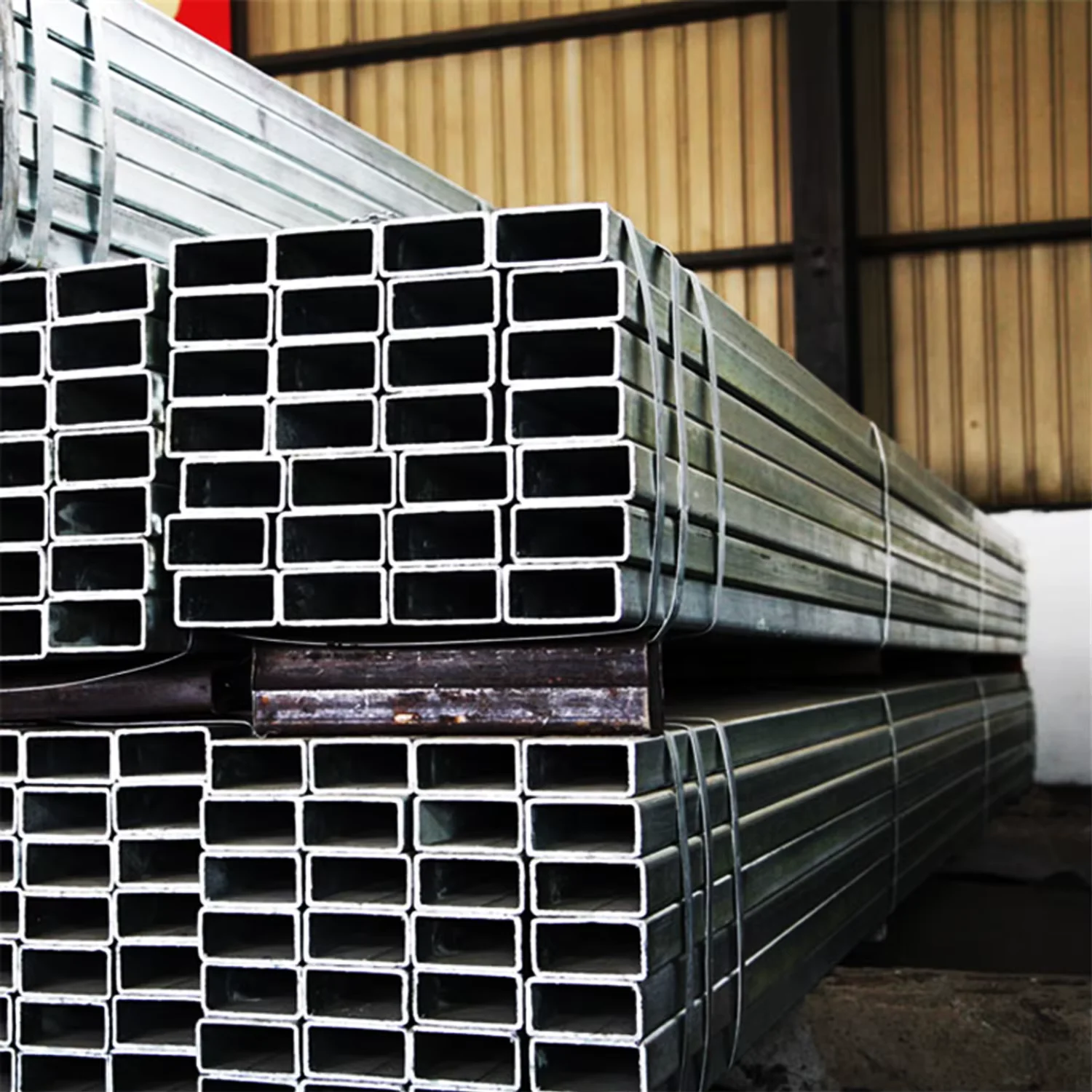
- Galvanized square and rectangular tubes bundled with high-tensile steel strips and separated by rubber edge protectors to preserve the zinc coating at corners during ocean transit
- Surface protection maintained through proper stacking orientation — flat stacking for tubes ≤150mm, cradled nesting for larger sections — preventing zinc abrasion from bundle movement
- Container loading optimized for 1–12m lengths: 20ft containers for tubes up to 5.8m, 40ft containers for lengths up to 11.8m, with weight distribution calculated to maximize payload without exceeding axle limits
- Custom cut-to-length service available for Q235 and Q345 grades, with saw-cut ends deburred and re-touched with cold-galvanizing spray to maintain coating continuity at cut points
- Each bundle marked with heat number, steel grade (Q235/Q345), size specification, and coating weight for immediate site identification without opening every package
- Shipping terms available as FOB, CIF, or DDP to major ports worldwide, with full export documentation and real-time tracking until site delivery
Request a Quotation with Mill Test Certificate
Submit your project drawings or specification list — including steel grade (Q235, Q345, or equivalent), section dimensions, wall thickness, coating weight requirement, and total tonnage — to receive a detailed quotation with production schedule and sample mill test certificate within 24 hours. For non-standard sizes or custom lengths outside the 10–1000mm / 0.6–28mm range, our engineering team will confirm feasibility and lead time based on current mill scheduling.
Start Your Galvanized Square Steel Tube Inquiry
Share your specifications, steel grade, quantity, and destination port to receive a quotation with mill test certificate and production timeline.
Tel: +86 531 8573 6315 | Mobile/WhatsApp/WeChat: +86 188 5315 7756 | Email: admin@xjystructure.com
Frequently Asked Questions
Q: What is the difference between Q235 and Q345 galvanized square steel tubes, and which should I specify?
A: Q235 is a mild structural steel grade suitable for general construction frames, fencing, and non-heavy-load applications. Q345 offers higher yield strength and is specified for load-bearing columns, beams, and structures where deflection limits or heavier loads govern the design. Your structural engineer’s drawing will typically call out the required grade; if substituting between standards, Q235 roughly corresponds to S235JR (EN) or A36 (ASTM), while Q345 aligns with S355JR or A572 Grade 50.
Q: How do I choose between 30g/m² and 275g/m² zinc coating for my project?
A: Coating weight should match the corrosion exposure environment. Indoor, dry, or sheltered applications such as interior mezzanine frames can use 30–60g/m² economically. Outdoor structures in rural or urban environments typically require 100–150g/m². Coastal, marine, or heavy industrial atmospheres demand 200–275g/m² for long-term corrosion protection. Selecting a higher coating than necessary adds cost without extending service life proportionally.
Q: Can you produce non-standard dimensions with a 1-ton minimum order quantity?
A: Yes. Our own mill with over 2,800 raw material specifications allows us to produce custom sizes within the 10–1000mm outer dimension and 0.6–28mm wall thickness range. The 1-ton MOQ applies to standard sizes; non-standard or custom-length orders may have adjusted minimums depending on the rolling schedule. Contact us with your exact dimensions for confirmation.
Q: What quality certificates and test reports are included with shipment?
A: Every shipment includes a mill test certificate with chemical composition and mechanical properties traceable by heat number, dimensional inspection reports, zinc coating thickness measurements, and surface quality records. For EU projects, CE certification per EN 10210 or EN 10219 is provided. Third-party inspection reports from SGS, BV, or TÜV are available upon request before shipment.
Q: How are oversized galvanized tubes packed and secured for export?
A: Tubes are bundled with steel strips and rubber edge protectors to prevent zinc coating damage at corners. Loading plans are prepared for each container or breakbulk shipment, with weight distribution calculated to maximize payload. For lengths exceeding container capacity, professional lashing and securing on flat-rack or open-top containers ensures safe ocean transit. Detailed packing lists and loading photos are provided before vessel departure.