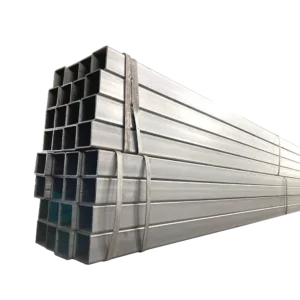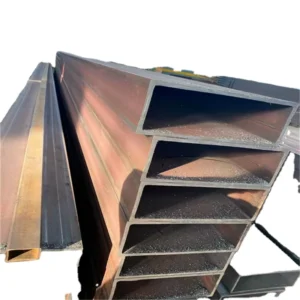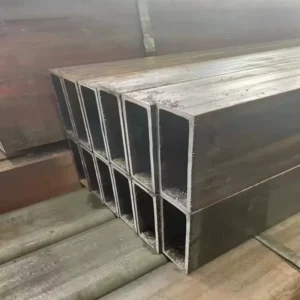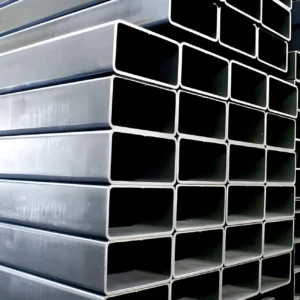
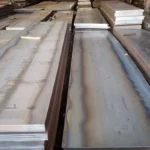
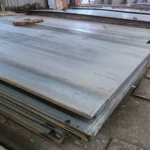
Description
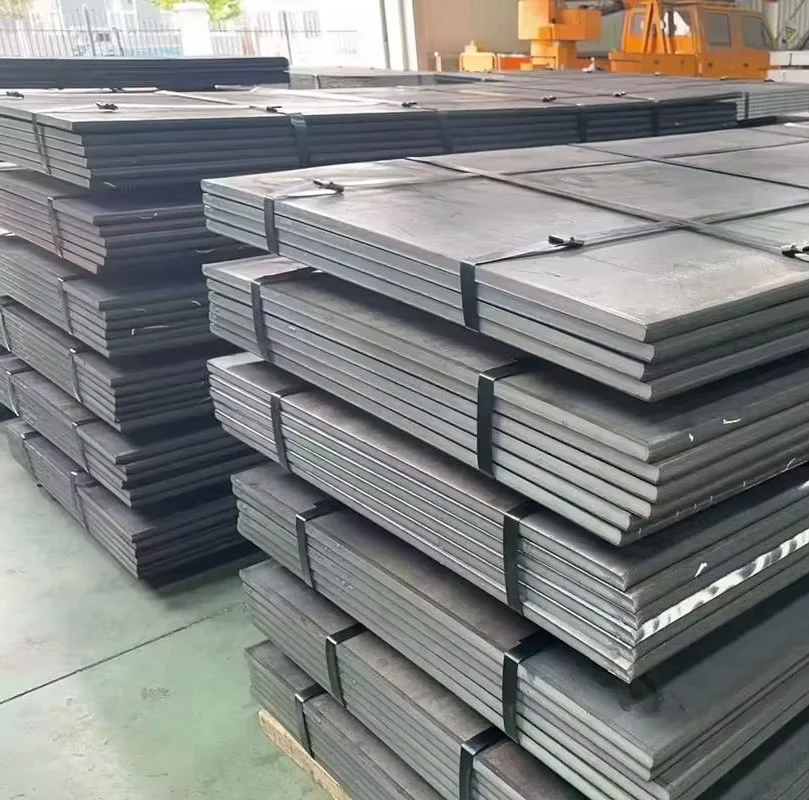
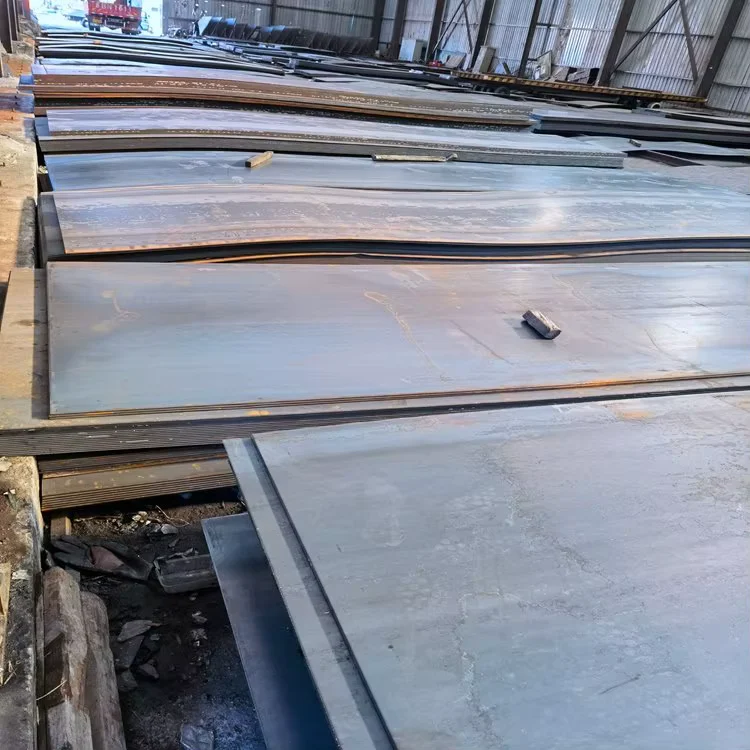
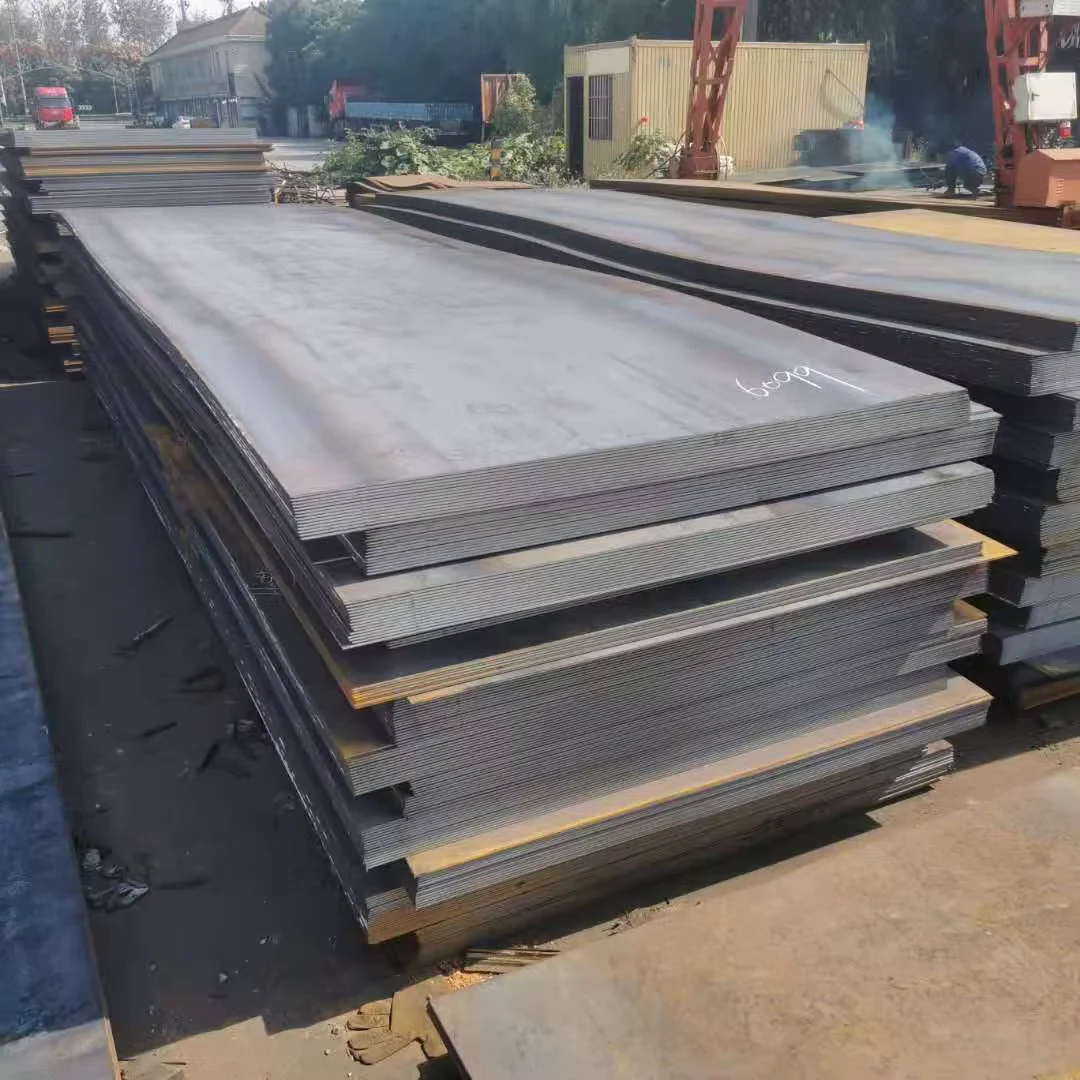
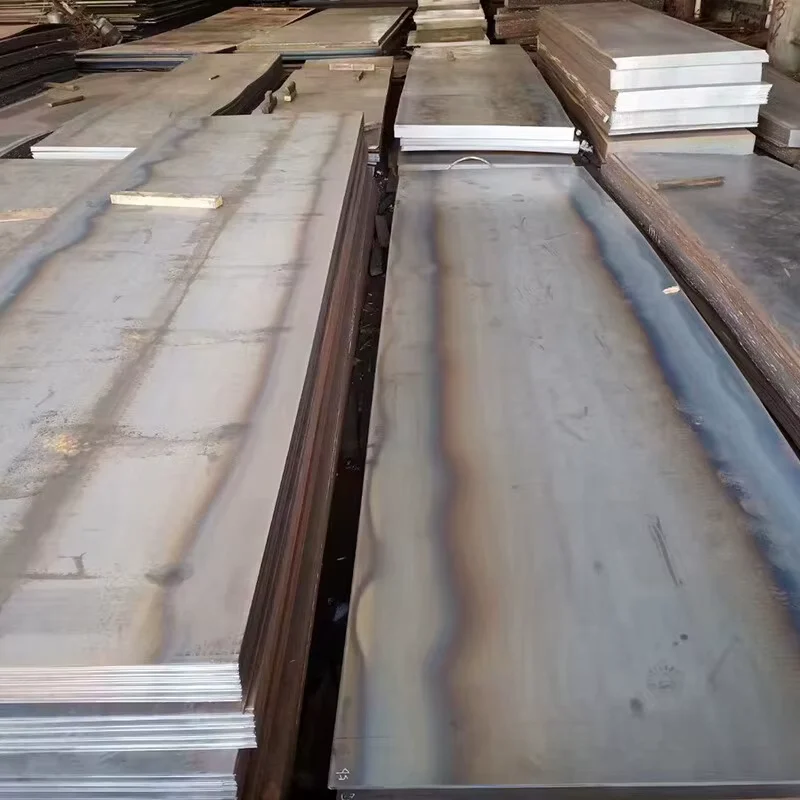
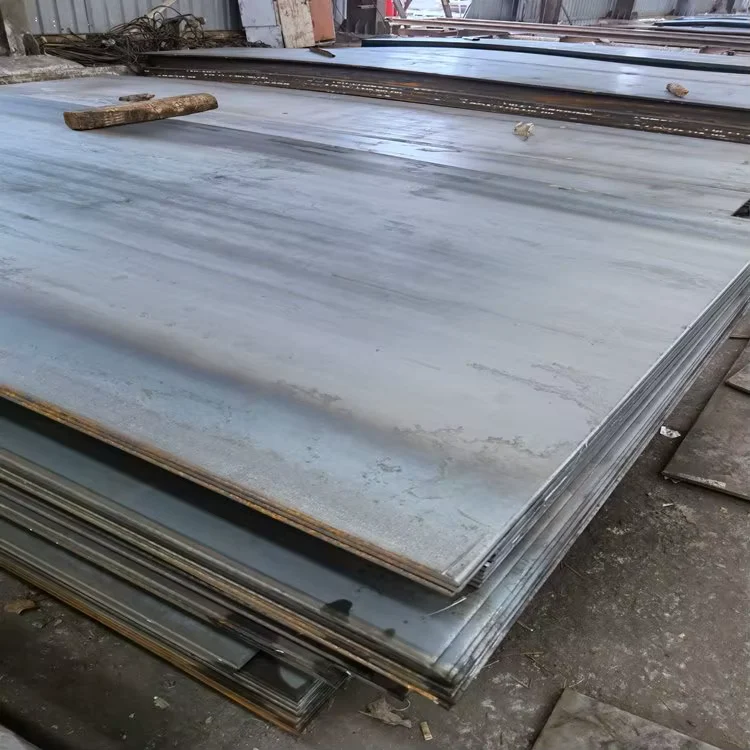
Factory-direct supply, no middleman markup — Q235/Q345 hot rolled steel plates rolled, cut, and processed under one roof from raw slab to finished component.
Technical Specifications
| Parameter | Value |
|---|---|
| Designation | Q235/Q345 Hot Rolled Steel Plate |
| Product Type | Steel Plate |
| Steel Grade | Q235, Q345 |
| Standard | ASTM |
| Technique | Hot Rolled |
| Thickness | 3.5mm – 11.75mm |
| Surface Treatment | Non-oiled, Skin Pass |
| Hardness | Full Hard |
| Processing Service | Custom cutting, stamping, bending |
| Application | Automotive, Solar Energy, Metal Products, Household Appliances, Structural Fabrication |
| Delivery Time | 8–14 days |
| Origin | Shandong, China |
Application Suitability
| Industry | Typical Applications |
|---|---|
| Solar Energy | Base plate connectors, mounting brackets, ground screw flanges for photovoltaic support structures |
| Automotive | Chassis reinforcement brackets, stamped frame components, cargo bed structural plates |
| Metal Products | Welded enclosures, machine guards, pallet rack base plates, industrial shelving brackets |
| Household Appliances | Inner structural frames, motor mounting plates, heavy-duty appliance base components |
| Structural Fabrication | Column base plates, gusset plates, beam end connections, platform decking supports |
Why Third-Party Sourcing Creates Hidden Gaps in Q235 Q345 Hot Rolled Steel Plate Orders
Material traceability breaks the moment a fabricator buys plate from an unverified mill.
When buyers outsource plate processing, the fabricator often sources raw material from a third-party trader. That trader may blend heats from multiple mills to hit a price point. The result: Mill Test Certificates that don’t match the actual plates on the truck. I’ve seen Q345 plates arrive at a Middle East warehouse with MTCs showing chemical compositions that didn’t align with the heat numbers stamped on the steel. The inspector caught it, the whole batch got rejected, and the project schedule slipped by weeks. [NEED_CITE: material traceability requirements in structural steel procurement]
A Q235 Q345 hot rolled steel plate custom cutting supplier that controls the entire chain — from slab rolling to final cut — eliminates this gap. Every plate’s chemistry and mechanical properties are documented at the point of origin, and the same quality system governs the cutting, stamping, and bending that follows.
How Full Hard Hot Rolled Plates Match Structural and Fabrication Demands
Full hard Q235 and Q345 plates in the 3.5mm to 11.75mm range serve applications where flatness and dimensional consistency matter more than deep drawability. The skin pass treatment applied during rolling reduces surface irregularities and improves thickness uniformity — critical when these plates become base connections in solar mounting systems or stamped brackets in automotive assemblies. The non-oiled surface condition means downstream welding or powder coating can proceed without degreasing delays. A Q235 Q345 hot rolled steel plate custom cutting supplier with in-house CNC plasma and flame cutting delivers plates sized to engineering drawings, ready for immediate assembly.
Engineering Compliance and Grade Selection for Processed Plates
Structural fabrication projects specifying ASTM standards require documented grade equivalence when sourcing Q-series Chinese steel. Q235 maps broadly to ASTM A36 in yield behavior, while Q345 aligns with ASTM A572 Grade 50 — but the equivalence must be confirmed through chemical composition and tensile test data, not assumed. [NEED_CITE: Q235 Q345 to ASTM grade equivalence documentation] For solar energy structures exposed to outdoor environments, the non-oiled skin pass finish provides a clean substrate for galvanizing or intumescent coating. Column base plates and gusset connections in industrial buildings demand thickness tolerances that skin pass rolling achieves consistently across the full 3.5mm–11.75mm range. Custom cutting to project-specific dimensions eliminates on-site二次加工, reducing labor costs and schedule risk at the erection stage.
Understanding Q235 vs Q345: Grade Selection Based on Structural Demand
Q235 and Q345 belong to China’s GB/T 700 and GB/T 1591 steel grade systems respectively. The “Q” prefix denotes yield strength, with the number indicating the minimum yield value in MPa. Q345 offers higher yield strength than Q235, making it the preferred choice for load-bearing structural connections, heavy equipment base plates, and applications where weight optimization matters. Q235 suffices for non-critical brackets, enclosures, and general fabrication where formability takes priority over structural capacity.
The hot rolling process produces plates with a mill scale surface that the skin pass treatment refines for dimensional accuracy. Full hard condition means the plates have not been annealed after rolling — they retain the as-rolled strength profile, which suits structural and mechanical applications but limits deep drawing operations. For stamping and bending services, the Q235 Q345 hot rolled steel plate custom cutting supplier must account for springback behavior inherent in full hard material, adjusting bend radii and tooling accordingly.
Thickness tolerance in hot rolled plates directly affects theoretical weight calculations and, more importantly, load-bearing capacity at connection points. A plate specified at 10mm that delivers 9.2mm due to excessive negative tolerance creates a gap in bolted connections and reduces the effective section modulus. Skin pass rolling tightens this tolerance band, giving engineers confidence that the as-delivered thickness matches the design assumption.
The Real Cost of Buying Processed Plates Without Verified Traceability
When a Q235 Q345 hot rolled steel plate custom cutting supplier cannot prove which heat a specific plate came from, the buyer inherits liability. Structural inspectors on international projects routinely request heat-level MTCs matched to individual plates. Missing documentation means the entire fabrication batch may fail acceptance testing — even if the steel itself is perfectly sound. [NEED_CITE: structural steel inspection documentation requirements for international projects]
Grade substitution without notification is another common failure mode. A fabricator running short on Q345 may silently substitute Q235 for non-critical-looking components. The chemical composition looks similar on a basic spectrometer check, but the yield strength gap becomes apparent under load testing. The cost of re-fabrication, shipping replacement plates, and project delay dwarfs any upfront savings from unverified sourcing.
Why Sourcing From an Integrated Mill and Fabrication Facility Changes the Equation
XJY Structure operates as the fabrication division of Shandong Xin Jiyuan Special Steel Tube Co., Ltd, backed by an in-house steel production facility with three production lines and over 2,800 raw material specifications. This vertical integration means every Q235 Q345 hot rolled steel plate processed in our workshop originates from our own rolling mills. Material cost control and quality consistency flow from owning the entire chain — there is no gap between material supplier and fabricator because they are the same entity.
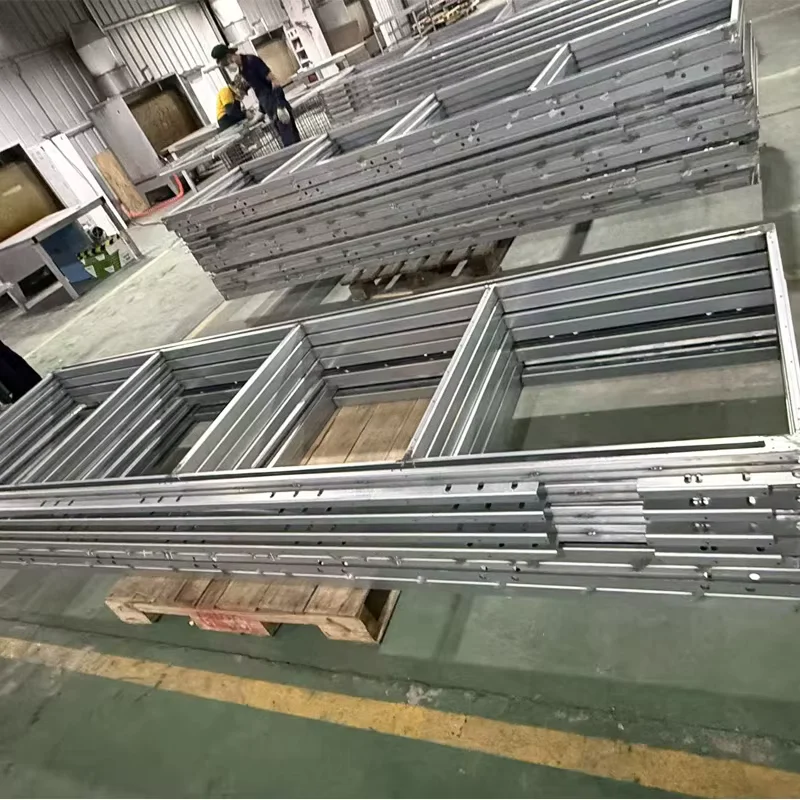
Our fabrication workshop handles CNC cutting, plasma and flame cutting, drilling, bending, and welding (MIG/MAG/SAW) for medium-to-large structural steel projects. Certified welding procedures and qualified welders hold AWS and EN certifications. Engineering support includes shop drawing review, material optimization, and fabrication sequencing — services that prevent the RFI delays and rework that plague fragmented supply chains. Complete quality documentation packages — WPS, PQR, weld maps, dimensional inspection reports, and coating reports — travel with every shipment. International project experience spans the EU, Middle East, Southeast Asia, and Africa, with a track record of meeting EN 1090, AWS, and AISC compliance requirements.
Documentation & Compliance
- Mill Test Certificate documenting Q235 and Q345 chemical composition, yield strength, and tensile properties per GB/T 700 and GB/T 1591, with heat number traceability from raw slab to finished plate
- Third-party inspection reports from SGS or BV covering dimensional verification, surface quality assessment, and mechanical property testing for Q235 Q345 hot rolled steel plate custom cutting orders
- ISO 9001 certified quality management system governing the entire production and fabrication process from slab rolling through final cut-to-size delivery
- Material traceability documentation linking each cut plate to its original heat number, enabling full chain-of-custody verification for structural inspection and customs clearance
- Complete export documentation package including packing list, bill of lading, and certificate of origin formatted for destination-country import requirements
Packaging, Loading & Delivery
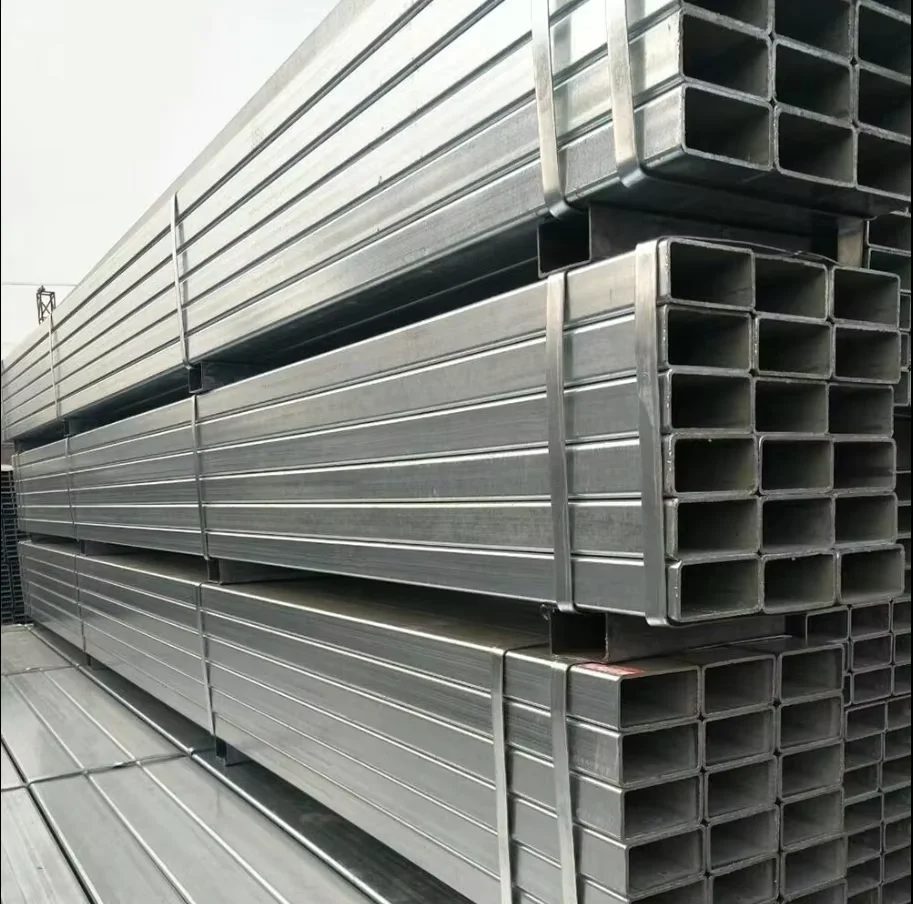
- Q235 and Q345 hot rolled plates bundled with steel strip ties and edge protectors, sized to match the 3.5mm–11.75mm thickness range and prevent surface damage during ocean transit
- Non-oiled skin pass finish plates packed on treated timber pallets with interleaving separators to maintain surface cleanliness and prevent contact corrosion during storage and shipping
- Custom cut-to-size plates labeled with heat number, steel grade (Q235/Q345), thickness, and project identification marks for traceability at the fabrication site
- Container loading optimized for plates in the 3.5mm–11.75mm thickness range, with weight distribution calculated to maximize payload within standard 20ft and 40ft shipping containers
- FOB, CIF, and DDP shipping terms available with professional oversized cargo loading plans and complete export documentation for door-to-door delivery to project sites
How to Initiate a Q235 Q345 Hot Rolled Steel Plate Inquiry
Share your project drawings (PDF/DWG), thickness requirements, steel grade preference (Q235 or Q345), quantities, and destination port. Our engineering team responds within 24 hours with a preliminary assessment, detailed quotation covering material, processing, and shipping costs, and a shop drawing timeline. Once drawings are approved and the contract signed, material procurement and production begin immediately.
Request Your Q235 Q345 Hot Rolled Steel Plate Quotation Today
Submit your specifications, steel grade, and quantity to receive a detailed quotation with Mill Test Certificate documentation and custom cutting options.
Company: Shandong Xin Jiyuan Special Steel Tube Co., Ltd
Website: www.xjystructure.com
Tel: +86 531 8573 6315
Mobile/WhatsApp/WeChat: +86 188 5315 7756
Email: admin@xjystructure.com
Address: No.11889, Jingshi West Road, Lulian Group, Jinan City, Shandong Province, China
Frequently Asked Questions
Q: What is the difference between Q235 and Q345 for structural fabrication applications?
A: Q235 and Q345 differ primarily in minimum yield strength. Q345 provides higher yield strength, making it suitable for load-bearing structural connections and heavy equipment base plates. Q235 is appropriate for general fabrication, brackets, and enclosures where formability matters more than structural capacity. Both grades are available in the 3.5mm–11.75mm thickness range with custom cutting, stamping, and bending services.
Q: Can you provide custom cutting to specific dimensions for processed plates?
A: Yes. Our fabrication workshop offers CNC cutting, plasma cutting, and flame cutting services to produce Q235 and Q345 plates in project-specific dimensions. We also provide stamping and bending services based on engineering drawings. Shop drawings are prepared for your review and approval before fabrication begins, ensuring dimensional accuracy and eliminating on-site rework.
Q: How do you ensure material traceability from raw slab to finished cut plate?
A: As a vertically integrated supplier with our own steel production facility, we maintain full material traceability from raw slab through rolling, skin pass treatment, and final cutting. Each plate is linked to its original heat number, and Mill Test Certificates documenting chemical composition and mechanical properties accompany every shipment. Third-party inspection from SGS or BV is available for additional verification.
Q: What surface condition do the hot rolled plates arrive in?
A: Our Q235 and Q345 hot rolled plates are supplied in non-oiled condition with skin pass treatment. The skin pass improves dimensional consistency and surface flatness. The non-oiled finish means the plates are ready for downstream welding, painting, or galvanizing without requiring degreasing. Full hard condition retains the as-rolled strength profile suitable for structural and mechanical applications.
Q: What is the typical delivery timeline for custom processed plates?
A: Standard delivery time for Q235 Q345 hot rolled steel plate custom cutting orders is 8–14 days from drawing approval and deposit receipt. This timeline covers material procurement from our own mill, CNC cutting or processing, quality inspection, documentation preparation, and packing for shipment. Expedited production is available for urgent project requirements.