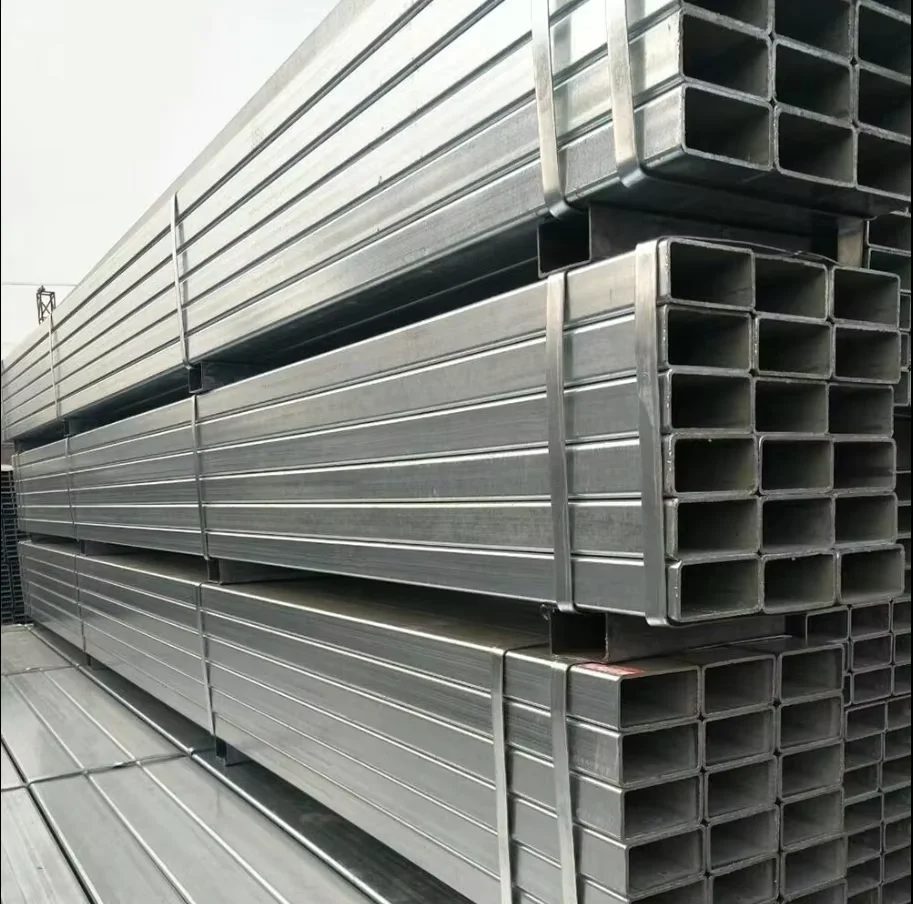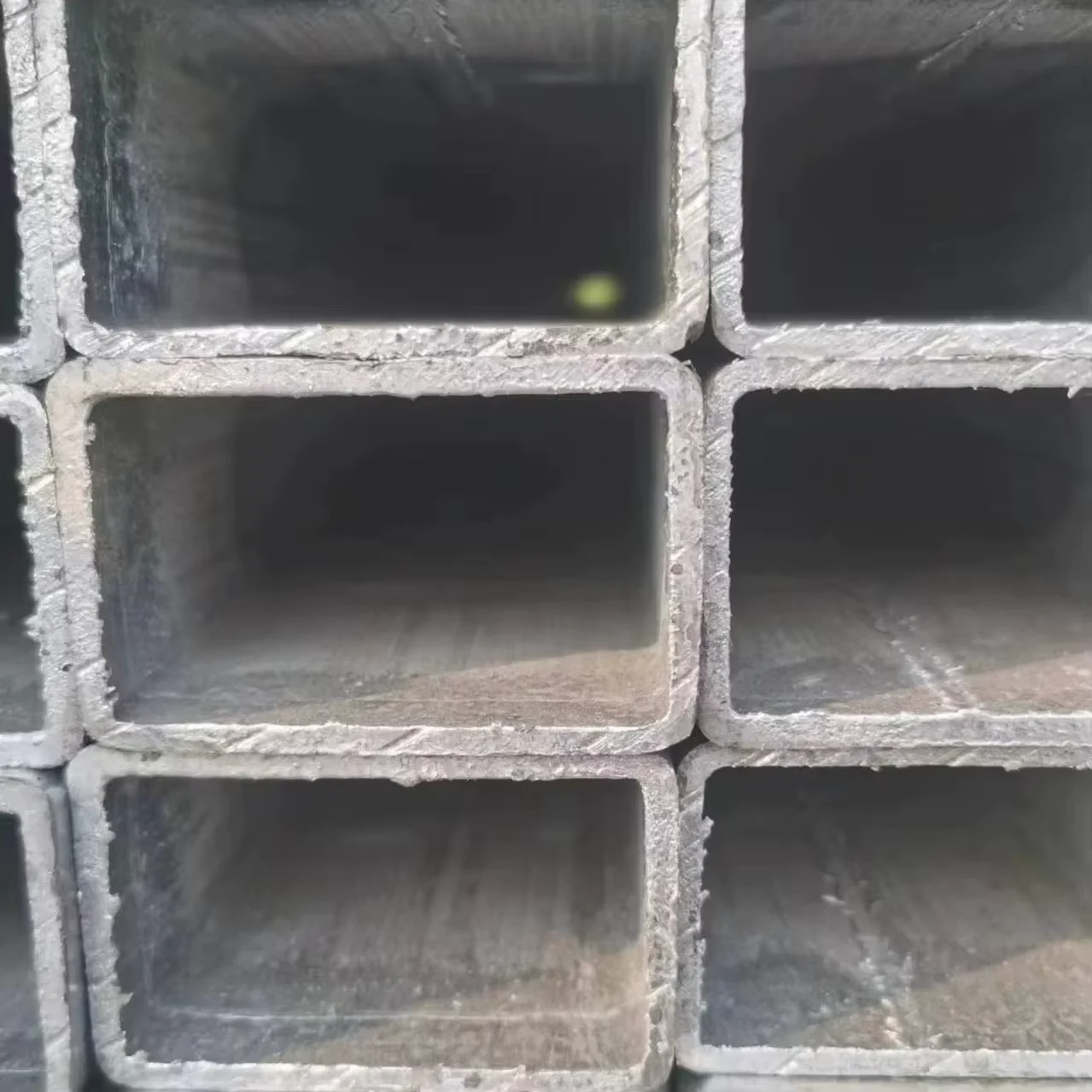
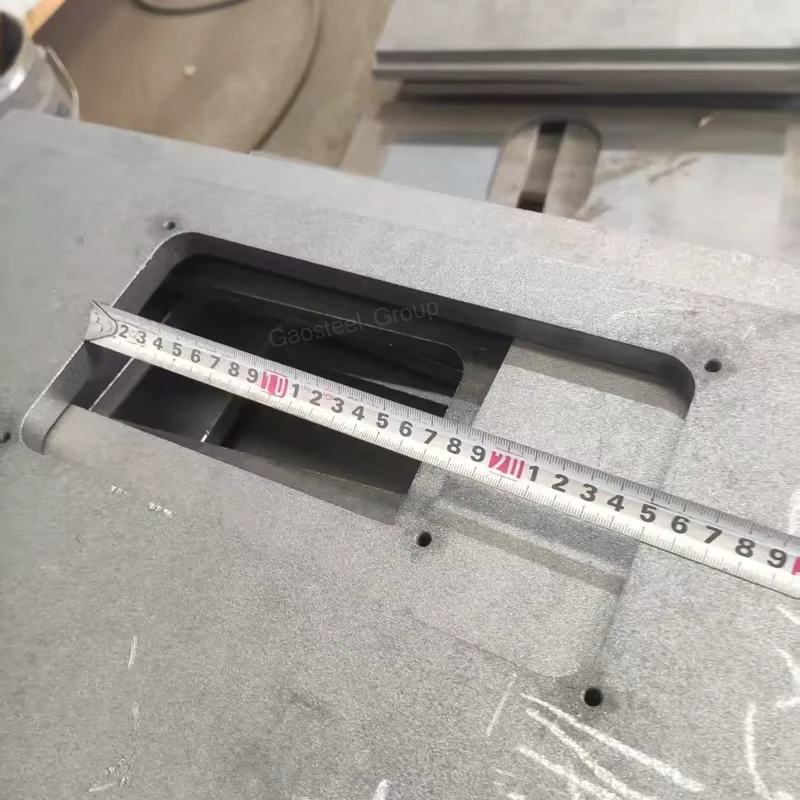
Description
Direct Mill Supply — Full thickness range 1.2-300mm from our own production lines
Technical Specifications
| Parameter | Value |
|---|---|
| Designation | Hot Rolled Carbon Steel Plate |
| Product Type | Steel Plate |
| Steel Grade | Q235, Q345, S235JR, S275JR, S355JR, A36, ST37-2, ST52, SS400, Q420, Q460, NM360, NM400, NM450, NM500, AR400, AR450, AR500, Q345R, Q245R, 45#, 16Mn, 40Cr, 42CrMo, 15CrMo, 35CrMo, SPA-H, 09CuPCrNi-A, S355J2W |
| Standard | ASTM, AISI, DIN, JIS, GB, EN, API, CE, BIS, KS, SNI, SASO, PVOC, SONCAP, SABS, ISO 9001 |
| Section Shape | Flat Sheet / Plate |
| Thickness | 1.2-300mm (Hot Rolled: 2.75mm-100mm) |
| Width | 30mm-2200mm |
| Length | 1-12m |
| Technique | Hot Rolled |
| Surface Treatment | Black / Bare / Oiled / Shot Blasted / Spray Paint / Coated / Galvanized |
| Tolerance | ±1% |
| Application | Construction / Machinery Manufacturing / Container Manufacturing / Ship Building / Bridges / Pressure Vessels / Boilers / Making Pipes / Making Cold Rolled Steel Products / Metal Parts Fabrication |
| MOQ | 1 Ton |
| Origin | Shandong, China |
Application Suitability
| Industry | Typical Applications |
|---|---|
| EPC & Industrial Projects | Pressure vessel shells, boiler drums, structural platforms, pipe supports |
| Construction & Infrastructure | Building frame gussets, bridge deck plates, column base plates, container floor panels |
| Machinery & Equipment | Excavator boom plates, crane outrigger pads, wear-resistant liners, conveyor frame members |
| Ship Building & Offshore | Hull stiffener plates, deck plating, bulkhead panels |
What Material Traceability Gaps Cost on an Overseas Steel Plate Order
A missing heat number on a mill cert can strand an entire container at destination customs.
When buyers source hot rolled carbon steel plates from trading companies rather than integrated mills, the chain of custody breaks somewhere between the rolling line and the shipping document. I have seen shipments held at port because the MTC referenced a heat number that did not match the stencil on the plate surface. For projects requiring EN 1090 or AISC compliance, this gap means re-inspection costs, demurrage fees, or outright rejection. [NEED_CITE: material traceability requirements in EN 1090 structural fabrication standard]
How Thickness Range Meets Structural and Wear-Resistant Demands
A single Hot Rolled Carbon Steel Plate order for an EPC warehouse project may include 6mm S355JR for roof purlin brackets, 20mm Q345 for column base plates, and 40mm NM400 for forklift traffic zones on the loading dock floor. Our integrated mill produces the full 2.75-100mm hot rolled range under one quality management system, so every plate — whether structural or wear-resistant — carries traceable chemistry from the same production facility. This eliminates the need to coordinate multiple suppliers when a project specification calls for mixed grades across different thicknesses.
Engineering Compliance Across International Standards
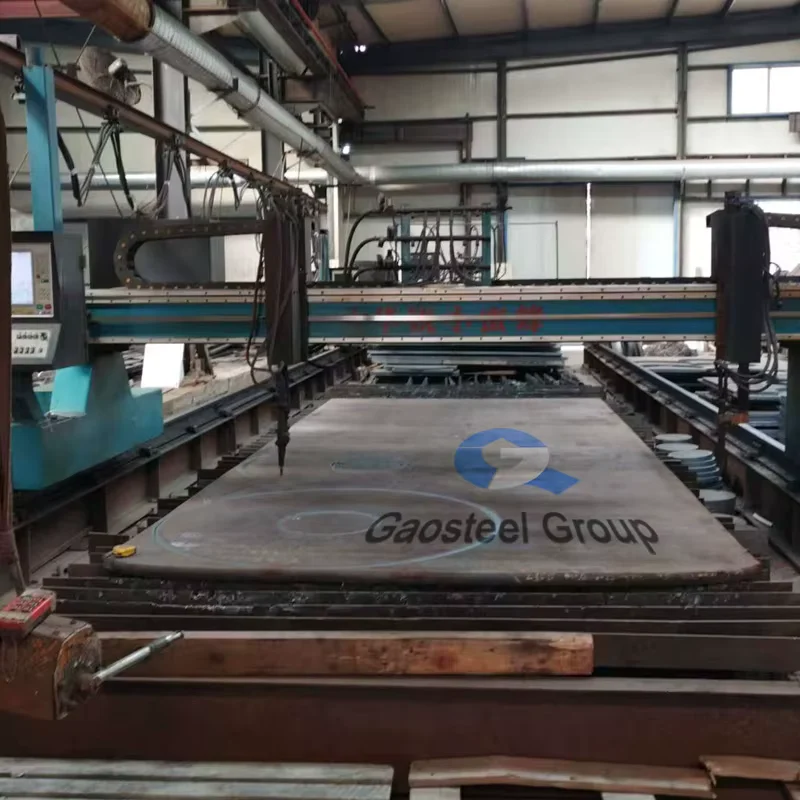
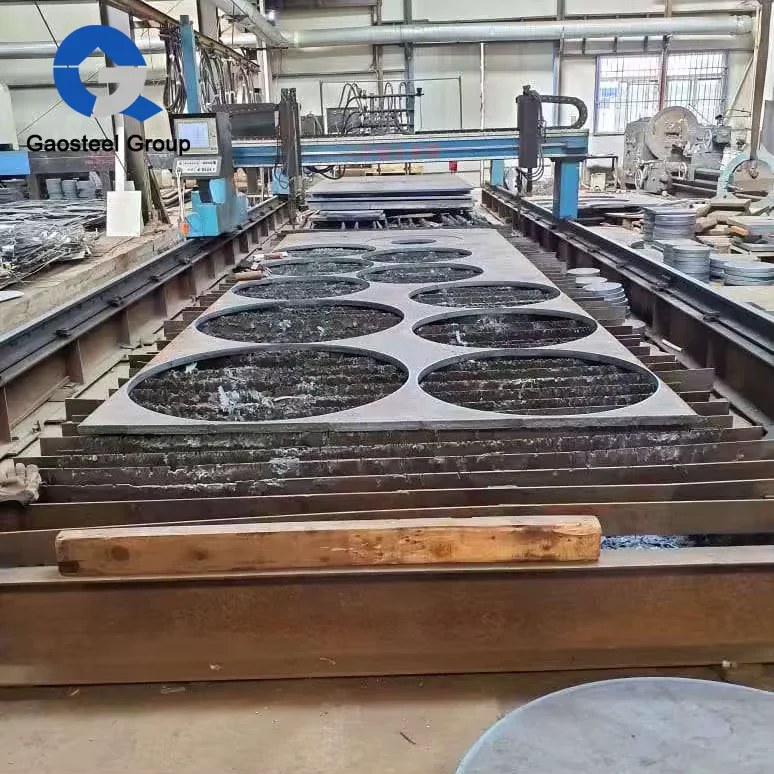
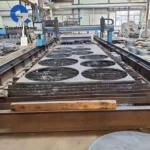
Hot rolled plates for pressure vessel applications must conform to Q345R or Q245R under GB standards, while European projects specify S355JR or S355J2W per EN 10025. Structural frames destined for the Middle East often require SASO certification, and African infrastructure tenders may mandate SONCAP or PVOC pre-shipment verification. [NEED_CITE: steel plate certification requirements for pressure vessel and structural applications] Our production covers ASTM, EN, JIS, GB, and BIS grade equivalences, with shot blasting and primer coating available to meet Sa 2.5 surface preparation before delivery. Plates are cut to exact project dimensions via CNC plasma or flame cutting, reducing on-site welding and secondary fabrication at the erection stage.
Steel Grade Selection and Process Fundamentals
The Q-series (Q235, Q345, Q420, Q460) follows the Chinese GB/T 700 and GB/T 1591 system where the number indicates minimum yield strength in MPa. The S-series (S235JR, S275JR, S355JR) follows EN 10025 with suffix letters denoting impact test temperature — JR for +20°C, J0 for 0°C, J2 for -20°C. Wear-resistant grades NM360 through NM500 use a Brinell hardness designation rather than yield strength, making them suitable for liner plates in hoppers and chutes where abrasion is the primary failure mode. Hot rolling above the recrystallization temperature produces a mill scale surface that provides short-term corrosion resistance; for long-term exposure, shot blasting to Sa 2.5 followed by primer or galvanizing extends service life significantly. [NEED_CITE: hot rolling process effects on mechanical properties and surface condition]
Hidden Costs of Incorrect Grade or Missing Certification
Specifying A36 when the structural engineer calculated for S355JR means the plate will deflect under design load — a failure discovered only during loading tests or, worse, in service. Plates shipped without proper MTC documentation face customs holds in the EU under the Construction Products Regulation, where EN 1090 CE marking is mandatory for load-bearing steel components. [NEED_CITE: CE marking requirements for structural steel under EU Construction Products Regulation] Negative tolerance beyond the stated ±1% reduces actual section modulus, compromising structural integrity while appearing to save weight on paper.
Why Source from an Integrated Mill-Fabricator
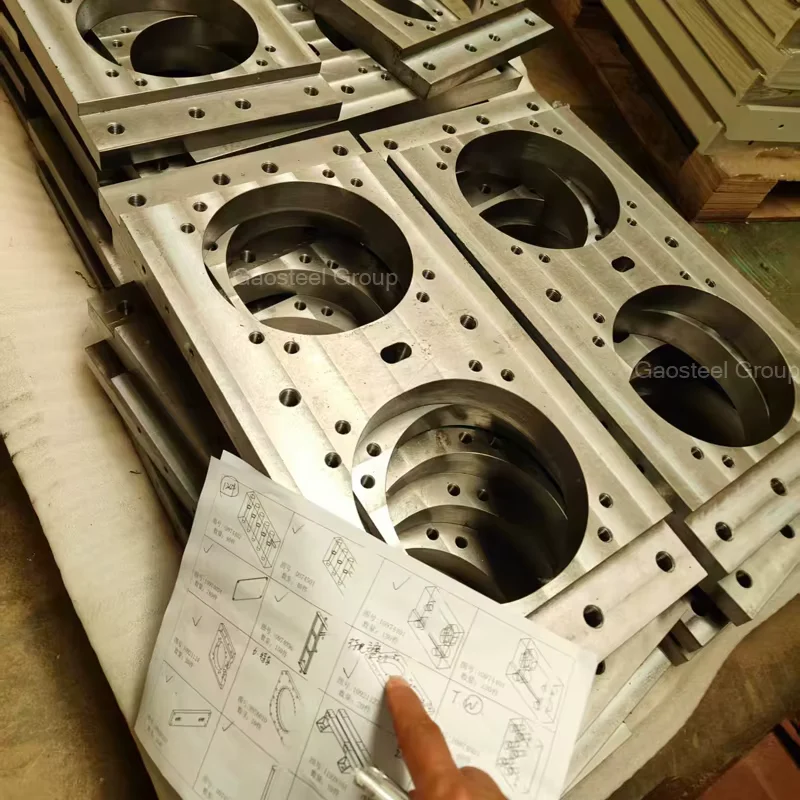
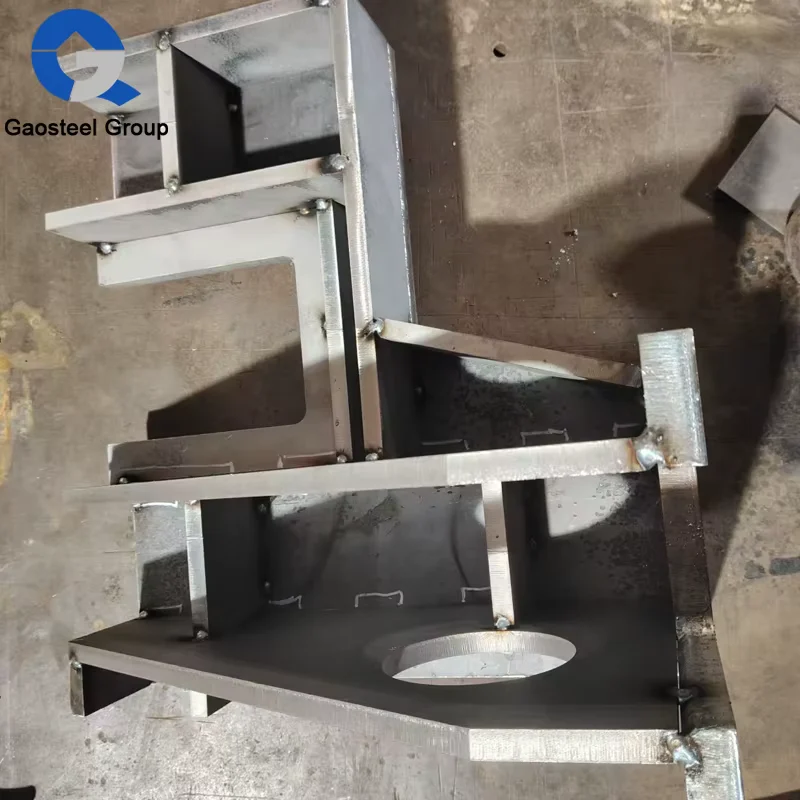
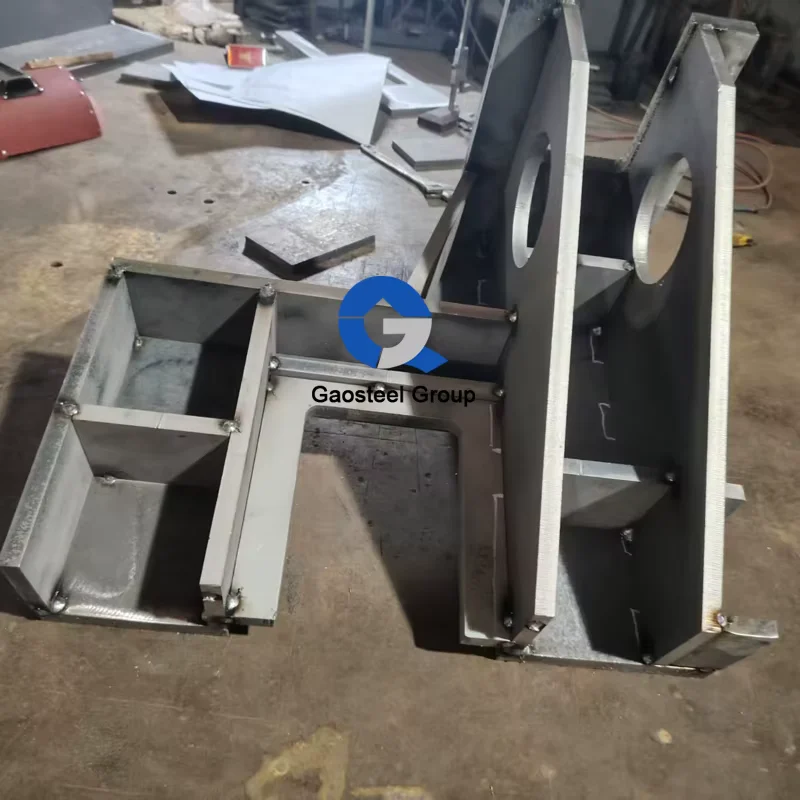
Our own steel production facility operates three rolling lines producing over 2,800 specifications of raw material, meaning every Hot Rolled Carbon Steel Plate we supply originates from a single quality system with full heat-level traceability. We maintain certified welding procedures (WPS/PQR) and qualified welders for any downstream fabrication, so plates can be delivered pre-cut, pre-drilled, or pre-welded per approved shop drawings. Third-party inspection by SGS or BV is routine, and we prepare complete documentation packages including weld maps, dimensional reports, and coating thickness measurements before shipment.
Documentation & Compliance
- Mill Test Certificate documenting Q345 chemical composition and mechanical properties per GB/T 1591, with heat number traceable to production date
- CE certificate confirming EN 10025 compliance for S235JR/S275JR/S355JR structural plates exported to EU markets
- ISO 9001 quality management certificate covering the full production chain from slab reheating to finished plate inspection
- SGS or BV third-party inspection report verifying dimensional tolerance, surface condition, and coating thickness per project specification
- Material traceability report linking each plate stencil number to its original heat chemistry and rolling schedule
- Customs documentation including packing list, bill of lading, and certificate of origin formatted for SASO, SONCAP, or PVOC clearance
Packaging, Loading & Delivery
- Hot rolled plates bundled with steel straps and edge protectors, with oiled surface preserved by interleaved paper for plates under 20mm thickness
- Shot blasted and painted plates wrapped in waterproof VCI film to prevent white rust or primer damage during ocean transit
- Container loading optimized for 1-12m length plates, with 20mm+ heavy plates loaded at bottom to maintain weight distribution within 27-ton road limit
- CNC-cut plates nested and labeled by project drawing mark number for direct erection sequence at site
- Each plate stenciled with heat number, steel grade, thickness, and length for on-site verification against MTC
- FOB, CIF, and DDP terms available with professional oversized cargo loading plans for plates exceeding standard container width
How to Initiate a Project Inquiry
Submit your project drawings (PDF or DWG format), required steel grades, thickness specifications, and destination port to receive a detailed quotation within 24 hours, including material cost, processing charges, and mill test certificate confirmation. For projects requiring EN 1090 or AISC compliance, specify the applicable standard so we can confirm certification availability and third-party inspection scheduling before contract signing.
Start Your Hot Rolled Carbon Steel Plate Order Today
Send your specifications and drawings to receive a quotation with full mill test certificate documentation.
Shandong Xin Jiyuan Special Steel Tube Co., Ltd
Website: www.xjystructure.com
Tel: +86 531 8573 6315
Mobile/WhatsApp/WeChat: +86 188 5315 7756
Email: admin@xjystructure.com
Address: No.11889, Jingshi West Road, Lulian Group, Jinan City, Shandong Province, China
Frequently Asked Questions
Q: How do S355JR, A572 Gr.50, and Q345 compare in terms of grade equivalence?
A: S355JR (EN 10025), A572 Gr.50 (ASTM), and Q345 (GB/T 1591) are broadly equivalent structural grades with similar yield strength levels around 345-355 MPa. However, impact test requirements and chemistry tolerances differ — S355JR requires +20°C Charpy impact, while A572 Gr.50 does not mandate impact testing unless specified. Always confirm equivalence with your structural engineer before substitution.
Q: What documentation is provided for material traceability?
A: Every plate is supplied with a Mill Test Certificate showing chemical composition and mechanical properties, traceable to the original heat number stenciled on the plate surface. For projects requiring third-party verification, SGS or BV inspection reports are available, covering dimensional checks, surface condition, and coating thickness.
Q: What is the minimum order quantity for custom-cut plates?
A: The MOQ is 1 Ton for standard stock sizes. For CNC-cut plates to specific project dimensions, the minimum depends on nesting efficiency — typically 5-10 tons for optimized material utilization. We provide cutting drawings for approval before production begins.
Q: How does surface treatment selection affect corrosion protection?
A: Black or bare hot rolled plates with mill scale are suitable for indoor or short-term outdoor use. Oiled plates provide temporary rust prevention during transit. For long-term exposure, shot blasting to Sa 2.5 followed by primer painting or hot-dip galvanizing extends service life to 15-25 years depending on environment classification (C3-C5 per ISO 12944).
Q: What is the difference between theoretical weight and actual weight?
A: Theoretical weight is calculated from nominal dimensions and standard density (7.85 g/cm³). Actual weight may vary within the stated ±1% tolerance. For procurement, we quote by theoretical weight for standard plates, but actual weight is confirmed by weighbridge at loading for projects requiring precise tonnage.