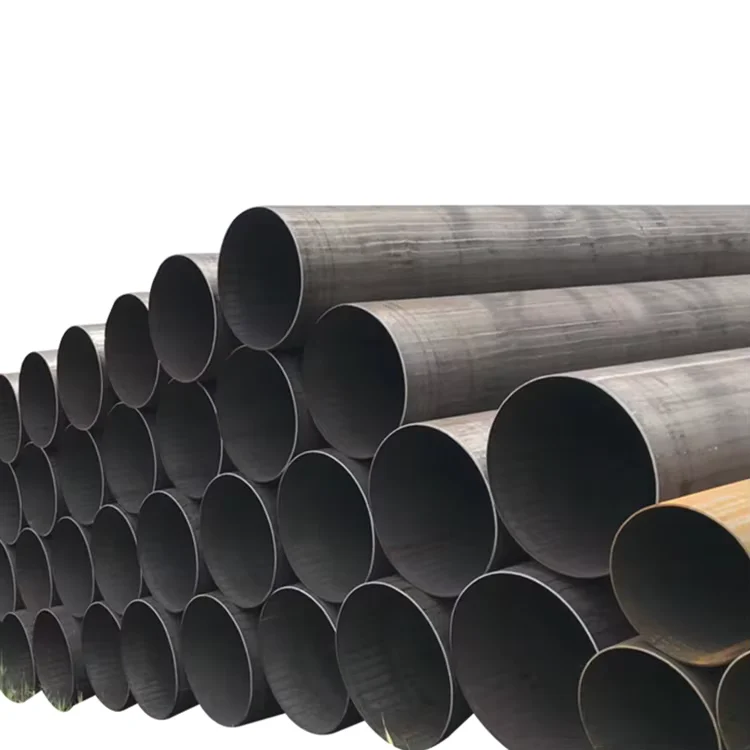
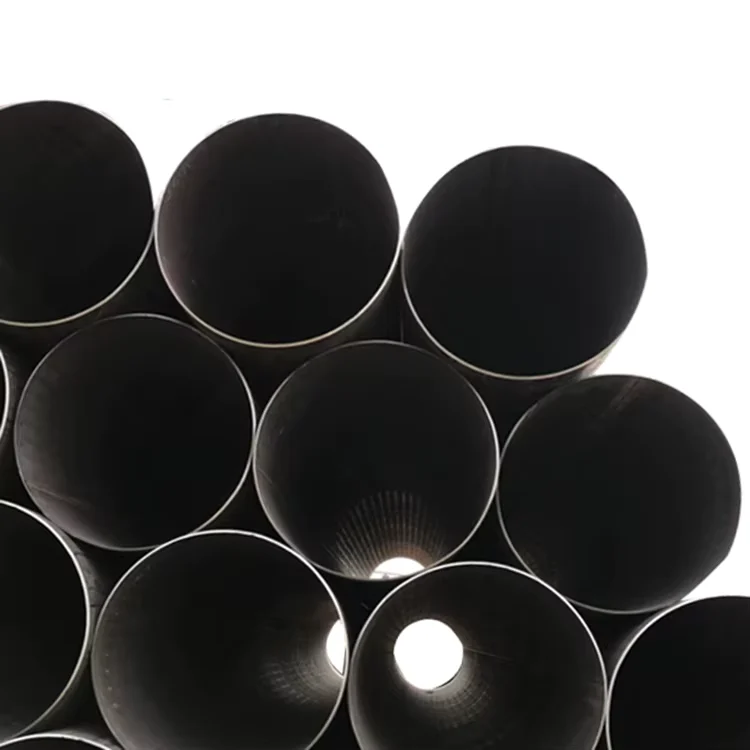
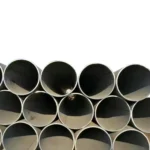
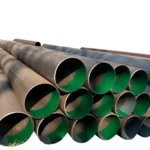
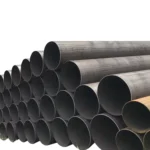
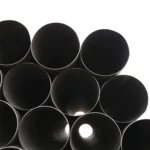
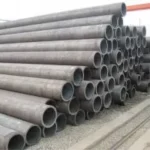
Description
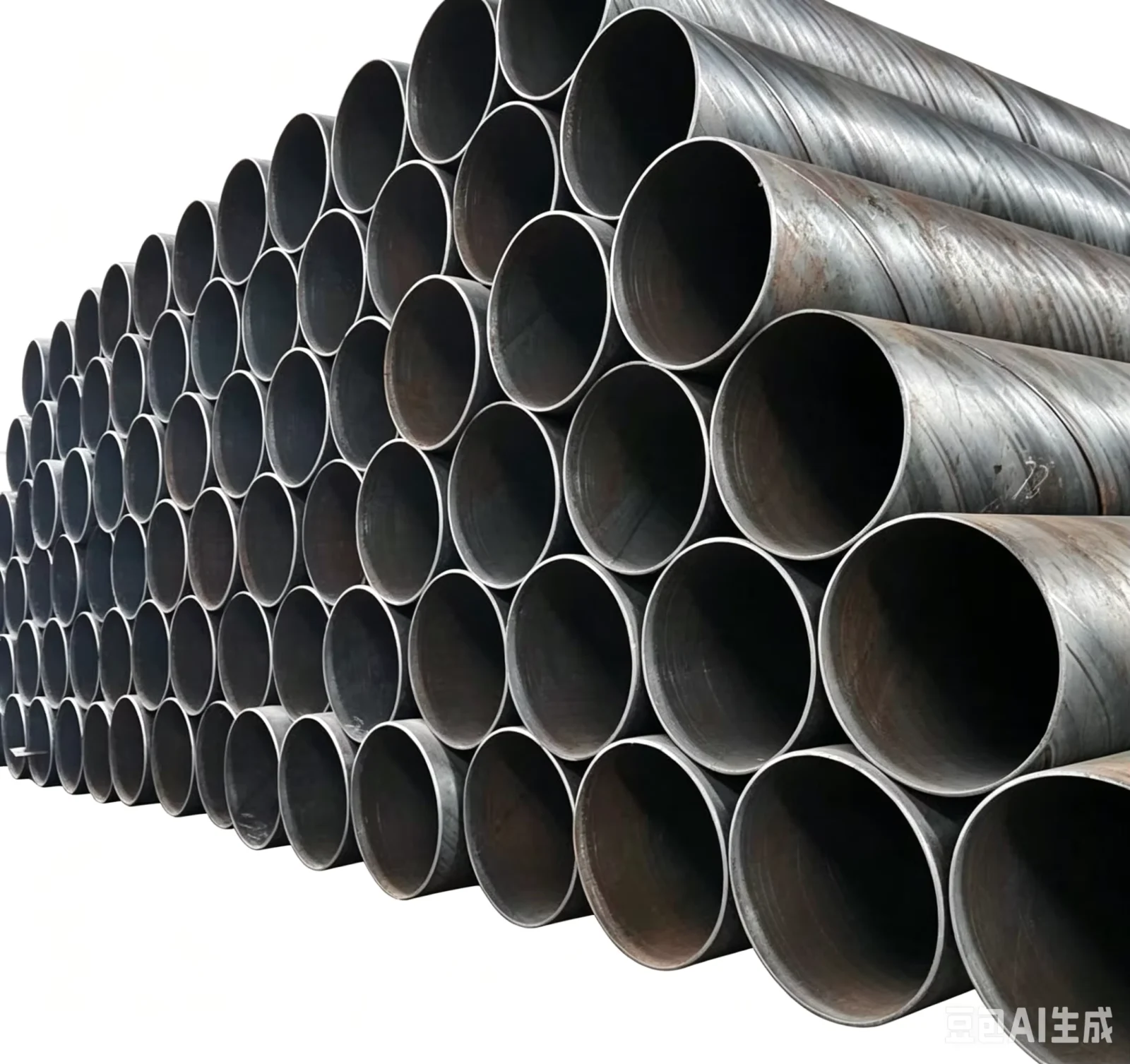
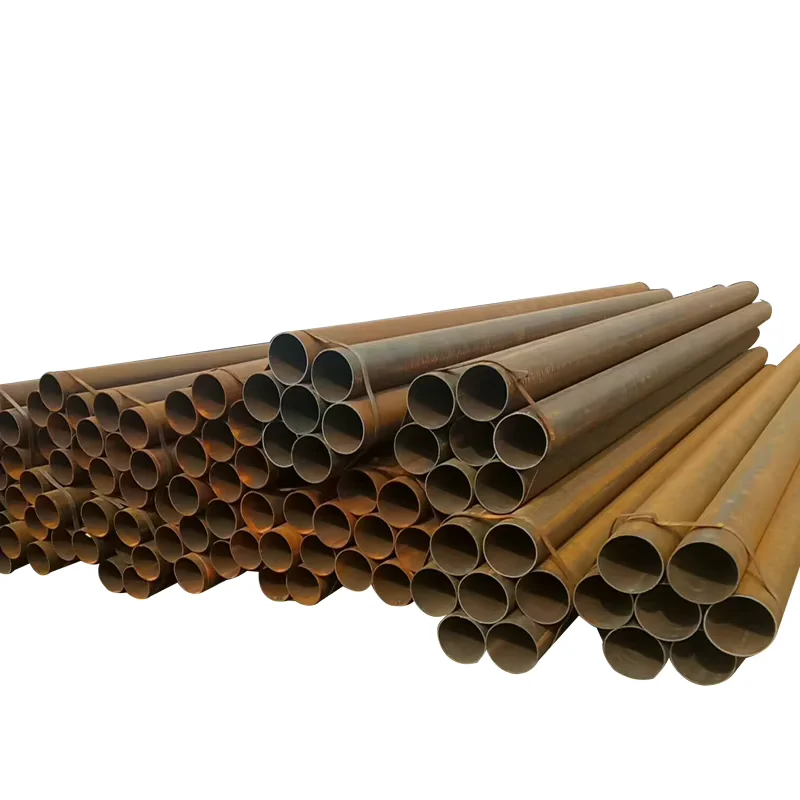
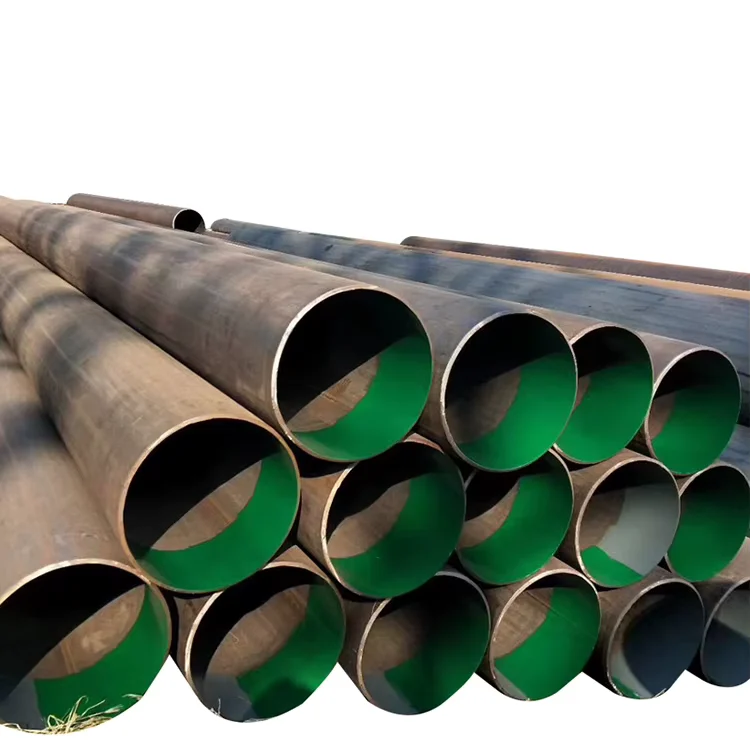
Factory-Direct SSAW Pipe Mill — Own steel production lines feed directly into SSAW fabrication, cutting the gap between raw material and finished pipe for Q235 and Q345 structural orders.
Technical Specifications
| Parameter | Value |
|---|---|
| Designation | Q235 Q345 SSAW Round Steel Pipe |
| Product Type | Round Steel Pipe (SSAW) |
| Steel Grade | Q235, Q345 |
| Standard | GB, API |
| Section Shape | Round |
| Outer Diameter | 10–2620 mm |
| Wall Thickness | 0.5–80 mm |
| Length | 6 m / 12 m (customized available) |
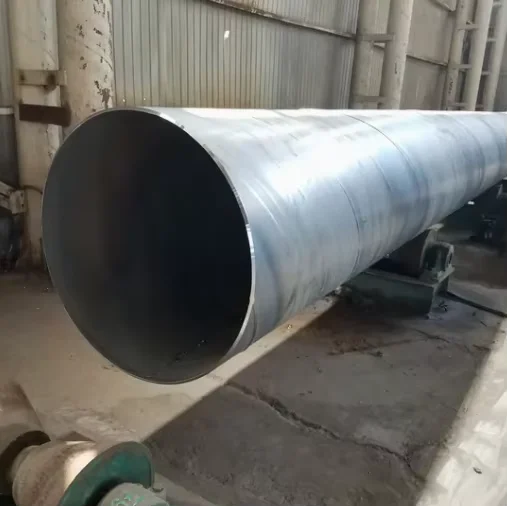
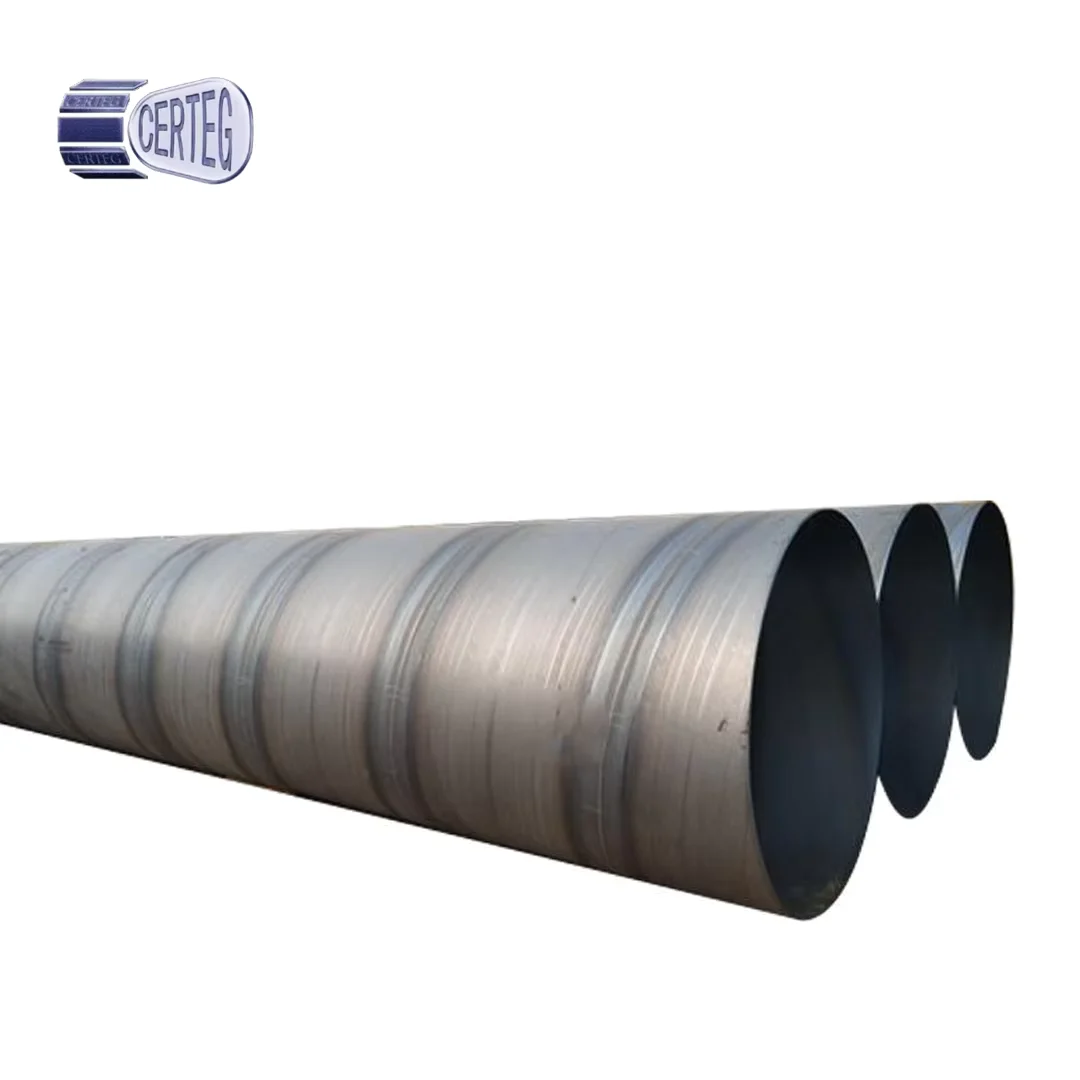
| Technique | SSAW (Spirally Submerged Arc Welding) |
| Surface Treatment | Hot Rolled / Oiled / Non-oiled |
| Tolerance | ±1% |
| Ends | Plain / Beveled / Threaded |
| Application | Structural use / Construction / Pipeline / Industrial support |
| MOQ | 25 Tons |
| Origin | Shandong, China |
Application Suitability
| Industry | Typical Applications |
|---|---|
| Commercial & Industrial Construction | Building frame columns, roof truss supports, mezzanine load-bearing members |
| Infrastructure & Civil Engineering | Bridge piling, foundation casings, retaining wall backings |
| Pipeline & Fluid Transport | Water transmission mains, low-pressure gas distribution, drainage outfalls |
| Industrial Plant & Energy | Conveyor support structures, equipment platforms, stacker crane booms |
What Oversized Diameter Tolerance Actually Costs on a Pipeline Job
A ±1% outer-diameter deviation on a 2620 mm SSAW pipe means 26 mm of roundness error — enough to wreck field welding alignment on a butt joint.
When procurement teams source Q235 Q345 SSAW steel pipe supplier quotes from trading desks rather than integrated mills, diameter consistency becomes a lottery. Pipes from different heats arrive with mismatched OD tolerances, and field crews spend hours grinding bevels to force alignment. On a long-distance water transmission project in Southeast Asia, I watched a contractor reject an entire shipment because the ovality exceeded what the WPS could compensate for — the pipes looked round lying down but failed the wrap-around gauge test [NEED_CITE: ovality tolerance requirements for large-diameter SSAW pipe per API standards]. The root cause was never the welding; it was fragmented sourcing where no single party controlled both the steel chemistry and the forming process.
How Diameter Range Meets Structural and Pipeline Demands
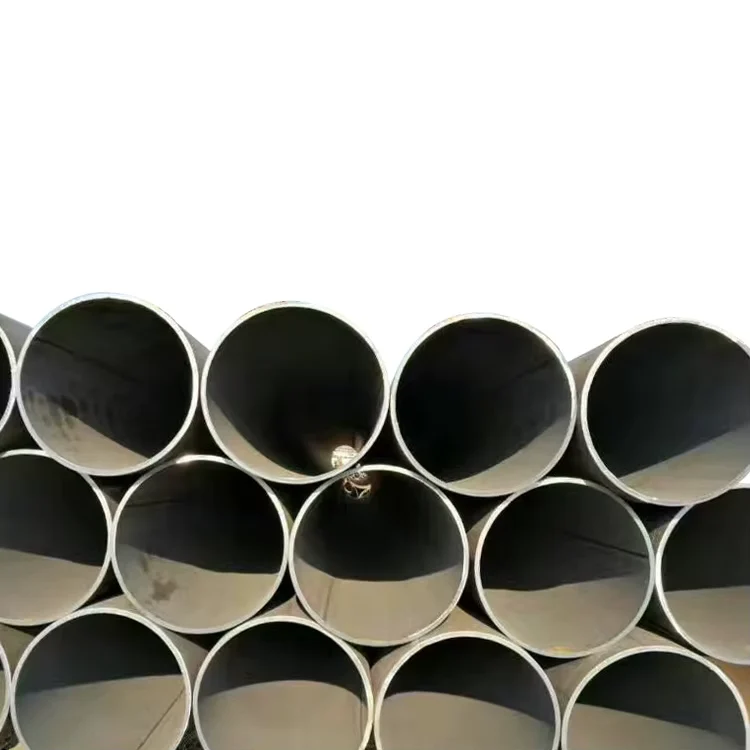
The 10–2620 mm outer diameter span of this Q235 Q345 SSAW steel pipe supplier range covers everything from small-bore structural bracing to large-diameter pipeline casings. For piling and foundation work, the thick-wall end of the 0.5–80 mm range delivers the section modulus needed to resist driving stresses, while the SSAW spiral seam distributes load more evenly than a longitudinal joint under external soil pressure. On fluid transport jobs, the beveled-end option allows field crews to prep butt welds directly without secondary machining — critical when a 12 m joint needs to go down in a trench before the next rain.
Engineering Compliance and Site-Readiness Factors
Structural frames designed to GB standards rely on Q235 for non-critical bracing and Q345 where higher load capacity is required; the Q345 grade’s elevated manganese content improves weldability without sacrificing toughness in sub-zero environments [NEED_CITE: Q345 steel grade equivalence and mechanical property comparison with S355]. For pipeline applications conforming to API specifications, the submerged arc welding process produces full-penetration seams that pass radiographic and ultrasonic inspection at wall thicknesses above 6 mm. Surface treatment selection — hot rolled for indoor structural use, oiled for temporary corrosion protection during transit, or non-oiled for immediate coating — must align with the project’s environmental exposure timeline. Third-party inspection agencies routinely audit dimensional reports and weld maps against these standards before issuing clearance for installation.
Steel Grade Selection and SSAW Process Fundamentals
Q235 and Q345 belong to the Chinese GB/T 700 and GB/T 1591 grade systems respectively, where the number indicates approximate yield strength in MPa. Q235 serves general structural applications where extreme loading is absent — scaffolding, light-duty platforms, and non-critical bracing. Q345 (now designated Q355 under the updated GB/T 1591-2018 standard) offers higher yield strength for load-bearing columns, bridge components, and pressure-containing pipeline sections. The SSAW process forms the pipe by helically winding steel coil and submerged-arc welding both inner and outer seams simultaneously, which allows production of large diameters from narrower coil stock — a cost advantage over LSAW for sizes above 508 mm. However, the spiral seam geometry means the weld line is never perpendicular to the pipe axis, which affects how the joint behaves under torsional load compared to a straight-seam alternative. Wall thickness tolerance of ±1% ensures that theoretical weight calculations remain reliable for structural design, avoiding the hidden cost of receiving undersized material that passes visual inspection but fails load testing.
The Hidden Price of Unverified Material Sources
Purchasing Q235 Q345 SSAW steel pipe supplier inventory from unverified channels introduces risks that surface only during installation or inspection. Chemical composition outside the GB specification range — particularly elevated sulfur or phosphorus — causes cold cracking in the heat-affected zone of field welds, a defect that NDT may not catch until the joint has cooled [NEED_CITE: hydrogen-induced cracking risks in welded carbon steel pipes with improper chemistry]. Missing or falsified mill test certificates trigger customs holds in markets requiring EN 1090 or API compliance documentation. Negative tolerance abuse — where wall thickness consistently sits at the lower limit — reduces the pipe’s pressure rating and section modulus, forcing engineers to over-design connections or reject the entire batch. These failures do not show up in the purchase order price; they emerge as rework costs, schedule delays, and structural liability.
Integrated Mill Control from Coil to Finished Pipe
Our production model eliminates the material-traceability gap that plagues fragmented supply chains. The same facility that produces the raw steel coil also operates the SSAW forming and welding lines, meaning every heat number on the mill test certificate traces back to a single steelmaking batch. This vertical integration allows us to offer over 2800 specifications from one quality system — when a project requires Q345 pipe in both 529 mm and 1420 mm diameters, both sizes come from matched chemistry and rolling schedules. Our welding procedures are qualified to API and GB standards, with welder certifications maintained through continuous testing. For overseas buyers, we handle the full export documentation chain including packing lists, bills of lading, and certificates of origin, and our loading teams understand the specific bracing requirements for large-diameter pipe to prevent ovality damage during ocean transit.
Documentation & Compliance
- Mill test certificate documenting Q235 and Q345 chemical composition (C, Mn, Si, S, P) and mechanical properties per GB/T 700 and GB/T 1591
- API compliance declaration for pipeline-grade SSAW pipe with weld procedure specification (WPS) and procedure qualification record (PQR)
- ISO 9001 quality management system certificate covering the full production scope from steelmaking to pipe finishing
- SGS or BV third-party inspection report available for dimensional verification, NDT, and coating thickness measurement
- Heat-number traceability linking each pipe to its original coil and steelmaking batch for audit and customs clearance
- Export documentation package including commercial invoice, packing list, bill of lading, and certificate of origin
Packaging, Loading & Delivery
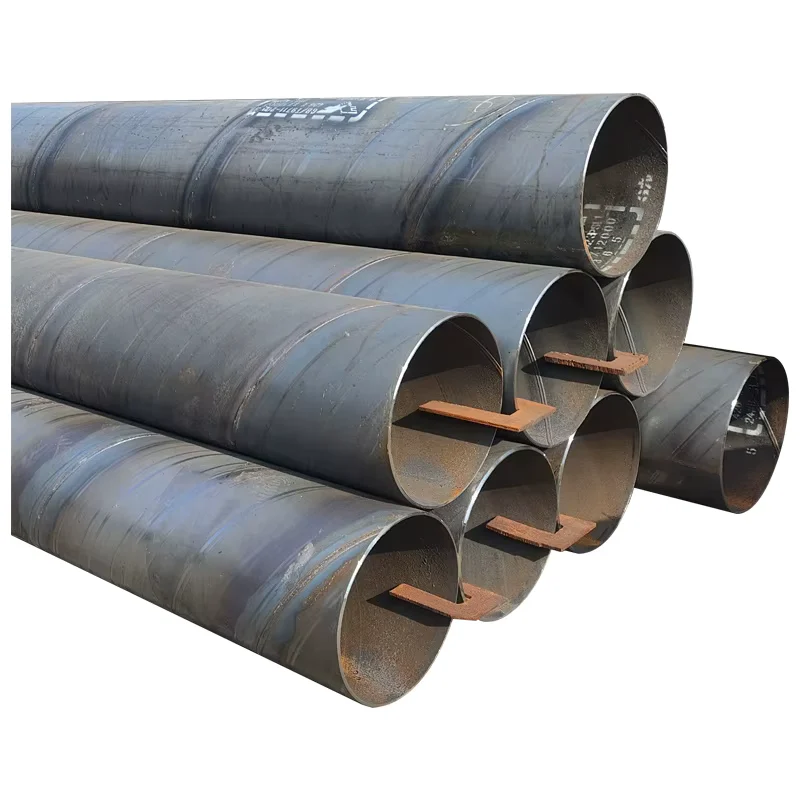
- Q235 and Q345 SSAW pipes bundled with high-tensile steel strips at intervals matched to the 6 m or 12 m length, preventing bundle shift during crane handling
- Oiled surface pipes wrapped with waterproof polyethylene sleeves to preserve the anti-corrosion coating through humid ocean transit and port storage
- Large-diameter pipes (above 1000 mm OD) loaded with internal cross-bracing and external cradle supports to maintain roundness within ±1% tolerance during container or breakbulk shipment
- Custom cut-to-length service available for projects requiring non-standard lengths, with cut ends deburred and protected against edge damage
- Each pipe marked with heat number, steel grade (Q235/Q345), outer diameter, wall thickness, and production date for site identification and traceability
- Delivery terms available as FOB, CIF, or DDP with professional loading plans optimized for 20-foot and 40-foot containers based on pipe diameter and weight
Start Your Procurement with Drawings and Specifications
Submit your project drawings in PDF or DWG format along with the required steel grade, diameter, wall thickness, length, quantity, and destination port. Our engineering team responds within 24 hours with a preliminary assessment, followed by a detailed quotation covering material, fabrication, coating, packing, and freight. For projects requiring third-party inspection or specific certification packages, confirm these requirements at the inquiry stage so we can align production scheduling and documentation preparation accordingly.
Frequently Asked Questions
Q: What is the difference between SSAW and LSAW steel pipes for large-diameter projects?
A: SSAW pipes are formed by helically winding steel coil and welding a spiral seam, allowing production of large diameters from narrower coil stock at lower cost. LSAW pipes use a longitudinal seam and are typically preferred for very high-pressure applications or diameters where spiral geometry creates installation constraints. For structural and low-to-medium pressure pipeline use, SSAW offers a cost-effective solution with full-penetration weld quality.
Q: Can you provide material certificates and arrange third-party inspection?
A: Yes. Every shipment includes a mill test certificate with chemical composition and mechanical properties traceable to the original heat number. We also accommodate SGS, BV, or other nominated third-party inspectors at our facility for pre-shipment dimensional checks, NDT, and coating verification.
Q: What are the standard lengths and can you customize cut-to-size?
A: Standard lengths are 6 meters and 12 meters. We offer custom cut-to-length service for project-specific requirements, with cut ends deburred and prepared to your specified end finish (plain, beveled, or threaded).
Q: How do you ensure welding quality and dimensional accuracy on large-diameter pipes?
A: Our SSAW welding procedures are qualified per API and GB standards, with certified welders and continuous in-process inspection including ultrasonic testing of the spiral seam. Dimensional checks cover outer diameter, wall thickness, ovality, and straightness against the ±1% tolerance specification, with full reports included in the quality documentation package.
Q: What are your payment terms and delivery options?
A: Standard terms require a 30% deposit upon contract signing, with the balance paid before shipment or against copy of bill of lading. We offer FOB, CIF, and DDP delivery options, with professional loading plans designed to protect pipe integrity during ocean transit.
Request Your Q235 Q345 SSAW Pipe Quotation Today
Send your specifications, drawings, and destination details to receive a comprehensive quotation with mill test certificate documentation and production lead time.
Company: Shandong Xin Jiyuan Special Steel Tube Co., Ltd
Website: www.xjystructure.com
Tel: +86 531 8573 6315
Mobile/WhatsApp/WeChat: +86 188 5315 7756
Email: admin@xjystructure.com
Address: No.11889, Jingshi West Road, Lulian Group, Jinan City, Shandong Province, China