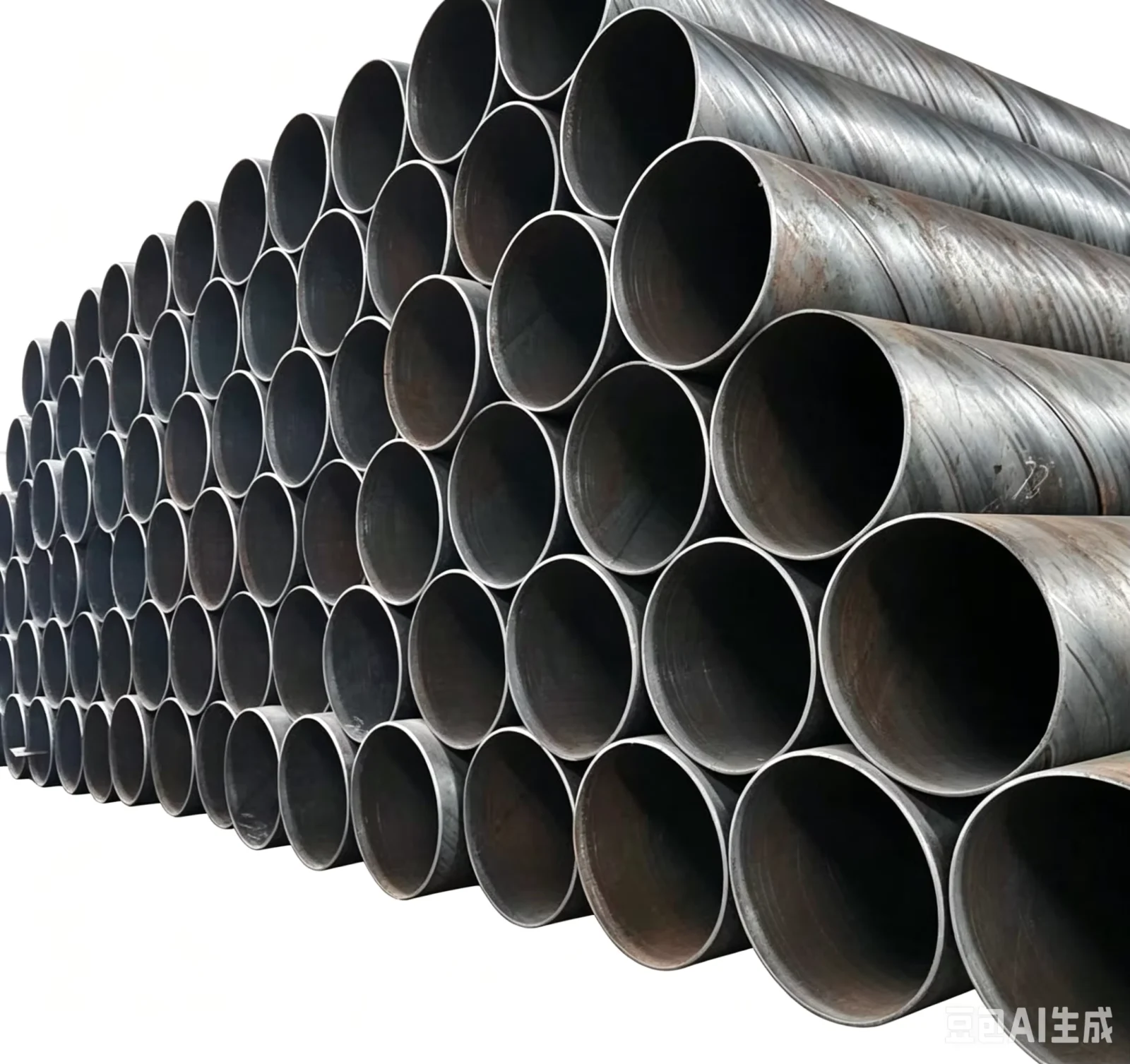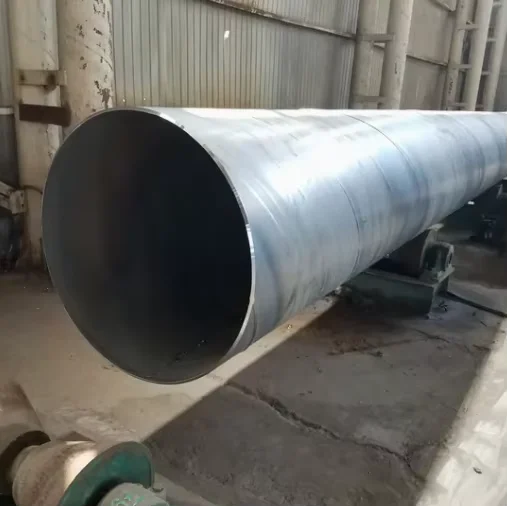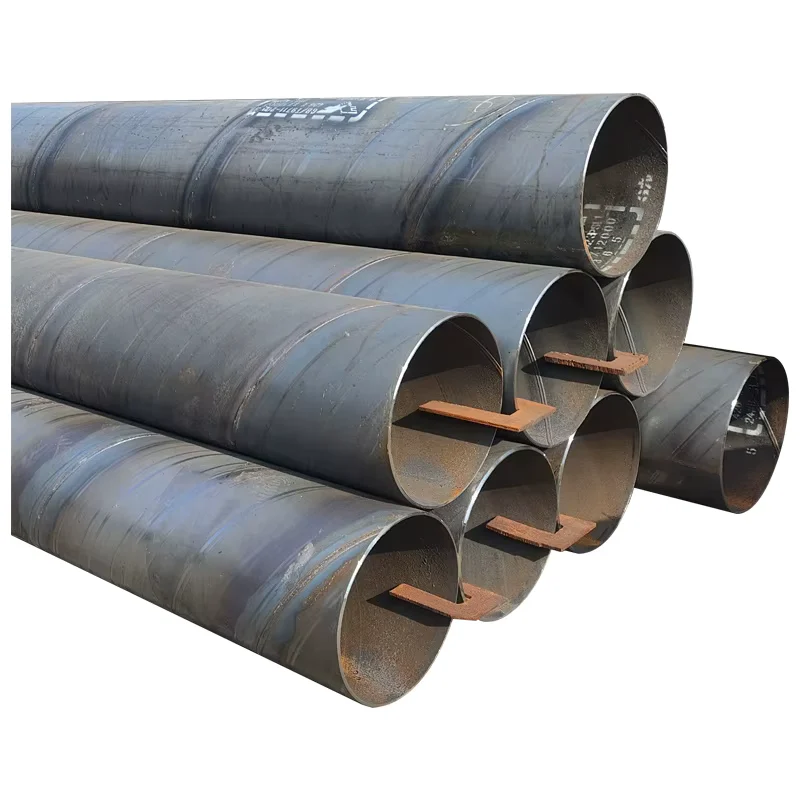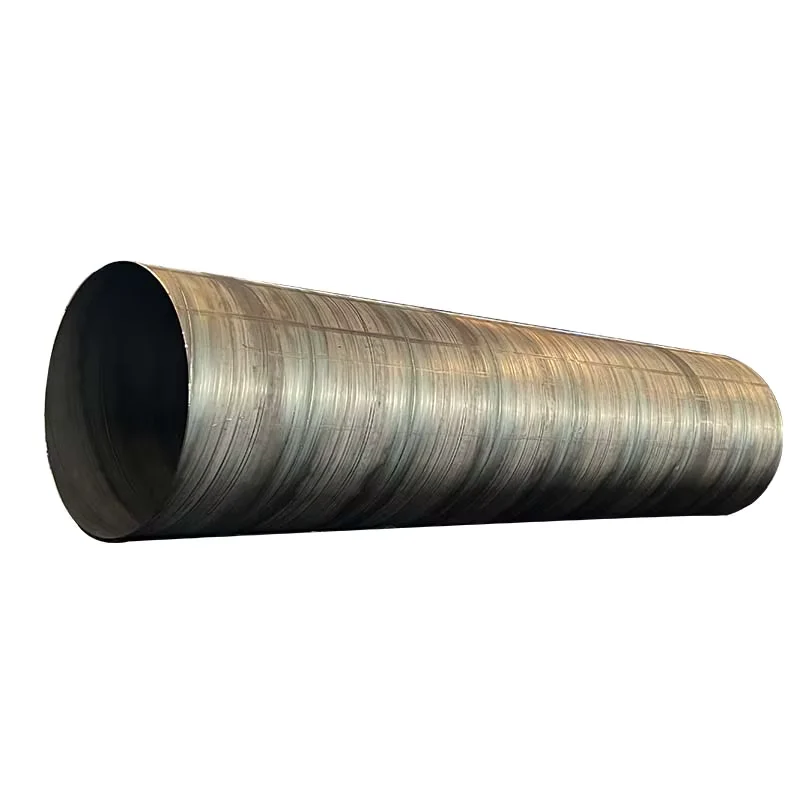
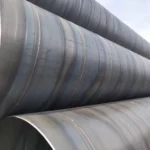
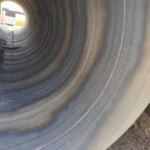
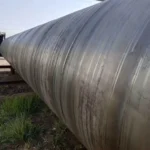
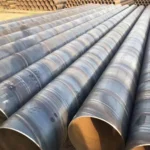
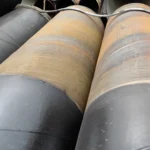
Description
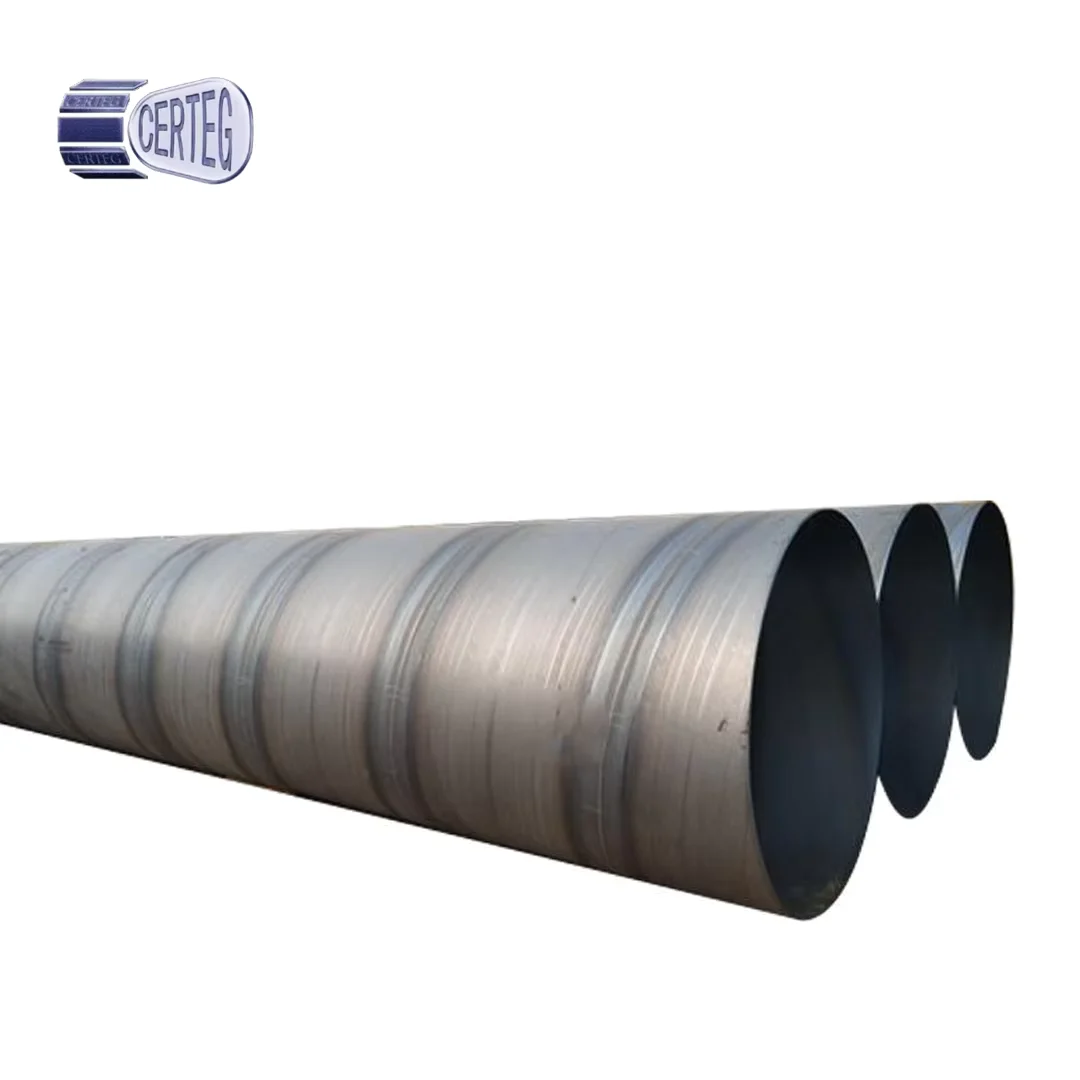
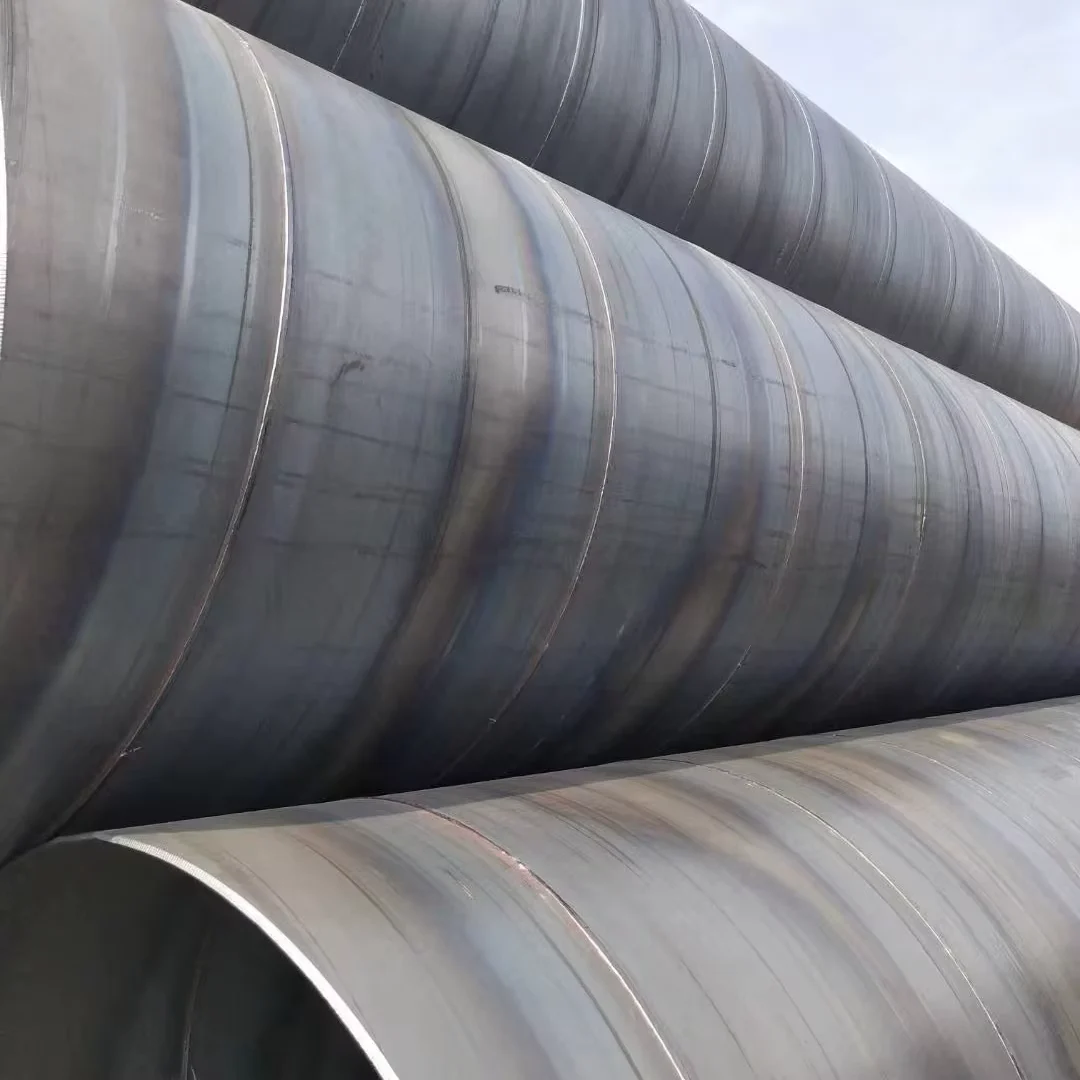
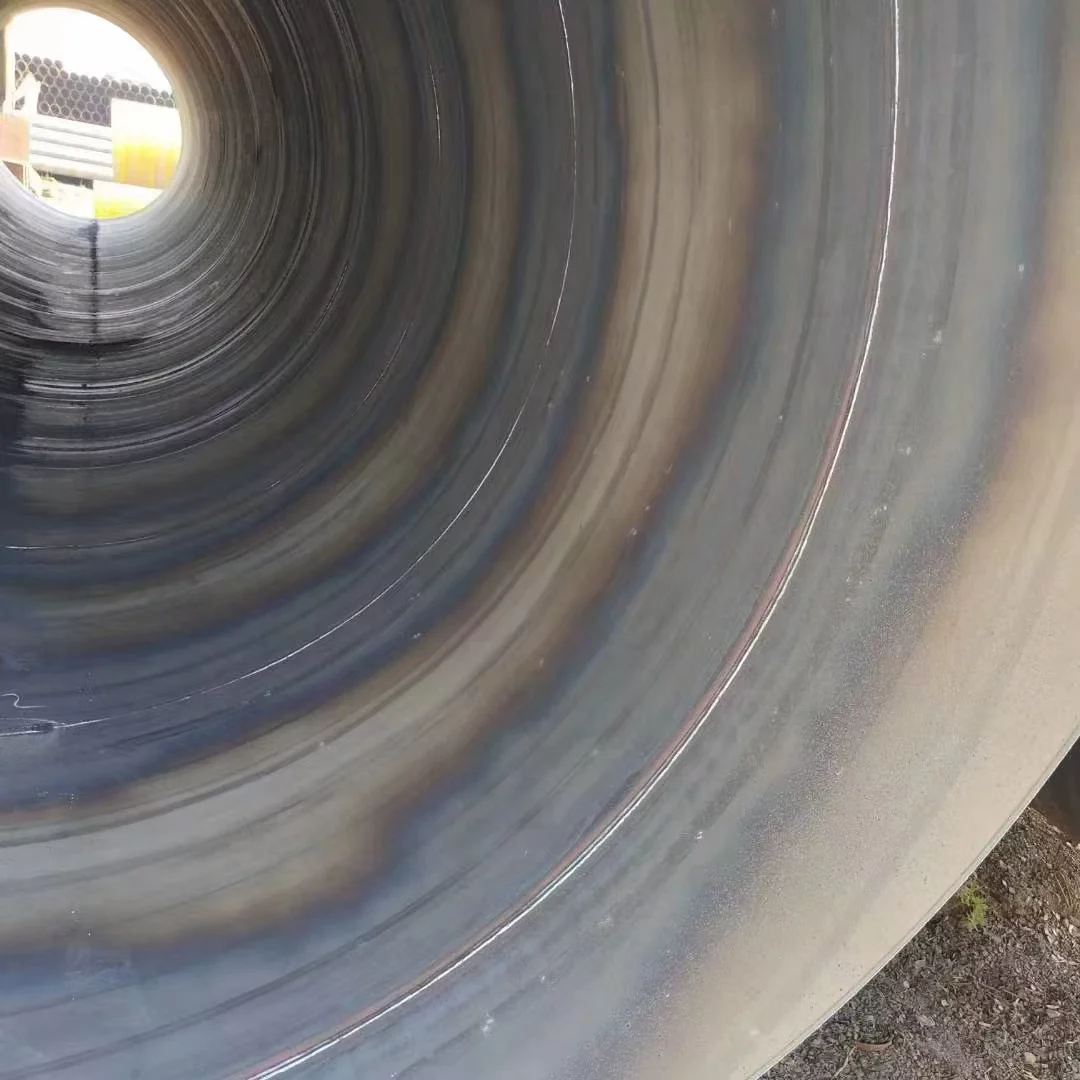
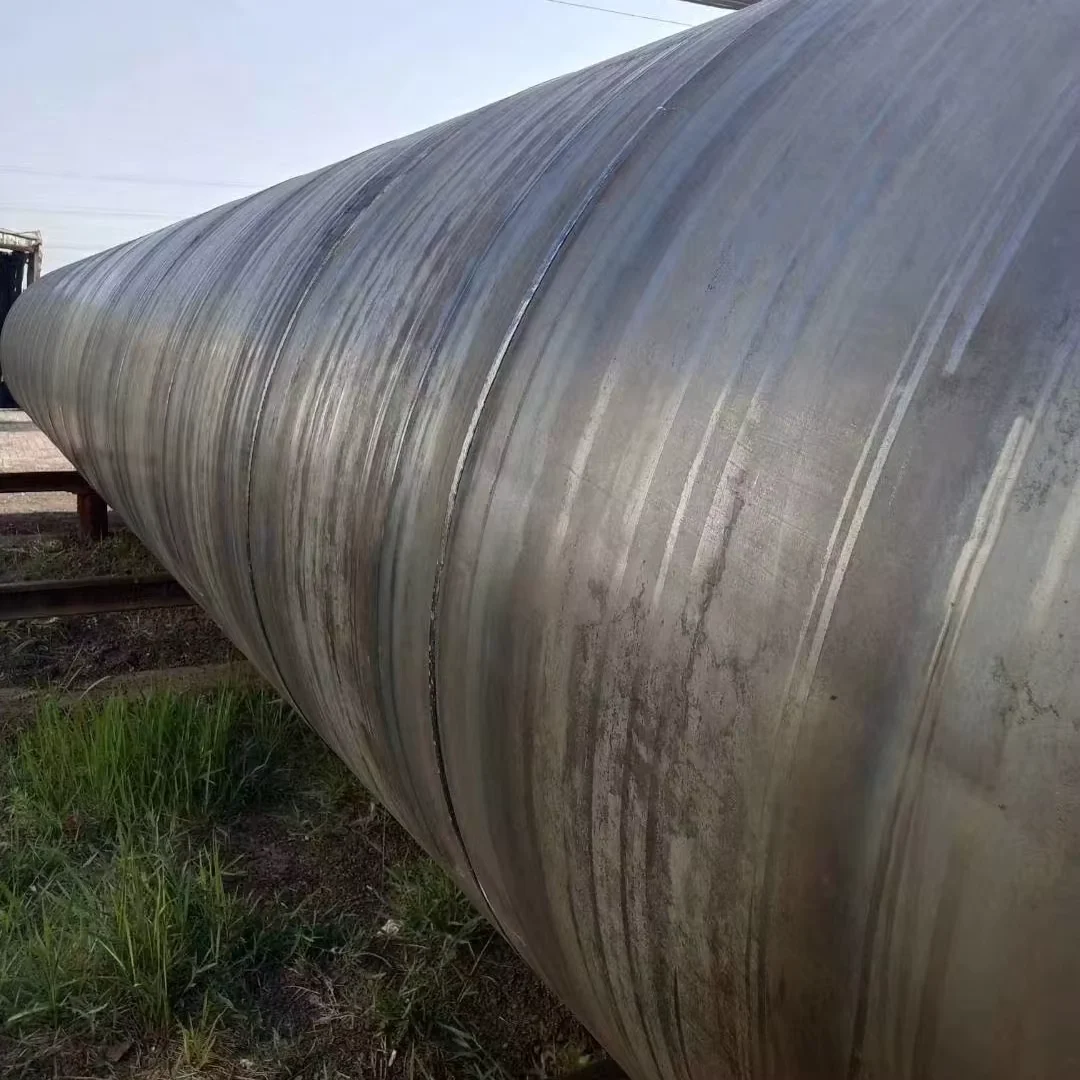
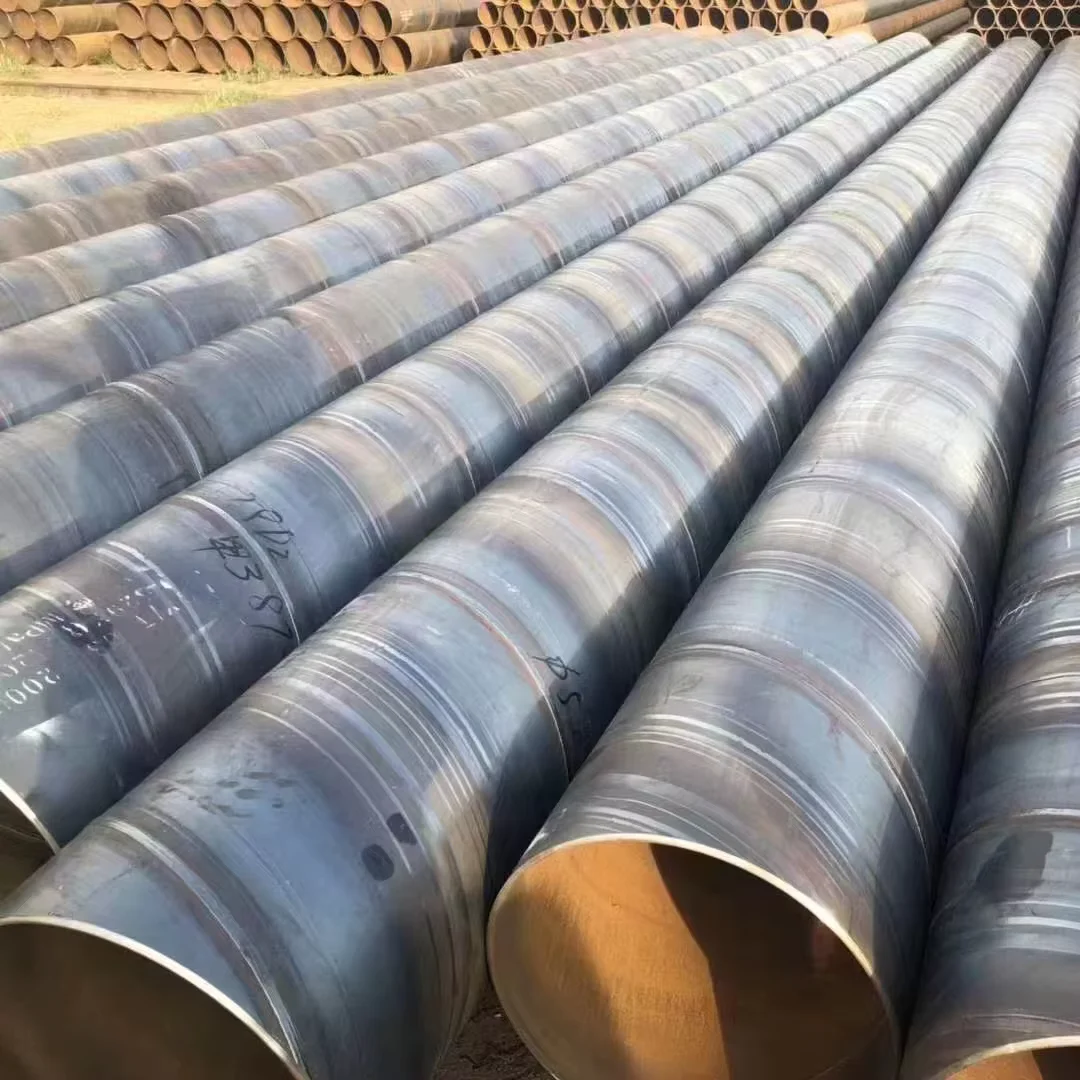
Vertically Integrated SSAW Pipe Mill — Own steel mill and SSAW fabrication workshop ensure full material traceability from hot-rolled coil to finished EN 10219 S235JR SSAW spiral steel pipe for piling, with every heat number documented from rolling to loading.
Technical Specifications
| Parameter | Value |
|---|---|
| Designation | S235JR SSAW Spiral Steel Pipe |
| Product Type | Spiral Submerged Arc Welded (SSAW) Steel Pipe |
| Steel Grade | Q235, Q355, A36, S235JR, S355JR, SS400, API 5L (PSL1 & PSL2 grades up to X80) |
| Standard | GB/T 9711, API 5L, EN 10217-1, EN 10217-5, EN 10219-1/2, ASTM A252, SY/T 5037, SY/T 5040 |
| Section Shape | Round |
| Size Range | OD 219 mm – 3000 mm |
| Wall Thickness | 5.2 mm – 30 mm |
| Length | 6 m / 12 m (Max 32 m) |
| Technique | Spiral Submerged Arc Welded (SSAW / HSAW) |
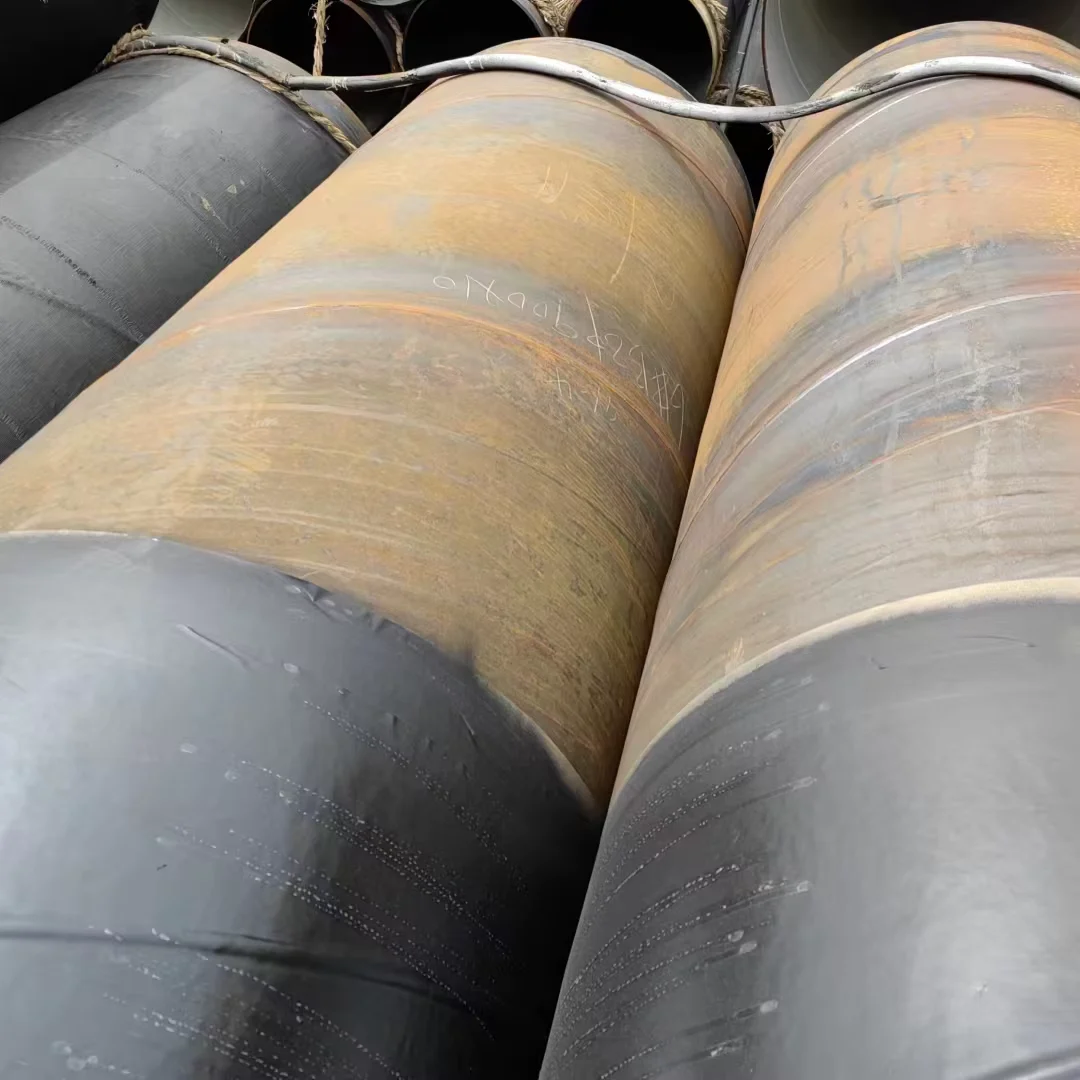
| Surface Treatment | Black / 3PE (FBE + Adhesive + HDPE) / FBE |
| Tolerance | ±1% |
| Ends | Plain / Beveled |
| Application | Piling foundation, bridge construction, hydraulic engineering, oil & gas pipeline, industrial fluid conveyance |
| MOQ | 1 Ton |
| Origin | Shandong, China |
Application Suitability
| Industry | Typical Applications |
|---|---|
| Infrastructure & Civil Engineering | Piling foundation support structures for commercial buildings, highway bridges, and port terminals |
| Bridge Construction | Pile foundations, cofferdam shells, and water drainage systems beneath bridge decks |
| Oil & Gas | Onshore and offshore long-distance transmission pipelines for crude oil, natural gas, and refined products |
| Hydraulic Engineering | Water intake and discharge conduits, flood control retaining walls, and sluice gate supports |
| Industrial Facilities | Structural columns, pipe racks, and heavy-load platform supports in petrochemical plants |
Where Negative Tolerance on Wall Thickness Triggers Third-Party Rejection
A wall-thickness deviation beyond the ±1% tolerance can void an entire shipment — and the cost of re-rolling falls on whoever failed to verify the mill data.
I once watched a full container of large-diameter piling pipes get rejected at destination because the actual wall thickness drifted 8% below nominal. The buyer’s third-party inspector measured it on the dock. The pipes came back to our workshop for re-rolling — every single one. Since that day, I personally sign off on every batch of ultrasonic thickness readings before the pipes leave the mill floor. When sourcing an EN 10219 S235JR SSAW spiral steel pipe for piling from an overseas fabricator, the distance between you and the production line makes it impossible to verify dimensions by eye. Fragmented suppliers who buy coils from one source and subcontract welding to another create gaps in the material certification chain — and those gaps surface as customs holds or site rejections months later. [NEED_CITE: EN 10219 dimensional tolerance requirements for cold-formed and welded hollow sections]
How S235JR Spiral Welded Pipe Meets Piling Load and Corrosion Demands
Piling foundations demand a pipe that can withstand driving stresses during installation while maintaining structural integrity under long-term soil and groundwater exposure. The S235JR grade delivers adequate yield strength for most non-arctic piling scenarios, and the helical seam produced by submerged arc welding distributes stress more evenly along the pipe body compared to straight-seam alternatives at large diameters. When the EN 10219 S235JR SSAW spiral steel pipe for piling is specified with a 3PE coating system — fusion-bonded epoxy primer, adhesive copolymer intermediate, and high-density polyethylene outer shell — it resists the aggressive chloride and sulfate environments typical of marine and coastal foundation work. Our own coil-to-pipe production line means the steel chemistry is verified at the melting stage, not guessed from a supplier’s commercial invoice.
Engineering Compliance Across Piling, Pipeline, and Marine Environments
Structural piling in EU member states must conform to EN 1993 (Eurocode 3) design rules, which reference EN 10219 for cold-formed welded structural hollow sections and EN 10217 for welded steel tubes under pressure. The S235JR designation satisfies the minimum yield and impact energy requirements for temperate-climate foundations, while projects in seismic zones or sub-zero regions typically step up to S355JR or API 5L X42–X80 grades. For oil and gas transmission, API 5L PSL2 adds mandatory Charpy impact testing and stricter sulfur/phosphorus limits. Surface protection selection follows the environment: bare or black-piped sections suit temporary works or inland freshwater piling; FBE coating handles moderate burial conditions; 3PE systems are specified for submerged or saline-soil applications where coating adhesion and mechanical resistance matter most. [NEED_CITE: API 5L PSL2 chemical and mechanical requirements for line pipe steel grades]
Steel Grade Selection and SSAW Welding Metallurgy Explained
The S-series designations (S235JR, S355JR) follow the EN 10025 structural steel framework, where the number indicates minimum yield strength in MPa and the suffix denotes impact test temperature — JR means 27 J at 20°C. The Q-series (Q235, Q355) follows the Chinese GB/T 700 standard with broadly equivalent mechanical properties, making cross-referencing straightforward for projects sourcing from both supply chains. API 5L grades (B through X80) use a different naming convention but map to similar yield tiers, with PSL2 adding tighter chemistry controls and mandatory impact testing. SSAW manufacturing forms the pipe helically from a continuously fed steel coil, with internal and external submerged arc welding passes creating a spiral seam. This process suits large diameters (219–3000 mm) that would be economically impractical with seamless or ERW methods, though the helical weld requires full ultrasonic inspection along its entire length to confirm fusion integrity. Wall thickness tolerance of ±1% means a nominal 10 mm wall can measure between 9.9 mm and 10.1 mm — tight enough for structural calculation confidence, but only if the mill actually measures and records every coil.
Hidden Costs of Procuring Without Verified Mill Documentation
Ordering large-diameter SSAW pipe based on a commercial quote alone — without confirmed mill test certificates, third-party inspection access, and coating adhesion reports — shifts risk entirely onto the buyer. Material that fails to meet EN 10219 dimensional tolerances gets rejected at the port, triggering demurrage, return freight, and project delays. Pipes welded without qualified WPS and PQR documentation cannot pass structural inspection in EU or Middle East markets, meaning they sit in a laydown yard while the project waits. Coating that lacks adhesion test data peels during driving or burial, exposing bare steel to corrosion years before the design life expires. Every one of these failures traces back to a procurement decision that prioritized unit price over verified compliance. [NEED_CITE: EN 10219 factory production control and CE marking requirements for structural hollow sections]
Why Project Buyers Source S235JR SSAW Pipe From Our Facility
Our production starts with hot-rolled coil from our own steel mill — three continuous rolling lines producing over 2,800 specifications — so every pipe’s chemistry can be traced back to the original heat number without relying on a third-party coil trader’s paperwork. The SSAW fabrication workshop sits adjacent to the rolling mill, meaning coils move directly into forming and welding without intermediate storage or handling damage. We maintain certified welding procedures (WPS/PQR) qualified to AWS and EN standards, with welders holding current certifications for submerged arc processes. Every shipment includes a complete documentation package: mill test certificates with chemical composition and mechanical results, ultrasonic and hydrostatic test reports, coating thickness and adhesion measurements, and weld maps identifying every seam. For EU projects, we hold EN 10217 and EN 10219 factory production control certification, with CE marking and Declaration of Performance available for customs clearance. Third-party inspection by SGS, BV, or Lloyd’s can be arranged at any production stage — forming, welding, coating, or loading.
Documentation & Compliance
- Mill test certificate (EN 10204 3.1/3.2) documenting S235JR chemical composition, yield strength, tensile strength, and elongation per EN 10219 requirements
- CE certificate and Declaration of Performance confirming EN 10219 compliance for structural piling applications in EU member states
- ISO 9001 quality management certificate covering the integrated coil-to-pipe production process
- SGS or BV third-party inspection report available for wall thickness, weld quality, and coating adhesion verification at any production stage
- Full material traceability by heat number from hot-rolled coil through finished SSAW pipe
- Export documentation package including packing list, bill of lading, certificate of origin, and coating inspection reports
Packaging, Loading & Delivery
- S235JR SSAW pipes bundled with galvanized steel strips at intervals matched to the 12 m or custom cut length, with rubber edge protectors preventing coating damage during transit
- 3PE-coated pipes wrapped in protective film at both ends and along the body to preserve the HDPE outer layer against UV exposure and mechanical abrasion during ocean freight
- Container loading optimized for OD 219–610 mm pipes nested to maximize 40ft HC capacity; larger diameters (610–3000 mm) shipped as breakbulk with custom cradle supports
- Pipes cut to project-specified lengths within the 6–32 m range, with beveled ends protected by plastic caps to prevent thread damage and moisture ingress
- Each bundle labeled with heat number, steel grade (S235JR), OD, wall thickness, and purchase order reference for site identification
- Shipping terms available as FOB, CIF, or DDP with full export documentation and container tracking through to site delivery
How to Request a Compliant Quotation for Your Piling Project
Submit your project drawings (PDF or DWG), required steel grade, outer diameter, wall thickness, total quantity, coating specification, and destination port. Our engineering team responds within one working day with a detailed quotation covering material, fabrication, coating, packing, and freight — plus a shop drawing timeline and production schedule. We confirm mill test certificate availability, third-party inspection arrangements, and CE/EN documentation requirements before contract signing.
Start Your EN 10219 S235JR SSAW Pipe Inquiry
Send your specifications and drawing package to receive a complete quotation with mill test certificate confirmation and production lead time.
Shandong Xin Jiyuan Special Steel Tube Co., Ltd | www.xjystructure.com | +86 531 8573 6315 | admin@xjystructure.com
Frequently Asked Questions
Q: How does EN 10219 S235JR compare to ASTM A252 Grade 2 and GB Q235B for piling applications?
A: All three grades occupy a similar yield strength tier suitable for general piling in temperate climates. S235JR follows EN 10025 with 27 J impact energy at 20°C (JR suffix). ASTM A252 Grade 2 is the standard U.S. specification for steel pipe piles. GB Q235B is the Chinese equivalent with broadly matching mechanical properties. Selection depends on the project’s governing design code and the engineer’s specification — we supply all three from the same integrated production line with full documentation for each standard.
Q: What documentation is included with each shipment of EN 10219 S235JR SSAW pipe?
A: Every shipment includes a mill test certificate (EN 10204 3.1) with chemical composition and mechanical test results, ultrasonic testing reports for the helical seam, hydrostatic test certificates, coating thickness and adhesion measurements (if coated), weld maps, and dimensional inspection reports. For EU projects, CE marking and Declaration of Performance are provided. Third-party inspection reports from SGS, BV, or Lloyd’s can be arranged at any production stage.
Q: Should I specify 3PE coating, FBE, or bare pipe for marine piling?
A: For marine and coastal piling exposed to saline soil or submerged conditions, 3PE coating (fusion-bonded epoxy primer, adhesive copolymer, and HDPE outer layer) provides the highest resistance to moisture ingress, chemical attack, and mechanical damage during pipe driving. FBE coating suits moderate burial conditions with lower mechanical stress. Bare or black-piped sections are typically limited to temporary works, inland freshwater applications, or projects where cathodic protection will be applied separately.
Q: What is your negative tolerance policy for wall thickness, and how does it affect pricing?
A: Our SSAW pipes are produced to a ±1% wall thickness tolerance, meaning a nominal 10 mm wall measures between 9.9 mm and 10.1 mm. We do not accept orders that require systematic negative tolerance beyond this range. Pricing is based on theoretical weight calculated from nominal dimensions, but every pipe is ultrasonically measured and the actual thickness data is included in the mill test certificate. This eliminates the surprise of receiving pipes that are thinner than specified — a problem that has caused entire shipments to be rejected at destination ports.
Q: Can you arrange third-party inspection before shipment?
A: Yes. We welcome third-party inspection by SGS, BV, Lloyd’s, or your nominated surveyor at any stage — incoming coil inspection, in-process weld examination, coating application, dimensional verification, or pre-loading survey. The inspection scope and acceptance criteria are confirmed before production begins, and the inspector’s report is included in the shipment documentation package.