Description
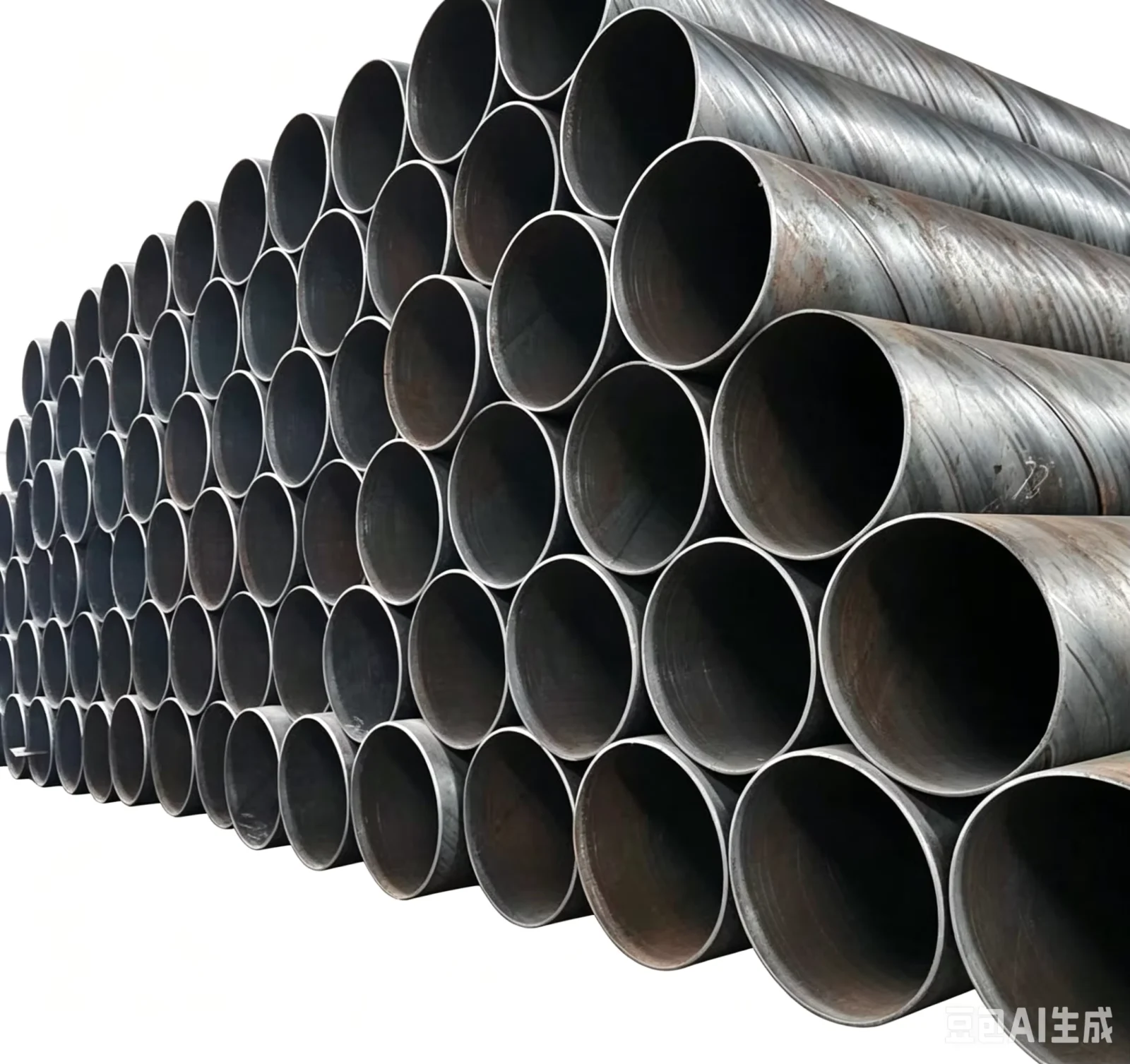
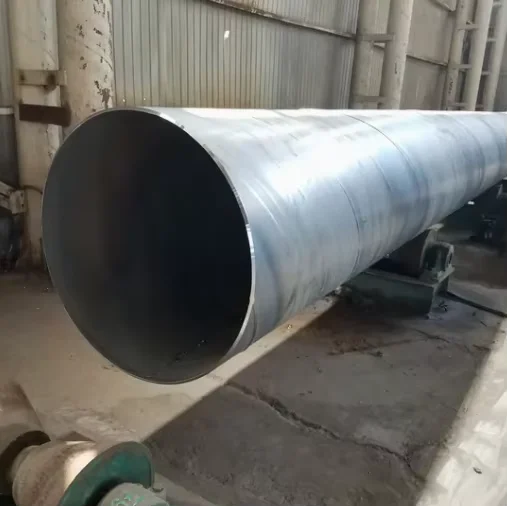
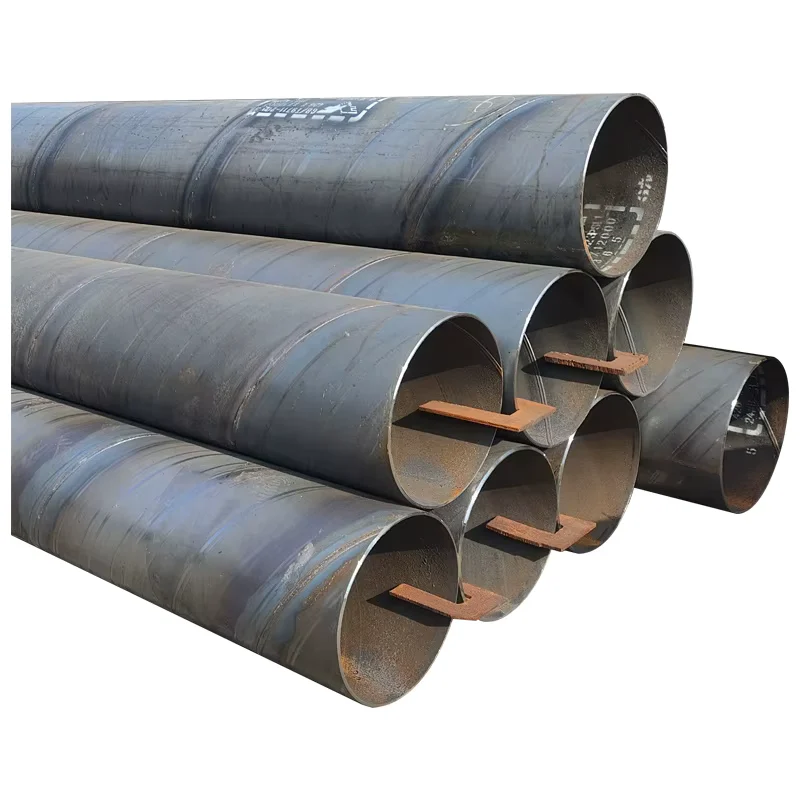
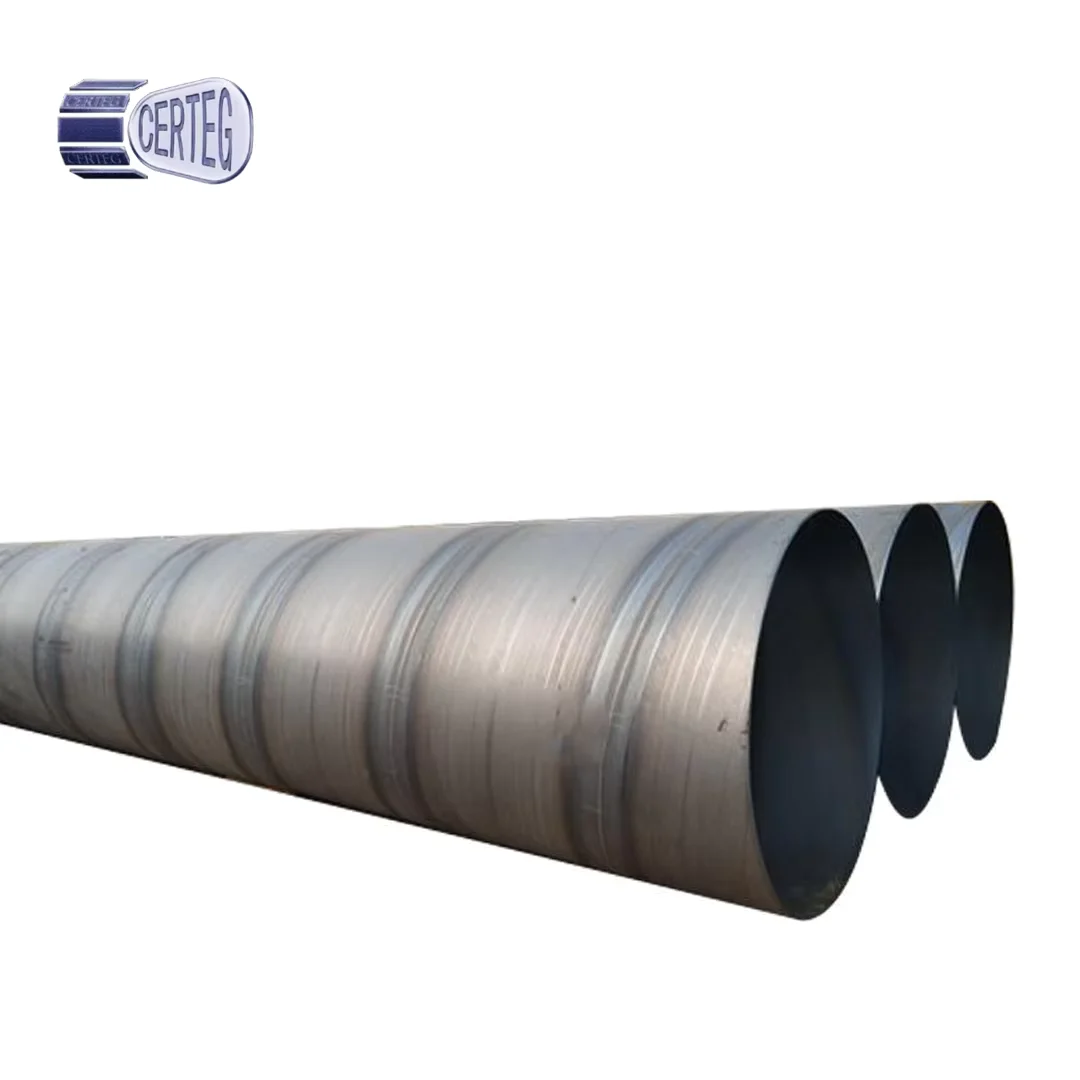
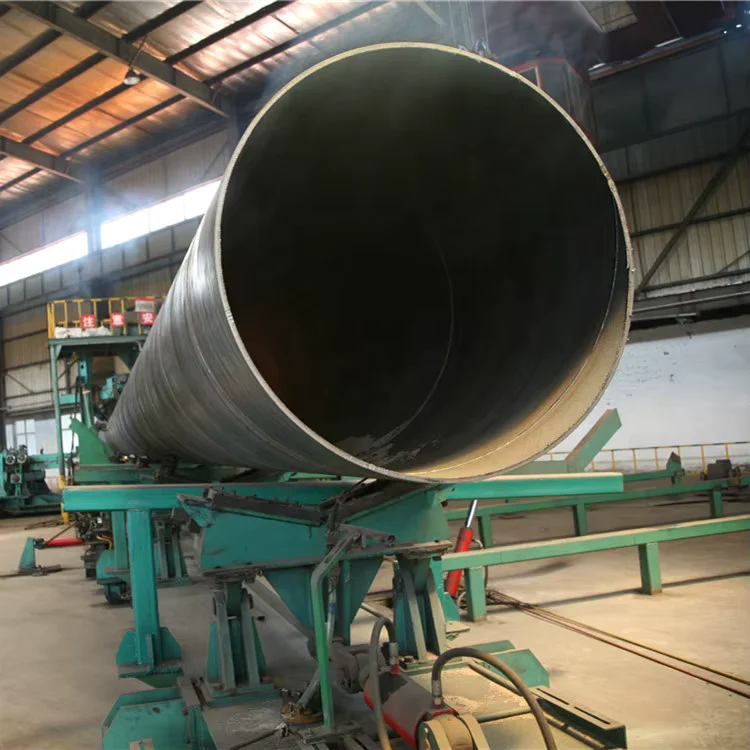
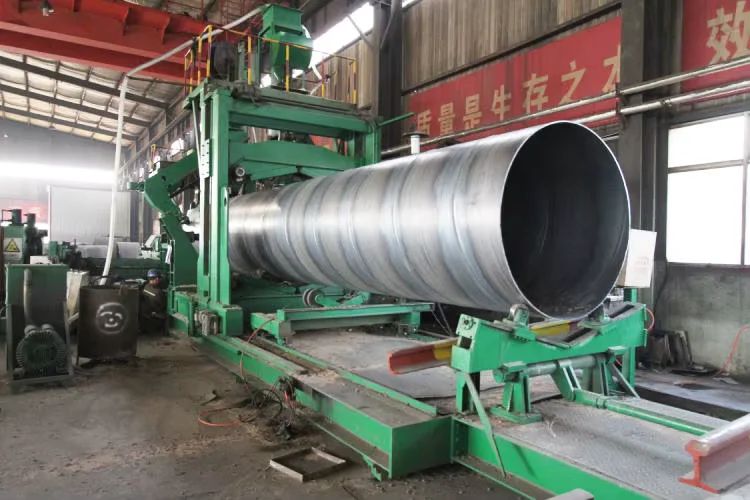
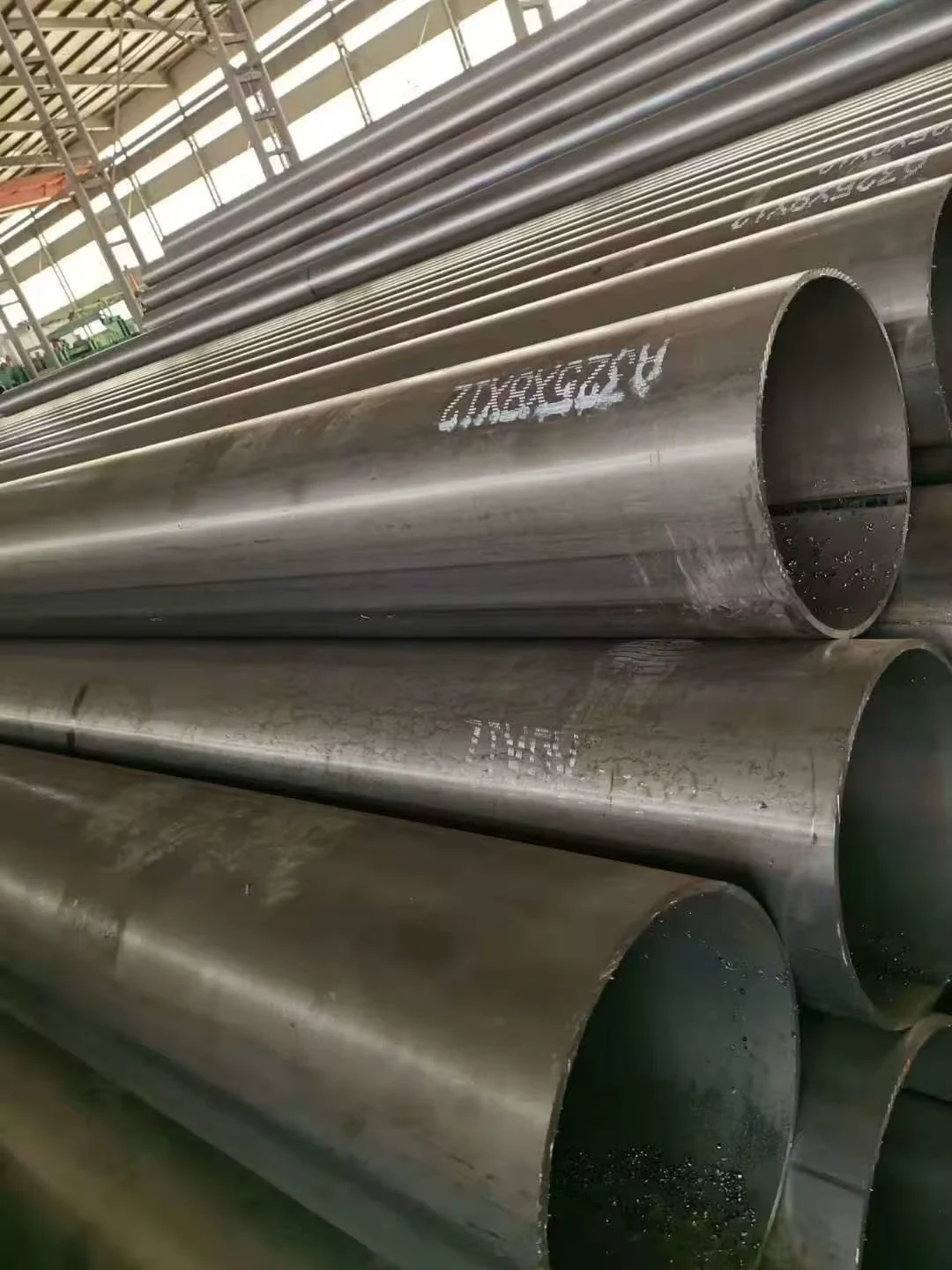
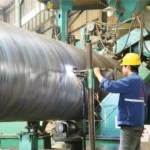
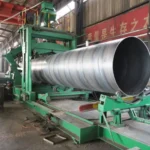
Direct Mill Supply, No Broker Markup — Q235 SSAW spiral welded steel pipes produced and inspected under one roof, with heat-level traceability from slab to finished pipe.
Technical Specifications
| Parameter | Value |
|---|---|
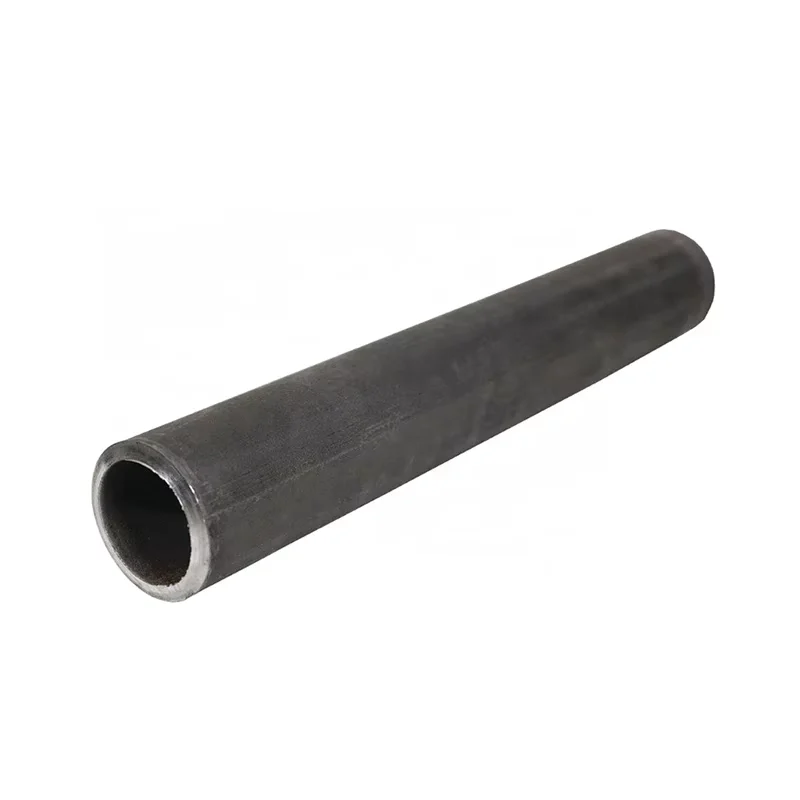
| Designation | Q235 SSAW Spiral Welded Steel Pipe |
| Product Type | SSAW Spiral Welded Steel Pipe |
| Steel Grade | Q195, Q215, Q235, Q345B, Q345C, Q345D, Q345E |
| Standard | API 5L, ASTM A53, BS EN10296, JIS G3466, GB/T 9711, GB/T 3091, BS EN10025, BS EN 39, GB 5310 |
| Section Shape | Round |
| Outer Diameter | 65–2000 mm |
| Wall Thickness | 2.5–30 mm |
| Length | 1–12 m (or customized) |
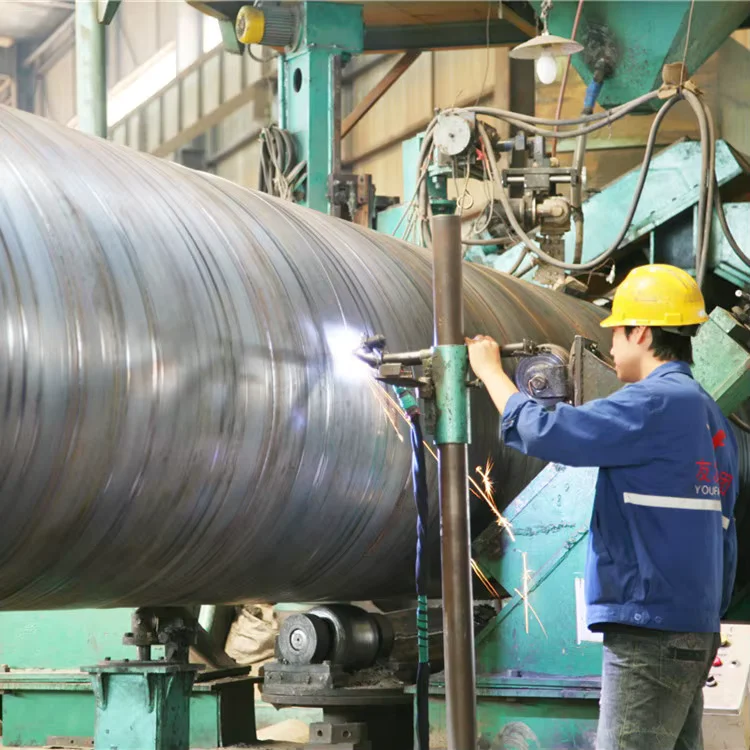
| Technique | SSAW (Spirally Submerged Arc Welding) / Hot Rolled |
| Surface Treatment | Bare / Black Painted / PE Coated / Epoxy Coating / Oiled / Galvanized |
| Tolerance | ±1% |
| Ends | Plain / Beveled (customizable) |
| Invoicing | By Actual Weight |
| Application | Natural gas transmission, petroleum pipelines, chemical industry, power & thermal power, water supply and drainage, steam heating, hydropower penstock, piling & dredging, bridge engineering, steel structure projects |
| MOQ | 5 Tons |
| Origin | Shandong, China |
Application Suitability
| Industry | Typical Applications |
|---|---|
| Oil & Gas / Petrochemical | Transmission pipelines, process piping networks, tank farm manifolds |
| Municipal Infrastructure | Water intake and discharge lines, storm drainage trunk mains, steam heating distribution |
| Civil Engineering | Bridge pier casings, sheet pile alternatives, riverbank revetment columns |
| Power Generation | Cooling water circulation lines, flue gas duct supports, hydropower penstock sections |
| Industrial Construction | Factory structural columns, equipment support frames, conveyor gantry legs |
What Negative Wall Tolerance Actually Costs on a Pipeline Order
A pipe that passes the mill but fails the site inspector’s ultrasonic gauge is not a discount — it is a liability.
When buyers source Q235 SSAW spiral welded steel pipe from trading desks rather than integrated mills, wall thickness often drifts toward the lower bound of tolerance — or beyond it. The pipe looks right on a tape measure, but a handheld UT gauge at the laydown yard tells a different story. I once saw a chemical project shipment held at port because the third-party inspector flagged wall readings below the specified minimum across multiple joints. Rework, re-inspection, and reshipping added weeks of delay and ate whatever margin the low price was supposed to deliver. [NEED_CITE: wall thickness tolerance requirements in API 5L and ASTM A53 for welded pipe]
Matching Chemical Industry Pipeline Demands
Chemical plant piping networks demand consistent wall integrity and corrosion resistance over decades of service. Q235 SSAW spiral welded steel pipe in this diameter and thickness range handles low-to-medium pressure fluid transmission while the spirally submerged arc welding process produces continuous, full-penetration welds verified by hydrostatic testing and nondestructive examination. For aggressive environments, PE coating or epoxy lining options extend service life without switching base material — and our integrated production line means coating is applied under the same quality system that governs the weld itself.
Engineering Compliance and Surface Protection
Structural and pipeline applications each impose different compliance frameworks. API 5L governs line pipe for hydrocarbon and chemical transmission, while ASTM A53 covers general mechanical and pressure use. Q235 SSAW spiral welded steel pipe produced to these standards carries full chemical composition and mechanical test data per heat number. In coastal or high-humidity chemical plant environments, surface treatment selection becomes a structural decision: 3PE coating resists soil-side corrosion for buried sections, epoxy lining handles internal chemical exposure, and hot-dip galvanizing protects above-ground structural supports. [NEED_CITE: surface coating selection criteria for buried and submerged steel pipelines]
Steel Grade Selection and SSAW Process Logic
Q235 sits at the carbon-structural end of the Chinese grade system — adequate yield strength for general pipeline and structural use, good weldability without preheat in most thickness ranges, and straightforward availability. When projects demand higher strength, Q345B through Q345E step up the yield class while retaining weldable chemistry. The SSAW process itself matters for large-diameter applications: the spiral seam geometry distributes residual stress more evenly than a single longitudinal seam, and the submerged arc method produces deep, consistent penetration suitable for thicker walls. This is why SSAW dominates in diameters above 500 mm where ERW mills reach their practical limit.
Negative tolerance is where procurement goes wrong silently. A pipe ordered at 10 mm wall that arrives at 9.2 mm still “meets ±1%” on paper if the standard allows it — but the pressure rating and corrosion allowance both shrink. Our mill controls wall thickness at the rolling stage and verifies every coil before forming, rather than sorting acceptable pieces from a mixed batch afterward.
The Hidden Price of Unverified Material
Pipes without heat-level traceability do not just risk customs delays — they risk structural rejection after installation.
When mill test certificates cannot be traced back to specific heat numbers, or when third-party inspection reports are fabricated rather than witnessed, the entire batch becomes suspect. Customs authorities in the EU and Middle East increasingly cross-check MTC data against physical samples. A Q235 SSAW spiral welded steel pipe shipment arriving without verifiable documentation faces hold, re-testing at buyer’s cost, or outright rejection — long after the container has been unloaded. [NEED_CITE: import documentation requirements for steel pipe under EN 10219 and API 5L]
Why Buyers Specify Our Mill Direct
We operate our own steel production facility with three rolling lines and maintain over 2,800 raw material specifications in stock — meaning Q235 SSAW spiral welded steel pipe orders begin with slab chemistry we control, not material sourced from unrelated mills and relabeled. The fabrication division handles cutting, welding, drilling, and coating under certified procedures (AWS and EN qualified welders, approved WPS/PQR documentation). Every shipment carries a complete documentation package: WPS, PQR, weld maps, dimensional inspection reports, NDT records, hydrostatic test certificates, and coating thickness measurements. Third-party inspection by SGS, BV, or TÜV is arranged on-site before loading — not as an afterthought, but as a standard checkpoint. For oversized diameters requiring break-bulk or flat-rack shipping, our loading team plans stowage and lashing to prevent transit damage.
Documentation & Compliance
- Mill Test Certificate documenting Q235 chemical composition (C, Mn, Si, S, P) and mechanical properties per GB/T 700 and GB/T 9711, traceable by heat number
- API 5L / ASTM A53 product certification confirming manufacturing process compliance for SSAW spiral welded pipe
- ISO 9001 quality management system certificate covering the full production chain from raw material procurement through final inspection
- SGS / BV / TÜV third-party inspection report verifying wall thickness, weld quality, dimensional accuracy, and coating integrity prior to shipment
- Material traceability register linking each pipe to its parent heat number, rolling record, and NDT test results
- Full customs documentation set: commercial invoice, packing list, bill of lading, and certificate of origin formatted for destination-country clearance
Packaging, Loading & Delivery
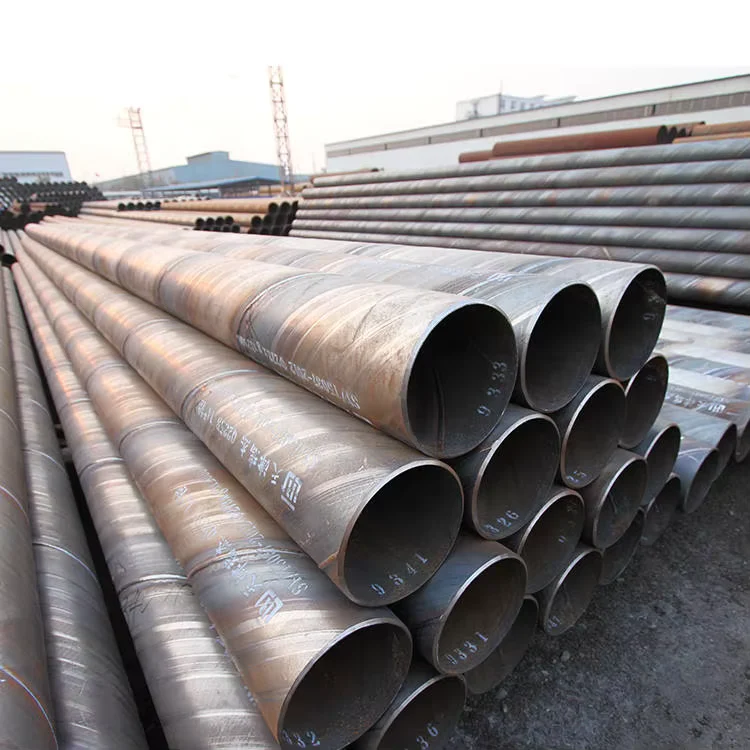
- Bare or oiled Q235 SSAW pipes bundled with galvanized steel strips at intervals matched to pipe diameter, with end caps protecting beveled edges during transit
- PE-coated and epoxy-lined pipes wrapped in protective film with edge protectors to prevent coating damage from bundling straps or handling equipment
- Large-diameter pipes (above 1000 mm OD) loaded on flat racks or in bulk break-bulk vessels with welded cradle supports to prevent ovalization during ocean freight
- Custom cut-to-length service available within the 1–12 m range, with each piece marked by heat number, steel grade, and wall thickness for site identification
- FOB, CIF, and DDP terms supported, with door-to-door logistics coordination for project sites requiring inland haulage from discharge port
Starting Your Procurement Process
Submit your project drawings or specification sheet — including required steel grade, outer diameter, wall thickness, surface treatment, applicable standard, and destination port — to receive a detailed quotation with production timeline and mill test certificate sample. For non-standard dimensions or coating requirements, our engineering team reviews feasibility and provides a shop drawing confirmation before contract execution.
Request Your Q235 SSAW Pipe Quotation with Full MTC Package
Share your specification and quantity to receive pricing, documentation samples, and production lead time within 24 hours.
Company: Shandong Xin Jiyuan Special Steel Tube Co., Ltd
Website: www.xjystructure.com
Tel: +86 531 8573 6315
Mobile/WhatsApp/WeChat: +86 188 5315 7756
Email: admin@xjystructure.com
Address: No.11889, Jingshi West Road, Lulian Group, Jinan City, Shandong Province, China
Frequently Asked Questions
Q: What is the difference between Q235 and equivalent international grades like S235JR or ASTM A283?
A: Q235 is the Chinese standard carbon structural steel grade under GB/T 700, with yield strength and chemical composition broadly comparable to S235JR under EN 10025 and ASTM A283 Grade C. For pipeline applications, API 5L Grade A or B may be specified instead. We provide cross-reference documentation and can produce to your required standard with corresponding MTC formatting.
Q: Can third-party inspection be arranged before shipment?
A: Yes. SGS, BV, and TÜV inspections are conducted at our facility during production or pre-shipment, covering visual and dimensional checks, wall thickness verification, weld NDT review, and coating measurement. Inspection reports are issued directly to the buyer and included in the shipping documentation package.
Q: What surface treatment is recommended for buried chemical plant piping?
A: For buried sections in chemical environments, 3PE (three-layer polyethylene) coating provides the strongest combination of mechanical protection and corrosion resistance. For internal chemical exposure, epoxy lining is specified. We apply both coatings in-house under controlled conditions and provide adhesion test reports and coating thickness measurements with each shipment.
Q: What is the minimum order quantity and can non-standard lengths be supplied?
A: The MOQ is 5 tons. Standard length range is 1–12 meters, and custom cut-to-length is available within this range. Non-standard outer diameters and wall thicknesses within the 65–2000 mm and 2.5–30 mm ranges are produced to order with engineering confirmation.
Q: How is material traceability maintained from raw material to finished pipe?
A: Each coil of raw steel is assigned a heat number at the mill. This number is carried through forming, welding, inspection, and coating, and appears on the final Mill Test Certificate alongside chemical composition and mechanical test results. Any pipe in a shipment can be traced to its specific production batch and test records.