Description
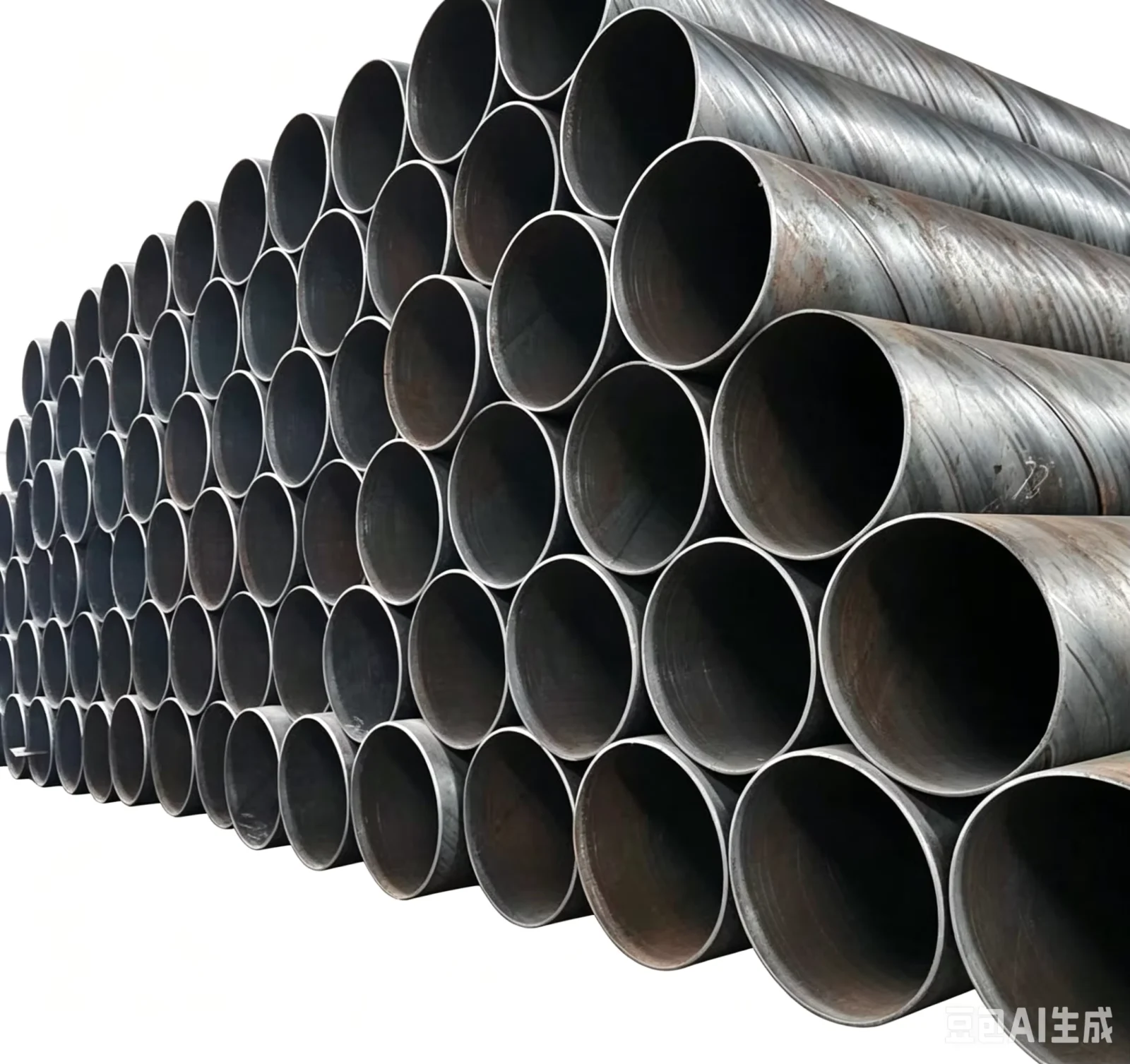
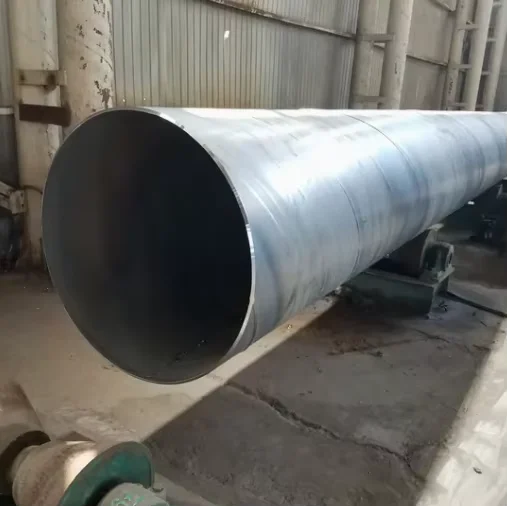
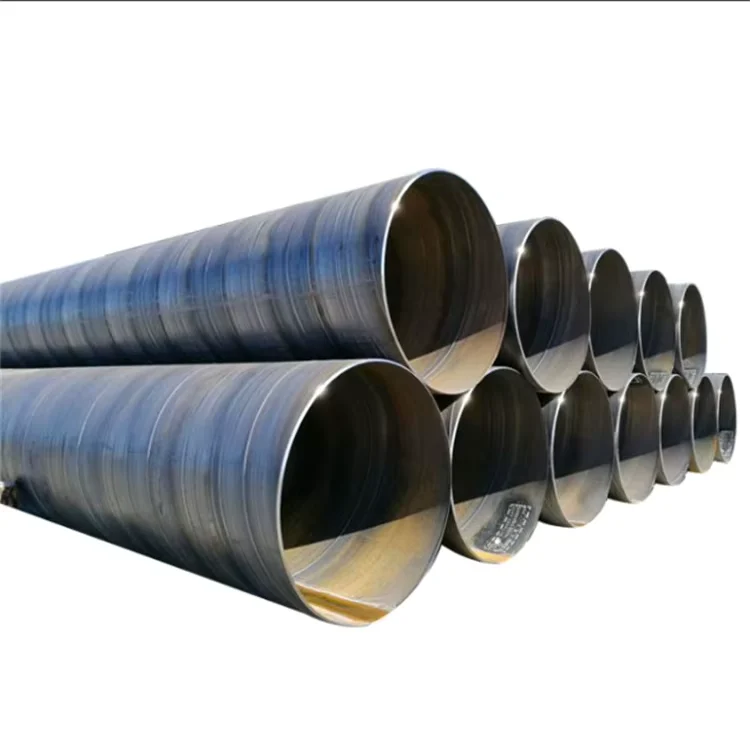
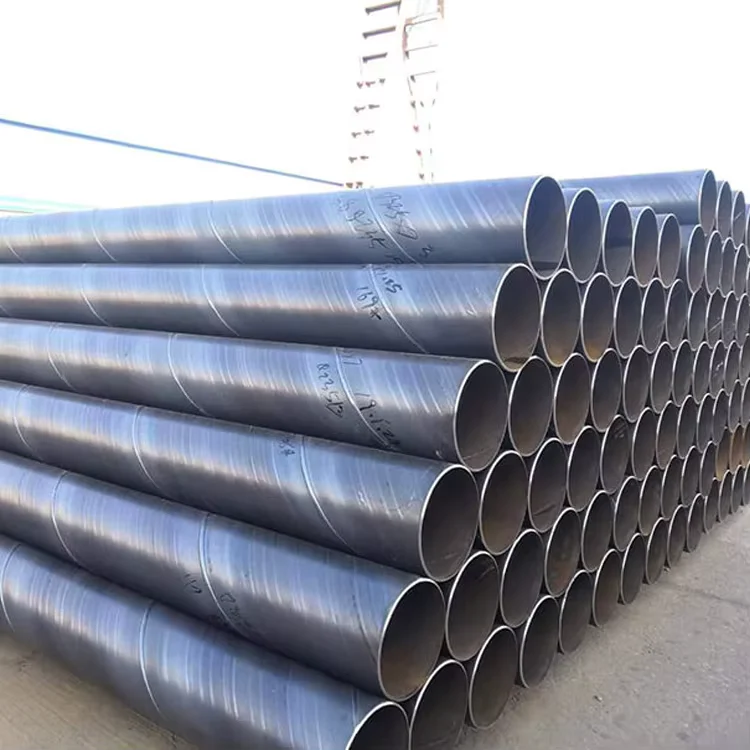
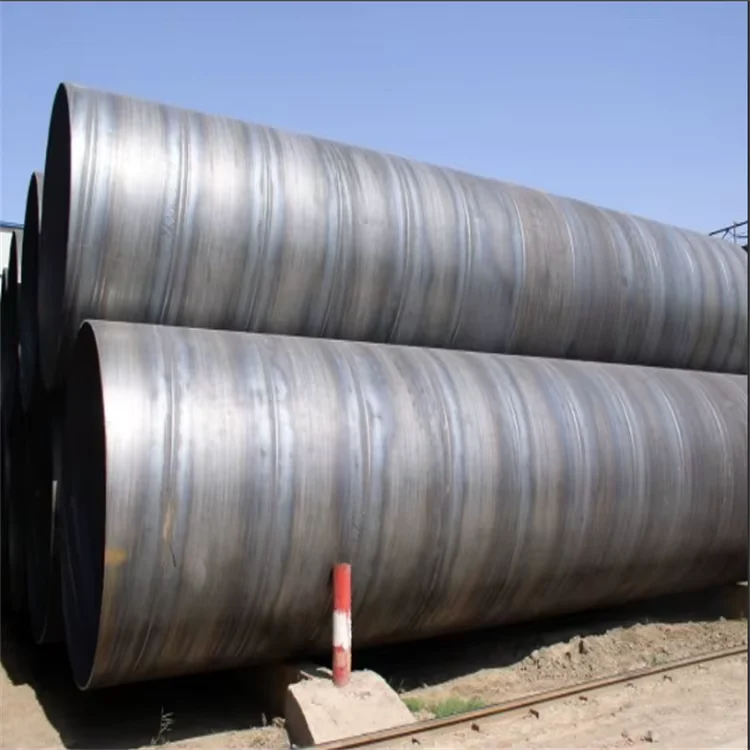
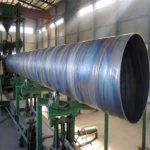
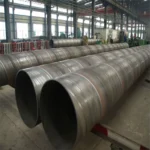
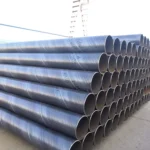
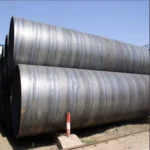
Direct Mill Supply, Full Traceability — Every Q345R and GR70 SSAW spiral welded steel pipe rolls from our own steel mill with heat-level chemistry records, eliminating third-party material gaps before fabrication begins.
Technical Specifications
| Parameter | Value |
|---|---|
| Designation | Q345R GR70 SSAW Spiral Welded Steel Pipe |
| Product Type | SSAW Spiral Welded Steel Pipe |
| Steel Grade | Q235, Q345B, Q345R, GR70, ASTM A53, API 5L (Gr.B, X42-X80) |
| Standard | ASTM A53, ASTM A106, API 5L, GB, JIS, DIN, BS |
| Section Shape | Round |
| Outer Diameter | 21.3 – 1420 mm |
| Wall Thickness | 0.5 – 300 mm |
| Length | 5.8 m / 6 m / 11.8 m / 12 m |
| Technique | SSAW (Spiral Submerged Arc Welded) |
| Surface Treatment | 3PE / Epoxy Coated / Hot Rolled / Black |
| Tolerance | ±1% |
| Ends | Plain / Beveled (with Plastic Pipe Cap) |
| Application | Fluid transport (oil, gas, water) / Structural applications / Construction / Pipeline engineering / Piling / Penstock |
| MOQ | 1 Ton |
| Origin | Shandong, China |
Application Suitability
| Industry | Typical Applications |
|---|---|
| Oil & Gas Pipeline | Buried transmission lines requiring API 5L X42–X80 grades with 3PE anti-corrosion coating |
| Water Infrastructure | Penstock and water conveyance systems using Q345R and GR70 high-strength grades for pressure containment |
| Civil Construction | Foundation piling and bridge substructure using large-diameter SSAW pipes up to 1420 mm OD |
| Industrial Plant | Process piping and structural supports for petrochemical and power generation facilities |
Material Traceability Gaps That Sink Pipeline Inspections
When the mill test certificate does not match the heat number stamped on the pipe, the entire batch fails acceptance — regardless of how good the weld looks.
Outsourcing SSAW spiral welded steel pipe procurement from fragmented suppliers creates documentation chains that break at every handoff. The steel coil comes from one source, the pipe fabrication from another, and the 3PE coating from a third — each issuing separate certificates that never align during final inspection. [NEED_CITE: material traceability requirements for pipeline steel per API 5L] I have seen project teams spend weeks reconciling chemistry reports that reference different heat numbers, while the pipe sits on a wharf accumulating demurrage charges. When your SSAW spiral welded steel pipe supplier controls the entire chain from coil to coated finish, every test report traces back to a single heat of steel.
Pressure Containment and Corrosion Environment Matching
Large-diameter SSAW spiral welded steel pipe from 21.3 mm to 1420 mm OD serves two fundamentally different engineering demands. Pressure-containing applications — penstock, oil and gas transmission, water conveyance — require steel grades like Q345R and GR70 that deliver higher yield strength for internal pressure resistance, combined with 3PE or epoxy FBE coating for buried service where soil corrosion and moisture attack the outer surface continuously. Structural piling and above-ground support applications prioritize dimensional accuracy and weld integrity over corrosion protection, where hot rolled or black finish suffices. The SSAW spiral submerged arc welding process produces a helical seam with full-penetration weld quality across the entire wall thickness, making it suitable for both pressure-rated and structural applications within the same production line.
Engineering Code Compliance and Certification Pathways
Pipeline projects governed by API 5L require grade-specific mechanical properties and chemical composition limits that differ significantly from structural codes like ASTM A53 or EN 10219. Selecting the correct SSAW spiral welded steel pipe standard determines which inspection protocols apply — API 5L mandates hydrostatic testing on every length, while structural standards may permit batch sampling. [NEED_CITE: API 5L versus ASTM A53 inspection and testing requirements] For European market projects, CE marking under EN 1090 or EN 10219 requires factory production control audits and weld procedure qualifications that not all SSAW manufacturers maintain. Our welding procedures are qualified per AWS and EN standards, with certified welders and complete WPS/PQR documentation packages prepared for each order.
Steel Grade Selection and SSAW Welding Fundamentals
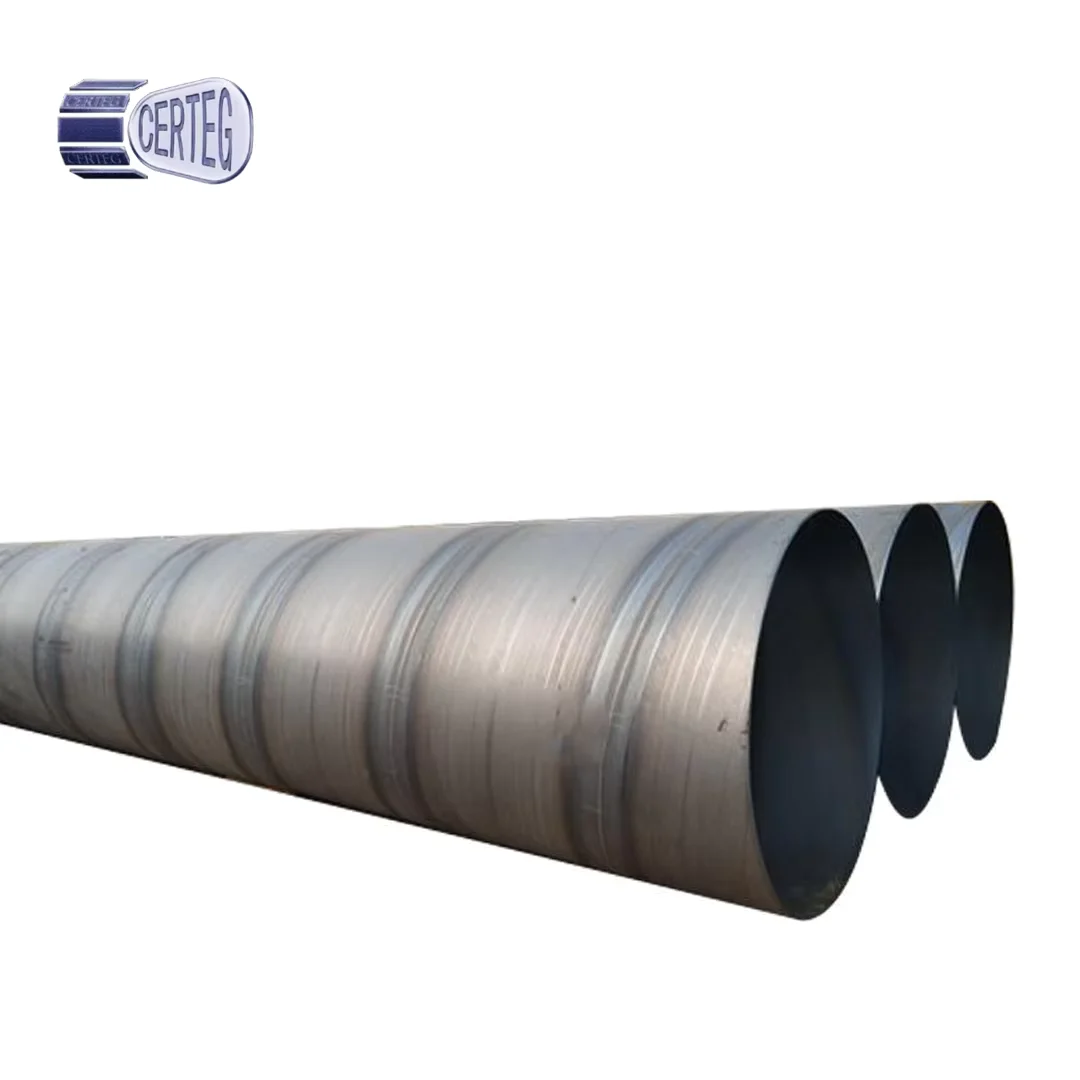
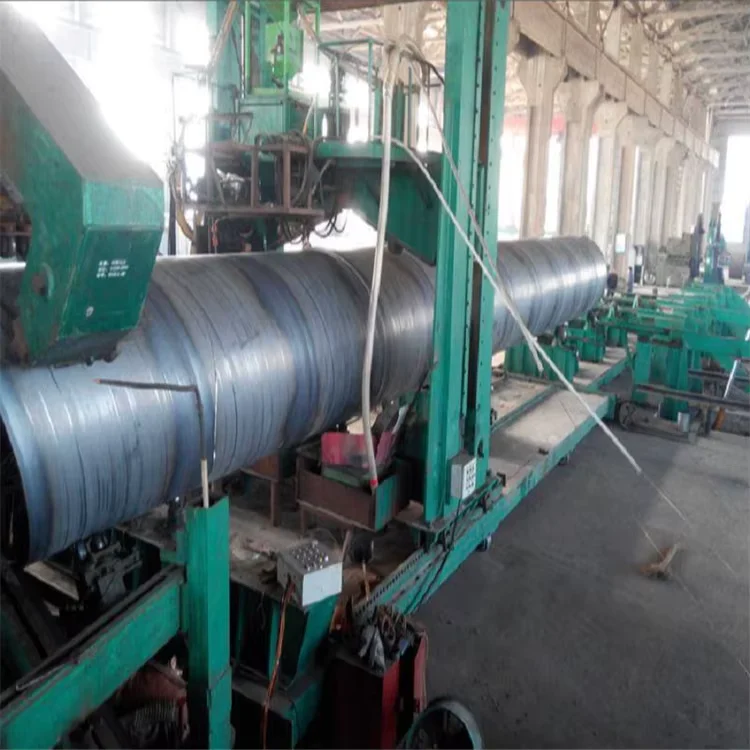
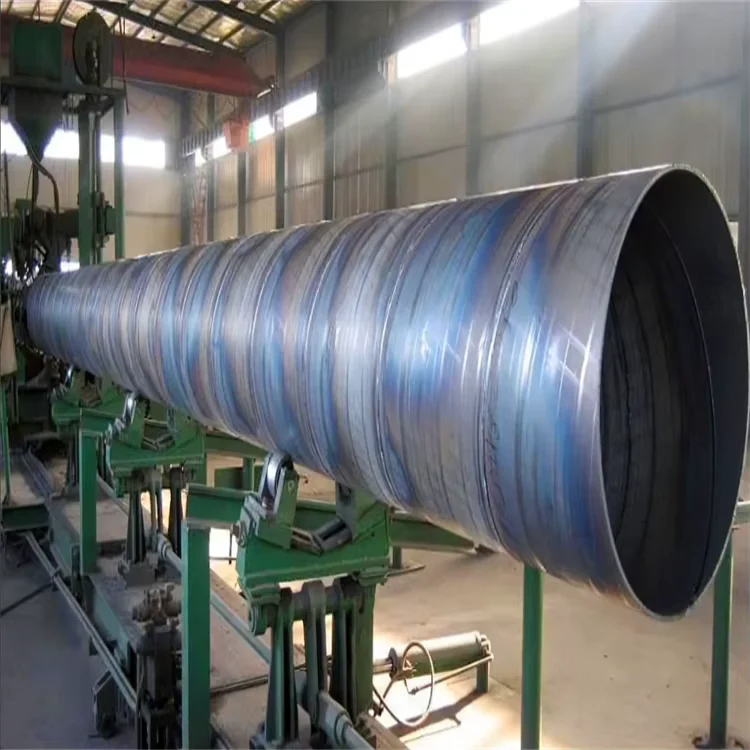
The Q-series grades (Q235, Q345B, Q345R) follow the Chinese GB standard system where the number indicates minimum yield strength in MPa — Q345R specifically denotes a pressure vessel grade with enhanced impact toughness at elevated temperatures, making it the default choice for penstock and high-pressure water systems. GR70 and API 5L grades (Gr.B through X80) represent progressively higher strength levels for pipeline service, where X80 delivers roughly double the yield strength of Gr.B for long-distance gas transmission. The SSAW process forms the pipe by helically winding steel coil and welding the seam with submerged arc welding from both inside and outside, producing a continuous spiral weld that distributes stress more evenly than a single straight seam — particularly advantageous for large-diameter pipes above 500 mm OD where LSAW plate availability becomes constrained. Surface treatment selection follows service environment: 3PE coating provides mechanical damage resistance plus cathodic disbondment protection for buried pipelines, while epoxy FBE offers superior chemical resistance for above-ground or submerged applications.
The Hidden Cost of Negative Tolerance on Pressure Systems
When wall thickness falls below the specified minimum due to uncontrolled negative tolerance, the pipe may pass visual inspection but fail hydrostatic pressure testing at the design working pressure. [NEED_CITE: wall thickness tolerance requirements per API 5L and ASTM A53] A batch of SSAW spiral welded steel pipe delivered with actual wall thickness 0.8 mm below nominal — as I encountered early in my career — triggers complete rejection at the third-party inspection stage, forcing either costly re-procurement or negotiated acceptance at a reduced price that rarely covers the engineering risk. Certification gaps compound this: when the mill test certificate references a different heat number than the pipe stamping, customs authorities in the EU and Middle East routinely detain shipments regardless of physical quality.
Integrated Mill and Fabrication Accountability
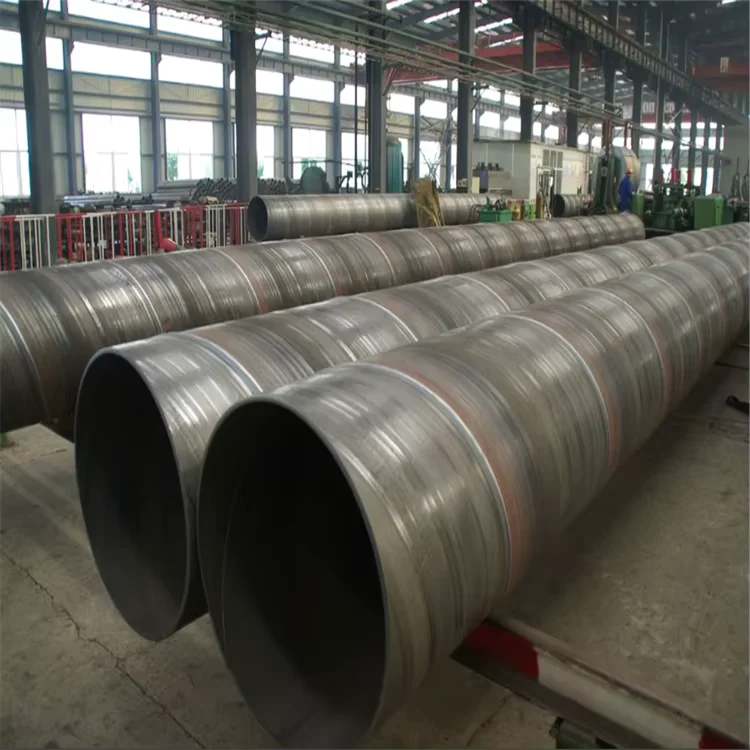
Our SSAW spiral welded steel pipe production operates under a vertically integrated model where the steel mill supplies certified coil directly to the pipe fabrication line — the same facility that performs cutting, welding, coating, and final inspection. This eliminates the material sourcing gap where fabricators purchase coil from third-party traders and cannot verify chemistry or rolling history. Our in-house CNAS-accredited laboratory performs chemical composition analysis and mechanical testing on every heat, producing mill test certificates with full traceability from coil to finished pipe. With over 2,800 raw material specifications in inventory and three dedicated production lines, we maintain stock of common grades like Q235 and Q345B while producing Q345R, GR70, and API 5L grades to order with typical production lead times. Third-party inspection by SGS, BV, or TÜV is welcomed at the buyer’s expense, and our export documentation package includes complete heat-level traceability for customs clearance across EU, Middle East, Southeast Asian, and African markets.
Documentation & Compliance
- Mill test certificate documenting Q345R chemical composition and mechanical properties per GB standard, with heat number traceability from coil to finished pipe
- API 5L certification package including WPS, PQR, and weld maps for X42–X80 grades on pipeline projects
- CE marking documentation per EN 10219 for structural SSAW spiral welded steel pipe entering European markets
- SGS or BV third-party inspection report covering dimensional checks, coating thickness measurement, and weld NDT results
- Material traceability sheet linking each pipe length to its specific heat number, coil position, and production date
- Export customs documentation including packing list, bill of lading, and certificate of origin for destination-country clearance
Packaging, Loading & Delivery
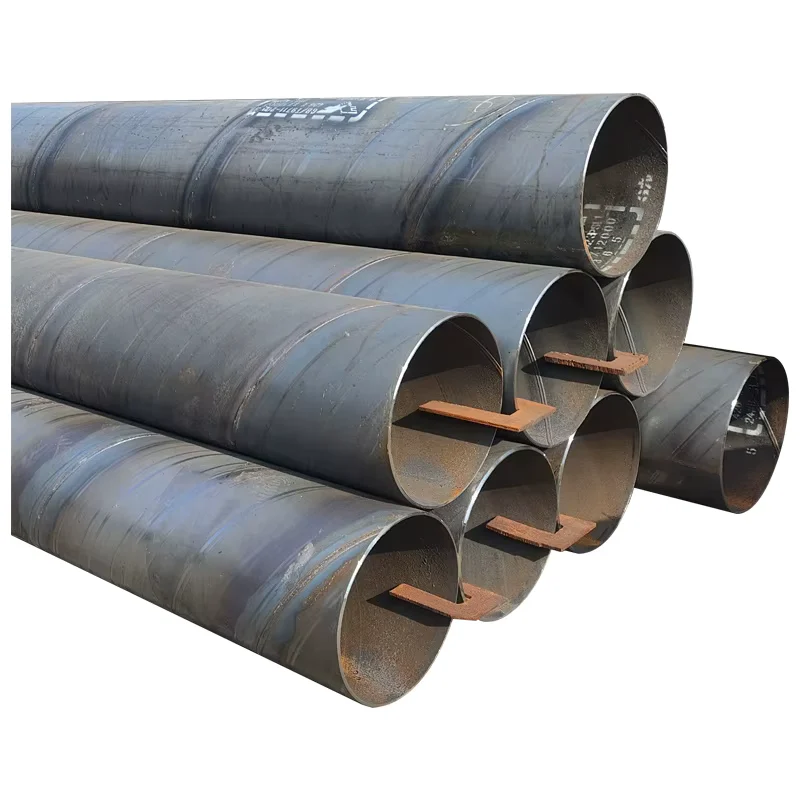
- Q345R and GR70 SSAW pipes bundled with steel strips and edge protectors to preserve 3PE and epoxy coating integrity during ocean transit
- Large-diameter pipes above 800 mm OD loaded in nested configuration to optimize 40ft container utilization and reduce per-ton freight cost
- Beveled ends fitted with plastic pipe caps to prevent moisture ingress and thread damage during handling and storage at project site
- Heat number and steel grade stenciled on each pipe length alongside bundle tags for rapid identification during site receiving inspection
- FOB, CIF, and DDP shipping terms available with professional oversized cargo loading plans for project shipments exceeding container capacity
Initiating Your SSAW Pipe Procurement
Submit your project drawings or specification sheet listing required steel grade, outer diameter, wall thickness, surface treatment, and total quantity to receive a detailed quotation including material cost, fabrication, coating, packing, and freight estimates. Our engineering team reviews shop drawings within 24 hours and confirms compliance with your applicable standard — API 5L, ASTM A53, or GB — before production begins.
Request Your SSAW Spiral Welded Steel Pipe Quotation
Send your specifications, steel grade, and destination port to receive pricing and mill test certificate samples.
Shandong Xin Jiyuan Special Steel Tube Co., Ltd
Website: www.xjystructure.com
Tel: +86 531 8573 6315
Mobile/WhatsApp/WeChat: +86 188 5315 7756
Email: admin@xjystructure.com
Address: No.11889, Jingshi West Road, Lulian Group, Jinan City, Shandong Province, China
Frequently Asked Questions
Q: What is the difference between SSAW and LSAW for large-diameter pipe projects?
A: SSAW spiral welded steel pipe is formed by helically winding steel coil and welding with submerged arc welding, making it cost-effective for diameters from 21.3 mm to 1420 mm. LSAW uses single or double straight seam welding on plate, typically preferred for diameters above 500 mm in certain structural applications. The choice depends on project specifications, diameter requirements, and applicable code — both processes produce full-penetration welds when qualified procedures are followed.
Q: How do I select between 3PE and epoxy FBE coating for buried pipeline service?
A: 3PE coating combines an epoxy primer, adhesive copolymer, and polyethylene outer layer, providing mechanical damage resistance during backfilling plus cathodic disbondment protection for long-term buried service. Epoxy FBE coating offers superior chemical and temperature resistance for applications where the pipe may be exposed to elevated temperatures or aggressive soil chemistry. The selection depends on burial depth, soil conditions, operating temperature, and project specification requirements.
Q: How does vertical integration eliminate material traceability gaps?
A: When the steel mill and pipe fabrication operate under one facility, the coil used to produce your SSAW spiral welded steel pipe is tracked from incoming inspection through forming, welding, coating, and final testing — all under a single quality management system. The mill test certificate references the same heat number stamped on each pipe, eliminating the documentation mismatches that occur when fabricators source coil from third-party traders.
Q: What API 5L grades are available for oil and gas pipeline projects?
A: We produce API 5L grades from Gr.B through X80, covering the full range of onshore and offshore pipeline requirements. Each grade is produced with qualified welding procedures and tested per API 5L requirements including hydrostatic testing, chemical composition analysis, and mechanical property verification. Mill test certificates document heat-level chemistry and test results for customs and client inspection.
Q: How are large-diameter SSAW pipes packed and loaded for export?
A: Pipes are bundled with steel strips and protected with edge guards to preserve coating integrity. Large-diameter pipes above 800 mm OD are loaded in nested configuration to maximize container space. Beveled ends receive plastic caps, and each pipe is stenciled with heat number and grade for site identification. Oversized shipments receive professional lashing plans for container or breakbulk transport.