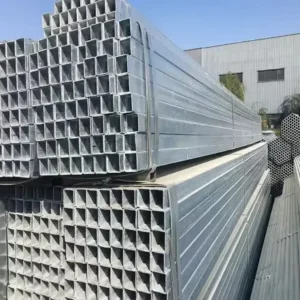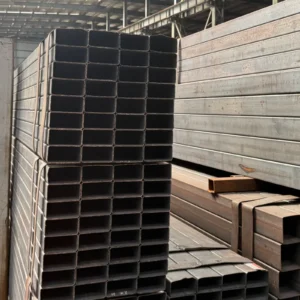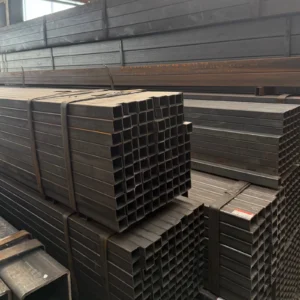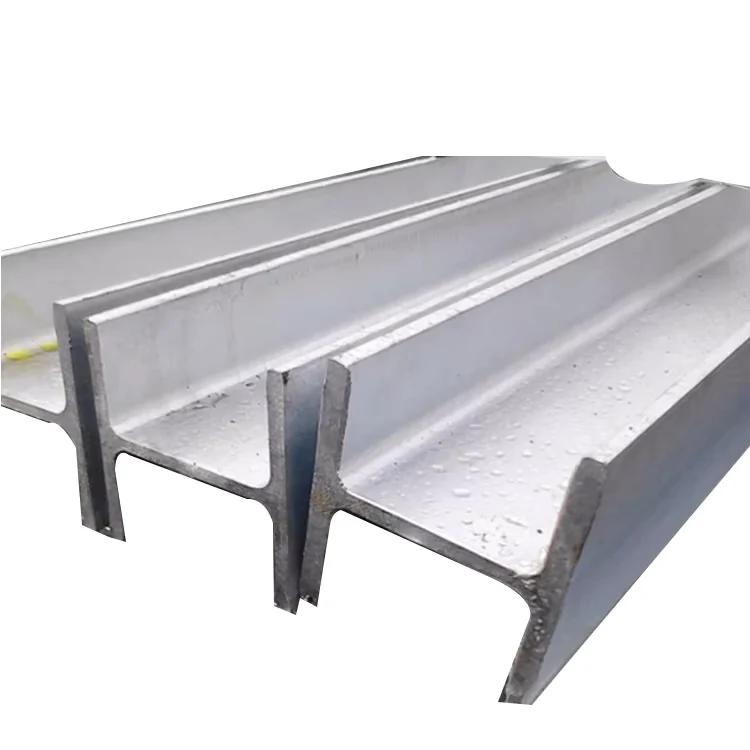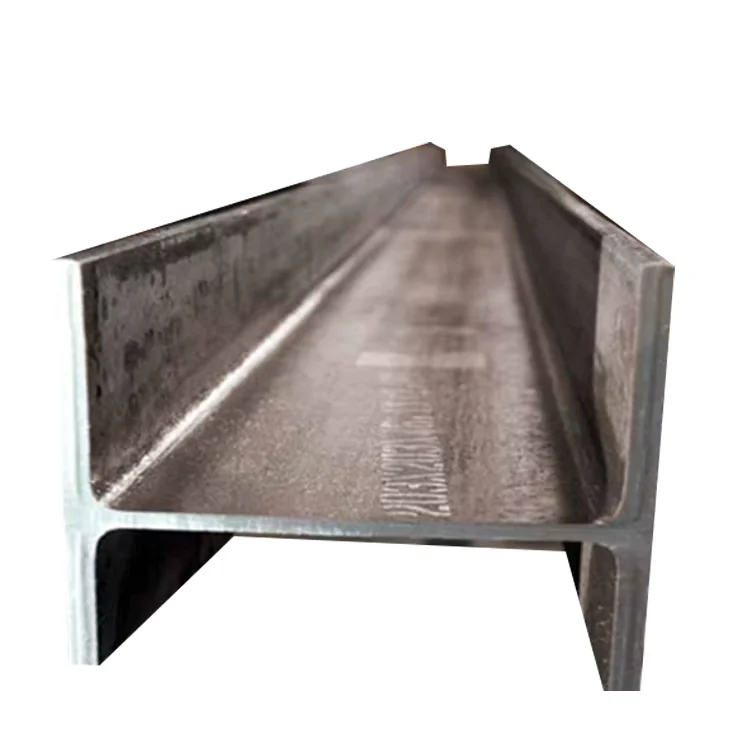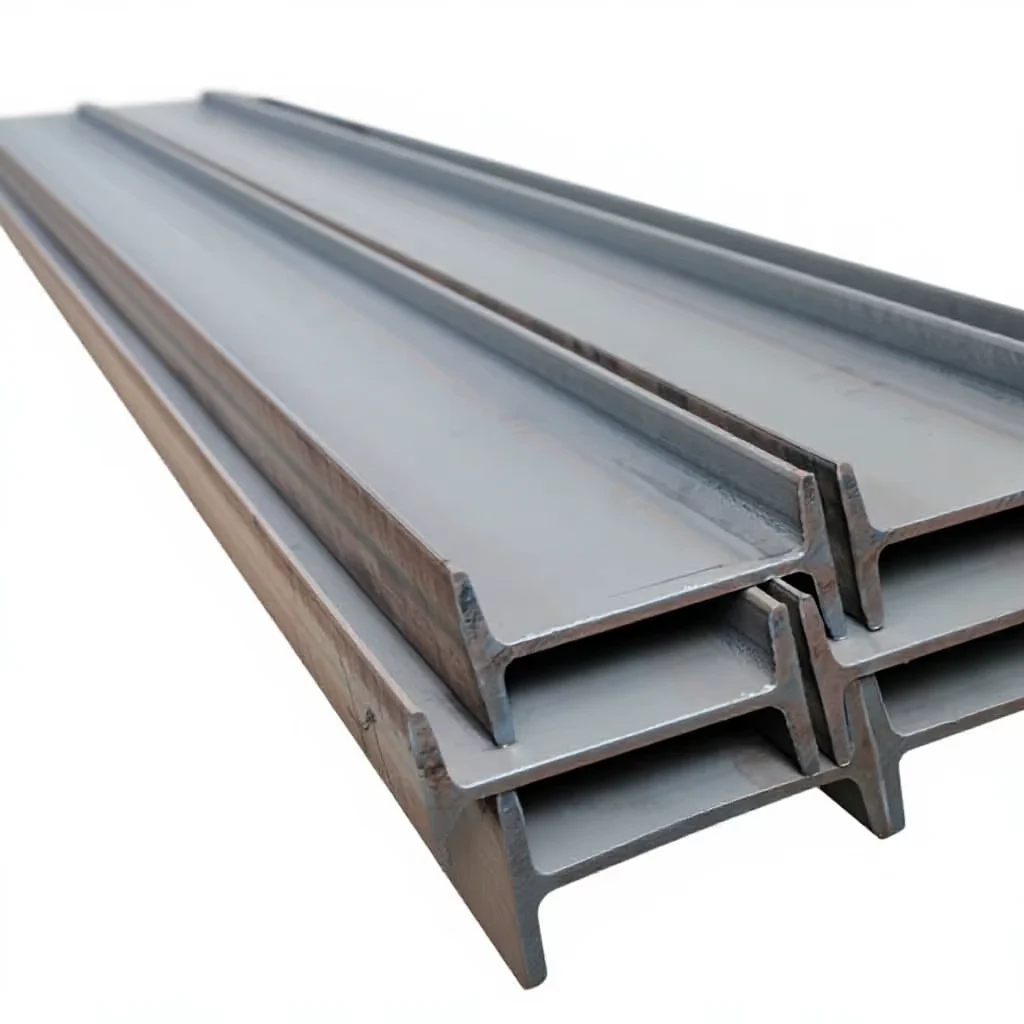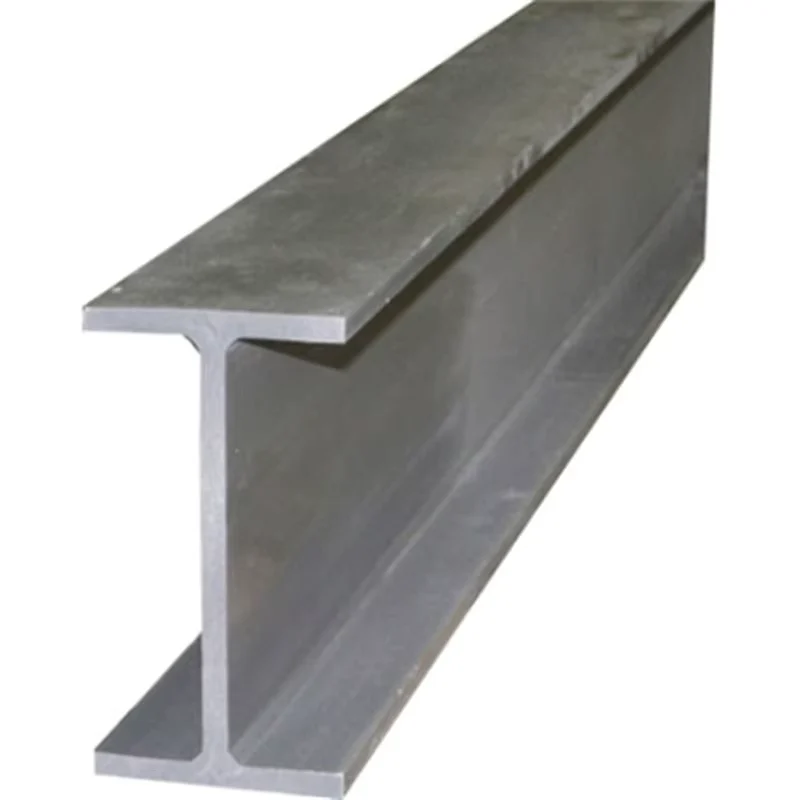
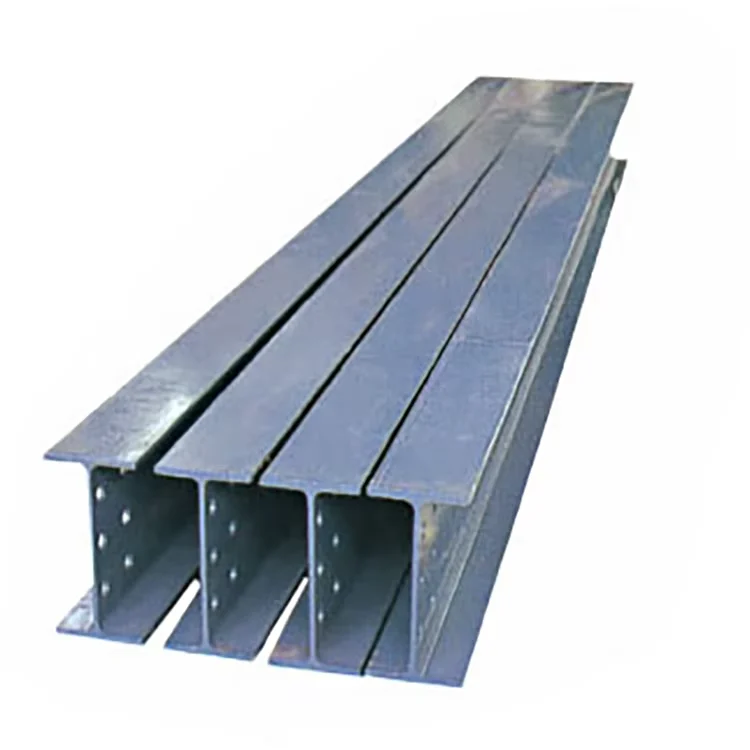
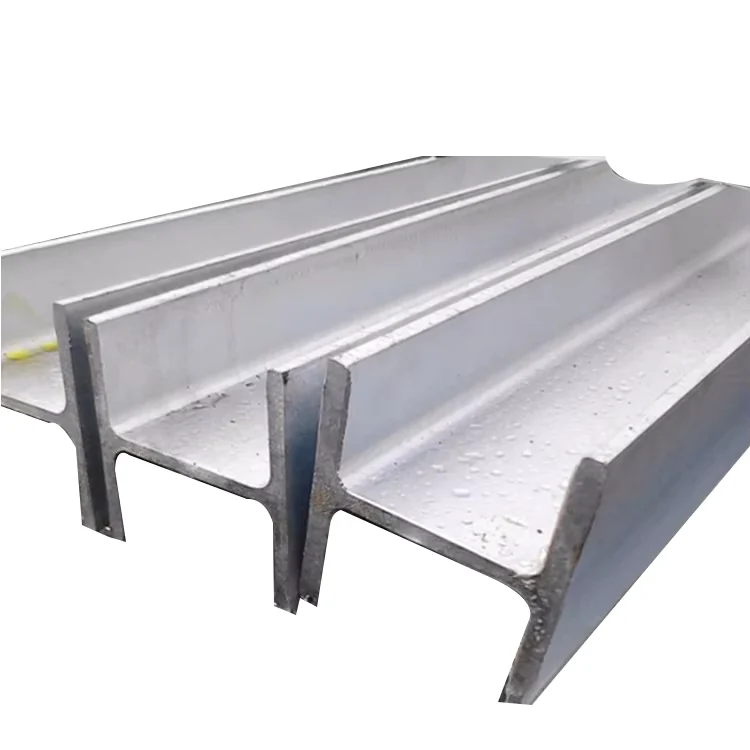
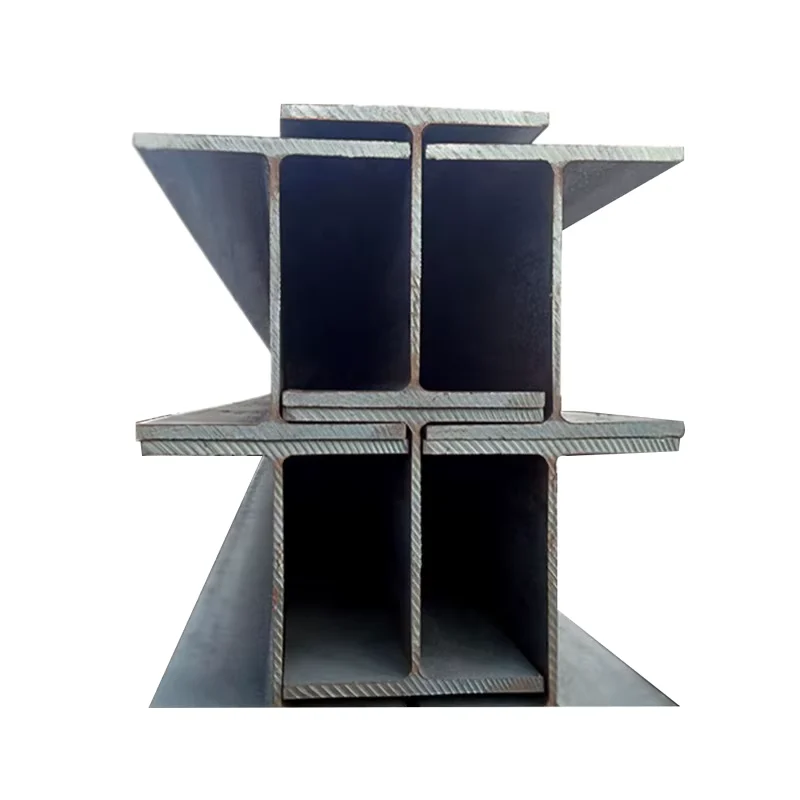
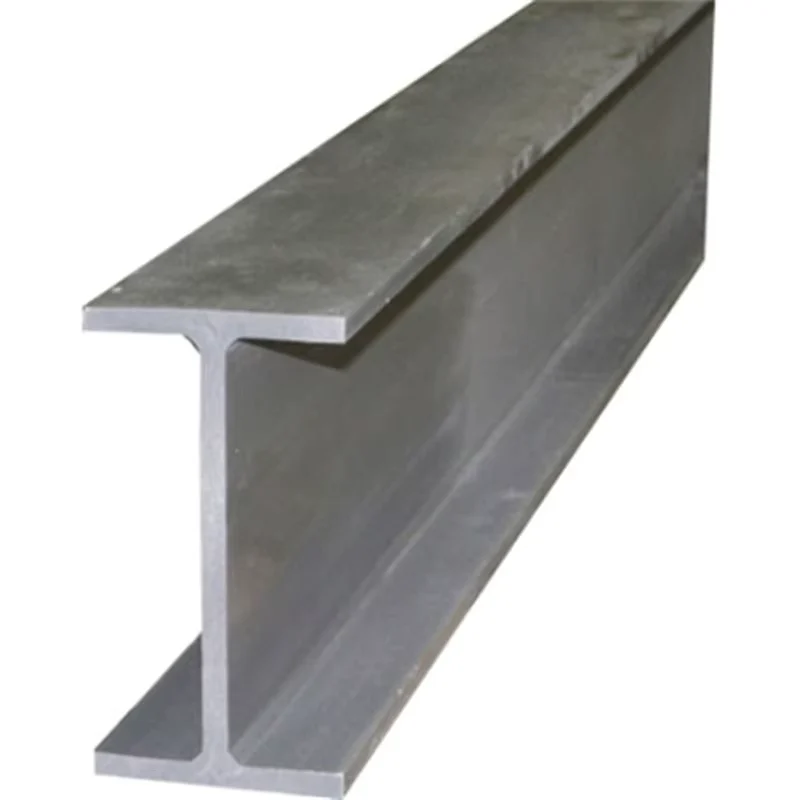
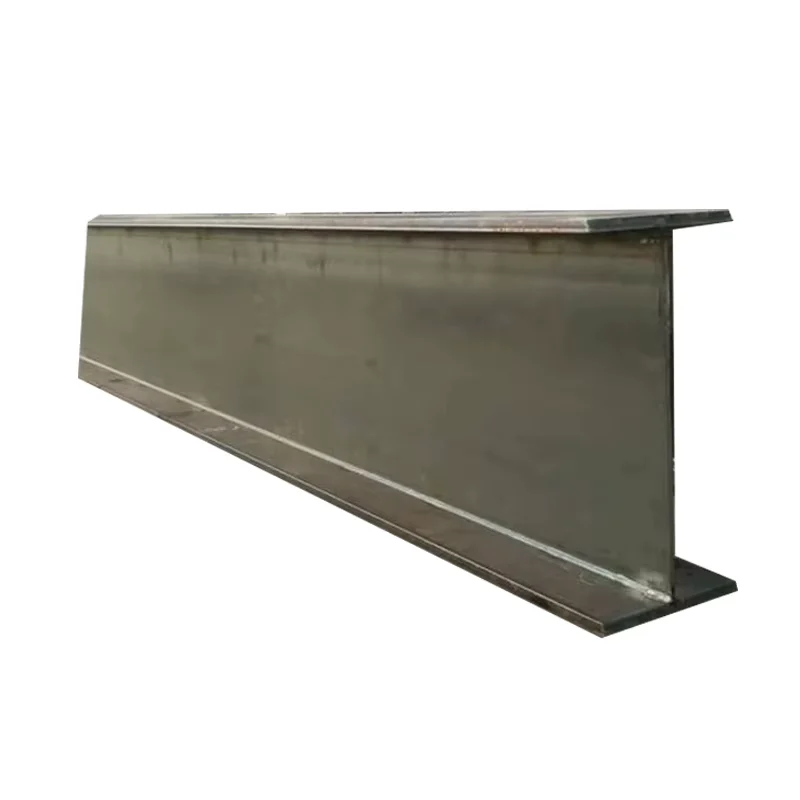
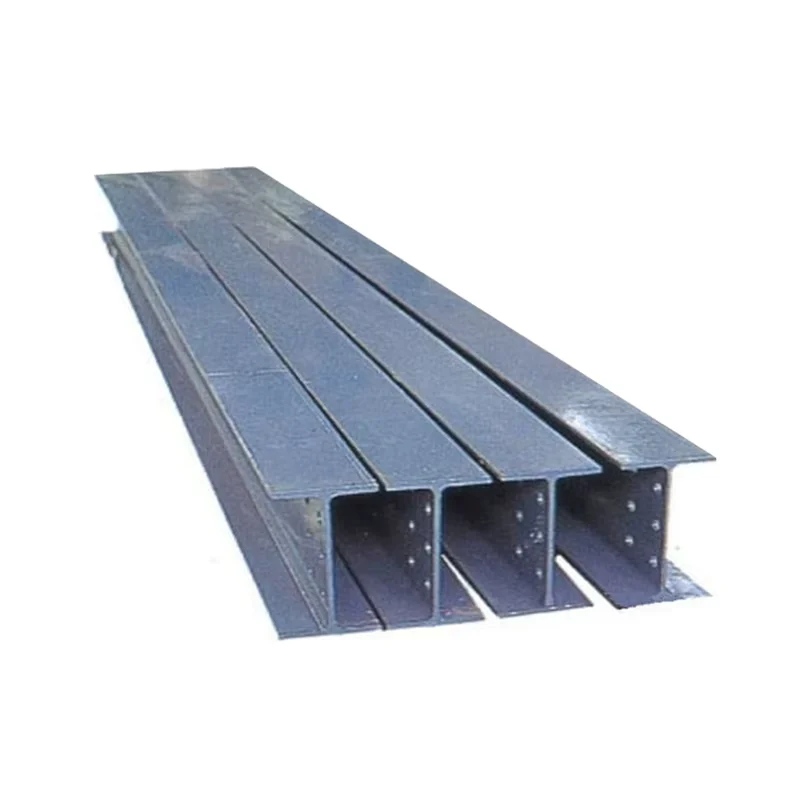
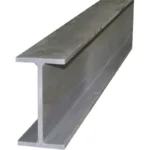
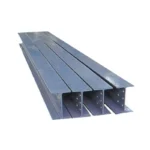
Description
S355JR S355J2 HEA H-Beam EN 10025 Supplier
Vertically Integrated Mill & Fabrication — HEA H-beams rolled and processed under one roof at our own steel plant in Jinan, with full EN 10025 traceability from slab to finished section.
Technical Specifications
| Parameter | Value |
|---|---|
| Designation | S355JR / S355J2 / S355NL HEA H-Beam |
| Product Type | H-Beam (European Wide Flange Beam) |
| Steel Grade | S235JR, S355JR, S355J2, S355NL, Q235B, Q345B, A36, A992, A572 |
| Standard | EN 10025, BS, EN, GB, AISI, ASTM, DIN, JIS |
| Section Shape | H-Beam (HEA Series) |
| Flange Thickness | 8mm – 64mm |
| Web Thickness | 4.5mm – 36.5mm |
| Web Width | 100mm – 900mm |
| Length | 6m / 9m / 12m or as required |
| Technique | Hot Rolled |
| Surface Treatment | Hot Rolled (Black), Painted, or Customized Coating |
| Tolerance | ±1% |
| Ends | Plain / Cut to length |
| Processing Service | Bending, Welding, Decoiling, Punching, Cutting |
| Application | Steel building structures / Industrial plants / Prefabricated halls / Construction frames / Bridges / Industrial platforms / Warehouse and logistics centers |
| Origin | Shandong, China |
Application Suitability
| Industry | Typical Applications |
|---|---|
| EPC & General Contracting | Primary structural frames for industrial plants, prefabricated steel halls, and process pipe racks |
| Warehouse & Logistics | Column-and-beam grids for large-span distribution centers and cold-storage facilities |
| Infrastructure & Bridges | Bridge approach spans, gantry structures, and support frames for transport corridors |
| Commercial Construction | Multi-story building frames, mezzanine platforms, and stairway assemblies |
When Grade Substitution Triggers Third-Party Rejection on Site
A mill certificate that says S355JR means nothing if the inspector’s Charpy test tells a different story.
On an EPC warehouse project in West Africa, a shipment of European standard HEA H-beams arrived with mill certs listing S355JR. The client’s third-party inspector ran spot Charpy impact tests at the specified sub-zero temperature — and several pieces failed to meet the J2 impact energy threshold. Investigation traced the issue to mixed-grade bundling at a trading yard: S235JR sections had been packed alongside S355J2, and the paperwork simply carried the higher grade forward. The entire consignment was held at port for weeks while replacement stock was organized, and the project schedule absorbed the delay. [NEED_CITE: EN 10025 impact energy requirements by sub-grade JR, J0, J2, K2]
This is not an isolated scenario. Buyers sourcing European standard HEA H-beams through fragmented supply chains — where the fabricator does not control the raw steel — routinely face grade-mixing risk, certificate gaps, and customs holds when documentation cannot be reconciled with physical test results.
Matching HEA Sections to Structural Frame Demands
European standard HEA H-beams in S355JR and S355J2 are specified for primary load-bearing frames where higher yield strength reduces section weight without sacrificing capacity. The HEA profile’s wider flange-to-web ratio makes it particularly suited to column applications and beam-to-column moment connections in portal frames. Our integrated mill-to-fabrication workflow means each beam is rolled, cut, drilled, and welded to approved shop drawings before dispatch — eliminating the dimensional surprises that occur when sections are sourced from one vendor and processed by another.
Compliance Pathways for EU, African, and Middle East Projects
Structural steel frames in the EU require CE marking under EN 1090 with execution class documentation; many Middle East and African EPC specifications mirror this framework or explicitly call for EN 10025 material compliance. [NEED_CITE: EN 1090 execution class requirements for structural steel fabrication] Selecting the correct sub-grade — JR for ambient conditions, J2 for sub-zero impact requirements, NL for through-thickness and low-temperature service — directly determines whether the material passes third-party inspection at destination. Our mill issues EN 10204 3.1/3.2 certificates per heat number, and we coordinate SGS/BV/TÜV witness inspections for dimensional accuracy and coating thickness before shipment.
Understanding the EN 10025 Grade Ladder for HEA Beams
The EN 10025 system organizes structural steels by minimum yield strength and impact energy at specified temperatures. S235JR provides baseline strength for non-critical, ambient-temperature applications. Moving to S355JR increases yield capacity while maintaining room-temperature impact requirements. S355J2 adds guaranteed impact energy at −20°C, essential for unheated warehouses in temperate and cold climates or for structures in regions with significant diurnal temperature variation. S355NL covers through-thickness properties and even lower test temperatures for heavy welded connections.
Hot rolling produces the HEA profile in a single pass through calibrated rolls, yielding tight dimensional control across flange thickness (8mm–64mm) and web thickness (4.5mm–36.5mm) within ±1% tolerance. This consistency matters when beams must bolt or weld into prefabricated connection nodes without on-site reaming or shimming.
Surface treatment selection follows the service environment: black (as-rolled) for indoor, protected frames; shop primer for interim corrosion protection during fabrication and transit; or full coating systems — shot blasting to Sa 2½ followed by epoxy/polyurethane paint — for aggressive industrial or coastal atmospheres.
The Hidden Cost of Unverified Grade and Tolerance
When a buyer accepts a lower price from a trader who cannot provide heat-level traceability, the real cost surfaces later: failed weld inspections because the carbon equivalent does not match the WPS, structural rejection because actual flange thickness falls below the tolerance band, or customs detention because the certificate of origin does not align with the mill test report. [NEED_CITE: consequences of non-conforming structural steel in international procurement] These failures do not show up in the purchase order — they appear in rework invoices, idle crane time, and schedule liquidated damages.
Procurement Confidence Through Vertical Integration
Our Jinan facility operates three production lines and stocks over 2,800 raw material specifications, meaning the HEA H-beams we supply are rolled in our own mill — not sourced from a third party and relabeled. Every heat is traceable from slab to finished section, and every beam carries its heat number stenciled for site verification. We hold CE certification under EN 1090, ISO 9001, and work with SGS and BV for third-party inspection. Our welding procedures are qualified to AWS and EN standards, and our welders hold current certifications. For projects requiring shop drawings, we provide engineering review, material optimization, and fabrication sequencing — a service layer that pure trading houses cannot offer.
Documentation & Compliance
- Mill Test Certificate documenting S355JR/S355J2/S355NL chemical composition, yield strength, tensile strength, and Charpy impact values per heat number, issued to EN 10204 3.1 or 3.2
- CE Certificate confirming EN 1090 execution class compliance for structural steel components destined for EU and EN-adopting markets
- ISO 9001 quality management certificate covering the full production chain from raw slab to finished and coated HEA beam
- SGS / BV / TÜV third-party inspection report covering dimensional verification, coating thickness, and visual weld inspection as required by project specification
- Full material traceability package linking each beam to its heat number, with weld maps, WPS/PQR records, and coating inspection reports bundled for handover
- Export documentation set including packing list, bill of lading, certificate of origin, and commercial invoice aligned with destination country customs requirements
Packaging, Loading & Delivery
- HEA beams bundled with high-tensile steel strip at intervals suited to section length (6m/9m/12m), with timber or rubber edge protectors to prevent coating damage on painted or shot-blasted surfaces
- Surface protection matched to treatment: anti-rust oil for black hot-rolled sections; wrapped VCI film for pre-primed beams; individual polyethylene sleeves for fully coated pieces bound for humid coastal ports
- Container and break-bulk loading optimized by our logistics team — shorter HEA sections containerized for cost efficiency, longer or heavier sections loaded on flat-rack or break-bulk vessels with proper lashing and dunnage to prevent transit deformation
- Cut-to-length service available per project shop drawings, with each piece marked by heat number, steel grade, and piece mark for rapid site identification
- Heat number and grade stenciled on each beam end in weather-resistant paint, ensuring traceability is maintained through yard storage and erection
- Delivery terms available as FOB, CIF, or DDP to major ports across the Middle East, Southeast Asia, Africa, and Europe, with full export documentation prepared in parallel with production
Moving From Drawing to Fabricated Beam
Share your project drawings (PDF or DWG), specify the HEA section size, steel grade (S355JR, S355J2, or S355NL), required surface treatment, and destination port. We return a detailed quotation covering material, fabrication, coating, packing, and shipping — along with a shop drawing timeline and production schedule — within 24 hours. Once drawings are approved and the contract signed, material procurement and rolling begin immediately.
Frequently Asked Questions
Q: What is the difference between S355JR, S355J2, and S355NL for HEA H-beams?
A: All three share the same minimum yield strength under EN 10025. The distinction lies in impact energy testing: JR is tested at room temperature, J2 at −20°C, and NL at lower temperatures with through-thickness properties specified. The choice depends on the service environment and the welding detail — thicker connections and colder climates typically require J2 or NL.
Q: Can you provide EN 10204 3.2 certificates for third-party witnessed inspection?
A: Yes. We issue EN 10204 3.1 certificates from our own mill laboratory as standard. For projects requiring 3.2 certification, we coordinate with SGS, BV, or TÜV to witness sampling, testing, and certificate issuance per heat number.
Q: Do you fabricate HEA beams to project shop drawings before shipping?
A: Yes. Our fabrication division handles CNC cutting, drilling, bending, and welding of HEA sections to approved shop drawings. Welding procedures are qualified to AWS and EN standards, and all fabrication is covered by WPS, PQR, and dimensional inspection reports included in the delivery documentation.
Q: How do you ensure grade integrity when beams come from your own mill?
A: Because we operate our own steel production facility, every HEA beam is rolled from a specific heat of steel that we control from melt shop to finished section. Each beam is stenciled with its heat number, and the corresponding mill test certificate travels with the shipment — eliminating the grade-mixing risk that occurs when fabricators source sections from multiple third-party suppliers.
Q: What surface treatment options are available for HEA H-beams?
A: We supply HEA beams in black (hot-rolled, as-rolled) condition, with shop primer for interim protection, or with full coating systems — shot blasting to Sa 2½ followed by epoxy/polyurethane paint to specified DFT. Coating thickness is verified by inspection report before dispatch.
Request Your HEA H-Beam Quotation Today
Send your section list, steel grade, surface treatment requirement, and destination port to receive a detailed quotation with mill test certificate commitment and production timeline.
Shandong Xin Jiyuan Special Steel Tube Co., Ltd
Website: www.xjystructure.com
Tel: +86 531 8573 6315
Mobile/WhatsApp/WeChat: +86 188 5315 7756
Email: admin@xjystructure.com
Address: No.11889, Jingshi West Road, Lulian Group, Jinan City, Shandong Province, China