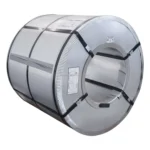
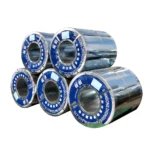
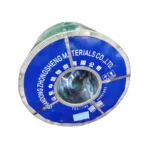
Description
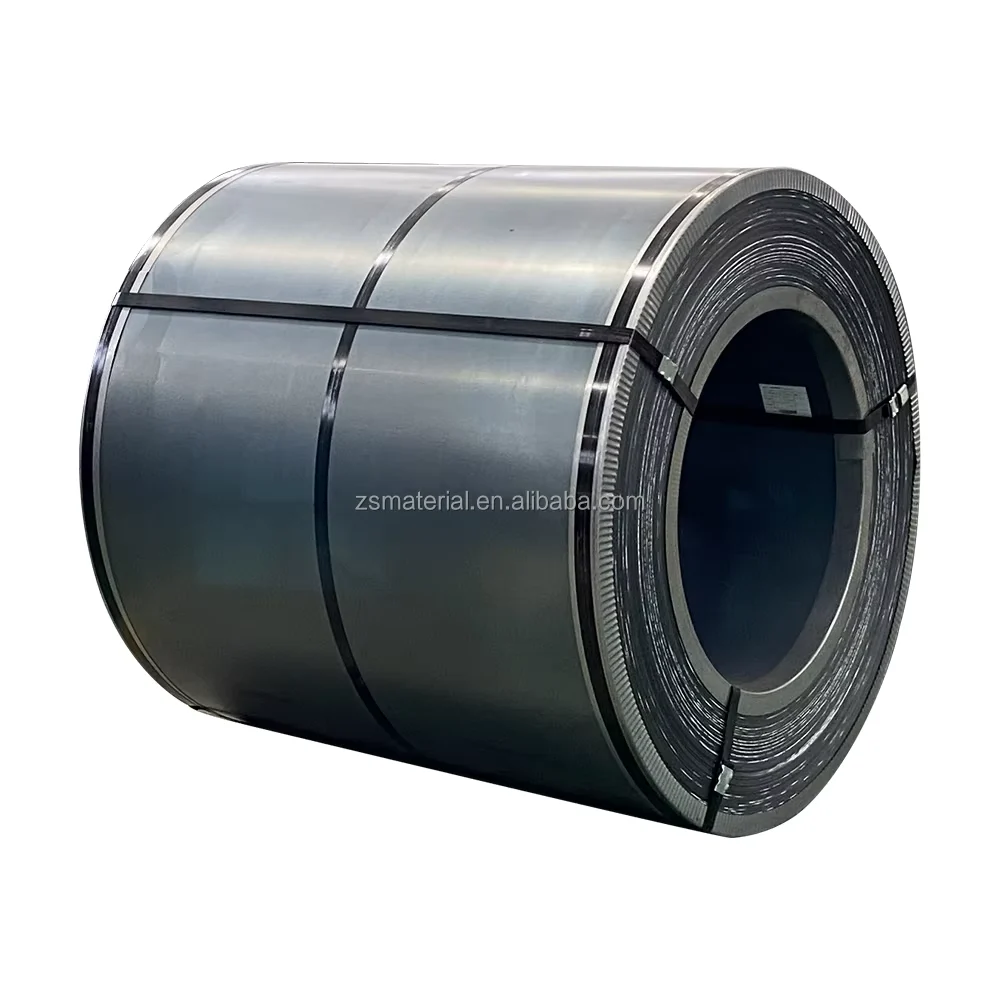
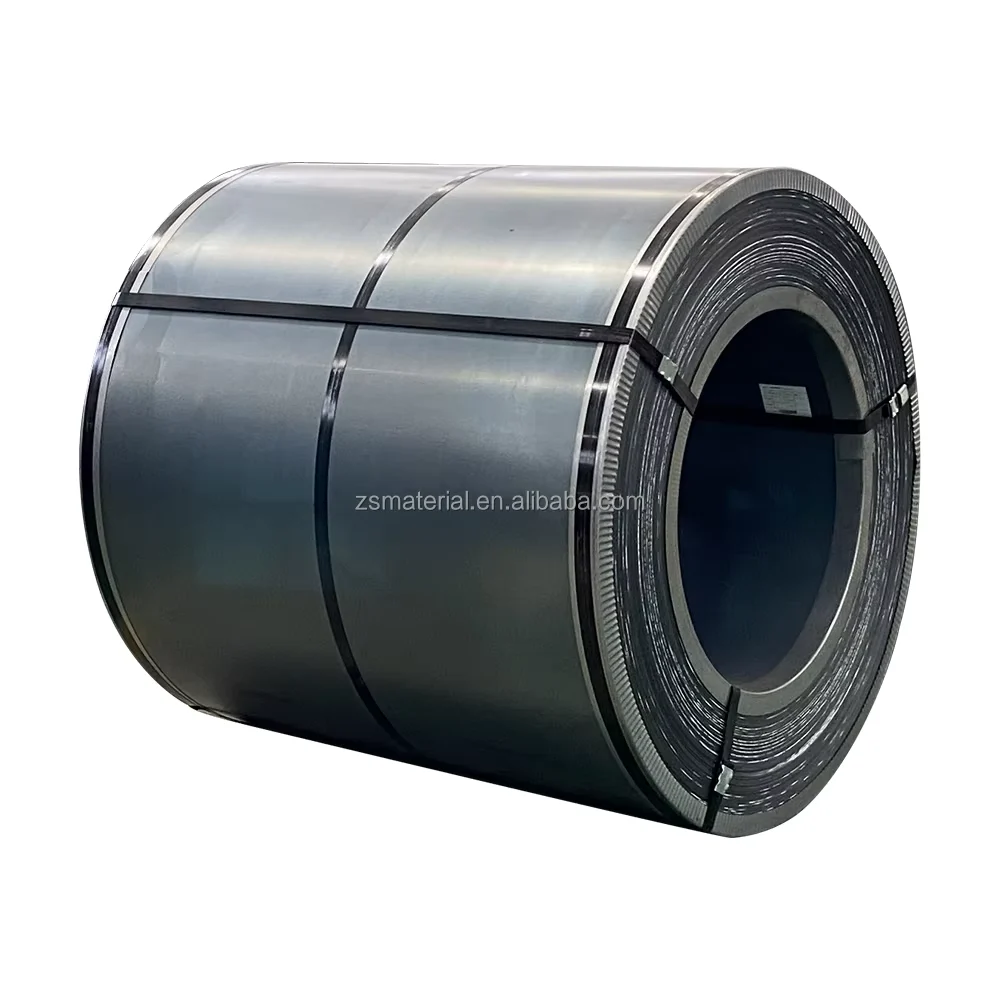
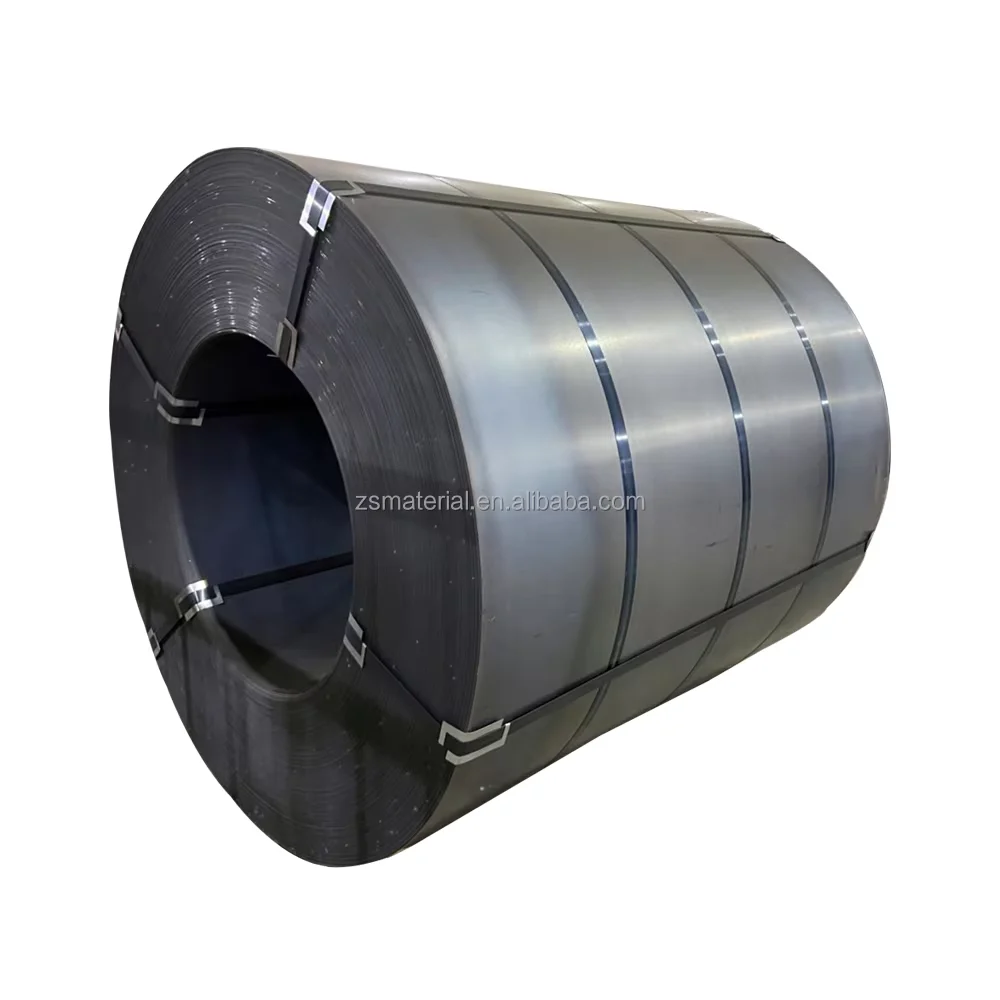
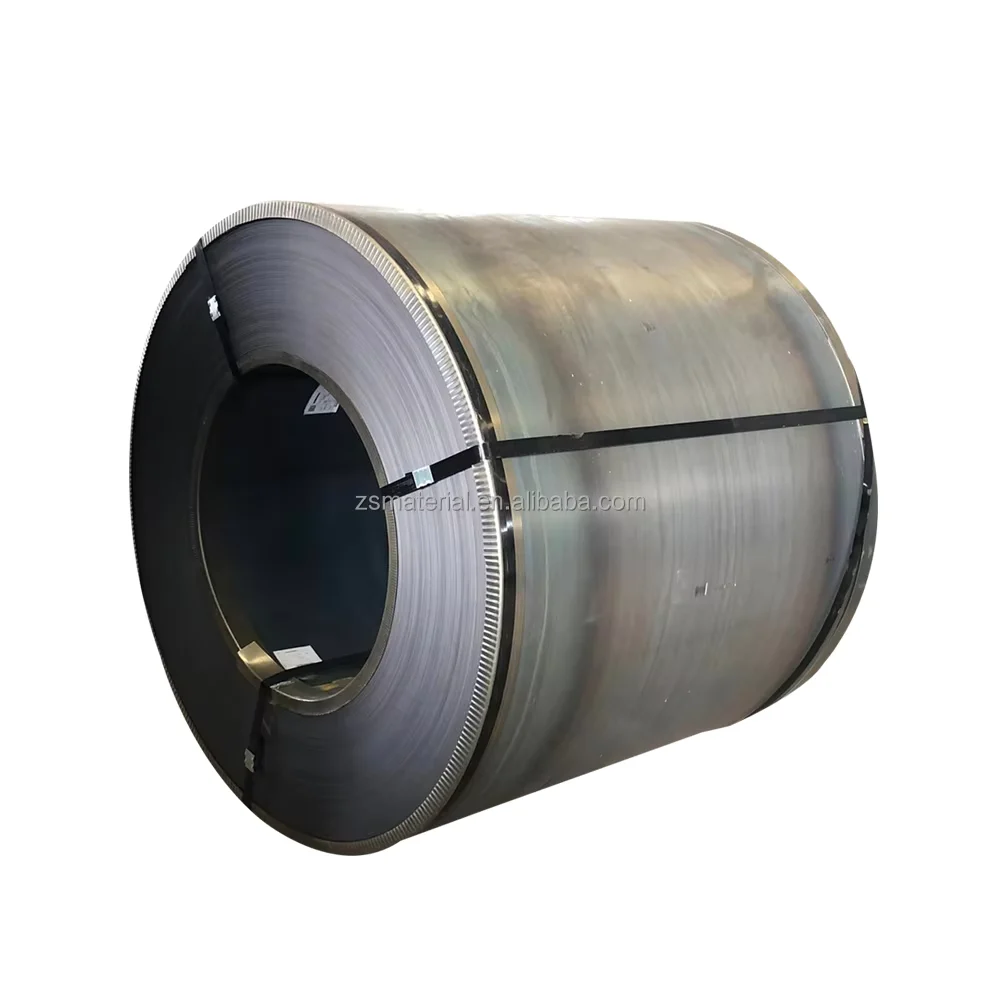
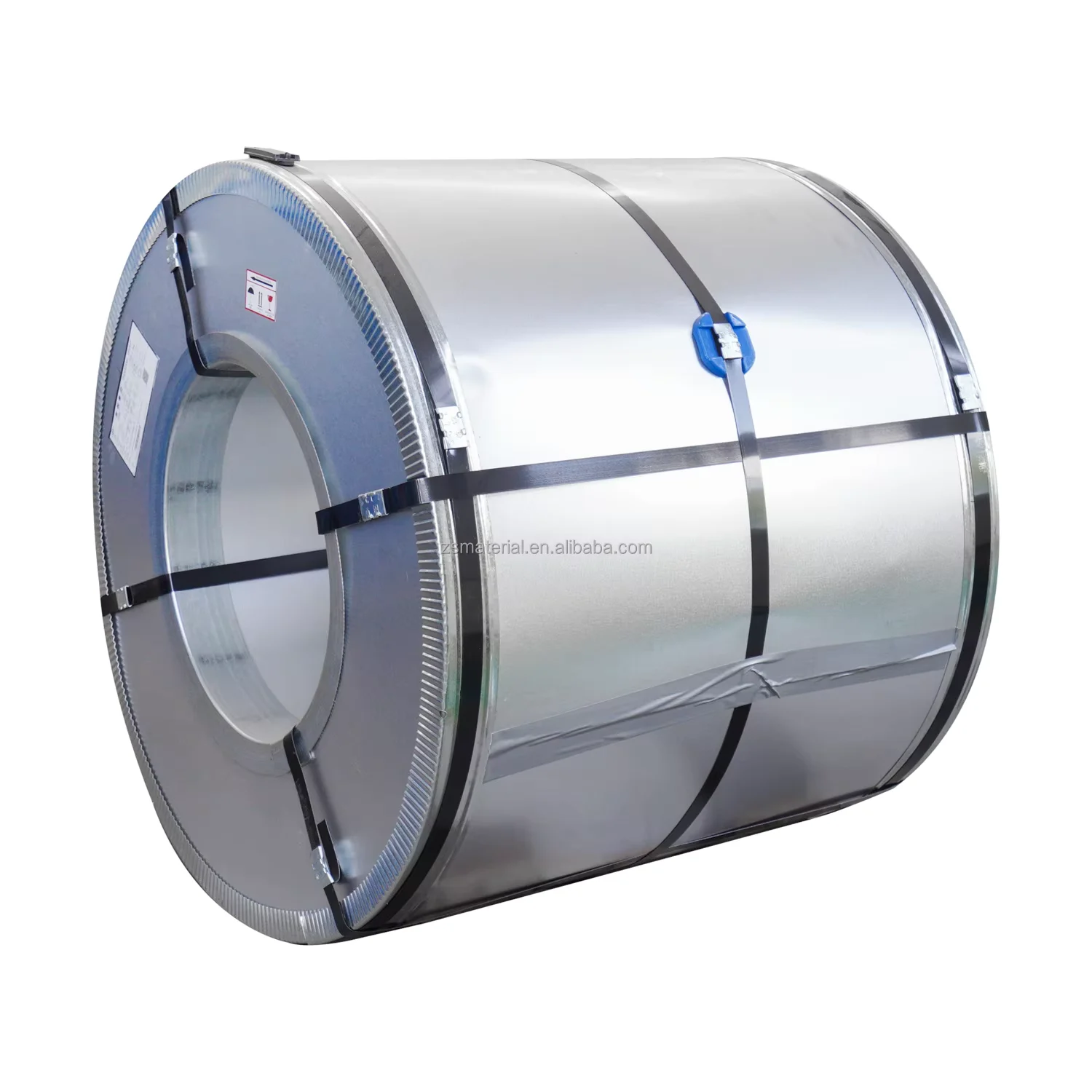
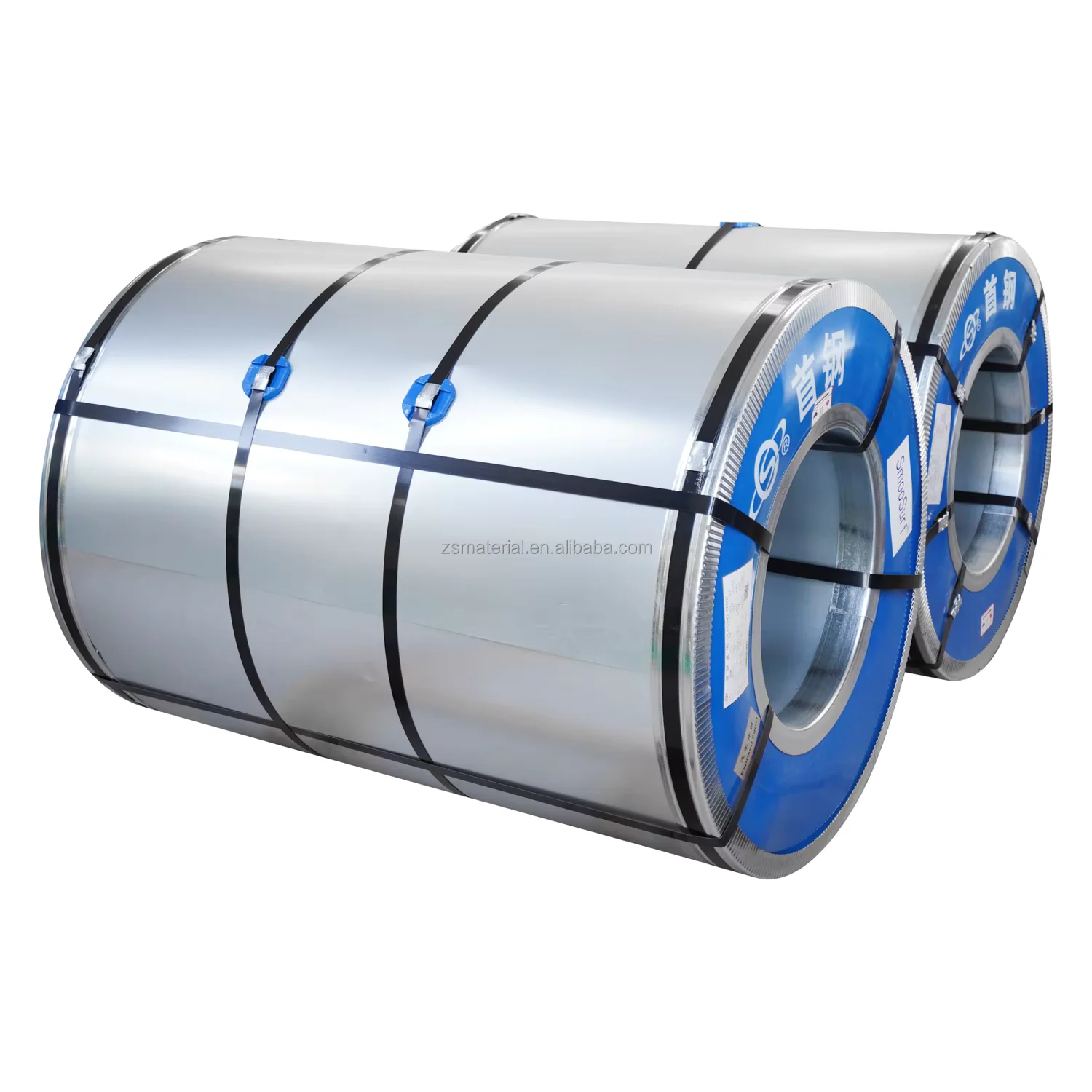
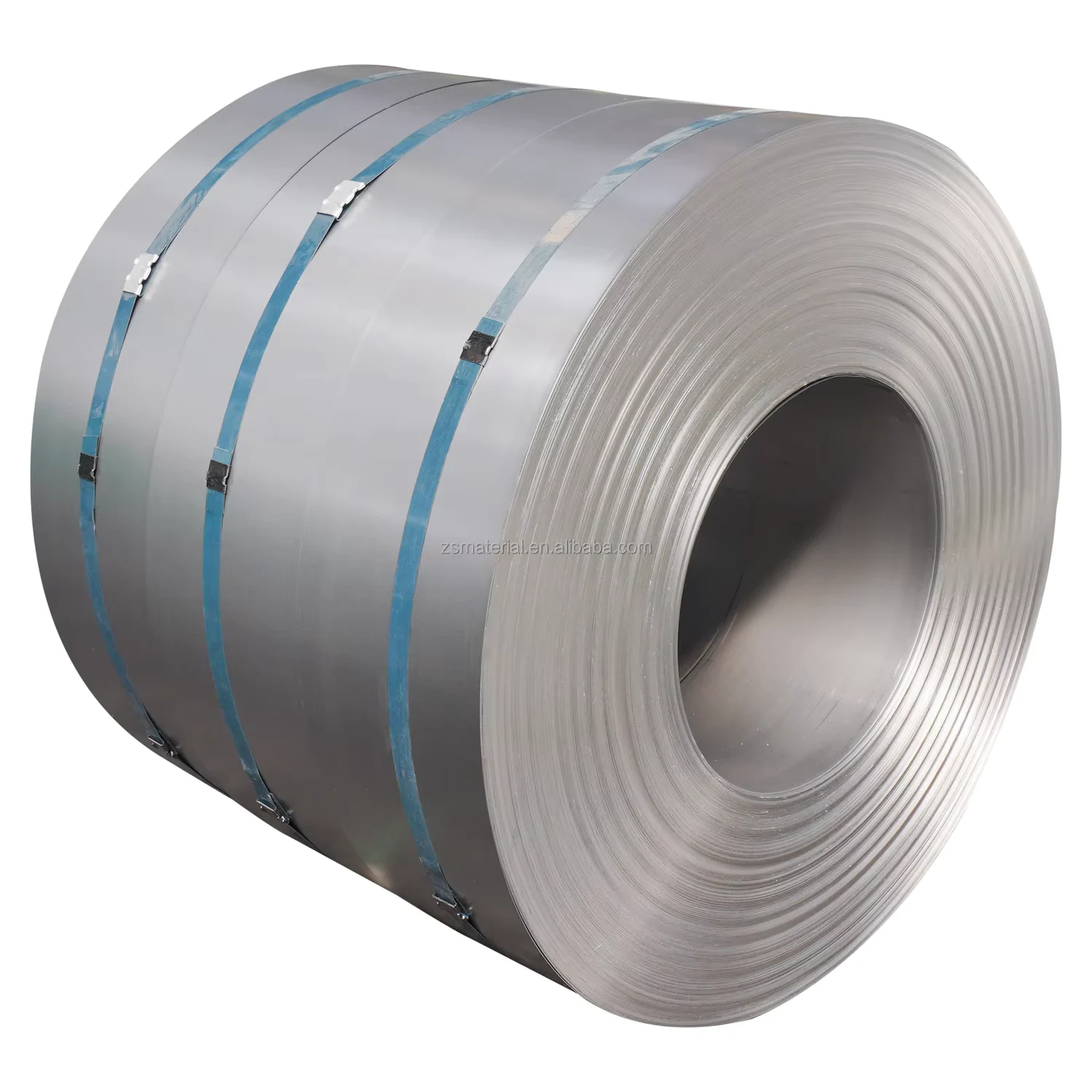
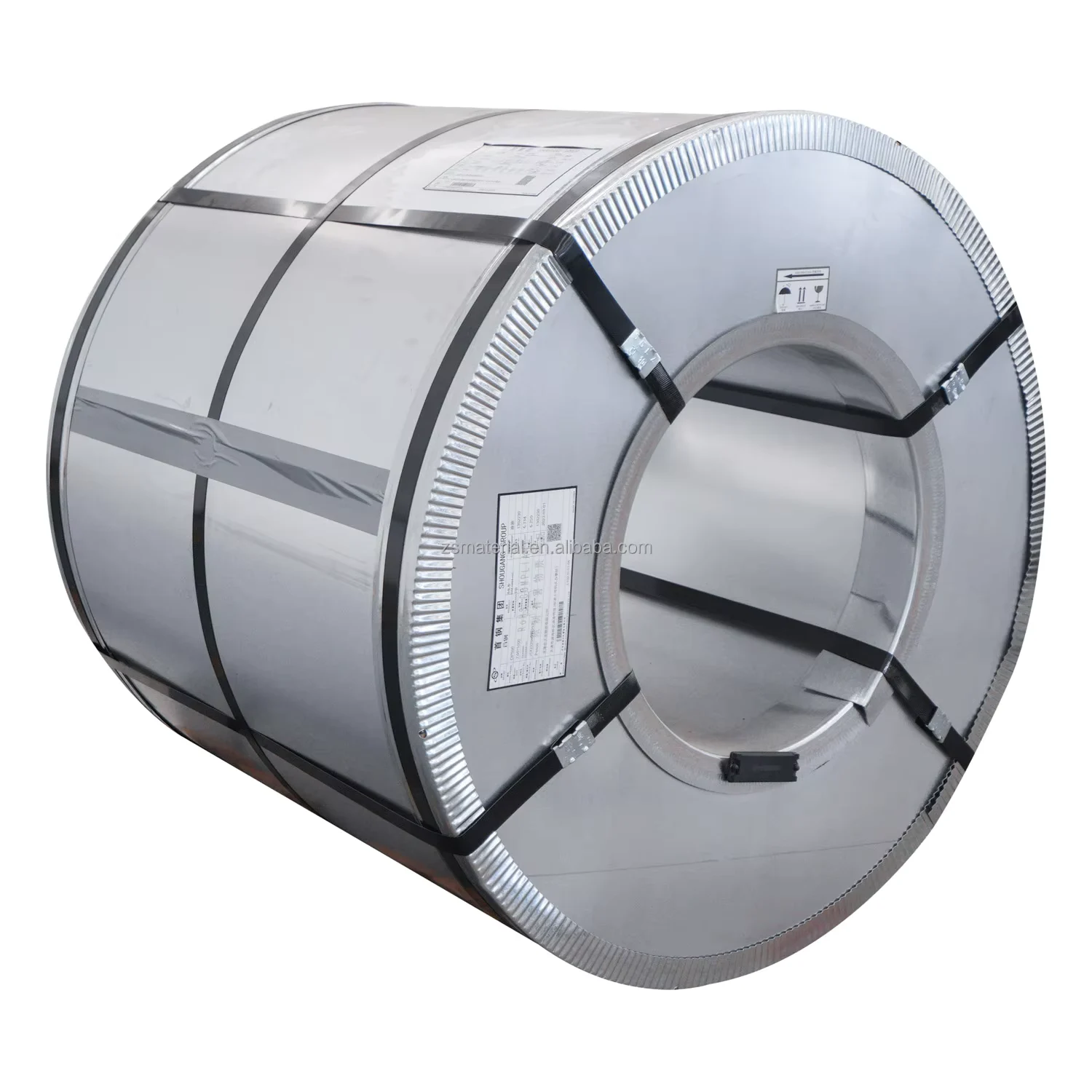
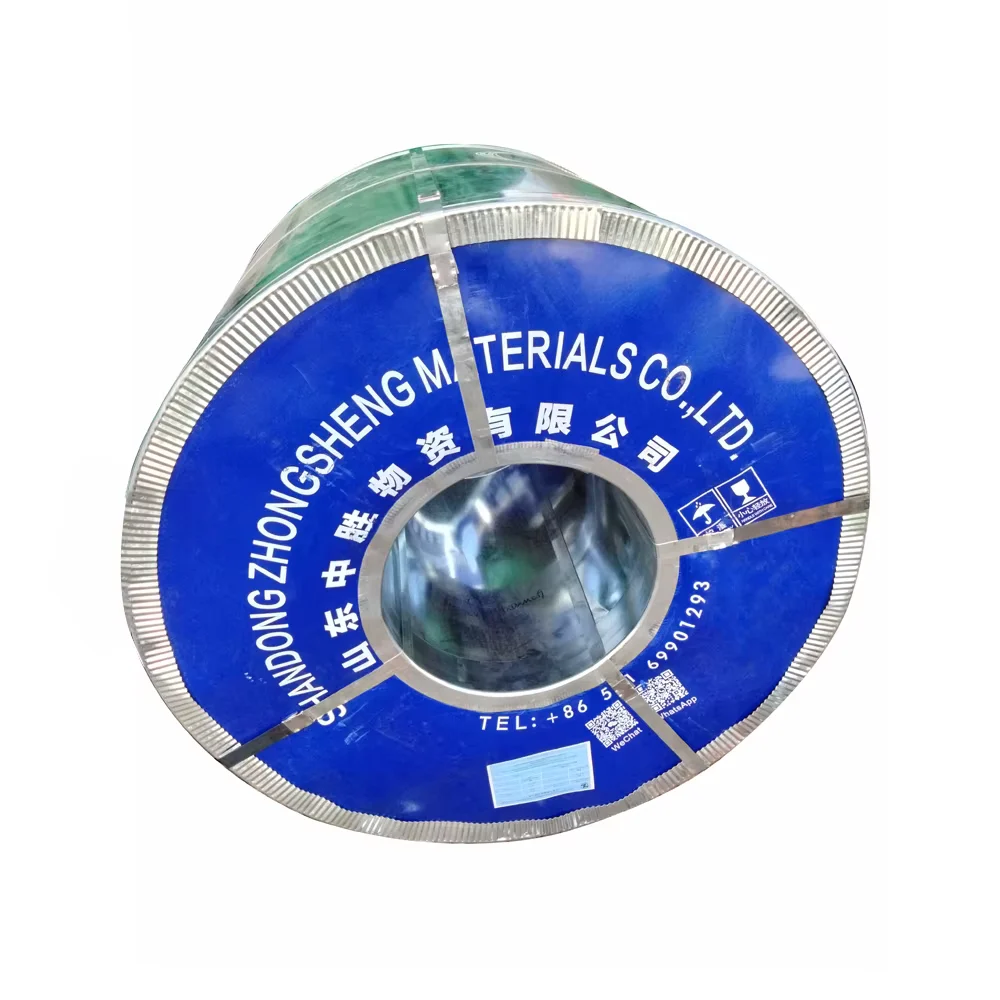
Factory-Direct Cold Rolled Steel Coil 1008 1020 — Vertically integrated production from our own steel mill ensures precise thickness control and full material traceability for every coil shipped.
Technical Specifications
| Parameter | Value |
|---|---|
| Designation | Cold Rolled Steel Coil |
| Product Type | Steel Coil |
| Steel Grade | 1008, 1020 |
| Thickness | 0.2–3mm |
| Width | 600–3000mm |
| Length | Coil / According to customer requirements |
| Weight per Coil | 8–35MT/Coil |
| Technique | Cold Rolled |
| Surface Treatment | Smooth surface, suitable for painting & further processing |
| Packaging | Export standard, seaworthy |
Application Suitability
| Industry | Typical Applications |
|---|---|
| Construction | Roof panels, roof grilles, building cladding components |
| Light Industry | Household appliances, chimneys, kitchen equipment housings |
| Automotive | Corrosion-resistant interior parts, structural brackets |
| Agriculture & Food Storage | Grain silo liners, storage bin panels, feeding equipment |
| Commerce | Material storage racks, packaging frames, transportation containers |
Thickness Tolerance Decides Whether Your Stamping Line Runs or Stops
Cold rolled steel coil in 1008 and 1020 grades demands tight thickness control — even 0.05mm deviation can cause cracking during deep drawing.
Overseas buyers sourcing Cold Rolled Steel Coil 1008 1020 supplier from fragmented traders face a recurring problem: the mill test certificate says 0.8mm, but actual gauge reads 0.72mm. The coil arrives, the stamping press runs, and the parts crack. By then the container is already at port, claims are filed, and the project timeline collapses. Negative tolerance abuse is not just a quality issue — it is a cost multiplier that shows up in rework, scrap, and delayed handovers. [NEED_CITE: cold rolled steel thickness tolerance standards for forming applications]
Precision Surface Finish for Downstream Forming and Coating
The cold rolling process compresses hot rolled coil through precision rollers at room temperature, producing a smooth, oxide-free surface ideal for painting, powder coating, and further fabrication. For 1008 and 1020 grades in the 0.2–3mm range, this surface quality directly affects adhesion of downstream coatings and the appearance of finished components like appliance housings and roof panels. Our vertically integrated mill controls every pass reduction, ensuring consistent surface finish across the full 600–3000mm width range — no spot grinding, no coating rejection.
Meeting Engineering Standards for Formability and Welding
Cold rolled 1008 and 1020 steel coils serve applications where forming complexity and weld quality matter. The 1008 grade offers excellent ductility for deep-drawn parts, while 1020 provides slightly higher carbon content for structural brackets requiring moderate strength. Both grades conform to standard ASTM low-carbon steel specifications and respond predictably to MIG/MAG welding — critical for construction frame assemblies and industrial equipment fabrication. Buyers specifying these grades for EN-compliant projects should confirm chemical composition documentation matches forming requirements before production begins. [NEED_CITE: ASTM A1008 cold rolled steel forming and welding guidelines]
Understanding the Cold Rolling Advantage Over Hot Rolled Alternatives
Cold rolled steel coil achieves tighter dimensional accuracy than hot rolled equivalents because the process occurs below recrystallization temperature, eliminating thermal expansion variables. The 1008 and 1020 grades benefit from this precision: thickness tolerance stays within narrow bands, width edges remain clean, and surface roughness supports direct painting without additional grinding. For applications like kitchen appliance shells and automotive interior components, this surface integrity reduces secondary processing costs. The trade-off is higher unit price versus hot rolled — but for parts requiring consistent gauge and finish, the total cost per finished component often favors cold rolled.
The Hidden Cost of Unverified Coil Specifications
Ordering Cold Rolled Steel Coil 1008 1020 supplier material without independent verification creates downstream risk. A coil labeled 1020 but actually containing 1008 chemistry will form differently and weld at different parameters — potentially causing brittle joints in structural connections. Missing or forged mill test certificates trigger customs holds in EU and Middle East markets. Negative tolerance beyond acceptable limits means you pay for steel you do not receive, and forming dies calibrated to nominal thickness produce out-of-spec parts. [NEED_CITE: material traceability requirements for steel imports in international construction projects]
Why Buyers Choose Our Vertically Integrated Supply
Our own steel mill produces the raw material, and our fabrication division processes it — eliminating the gap between supplier and manufacturer that creates traceability gaps. Every Cold Rolled Steel Coil 1008 1020 shipment carries full chemical and mechanical test data from our in-house laboratory, not a third-party trader’s reprint. We maintain 2,800+ specifications in inventory, so standard gauges ship quickly while custom widths and coil weights (8–35MT) are produced to order. Our certified welding procedures and quality documentation packages (WPS, PQR, dimensional reports) support buyers who need fabrication-ready material with complete audit trails. Professional loading teams handle coil securing and container weight distribution, reducing transit damage claims.
Documentation & Compliance
- Mill Test Certificate documenting 1008 and 1020 chemical composition (carbon, manganese, phosphorus, sulfur) and mechanical properties per ASTM standards
- ISO 9001 quality management certificate covering cold rolling process control and dimensional inspection
- SGS or BV third-party inspection report available upon request for pre-shipment verification
- Material traceability by heat number linking each coil to specific production batch and test results
- Complete export documentation including packing list, bill of lading, and certificate of origin for customs clearance
Packaging, Loading & Delivery
- Cold rolled coils wrapped in multi-layer kraft paper and steel sheet protection to preserve smooth surface finish during ocean transit
- Steel strip bundling with edge protectors prevents coil edge damage and maintains dimensional integrity
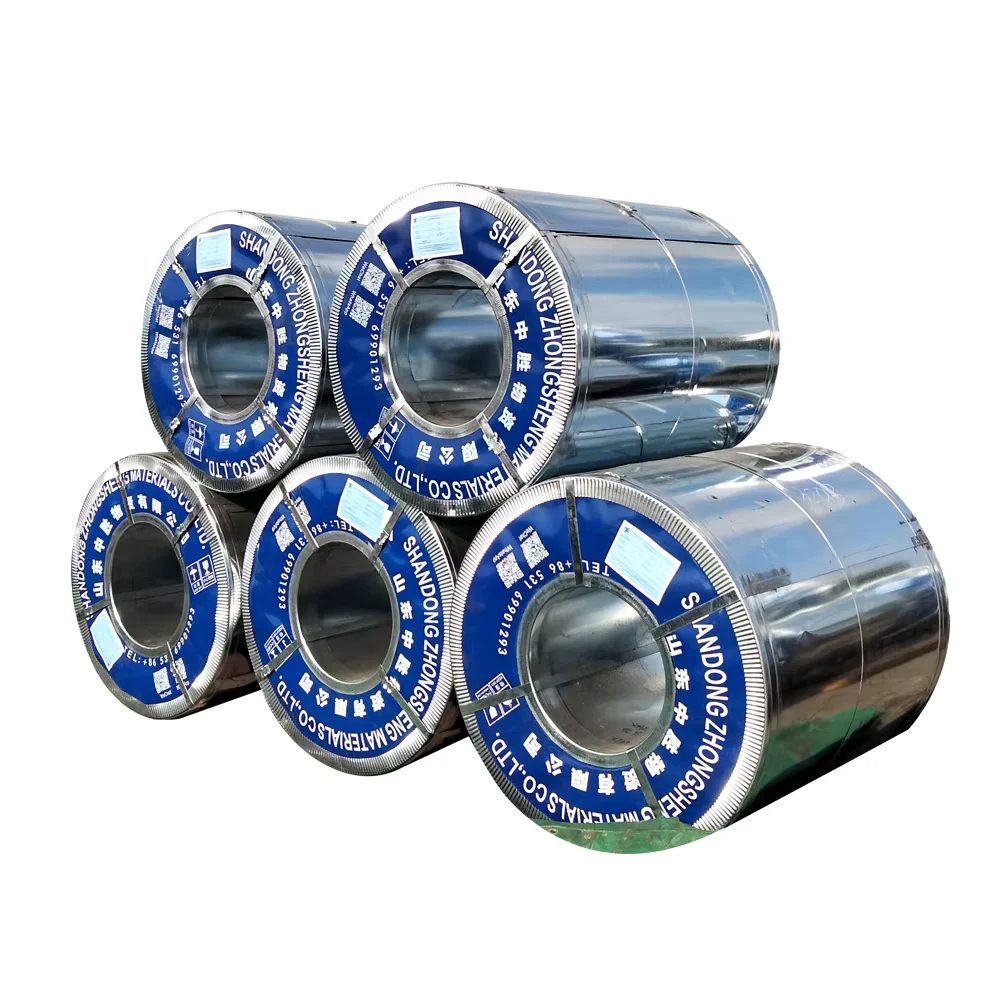
- Container loading optimized for 8–35MT coil weights with proper weight distribution and securing to prevent shifting
- Coil weight and width clearly marked on external packaging with heat number for site identification
- FOB, CIF, and DDP shipping terms available with professional logistics coordination to major construction ports
Start Your Procurement with Complete Technical Clarity
Submit your project specifications including thickness, width, coil weight requirements, and destination port — we respond within 24 hours with pricing, production schedule, and sample mill test certificate for your review.
Request Cold Rolled Steel Coil 1008 1020 Pricing and Mill Test Certificate
Share your drawings or material schedule to receive a detailed quote with full quality documentation package.
Contact: admin@xjystructure.com | WhatsApp: +86 188 5315 7756
Frequently Asked Questions
Q: What is the difference between 1008 and 1020 cold rolled steel coil for my application?
A: 1008 offers lower carbon content with excellent formability for deep-drawn parts like appliance housings, while 1020 provides slightly higher strength for structural brackets and welded assemblies. Both grades deliver smooth surface finish suitable for painting and further processing.
Q: Can you provide third-party inspection before shipment?
A: Yes, we accept SGS, BV, and Intertek inspection for pre-shipment verification. Our vertically integrated mill provides full material traceability from production to finished coil, and third-party inspectors can witness testing at our facility.
Q: What coil weights and widths are available for container shipping?
A: We produce coils in 8–35MT weights with widths from 600–3000mm. Container loading is optimized for standard 20ft and 40ft shipments, with proper weight distribution and securing to prevent transit damage.
Q: How do you ensure thickness tolerance meets my forming requirements?
A: Our cold rolling process controls thickness through precision gauge systems with real-time monitoring. Each coil includes mill test certificate with actual measured thickness data, not just nominal specifications. We maintain tight tolerance control to prevent forming issues in downstream stamping operations.
Q: What is the typical lead time for custom coil orders?
A: Standard specifications ship from inventory within typical production lead times. Custom widths, coil weights, or specific chemistry requirements follow our standard production scheduling after contract confirmation and deposit receipt.