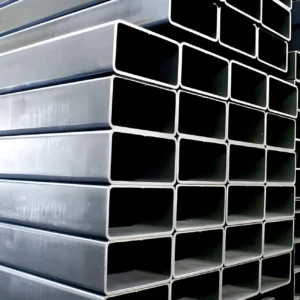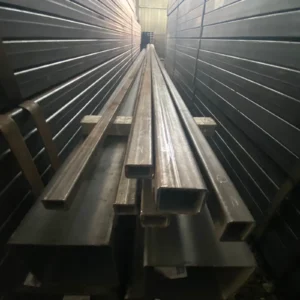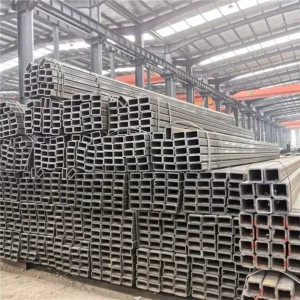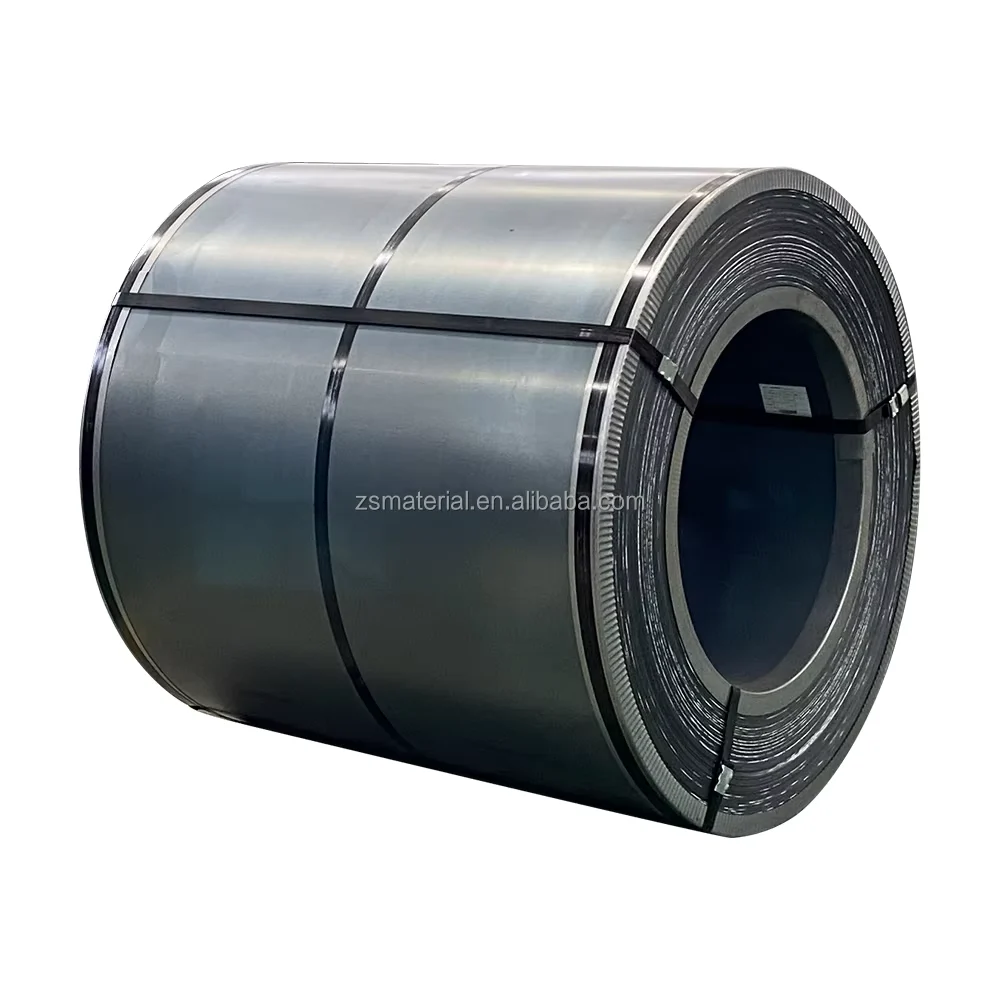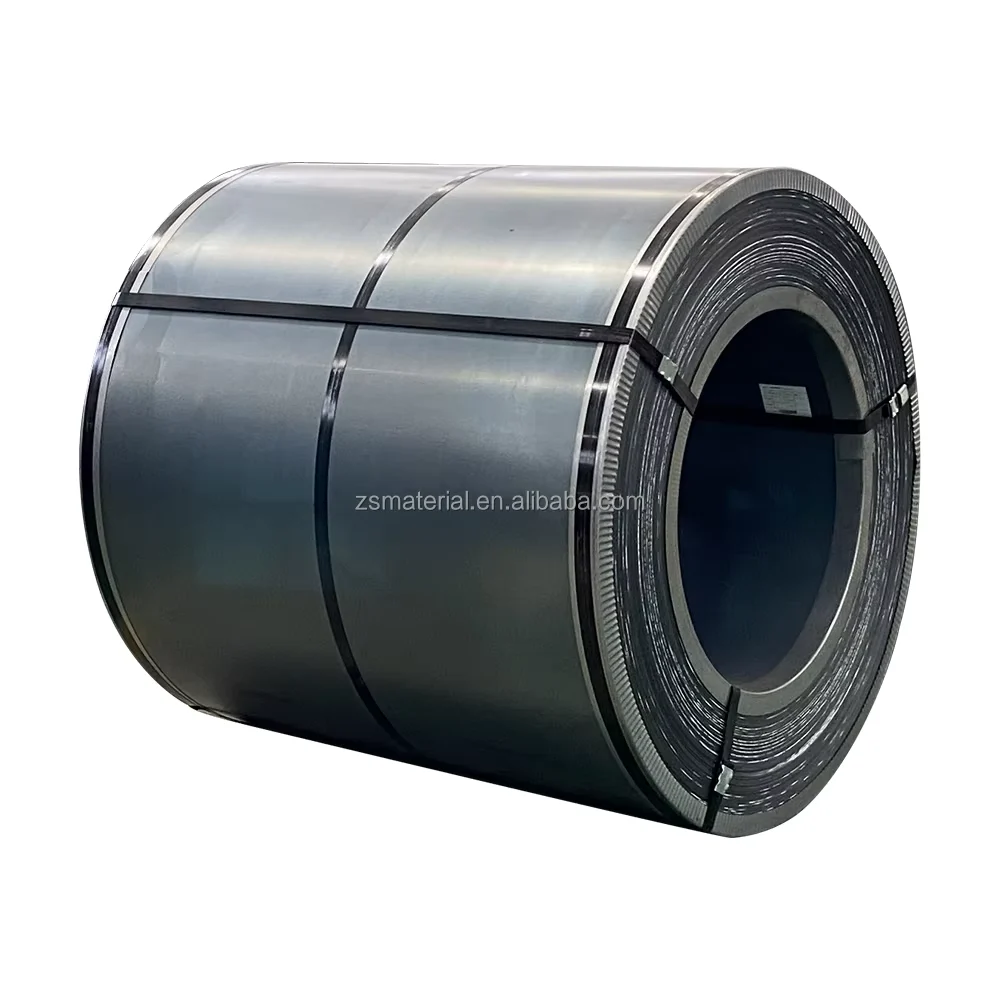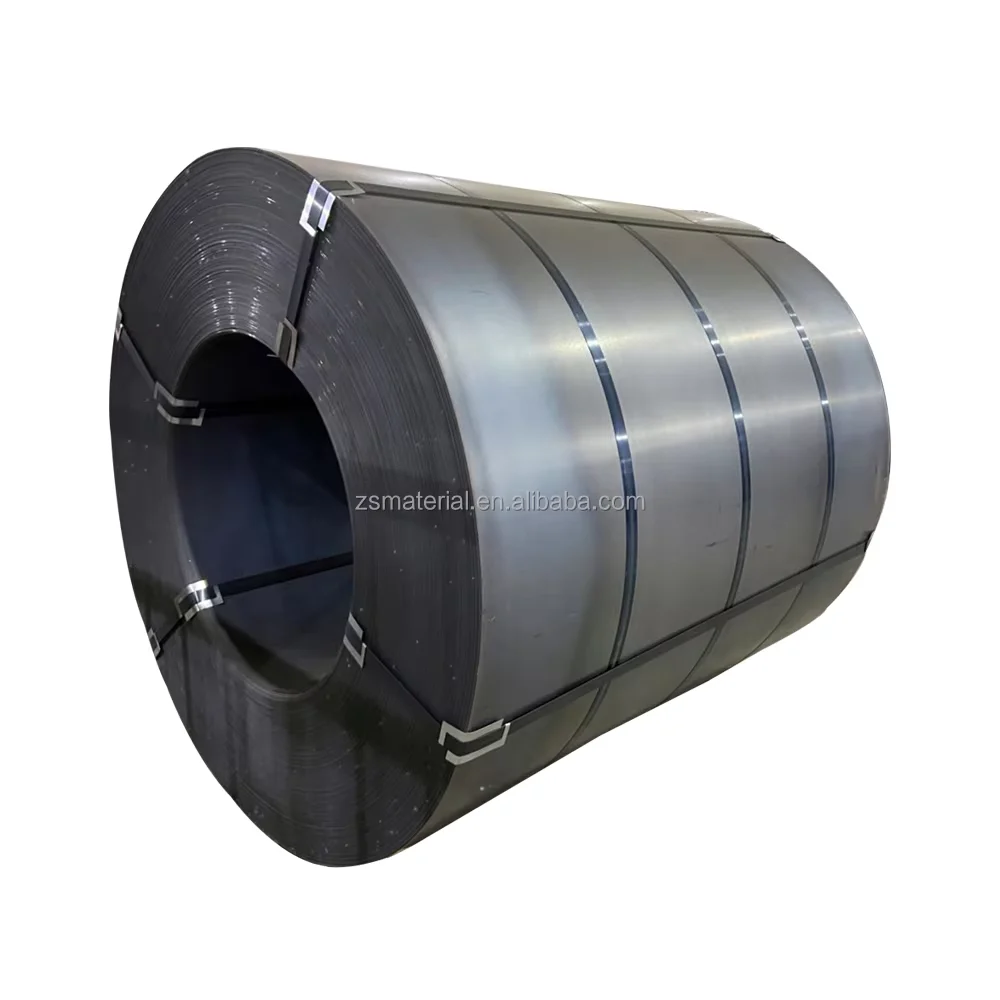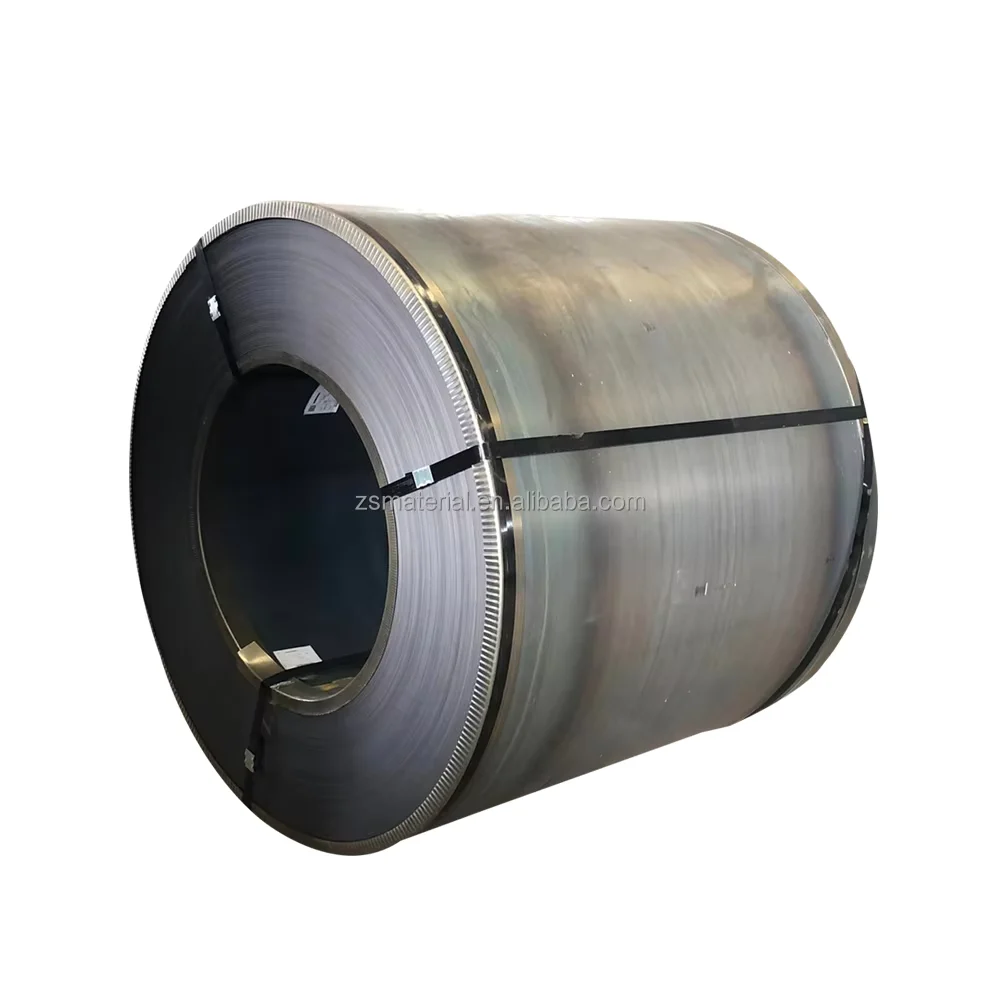
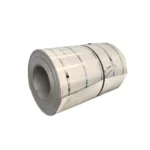
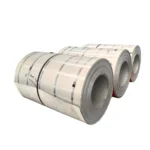
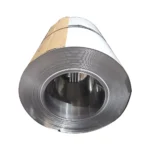
Description
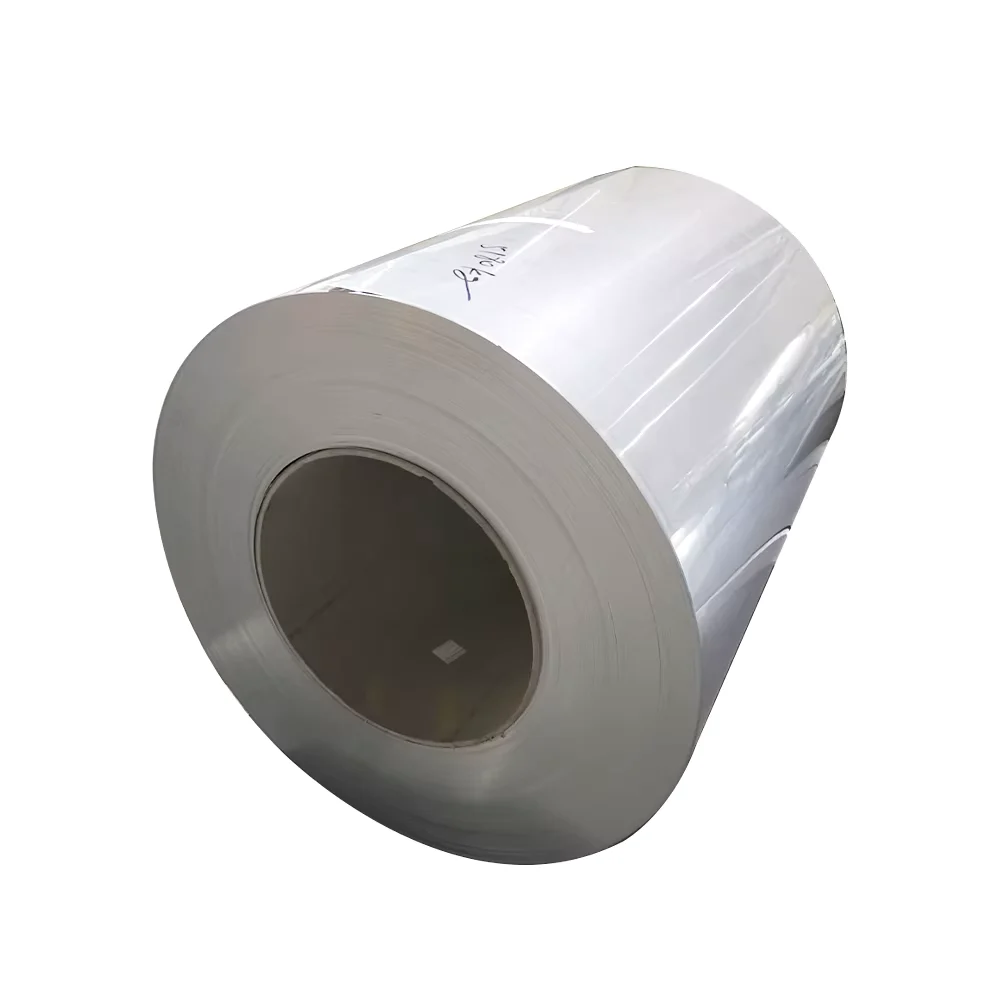
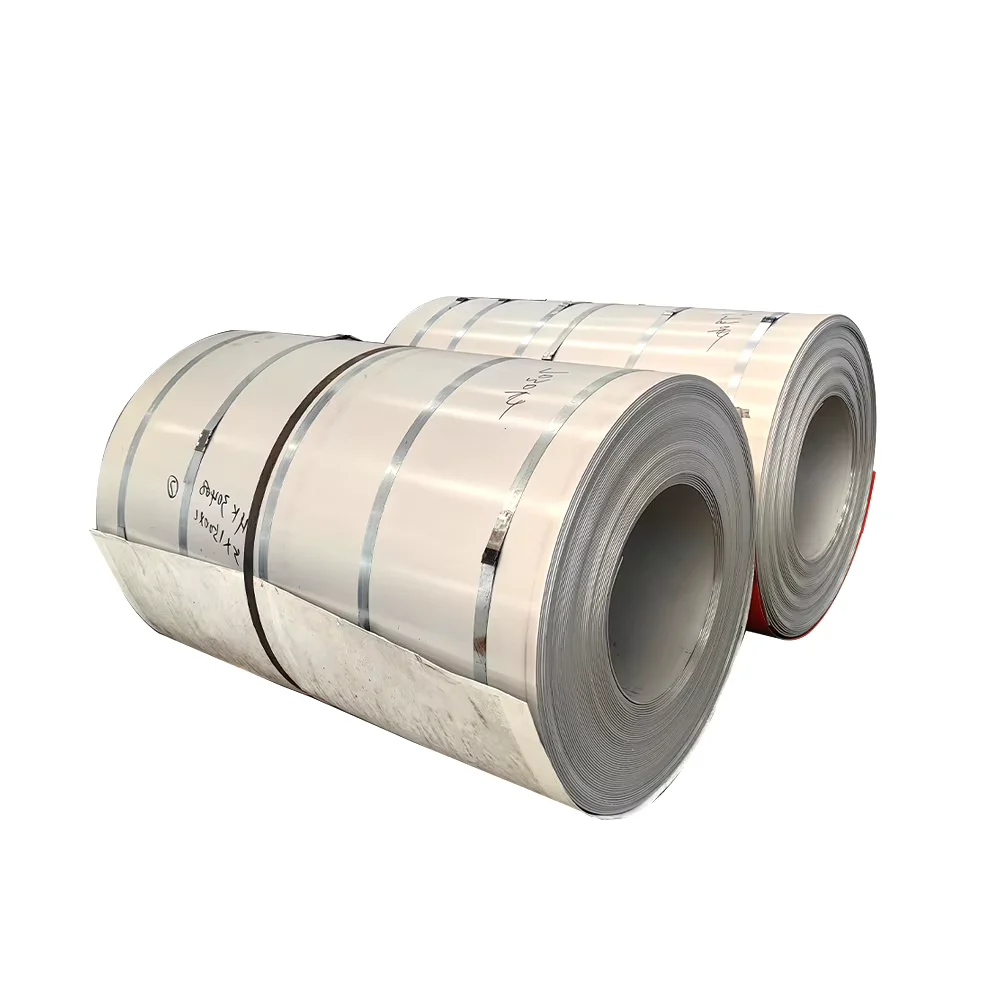
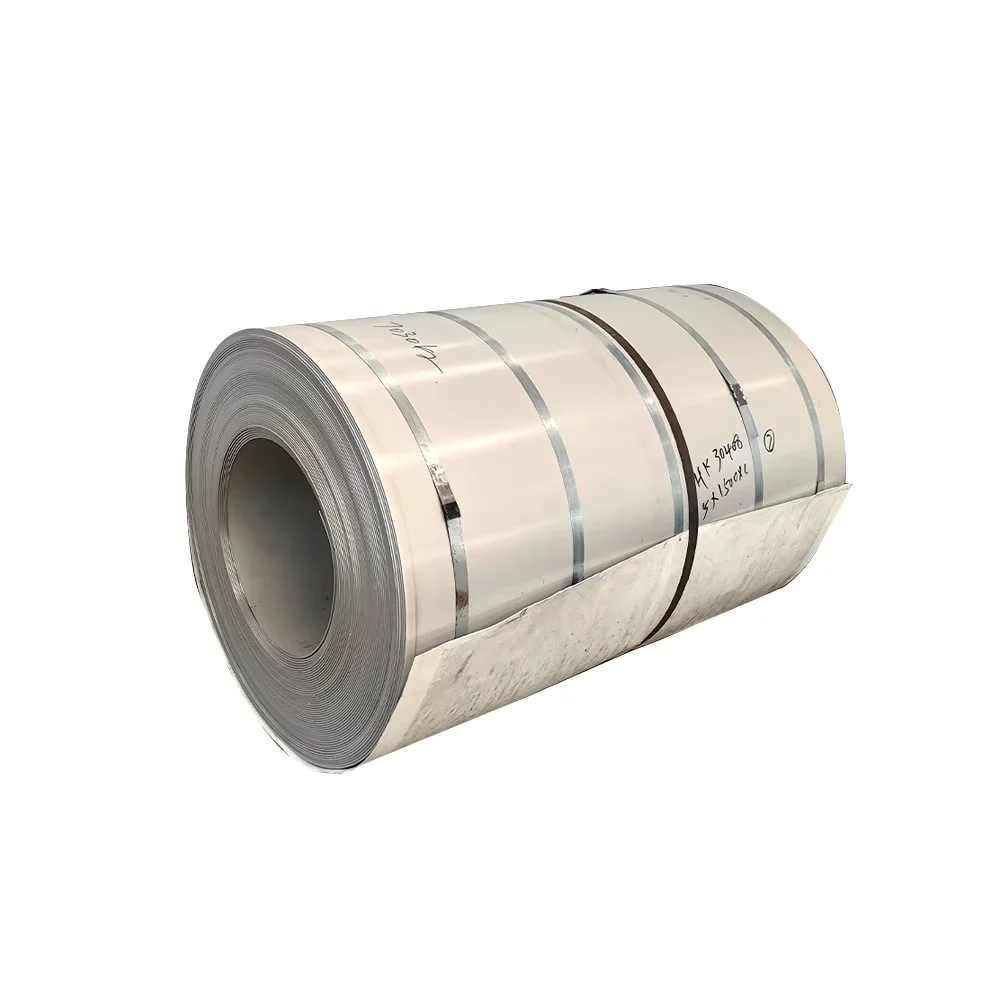
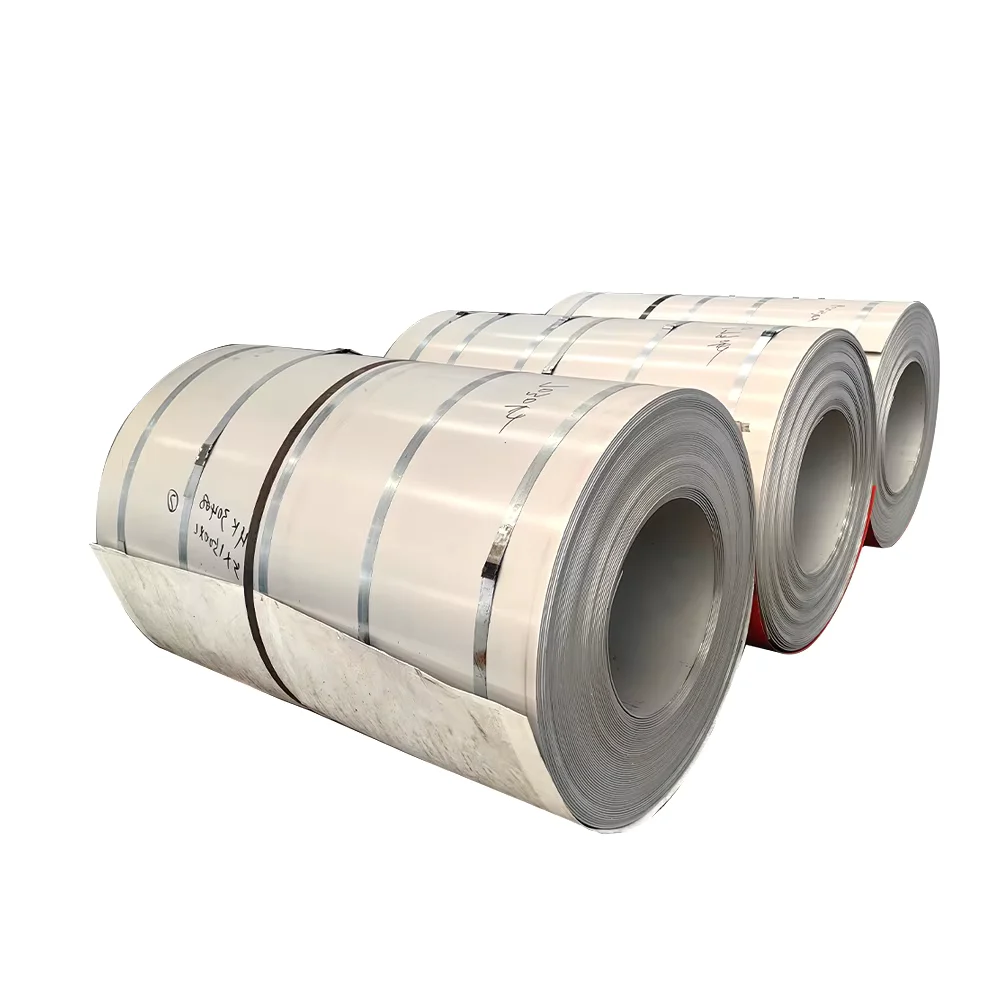
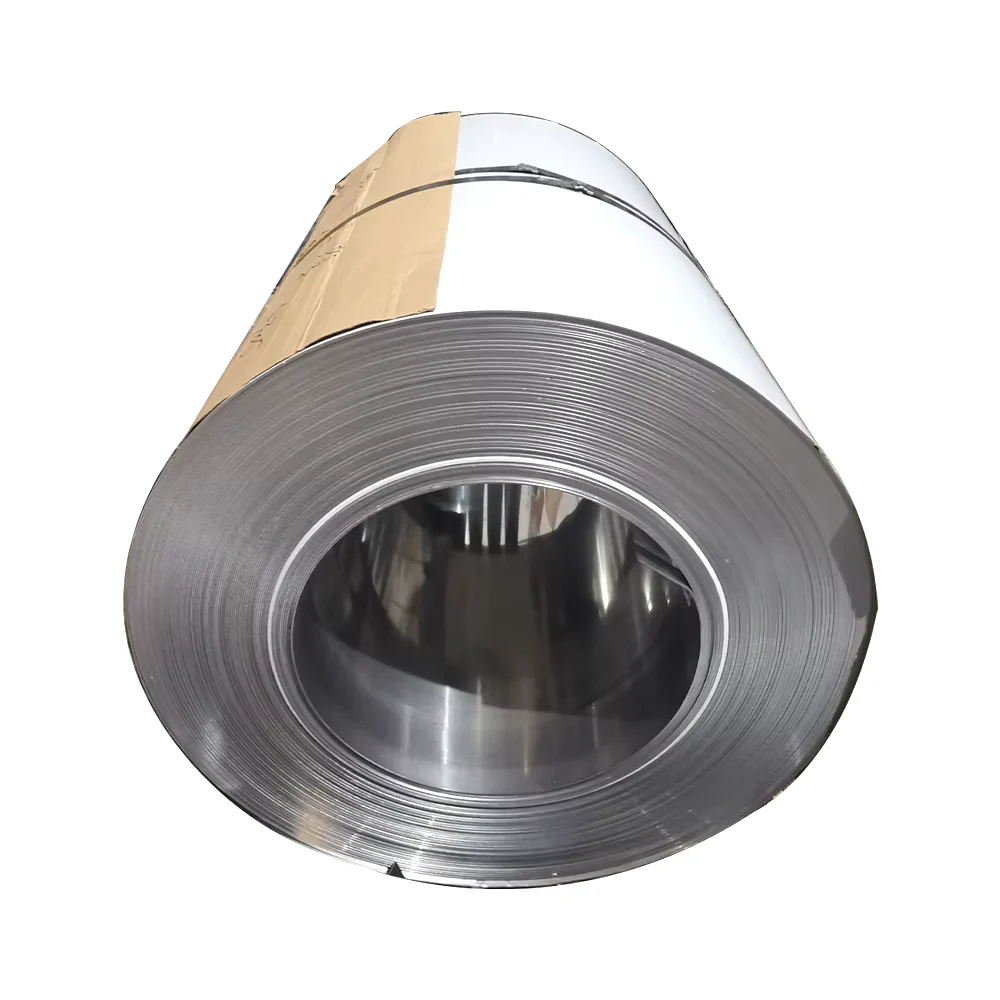
Direct Mill Supply for Stainless Steel Coil Projects — Every 201, 304, and 316L cold rolled stainless steel coil we ship carries a heat number traceable back to our own steel production lines, eliminating third-party material gaps.
Technical Specifications
| Parameter | Value |
|---|---|
| Designation | Cold Rolled Stainless Steel Coil |
| Product Type | Steel Coil |
| Steel Grade | 201, 304, 321, 309S, 316L, 430 |
| Thickness | 0.2–3 mm |
| Width | 1000 mm / 1219 mm / 1500 mm |
| Surface Finish | 2B |
| Technique | Cold Rolled |
| Application | Kitchenware / Fabrication / Industrial components |
| Origin | Shandong, China |
Application Suitability
| Industry | Typical Applications |
|---|---|
| Kitchenware Manufacturing | Sink bowls, countertop panels, range hood liners, food processing tanks |
| Industrial Fabrication | Pressure vessel shells, heat exchanger plates, conveyor belt components |
| Architectural & Decorative | Elevator interior panels, column cladding, ceiling trim profiles |
| Chemical & Pharmaceutical | Corrosion-resistant storage tanks, ductwork for fume extraction systems |
Material Certification Gaps That Trigger Customs Holds
A missing heat number on a mill test certificate can stall an entire container at the port of discharge.
Procurement teams sourcing a cold rolled stainless steel coil from overseas often discover that the supplier cannot provide full chemical composition data tied to a specific heat number. Without traceable documentation, customs authorities in the EU and Middle East routinely hold shipments pending third-party verification — adding weeks of demurrage costs and jeopardizing project timelines [NEED_CITE: EN 10204 3.1 inspection document requirements for steel products]. Surface quality inconsistencies compound the problem: 2B finish coils arriving with moisture staining or roller marks fail visual inspection at the fabrication stage, forcing buyers to either accept downgraded material or reorder entirely.
Precision Thickness Control for Deep-Drawing Kitchenware
When fabricating sink bowls or countertop panels, the 0.2–3 mm thickness range of our cold rolled stainless steel coil allows manufacturers to select gauges optimized for deep-drawing without springback. The 2B surface finish provides sufficient smoothness for direct polishing to No.4 or mirror finishes, reducing secondary processing steps. Width options of 1000 mm, 1219 mm, and 1500 mm align with standard blanking line setups, minimizing edge trim waste. Our vertically integrated production means every coil’s thickness tolerance is verified against the same quality system that controlled the original slab casting.
Corrosion Resistance Selection for Demanding Environments
For kitchenware and food processing applications, 304 grade offers reliable resistance to mild organic acids and cleaning agents, while 316L adds molybdenum for chloride resistance in coastal or saltwater-adjacent installations [NEED_CITE: corrosion resistance comparison between 304 and 316L stainless steel]. High-temperature applications such as heat exchanger components benefit from 321’s titanium stabilization or 309S’s elevated chromium-nickel content. The 430 ferritic grade serves decorative applications where magnetic properties and lower cost take priority over weld-zone corrosion resistance. Each grade ships with a Mill Test Certificate documenting chemical composition per the relevant standard framework.
Understanding Cold Rolled Surface Quality and Formability
The cold rolling process reduces coil thickness at room temperature, producing a smooth 2B finish with tight dimensional tolerance and improved surface appearance compared to hot-rolled alternatives. This finish results from a final light pass on polished rolls followed by annealing and pickling — creating a surface suitable for direct fabrication or further polishing. For grades like 304 and 316L, cold rolling also increases yield strength through work hardening, which benefits structural applications requiring higher load capacity. The 201 grade, with its manganese-nitrogen partial substitution for nickel, offers cost efficiency for applications where extreme corrosion resistance is not critical.
Hidden Costs of Unverified Stainless Steel Coil Procurement
Purchasing a cold rolled stainless steel coil without verified material certification creates downstream risks that far exceed the initial price difference. Fabrication shops discovering grade substitution after cutting cannot return scrap to the supplier — the material has already been consumed. Welding procedures qualified for 304 fail when the actual material is 201, producing cracks in sink seams or tank joints [NEED_CITE: welding procedure qualification requirements for dissimilar stainless steel grades]. Customs authorities increasingly require EN 10204 3.1 documentation for stainless steel imports, and containers lacking proper certification face inspection delays or rejection.
Integrated Production and Verified Documentation
Our cold rolled stainless steel coil production begins with slab casting in our own steel mill, ensuring complete traceability from raw material to finished coil. Every order includes a Mill Test Certificate with heat number, chemical composition, and mechanical properties — not a generic template. We maintain over 2,800 steel specifications in inventory across our production lines, allowing us to fulfill mixed-grade orders without subcontracting. Third-party inspection through SGS or BV is available for buyers requiring independent verification. Our export documentation team prepares complete customs packages including packing lists, bills of lading, and certificates of origin, reducing clearance delays at destination ports.
Documentation & Compliance
- Mill Test Certificate (EN 10204 3.1) documenting chemical composition and mechanical properties for each heat number of 201, 304, 321, 309S, 316L, and 430 grades
- ISO 9001 quality management system certificate covering the full production process from slab to cold rolled coil
- SGS or BV third-party inspection report available upon request for independent verification of grade and dimensions
- Material traceability report linking each coil to its original heat number and chemical analysis
- Complete customs documentation package including packing list, bill of lading, and certificate of origin for smooth port clearance
Packaging, Loading & Delivery
- Each cold rolled stainless steel coil wrapped in moisture-proof kraft paper with plastic sheeting, secured by steel straps to prevent edge damage during ocean transit
- Silica gel desiccant placed inside packaging to prevent condensation staining on the 2B finish surface — a lesson learned from early export shipments
- Coils loaded in eye-to-sky orientation on wooden pallets, optimized for 20-foot container capacity based on 1000/1219/1500 mm width and coil weight
- Heat number and steel grade clearly marked on each coil’s outer wrap and shipping documents for traceability at destination
- FOB, CIF, and DDP shipping terms available with professional export packing suitable for long-distance ocean freight
Requesting a Quotation with Full Material Documentation
Submit your required steel grade, thickness, width, and quantity to receive a detailed quotation including material cost, fabrication options, and shipping terms. Our engineering team will confirm availability, provide a production timeline, and specify the documentation package included with your cold rolled stainless steel coil order. For projects requiring mixed grades or custom width slitting, we can prepare a tailored supply plan based on your fabrication schedule.
Frequently Asked Questions
Q: What is the difference between 304 and 316L for kitchenware applications?
A: 304 provides excellent corrosion resistance for most kitchen environments, while 316L offers superior chloride resistance for coastal areas or applications involving saltwater exposure. Both grades are suitable for food contact surfaces.
Q: Can you provide third-party inspection for the cold rolled stainless steel coil?
A: Yes, SGS and BV third-party inspections are available. We coordinate the inspection schedule with the appointed surveyor and include the inspection report in the shipping documentation package.
Q: What surface finish options are available besides 2B?
A: Our standard offering is 2B finish for cold rolled stainless steel coil. Additional finishing such as BA, No.4 brushed, or mirror polish can be arranged based on your requirements and order quantity.
Q: How do you ensure material traceability for each coil?
A: Every coil carries a unique heat number linked to its original chemical analysis and mechanical test results. The Mill Test Certificate documents this traceability from slab casting through cold rolling.
Q: What is the minimum order quantity for custom width slitting?
A: MOQ and slitting availability depend on the specific grade and width requested. Contact our sales team with your requirements to confirm feasibility and pricing.
Get Your Cold Rolled Stainless Steel Coil Quote with Mill Test Certificate
Send your specifications including grade, thickness, width, quantity, and destination port to receive a quotation with complete material documentation within 24 hours.
Shandong Xin Jiyuan Special Steel Tube Co., Ltd
Website: www.xjystructure.com
Tel: +86 531 8573 6315
Mobile/WhatsApp/WeChat: +86 188 5315 7756
Email: admin@xjystructure.com
Address: No.11889, Jingshi West Road, Lulian Group, Jinan City, Shandong Province, China