Description
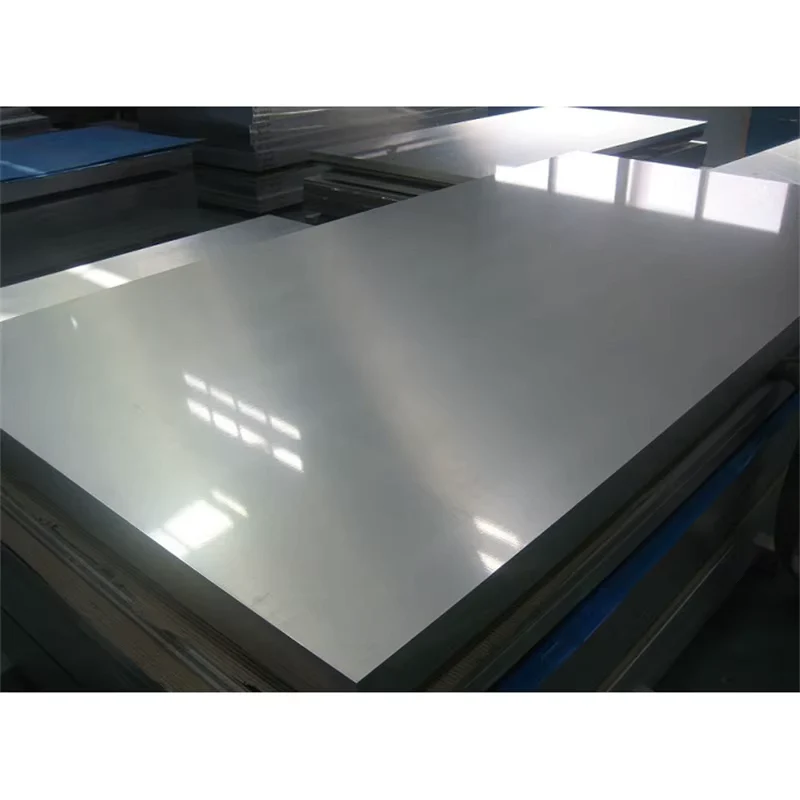
Vertically Integrated Stainless Supply — Every 304 316L stainless steel plate we deliver carries full chemical traceability from our own rolling mill, eliminating third-party material uncertainty.
Technical Specifications
| Parameter | Value |
|---|---|
| Designation | 300 Series Stainless Steel Plate |
| Product Type | Steel Plate |
| Steel Grade | 304, 304L, 316, 316L, 316Ti, 321, 310S, 309S, 317L, 301, 301L, 304N, 347, 314, 904L, 410, 410L, 409L, 430, 436, 441, 444, 429, 304J1, 201, 202, 2205, 2507, 2101, 2520, 2304 |
| Standard | ASTM, AISI, DIN, EN, GB, JIS, BS, NB |
| Thickness | 0.1mm–60mm |
| Width | 600mm–1800mm |
| Length | 1000mm–6000mm |
| Technique | Cold Rolled, Hot Rolled |
| Surface Finish | No.1, 2B, BA, 6K, 8K Mirror, No.4 Hairline |
| Tolerance | ±1% |
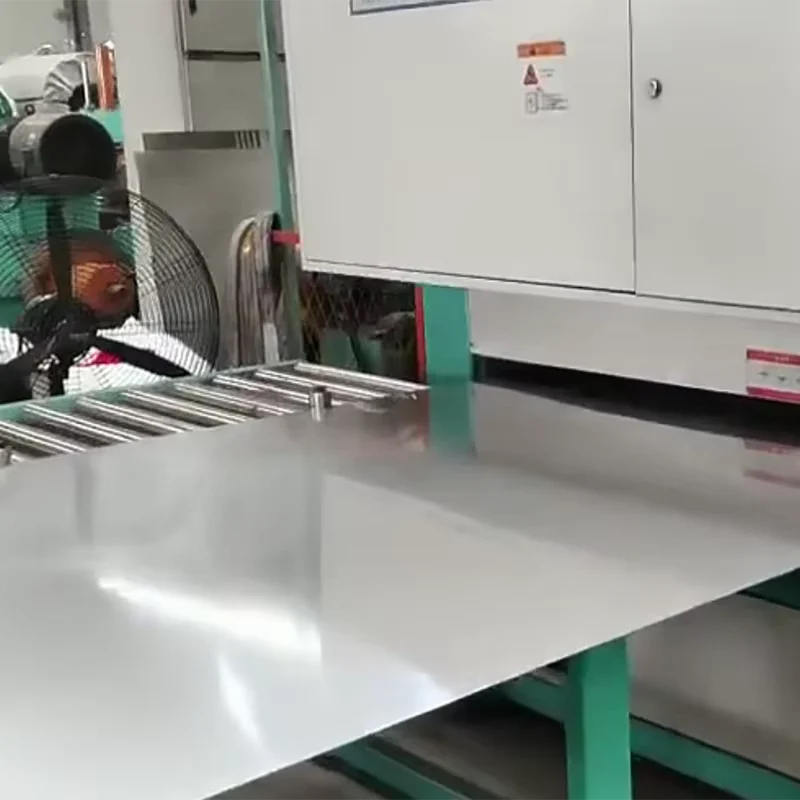
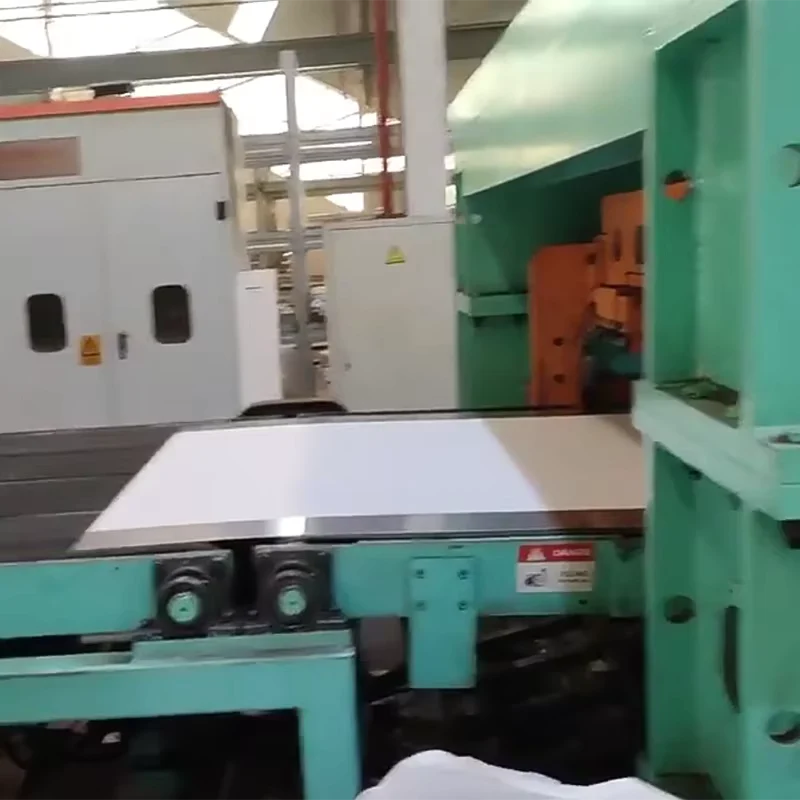
| Processing Services | Cutting, Bending, Welding, Decoiling, Punching |
| Application | Fabrication / Pressure vessels / Shipbuilding / Automotive / Industrial equipment / Furnace components / Bridge and structural steel plates / Welded components |
| MOQ | 1 Ton |
| Origin | Shandong, China |
Application Suitability
| Industry | Typical Applications |
|---|---|
| Industrial Fabrication | Pressure vessel shells, chemical reactor linings, furnace heat shields, piping supports |
| Shipbuilding & Marine | Deck plating, bulkhead panels, exhaust scrubber housings, ballast water system components |
| Construction & Infrastructure | Bridge connection plates, architectural cladding panels, structural anchor plates |
| Automotive & Machinery | Exhaust system flanges, welded frame components, conveyor rollers, machine guards |
| Energy & Petrochemical | Heat exchanger plates, desalination vessel walls, flare stack liners, ducting for high-temperature flue gas |
What Molybdenum Content Gaps Cost on a 316L Plate Order
A failed SGS assay on a 316L batch taught me that material certificates alone cannot replace verified traceability.
On a desalination plant in Jubail, we supplied plates for piping supports — the mill certs looked clean, but the client’s independent SGS test flagged molybdenum content well below 316L specification. Those plates were closer to 304 chemistry. The entire batch was rejected and replacements had to be air-freighted at our cost. That loss reshaped how we handle every order: every 304 316L stainless steel plate now carries full traceability from raw coil to finished cut piece, tested in our own lab before shipment. [NEED_CITE: ASTM A240 chromium-nickel stainless plate specification requirements]
Buyers sourcing stainless plates overseas face a persistent quality gap — fragmented supply chains where the fabricator, the stockist, and the mill are three different entities, each passing paperwork without physical verification. When molybdenum, nickel, or chromium levels drift below grade thresholds, the consequences surface only after welding or exposure to corrosive environments. A 304 316L stainless steel plate supplier who controls the entire chain from melting to cutting removes that uncertainty at the source.
Matching Plate Chemistry to Corrosive and Thermal Environments
Selecting the right grade within the 300 series determines whether a plate survives its service environment or fails prematurely. For general atmospheric and mild chemical exposure, 304 and 304L provide reliable corrosion resistance at lower cost. When chloride environments, marine atmospheres, or process acids enter the equation, 316L’s molybdenum addition becomes non-negotiable — and verifying that molybdenum content through independent assay is what separates a compliant 304 316L stainless steel plate from a costly misdelivery. For sustained temperatures above 800°C, grades like 310S and 309S maintain oxidation resistance where standard austenitic grades would scale and weaken. Our vertically integrated mill produces the full range — 304, 316L, 321, 310S, 904L, and duplex grades including 2205 and 2507 — so procurement teams receive matched chemistry with matched documentation from a single accountable source.
Engineering Compliance and Certification Across Procurement Regions
Different project specifications demand different certification frameworks. European EPC contracts typically require EN-compliant material with CE marking and traceable heat numbers, while North American projects reference ASTM A240 or A167 for plate products. Middle East infrastructure specifications often layer client-specific approved vendor lists on top of international standards. A 304 316L stainless steel plate supplier serving these markets must provide mill test certificates showing full chemical composition and mechanical properties per heat number, alongside third-party inspection reports from SGS or BV when the contract demands independent verification. [NEED_CITE: ASTM A240 standard specification for chromium and chromium-nickel stainless steel plate] Our documentation package covers all three regions, with material traceability running from raw slab to finished plate — no gaps, no substituted heat numbers.
Understanding Grade Selection and Rolling Process Impact
The 300 series spans austenitic grades (304, 316L, 321, 310S) known for formability and weldability, stabilized grades (321, 347) designed to resist sensitization during welding, and high-alloy grades (904L, 317L) for aggressive chemical environments. Cold rolled plates deliver tighter thickness tolerance and smoother surface finish — ideal for architectural cladding or precision fabrication — while hot rolled plates suit structural and industrial applications where surface appearance is secondary to dimensional strength. The ±1% thickness tolerance we maintain across 0.1mm to 60mm ensures that nested CNC cuts and welded assemblies hold their fit-up tolerances. Surface finish selection — from No.1 mill finish for industrial use to 8K mirror for decorative panels — is determined at the rolling stage, and our integrated line handles both cold and hot rolling in-house. [NEED_CITE: cold rolled versus hot rolled stainless steel plate surface and tolerance differences]
The Hidden Cost of Unverified Stainless Plate Procurement
Purchasing stainless plate without verified chemistry and traceability creates costs that appear long after the invoice is paid. A plate labeled 316L that tests as 304 will pass visual inspection but fail within months in a chloride environment — pitting corrosion at weld zones, stress corrosion cracking at connection points. Certification gaps trigger customs holds at destination ports, especially in EU markets where EN compliance documentation is checked before release. [NEED_CITE: EN 10088 stainless steel plate compliance and CE marking requirements] Dimensional tolerance drift beyond ±1% forces rework at the fabrication shop — extra grinding, re-cutting, or in worst cases, scrapping entire nested layouts. These costs compound silently until they surface as project delays, warranty claims, or structural failures in the field.
Why Procurement Teams Source Stainless Plate From Us
Our mill in Jinan operates dedicated rolling lines for both cold and hot rolled stainless plate, covering the full 300 series range plus ferritic grades (410, 430, 441) and duplex grades (2205, 2507). Every heat is tested in our own理化 laboratory before release — chemical composition verified against ASTM, EN, and JIS standards, with results documented on mill test certificates tied to individual heat numbers. We maintain over 2,800 specifications in stock, meaning urgent project requirements can be fulfilled from existing inventory without waiting for mill campaign scheduling. Our fabrication division handles CNC plasma cutting, bending, welding, and punching per client drawings — so plates arrive at site as finished components, not raw material requiring secondary processing. Third-party inspection through SGS or BV is arranged on every order where the contract requires it, and our export documentation package includes certificate of origin, packing lists, and bill of lading prepared for smooth customs clearance across EU, Middle East, Southeast Asian, and African ports.
Documentation & Compliance
- Mill test certificate documenting 304 and 316L chemical composition including carbon, chromium, nickel, and molybdenum content per ASTM A240, with mechanical properties per heat number
- CE compliance documentation for EN 10088 stainless steel plate products destined for European Union markets, with traceable heat-to-plate linkage
- ISO 9001 quality management certificate covering the full production chain from slab casting through rolling, cutting, and surface treatment
- SGS or BV third-party inspection report available for independent verification of chemical composition, dimensional tolerance, and surface quality before shipment
- Material traceability package linking each plate to its original heat number, with full chemistry and processing history documented
- Export customs documentation including commercial invoice, packing list, bill of lading, and certificate of origin formatted for destination port requirements
Packaging, Loading & Delivery
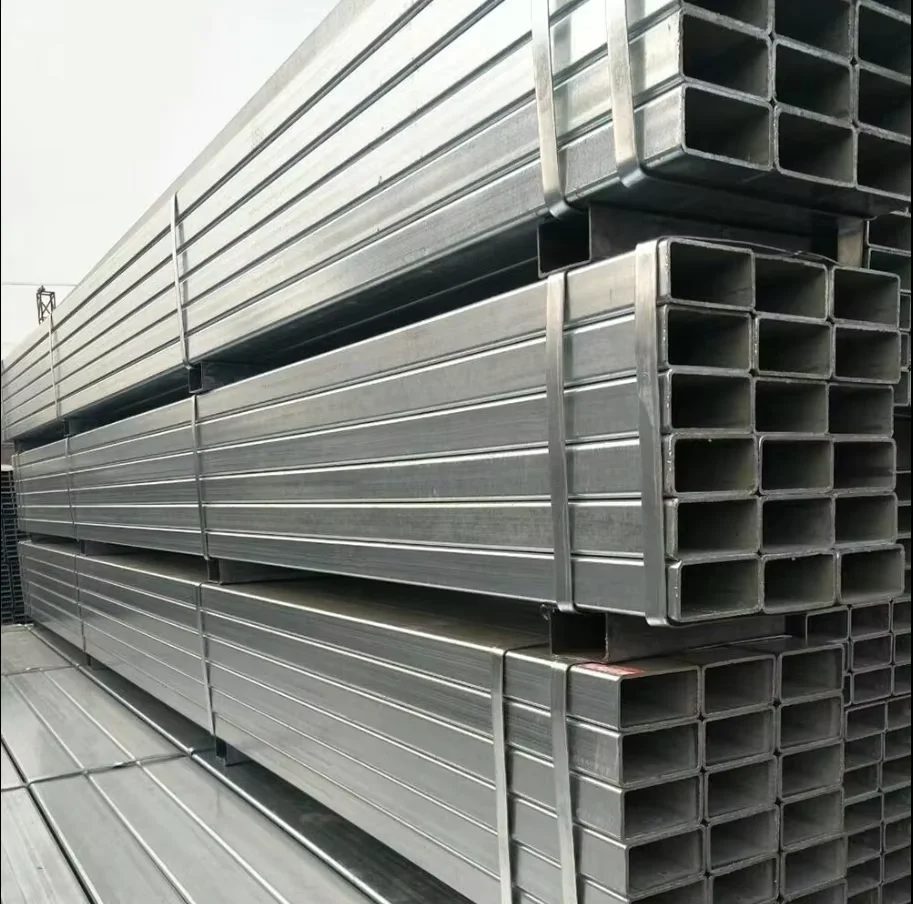
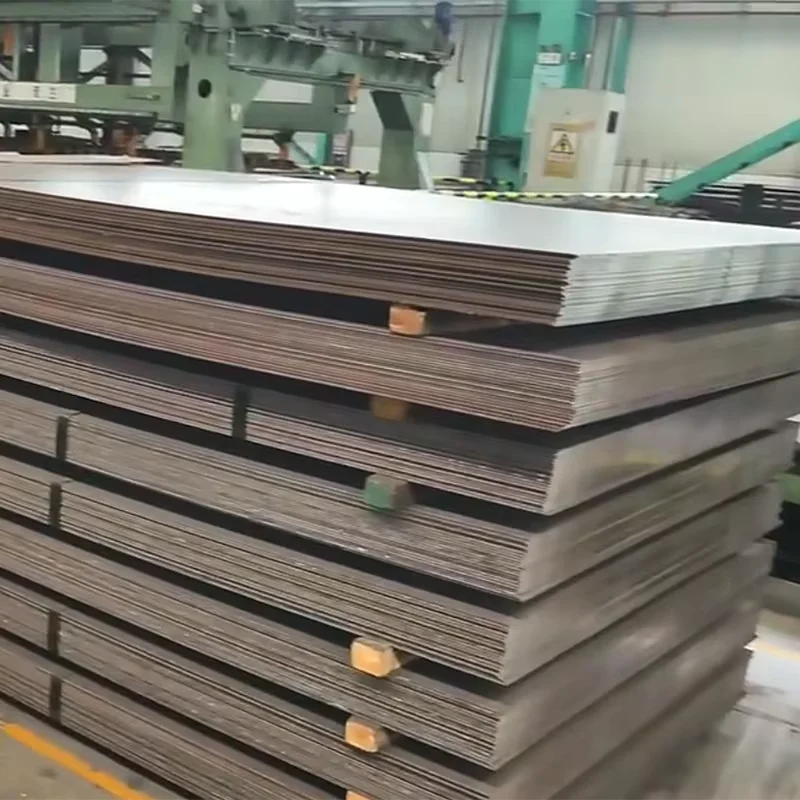
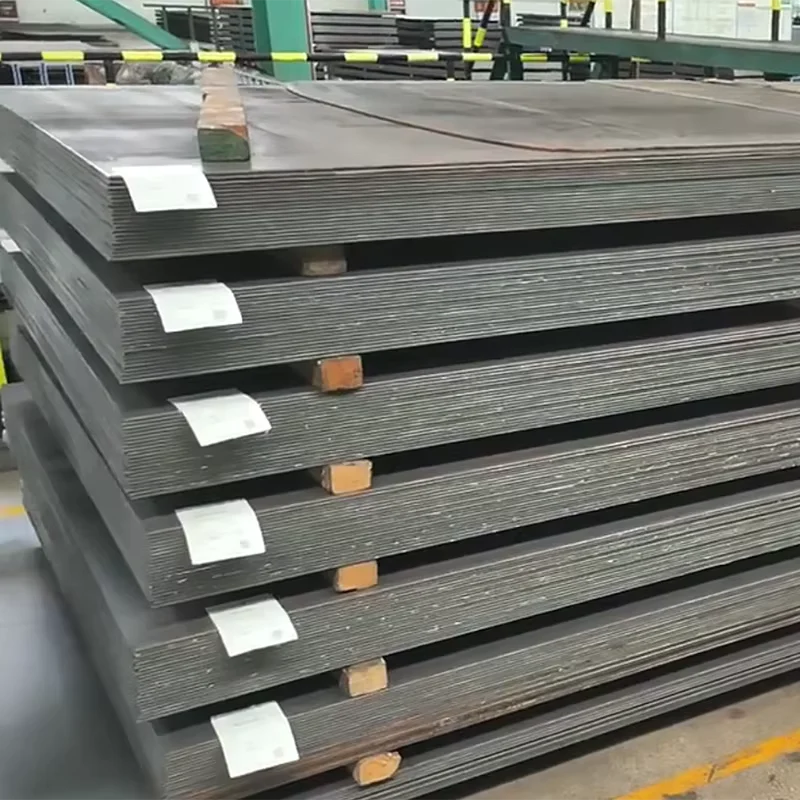
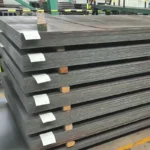
- Stainless steel plates bundled with steel strips and separated by protective interleaving paper to prevent surface scratching during transit, with edge protectors applied to 8K mirror and No.4 hairline finish plates
- Anti-corrosion wrapping using moisture-resistant VCI film for 316L and 904L plates destined for marine or high-humidity environments, preserving surface integrity through ocean freight
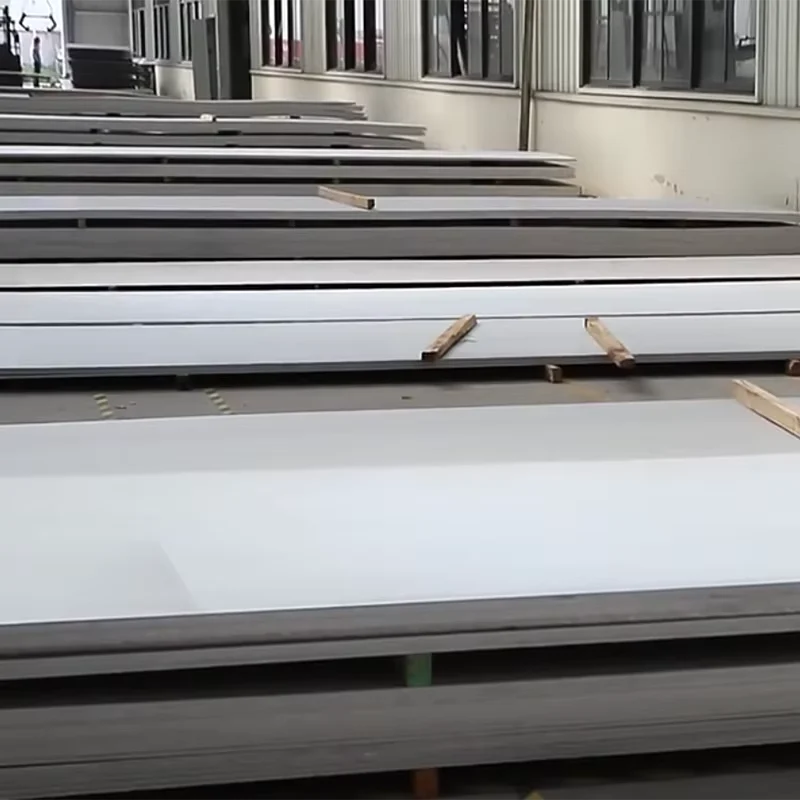
- Container loading optimized for 600mm–1800mm width plates, with wooden crating for 8K mirror finish orders and steel-frame bundling for hot rolled No.1 finish plates to maximize container utilization
- Custom cutting to 1000mm–6000mm length per client drawing, with cut pieces labeled by heat number, grade, and thickness for direct installation at fabrication site
- Heat number and grade marking stenciled on each plate edge using low-chloride ink, ensuring traceability is maintained through storage, cutting, and welding at the project site
- FOB, CIF, and DDP shipping terms available from Qingdao port, with door-to-door logistics coordination for project sites across the Middle East, Southeast Asia, and Africa
Requesting a Quotation for Your Stainless Plate Requirement
Share your project specifications — grade, thickness, width, length, surface finish, quantity, and destination port — and our team responds within 24 hours with a detailed quotation including material cost, processing charges, packaging, and shipping. For custom cutting or fabrication per engineering drawings, upload your PDF or DWG files and we return a shop drawing review with material optimization recommendations before production begins. Confirm your certification requirements — mill test certificate, third-party inspection, or CE documentation — and we include the full compliance package in your order.
Start Your Stainless Steel Plate Inquiry Today
Submit your grade, dimensions, and quantity to receive a quotation with mill test certificate and third-party inspection options.
Company: Shandong Xin Jiyuan Special Steel Tube Co., Ltd
Website: www.xjystructure.com
Tel: +86 531 8573 6315
Mobile/WhatsApp/WeChat: +86 188 5315 7756
Email: admin@xjystructure.com
Address: No.11889, Jingshi West Road, Lulian Group, Jinan City, Shandong Province, China
Frequently Asked Questions
Q: What is the difference between 304 and 316L stainless steel plate for marine environments?
A: 316L contains molybdenum (2-3%) which provides superior resistance to pitting and crevice corrosion in chloride environments such as seawater and de-icing salts. 304 is suitable for general atmospheric exposure but will corrode in sustained marine conditions. For any project within 5km of a coastline or involving chemical process exposure, 316L is the recommended grade.
Q: Can you provide third-party inspection for stainless steel plate orders?
A: Yes. We arrange SGS or BV third-party inspection for chemical composition verification, dimensional tolerance measurement, and surface quality assessment. The inspection is conducted at our facility before shipment, and the report is included in your documentation package. This is standard practice for Middle East and European project specifications.
Q: What thickness tolerance do you maintain on cold rolled versus hot rolled plates?
A: We maintain ±1% thickness tolerance across our full range from 0.1mm to 60mm, applicable to both cold rolled and hot rolled conditions. Cold rolled plates additionally offer tighter width and length tolerances and smoother surface finish, making them preferred for precision fabrication and architectural applications.
Q: What surface finishes are available and how do they affect application suitability?
A: We offer No.1 (mill finish, suitable for industrial and structural use), 2B (smooth matte finish for general fabrication), BA (bright annealed for reflective surfaces), No.4 Hairline (architectural and decorative), and 6K/8K Mirror (highly reflective for decorative panels and signage). The finish is determined during the rolling and annealing process and affects both appearance and corrosion resistance.
Q: Do you provide custom cutting and fabrication services for stainless steel plate?
A: Yes. Our fabrication division offers CNC plasma cutting, flame cutting, bending, welding (MIG/MAG/SAW), and punching per client engineering drawings. We review shop drawings before production begins and provide material optimization recommendations to reduce waste. Finished components are labeled by heat number and grade for full traceability at the installation site.