Description
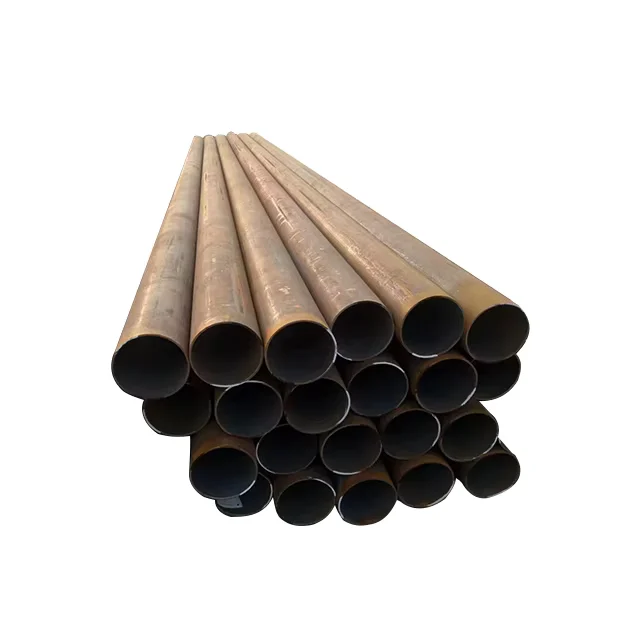
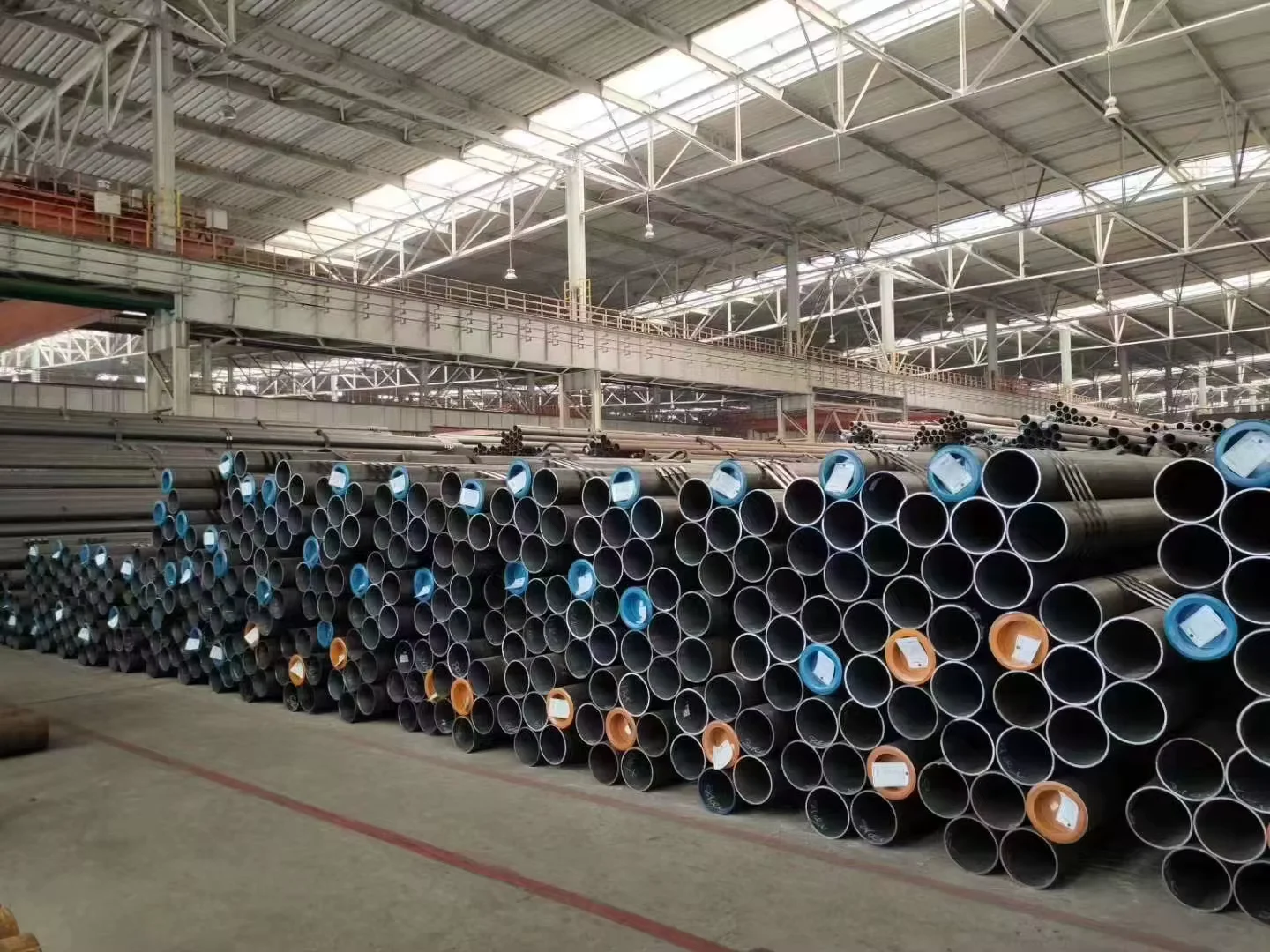
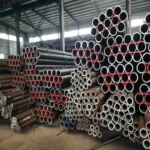
Factory-Direct ASTM A106 Supply — Vertically integrated from billet to finished seamless pipe, eliminating third-party material sourcing gaps.
Technical Specifications
| Parameter | Value |
|---|---|
| Designation | ASTM A106 Carbon Steel Seamless Pipe |
| Product Type | Seamless Steel Pipe |
| Steel Grade | ASTM A106 Grade A, ASTM A106 Grade B, 20#, 45# |
| Standard | ASTM A106, API 5CT, API 5L, JIS, BS, DIN |
| Section Shape | Round |
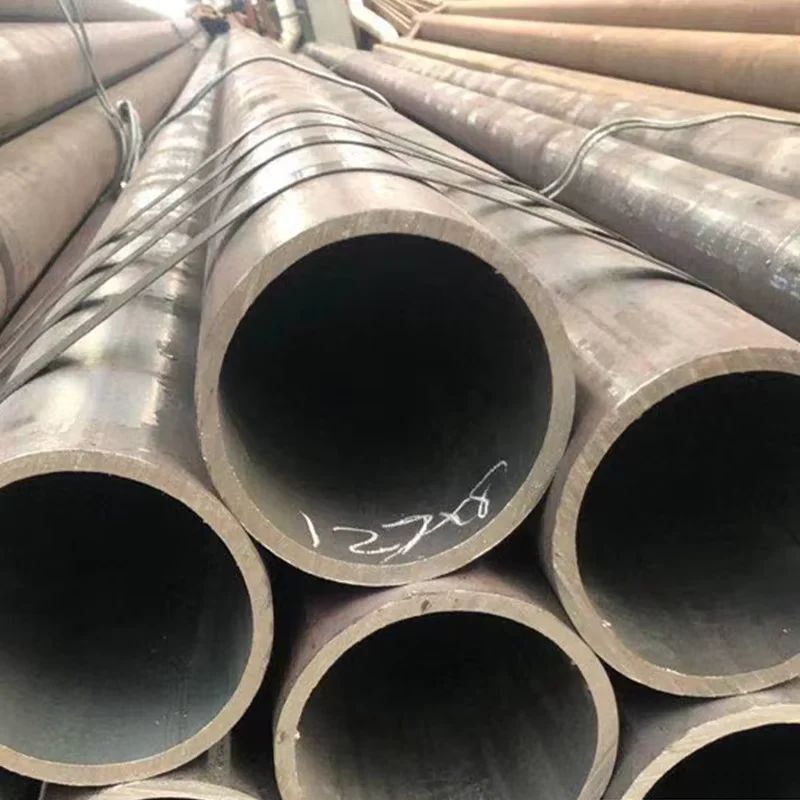
| Outer Diameter | 10–609 mm |
| Wall Thickness | 1.65–59.54 mm |
| Length | 5.8–12 m (standard export length) |
| Technique | Hot Rolled / Cold Rolled / Cold Drawn |
| Surface Treatment | Hot Rolled, Oiled / Non-oiled |
| Tolerance | ±5%, ±1% |
| Ends | Plain / Beveled (per standard) |
| Application | Fluid transportation, boiler pipe, oil pipe, gas pipe, hydraulic pipe, structure pipe |
| Invoicing | By Theoretical Weight |
| Origin | Shandong, China |
Application Suitability
| Industry | Typical Applications |
|---|---|
| Oil & Gas | Drill pipe, oil transmission pipe, gas distribution pipeline |
| Power Generation | High-temperature boiler tubes, superheater elements |
| Petrochemical | Chemical fertilizer feed lines, process piping under pressure |
| Industrial Infrastructure | Hydraulic systems, machinery components, stress-bearing structural members |
What Material Traceability Gaps Cost on High-Temperature Pipe Orders
A missing heat number on an ASTM A106 Grade B pipe can shut down an entire pressure vessel inspection.
When overseas EPC firms source seamless pipes through trading intermediaries, the chain from billet melt to finished pipe gets fractured. Mill test certificates arrive detached from actual bundles, and heat numbers on pipe stencils fail to match the paperwork. For ASTM A106 carbon steel seamless pipe supplier projects serving boiler and high-temperature fluid service, this traceability break means the inspector cannot verify chemical composition against ASTM A106 requirements — and the entire lot faces rejection at site. [NEED_CITE: material traceability requirements for pressure-rated seamless piping]
Matching High-Temperature Service Demands Across Pressure Applications
ASTM A106 Grade B dominates high-temperature fluid transport because its carbon-manganese chemistry maintains strength above 400°C where standard structural grades lose load-bearing capacity. The OD range of 10–609 mm covers everything from instrument lines to main process headers, while wall thickness up to 59.54 mm handles high-pressure steam and hydrocarbon service. Our vertically integrated mill produces the raw billets and controls the hot-rolling or cold-drawing process in-house, so every ASTM A106 carbon steel seamless pipe supplier order ships with full chemistry traceable from heat to bundle.
Engineering Compliance and Certification for Pressure-Rated Piping
Pressure piping systems must comply with ASME B31.1 or B31.3 design codes, which reference ASTM A106 as an acceptable material specification for elevated-temperature service. The pipe must carry a valid Mill Test Certificate showing chemical composition and mechanical properties per ASTM A106, with heat numbers physically marked on each length. For projects entering EU markets, additional EN 10204 3.1 or 3.2 third-party inspection may be required alongside the mill’s own certification. Beveled ends per standard preparation ensure field welding meets WPS qualifications without additional machining delays. [NEED_CITE: ASME B31.3 material requirements for carbon steel seamless pipe]
Steel Grade Selection and Manufacturing Process Considerations
ASTM A106 covers three grades — Grade A, Grade B, and Grade C — with increasing tensile and yield strength requirements suited to progressively higher pressure and temperature conditions. Grade B remains the most specified for general boiler and process piping due to its balance of weldability and elevated-temperature performance. The manufacturing route matters: hot-rolled pipes suit thicker walls and larger diameters where grain structure develops through controlled rolling, while cold-drawn pipes deliver tighter dimensional tolerance and smoother surface finish for precision hydraulic applications. For ASTM A106 carbon steel seamless pipe supplier orders, the choice between oiled and non-oiled surface condition depends on transit duration and storage environment — oiled surfaces prevent flash rust during ocean shipment, while non-oiled pipes serve projects requiring immediate painting or coating.
Wall thickness tolerance directly affects project cost when invoicing runs on theoretical weight. A pipe ordered at 12.7 mm wall with ±1% tolerance could arrive at 12.57 mm — still within specification, but the weight difference across a multi-ton order translates to measurable cost variance. Understanding this interplay between tolerance, invoicing method, and actual structural performance prevents disputes at delivery.
Hidden Costs of Sourcing Seamless Pipe Without Verified Certification
Procuring ASTM A106 pipe from suppliers who cannot demonstrate direct mill origin creates compounding risks. Material substituted at lower grade passes visual inspection but fails mechanical testing at the pressure test stage, forcing full lot replacement and project delay. Missing or fabricated MTC documents trigger customs holds in markets requiring EN 10204 3.2 verification, stranding cargo at port while original mill records are traced. For ASTM A106 carbon steel seamless pipe supplier contracts, these failures do not surface until hydrostatic testing or third-party inspection — long after the material has left the origin country. [NEED_CITE: consequences of non-conforming material in pressure piping projects]
Integrated Mill Control From Billet to Finished Pipe
Our own steel production facility operates three rolling lines with direct control over billet quality, heating, piercing, and finishing — meaning every ASTM A106 carbon steel seamless pipe supplier order originates from a single quality system rather than assembled from purchased semi-finished stock. The in-house metallurgical laboratory issues Mill Test Certificates with full chemical and mechanical data linked to heat numbers marked on each pipe length. With over 2,800 specifications maintained in inventory, we consolidate mixed-size orders into single shipments, reducing the procurement fragmentation that creates traceability gaps. Third-party inspection through SGS, BV, or TÜV is arranged before loading, providing independent verification for clients requiring additional assurance beyond mill certification. Professional loading plans account for pipe diameter and wall thickness to prevent transit damage — a lesson learned from watching heavy-wall pipes shift and deform during ocean transit when proper cradles and restraints were not engineered for the cargo.
Documentation & Compliance
- Mill Test Certificate per EN 10204 3.1 documenting ASTM A106 Grade B chemical composition (carbon, manganese, silicon, sulfur, phosphorus) and tensile properties
- API 5CT / API 5L certification for orders specifying oil country or line pipe compliance alongside ASTM A106
- ISO 9001 quality management system certificate covering the integrated billet-to-pipe manufacturing process
- SGS or BV third-party inspection report verifying dimensional tolerance, surface condition, and end preparation before shipment
- Full material traceability linking each pipe length to its heat number through stenciled marking and corresponding MTC
- Export documentation package including commercial invoice, packing list, bill of lading, and certificate of origin for customs clearance
Packaging, Loading & Delivery
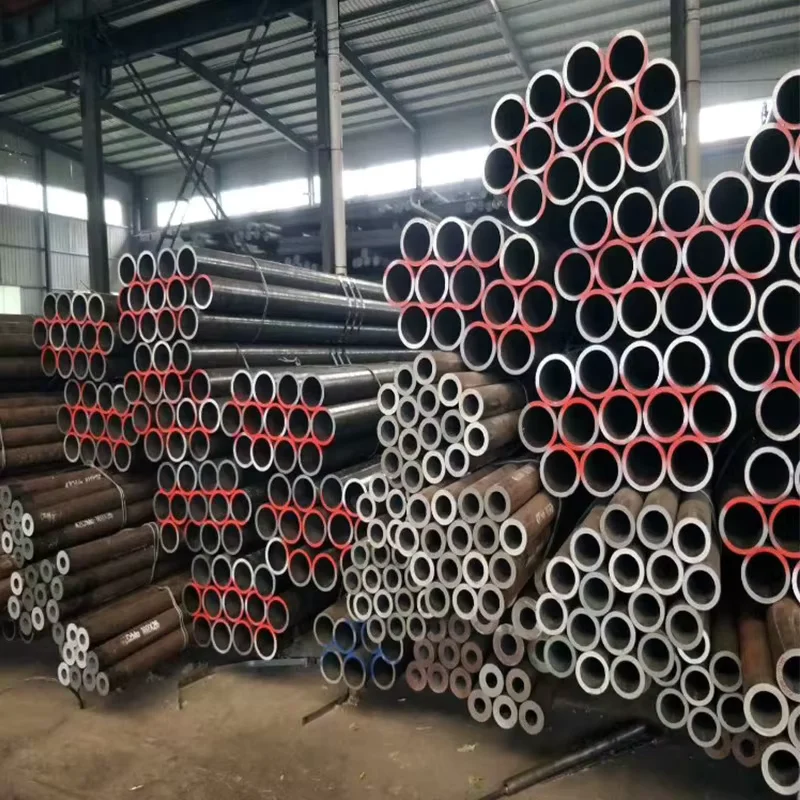
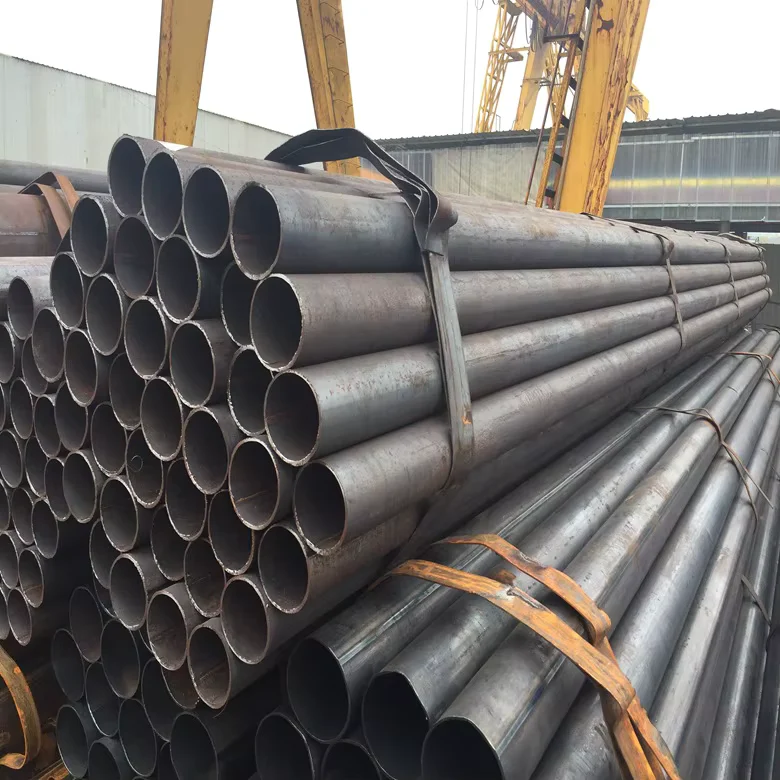
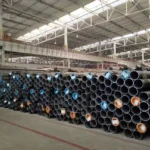
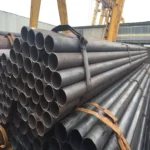
- ASTM A106 Grade B seamless pipes bundled with steel strips and edge protectors, sized to match OD range and wall thickness to prevent bundle deformation during handling
- Oiled surface treatment applied to non-oiled pipes destined for extended ocean transit, preventing flash rust without interfering with field welding or coating application
- Container loading optimized for 5.8–12 m standard lengths, with heavy-wall pipes (above 25 mm WT) loaded in lower tiers and thin-wall pipes secured above to distribute weight
- Custom cut-to-length service available for project-specific requirements outside standard 5.8–12 m export lengths, with beveled or plain ends prepared per drawing specification
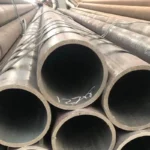
- Heat number and ASTM A106 Grade stenciled on each pipe length for field identification and traceability verification at site receipt
- FOB, CIF, and DDP delivery terms supported with professional oversized cargo planning for breakbulk shipments when pipe dimensions exceed container capacity
Getting Your ASTM A106 Pipe Order Quoted and Verified
Share your project specifications — OD, wall thickness, length, grade, quantity, and destination port — and receive a detailed quotation including material cost, processing charges, packing, and shipping within 24 hours. We confirm Mill Test Certificate format, third-party inspection availability, and loading plan before contract signing, so documentation and logistics are locked before production begins.
Request Your ASTM A106 Seamless Pipe Quotation
Submit your drawing specifications, steel grade requirements, and order quantity to receive pricing with full Mill Test Certificate and export documentation.
Shandong Xin Jiyuan Special Steel Tube Co., Ltd
Website: www.xjystructure.com
Tel: +86 531 8573 6315
Mobile/WhatsApp/WeChat: +86 188 5315 7756
Email: admin@xjystructure.com
Frequently Asked Questions
Q: What is the difference between ASTM A106 Grade A and Grade B for high-temperature service?
A: ASTM A106 Grade B offers higher tensile and yield strength than Grade A, making it suitable for higher pressure and temperature applications in boiler and process piping systems. Grade A serves lower-pressure conditions where the reduced strength is acceptable. Both grades maintain carbon-manganese chemistry designed for elevated-temperature performance.
Q: Can you provide third-party inspection for ASTM A106 seamless pipes?
A: Yes, we arrange SGS, BV, or TÜV third-party inspection before shipment. The inspection covers dimensional verification, surface condition assessment, end preparation check, and review of Mill Test Certificate documentation against ASTM A106 requirements.
Q: How do you ensure material traceability from billet to finished pipe?
A: Each pipe length is stenciled with its heat number, which links directly to the Mill Test Certificate showing chemical composition and mechanical properties. Our integrated mill controls the entire process from billet production through hot-rolling or cold-drawing, maintaining a single quality system with no third-party material sourcing.
Q: What surface treatment options are available for ocean shipment?
A: ASTM A106 pipes can be supplied oiled or non-oiled. Oiled surfaces prevent flash rust during extended sea transit and storage. Non-oiled pipes are specified when immediate painting, coating, or welding is planned at the destination site.
Q: Do you support custom cutting and end preparation?
A: Yes, we provide cutting to project-specific lengths outside the standard 5.8–12 m range, along with beveled or plain end preparation per your drawing specifications. Shop drawing review is available before production begins to confirm dimensional requirements.