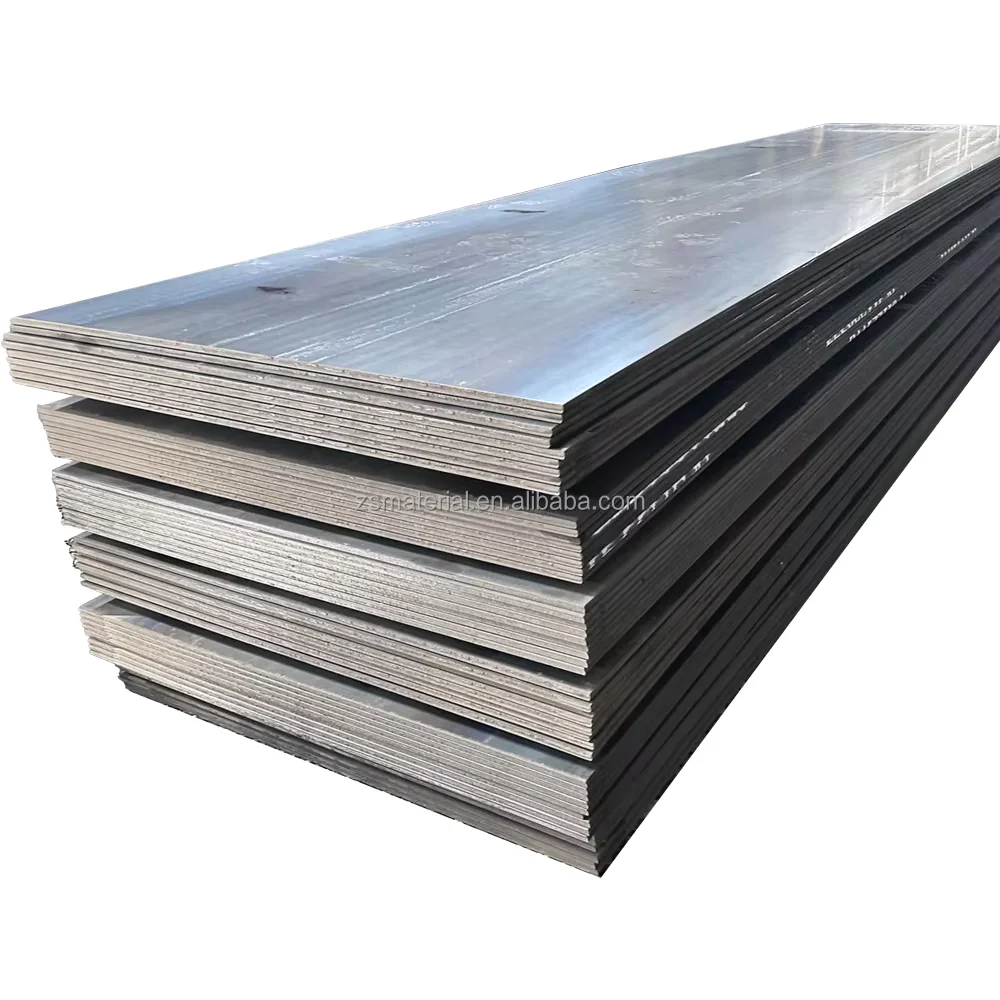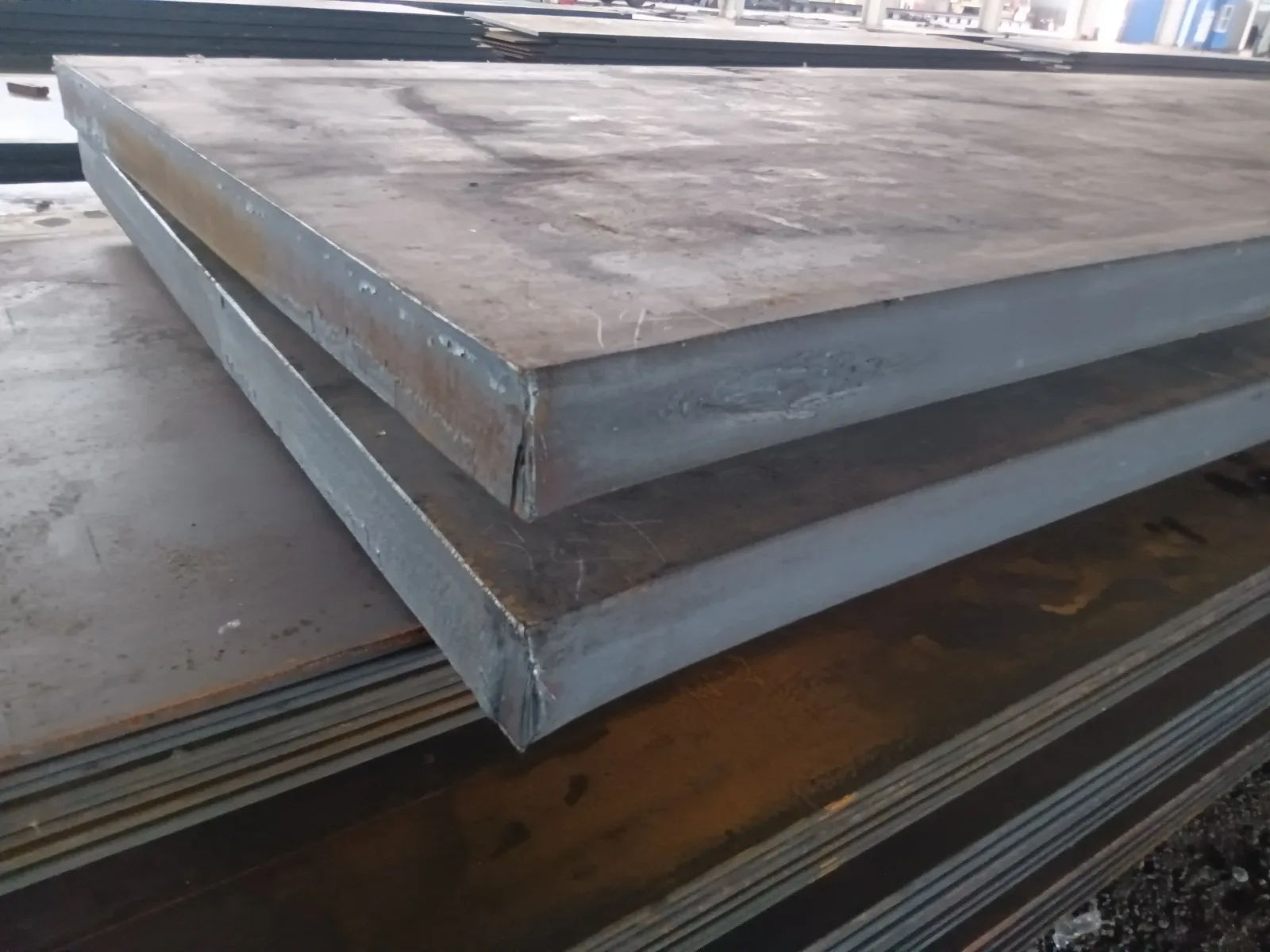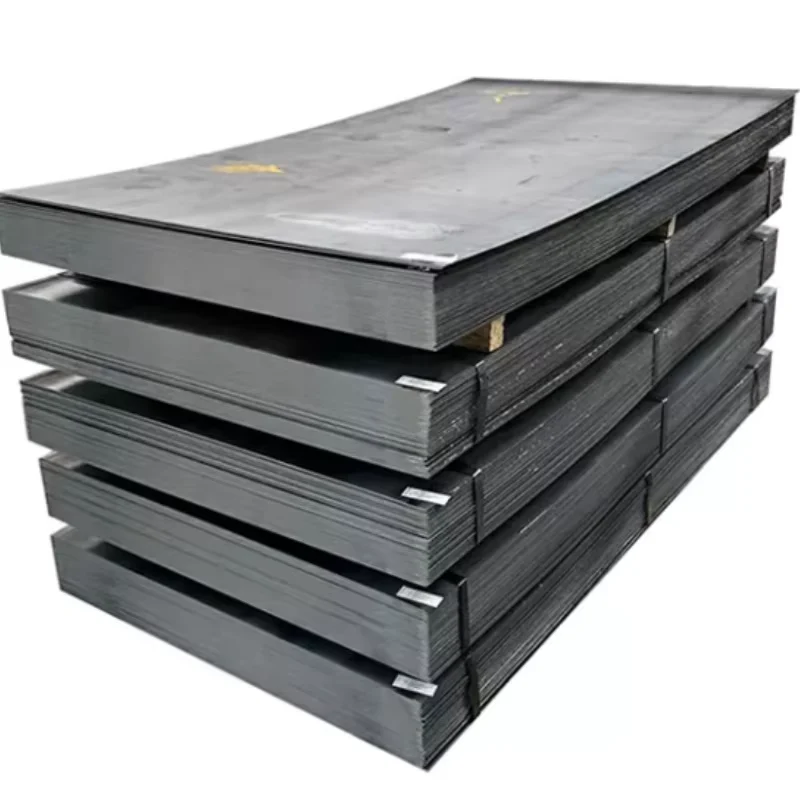

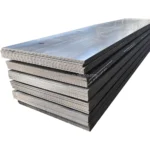

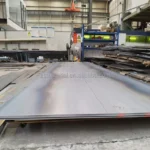
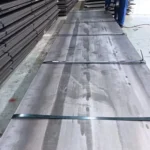
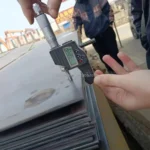
Description
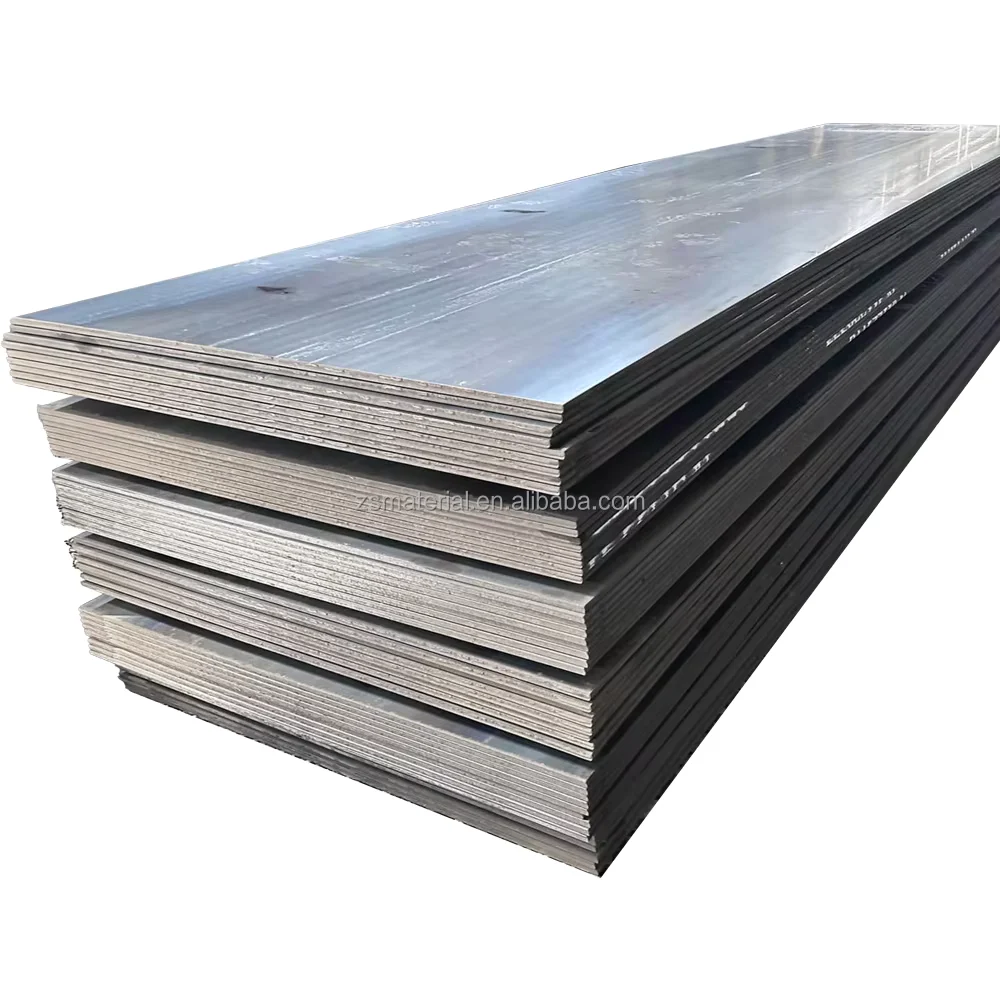
Direct Mill Supply, Full Traceability — ASTM A36 hot rolled carbon steel plate produced and processed under one roof, with heat-number traceability from slab to finished sheet.
Technical Specifications
| Parameter | Value |
|---|---|
| Designation | ASTM A36 Hot Rolled Carbon Steel Plate |
| Product Type | Steel Plate |
| Steel Grade | A36 / Q195 / Q235 / Q235B / Q345 / SS400 |
| Standard | ASTM A36 / EN / GB (Q195/Q235/Q345) / JIS (SS400) |
| Thickness | 0.75–200 mm |
| Technique | Hot Rolled |
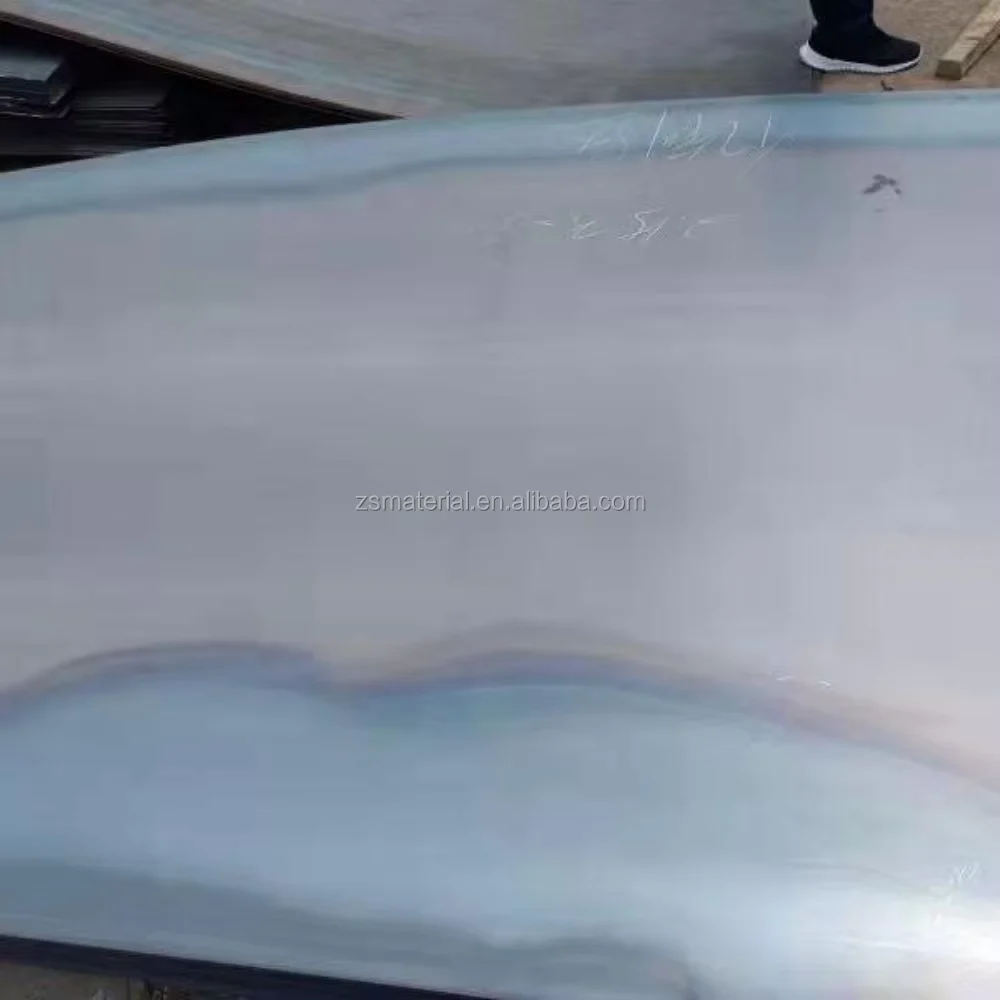
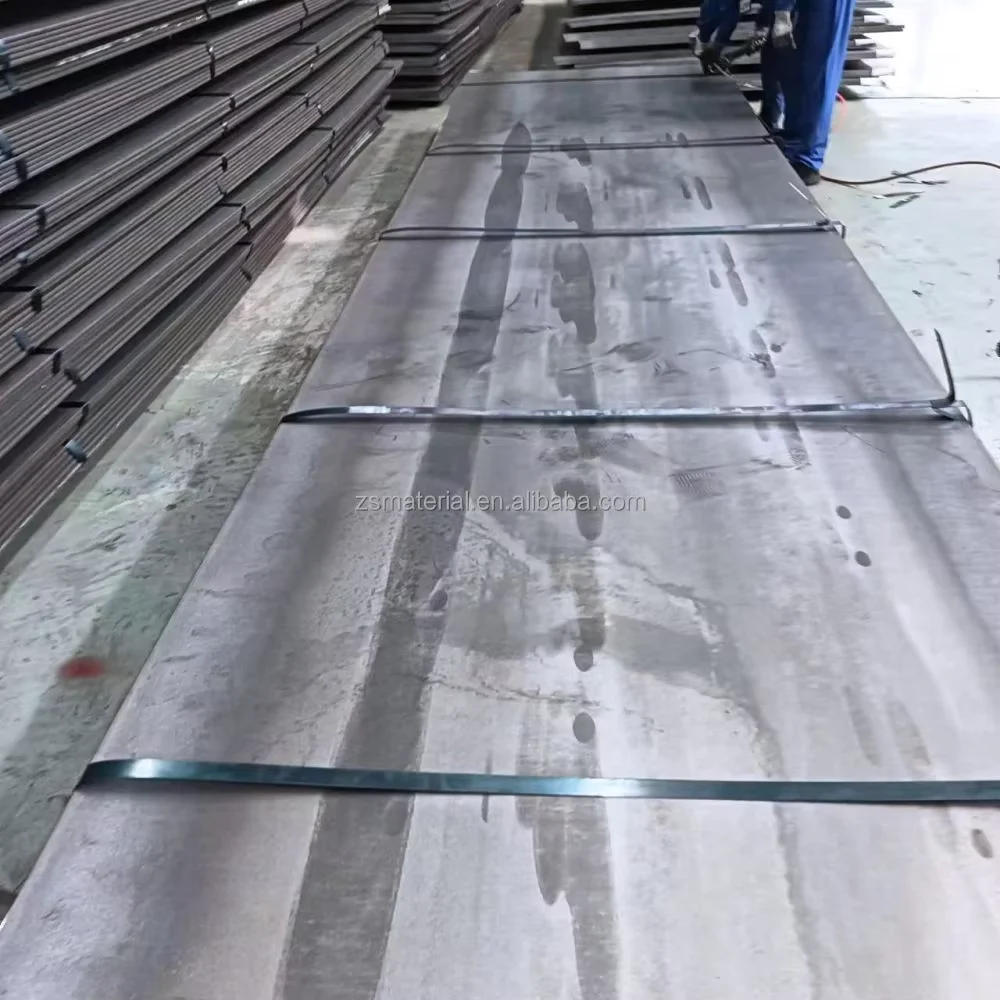
| Surface Treatment | Black Surface / Hot Rolled |
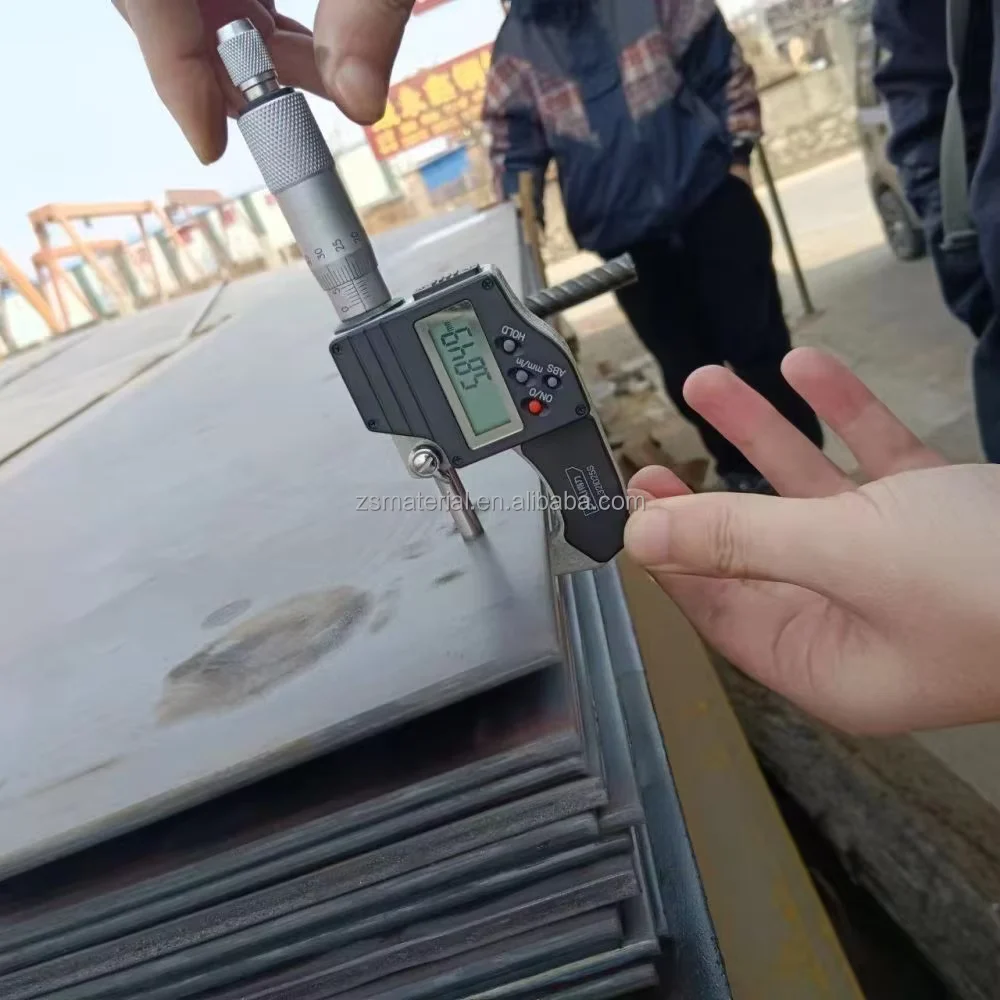
| Tolerance | ±1% |
| Processing Service | Bending / Welding / Decoiling / Cutting / Punching |
| Application | Construction / Shipbuilding / Boiler / Container / Machinery / Pressure Vessels / Bridge / Automotive / Making Pipes |
| MOQ | 1 Ton |
Application Suitability
| Industry | Typical Applications |
|---|---|
| Construction & Infrastructure | Structural frame columns, base plates, bridge gussets, platform decking |
| Industrial & EPC Projects | Pressure vessel shells, boiler end caps, ship hull panels, container corner castings |
| Machinery & Plant Building | Machine base plates, equipment skids, conveyor support frames |
What Thickness Tolerance Actually Costs on a Plate Order
A ±1% tolerance on a 200 mm plate means ±2 mm — enough to shift weight, alter weld prep, and trigger site rework.
When buyers source ASTM A36 hot rolled carbon steel plate from fragmented traders, tolerance claims are rarely verified against mill certificates. A plate ordered at 20 mm nominal arriving at 18.5 mm forces the fabricator to recalculate load capacity, redo weld preps, or reject the batch entirely. On EPC projects in West Africa, I have seen entire shipments held at port because the inspector found negative tolerance exceeding the purchase order allowance — not because the steel was weak, but because the paperwork did not match the physical product. [NEED_CITE: EN 10204 inspection document types for steel plates]
How Hot Rolled Plate Matches Structural and Industrial Load Requirements
The 0.75–200 mm thickness range of ASTM A36 hot rolled carbon steel plate covers everything from light-gauge container floor sheets to heavy base plates for industrial columns. Hot rolling preserves the steel’s ductility, making it suitable for bending and welding without preheating in most thickness ranges below 40 mm. For EPC contractors building warehouses or processing plants, ordering plates cut-to-size with CNC plasma cutting and edge beveling eliminates secondary machining at the destination port — where labor costs and equipment availability are unpredictable.
Engineering Compliance and Certification Across Markets
Structural steel plates used in load-bearing frames must comply with regional codes: EN 1090-2 for European projects, AWS D1.1 for North American structures, and local authority approvals for Middle East and African infrastructure. The ASTM A36 grade specified here meets the chemical and mechanical requirements for general structural use, while Q345 and SS400 serve equivalent roles in GB and JIS systems respectively. Third-party inspection by SGS or BV before shipment confirms dimensional accuracy and surface quality, which is critical when customs authorities at destination ports require independent verification. [NEED_CITE: ASTM A36 equivalent grades in EN and JIS standards]
Steel Grade Selection and Hot Rolling Process
ASTM A36 is a low-carbon structural steel with minimum yield strength suitable for general construction, while Q345 offers higher strength for heavier load applications. The hot rolling process heats slabs above recrystallization temperature, producing plates with uniform grain structure and good formability. Black surface finish from hot rolling is ideal for applications where the plate will be shot blasted and painted on site, or where the steel will be welded directly without additional coating. Thickness tolerance of ±1% ensures dimensional consistency across large orders, which matters when multiple plates must be fitted together in a single assembly.
The Hidden Cost of Unverified Plate Sourcing
Plates sourced through intermediaries often carry incomplete mill test certificates, making heat-number traceability impossible. When a structural engineer in Lagos discovers that the base plates for a mezzanine floor lack proper documentation, the entire batch must be tested at local laboratory expense — or replaced entirely. Material substitution without proper equivalence approval can void project insurance and delay handover by months. [NEED_CITE: material traceability requirements for structural steel in international projects]
Why Source ASTM A36 Hot Rolled Carbon Steel Plate From Us
Our own steel mill produces the raw slabs, and our fabrication workshop cuts, drills, and welds them into finished components — eliminating the gap between material supplier and processor. Every plate carries full heat-number traceability back to the original melt, documented in EN 10204 3.1 format mill test certificates. With over 2,800 specifications in inventory, we can consolidate mixed orders of different thicknesses and grades into single shipments, reducing freight costs for buyers in Southeast Asia and Africa. Certified welding procedures per AWS and EN standards, combined with shot blasting and painting capability, mean plates arrive ready for installation or further fabrication. Professional loading plans for heavy plate cargo prevent shifting during ocean transit — a lesson learned the hard way on a shipment to Apapa port where poor lashing caused edge damage across an entire container.
Documentation & Compliance
- Mill test certificate documenting A36 / Q235 / Q345 chemical composition and mechanical properties per ASTM A36 / GB standards
- Third-party inspection report from SGS or BV confirming dimensional tolerance and surface quality before shipment
- Material traceability by heat number linking each plate to its original melt and rolling batch
- Export customs documents including packing list, bill of lading, and certificate of origin for destination clearance
- Welding procedure specifications (WPS) and procedure qualification records (PQR) for any pre-fabricated components
Packaging, Loading & Delivery
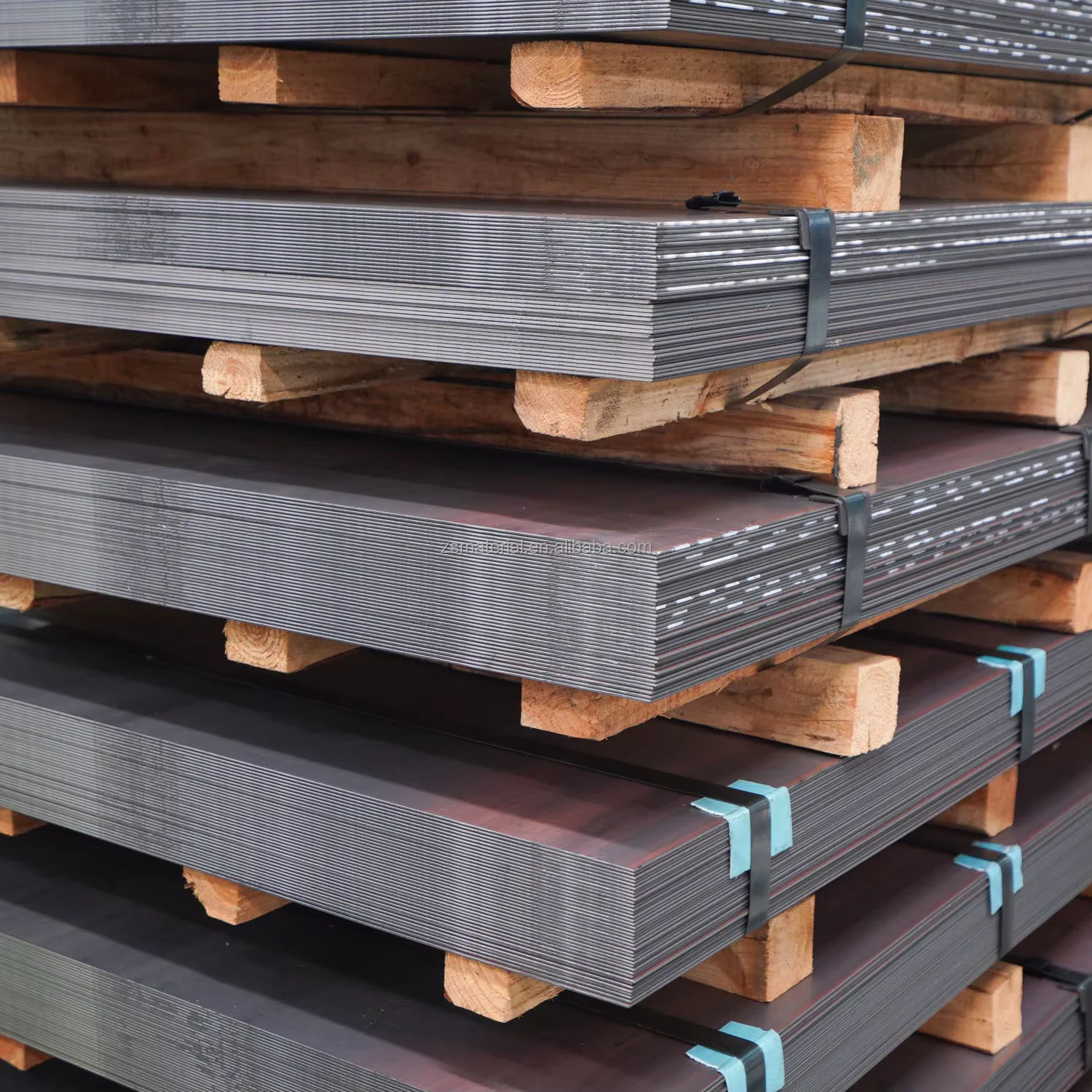
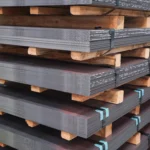
- Heavy plates (20–200 mm) packed in steel-framed bundles with edge protectors to prevent corner damage during crane handling
- Thin plates (0.75–10 mm) interleaved with wooden separators and wrapped in waterproof paper to prevent surface scratching
- Container loading optimized by thickness and weight distribution, with wooden chocking and steel wire lashing for 200 mm plates
- Custom cutting to exact dimensions available, reducing on-site waste and secondary cutting costs at destination
- Heat number and grade stenciled on each plate for site identification and inspection verification
- FOB, CIF, and DDP terms available with door-to-door logistics coordination for project sites
Ready to Verify Material Traceability and Get Your Quote
Share your project drawings, required thickness, grade, and quantity — we respond within 24 hours with pricing, mill test certificate samples, and a production schedule. For mixed-grade orders or custom-cut plates, our engineering team provides shop drawing review and material optimization before you commit.
Request ASTM A36 Hot Rolled Carbon Steel Plate Pricing
Submit your specifications and destination port to receive a detailed quotation with full documentation package.
Shandong Xin Jiyuan Special Steel Tube Co., Ltd
Website: www.xjystructure.com
Email: admin@xjystructure.com
Mobile/WhatsApp/WeChat: +86 188 5315 7756