
Description
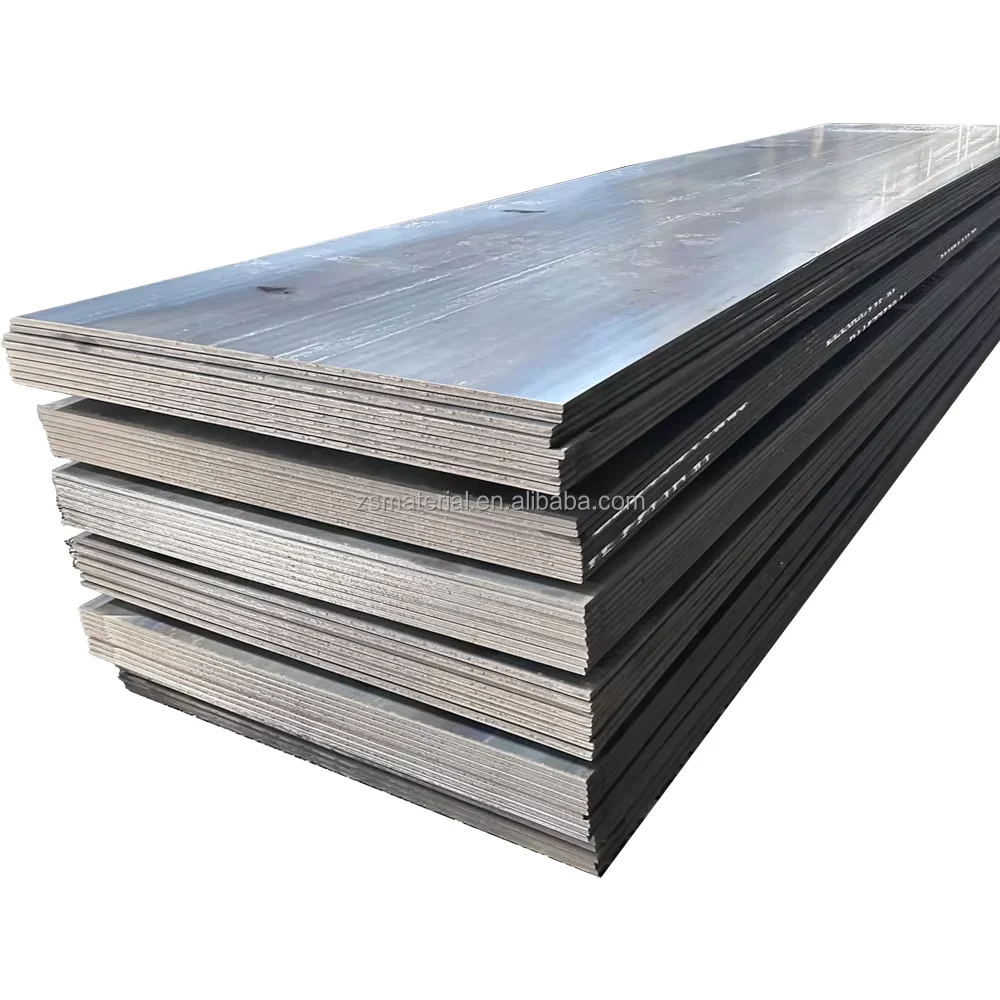
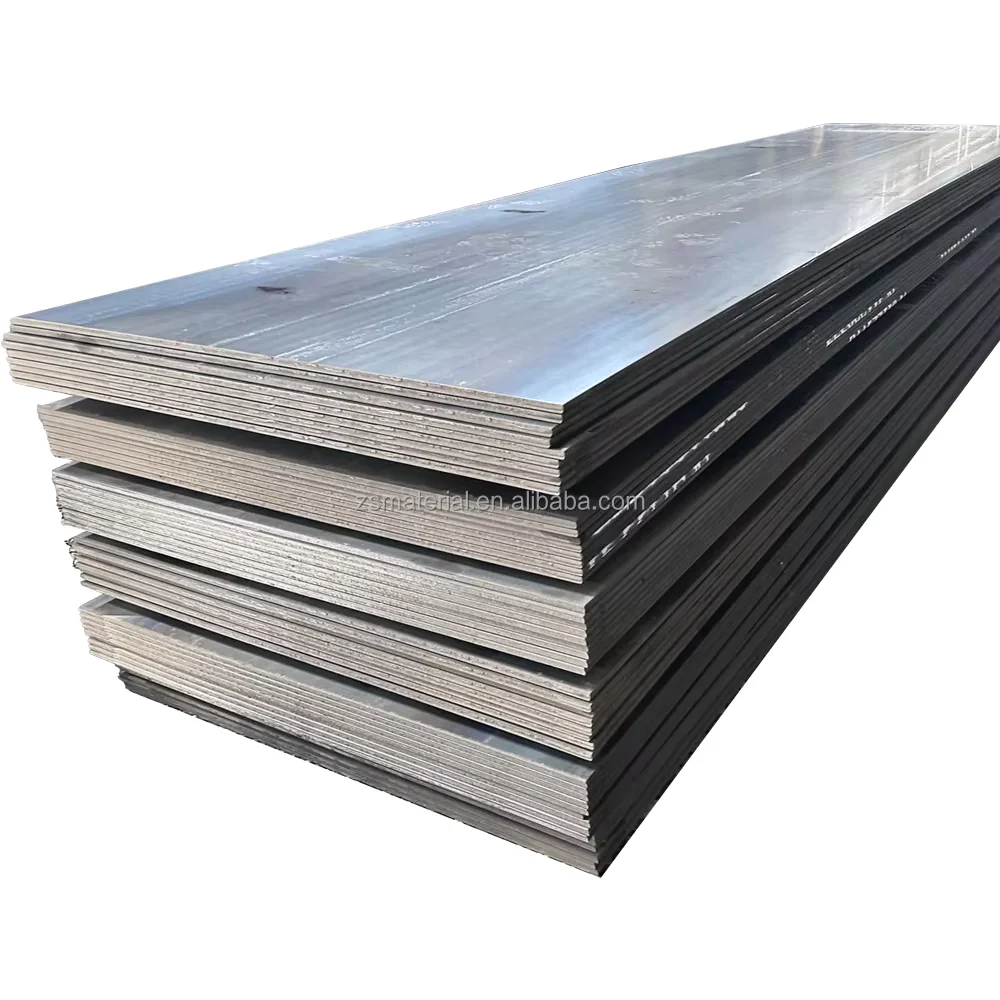
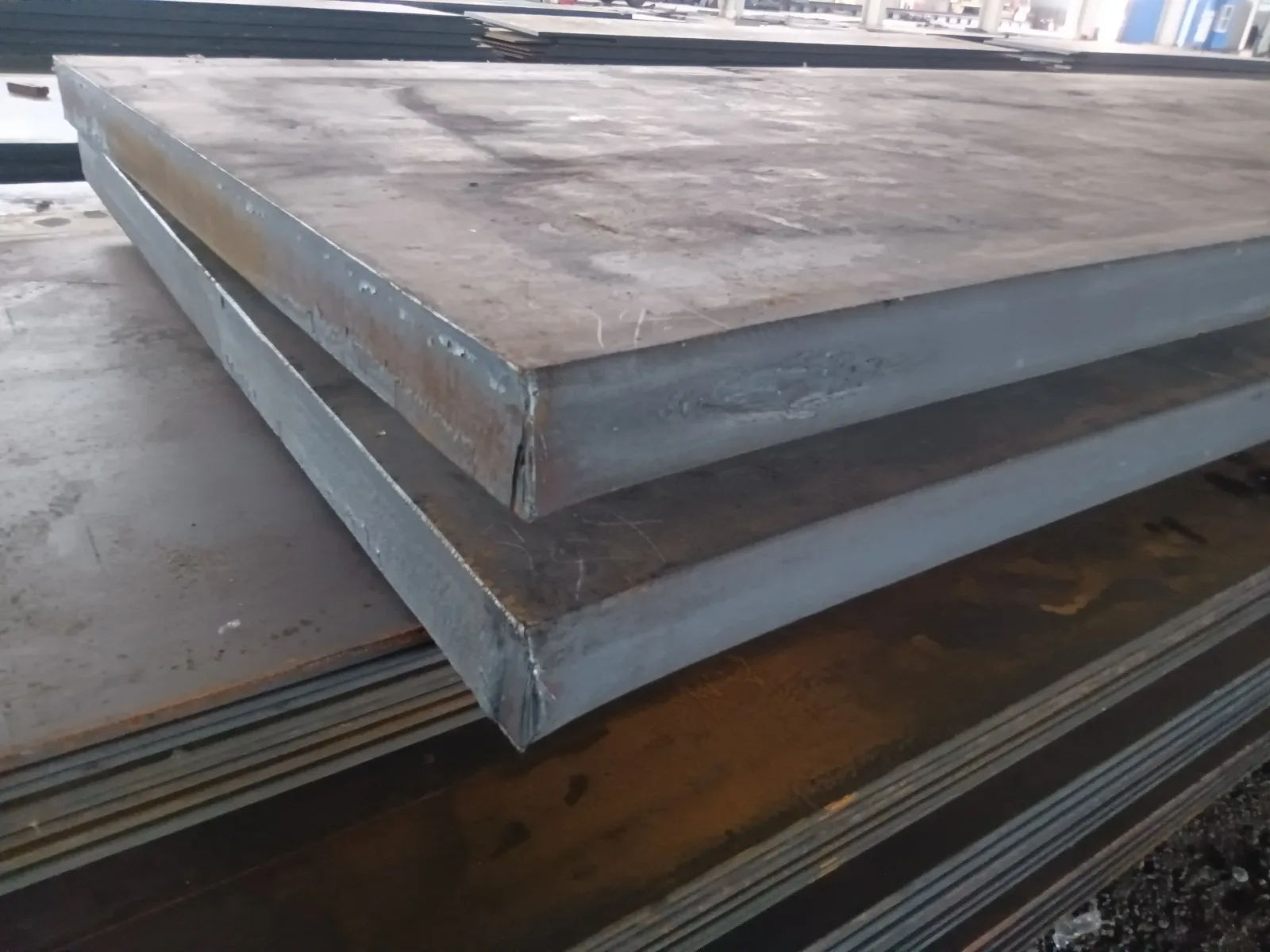
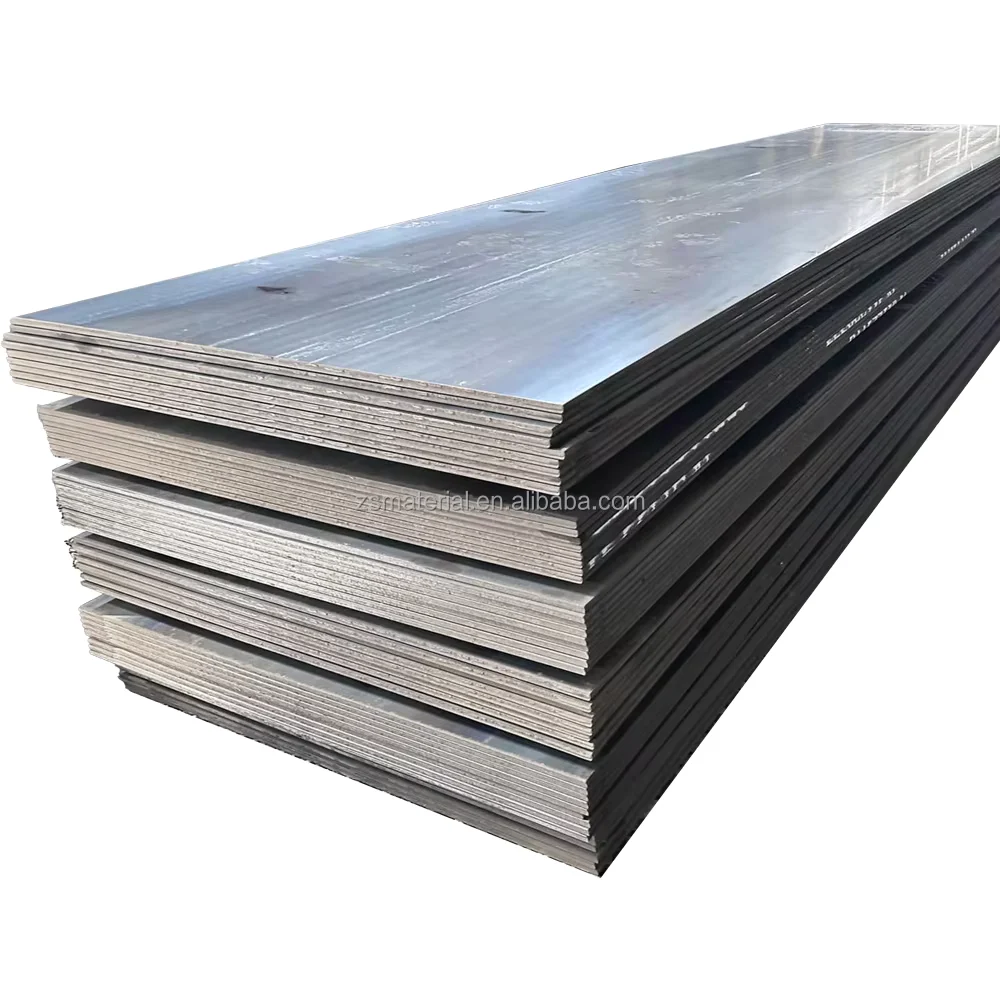
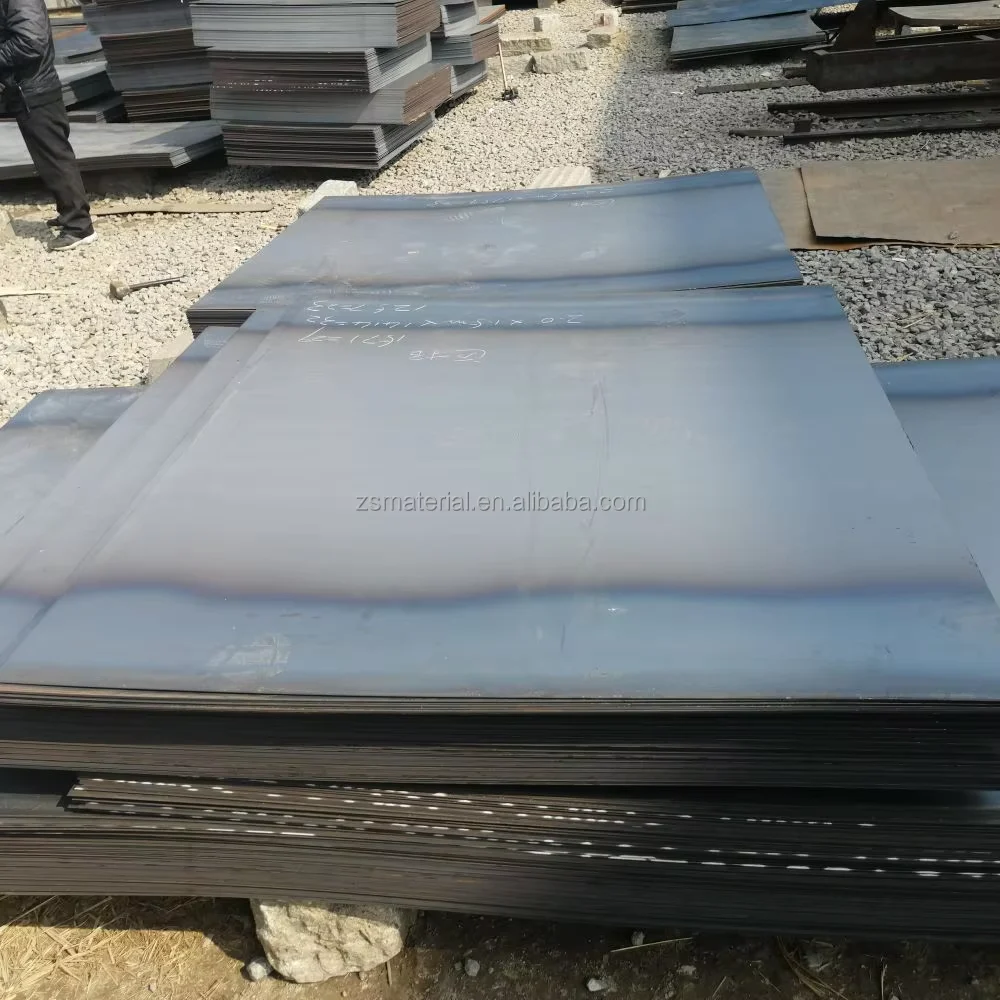
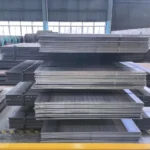
Factory-direct hot rolled plates — XJY Structure operates its own steel mill with three production lines, supplying ASTM A36 S355 hot rolled carbon steel plate directly from slab to finished sheet without third-party sourcing gaps.
Technical Specifications
| Parameter | Value |
|---|---|
| Designation | ASTM A36 / S235 / S275 / S355 Hot Rolled Carbon Steel Plate |
| Product Type | Steel Plate |
| Steel Grade | A36, S235JR, S275JR, S355JR, Q235B, Q345B, Q195, St37, SS400, A283 GR.A/C, A285 GR.A/B/C, A516 GR.50/60/70, ST52, ST35 |
| Standard | ASTM A36, ASTM A283, ASTM A285, ASTM A516, EN 10025, GB/T 700, DIN EN 10025 |
| Section Shape | Flat Plate |
| Size Range | Thickness 1.5–4.0 mm, Width 800–1600 mm |
| Length | Customized / As requested |
| Technique | Hot Rolled |
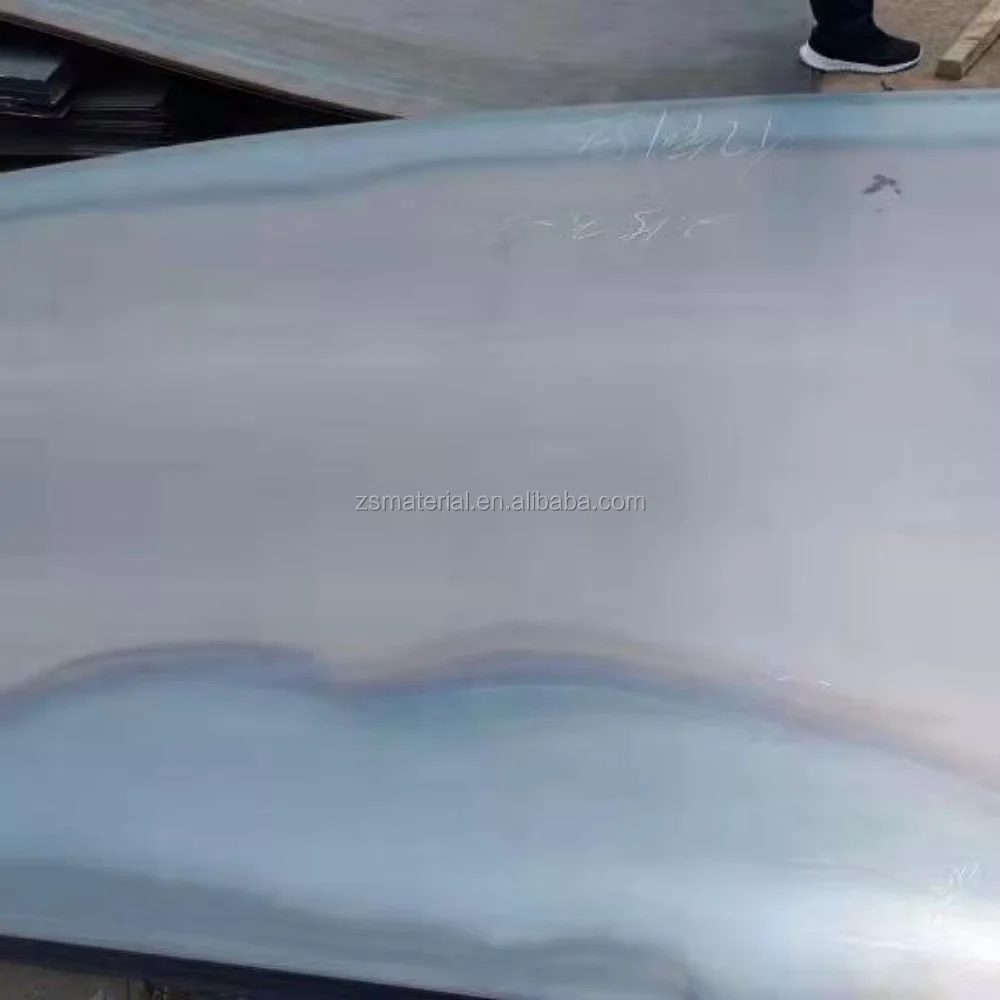
| Surface Treatment | Acid Pickled / Oiled |
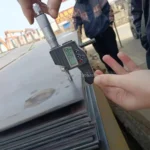
| Tolerance | ±1% |
| Application | Structural fabrication, Shipbuilding, Boiler, Pipe manufacturing, Container manufacturing, Construction, Bridge, Machinery |
| MOQ | 1 Ton |
| Origin | Shandong, China |
Application Suitability
| Industry | Typical Applications |
|---|---|
| Construction & Infrastructure | Building frames, column base plates, bridge gusset plates, platform decking |
| Industrial Fabrication | Machinery base plates, conveyor support frames, equipment skids |
| Shipbuilding & Pressure Vessel | Hull structural plates, boiler shell plates, pressure vessel end caps |
| Pipe & Container Manufacturing | ERW pipe feedstock, container floor and wall panels |
| EPC & Steel Structure Projects | Connection plates, stiffener plates, truss gussets, stair treads |
Material Traceability Gaps That Trigger Site Rejection
Sourcing ASTM A36 S355 hot rolled carbon steel plate from a vertically integrated mill eliminates the certification chain breaks that cause entire shipments to fail inspection.
I once loaded a container of S355 plates for a Middle East infrastructure job. The third-party inspector at destination pulled random samples and found the chemical composition on the MTC didn’t match the actual spectrometer readings. The client nearly rejected the entire lot. The root cause? The fabricator had sourced those plates from a trading company who blended stock from multiple unknown mills. Since that day, I trace every plate back to its original heat number and slab cast. When you procure an ASTM A36 S355 hot rolled carbon steel plate through fragmented supply channels, you inherit every gap in that chain — and those gaps show up as failed weld procedures, rejected NDT reports, and delayed project handovers. [NEED_CITE: material traceability requirements under EN 10204 inspection document types]
Precision Thickness Control for Structural Frame Assembly
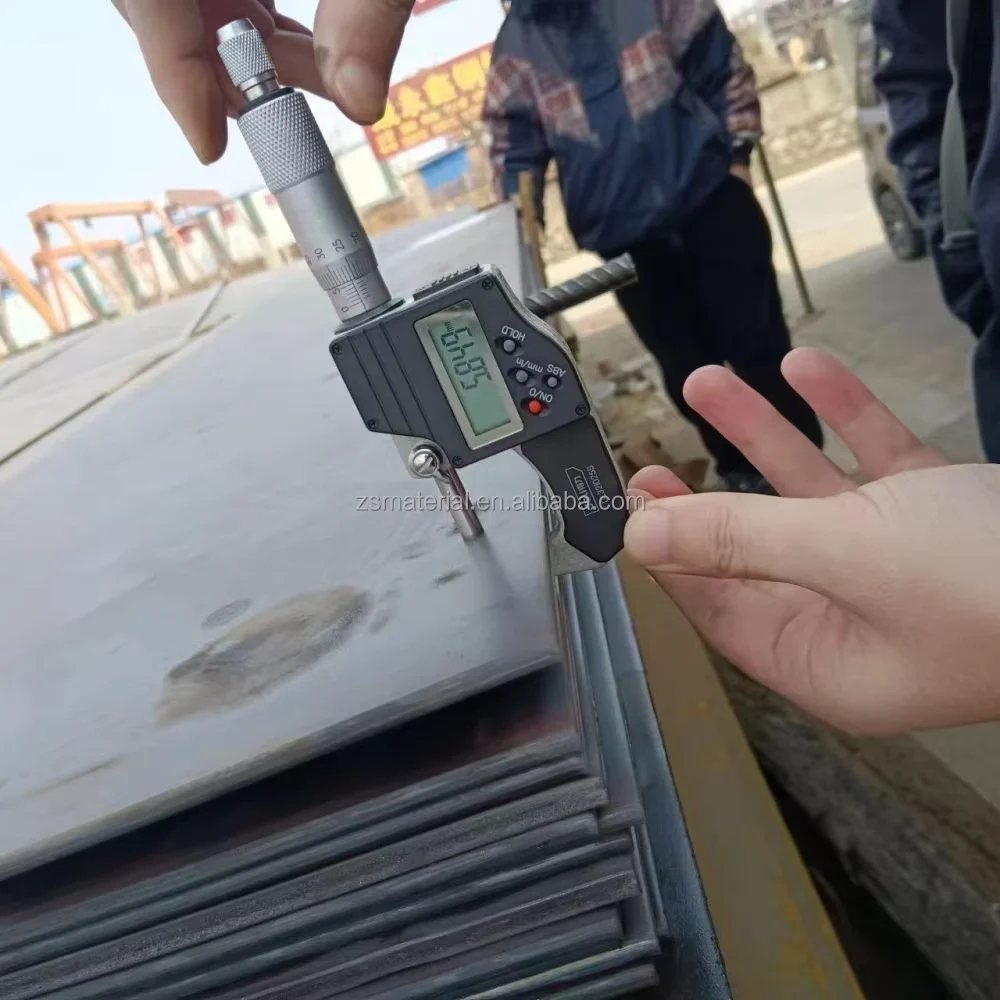
When structural engineers specify S355JR plates for moment-resisting frame connections, that ±1% thickness tolerance isn’t just a spec sheet number — it determines whether splice plates align flush during bolt-up and whether weld pre-heat calculations hold under actual section properties. Our hot rolling lines maintain consistent gauge across the full 800–1600 mm width range, so when your workshop receives an ASTM A36 S355 hot rolled carbon steel plate for beam-to-column end plate connections, the dimensional accuracy supports direct fit-up without costly re-machining. The acid pickled and oiled surface arrives clean enough for immediate CNC plasma cutting or drilling, with no scale-related distortion in cut edges.
Engineering Compliance Across International Standards
Structural projects crossing borders demand that plate grades satisfy the governing design code at destination — EN 1993 for European builds, AISC 360 for North American contracts, and local bridge codes for infrastructure works. S235JR, S275JR, and S355JR under EN 10025 cover the general structural spectrum, while A516 GR.60 and GR.70 address pressure vessel applications requiring improved notch toughness. For EU-bound shipments, CE marking per EN 10025 with Factory Production Control documentation clears customs without hold-ups, whereas ASTM A36 plates heading to North American sites require full MTC documentation traceable to heat number. [NEED_CITE: CE marking requirements for structural steel products under EN 1090-2] The Q235B and Q345B grades under GB/T 700 serve projects following Chinese national standards, common across Belt & Road infrastructure contracts in Southeast Asia and Africa.
Hot Rolling Chemistry and Surface Readiness
The hot rolling process heats slab above recrystallization temperature, producing a mill scale surface that we remove through acid pickling followed by light oiling to prevent flash rust during transit. This treatment delivers a chemically clean base suitable for direct welding without pre-cleaning, critical when your fabrication shop needs to execute WPS-qualified weld procedures on S355JR plates without delay. The yield strength hierarchy — S235JR at the baseline, S275JR for moderate loading, S355JR for heavy structural frames — lets engineers optimize section weight against design loads. Across the ASTM system, A36 serves general construction while A516 grades target elevated-temperature service in boiler and pressure vessel applications. Thickness from 1.5 mm to 4.0 mm covers light gauge cladding support through medium plate for gusset and connection applications, with the ±1% tolerance ensuring that theoretical weight calculations match actual delivered mass for accurate project costing.
Hidden Costs of Unverified Plate Procurement
Ordering S355 plates from an unverified source might save a few dollars per ton on paper, but the real costs emerge during fabrication and inspection. Plates with chemistry outside the EN 10025 range for S355JR will fail weld procedure qualification testing, forcing re-order and schedule delays that dwarf the initial savings. Thickness tolerance exceeding ±1% means connection plates arrive undersized, requiring re-machining or outright rejection at the bolt-up stage. Missing or fabricated MTC documents trigger customs holds at destination ports — and when an ASTM A36 S355 hot rolled carbon steel plate arrives without proper EN 10204 3.1 certification for a European project, the entire shipment sits bonded until supplementary testing clears the material. [NEED_CITE: consequences of non-conforming structural steel under EN 1090-2 execution classes]
Integrated Mill and Fabrication Under One Roof
XJY Structure operates its own steel production facility with three hot rolling lines covering over 2,800 specifications in raw material inventory. When you order an ASTM A36 S355 hot rolled carbon steel plate from us, the slab-to-plate chain stays within a single quality management system — no trading company blending, no unknown mill substitutions. Our fabrication division then takes those same plates through CNC cutting, plasma profiling, drilling, and welding using certified WPS procedures with qualified welders holding AWS and EN credentials. This vertical integration means the MTC you receive traces directly back to our cast, and when your project inspector requests supplementary testing, the heat number on the plate matches the chemistry in the test report. We hold ISO 9001 certification, provide CE marking documentation for EN 10025 compliance, and arrange third-party inspection through SGS, BV, or TÜV for projects requiring independent verification.
Documentation & Compliance
- Mill Test Certificate documenting S355JR, A36, or A516 chemical composition and mechanical properties per EN 10025 or ASTM standards, traceable to original heat number
- CE certificate with Declaration of Performance for S235/S275/S355 plates under EN 10025, supporting EN 1090-2 structural fabrication compliance for EU projects
- ISO 9001 quality management certificate covering the full production chain from slab reheating through hot rolling, pickling, and finished plate inspection
- SGS or BV third-party inspection report verifying dimensional tolerance, surface condition, and chemistry for projects requiring independent material validation
- Material traceability documentation linking each plate to its heat number, slab cast record, and rolling schedule for full audit trail
- Export customs documentation including packing list, bill of lading, and certificate of origin for destination-country clearance
Packaging, Loading & Delivery
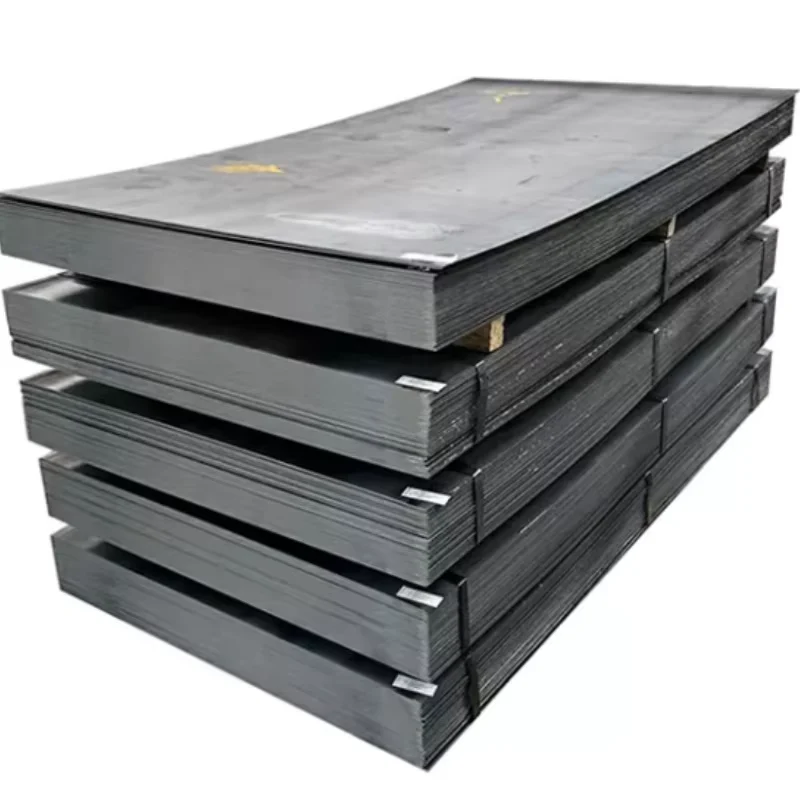
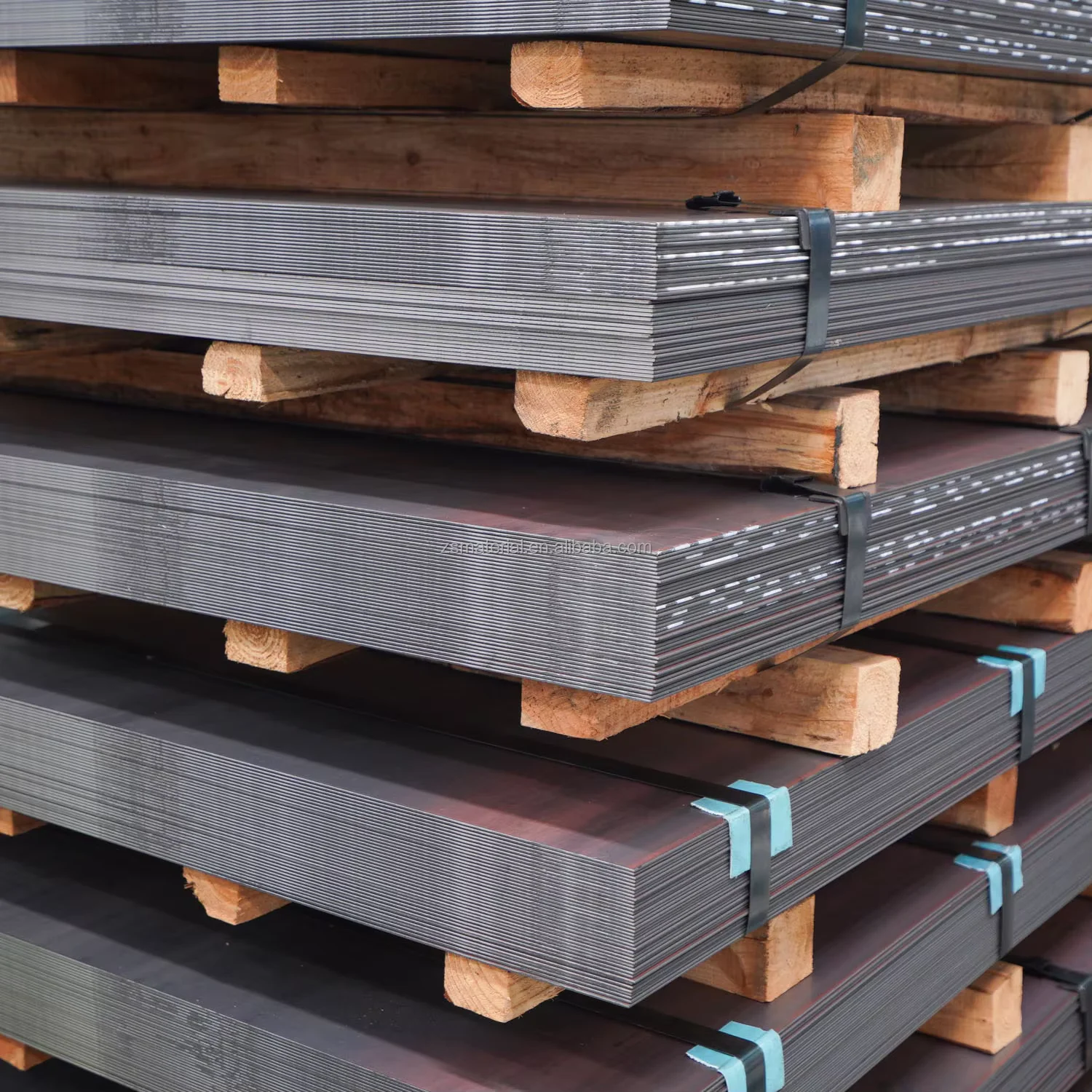
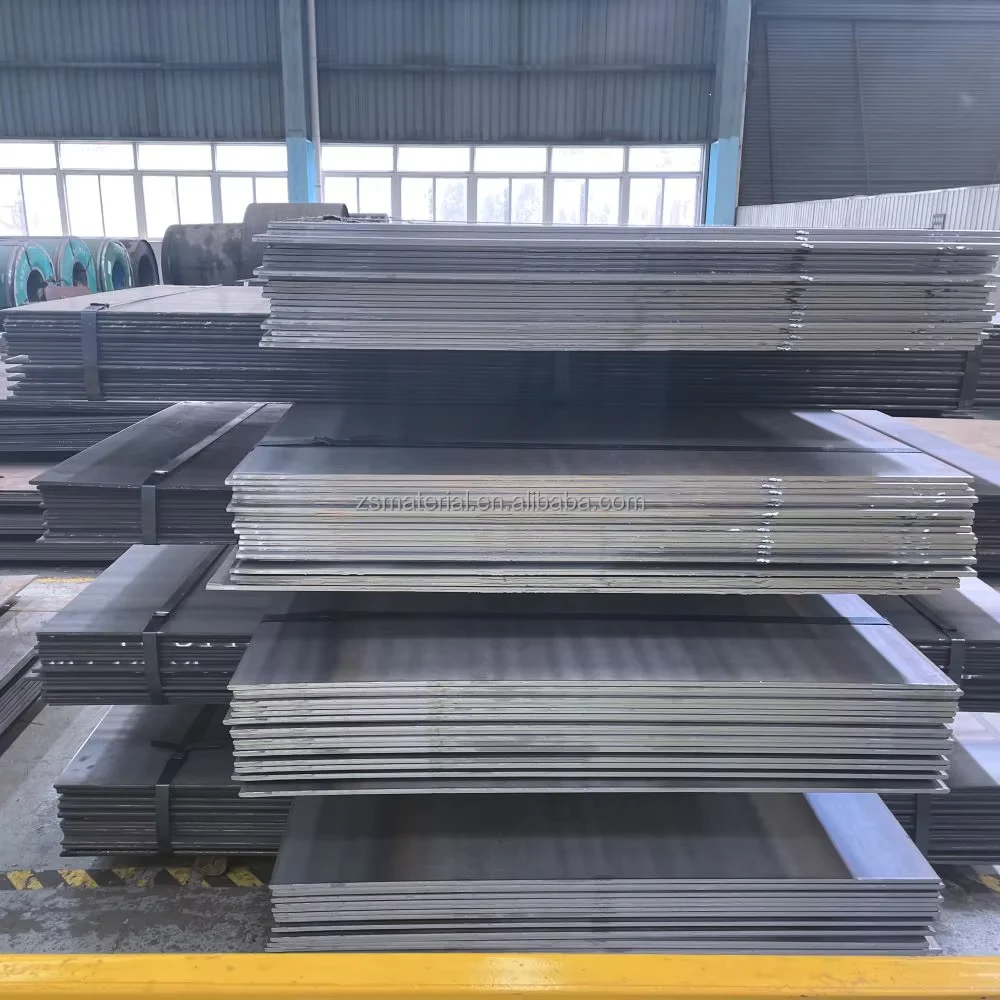
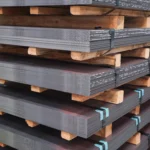
- Acid pickled and oiled ASTM A36 S355 hot rolled carbon steel plate bundled with steel strips and edge protectors to prevent coating damage and moisture ingress during ocean transit
- Plates sorted by heat number and grade with stenciled identification on each sheet, matching the MTC package for rapid site verification
- Custom length plates cut to project specification and stacked with interleaving separators to prevent surface scratching between layers
- Container loading optimized for 800–1600 mm width plates with timber dunnage and lashing to prevent shift during rough sea conditions
- FOB, CIF, and DDP shipping terms available with full export documentation and real-time tracking until site delivery
- MOQ of 1 Ton accommodates both trial orders and full project volumes with consistent quality across batches
Requesting Your Plate Procurement Package
Submit your project drawings, required steel grades, thickness and width specifications, destination port, and applicable standard — we respond within 24 hours with a detailed quotation including material cost, fabrication services if required, coating, packing, and shipping. For EU projects, confirm whether EN 10204 3.2 third-party inspection is required so we can schedule SGS or BV survey during production. For projects needing cut-to-size plates, share your nesting drawings and we return a shop drawing proposal with material optimization before contract signing.
Start Your ASTM A36 S355 Hot Rolled Carbon Steel Plate Inquiry
Share your specifications, steel grades, and destination to receive a complete quotation with Mill Test Certificate documentation and production schedule.
Company: Shandong Xin Jiyuan Special Steel Tube Co., Ltd
Website: www.xjystructure.com
Tel: +86 531 8573 6315
Mobile/WhatsApp/WeChat: +86 188 5315 7756
Email: admin@xjystructure.com
Address: No.11889, Jingshi West Road, Lulian Group, Jinan City, Shandong Province, China
Frequently Asked Questions
Q: How do ASTM A36, S235JR, and Q235B compare across different standard systems?
A: These three grades represent the general structural carbon steel category under ASTM (US), EN (European), and GB (Chinese) standards respectively. All three deliver comparable yield strength levels suitable for building frames, platforms, and general fabrication. The key differences lie in chemical composition limits, impact testing requirements, and certification documentation format. We supply all three grades from our own mill and can provide cross-reference documentation showing equivalence for projects requiring dual-standard compliance.
Q: Can you provide EN 10204 3.2 third-party inspection certificates for European projects?
A: Yes. For projects requiring EN 10204 3.2 certification, we arrange independent inspection through SGS, BV, or TÜV during production. The third-party inspector witnesses sampling, chemistry analysis, and mechanical testing, then issues the 3.2 certificate directly. This documentation satisfies EN 1090-2 requirements for structural steel fabrication in EU member states and supports customs clearance with CE marking.
Q: Do you offer CNC plasma cutting, drilling, and edge preparation to drawing dimensions?
A: Yes. Our fabrication division provides CNC plasma cutting, flame cutting, drilling, bending, and edge preparation services on hot rolled plates. You submit your nesting drawings or DXF files, and our engineering team returns shop drawings for approval before cutting begins. This eliminates the need for your workshop to process raw plates and reduces material waste through optimized nesting.
Q: What is the difference between acid pickled, hot rolled black, and shot-blasted plus primed plates?
A: Acid pickled and oiled plates arrive with mill scale removed and a light oil film preventing flash rust — ready for direct welding or painting. Hot rolled black plates retain the as-rolled mill scale surface, suitable for applications where surface preparation will occur at your workshop. Shot-blasted and primed plates arrive with surface profile prepared and shop primer applied, reducing your site preparation time. The choice depends on your fabrication sequence and coating specification.
Q: How are steel plates packed for ocean freight to prevent edge damage and moisture corrosion?
A: Plates are bundled with steel strips, separated with interleaving materials, and wrapped with waterproof paper or plastic. Edge protectors prevent corner damage during handling. For acid pickled and oiled plates, the oil film provides transit corrosion protection. Containers are loaded with timber dunnage and secured with lashing to prevent movement. Each bundle carries stenciled identification showing grade, heat number, dimensions, and weight matching the MTC package.