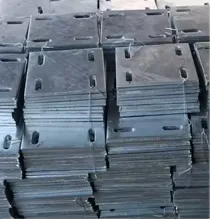
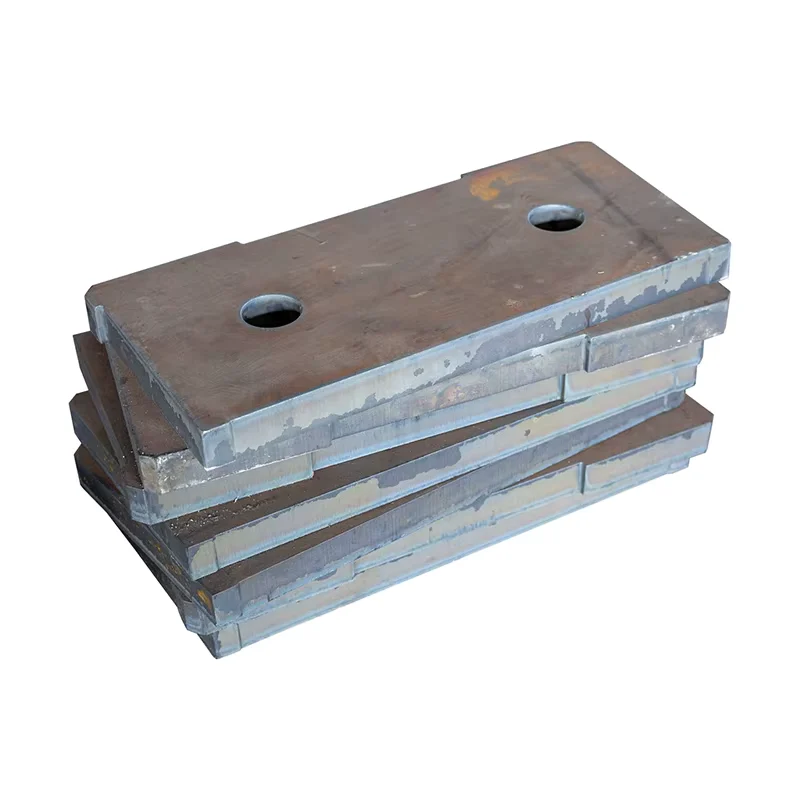
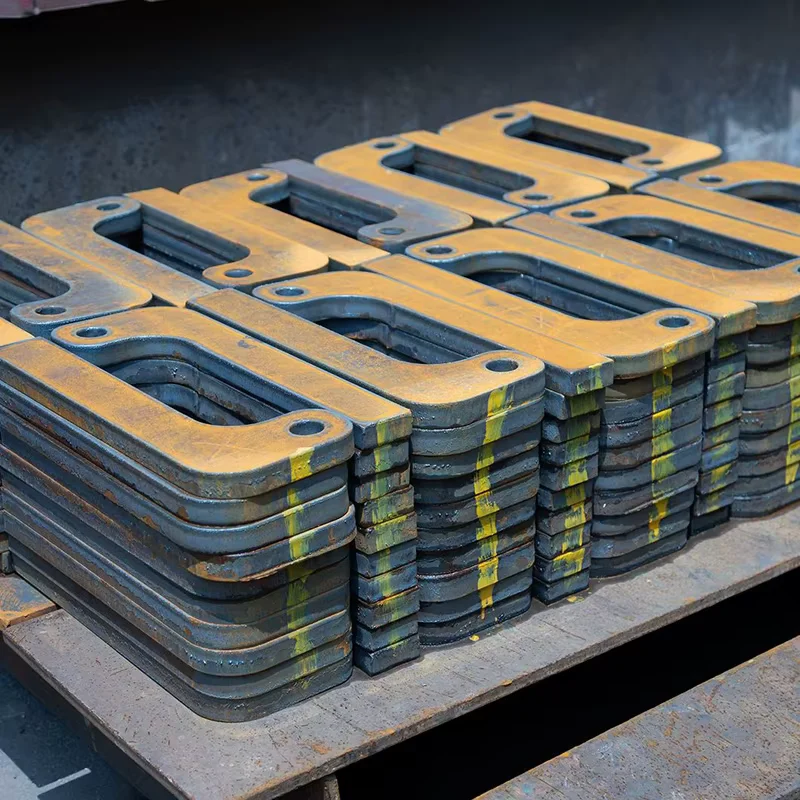
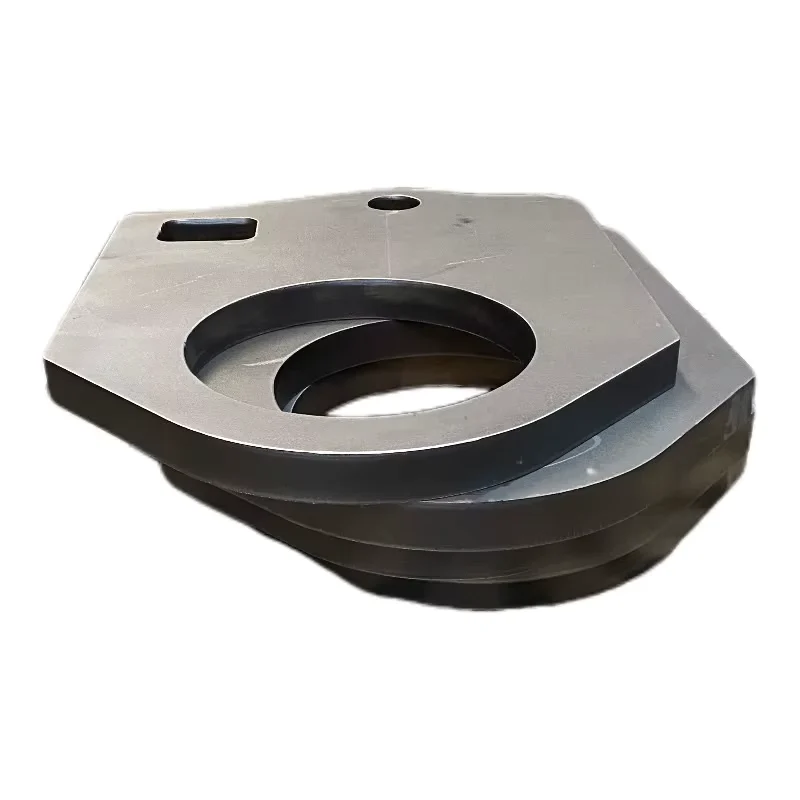
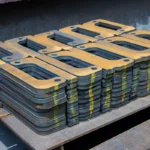
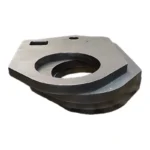
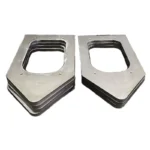
Description
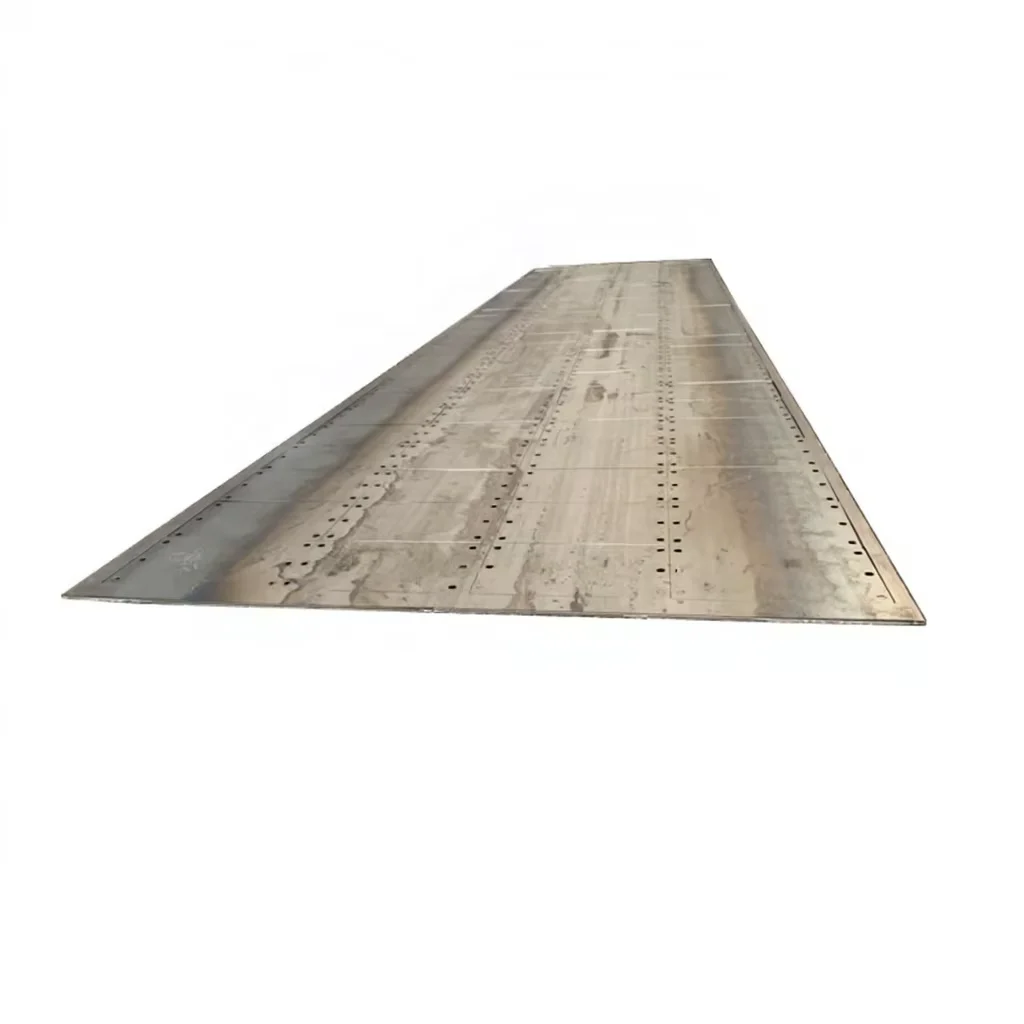
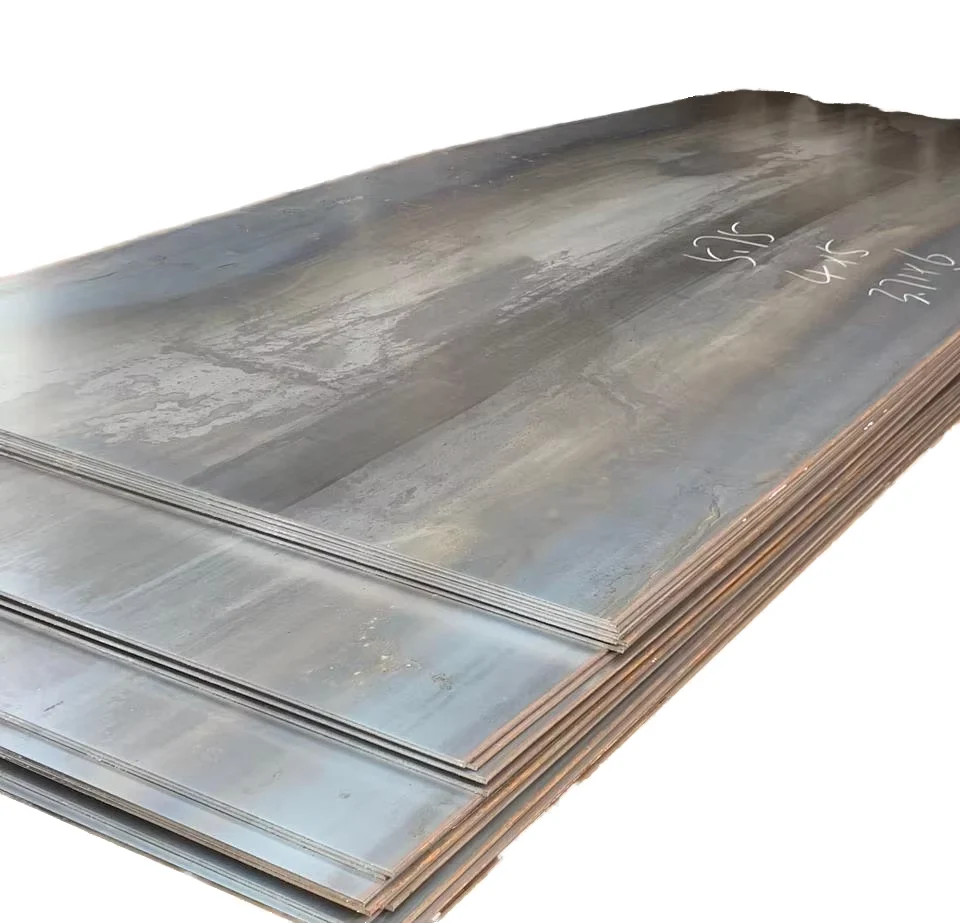
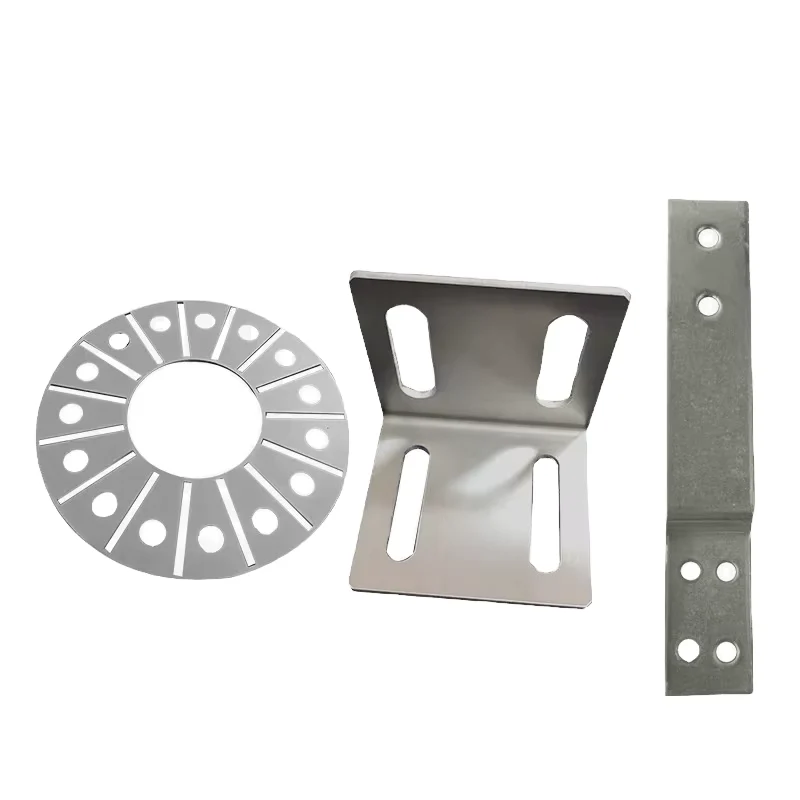
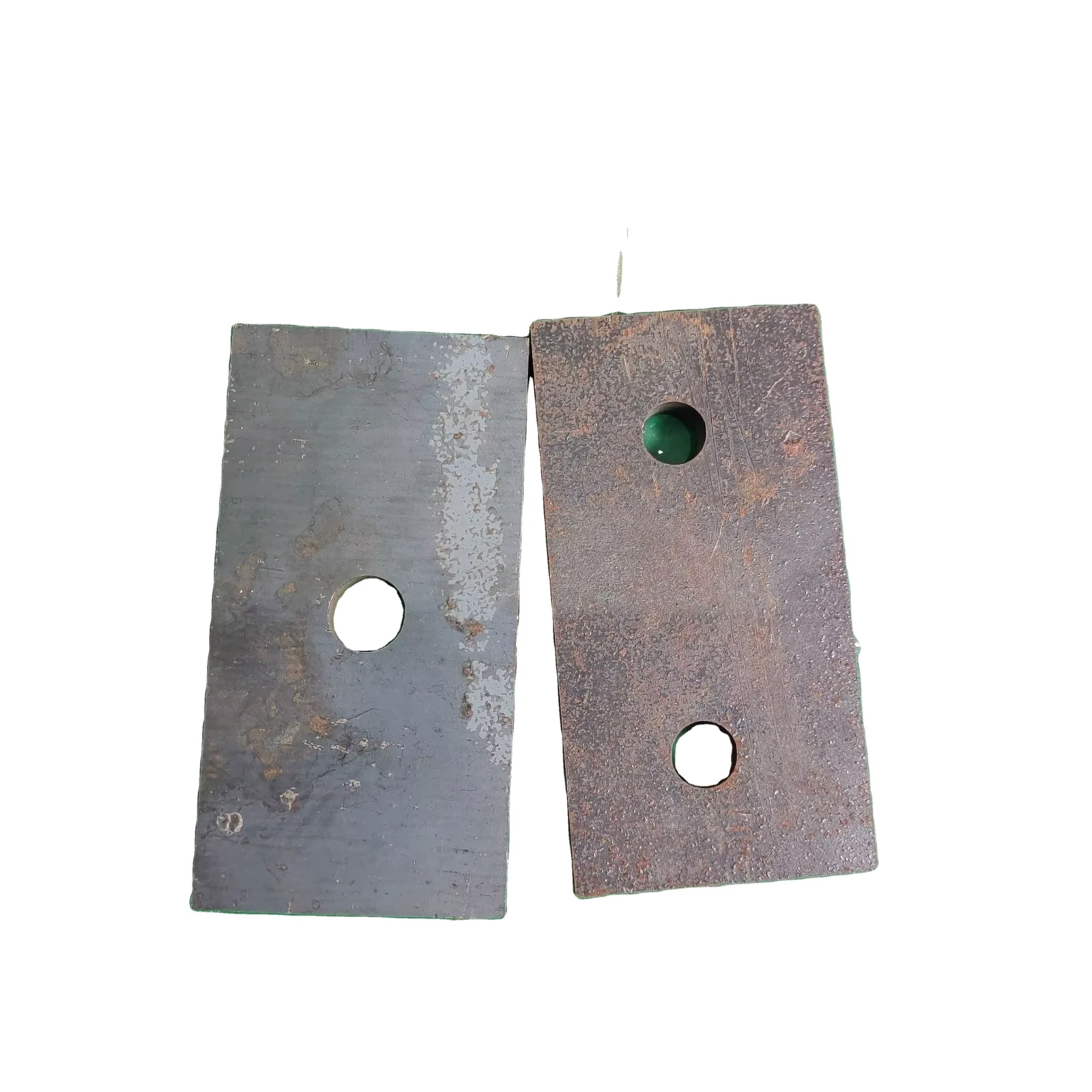
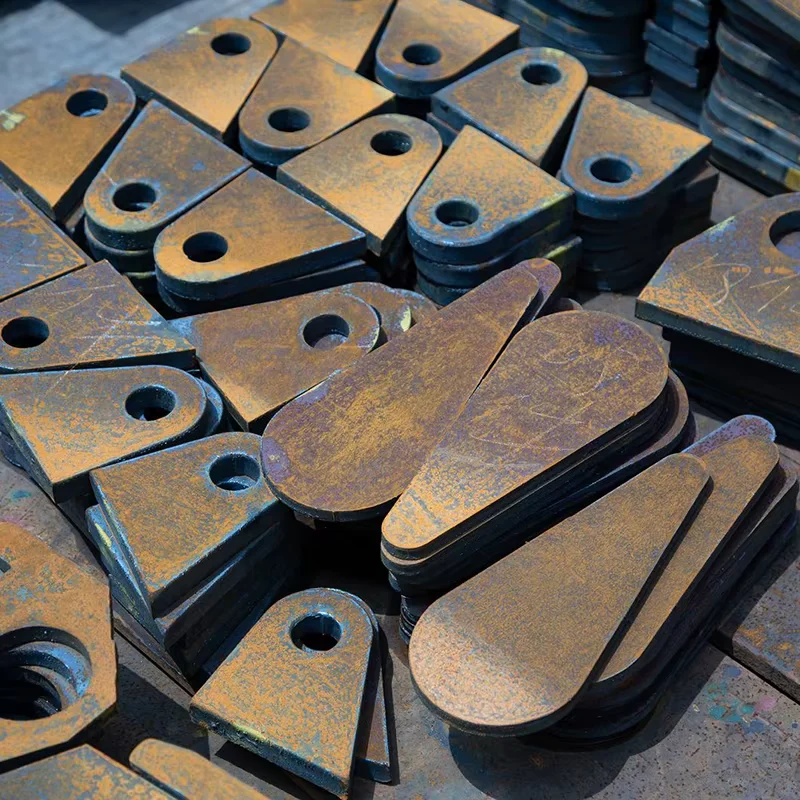
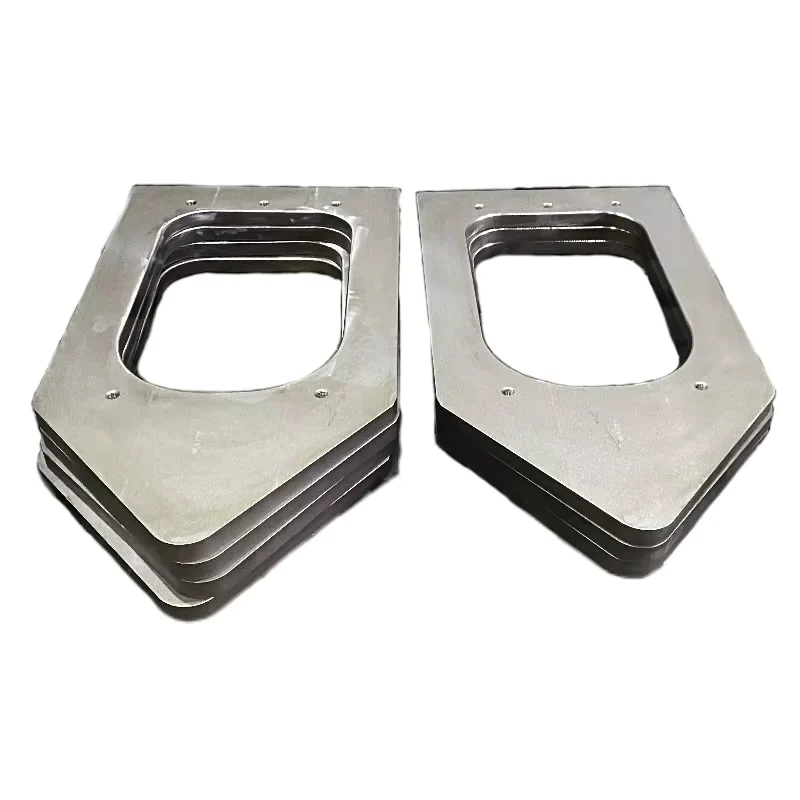
Factory-Direct Laser Cutting & Welding — Integrated steel mill and fabrication workshop eliminating material sourcing gaps for carbon and stainless steel plates.
Technical Specifications
| Parameter | Value |
|---|---|
| Designation | Laser Cut and Welded Steel Plate Sheet |
| Product Type | Machined Steel Product |
| Steel Grade | Carbon Steel, Stainless Steel |
| Section Shape | Plate / Sheet |
| Size | Customized Size |
| Precision | ±0.01–0.1 mm |
| Technique | Laser Cutting, Welding |
| Material | Carbon Steel, Stainless Steel, Sheet Metal |
| Application | Steel structure fabrication / Industrial components / Construction metal parts / Machinery parts |
| MOQ | 20 pcs |
| Origin | Shandong, China |
Application Suitability
| Industry | Typical Applications |
|---|---|
| EPC & Construction | Steel frame structures, column base plates, beam splice connections, platform grating supports |
| Industrial Manufacturing | Machinery frames, equipment mounting plates, conveyor structure brackets, hopper linings |
| Infrastructure | Bridge gusset plates, tunnel support brackets, utility pole base assemblies |
| Plant & Warehouse | Mezzanine floor supports, racking upright base plates, crane runway beam connections |
What Precision Tolerance Costs When Fabrication Goes Overseas
Tolerance drift of even 0.5 mm compounds into assembly failure on bolted steel connections.
When EPC firms outsource structural steel fabrication to China, the distance between the cutting bed and the erection site creates a blind spot. A laser-cut gusset plate that leaves the factory at nominal dimensions can arrive with edge burrs, heat-affected zone distortion, or weld shrinkage that pushes bolt hole patterns out of position. The site crew then faces reaming, re-drilling, or — in the worst case — scrapping components that no longer match the shop drawings. [NEED_CITE: dimensional tolerance requirements for structural steel fabrication per EN 1090-2] This is not a cutting machine problem; it is a process integration problem. When material procurement, cutting, welding, and inspection operate under separate contracts, accountability fractures. A custom laser cut and welded steel plate sheet supplier that controls the entire chain — from slab to finished assembly — closes that gap.
Matching Engineered Drawings to Fabrication Reality
Structural steel projects demand that every plate and welded assembly conform to the engineer’s shop drawings — not just in overall dimensions, but in hole positioning, edge preparation, and weld profile. A custom laser cut and welded steel plate sheet supplier operating within an integrated mill-and-fabrication facility can verify material heat numbers before the first cut, run CNC nesting to minimize waste, and execute welding per pre-qualified WPS procedures. For a Monterrey warehouse project, we learned that 12mm carbon steel plates loaded without interleaving arrived with gouged edges and bent brackets — a packing failure that erased two weeks of precision cutting work. That lesson now drives our loading protocols: every plate gets a shipping strategy as sharp as the cut itself.
Structural Compliance and Material Certification
Engineering specifications for steel structures typically reference EN 1993 (Eurocode 3), AISC 360, or AWS D1.1 for welding quality. Fabricated components must carry documentation proving that base metal chemistry, mechanical properties, and weld procedures meet these standards. [NEED_CITE: EN 1090 execution classes for structural steel components] For projects entering the EU, EN 1090 CE marking is mandatory; for North American jobs, AISC certification and AWS-compliant welder qualifications are baseline expectations. Carbon steel plates cut and welded under one roof allow full traceability from mill test certificate to finished component — no third-party material sourcing gaps that leave customs inspectors or site engineers asking questions you cannot answer.
Carbon Steel vs Stainless Steel: Process and Application Logic
Carbon steel plates dominate structural framing, base plates, and gusset applications where strength and cost efficiency drive selection. Laser cutting carbon steel achieves clean edges with minimal heat-affected zone when power and assist gas parameters match thickness — typically requiring nitrogen for plates above 6mm to prevent oxide layers that compromise subsequent welding. Stainless steel plates serve corrosion-prone environments: chemical plants, coastal infrastructure, food processing facilities. Laser cutting stainless demands tighter parameter control to avoid chromium depletion at cut edges, which reduces local corrosion resistance. Welding both materials requires distinct procedures — MIG/MAG for carbon steel with ER70S-6 wire, TIG or MIG with ER308L/ER309L for stainless — and welders qualified separately per AWS D1.6 or EN ISO 9606. The tolerance range of ±0.01–0.1 mm applies to laser cutting precision; welding shrinkage adds a secondary variable that experienced fabricators compensate for through sequencing and pre-set camber.
The Hidden Cost of Unverified Material Sources
Purchasing fabricated steel components from a supplier who sources plates from third-party mills creates a documentation chain with weak links. When a customs authority requests proof that a stainless steel gusset plate meets ASTM A240 or EN 10088, a fabricator without direct mill relationships cannot produce original heat-level test certificates. [NEED_CITE: material traceability requirements for structural steel per EN 1090-2] The result is shipment detention, third-party re-inspection costs, or — if the material cannot be verified — component rejection. For welded assemblies, the risk multiplies: if the base metal certification is questionable, the weld procedure qualification built upon it loses validity. A custom laser cut and welded steel plate sheet supplier operating its own steel mill eliminates this exposure entirely.
Why Source from an Integrated Mill and Fabrication Facility
XJY Structure operates as the fabrication division of Shandong Xin Jiyuan Special Steel Tube Co., Ltd, meaning every plate we cut and weld originates from our own production lines. This vertical integration provides three structural advantages: material cost control without middleman markups, immediate access to chemical composition data for any heat number, and unified quality accountability from raw slab to finished assembly. Our fabrication workshop handles CNC cutting, plasma and flame cutting, drilling, bending, and welding (MIG/MAG/SAW) for medium-to-large structural steel projects. Welders hold AWS and EN certifications; welding procedures are pre-qualified per project specifications. We maintain complete documentation packages — WPS, PQR, weld maps, dimensional inspection reports, and coating thickness records — ready for handover at shipment. International project experience spans EU, Middle East, Southeast Asia, and Africa markets, with familiarity in EN 1090, AISC, and AWS compliance frameworks.
Documentation & Compliance
- Mill Test Certificate documenting carbon steel or stainless steel chemical composition and mechanical properties per original heat number from our own production facility
- CE Certificate per EN 1090-2 for structural steel components entering European Union markets, including factory production control audit records
- ISO 9001 quality management system certificate covering the full scope from steel production through fabrication and surface treatment
- SGS or BV third-party inspection report available for pre-shipment verification of dimensions, weld quality, and coating thickness
- Material traceability documentation linking each fabricated component to its original heat number, rolling schedule, and test certificate
- Complete export customs documentation including packing list, bill of lading, certificate of origin, and fumigation certificate where required
Packaging, Loading & Delivery
- Laser-cut carbon steel plates bundled with steel straps and edge protectors to prevent transport damage to precision-cut edges during ocean freight
- Stainless steel sheets separated with interleaving paper or plastic film to avoid surface contamination and scratching from contact with carbon steel or other materials
- Welded assemblies packed in steel frames or on wooden pallets with blocking and bracing calculated to prevent shifting during container loading and vessel motion
- Custom-sized plates nested and stacked by thickness and project batch to facilitate site receiving and inventory verification upon arrival
- Heat number and steel grade markings stenciled on each plate or bundle tag for traceability verification at the erection site
- Loading plans developed per container type (20ft/40ft/40HC) and cargo dimensions, with oversized component shipping available via flat rack or breakbulk for heavy welded assemblies
Getting Your Fabrication Quote Started
Submit your project drawings in PDF or DWG format along with material specifications, steel grades, required surface treatment, and applicable standards (EN 1090, AWS, AISC). Our engineering team responds within 24 hours with a preliminary assessment covering material sourcing, fabrication sequencing, and estimated production timeline. For non-standard sizes or complex welded assemblies, we provide shop drawing review and material optimization recommendations before contract execution.
Start Your Steel Fabrication Inquiry
Share your drawings and specifications to receive a detailed quotation including material, fabrication, coating, packing, and shipping costs with full mill test certificate documentation.
Shandong Xin Jiyuan Special Steel Tube Co., Ltd
Website: www.xjystructure.com
Tel: +86 531 8573 6315
Mobile/WhatsApp/WeChat: +86 188 5315 7756
Email: admin@xjystructure.com
Address: No.11889, Jingshi West Road, Lulian Group, Jinan City, Shandong Province, China
Frequently Asked Questions
Q: Can you provide material traceability from the original steel mill to the finished fabricated component?
A: Yes. As an integrated steel producer and fabricator, we maintain full traceability from original heat number through all processing stages. Mill test certificates documenting chemical composition and mechanical properties accompany every shipment, and our quality management system tracks each component from slab to finished assembly.
Q: What is the minimum order quantity for custom laser cut and welded steel plate sheet?
A: The minimum order quantity is 20 pieces. For project-based procurement, we can accommodate mixed sizes and thicknesses within a single order to meet your fabrication package requirements.
Q: Do you offer surface treatment options for laser cut plates and welded assemblies?
A: Yes. Surface treatment options include shot blasting to Sa 2.5 standard, hot-dip galvanizing, primer painting, and custom coating systems per project specifications. Surface preparation and coating application occur in-house after welding completion and dimensional inspection.
Q: What quality documentation do you provide for international projects requiring EN 1090 or AWS compliance?
A: We provide complete documentation packages including welding procedure specifications (WPS), procedure qualification records (PQR), weld maps, welder qualification certificates, dimensional inspection reports, coating thickness measurements, and material test certificates. All documentation conforms to EN 1090, AWS D1.1, or AISC requirements as specified in your contract.
Q: Can you handle third-party inspection before shipment?
A: Yes. We welcome third-party inspection by SGS, BV, or your designated inspection agency at our facility before shipment. Pre-inspection notification allows us to prepare all documentation and ensure components are ready for dimensional verification, visual weld inspection, and coating thickness measurement.