
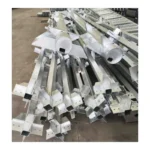
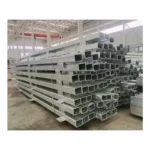
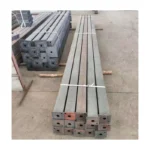
Description
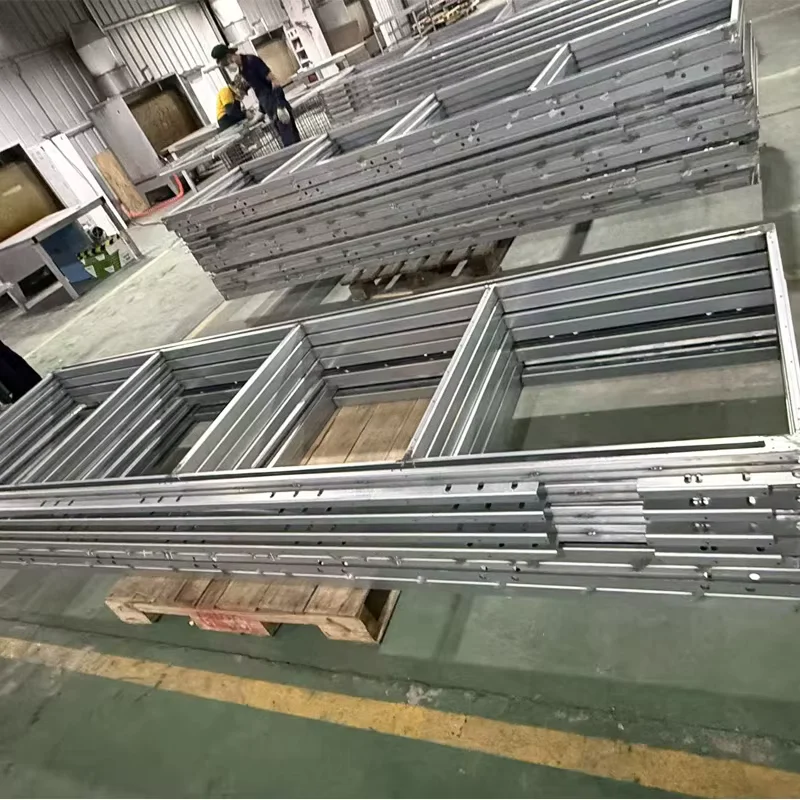
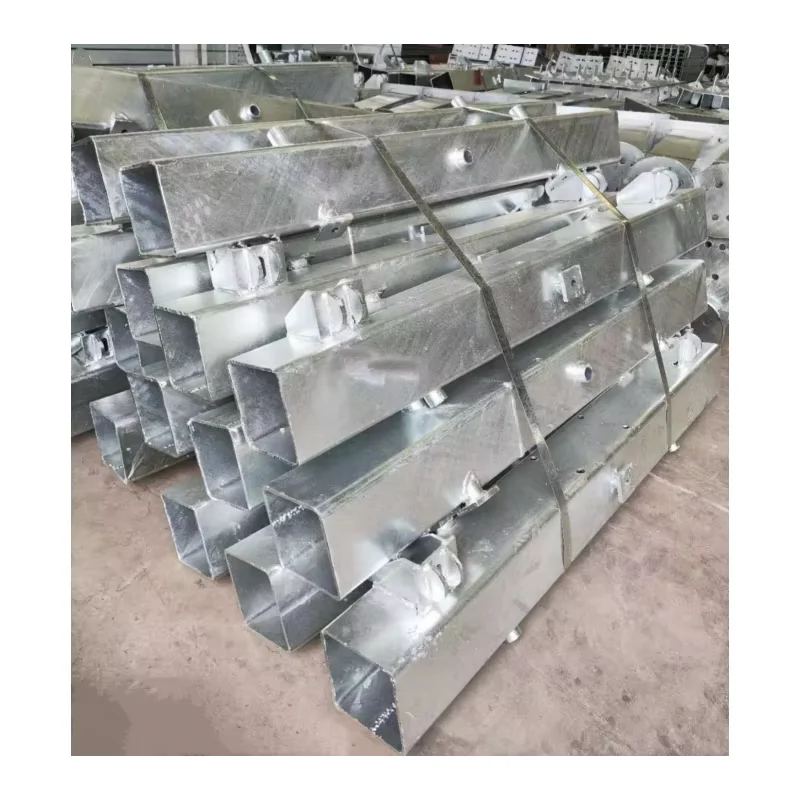
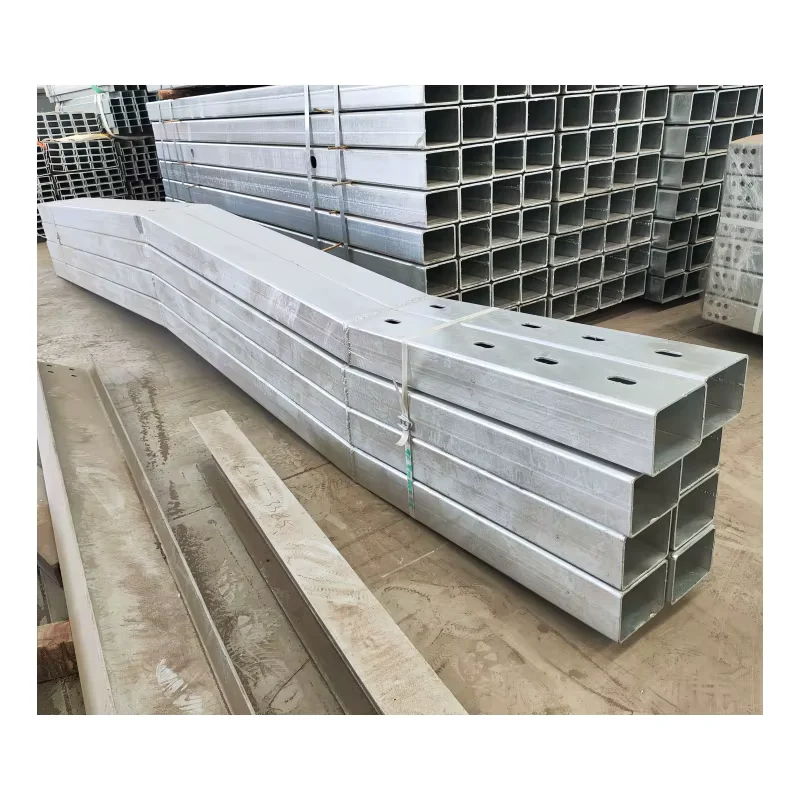
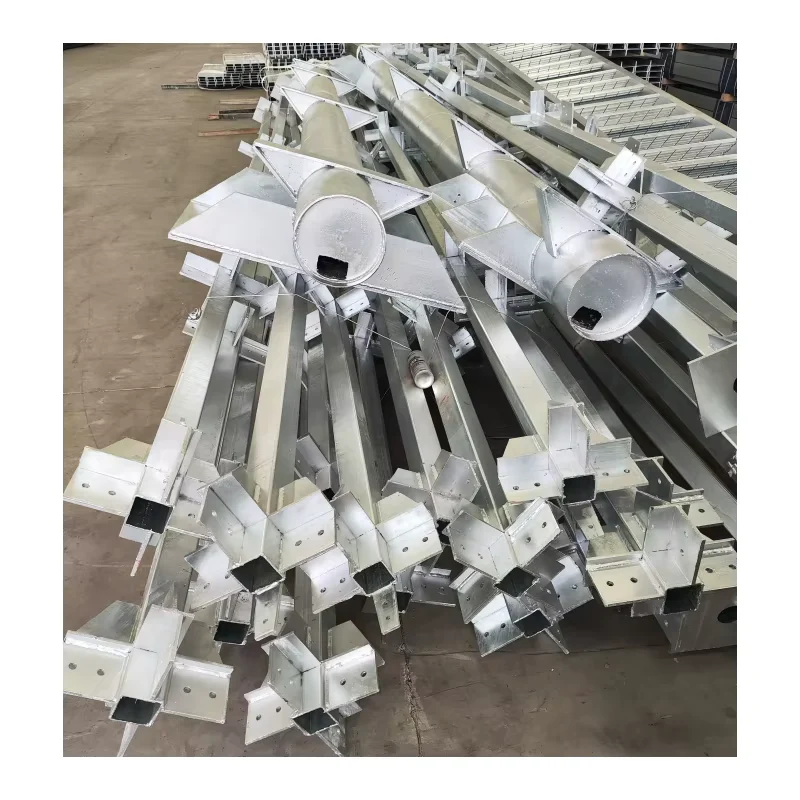
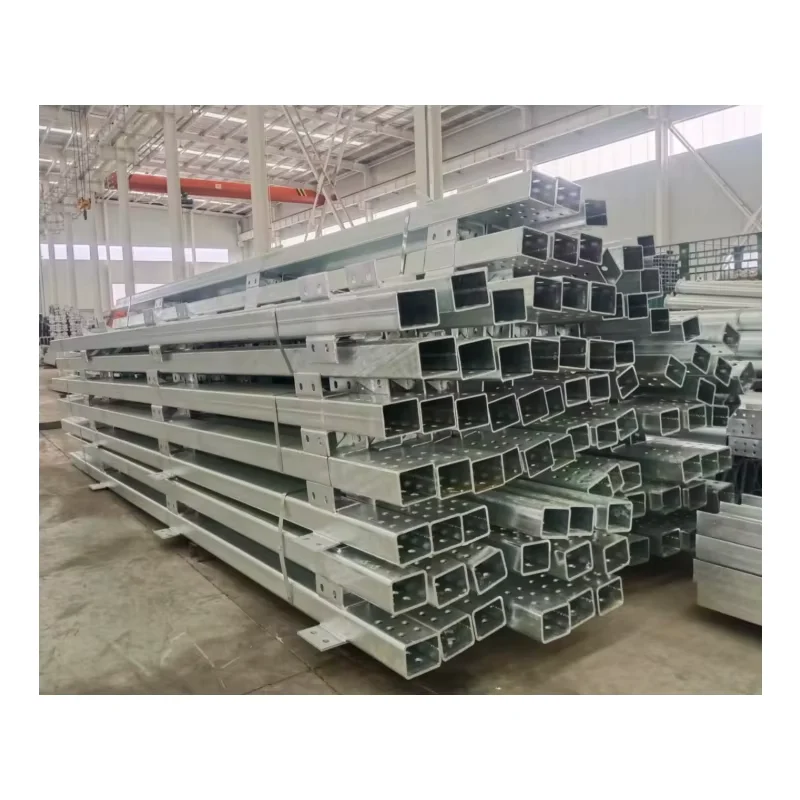
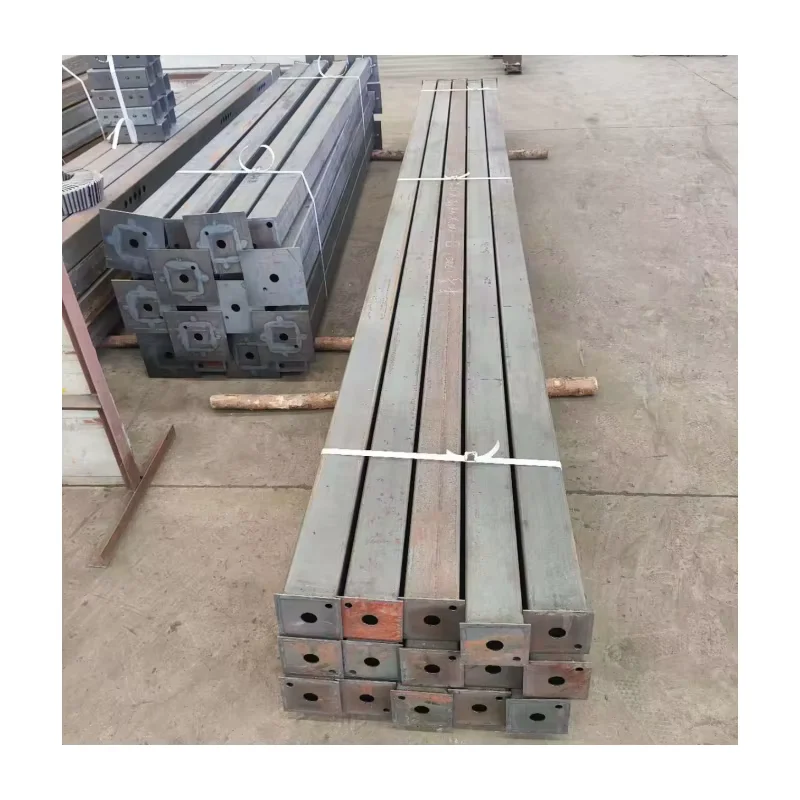
Factory-Direct Carbon Steel Fabrication — Vertically integrated steel mill and fabrication workshop under one roof, delivering custom steel fabrication services supplier capability from raw material procurement to finished welded assemblies without third-party sourcing gaps.
Technical Specifications
| Parameter | Value |
|---|---|
| Designation | Custom Steel Fabrication Part |
| Product Type | Fabricated Steel Structure |
| Steel Grade | Carbon steel (specific grades per drawing) |
| Standard | GB / AISI / ASTM / BS / DIN / JIS |
| Processing | Cutting, Laser Profiling, Bending, Punching Hole, Welding, Slotting, Stamping |
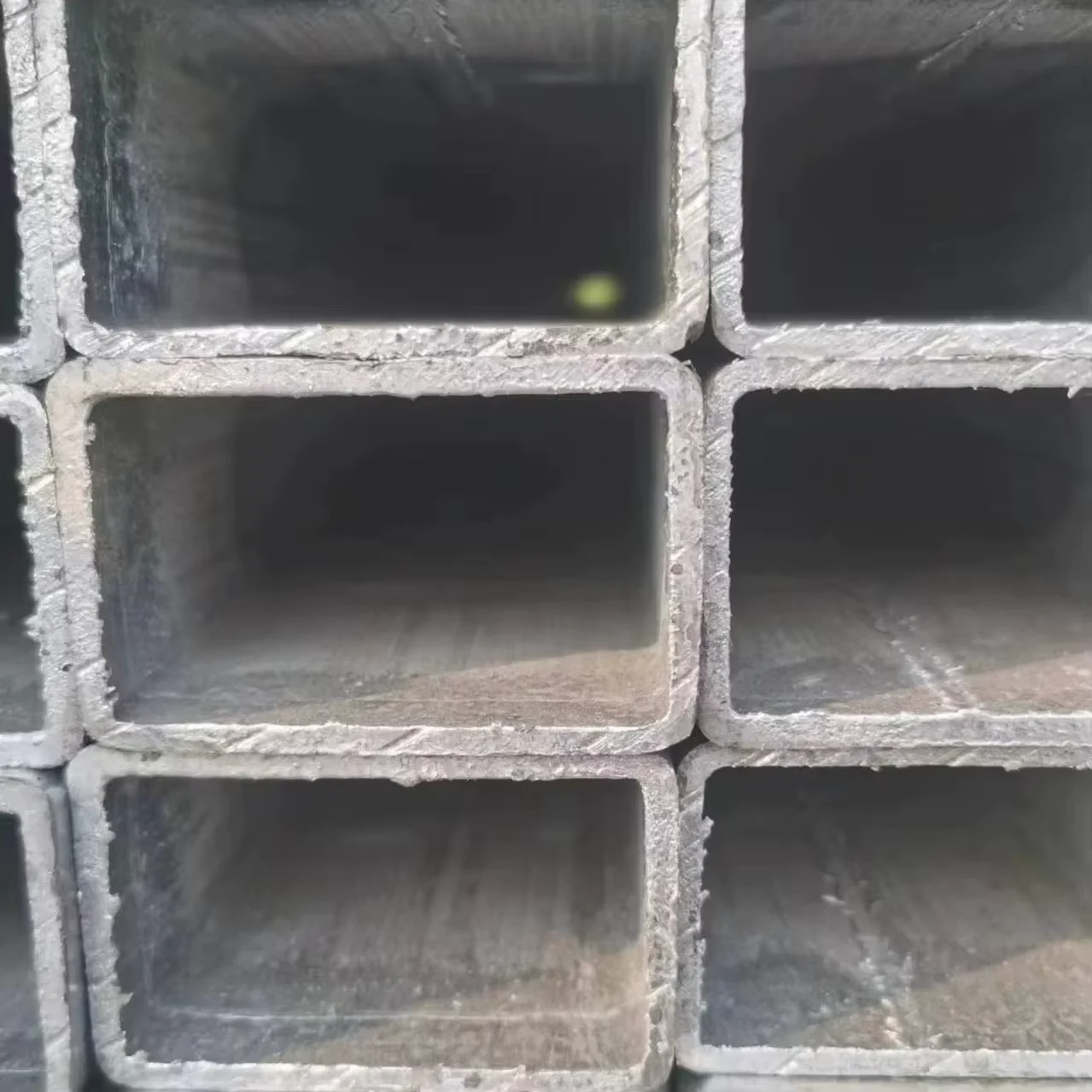
| Surface Treatment | Galvanizing / Powder Coating / Painting |
| Tolerance | +/-5% |
| Drawing Format | CAD / DWG / STEP / PDF |
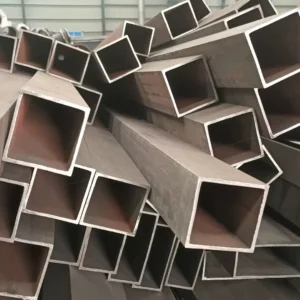
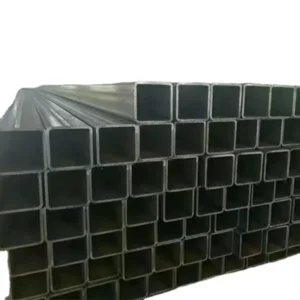
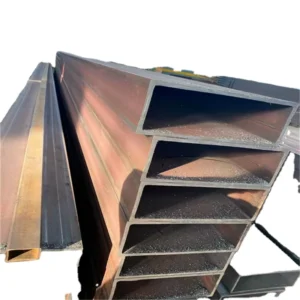
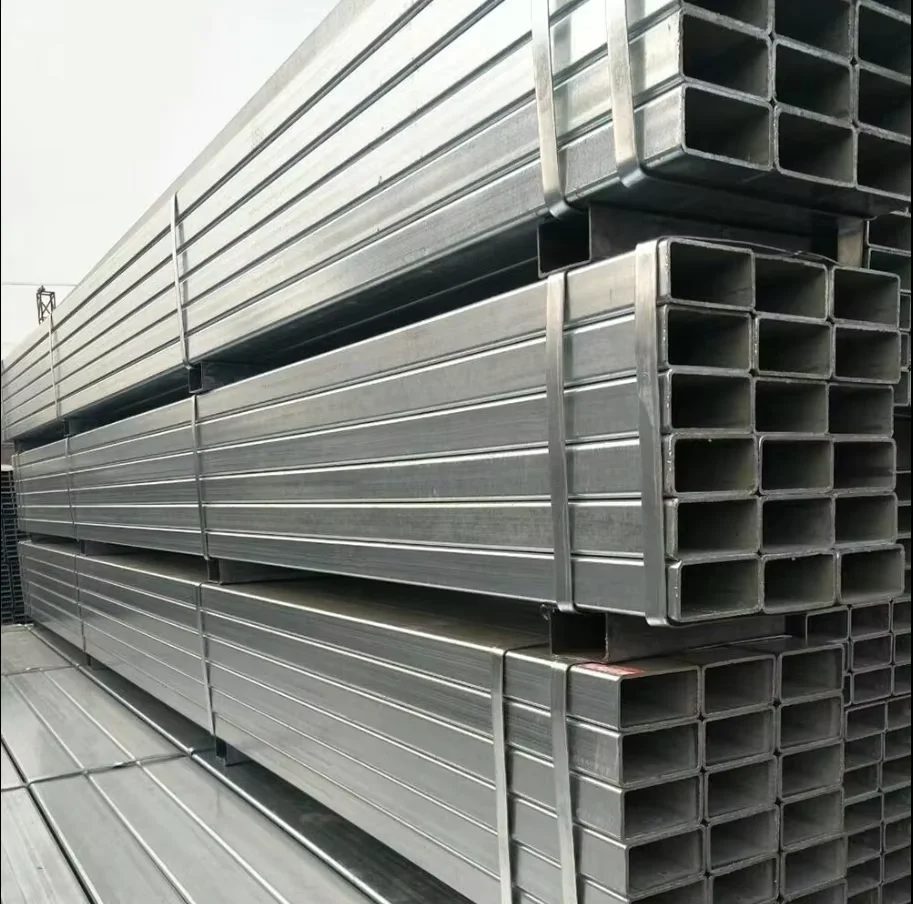
| Material | Carbon steel sheet / profile / pipe |
| Specification | According to customer drawing |
| Application | Steel structures / Construction frames / Industrial platforms / Infrastructure projects |
| MOQ | 1 PCS |
| Origin | Shandong, China |
Application Suitability
| Industry | Typical Applications |
|---|---|
| EPC & Industrial Construction | Plant support frames, pipe rack structures, equipment platforms, conveyor gantries |
| Commercial Building | Portal steel frames, mezzanine floors, stairway assemblies, column-beam connections |
| Infrastructure | Bridge component assemblies, sound barrier frames, utility support structures |
| Machinery & Equipment OEM | Machine base frames, protective enclosures, custom mounting brackets |
What Third-Party Sourcing Gaps Cost on a Custom Steel Fabrication Services Supplier Order
Material traceability breaks when fabrication and steel supply come from separate vendors.
Overseas EPC buyers routinely face a coordination gap: the fabricator sources plates and profiles from unknown mills, creating blind spots in chemical composition and mechanical property verification. When a third-party inspector arrives at the fabrication shop, the heat number on the mill test certificate does not match the material actually being welded. This forces re-inspection, delays shipment, and sometimes requires partial dismantling of completed assemblies. [NEED_CITE: material traceability requirements in EN 1090 structural fabrication standard]
Dimensional tolerance accumulation compounds the problem. A fabricator without in-house cutting and welding capacity outsources laser profiling and bending to subcontractors, each adding their own tolerance stack. By the time components reach the assembly stage, bolt holes misalign and connection plates do not sit flush — rework that costs far more than the original fabrication margin.
How Drawing-Driven Precision Matches Structural Engineering Requirements
Every custom steel fabrication services supplier order begins with CAD, DWG, STEP, or PDF drawings that define not just geometry but load paths, weld joint types, and surface preparation grades. Our engineering team reviews shop drawings before any cutting starts, checking weld access holes, bolt hole patterns, and galvanizing drainage paths against the specified standard — whether GB, AISI, ASTM, BS, DIN, or JIS. This front-end review prevents the kind of field-fit failures that occur when fabricators interpret drawings without structural engineering input.
Engineering Compliance and Surface Treatment Selection for Fabricated Steel
Structural steel fabrication for international projects must satisfy both fabrication execution standards and material standards simultaneously. EN 1090 governs how the steel is cut, welded, and assembled; ASTM or EN material standards govern what the base metal must contain. For corrosive environments — coastal infrastructure, chemical plants, wastewater facilities — the surface treatment choice between hot-dip galvanizing, powder coating, or multi-layer painting directly determines service life. [NEED_CITE: surface preparation and coating system selection for structural steel in corrosive environments] Galvanizing thickness, edge coverage on welded joints, and touch-up procedures all require specification at the drawing stage, not as an afterthought.
Carbon Steel Grade Selection and Fabrication Process Fundamentals
Carbon steel grades across different standard systems serve equivalent structural roles but differ in chemical composition limits and testing requirements. The S-series (S235, S275, S355) follows European EN standards; ASTM A36 and A572 follow American specifications; Q235 and Q345 follow Chinese GB standards. A custom steel fabrication services supplier must understand grade equivalence to avoid material rejection at destination customs. [NEED_CITE: steel grade equivalence tables between EN, ASTM, and GB standards]
Welding process selection — MIG/MAG for general structural work, SAW for thick plate, manual arc for site-fit connections — depends on joint geometry, plate thickness, and the required weld quality class. Laser profiling delivers tighter edge tolerances than plasma cutting for connection plates, while CNC punching remains more economical for repetitive hole patterns in bracing members.
Hidden Costs of Incorrect Steel Grade and Missing Certification
Ordering fabricated components without verified material certification creates risk at three stages: customs clearance, structural inspection, and long-term corrosion performance. A shipment arriving without proper mill test certificates faces import holds. Components fabricated from unverified steel may fail ultrasonic testing on critical welds. [NEED_CITE: structural steel inspection requirements for welded connections per AWS D1.1] The cost of replacing installed steel members always exceeds the cost of proper documentation at the fabrication stage.
Why Project Teams Source Custom Steel Fabrication Services Supplier Capability From Us
Our fabrication workshop operates within the same facility as our steel production lines, meaning every plate, profile, and pipe used in your structure carries a heat number traceable to our own mill. This vertical integration eliminates the material sourcing gap that causes most quality disputes. We maintain over 2,800 raw material specifications in stock, so custom fabrication orders do not wait for third-party steel delivery. Our welding procedures are qualified to international standards, and our welders hold current certifications. Every order ships with a complete documentation package — mill test certificates, weld maps, dimensional inspection reports, and coating thickness measurements — prepared before the container is sealed.
Documentation & Compliance
- Mill test certificate documenting carbon steel chemical composition and mechanical properties per the specified standard (GB/AISI/ASTM/BS/DIN/JIS) for each heat number used in fabrication
- Welding procedure specification (WPS) and procedure qualification record (PQR) for all structural weld joints, available per AWS D1.1 or EN ISO 15614
- Dimensional inspection report verifying fabricated component geometry against approved shop drawings with +/-5% tolerance confirmation
- Surface treatment certificate recording galvanizing coating thickness, powder coating film thickness, or painting system DFT per project specification
- Material traceability sheet linking each fabricated component to its source heat number and corresponding mill test certificate
- Export documentation including packing list, bill of lading, and certificate of origin for customs clearance at destination port
Packaging, Loading & Delivery
- Fabricated carbon steel components packed in steel-framed crates or on steel pallets with welded bracing to prevent shifting during ocean transit, sized to match container door openings for the specific component dimensions
- Galvanized surfaces protected with rubber edge guards and separation spacers to prevent zinc coating damage from contact between adjacent components during transport
- Custom fabrication parts tagged with heat number, steel grade, piece mark, and destination project reference on weather-resistant labels attached to each component
- Oversized fabricated assemblies loaded with specialized lashing and dunnage planning, with loading diagrams provided before shipment for site receiving team preparation
- Complete export documentation and container sealing performed at our facility, with FOB, CIF, or DDP terms available depending on destination port requirements
Start Your Custom Steel Fabrication Services Supplier Inquiry
Submit your project drawings in CAD, DWG, STEP, or PDF format along with steel grade requirements, surface treatment specification, and target quantity. Our engineering team responds within 24 hours with a preliminary assessment covering fabrication feasibility, shop drawing timeline, and a detailed quotation including material, processing, coating, packing, and shipping costs.
Request Your Fabrication Quote and Material Certification Package
Share your drawings and specifications to receive a detailed quotation with shop drawing timeline and mill test certificate commitment.
- Company: Shandong Xin Jiyuan Special Steel Tube Co., Ltd
- Website: www.xjystructure.com
- Tel: +86 531 8573 6315
- Mobile/WhatsApp/WeChat: +86 188 5315 7756
- Email: admin@xjystructure.com
- Address: No.11889, Jingshi West Road, Lulian Group, Jinan City, Shandong Province, China
Frequently Asked Questions
Q: What drawing formats do you accept for custom steel fabrication services supplier orders?
A: We accept CAD, DWG, STEP, and PDF formats. Our engineering team reviews submitted drawings and prepares detailed shop drawings for your approval before fabrication begins, ensuring all dimensions, weld joints, and hole patterns match your design intent.
Q: Can you provide material certification for the carbon steel used in fabrication?
A: Yes. Every fabricated component ships with a mill test certificate documenting the chemical composition and mechanical properties of the base material, traceable to the original heat number. We also provide material traceability sheets linking each component to its corresponding certificate.
Q: What surface treatment options are available for fabricated steel structures?
A: We offer hot-dip galvanizing, powder coating, and industrial painting systems. The selection depends on the service environment — galvanizing for outdoor and corrosive exposure, powder coating for architectural finish requirements, and painting systems for specific chemical resistance needs.
Q: What is the minimum order quantity for custom fabrication?
A: The minimum order quantity is 1 piece. We handle both single prototype components and large-volume production runs for EPC projects, with the same quality control and documentation standards applied regardless of order size.
Q: Do you support third-party inspection before shipment?
A: Yes. We welcome SGS, BV, or other accredited third-party inspection agencies to verify dimensional accuracy, welding quality, surface treatment thickness, and documentation completeness before shipment. Inspection scheduling is coordinated during the production planning stage.