





Description
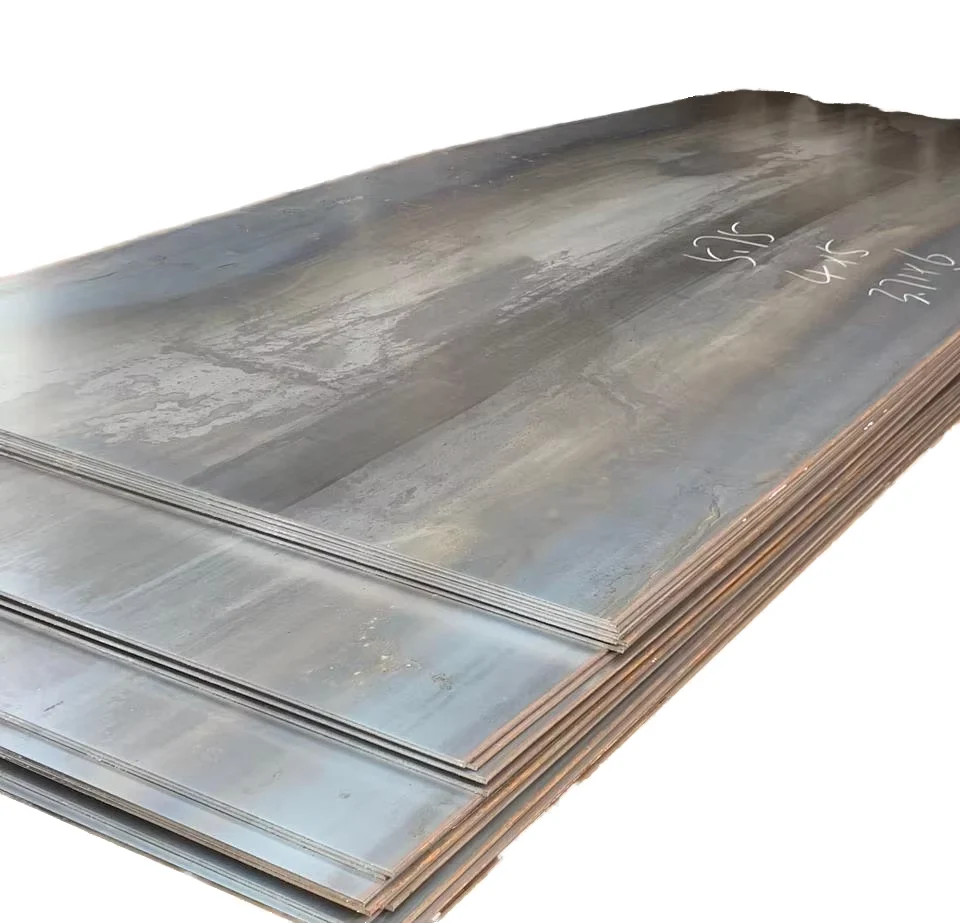
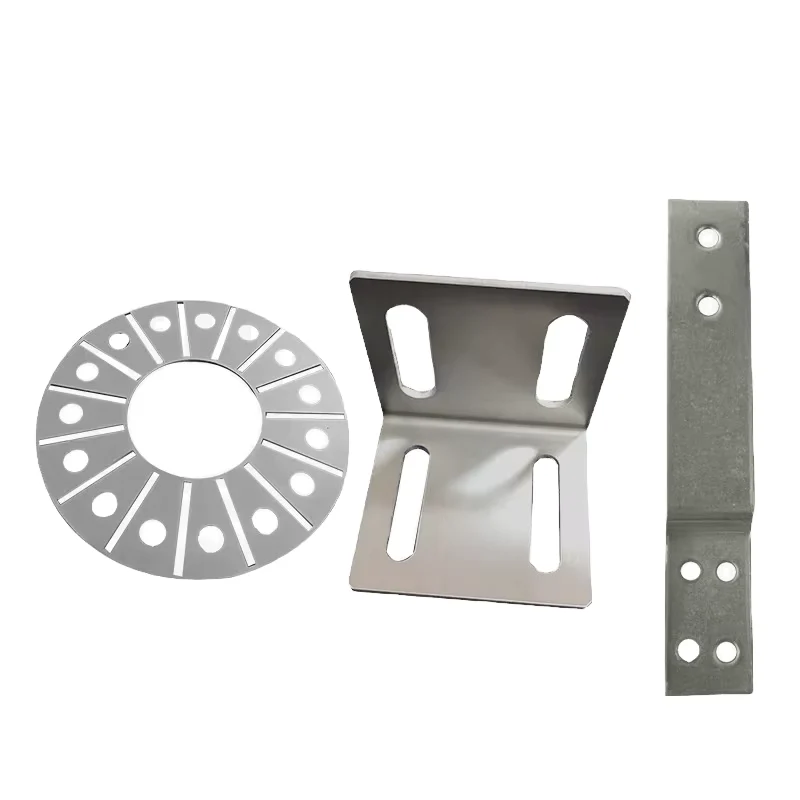
Factory-direct carbon steel fabrication — Vertically integrated from raw steel production to finished laser-cut, bent, and stamped components, eliminating third-party material sourcing gaps.
Technical Specifications
| Parameter | Value |
|---|---|
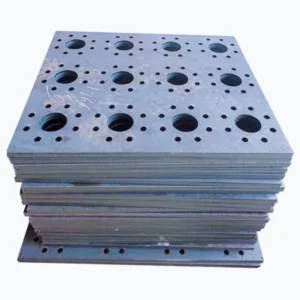
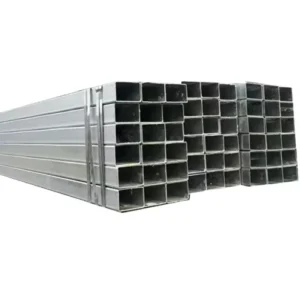
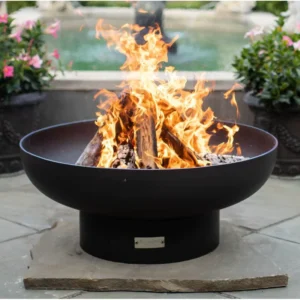
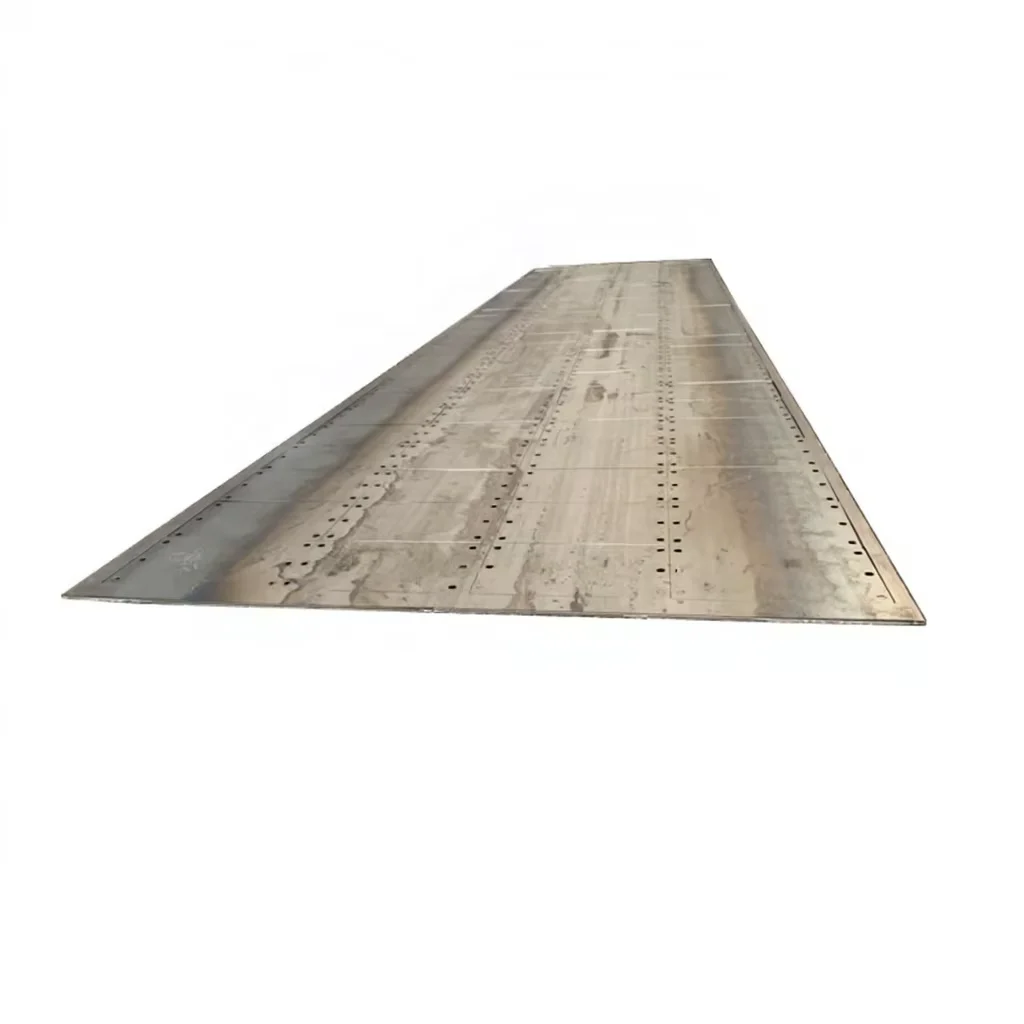
| Designation | Customized Sheet Metal Parts (Laser Cutting / Bending / Stamping) |
| Product Type | Machined Steel Product / Custom Steel Components |
| Steel Grade | Carbon Steel |
| Thickness Range | 1-80mm |
| Technique | Laser Cutting / Bending / Stamping |
| Surface Treatment | Painting / Powder Coat / Polish / Zinc Coated |
| Size | Customized per engineering drawings |
| Application | Machinery / Mechanical Components and Assemblies |
| MOQ | Small Orders Accepted |
Application Suitability
| Industry | Typical Applications |
|---|---|
| Machinery Manufacturing | Base plates, gusset connections, motor mounting brackets, conveyor frame joints |
| Industrial Equipment | Pressure vessel flanges, hopper support brackets, ductwork transition pieces |
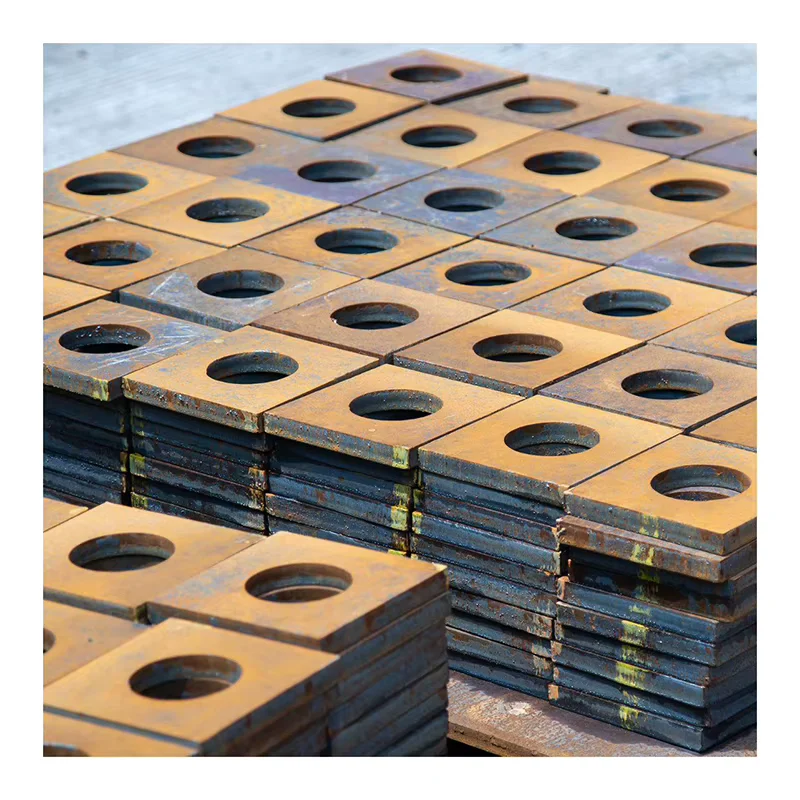
| Infrastructure & EPC Projects | Embedded anchor plates, structural node connections, pipe support cleats |
| Warehouse & Logistics Facilities | Racking system base plates, mezzanine beam connectors, column base gussets |
What Hole-Pattern Tolerance Costs When Your Crew Is Waiting on Site
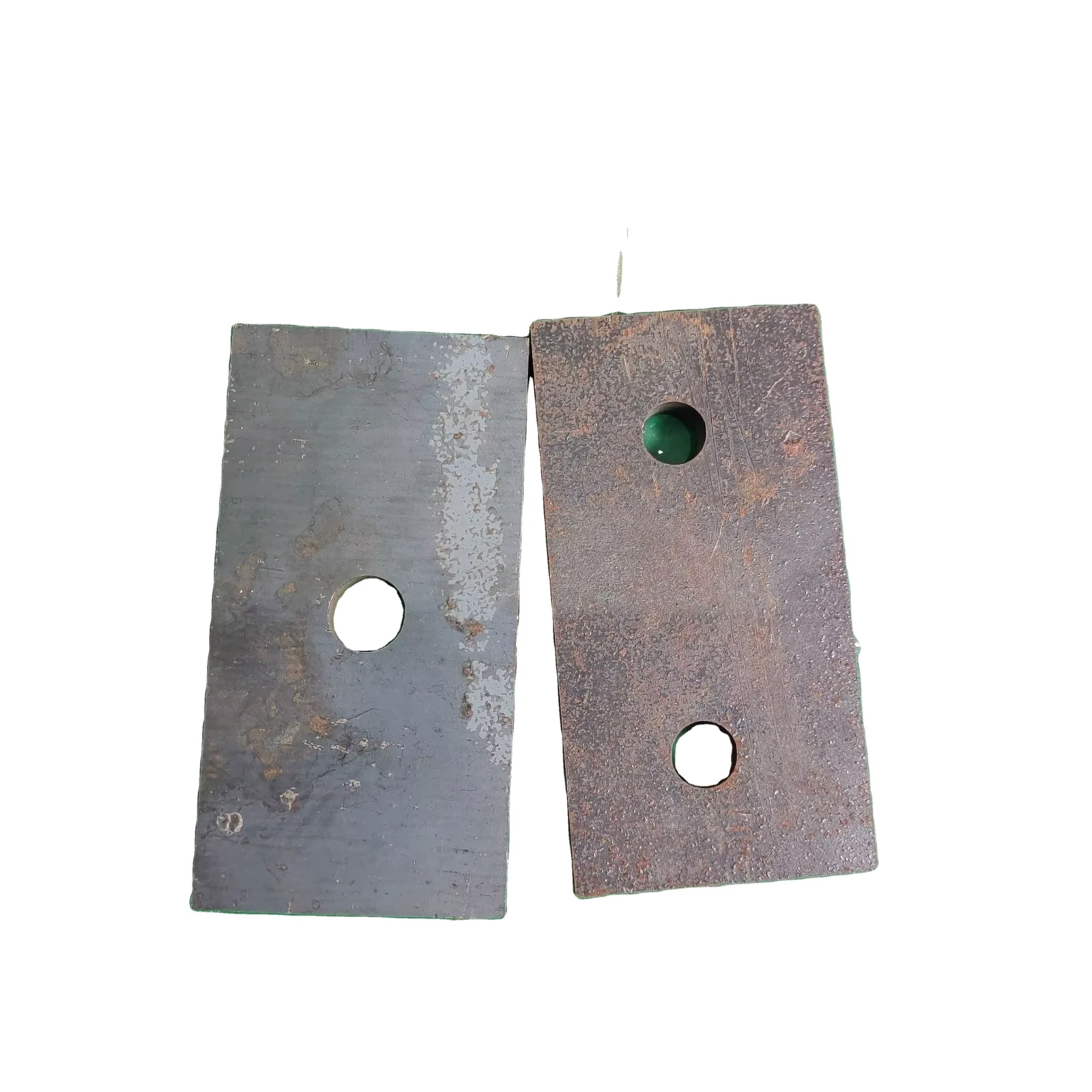
Laser cutting accuracy on carbon steel sheet metal determines whether your bolts align at first fit or your crew spends a weekend grinding oversize holes.
I still think about that Monterrey warehouse job — twenty-plus tons of laser-cut node plates arrived with hole positions drifting outside functional tolerance. The bolts would not pass through. The site team had no choice but to torch every connection open on the ground. That kind of rework does not just burn labor hours; it erodes trust in every subsequent shipment from your fabricator. When buyers source custom carbon steel sheet metal fabrication services supplier from overseas, dimensional drift on CNC programs, thermal distortion during cutting, and unverified nesting layouts turn into field-level failures. [NEED_CITE: CNC laser cutting positional tolerance standards for structural steel components]
Matching Carbon Steel Plate to Mechanical Assembly Requirements
Custom carbon steel sheet metal fabrication services supplier capabilities must align with how your components actually carry load and connect in the field. At 1-80mm thickness range, the same carbon steel behaves differently under bending dies versus stamping tonnage — a 6mm gusset plate bends cleanly on a press brake, while a 40mm base plate requires plasma-assisted pre-heating before forming to avoid micro-cracking along the bend line. Our fabrication workflow sequences laser cutting first, then bending or stamping in a single setup, so hole-to-edge distances stay locked before any thermal or mechanical distortion enters the part. For mechanical assemblies where multiple plates weld into a single node, we hold flatness within functional limits by controlling cut sequence and clamping order — because a warped connection plate forces shims under every bolt, and shims hide until the structure deflects under load.
Engineering Compliance for Carbon Steel Fabricated Components
Load-bearing carbon steel parts in machinery and structural frames must conform to the design assumptions your engineer built into the calculation. Whether the governing code references EN 1090 execution class, AWS D1.1 for welded connections, or AISC fabrication tolerances, the laser-cut profile, bend angles, and stamped features all need to fall within the tolerance band those standards define. [NEED_CITE: EN 1090 execution class tolerance requirements for fabricated steel components] Surface treatment selection then becomes a durability decision, not just an aesthetic one — zinc coating protects bare cut edges on carbon steel exposed to outdoor industrial environments, while powder coat suits indoor mechanical housings where appearance and moderate corrosion resistance matter. For projects shipping into the EU or Middle East, having certified welding procedures and material traceability from heat number through final coating report determines whether your components clear customs or sit at the port waiting for paperwork.
Carbon Steel Behavior Across Thickness and Process
Carbon steel in the 1-80mm range covers an enormous functional span. Thin gauge material below 6mm responds well to high-speed fiber laser cutting with kerf widths under 0.1mm, producing edges that often need no secondary finishing before bending. Mid-range plates from 6-30mm represent the bulk of structural gussets, base plates, and bracket work — laser cutting holds positional accuracy within ±0.1mm on these thicknesses when the nesting software accounts for thermal expansion paths. Beyond 30mm, the laser still cuts clean, but pierce time and assist gas consumption rise, making process planning critical for cost control. [NEED_CITE: fiber laser cutting capability limits on thick carbon steel plate] Stamping on carbon steel above 12mm thickness demands tonnage capacity that many job shops lack, which is why integrated bending and stamping under one roof prevents you from shipping half-finished parts across town for a single forming operation. Surface treatment options — painting, powder coat, polish, and zinc coating — each address different corrosion exposure levels, and the choice should match the installation environment, not just the budget.
The Hidden Cost of Unverified Fabrication Sources
Sourcing custom carbon steel sheet metal fabrication services supplier without confirmed material origin creates a chain of risk that shows up late and costs heavily. A fabricator who buys blanks from unknown mills cannot guarantee heat-to-heat chemistry consistency, which means your welder follows a WPS calibrated for one manganese level while the actual plate runs another — porosity shows up only after coating, and rejection means stripping, re-welding, and re-coating. [NEED_CITE: material traceability requirements for structural steel fabrication per EN 1090] Missing or incomplete mill test certificates block customs clearance in markets requiring CE marking or third-party inspection. Dimensional tolerance drift on laser-cut parts compounds at assembly stage — a 0.5mm hole position error on one plate becomes a 3mm mismatch across a six-bolt connection, and field correction with reamers or torches voids the corrosion protection on every modified edge.
Why Buyers Choose Our Fabrication Workflow
We run our own steel production facility with over 2,800 raw material specifications in stock, so every carbon steel plate we cut comes from our mill test records — no third-party blanks, no certificate gaps. When you order custom carbon steel sheet metal fabrication services supplier from us, the same quality system that tracks chemistry from melt shop also tracks each laser-cut part through bending, stamping, welding, and coating. Our engineering team reviews your shop drawings before production starts, flagging hole patterns that drift near bend lines or stamped features that conflict with laser kerf allowances. Certified welding procedures and qualified welders hold AWS and EN credentials, and every shipment ships with a complete documentation package — WPS, PQR, weld maps, dimensional inspection reports, and coating thickness measurements. We have delivered fabricated steel components across the EU, Middle East, Southeast Asia, and Africa, so we know which customs offices ask for CE marks, which ports require third-party inspection before loading, and which container configurations keep oversized plates from shifting during ocean transit.
Documentation & Compliance
- Mill test certificate documenting carbon steel chemical composition and mechanical properties per heat number, traceable from our own production facility
- CE certificate covering EN 1090 execution class for structural steel fabrication components shipped to European markets
- ISO 9001 quality management certificate covering the full workflow from raw material receipt through final coating inspection
- SGS or BV third-party inspection report available for projects requiring independent verification before shipment
- Material traceability report linking each laser-cut, bent, or stamped component back to its original heat number and mill test record
- Full customs documentation package including packing list, bill of lading, and certificate of origin formatted for destination port requirements
Packaging, Loading & Delivery
- Carbon steel plates and fabricated components bundled with steel straps and edge protectors to prevent coating damage during handling and ocean transit
- Zinc-coated or powder-coated parts wrapped in waterproof film with desiccant packs to preserve surface treatment integrity in humid shipping conditions
- Custom-sized components nested and blocked inside containers to maximize payload while preventing plate-to-plate contact marks on polished or painted surfaces
- Laser-cut parts segregated by heat number and marked with steel grade identification for traceability at site receiving
- Oversized plates above standard container width loaded on flat racks or open-top containers with professional lashing plans to meet maritime transport regulations
- FOB, CIF, and DDP shipping terms available with door-to-door logistics coordination for project sites requiring direct delivery
Start Your Fabrication Inquiry With Drawings and Specifications
Send your project drawings in PDF or DWG format along with material grade, thickness, quantity, and required surface treatment — our team responds within 24 hours with a preliminary technical assessment and detailed quotation covering material, fabrication, coating, packing, and shipping costs. If your project requires non-standard dimensions or specific certification documentation for customs clearance, confirm those requirements upfront so we can include shop drawing timelines and production scheduling in the initial proposal.
Get Your Custom Carbon Steel Fabrication Quote
Share your drawings and specifications to receive a detailed quotation with material traceability documentation.
Tel: +86 531 8573 6315 | Mobile/WhatsApp/WeChat: +86 188 5315 7756 | Email: admin@xjystructure.com
Frequently Asked Questions
Q: What surface treatment options are available for carbon steel sheet metal parts?
A: We offer painting, powder coat, polish, and zinc coating for carbon steel fabricated components. The selection depends on your installation environment — zinc coating protects cut edges in outdoor or industrial exposure, powder coat suits indoor mechanical housings, and polish applies when appearance or food-grade contact surfaces matter.
Q: How do you ensure dimensional accuracy for custom laser-cut components?
A: Our laser cutting process holds tight positional tolerances by controlling nesting layout, thermal distortion paths, and pierce sequences. Every part is checked against the approved shop drawing before proceeding to bending or stamping, and dimensional inspection reports are included in the shipment documentation package.
Q: What quality documentation is provided with fabricated steel parts?
A: Each shipment includes mill test certificates traceable by heat number, dimensional inspection reports, coating thickness measurements, and welding documentation (WPS, PQR, weld maps) when welding is involved. For EU projects, CE certification per EN 1090 is available.
Q: Can you handle small batch orders for prototype or trial projects?
A: Yes, we accept small orders for prototype runs and trial batches. Our vertically integrated supply chain from raw steel production through fabrication means we can process limited quantities without the minimum order barriers that standalone fabrication shops typically impose.
Q: What is the typical lead time from drawing approval to delivery?
A: Lead time depends on part complexity, thickness range, surface treatment requirements, and order quantity. Once shop drawings are approved and the deposit is received, we provide a detailed production schedule. Typical production lead times apply after drawing sign-off.
Get Your Custom Carbon Steel Fabrication Quote
Send your project drawings and specifications to receive a detailed quotation with material traceability documentation within 24 hours.
Tel: +86 531 8573 6315 | Mobile/WhatsApp/WeChat: +86 188 5315 7756 | Email: admin@xjystructure.com