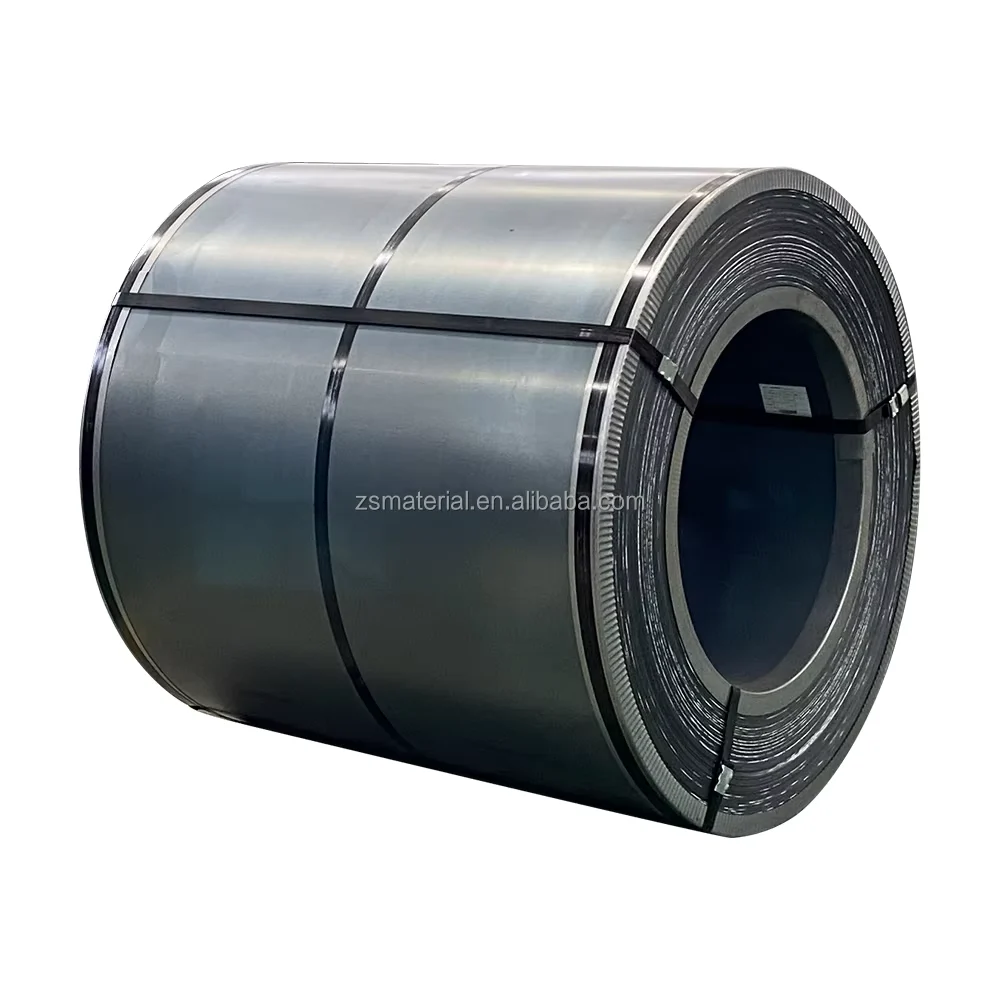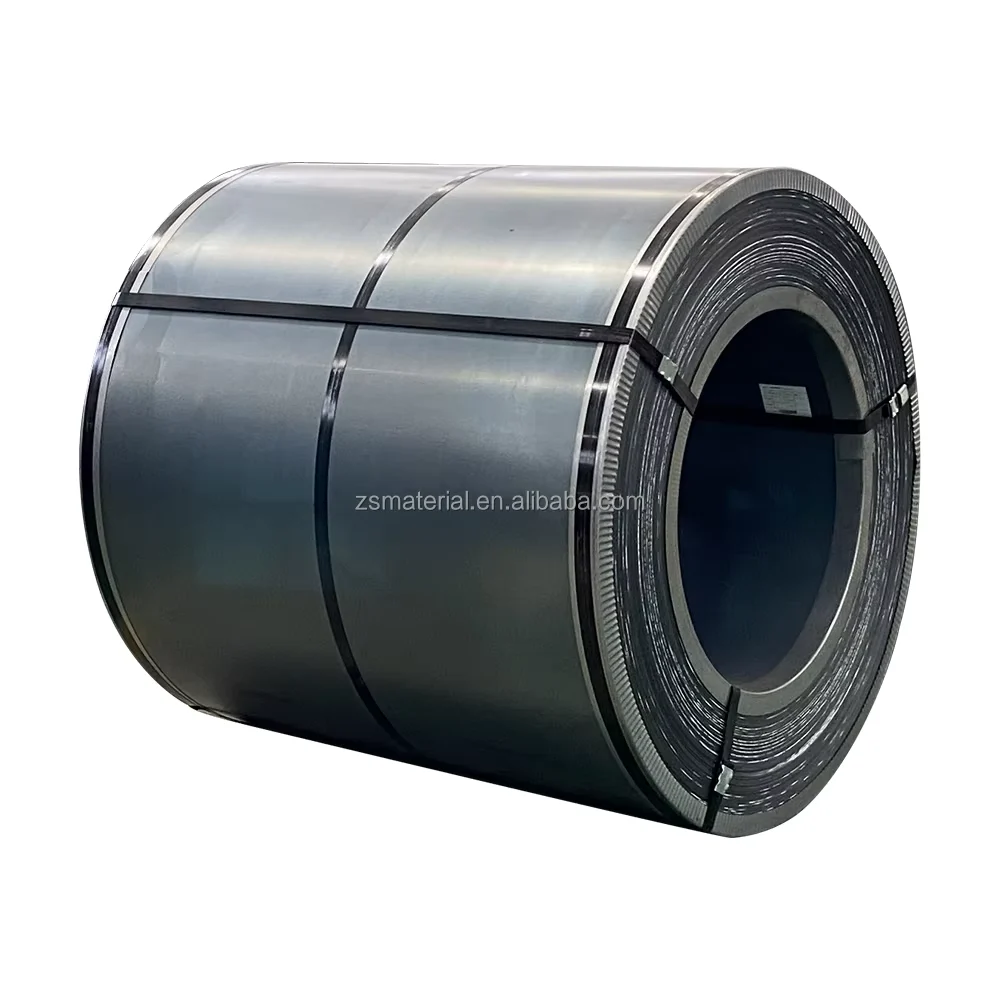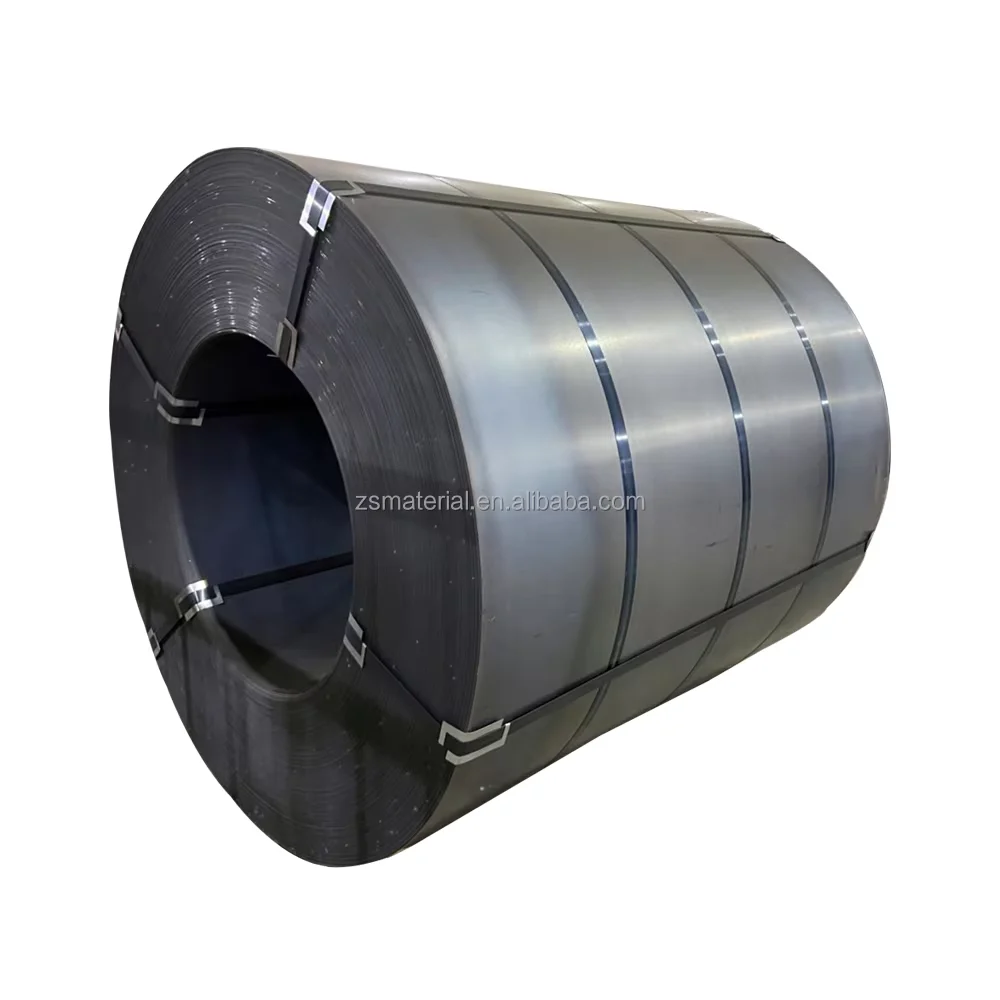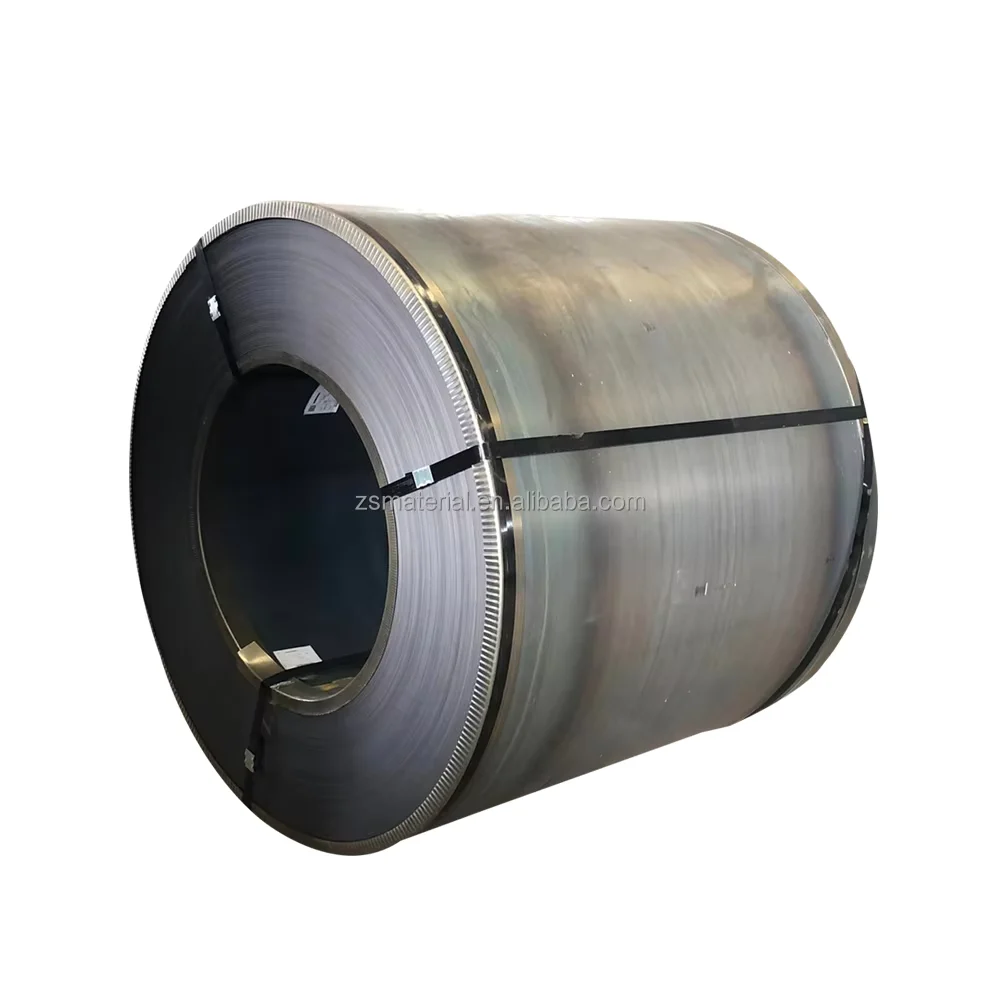
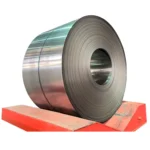


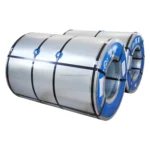
Description
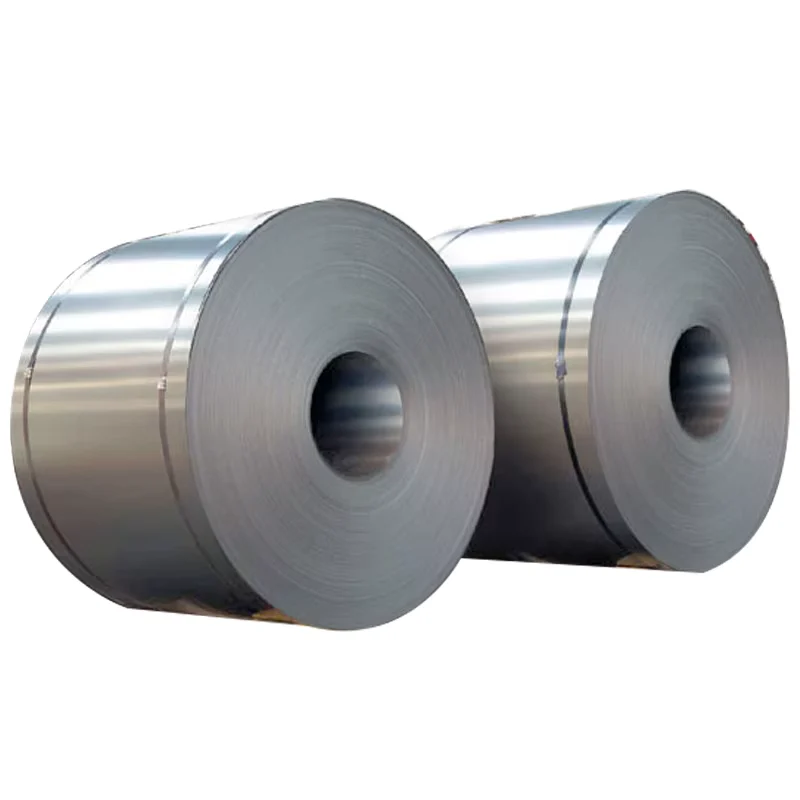
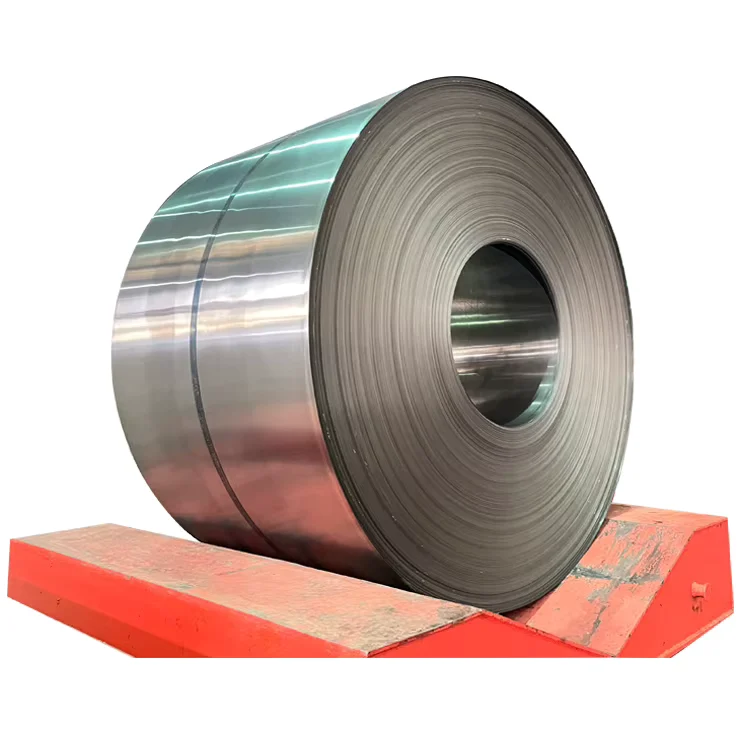
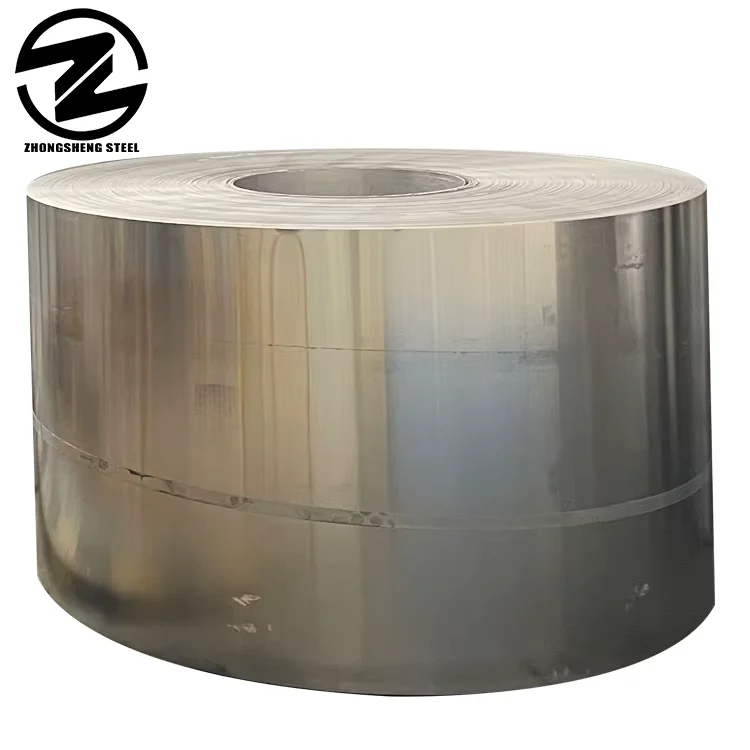
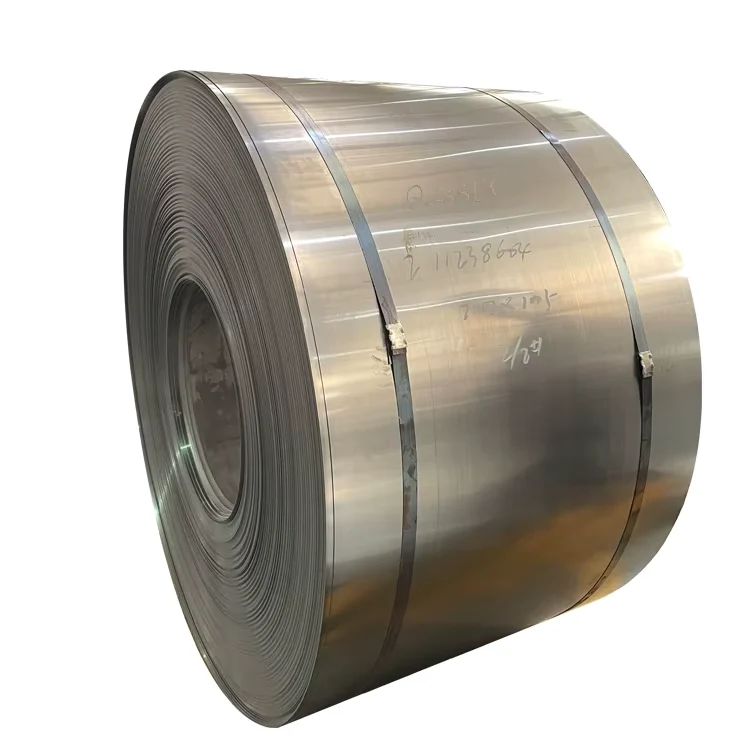
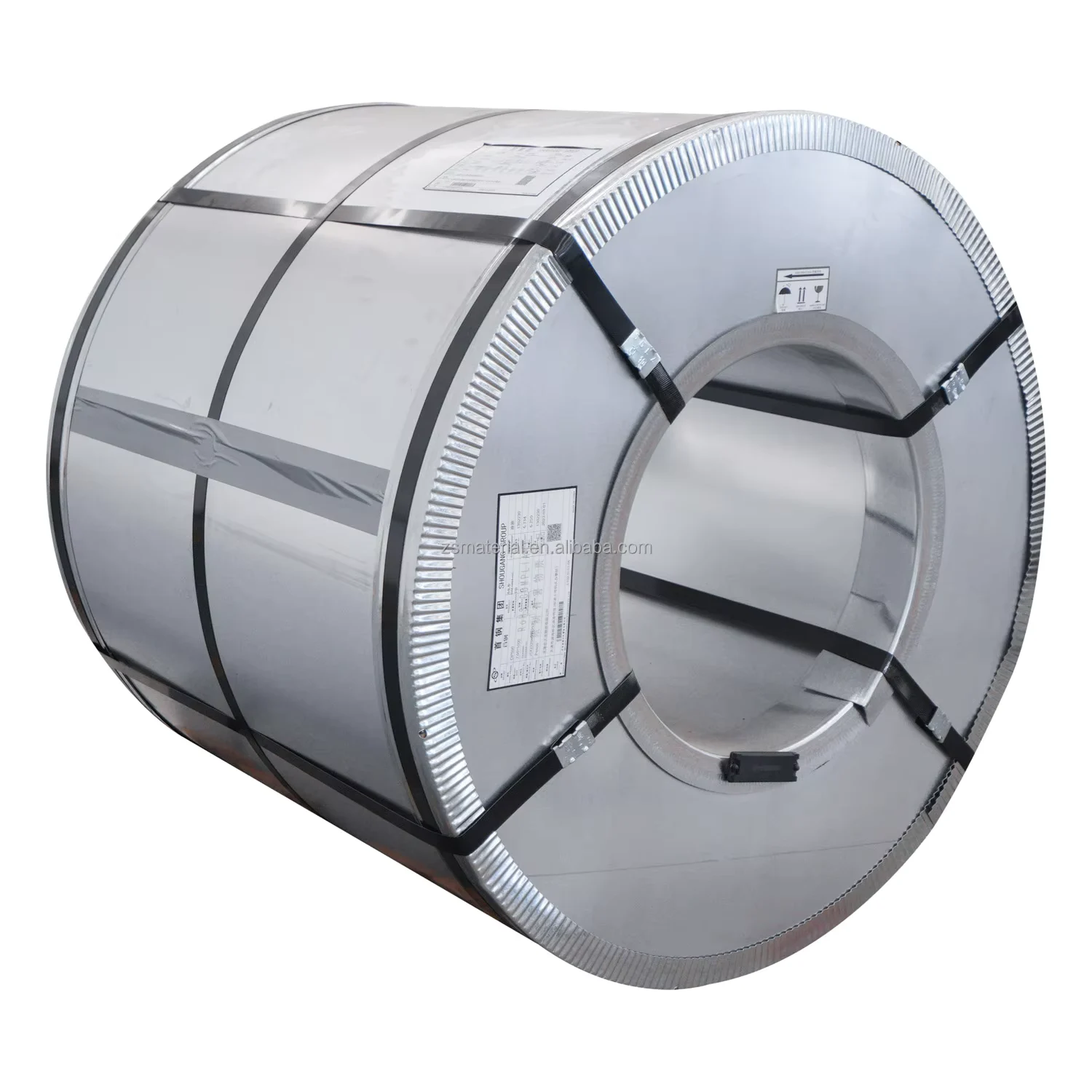
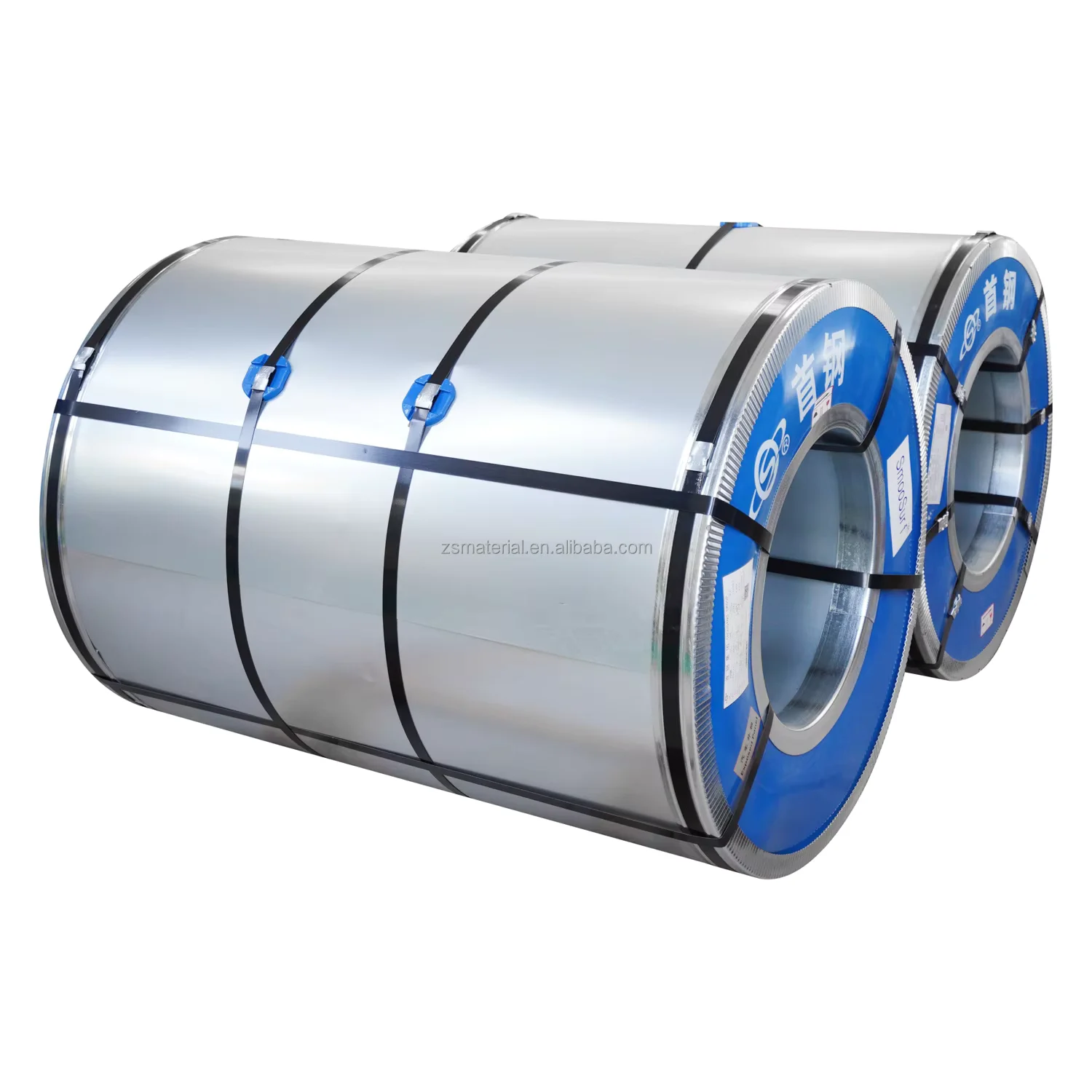
DC01 SPCC cold rolled steel coil supplier — Own steel mill with 2,800+ specifications in stock, delivering mill-direct pricing with full material traceability from slab to finished coil.
Technical Specifications
| Parameter | Value |
|---|---|
| Designation | CRC DC01 / ST12 / SPCC Cold Rolled Steel Coil |
| Product Type | Cold Rolled Steel Coil |
| Steel Grade | DC01, ST12, SPCC |
| Standard | JIS G3141 (SPCC), EN 10130 (DC01), DIN 1623 (ST12) |
| Thickness | 0.2–3 mm |
| Width | 600–3000 mm |
| Length | Coil / According to customer requirements |
| Weight per Coil | 8–35 MT |
| Technique | Cold Rolled |
| Surface Treatment | Annealed (Black) / Full Hard / Half Hard / 2B Finish |
| Packaging | Export standard, seaworthy |
| Application | Tube deep drawing / Automotive parts / Home appliance shells / Construction roof panels / Food storage & transportation equipment / Packaging |
Application Suitability
| Industry | Typical Applications |
|---|---|
| Tube & Pipe Manufacturing | Welded tube deep drawing, structural hollow sections, furniture tubing |
| Automotive Components | Stampings, brackets, chassis reinforcement panels |
| Home Appliance Manufacturing | Outer shells for washing machines, refrigerators, air conditioner housings |
| Construction & Infrastructure | Roof panels, wall cladding, light steel framing |
| Food & Packaging Equipment | Storage tanks, transportation containers, metal packaging blanks |
Where Material Traceability Gaps Cause Customs Rejection
Fragmented sourcing from traders creates documentation holes that stall port clearance and trigger costly re-inspection.
When buyers purchase cold rolled coils from multiple traders rather than an integrated producer, each shipment arrives with incomplete heat number records and mismatched mill certificates. I have seen entire containers held at destination ports because the chemical composition on the MTC did not align with the actual coil markings — a problem that only surfaces when the buyer’s own laboratory runs verification tests. [NEED_CITE: material traceability requirements for EN 10130 cold rolled steel] The DC01 SPCC cold rolled steel coil supplier who controls the entire chain from hot rolled feedstock to finished coil eliminates this risk: one quality system, one set of test records, one accountable source.
How Thickness Tolerance Determines Forming Success in Deep Drawing Operations
Cold rolled coils for tube making and deep drawing demand thickness consistency within tight bands — even minor variation across the coil width causes uneven material flow during forming, leading to wall thinning or wrinkling at bend radii. Our 0.2–3 mm range covers everything from thin-gauge appliance shells to heavier structural tube feedstock, with cold rolling precision that holds tolerance tighter than hot rolled equivalents. The 2B finish provides the surface smoothness required for visible automotive and appliance components, while annealed black finish serves industrial applications where appearance is secondary to formability.
Meeting EN 10130 and JIS G3141 Compliance for European and Asian Projects
Engineering specifications calling for DC01 under EN 10130 or SPCC under JIS G3141 require documented proof of chemical composition and mechanical behavior — not just a grade stamp on the coil tag. Buyers sourcing for EU projects need EN 10204 3.1 certification with heat-by-heat test results; those shipping to Southeast Asia or the Middle East often require third-party inspection before loading. [NEED_CITE: EN 10204 inspection document types for steel products] Our in-house laboratory tests every heat for chemistry and mechanical properties, and we accept SGS, BV, or TÜV inspection at any production stage. The DC01 SPCC cold rolled steel coil supplier who provides complete documentation packages — including WPS records, dimensional reports, and coating thickness measurements — removes uncertainty from project handover.
Understanding DC01, ST12, and SPCC: Grade Selection for Forming Processes
These three designations represent equivalent commercial-quality low-carbon steels across different standard systems: DC01 follows the European EN 10130 framework, ST12 originates from German DIN 1623, and SPCC belongs to the Japanese JIS G3141 system. All three share low carbon content suitable for bending, stamping, and moderate deep drawing — but they differ in how mills certify properties and what tolerances apply. The hardness condition matters equally: full hard coils serve roll-forming applications where stiffness is required, half hard offers a balance for moderate forming, and soft annealed delivers maximum ductility for complex drawn shapes. Width options up to 3000 mm reduce slitting waste for wide-panel applications like roofing and cladding, while coil weights from 8 to 35 MT allow buyers to optimize container loading based on destination port crane capacity.
The Hidden Cost of Unverified Coil Chemistry on Project Timelines
Ordering cold rolled coils without verified mill certificates creates a cascade of problems: destination port rejection, third-party re-testing fees, production line stoppages waiting for replacement material, and ultimately project delay penalties. [NEED_CITE: consequences of non-compliant steel materials in construction projects] A coil that fails elongation requirements during customer re-inspection cannot be returned to a trader who has already disappeared from the transaction — the buyer absorbs the loss. Sourcing from a DC01 SPCC cold rolled steel coil supplier with integrated production and documented quality systems prevents this scenario entirely: every coil carries traceable heat numbers, every certificate matches the physical material, and every shipment includes the complete documentation package required for customs and project handover.
Why Integrated Mill-to-Coil Production Eliminates Quality Gaps
As a DC01 SPCC cold rolled steel coil supplier operating our own steel mill alongside the fabrication workshop, we control material from slab reheating through final coiling — no intermediate traders, no third-party stockists introducing uncertainty. Our facility maintains 2,800+ specifications in inventory, meaning standard gauges and widths ship immediately while custom orders move through production on defined schedules. Every coil undergoes chemical analysis and mechanical testing in our in-house laboratory before release, with results documented in EN 10204 3.1 format mill test certificates. We hold ISO 9001 certification for our quality management system and accept third-party inspection by SGS, BV, or TÜV at any stage. For buyers requiring specific hardness conditions or width combinations, our cold rolling lines handle custom processing with documented process control records. Professional export packaging with edge protectors and moisture barriers ensures coils arrive without edge damage or surface contamination, while our loading team optimizes container weight distribution for 8–35 MT coils based on destination port handling equipment.
Documentation & Compliance
- Mill test certificate documenting DC01 chemical composition and mechanical properties per EN 10130, with heat number traceability for each coil
- EN 10204 3.1 type inspection certificate available for European project submissions requiring independent verification
- ISO 9001 quality management system certificate covering the complete cold rolling and annealing process
- Third-party inspection reports from SGS, BV, or TÜV documenting dimensional accuracy and surface quality before shipment
- Material traceability records linking each coil to its original heat number, slab identity, and rolling schedule
- Complete customs documentation package including packing list, bill of lading, and certificate of origin for destination port clearance
Packaging, Loading & Delivery
- Coils packed in export-standard seaworthy wrapping with moisture barrier paper and steel strip banding, protecting the 2B or annealed surface during ocean transit
- Edge protectors applied to all coil sides preventing edge wave damage that compromises slitting quality for tube making applications
- Container loading optimized for 8–35 MT coil weights, with weight distribution calculated for destination port crane capacity and road transport limits
- Coil identification tags displaying steel grade (DC01/ST12/SPCC), heat number, thickness, width, and net weight for immediate site verification
- Custom slitting and cut-to-length services available for buyers requiring specific widths from the 600–3000 mm range, reducing on-site waste
- FOB, CIF, and DDP shipping terms supported with professional export documentation and tracking through to final destination
Starting Your Procurement Process for Cold Rolled Coils
Submit your project specifications — including steel grade preference (DC01, ST12, or SPCC), thickness and width requirements, hardness condition, and destination port — to receive a detailed quotation with production timeline and mill test certificate samples. Our engineering team reviews drawings and specifications within 24 hours, providing material recommendations and confirming compliance with your project standards. For custom slitting or non-standard width requirements, we provide processing schedules and yield optimization analysis before contract signing.
Request Quotation with Mill Test Certificate Samples
Share your DC01 SPCC cold rolled steel coil requirements — grade, gauge, width, quantity, and destination — and receive a complete quotation with sample mill test certificates within 24 hours.
Contact:
Shandong Xin Jiyuan Special Steel Tube Co., Ltd
Website: www.xjystructure.com
Tel: +86 531 8573 6315
Mobile/WhatsApp/WeChat: +86 188 5315 7756
Email: admin@xjystructure.com
Address: No.11889, Jingshi West Road, Lulian Group, Jinan City, Shandong Province, China
Frequently Asked Questions
Q: What is the difference between DC01, ST12, and SPCC, and which should I specify for my project?
A: These three grades represent equivalent commercial-quality low-carbon steels under different standard systems — DC01 follows EN 10130 (European), ST12 follows DIN 1623 (German), and SPCC follows JIS G3141 (Japanese). All three suit bending, stamping, and moderate deep drawing applications. Your choice typically depends on your project specification requirements or destination market preferences. We supply all three grades and can provide grade equivalence documentation if your engineer needs to confirm compliance.
Q: What hardness conditions are available, and how do I select the right temper for my forming process?
A: We supply full hard, half hard, and soft annealed conditions. Full hard coils serve roll-forming applications where stiffness and shape retention matter. Half hard provides a balance between formability and strength for moderate bending operations. Soft annealed delivers maximum ductility for complex deep drawing where material must stretch significantly without cracking. Share your specific forming process and we recommend the appropriate condition.
Q: What quality documentation accompanies each shipment?
A: Every coil shipment includes a mill test certificate (EN 10204 3.1 format) documenting chemical composition and mechanical properties by heat number. Additional documentation includes dimensional inspection reports, surface quality certificates, packing lists, bills of lading, and certificates of origin. Third-party inspection reports from SGS, BV, or TÜV are available upon request and can be conducted at any production stage.
Q: Can you provide custom slitting or cut-to-length services for specific width requirements?
A: Yes. Our cold rolling facility handles custom slitting from the standard 600–3000 mm width range to your specified dimensions. Cut-to-length services are also available for buyers requiring sheet format rather than coils. We provide yield optimization analysis before processing to minimize material waste and confirm delivery timelines based on your order volume and specifications.
Q: How do you ensure coils arrive without surface damage or edge defects?
A: Each coil receives export-standard seaworthy packaging with moisture barrier paper, steel strip banding, and edge protectors on all sides. Our loading team calculates weight distribution for container shipping based on coil weight (8–35 MT range) and destination port handling equipment. The 2B and annealed surfaces receive additional protective wrapping to prevent contamination during ocean transit.