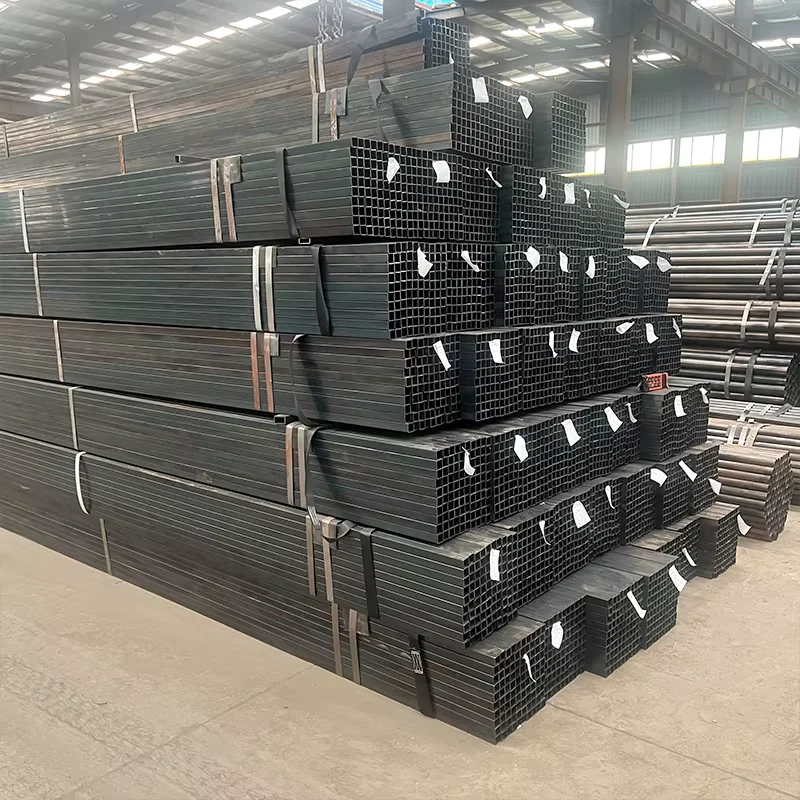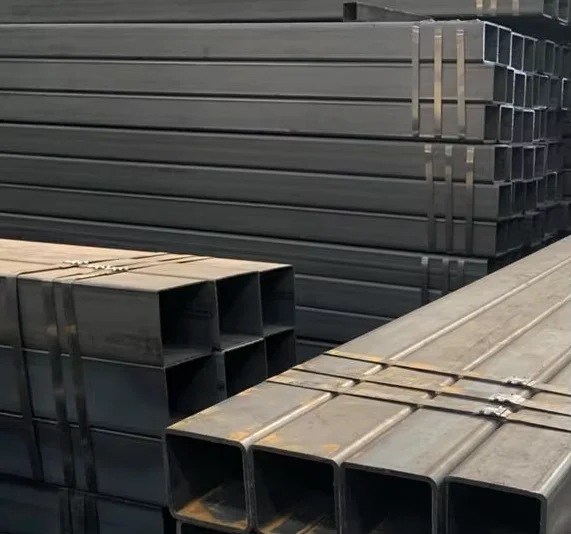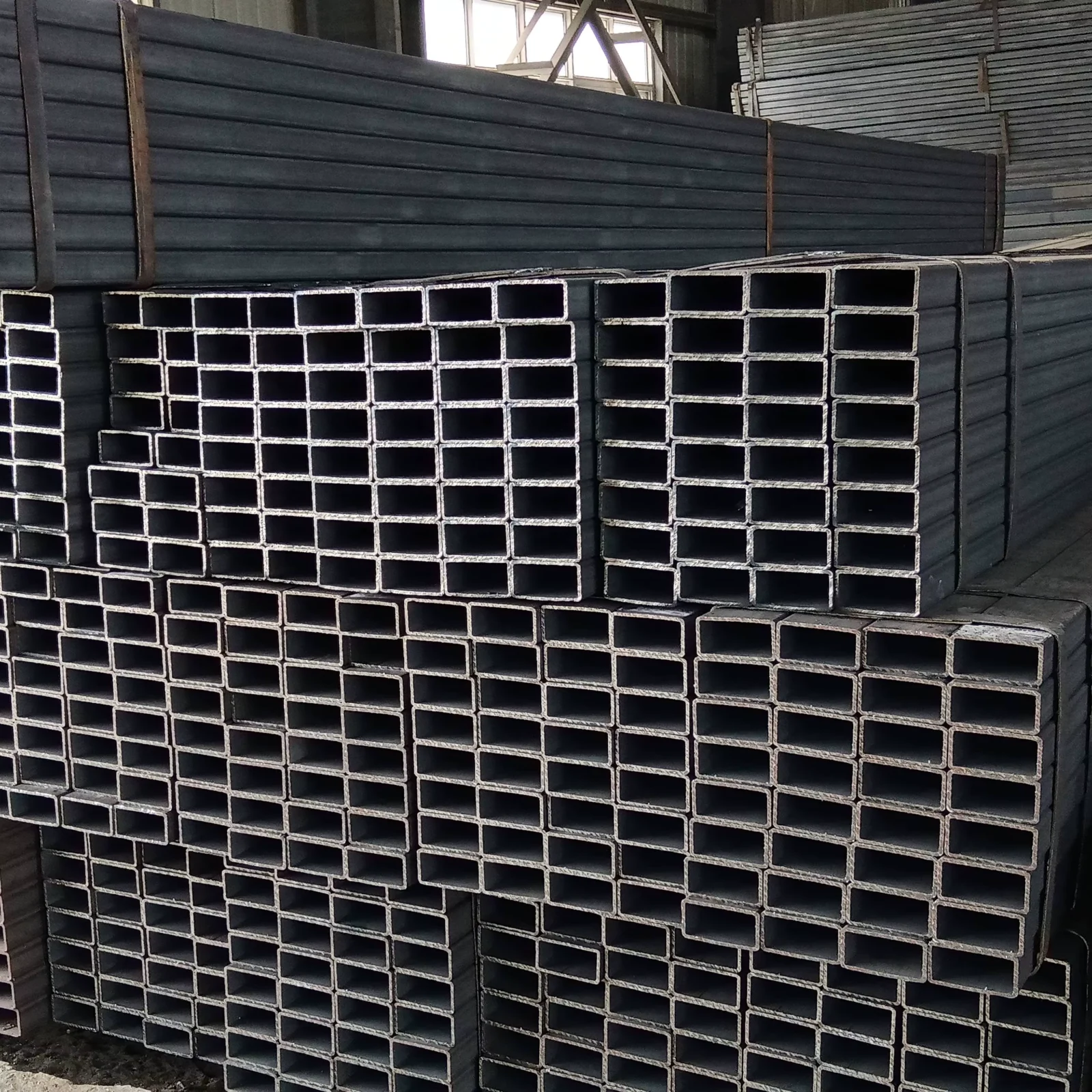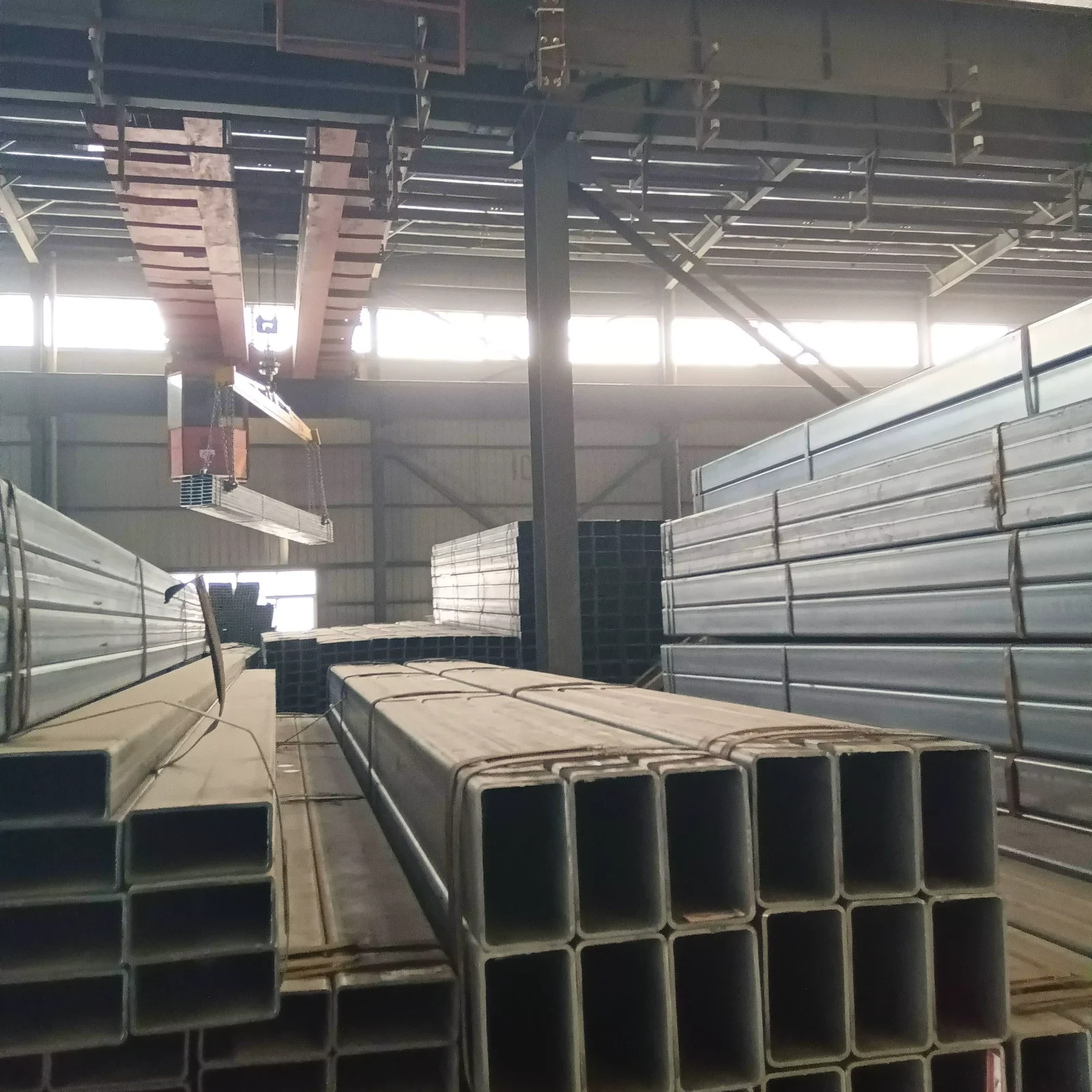

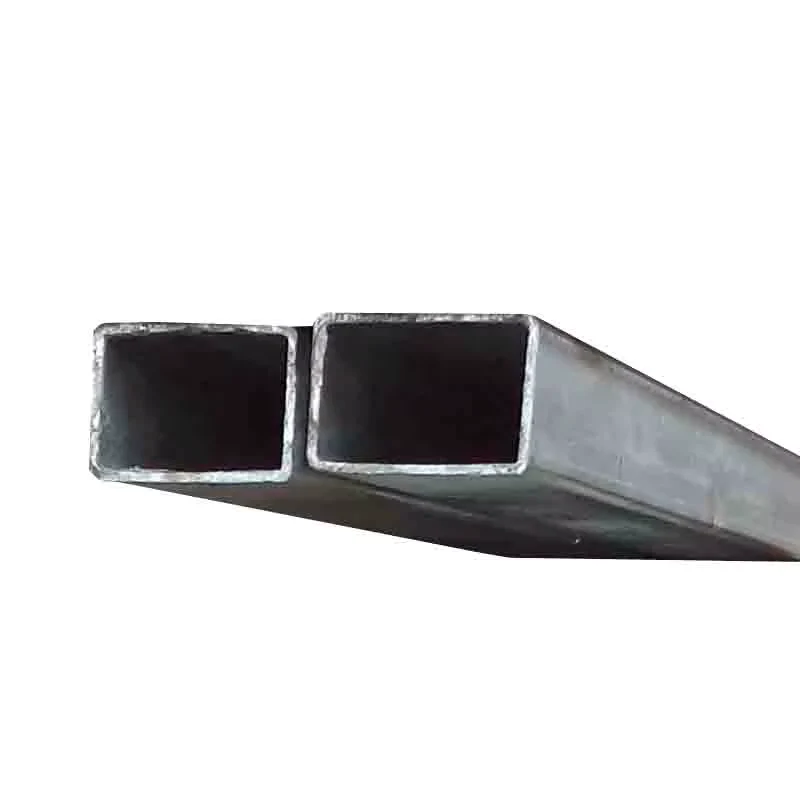

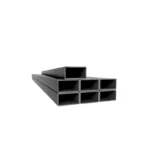
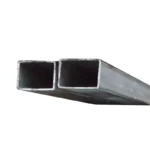
Description
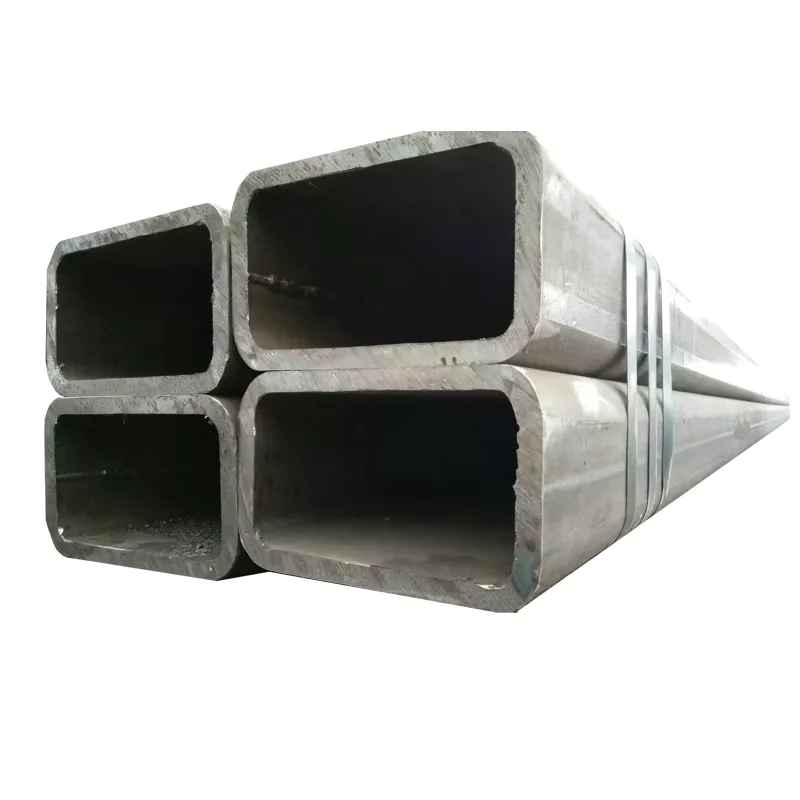
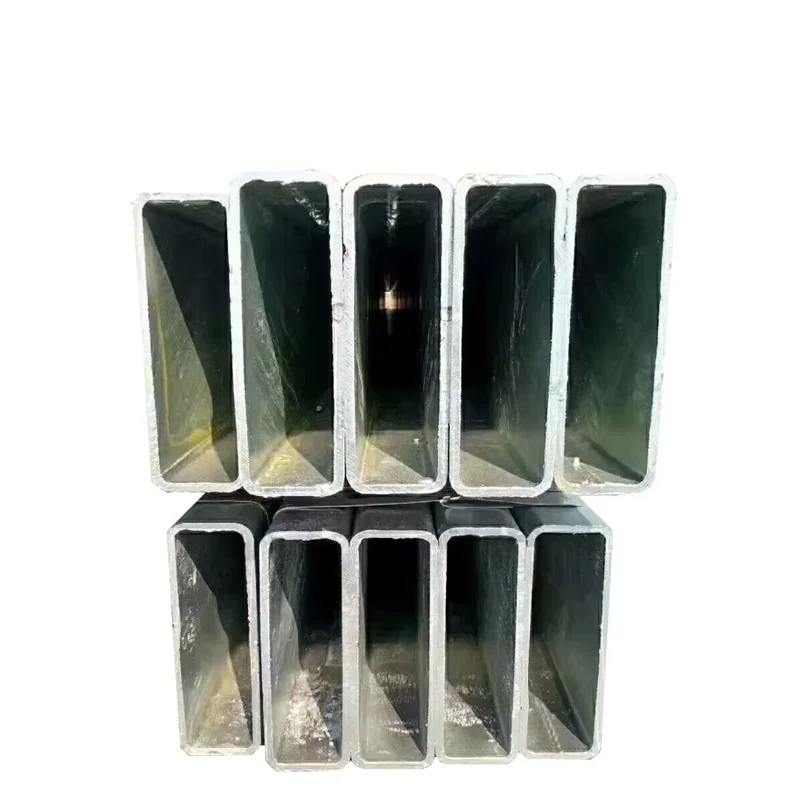
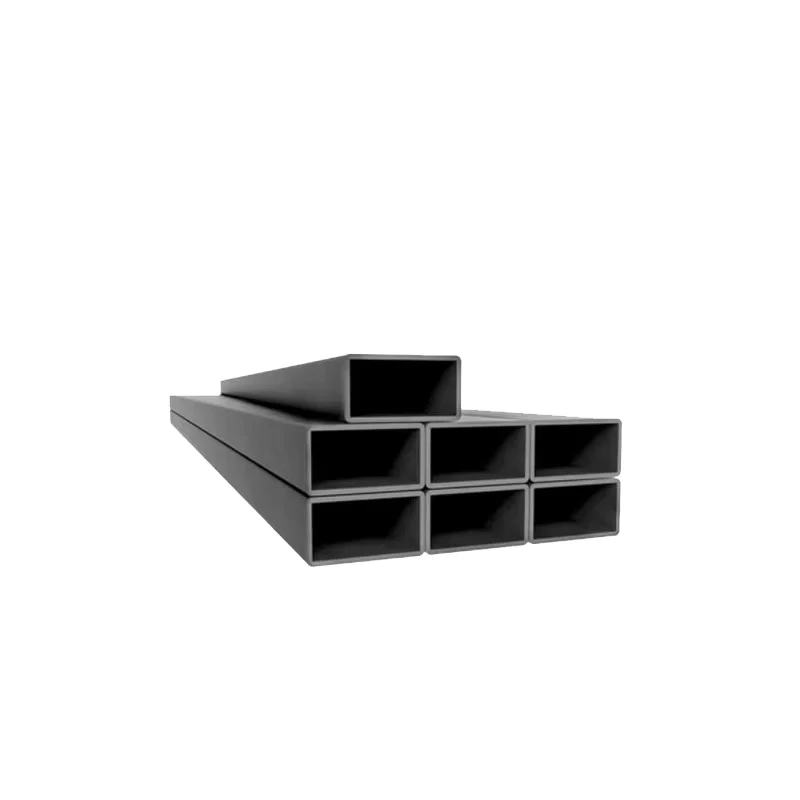
Factory-direct EN 10210 S355 rectangular steel tube manufacturer — raw steel from own mill to finished RHS, eliminating third-party material sourcing gaps.
Technical Specifications
| Parameter | Value |
|---|---|
| Designation | S355 Rectangular Steel Tube EN 10210 |
| Product Type | Rectangular Steel Tube (RHS) |
| Steel Grade | S235, S275, S355, STK400, Gr.B |
| Standard | EN 10210 / ASTM A500 / ASTM A53 / GB/T 3091 |
| Section Shape | Rectangular |
| Size Range | 15mm×20mm – 700mm×800mm |
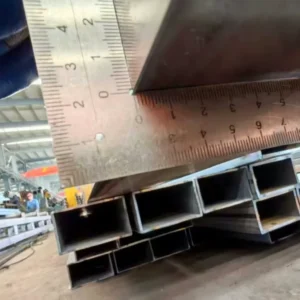
| Wall Thickness | 1 – 30 mm |
| Length | 5.8m / 6m / 11.8m / 12m / Random Length |
| Technique | Welded (ERW) / Seamless |
| Surface Treatment | Black Painting / Galvanized / Varnish / Bare |
| Tolerance | ±1% |
| Ends | Plain |
| Application | Steel structures, Construction frames, Curtain wall, Support tubes, Building structures |
| MOQ | 10 Tons |
| Origin | Shandong, China |
Application Suitability
| Industry | Typical Applications |
|---|---|
| EPC / General Contractors | Steel frame structures, column and beam assemblies for commercial buildings |
| Industrial Construction | Warehouse portal frames, factory roof trusses, mezzanine platforms |
| Architectural Facades | Curtain wall support tubes, decorative structural elements |
| Infrastructure | Bridge railings, sound barrier posts, sign gantry structures |
Material Traceability Gaps Kill Structural Steel Projects at Customs
S355 rectangular steel tube EN 10210 manufacturer with own steel mill controls every heat number from casting to finished tube.
When overseas buyers source RHS from trading companies or fragmented suppliers, material certificates often trace back to unknown mills — or worse, certificates that don’t match the actual chemistry. I’ve seen S355 tubes arrive at Jebel Ali with mill docs showing perfect numbers, only to fail SGS re-inspection and drop to S235 yield levels. The entire container gets held, the project timeline collapses, and someone pays for air freight replacements. [NEED_CITE: EN 10210 hot-finished hollow section material certification requirements]
The root cause is simple: when the fabricator doesn’t own the steel production, traceability breaks at the first handoff. Chemical composition records get “adjusted,” mechanical test reports get recycled across heat numbers, and buyers discover the problem only after port customs or third-party inspectors pull random samples.
How Wall Thickness Tolerance Affects Structural Load Calculations
For steel frame structures and warehouse portal frames, the ±1% wall thickness tolerance on EN 10210 S355 rectangular steel tube manufacturer products directly impacts section modulus and load-bearing capacity. When engineers specify 10mm wall thickness for a 300×200mm RHS column, they calculate buckling resistance based on that exact dimension. If actual walls run at the *ulative weight shortfall signals potential under-specification — and structural inspectors will flag it. Our own steel mill produces the raw plate and coil, so every heat number traces directly to our chemical composition records and mechanical test data. No middleman means no certificate manipulation.
Engineering Compliance for European and International Projects
Structural steel frames destined for EU markets must comply with EN 1090 execution classes, which require CE-marked hollow sections with full factory production control documentation. [NEED_CITE: EN 1090 structural steel fabrication certification for hollow sections] The S355 grade meets EN 10210 requirements for hot-finished structural hollow sections, while ASTM A500 Gr.B serves North American projects. For corrosive environments — coastal warehouses, chemical plant supports, outdoor infrastructure — hot-dip galvanized surface treatment provides long-term protection without field coating maintenance. Black painted or bare finishes suit indoor applications or projects where field welding and modification occur on-site. Custom lengths of 11.8m and 12m optimize container loading for overseas shipping, reducing per-ton freight costs on 40ft high-cube containers.
Understanding Steel Grade Selection for Rectangular Hollow Sections
The S-series steel grades (S235, S275, S355) follow European EN standards where the number indicates minimum yield strength in MPa — S355 delivers higher load capacity than S235 for the same cross-section, allowing engineers to reduce section sizes and save weight. Japanese STK400 serves similar structural applications in Asian markets, while ASTM A500 Gr.B covers North American specifications. [NEED_CITE: steel grade equivalence between EN 10210 and ASTM A500 standards] ERW welded production suits standard structural applications with cost efficiency, while seamless tubes handle critical load paths where weld seam integrity concerns exist. Surface treatment selection depends on the environment: galvanized coating protects outdoor structures for decades without maintenance, while black painting or varnish suits indoor frames where appearance matters or field welding is planned.
Hidden Costs of Sourcing from Non-Integrated Suppliers
When rectangular steel tubes arrive with certificates that don’t match actual material properties, the consequences extend far beyond replacement costs. Port customs hold the shipment pending re-inspection, project cranes sit idle waiting for verified materials, and structural engineers must recalculate connections if as-delivered grades differ from design assumptions. [NEED_CITE: material traceability requirements for structural steel in international construction projects] Negative tolerance abuse — where wall thickness consistently runs at the minimum allowed — reduces section properties below design intent, creating safety concerns that only surface during structural audits or load testing. The true cost isn’t the price difference between suppliers; it’s the schedule delay, re-engineering fees, and reputational damage when a project misses its completion date.
Why Project Procurement Teams Choose Vertically Integrated Manufacturers
Our own steel mill produces the raw material, our fabrication workshop forms and welds the tubes, and our in-house laboratory tests every heat number before release. This vertical integration means when you order S355 rectangular steel tube EN 10210 manufacturer products, the mill test certificate traces directly from our casting records through forming, welding, and final inspection — no third-party material sourcing creates gaps in the chain. We stock over 2,800 specifications covering the full size range from 15×20mm to 700×800mm, so project teams sourcing multiple section sizes consolidate orders with one supplier, one quality system, and one delivery schedule. CE certification under EN 1090 covers European market compliance, while ISO 9001 quality management and third-party inspection availability (SGS/BV) satisfy international project requirements. Custom non-standard dimensions and specific length requirements accommodate project-specific engineering needs without forcing standard catalog compromises.
Documentation & Compliance
- Mill test certificate documenting S355 chemical composition and mechanical properties per EN 10210, with heat number traceability to our own steel production
- CE certificate confirming EN 10210 compliance for hot-finished structural hollow sections, required for European construction projects under EN 1090
- ISO 9001 quality management certificate covering the complete production process from raw steel to finished rectangular tubes
- SGS or BV third-party inspection reports available for pre-shipment verification of dimensions, surface quality, and material properties
- Material traceability documentation linking each bundle to specific heat numbers, chemical composition records, and mechanical test results
- Complete customs documentation including packing list, bill of lading, and certificate of origin for destination country clearance
Packaging, Loading & Delivery
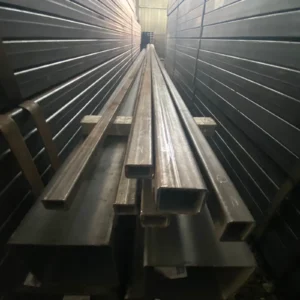
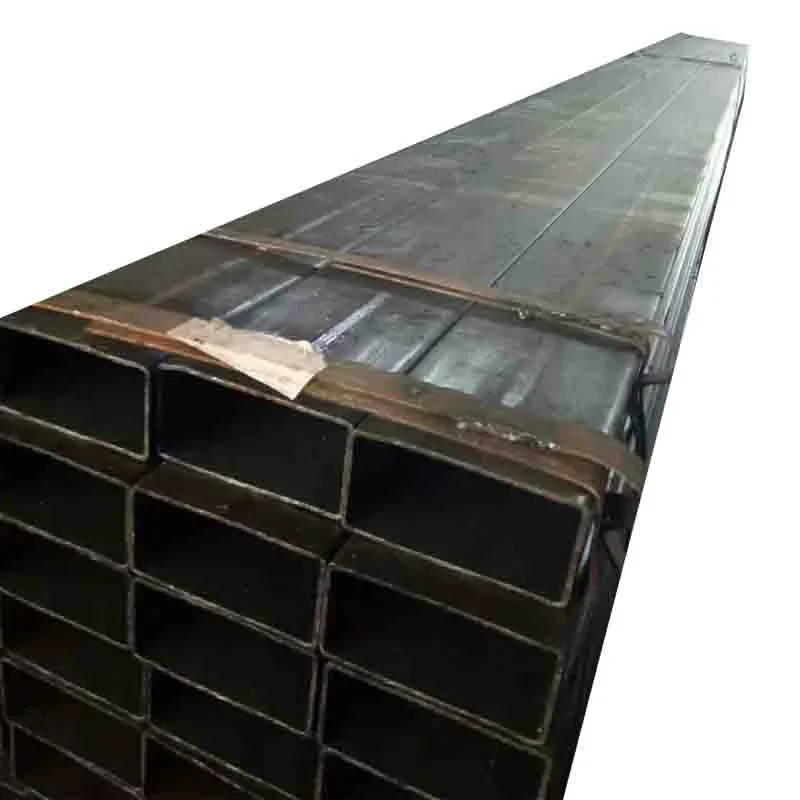
- S355 rectangular tubes bundled with steel strips and edge protectors to preserve surface treatment (galvanized coating or black painting) during ocean transit
- Galvanized RHS packed with waterproof wrapping and wooden separators to prevent zinc coating damage from moisture condensation in containers
- 11.8m and 12m lengths optimized for 40ft high-cube container loading, maximizing payload per shipment for international projects
- Plain ends protected with plastic caps to prevent damage during handling and to maintain dimensional accuracy at tube extremities
- Heat number and steel grade stenciled on each bundle for site identification and traceability verification during installation
- FOB, CIF, and DDP shipping terms available with professional loading plans for oversized RHS bundles to Middle East, Southeast Asia, and African ports
How to Request Quotation and Technical Documentation
Submit your project specifications including section dimensions, wall thickness, steel grade (S235/S275/S355/STK400/Gr.B), total quantity, surface treatment preference, and destination port. We respond within 24 hours with detailed pricing covering material, fabrication, coating, packing, and shipping costs, plus mill test certificate samples and production lead times. For non-standard dimensions or custom length requirements, share your engineering drawings and we provide fabrication feasibility assessment with shop drawing support.
Get Your EN 10210 S355 Rectangular Steel Tube Quote with Full Material Traceability
Send your specifications and quantity requirements to receive pricing, mill test certificate samples, and production schedule.
Company: Shandong Xin Jiyuan Special Steel Tube Co., Ltd
Website: www.xjystructure.com
Tel: +86 531 8573 6315
Mobile/WhatsApp/WeChat: +86 188 5315 7756
Email: admin@xjystructure.com
Address: No.11889, Jingshi West Road, Lulian Group, Jinan City, Shandong Province, China
Frequently Asked Questions
Q: What is the difference between EN 10210 S355 and ASTM A500 Gr.B rectangular tubes?
A: EN 10210 S355 follows European standards for hot-finished structural hollow sections with minimum yield strength of 355 MPa, while ASTM A500 Gr.B is the North American equivalent with different chemical composition limits and testing requirements. Both grades serve structural applications, but project specifications and local building codes determine which standard applies. We produce both standards and provide cross-reference documentation for international projects requiring material equivalence verification.
Q: Can you provide third-party inspection before shipment?
A: Yes, we welcome SGS, BV, or other internationally recognized inspection agencies to verify dimensions, surface quality, wall thickness, and material properties before shipment. Third-party inspection reports become part of the complete quality documentation package. We coordinate inspection scheduling with production completion to minimize delays and ensure containers load on planned vessel schedules.
Q: What surface treatment options are available for different environments?
A: Hot-dip galvanized coating provides long-term corrosion protection for outdoor structures, coastal environments, and industrial facilities without field maintenance. Black painting suits indoor applications or projects where appearance matters and environmental exposure is limited. Bare or varnish finishes work for projects requiring field welding, modification, or custom coating on-site. Surface treatment selection depends on the installation environment, design life expectations, and maintenance access considerations.
Q: Do you support custom non-standard dimensions and specific project lengths?
A: Yes, beyond our standard size range of 15mm×20mm to 700mm×800mm with 1-30mm wall thickness, we fabricate custom dimensions based on engineering drawings and project requirements. Specific lengths of 5.8m, 6m, 11.8m, and 12m optimize container loading, while random lengths accommodate special fabrication needs. Share your project drawings and we provide feasibility assessment with shop drawing support and production scheduling.
Q: How do you ensure material traceability from steel production to finished tubes?
A: Our vertically integrated operation controls the entire process from raw steel production in our own mill through forming, welding, and finishing. Every heat number traces to specific chemical composition records and mechanical test results from our in-house laboratory. Mill test certificates document the complete chain from casting to finished rectangular tubes, eliminating third-party sourcing gaps that create material certification uncertainties.