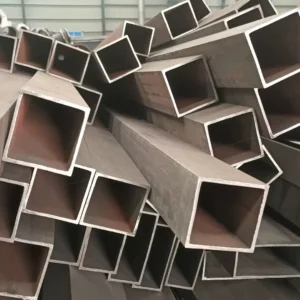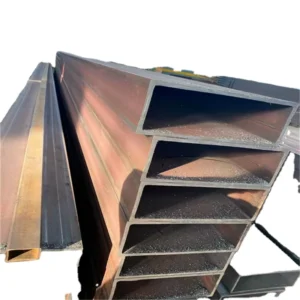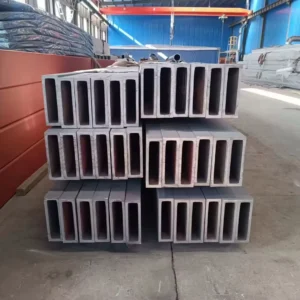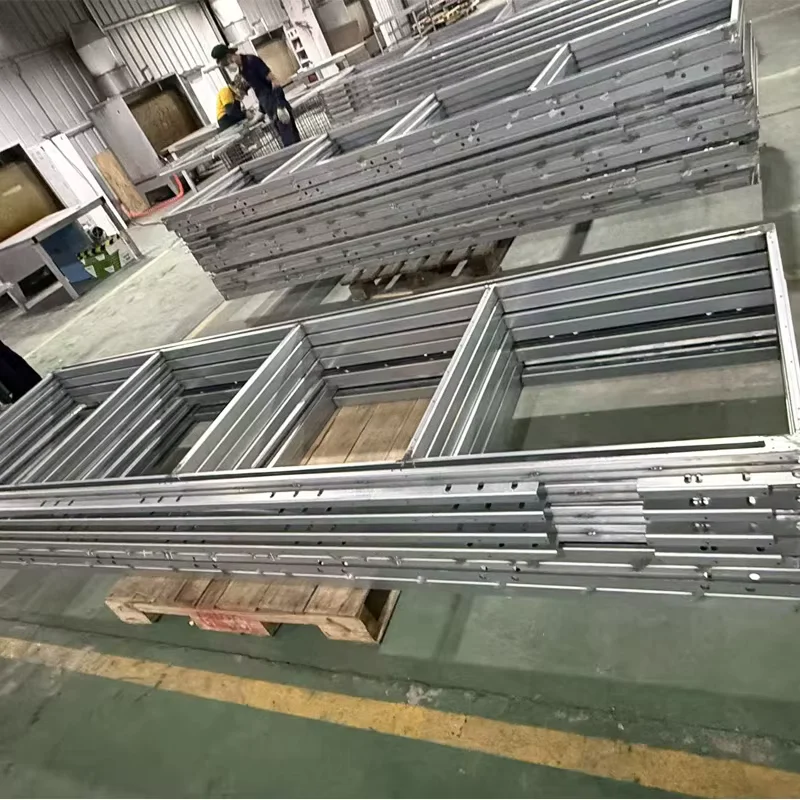
Description
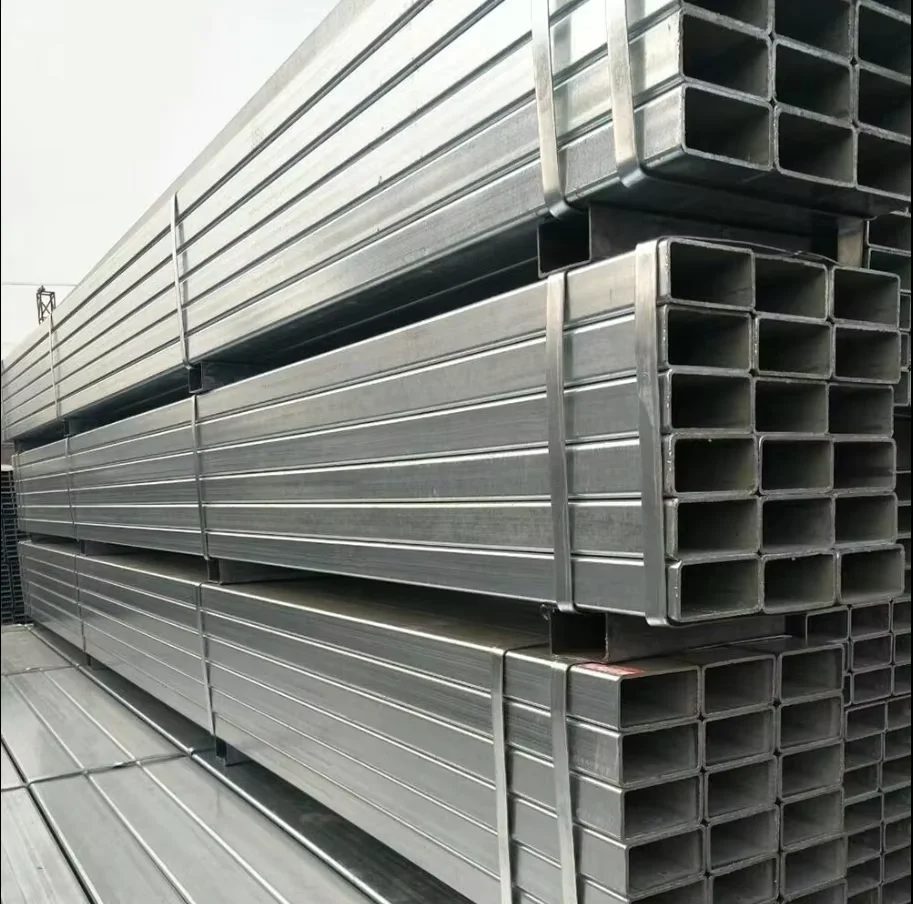
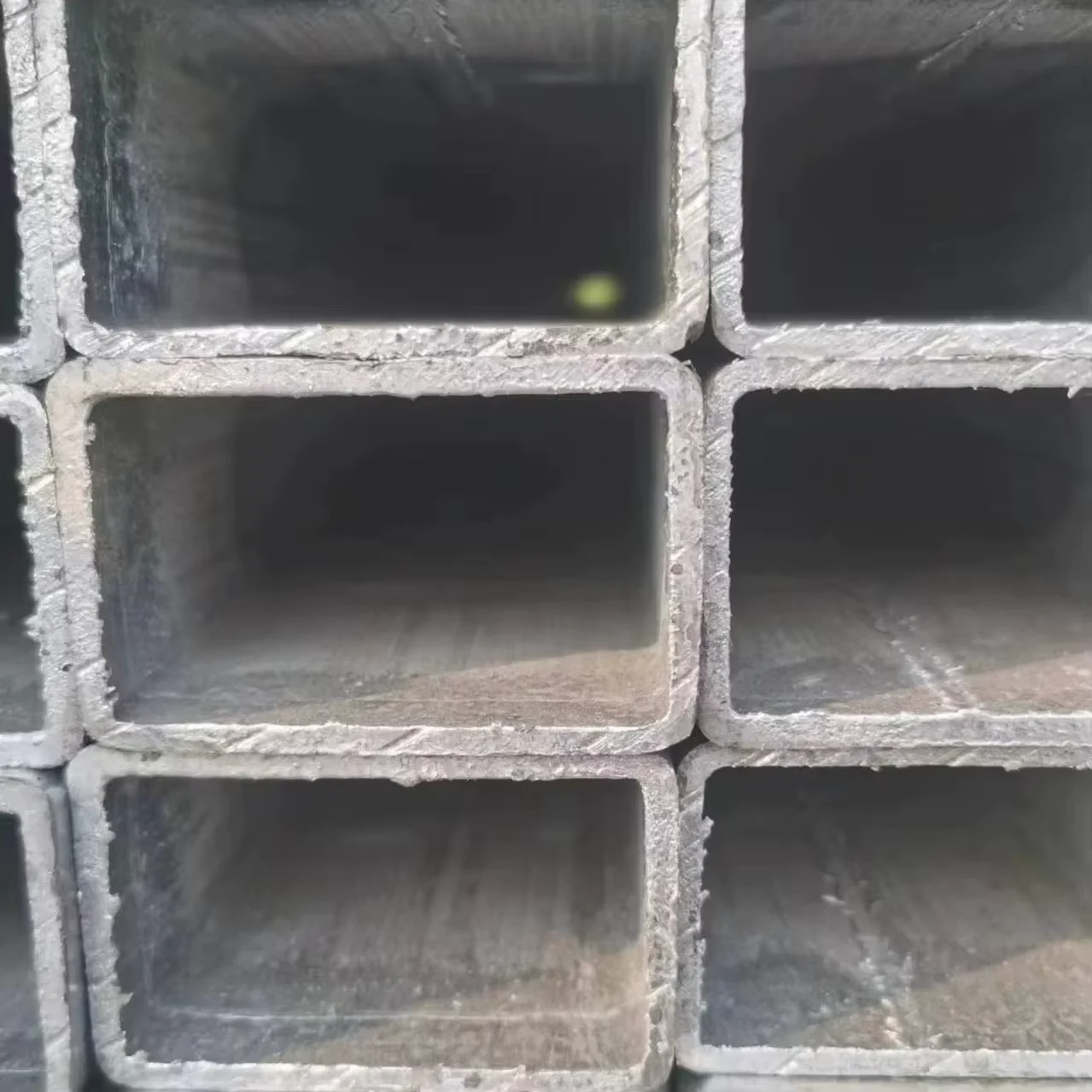
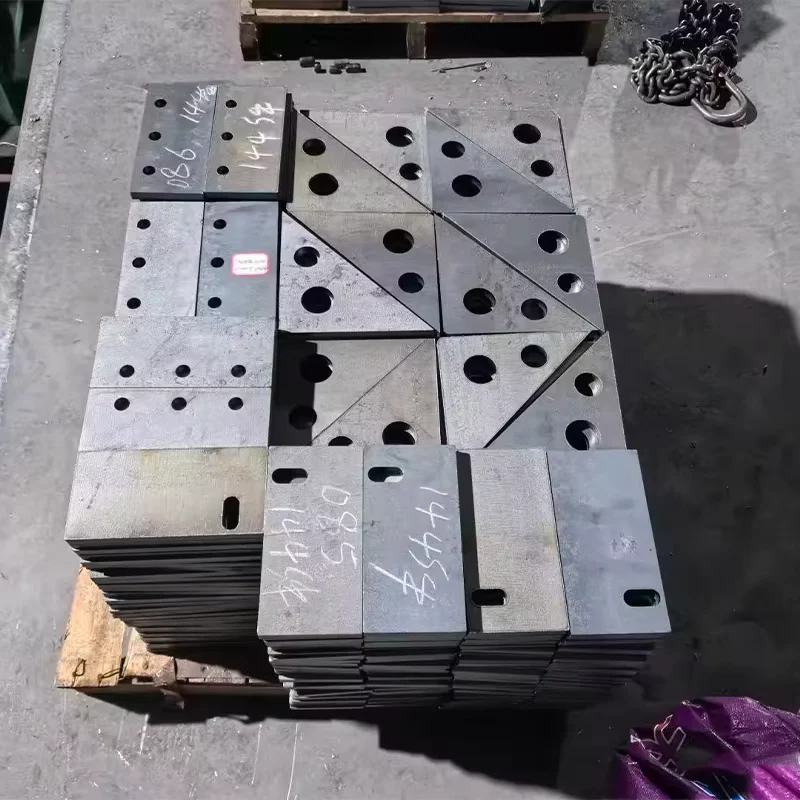
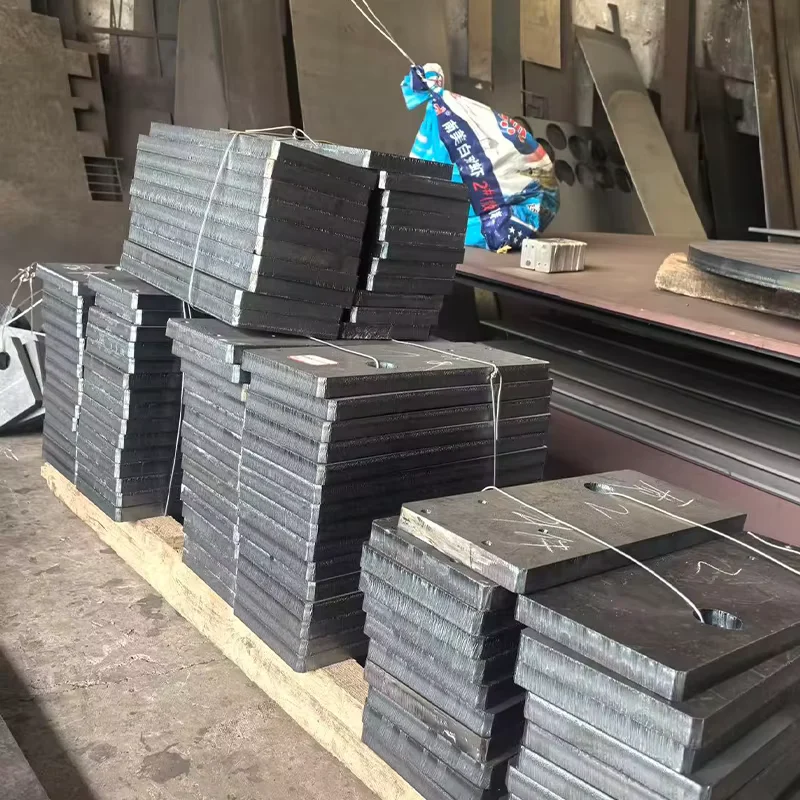
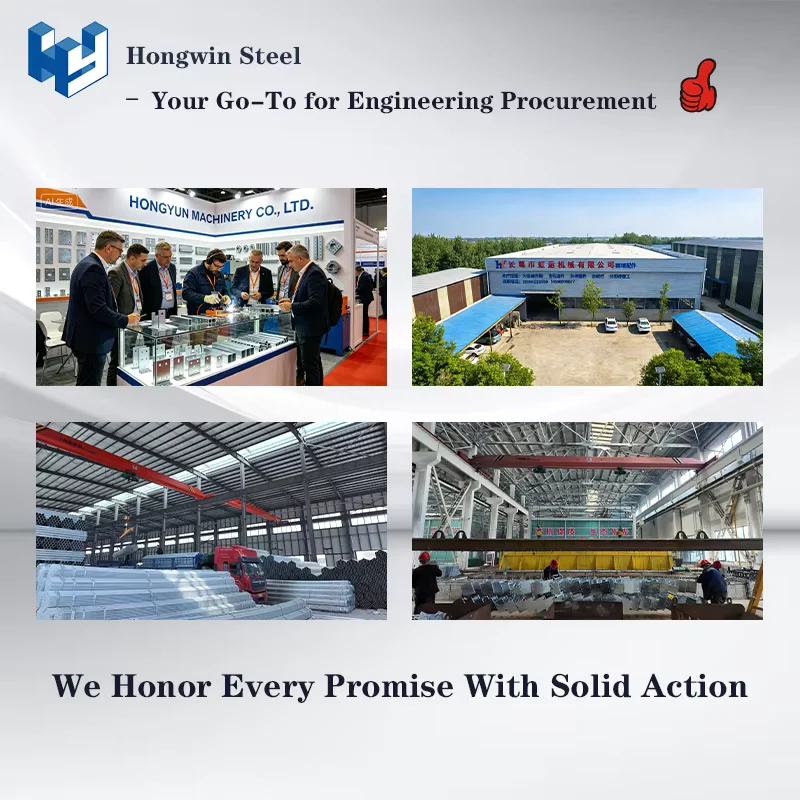
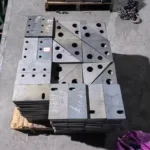
Factory-Direct Embedded Plates — Vertically integrated from our own steel mill to finished hot-dip galvanized components, eliminating third-party material sourcing gaps.
Technical Specifications
| Parameter | Value |
|---|---|
| Designation | Q235B/Q355B Embedded Steel Plate |
| Product Type | Machined Steel Product (Embedded Plate / Anchor Plate) |
| Steel Grade | Q235B, Q355B, Q235NH, Q355NH, 201, 304, 316L |
| Standard | GB (Q235B/Q355B), GB/T (Q235NH/Q355NH weathering steel grades) |
| Section Shape | Customized Shape (Flat Plate with Anchor Bars) |
| Thickness | Customized Thickness |
| Size | Customized Sizes Acceptable |
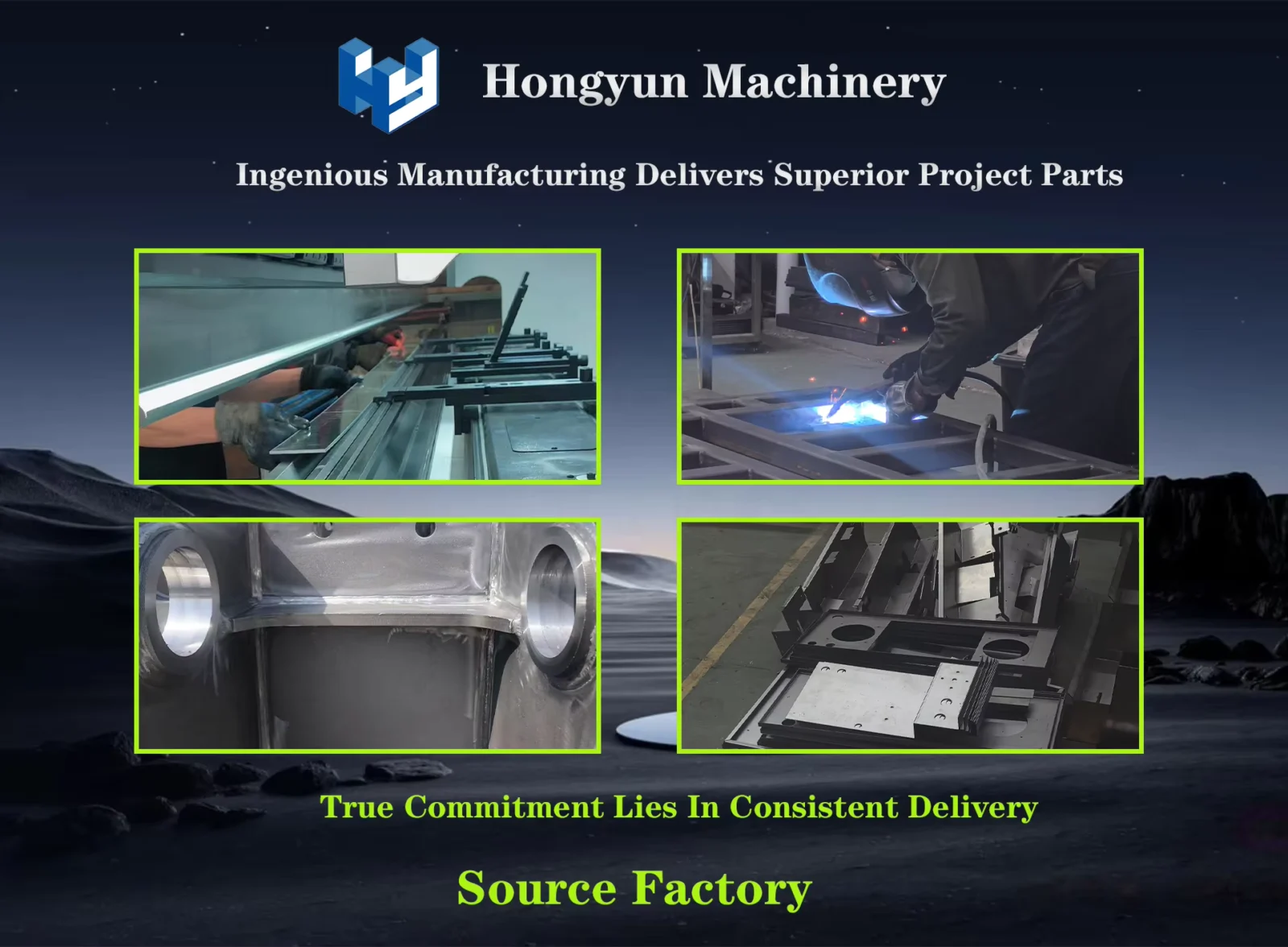
| Technique | Laser Cutting (±3mm precision), CNC Drilling, Full Welding |
| Surface Treatment | Hot-dip Galvanizing, Electroplated Galvanizing, Anti-rust Paint |
| Anchor Bar Length | Customizable |
| Application | Glass Curtain Wall Concrete Anchoring, Housing Construction, Bridge Construction, Curtain Wall Projects, Photovoltaic Projects |
| Origin | Shandong, China |
Application Suitability
| Industry | Typical Applications |
|---|---|
| Commercial Construction | Glass curtain wall anchoring systems for high-rise facades, precast concrete panel connections |
| Infrastructure EPC | Bridge embedded connectors, highway sound barrier foundations, tunnel lining anchor plates |
| Renewable Energy | Photovoltaic support structure foundation plates, wind turbine base anchoring components |
| Industrial Facilities | Factory building column base plates, equipment mounting anchors, crane rail connections |
Material Traceability Gaps Kill Curtain Wall Projects
When embedded plates fail third-party inspection, the entire concrete pour schedule collapses.
Outsourcing embedded plates to fabricators who source steel from third-party mills creates material certification chains with missing links. Project engineers receive mill test certificates that cannot be traced back to specific heat numbers, leaving concrete anchoring systems vulnerable to rejection during structural audits. [NEED_CITE: material traceability requirements for structural steel in construction projects] Hot-dip galvanizing thickness inconsistencies compound the problem — coatings below ISO 1461 minimums corrode prematurely in humid coastal environments, forcing costly rework after installation.
Precision Laser Cutting for Tight Concrete Bonding
Laser cutting achieves ±3mm tolerance on Q235B and Q355B embedded plates, ensuring burr-free edges that sit flush against formwork during concrete pouring. Anchor bars welded per approved WPS procedures maintain positional accuracy, preventing misalignment that would otherwise require on-site drilling through cured concrete. The Q235B Hot Dipped Galvanized Embedded Plate Manufacturer process integrates CNC drilling for anchor bolt holes and full penetration welding for load transfer, delivering components ready for immediate installation without secondary fabrication at the construction site.
Engineering Compliance for Structural Anchoring
Embedded plates in glass curtain wall systems must conform to project-specific structural calculations and local building codes. Q235B carbon steel suits standard indoor and moderate outdoor environments, while Q235NH and Q355NH weathering steel grades provide atmospheric corrosion resistance for exposed facades without additional coating maintenance. For coastal projects or chemical plant environments, 304 and 316L stainless steel embedded plates eliminate corrosion concerns entirely. Hot-dip galvanizing per ISO 1461 standards ensures zinc coating thickness meets minimum requirements for long-term corrosion protection, with coating reports included in the quality documentation package. [NEED_CITE: hot-dip galvanizing coating thickness standards for structural steel] Third-party inspection by SGS or BV verifies dimensional accuracy, welding quality, and coating thickness before shipment, providing project engineers with confidence that components will pass site acceptance testing.
Steel Grade Selection and Surface Treatment Trade-offs
Q235B offers cost-effective performance for standard construction applications where corrosion exposure remains limited. Q355B provides higher strength for heavy-load anchoring scenarios, though the premium over Q235B must be justified by structural calculations. Weathering steel grades Q235NH and Q355NH form protective patina layers that eliminate painting requirements, but initial material costs exceed standard carbon steel by a significant margin. Hot-dip galvanizing delivers 50+ years of corrosion protection in rural atmospheres and 20-25 years in industrial coastal environments, while electroplated galvanizing provides thinner coatings suitable for indoor applications. Anti-rust paint offers the lowest upfront cost but requires periodic maintenance and recoating throughout the structure’s service life. The Q235B Hot Dipped Galvanized Embedded Plate Manufacturer approach balances material grade selection with appropriate surface treatment based on project-specific environmental conditions and design life requirements.
Hidden Costs of Incorrect Material Specification
Specifying Q235B when structural calculations demand Q355B creates load capacity shortfalls that only surface during final inspection — forcing either structural redesign or complete component replacement. Ordering electroplated galvanizing for coastal curtain wall projects results in premature coating failure and rust staining on facade surfaces within months of installation. Missing mill test certificates or incomplete material traceability documentation triggers customs delays and project acceptance failures, with replacement lead times extending construction schedules by weeks. [NEED_CITE: consequences of non-compliant structural steel in construction projects] Dimensional tolerances exceeding ±3mm cause anchor bolt misalignment, requiring costly on-site modifications or custom adapter plates fabricated under time pressure.
Why Project Teams Source Embedded Plates From Us
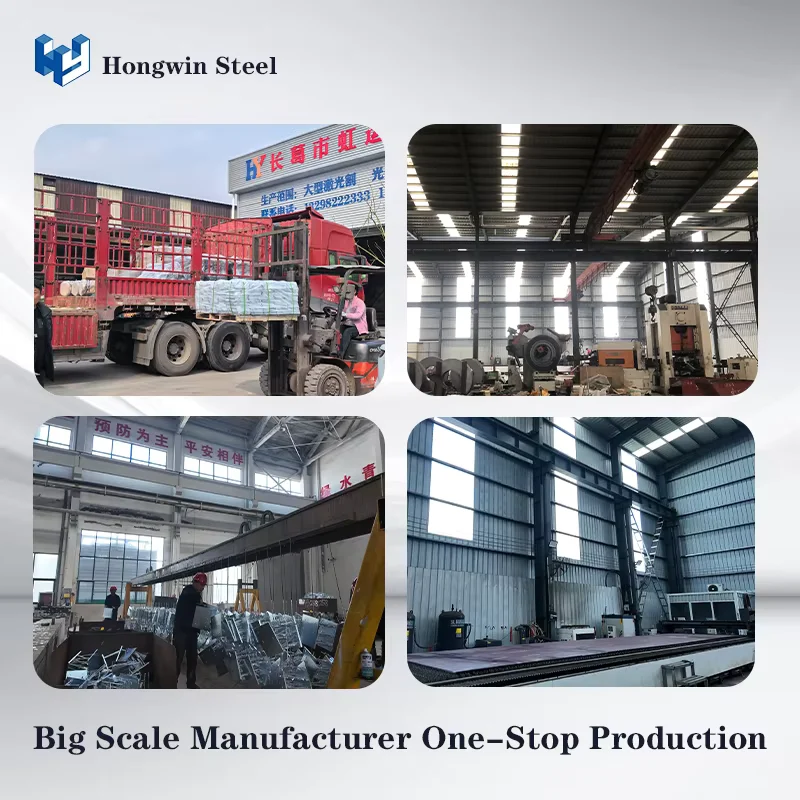
Our vertically integrated supply chain begins at our own steel mill with three production lines and over 2,800 raw material specifications, ensuring complete material traceability from billet to finished embedded plate. Every Q235B Hot Dipped Galvanized Embedded Plate Manufacturer order includes mill test certificates with chemical composition and mechanical properties tied to specific heat numbers. Laser cutting, CNC drilling, and welding operations occur in our fabrication workshop under certified quality procedures, with dimensional inspection reports documenting tolerance compliance. Hot-dip galvanizing performed under our quality system ensures coating thickness meets ISO 1461 requirements, with coating inspection reports included in the documentation package. Engineering support covers shop drawing review and material optimization, reducing waste and ensuring fabrication sequences align with installation schedules. Professional packing and loading planning prevents coating damage during ocean transit, while complete export documentation packages streamline customs clearance at destination ports.
Documentation & Compliance
- Mill test certificate documenting Q235B/Q355B chemical composition and mechanical properties per GB standards, with heat number traceability
- Hot-dip galvanizing coating thickness inspection report per ISO 1461, verifying zinc layer meets minimum requirements for project environmental conditions
- Dimensional inspection report confirming laser cutting tolerance ±3mm and anchor bar welding positional accuracy
- Welding procedure specification (WPS) and welder qualification certificates per AWS or EN standards
- Material traceability documentation linking each embedded plate to specific heat numbers and mill test certificates
- Complete export documentation package including packing list, bill of lading, and certificate of origin for customs clearance
Packaging, Loading & Delivery
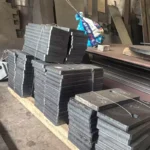
- Q235B and Q355B embedded plates bundled with edge protectors and steel strips to preserve hot-dip galvanized coating during ocean transit
- Surface treatment protection through plastic wrapping or waterproof paper interleaving prevents zinc coating damage from moisture exposure during container shipping
- Custom size optimization for container loading maximizes payload per shipment, with flat plate geometry enabling efficient stacking without coating abrasion
- Laser cutting to project-specific dimensions eliminates on-site cutting requirements, with each plate marked with heat number and steel grade for site identification
- Anchor bar length customization ensures components arrive ready for immediate installation, reducing on-site welding and fitting labor requirements
- FOB, CIF, and DDP shipping terms available with professional loading planning for oversized cargo and complete tracking until site delivery
Initiating Your Embedded Plate Inquiry
Submit project drawings in PDF or DWG format along with steel grade requirements, surface treatment specifications, and quantity per size to receive a detailed quotation within 24 hours. Our engineering team reviews shop drawings for material optimization and fabrication sequencing before production begins, ensuring the Q235B Hot Dipped Galvanized Embedded Plate Manufacturer process aligns with your installation schedule. Confirm certification requirements and third-party inspection needs upfront to include all quality documentation in the quotation package.
Frequently Asked Questions
Q: What steel grade should I specify for coastal curtain wall projects?
A: For coastal environments with high chloride exposure, 304 or 316L stainless steel embedded plates provide superior corrosion resistance without coating maintenance. If budget constraints require carbon steel, Q235B or Q355B with hot-dip galvanizing per ISO 1461 offers 20-25 years of protection in industrial coastal atmospheres, though periodic inspection is recommended.
Q: How do you ensure hot-dip galvanizing coating thickness meets project requirements?
A: Each Q235B Hot Dipped Galvanized Embedded Plate Manufacturer batch undergoes coating thickness inspection using magnetic gauges per ISO 1461 standards. Coating inspection reports document average and minimum thickness values, with results tied to specific batch numbers for traceability. Third-party inspection by SGS or BV can be arranged for independent verification.
Q: Can you fabricate non-standard embedded plate shapes per our engineering drawings?
A: Yes, laser cutting technology achieves ±3mm tolerance on customized shapes including flat plates with anchor bars, bent plates, and complex geometries per project drawings. CNC drilling provides precise hole positioning for anchor bolts, and full welding per approved WPS procedures ensures structural integrity of all connections.
Q: What quality documentation accompanies embedded plate shipments?
A: Each shipment includes mill test certificates with chemical composition and mechanical properties, hot-dip galvanizing coating thickness reports, dimensional inspection reports, welding procedure specifications, and welder qualification certificates. Complete export documentation packages include packing lists, bills of lading, and certificates of origin for customs clearance.
Q: What is the typical production lead time for custom embedded plates?
A: Production lead times depend on order complexity, quantity, and surface treatment requirements. Standard Q235B embedded plates with hot-dip galvanizing typically require typical production lead times from drawing approval to shipment readiness. Confirm specific timelines during quotation based on current production scheduling.
Request Your Embedded Plate Quotation
Submit project drawings with steel grade, surface treatment, and quantity requirements to receive detailed pricing and mill test certificate samples within 24 hours.
Contact: Shandong Xin Jiyuan Special Steel Tube Co., Ltd
Website: www.xjystructure.com
Tel: +86 531 8573 6315
Mobile/WhatsApp/WeChat: +86 188 5315 7756
Email: admin@xjystructure.com
Address: No.11889, Jingshi West Road, Lulian Group, Jinan City, Shandong Province, China