
EN10219 S355JR Steel Fabricator vs Regional Distributor Wholesale
EN10219 S355JR Steel Fabricator vs Regional Distributor Wholesale
“In stock” does not mean “certified.”
For EPC contractors and procurement managers in emerging markets, the choice between a regional distributor and a direct EN10219 S355JR Steel Fabricator vs Distributor decision often hinges on immediate availability versus long-term compliance. While local distributors offer speed, they frequently lack traceable EN10219 certification and strict tolerance control, leading to site rejections. Direct fabrication ensures full regulatory compliance for critical structural projects, mitigating the hidden costs of non-compliance fines and re-work, despite potentially longer lead times.
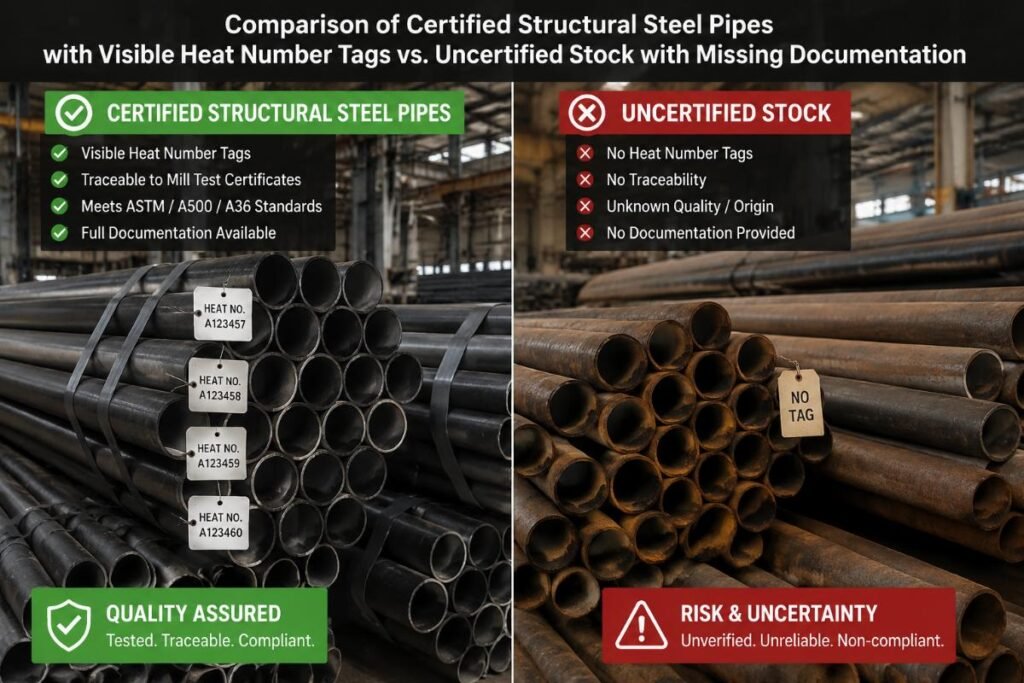
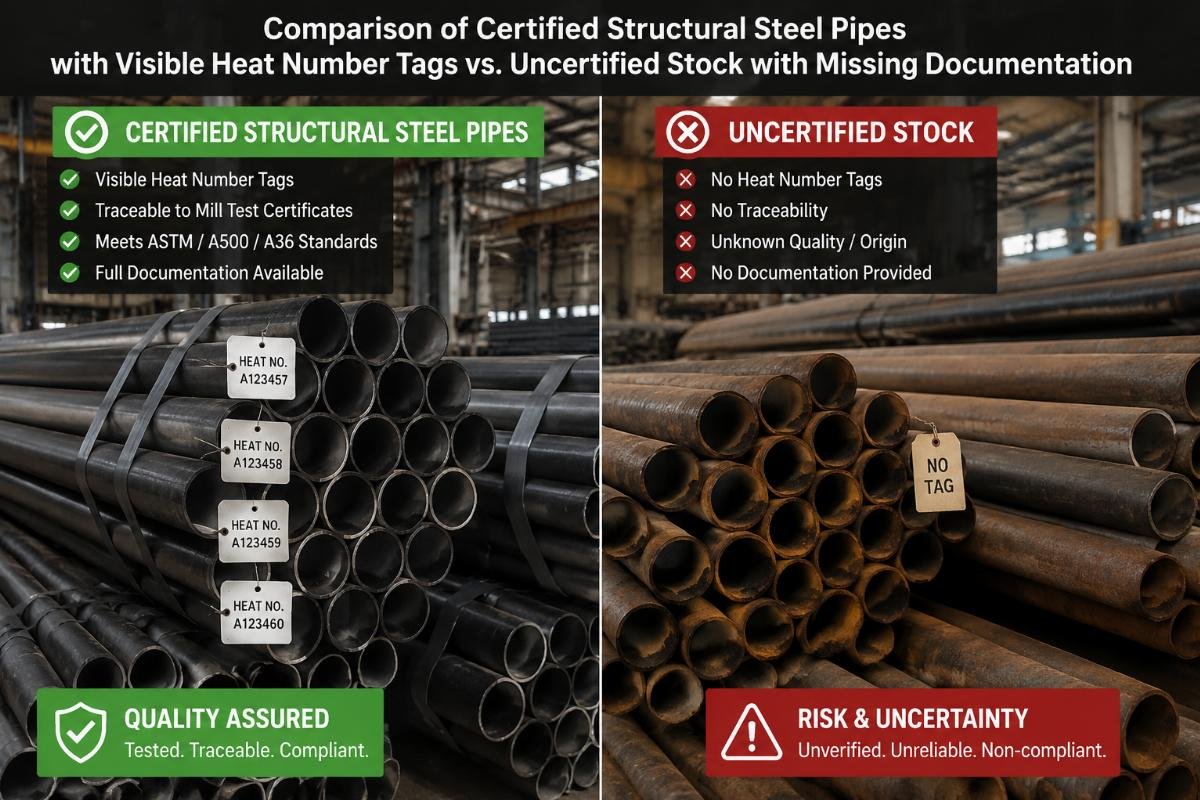
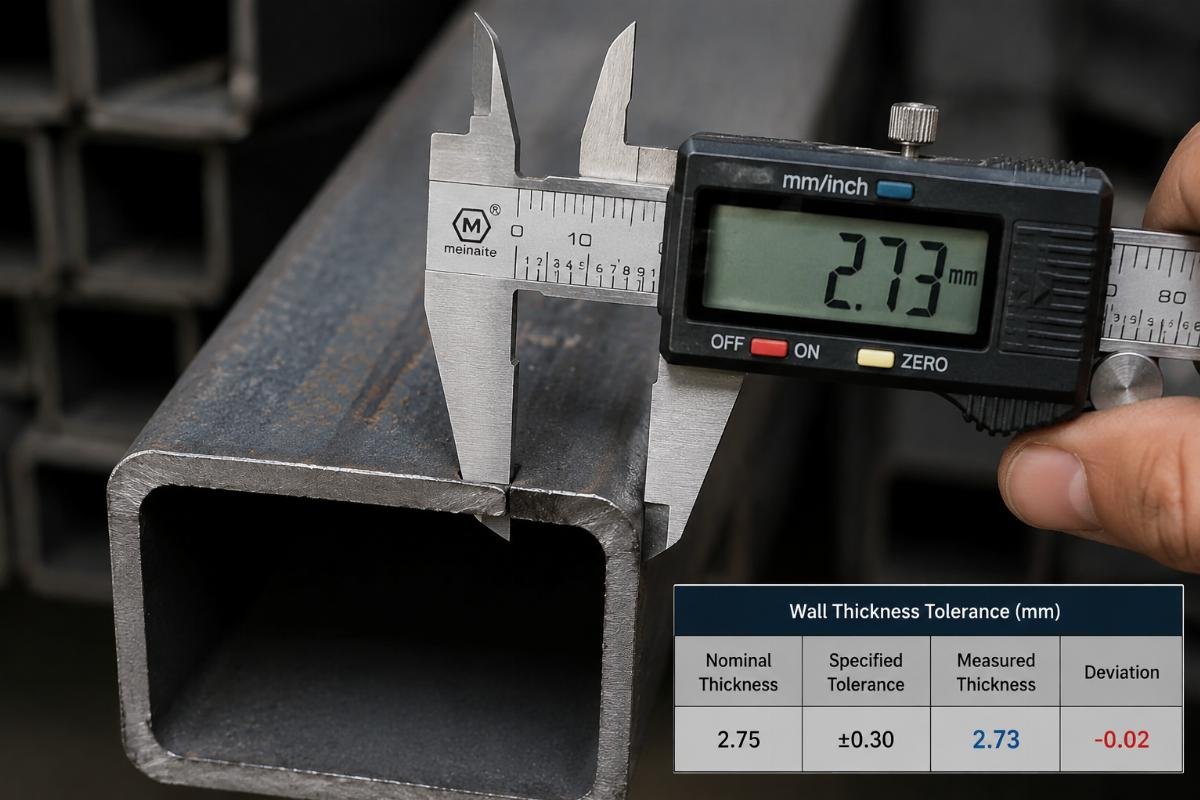
I still remember the humidity in the Lagos warehouse when the site manager threw a caliper onto a stack of Rectangular Hollow Sections (RHS). He had measured three consecutive tubes, and every single one failed the wall-thickness tolerance check. The deviation was significant enough to trigger an immediate stop-work order from the supervising engineer. The steel had been purchased from a local regional distributor because it was “in stock” and cheap. But when asked for the Mill Test Certificate (MTC) with traceable heat numbers matching the physical tags on the tubes, the supplier could only produce a generic batch certificate that did not align with the delivered goods. The result was a complete rejection of the shipment. I later helped source a replacement batch directly from a certified manufacturer in China. This time, every tube came with a verifiable 3.1 MTC, and the dimensional tolerances were within the strict limits required by EN10219. That incident highlighted a critical gap in the supply chain: the difference between selling steel and supplying compliant structural components.
This experience is not unique to West Africa. Across emerging markets in the Middle East and Southeast Asia, the pressure to meet tight construction schedules often pushes buyers toward local stockists. However, the risk of mixing batches without traceability is high. Understanding the technical and commercial distinctions in the EN10219 S355JR Steel Fabricator vs Distributor debate is essential for avoiding costly project delays.
Why Did the Site Manager Reject the Local Steel?
The rejection in Lagos was not due to a lack of steel quality in a general sense, but a failure in specific structural compliance. EN10219 is a European standard for cold-formed welded structural hollow sections. It demands rigorous control over chemical composition, mechanical properties, and dimensional tolerances. Regional distributors often source from multiple mills or even mix leftover stocks from different production runs to fill orders quickly. [NEED_CITE: requirements for traceability in structural steel standards]
When a distributor mixes batches, the heat numbers on the physical tags may not match the certificates provided. For a structural engineer, this is a red flag. Without a direct link between the physical material and its test results, the steel cannot be verified for load-bearing applications. Furthermore, cold-formed sections like SHS and RHS have tighter tolerance requirements than hot-finished products. A deviation in wall thickness affects the section modulus and, consequently, the load-bearing capacity of the structure.
In the case of the Lagos project, the local supplier had provided standard commercial-grade tubing that looked identical to structural steel but had not undergone the specific forming and testing protocols required by EN10219. The wall thickness variation exceeded the allowable percentage, compromising the structural integrity calculations. This is a common pitfall when buyers assume that “S355JR” stamped on a tube guarantees compliance. The grade indicates the yield strength, but the standard dictates how that strength is achieved and verified.
The cost of this error was not just the price of the steel. It included the demurrage charges for the rejected container, the labor cost of unloading and reloading, and the delay in the construction schedule. In contrast, sourcing from a dedicated EN10219 S355JR Steel Fabricator vs Distributor channel ensures that the product is manufactured, tested, and documented as a single, traceable unit. The fabricator controls the entire process from coil slitting to final cutting, ensuring that the MTC reflects the exact batch delivered.
Fabricator vs. Distributor: A Cost & Compliance Matrix
To make an informed decision, procurement managers must look beyond the unit price per ton. The total landed cost includes certification validity, customization capabilities, and the risk of non-compliance. The following matrix compares the typical offerings of regional distributors against direct manufacturers.
| Feature | Regional Distributor | Direct Manufacturer (Fabricator) |
|---|---|---|
| Certification Validity | Often generic or mixed-batch; traceability may be broken. | Full 3.1 MTC with heat number traceability; EN10219/EN10210 compliant. |
| Tolerance Control | Variable; depends on original mill and storage conditions. | Strict control; in-house laboratory verification before shipping. |
| Customization | Limited to standard lengths and sizes in stock. | Custom non-standard cuts, drilling, and surface treatment available. |
| Lead Time | Short (if in stock); unpredictable if back-ordered. | Longer initial lead time; consistent for repeat orders. |
| MOQ Flexibility | High flexibility for small quantities. | Flexible via mixed-container consolidation; efficient for large volumes. |
| Technical Support | Minimal; focused on sales transactions. | Engineering support for section selection and compliance queries. |
[NEED_CITE: comparison of supply chain transparency in steel distribution]
A project in Addis Ababa illustrated the financial benefit of direct fabrication. The contractor needed a variety of structural sections for an industrial park. By consolidating different specifications into a single container from a Chinese manufacturer, they saved a significant portion of the total landed cost compared to buying from local intermediaries who added multiple markups. More importantly, the manufacturer provided full MTCs for every item, which streamlined the approval process with the local *n Jiyuan is the ability to provide custom solutions. For a car park project in Johannesburg, the engineering design required non-standard S355J2 cuts with specific shot blasting finishes. A local distributor could only supply standard lengths, which would have resulted in substantial on-site waste and additional labor for cutting and cleaning. The fabricator delivered pre-cut, pre-treated components that fit the design exactly, eliminating nearly a third of the on-site labor waste. This level of service is rarely available through standard distribution channels.
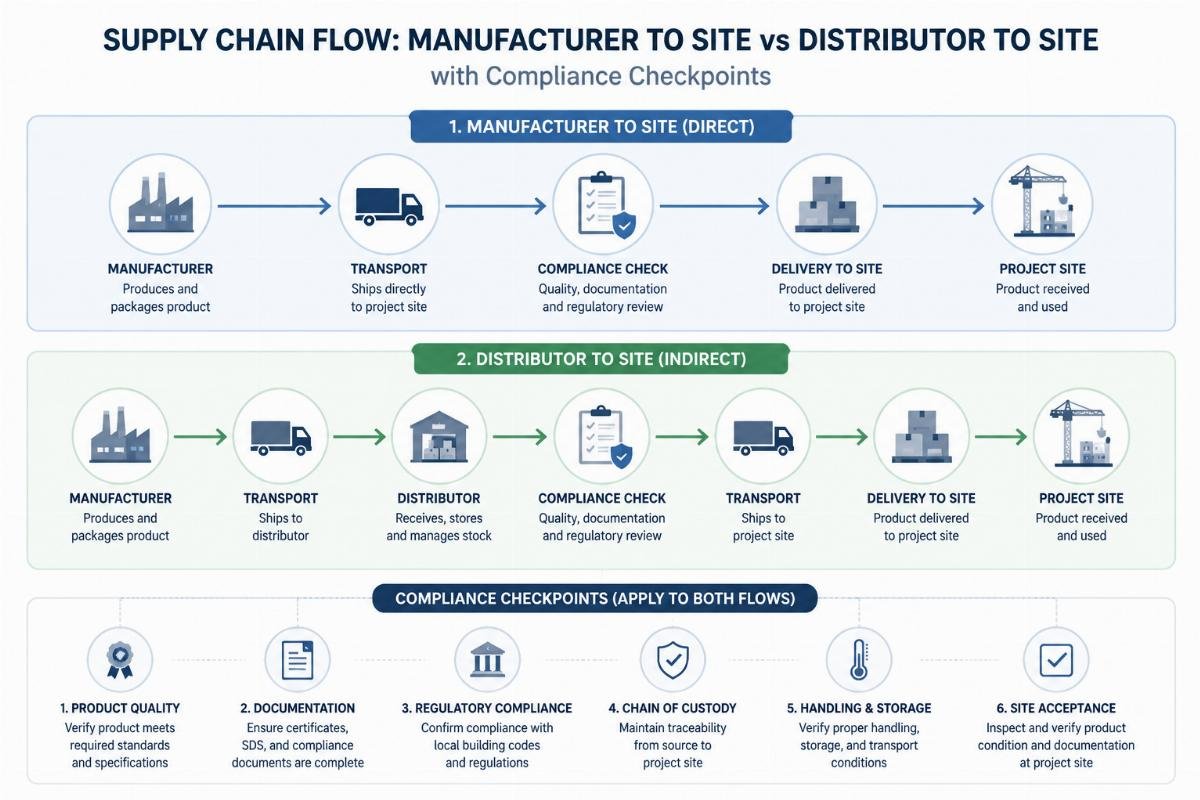
When evaluating the EN10219 S355JR Steel Fabricator vs Distributor options, consider the scale and complexity of your project. For simple, non-critical applications, local stock may suffice. For structural frameworks where safety and compliance are paramount, direct fabrication offers a safer and often more economical path.
The Hidden Risks of “Available Stock” in Emerging Markets
The phrase “available stock” is a powerful motivator in fast-paced construction environments. However, in many emerging markets, this availability comes with hidden risks. Distributors often aggregate steel from various sources to maintain inventory levels. This practice can lead to batch mixing, where materials from different heats or even different mills are stored together. [NEED_CITE: risks of batch mixing in steel distribution]
Without strict inventory management, it becomes difficult to maintain traceability. If a quality issue arises later, identifying the affected batch is nearly impossible. This lack of traceability is a major concern for insurance providers and structural engineers. They require proof that the steel used in a building meets the specified standards. A generic certificate from a distributor does not provide this proof.
Another risk is the condition of the stock. Steel stored in open yards in humid climates can suffer from surface corrosion or damage. While this may not affect the structural integrity immediately, it can complicate welding and coating processes. Direct manufacturers typically ship products fresh from production, often with protective packaging or immediate surface treatment, ensuring better condition upon arrival.
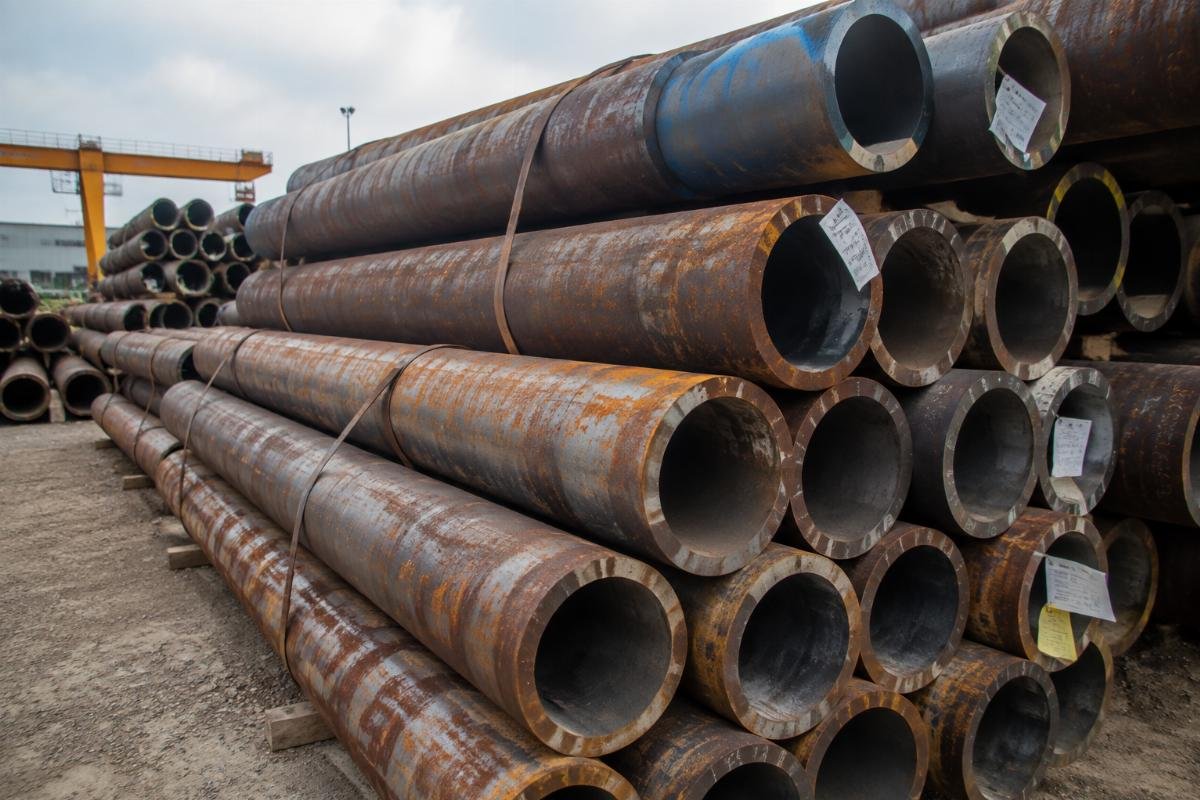
Furthermore, “in stock” items may not be the exact grade required. S355JR is a common grade, but variations in impact testing temperatures (J0, J2) are critical for certain environments. A distributor might substitute a similar grade if the exact specification is unavailable, without fully informing the buyer. This substitution can lead to failure in low-temperature environments or under dynamic loads. Direct fabrication ensures that the exact grade and sub-grade are produced and tested according to the order specifications.
How to Verify EN10219 Compliance Before Shipping
Verification is the best defense against non-compliance. Buyers should implement a strict checklist before approving any shipment, whether from a distributor or a manufacturer. The core of this verification is the Mill Test Certificate (MTC).
An EN10219 compliant MTC must include specific data points. It should list the heat number, which must match the tags on the physical steel. The certificate should detail the chemical composition, including carbon, manganese, and sulfur levels, as well as mechanical properties like yield strength, tensile strength, and elongation. For EN10219, impact test results at specified temperatures are also crucial. [NEED_CITE: checklist for EN10219 Mill Test Certificate verification]
Buyers should also request evidence of dimensional tolerance checks. This includes measurements of outer diameter, wall thickness, and straightness. For cold-formed sections, the corner radius and weld quality are also important parameters. A reputable manufacturer will have an in-house laboratory that performs these tests and can provide summary reports or even raw data upon request.
Third-party inspection is another effective tool. Agencies like SGS or Bureau Veritas can conduct pre-shipment inspections to verify quantity, dimensions, and documentation. This adds an layer of independent verification, reducing the risk of disputes upon arrival. For large projects, witnessing the testing process at the factory can provide additional confidence.

When dealing with a EN10219 S355JR Steel Fabricator vs Distributor, the ease of obtaining this documentation varies. Manufacturers are accustomed to providing detailed technical data as part of their standard service. Distributors may struggle to provide specific batch data if their inventory is mixed. Therefore, requesting sample MTCs during the quotation phase can help assess the supplier’s capability and transparency.
When to Choose Direct Fabrication for Structural Projects
Direct fabrication is the preferred choice for projects with high technical complexity, large volumes, or strict compliance requirements. If your project involves critical load-bearing structures, such as bridges, high-rise buildings, or industrial facilities, the assurance of EN10219 compliance is non-negotiable.
Projects requiring custom sizes or special surface treatments also benefit from direct fabrication. Standard distributor stock is limited to common dimensions. If your design calls for non-standard sections, a manufacturer can produce them to exact specifications, reducing waste and simplifying installation. Surface treatments like shot blasting, painting, or galvanizing can be integrated into the production line, ensuring better adhesion and durability than post-purchase application.
Additionally, for projects in remote locations or those with tight logistical constraints, direct shipping from the manufacturer can be more efficient. Mixed-container consolidation allows buyers to combine different products into a single shipment, optimizing freight costs and simplifying customs clearance. This approach is particularly effective for buyers in Africa and the Middle East, where logistics can be challenging.
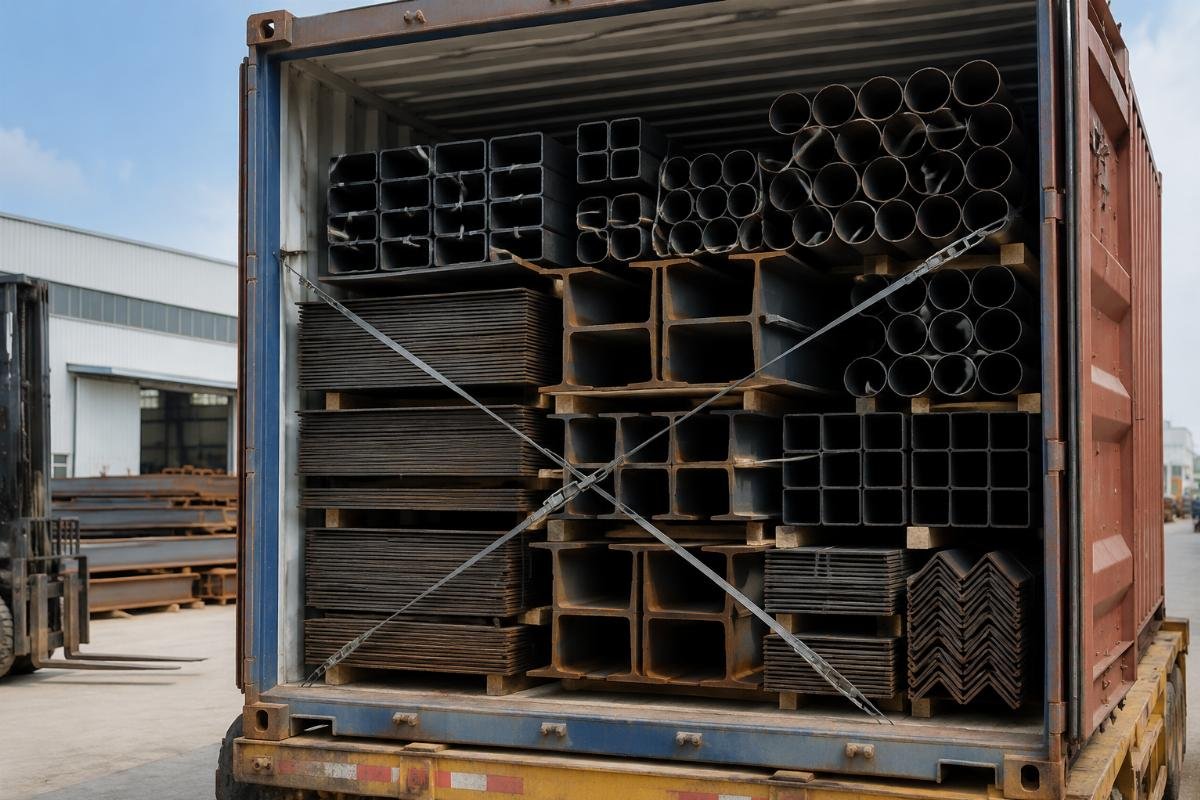
Ultimately, the decision in the EN10219 S355JR Steel Fabricator vs Distributor debate depends on your project’s specific needs. While distributors offer convenience for small, non-critical purchases, direct fabrication provides the compliance, customization, and cost-efficiency required for serious structural engineering projects. By prioritizing traceability and quality control, buyers can avoid the hidden costs of non-compliance and ensure the long-term integrity of their structures.
Conclusion
Compliance is not optional; it is foundational.
Choosing between a regional distributor and a direct manufacturer requires a clear understanding of the trade-offs between speed and certainty. For structural projects where safety and regulatory adherence are critical, the traceability and customization offered by direct fabrication outweigh the immediate availability of local stock. Verify your supply chain, demand proper documentation, and prioritize long-term project integrity over short-term convenience.
Tags
Share this article

Written by
author
Editor covering global sourcing, supplier verification, and industrial product knowledge. Content is compiled from manufacturer specifications, industry standards, and hands-on experience with international B2B buyers. Every article is fact-checked before publishing to help procurement professionals make informed decisions.
View all posts →Keep Reading
Related Articles
August 13, 2026
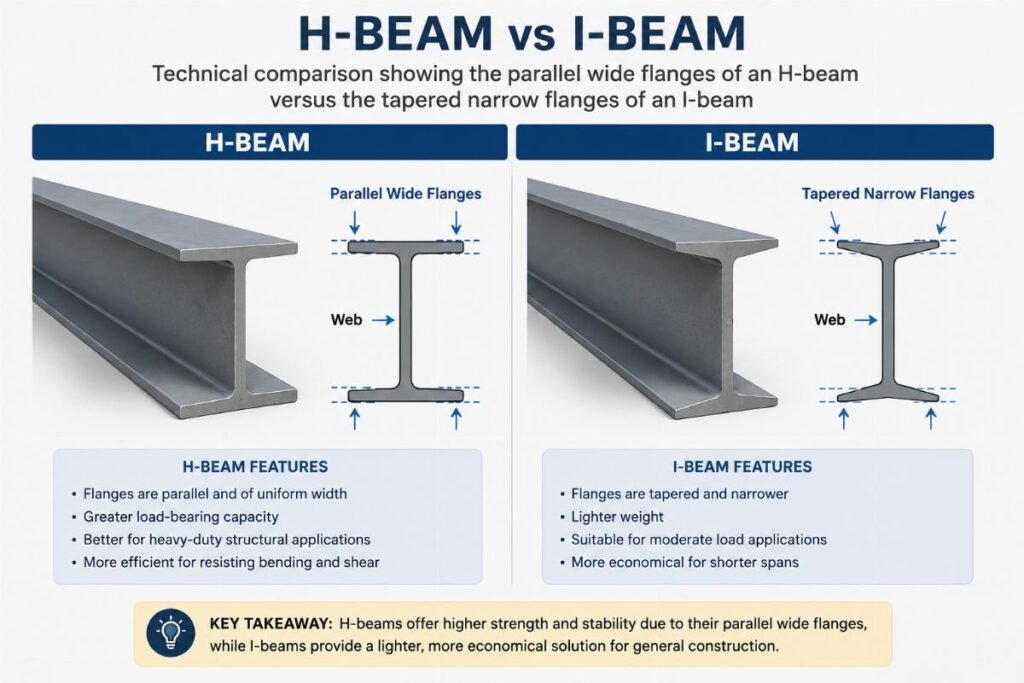
H-Beam vs I-Beam: EN-Certified Manufacturer for Construction Wholesale
H-beams and I-beams are not interchangeable structural components, making precise H-beam vs I-beam selection critical for project safety. Wide parallel...
Read article →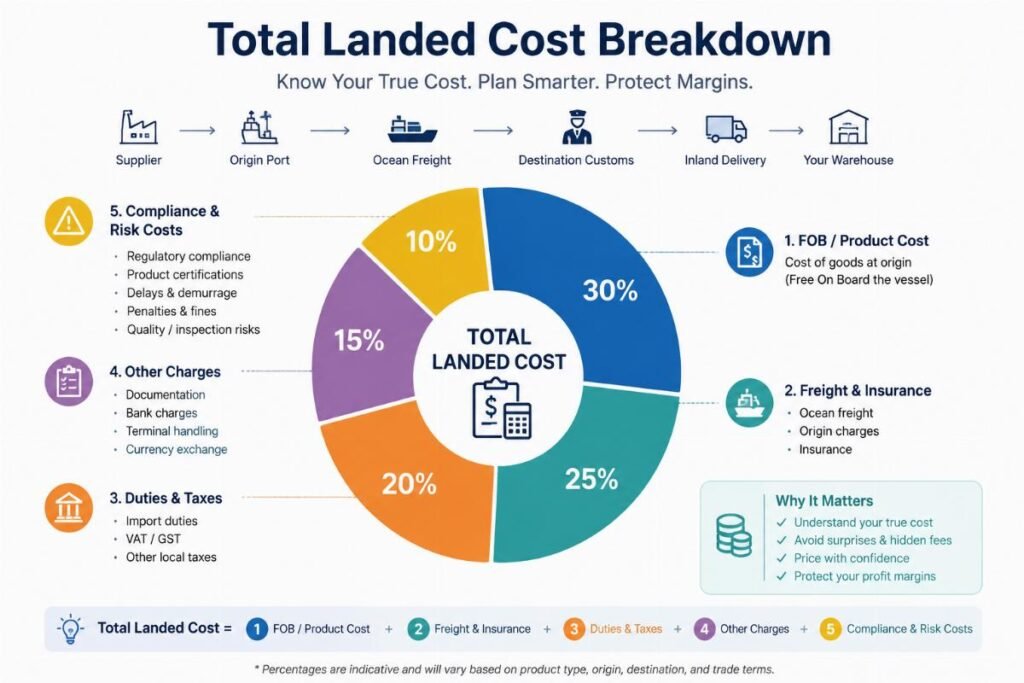
August 12, 2026
Chinese vs European Steel Beam Cost: EN S355 Wholesale Supplier
Chinese Steel Beam vs European Steel Beam sourcing requires analyzing total landed cost beyond FOB prices. Strict EN10025 certification and...
Read article →Discussion