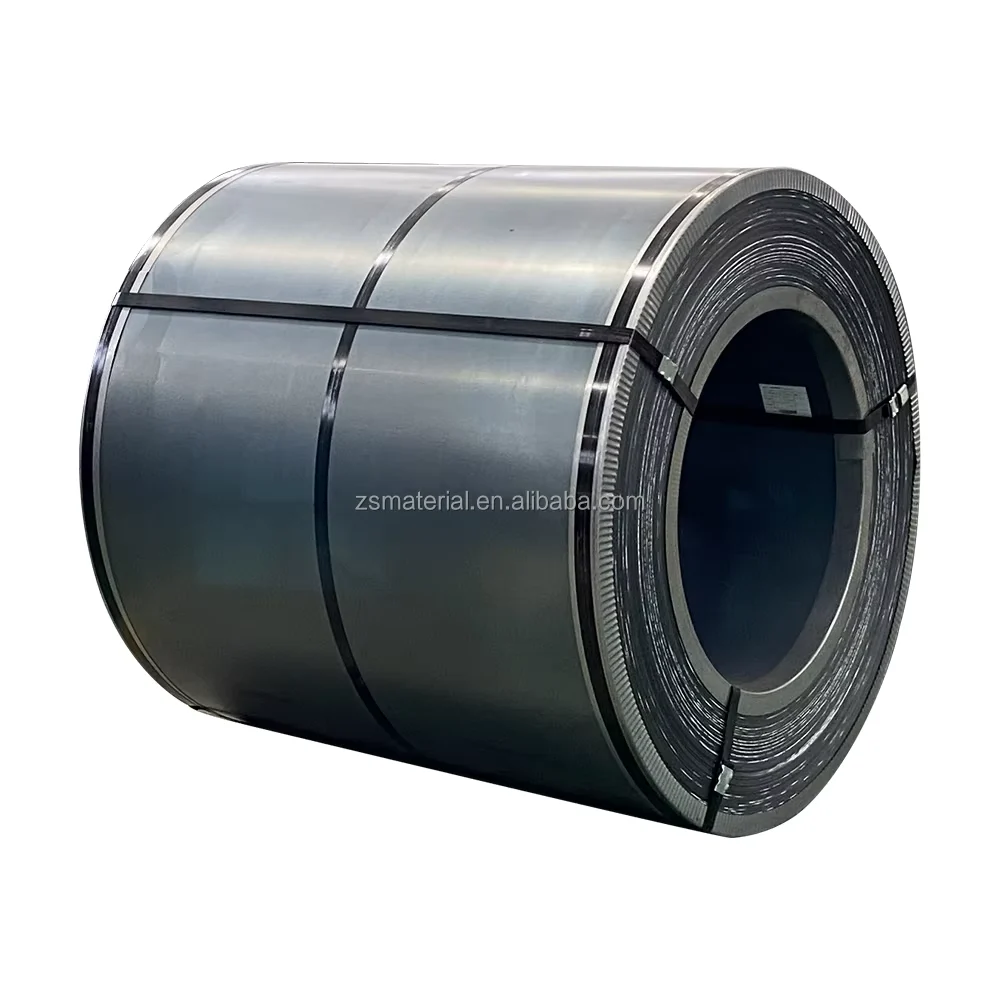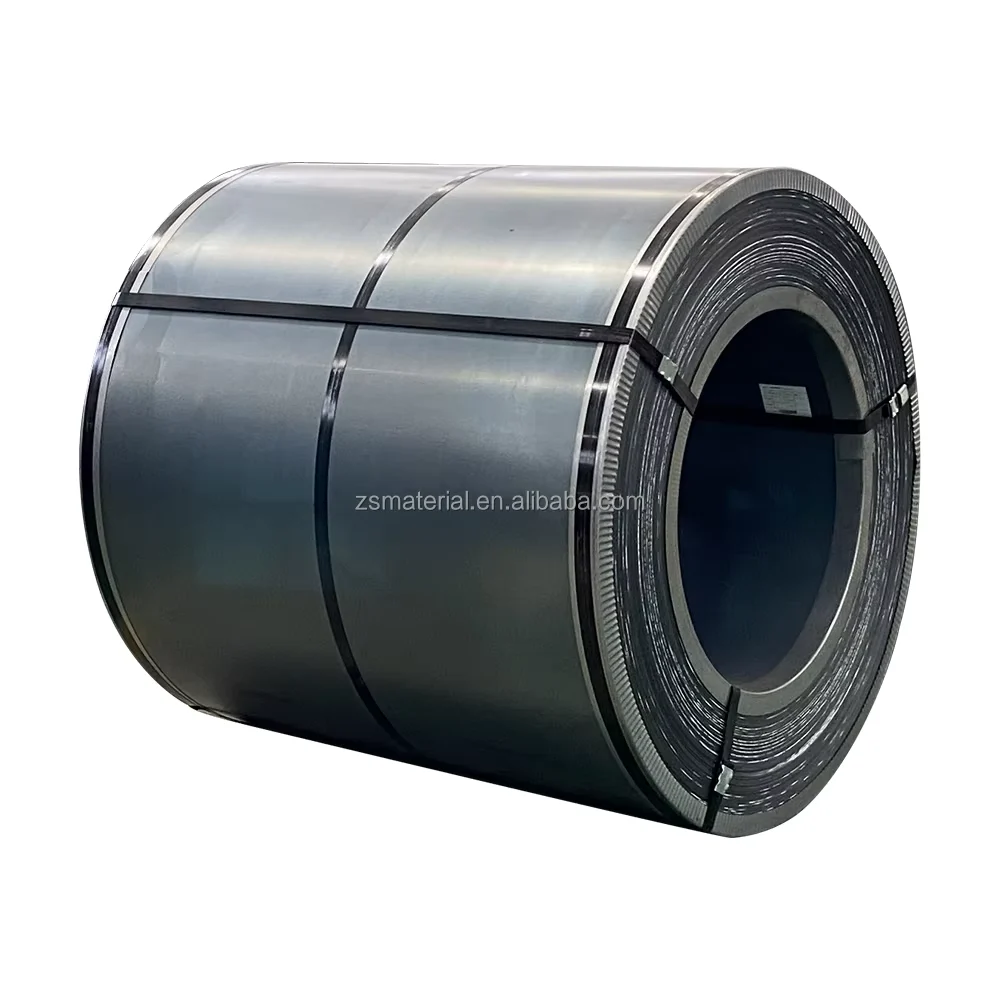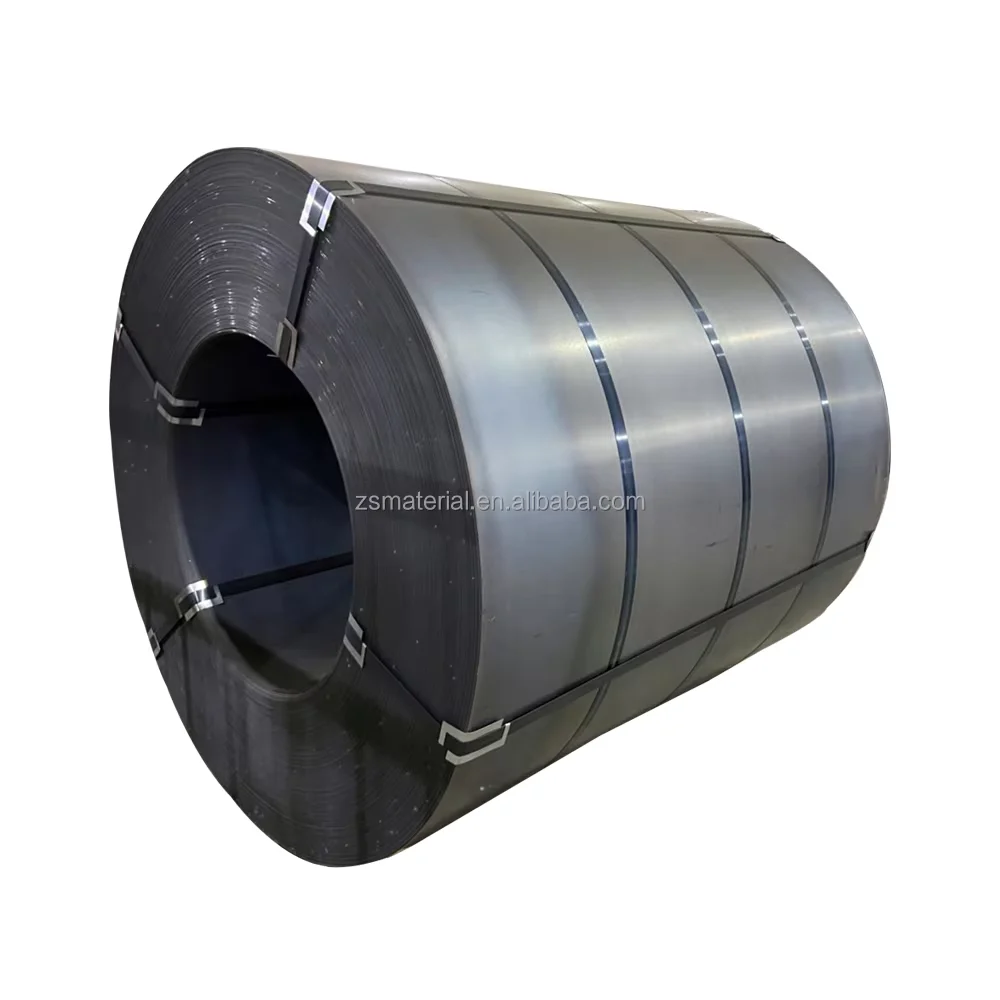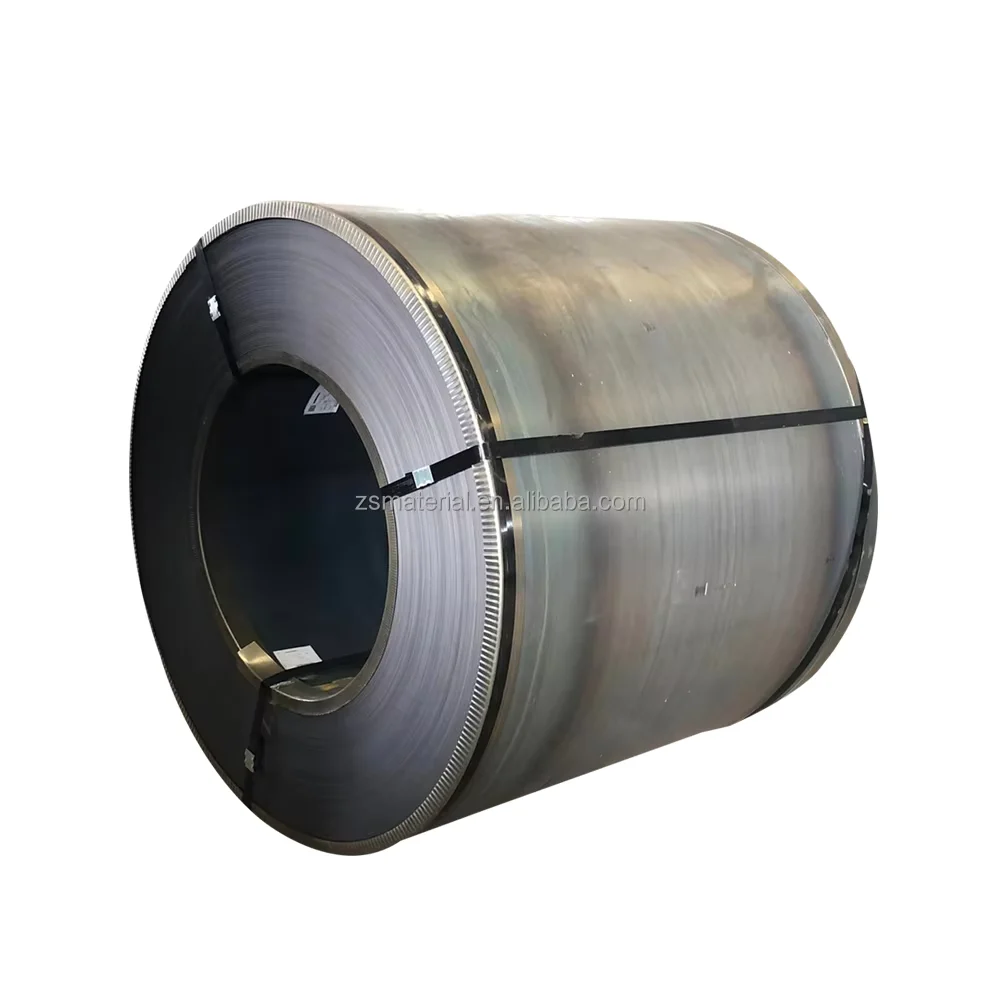
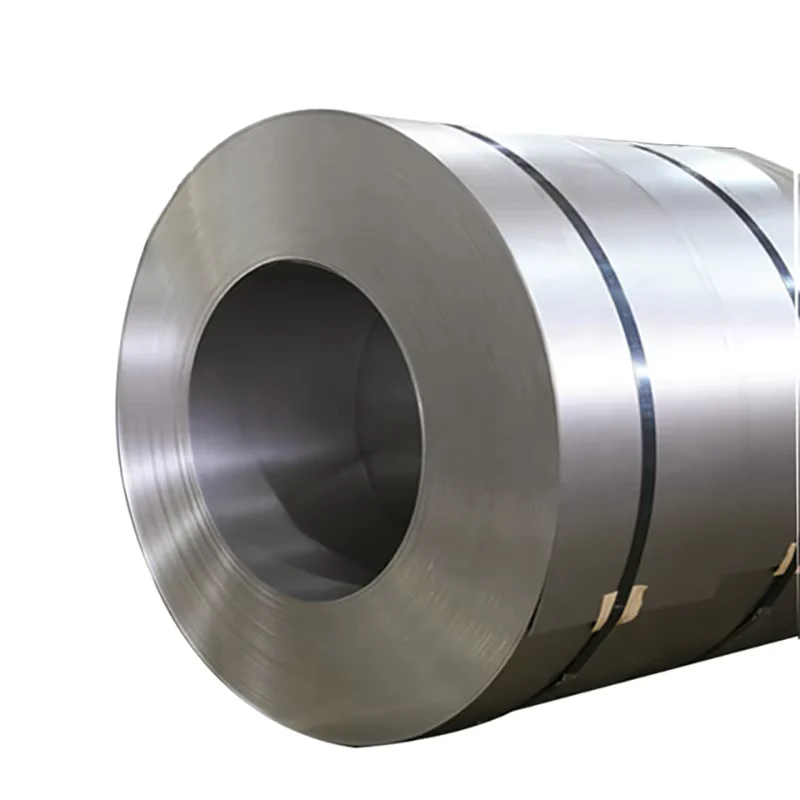
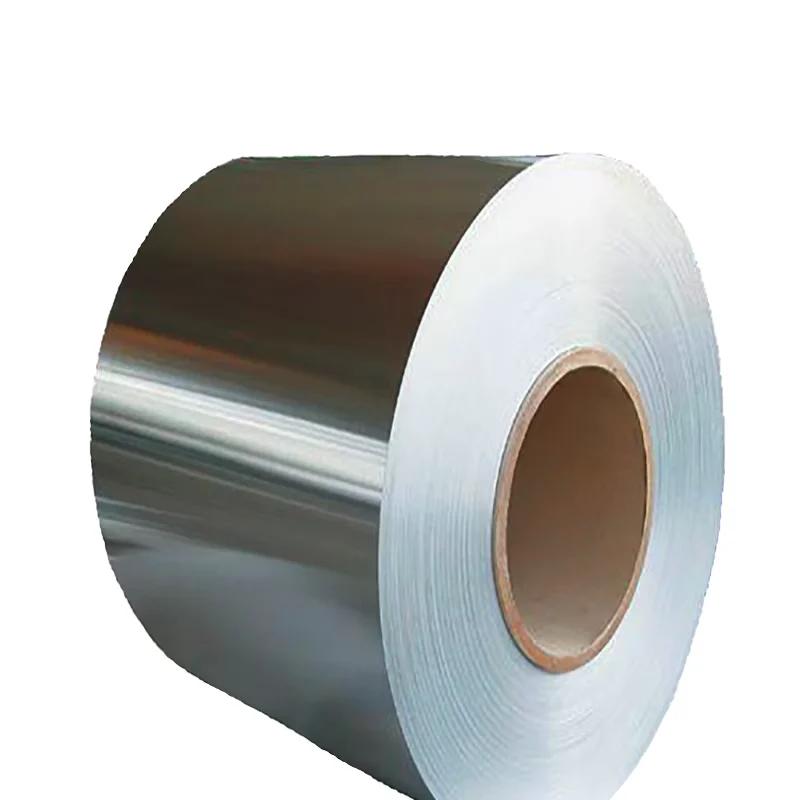
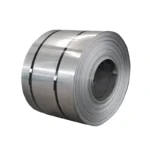
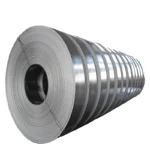
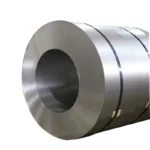
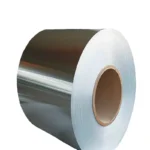
Description
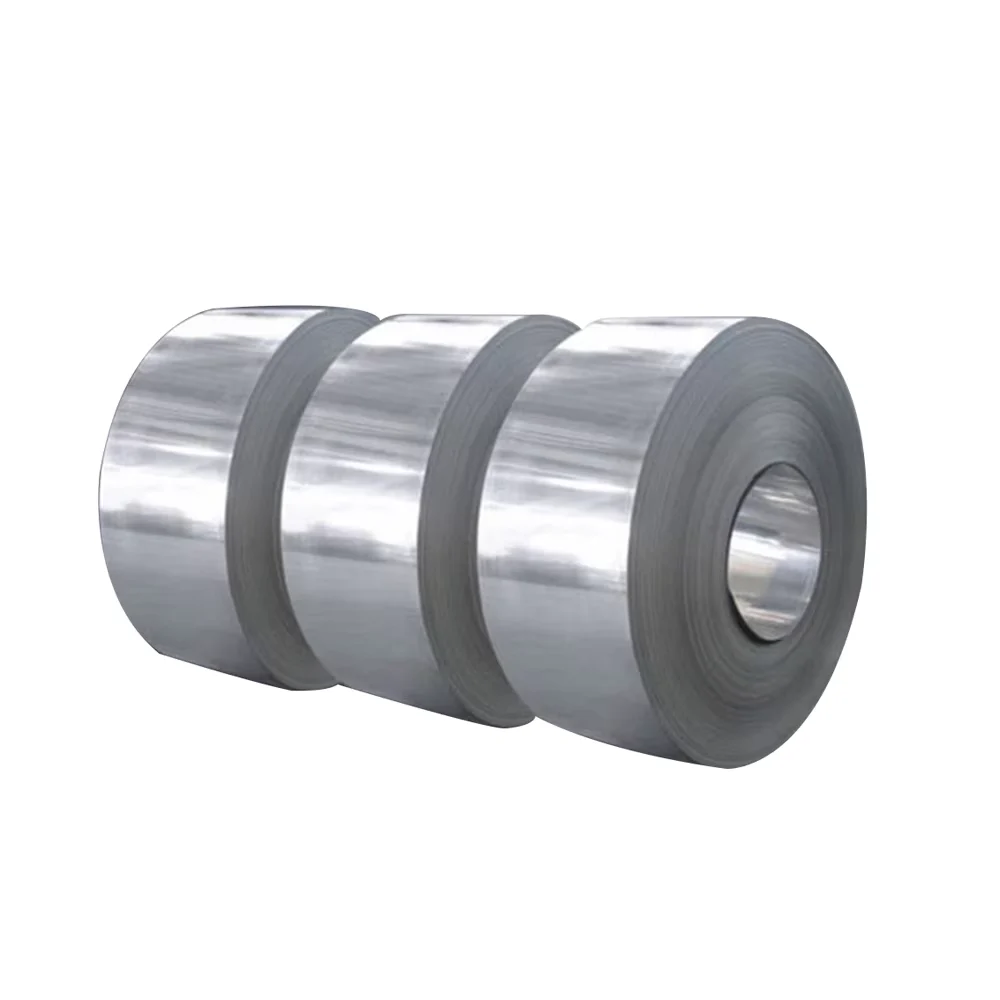
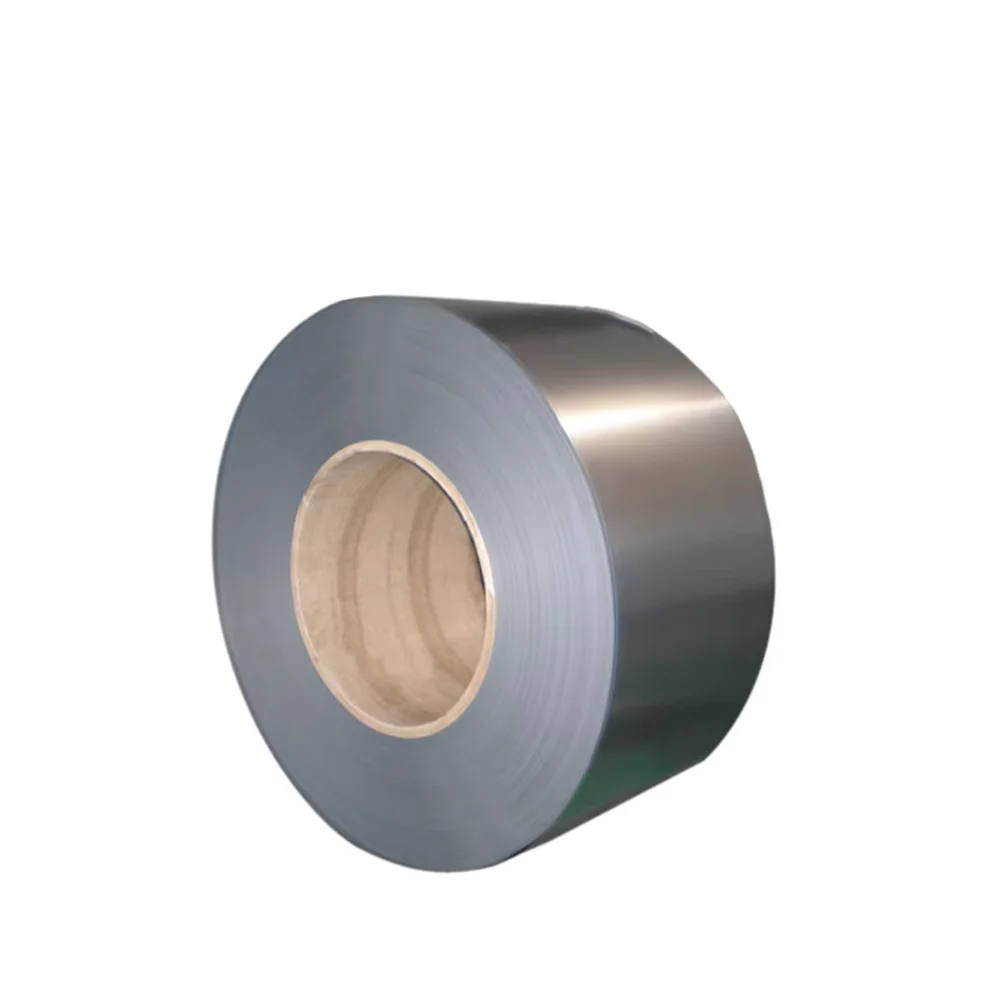
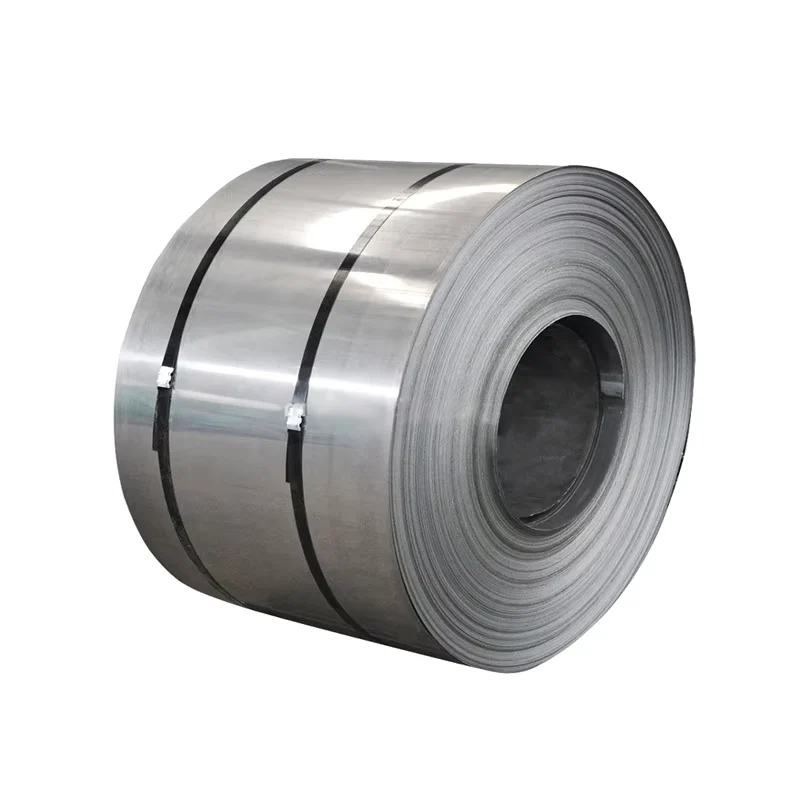
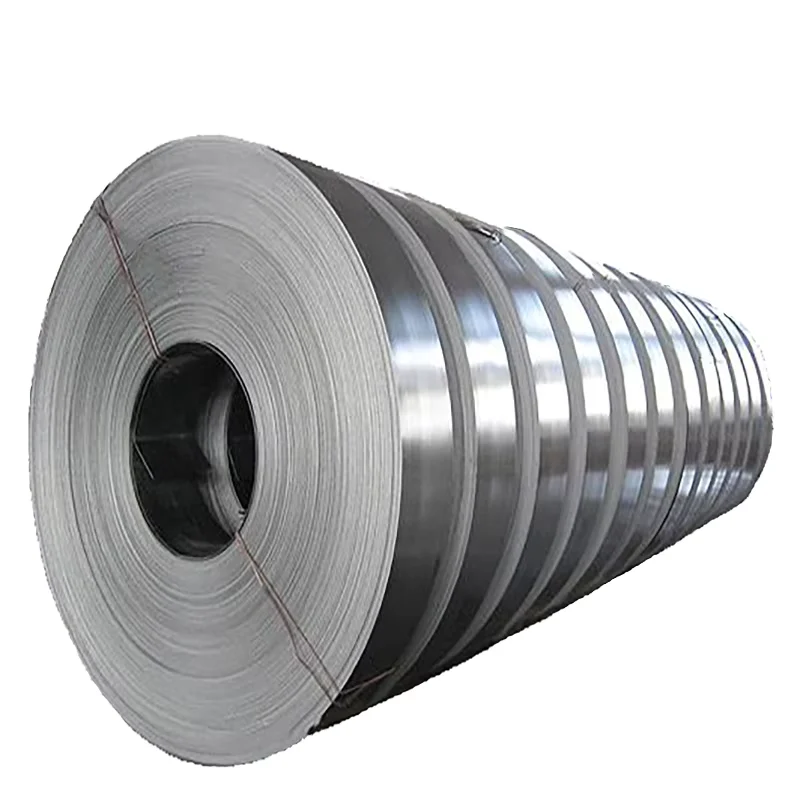
Factory Direct Pricing, No Middlemen — Stainless Steel Coil 304 316 430 grades produced from our own steel mill, ensuring full material traceability from slab to finished coil.
Technical Specifications
| Parameter | Value |
|---|---|
| Designation | 201/304/316/430 Stainless Steel Coil |
| Product Type | Steel Coil |
| Steel Grade | 201, 202, 304, 310S, 316, 430, 904L |
| Standard | ASTM, JIS, GB, AISI, DIN, BS, EN |
| Technique | Hot Rolled / Cold Rolled |
| Surface Finish | Hot Rolled / Cold Rolled |
| Surface Treatment | Gold / Standard mill finish |
| Width Options | 1000mm, 1219mm, or customized |
| Thickness | As per customer requirement |
| Length | Coil form (continuous) |
| Application | Chemical industry, Food processing, Construction, General fabrication |
Application Suitability
| Industry | Typical Applications |
|---|---|
| Chemical Processing | Pressure vessels, storage tanks, heat exchangers, reactor linings |
| Food & Beverage | Processing equipment, conveyor systems, sanitary piping, fermentation tanks |
| Construction & Architecture | Roofing panels, wall cladding, structural trim, elevator interiors |
| General Fabrication | Machine guards, bracket assemblies, enclosure panels, ductwork |
Material Traceability Gaps That Cost Projects Their Timeline
When your coil supplier cannot prove where the steel originated, your customs broker and your project manager both lose sleep.
Sourcing a Stainless Steel Coil 304 316 430 supplier from a fragmented supply chain means the material certification chain breaks somewhere between the slab caster and your warehouse. Buyers consistently report receiving Mill Test Certificates that do not match heat numbers stamped on the coil, or certificates issued by a trading company with no rolling records. On a recent chemical plant retrofit in the Middle East, the client’s third-party inspector flagged three coils with mismatched chemistry reports — the entire batch had to be re-rolled at the originating mill, adding weeks to the schedule. [NEED_CITE: material traceability requirements under EN 10088 stainless steel standards]
How Grade Selection Aligns With Corrosion Environments
Selecting the right Stainless Steel Coil 304 316 430 grade is not about picking the most expensive option — it is about matching the corrosion environment to the alloy’s chromium-nickel-molybdenum balance. For food processing lines with frequent washdowns and mild chloride exposure, 304 provides reliable passivation layer recovery. When the same equipment faces saltwater proximity or chemical cleaning agents with higher chloride concentrations, 316’s molybdenum addition prevents pitting corrosion initiation. Meanwhile, 430 serves architectural trim and interior panels where atmospheric corrosion is minimal and formability matters more than chemical resistance. Our vertically integrated mill produces all seven grades — 201 through 904L — under one quality management system, so the MTC you receive traces directly back to our slab casting records.
Engineering Compliance Across International Standards
A Stainless Steel Coil 304 316 430 order destined for European chemical plants must conform to EN standards for chemical composition limits, while the same grade shipped to North American food processing facilities follows ASTM composition ranges. The difference is not academic — customs authorities in the EU routinely hold shipments lacking proper EN compliance documentation, and project engineers in the Gulf region require ASTM or EN equivalence statements before issuing material approval. [NEED_CITE: stainless steel grade equivalence mapping between ASTM and EN standards] Cold rolled coils demand tighter thickness tolerances than hot rolled equivalents, and specifying the correct finish — whether standard mill finish or gold-treated surface — directly affects downstream fabrication steps like deep drawing or welding preparation. Our engineering team reviews shop drawings against the applicable standard before production begins, eliminating the specification mismatch that causes rework at the fabrication stage.
Hot Rolled vs Cold Rolled: Process Differences That Affect Fabrication
The distinction between hot rolled and cold rolled Stainless Steel Coil 304 316 430 products goes beyond surface appearance. Hot rolled coils are produced above the steel’s recrystallization temperature, resulting in a scaled surface that requires pickling before use in corrosion-sensitive applications — but the process allows greater thickness range and lower production cost for structural applications. Cold rolling follows hot rolling with additional reduction passes at room temperature, producing a smoother surface finish, tighter dimensional tolerance, and improved mechanical strength through strain hardening. For chemical tank fabrication where internal surface quality affects product purity, cold rolled 316 is the standard choice. For construction framing where dimensional tolerance is less critical and cost efficiency drives the specification, hot rolled 304 or 430 serves the purpose. Custom widths — 1000mm, 1219mm, or tailored to your decoiler line — reduce edge trim waste at the fabrication shop.
Hidden Costs of Sourcing Without Verified Certification
Ordering a Stainless Steel Coil 304 316 430 from a supplier who cannot provide heat-level traceability creates costs that never appear on the purchase order. When material arrives without a valid Mill Test Certificate matching the physical coil, the project’s quality inspector must either reject the shipment or commission independent chemical analysis — both options delay fabrication start dates. [NEED_CITE: consequences of non-compliant stainless steel material documentation in international construction projects] Negative tolerance abuse — where actual thickness falls below the specified minimum — reduces corrosion resistance in thin-gauge applications and causes welding burn-through on automated production lines. Certification gaps also trigger customs holds at destination ports, particularly in markets with strict import inspection regimes. These are not theoretical risks; they are recurring issues we resolve daily for buyers who previously sourced through trading intermediaries.
Why Direct Mill Sourcing Eliminates Procurement Risk
Our production model integrates raw steel manufacturing with coil finishing under a single facility, meaning every Stainless Steel Coil 304 316 430 order carries a complete certification chain from slab chemistry to final surface inspection. We maintain an in-house metallurgical laboratory that tests every heat for chemical composition and mechanical properties before the coil leaves the mill — the same lab that caught the negative tolerance deviation years ago and reshaped our quality protocol. With over 2,800 specifications in our rolling schedule, we cover the full range of 201, 202, 304, 310S, 316, 430, and 904L grades in both hot rolled and cold rolled finishes without subcontracting to third-party rollers. Third-party inspection agencies including SGS, BV, and TÜV conduct pre-shipment verification at our facility, providing independent confirmation of grade, dimension, and surface quality. Our export documentation package — including packing lists, bills of lading, and certificates of origin — is prepared in-house to match the specific standards and customs requirements of each destination market.
Documentation & Compliance
- Mill Test Certificate documenting chemical composition and mechanical properties for each heat number of 201, 304, 316, 430, and 904L grades per ASTM, JIS, and EN standards
- ISO 9001 quality management system certificate covering the full production process from slab casting to cold rolling and surface treatment
- SGS, BV, or TÜV third-party inspection report verifying grade compliance, dimensional accuracy, and surface finish before shipment
- Material traceability report linking each coil to its originating heat number, slab casting record, and rolling pass schedule
- Customs clearance documentation including commercial invoice, packing list, bill of lading, and certificate of origin formatted to destination country requirements
- Welding procedure qualification records for 304 and 316 grades when coils are destined for pressure vessel or piping fabrication
Packaging, Loading & Delivery
- Stainless Steel Coil 304 316 430 products packed with inner plastic wrapping and outer steel sheet protection to prevent surface scratching and moisture ingress during ocean transit
- Cold rolled coils with sensitive surface finishes receive additional edge protectors and anti-rust paper interleaving to preserve mill finish quality
- Custom width coils (1000mm, 1219mm, or tailored) loaded in dedicated containers with coil cradles to prevent shifting and edge damage
- Heat number and grade identification marked on each coil’s inner core and outer packaging for site-level traceability verification
- Container loading plans optimized for coil weight distribution, maximizing payload per 20ft and 40ft shipments
- FOB, CIF, and DDP shipping terms available with full export documentation support for destination customs clearance
Getting Your Quotation and Material Certification Started
Submit your project specifications — including grade requirement, thickness, width, surface finish preference, and destination port — to receive a detailed quotation with production timeline and Mill Test Certificate sample. Our engineering team reviews your technical requirements against applicable ASTM, JIS, or EN standards before confirming the production schedule. For non-standard widths or specialty grades like 310S and 904L, we provide feasibility assessment and lead time confirmation within one business day.
Start Your Stainless Steel Coil Order With Full Material Traceability
Share your drawings and specifications to receive a quotation with Mill Test Certificate documentation and production schedule confirmation.
Contact:
Tel: +86 531 8573 6315
Mobile/WhatsApp/WeChat: +86 188 5315 7756
Email: admin@xjystructure.com