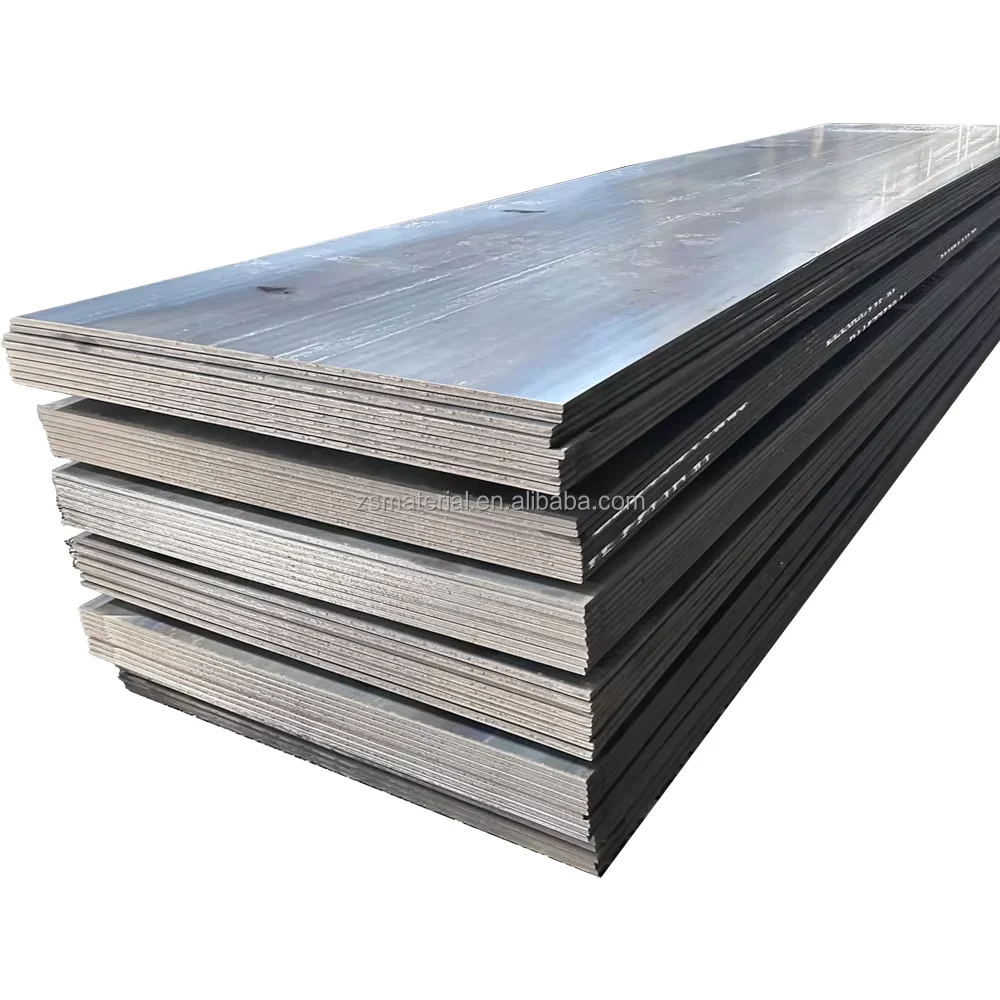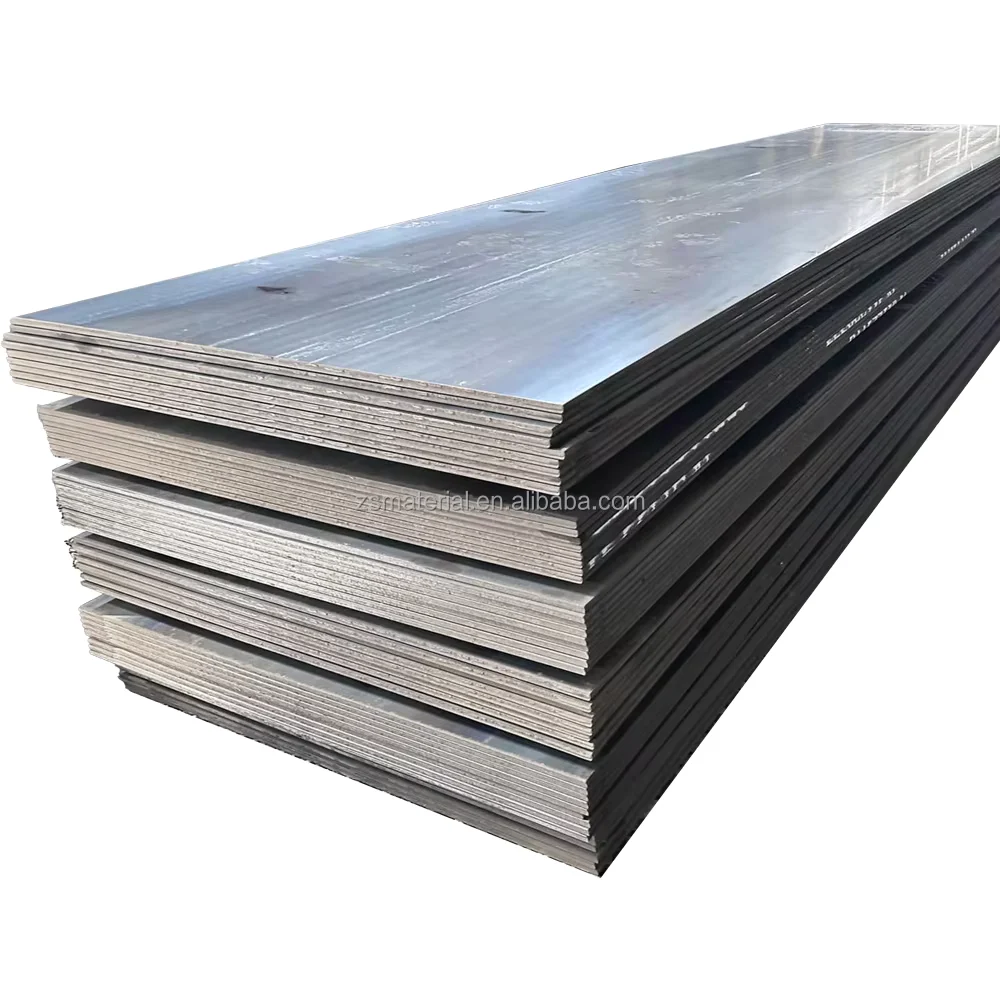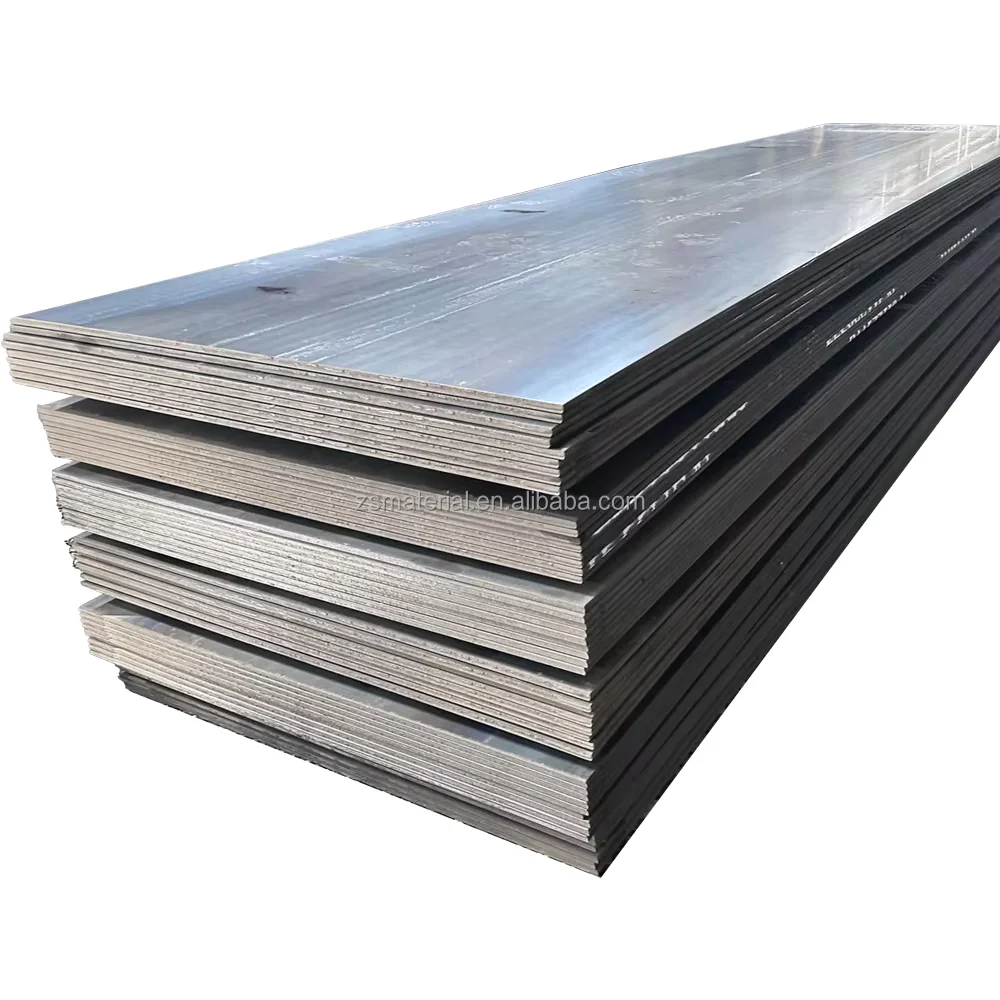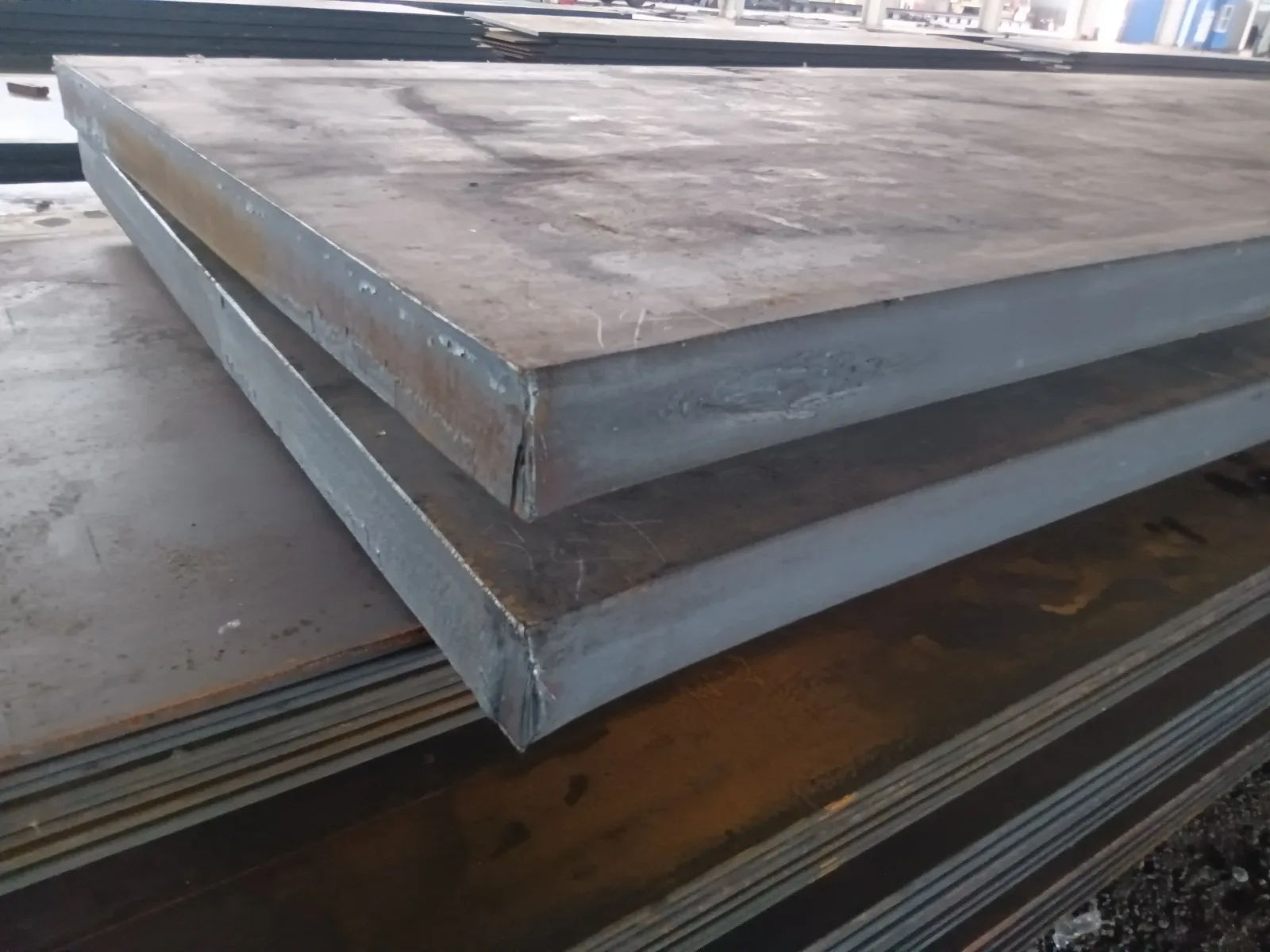
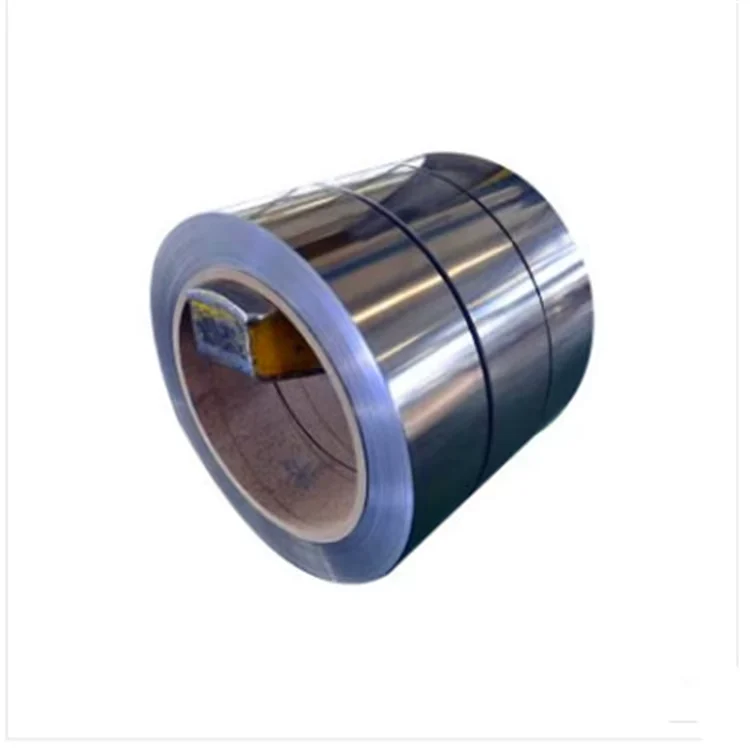
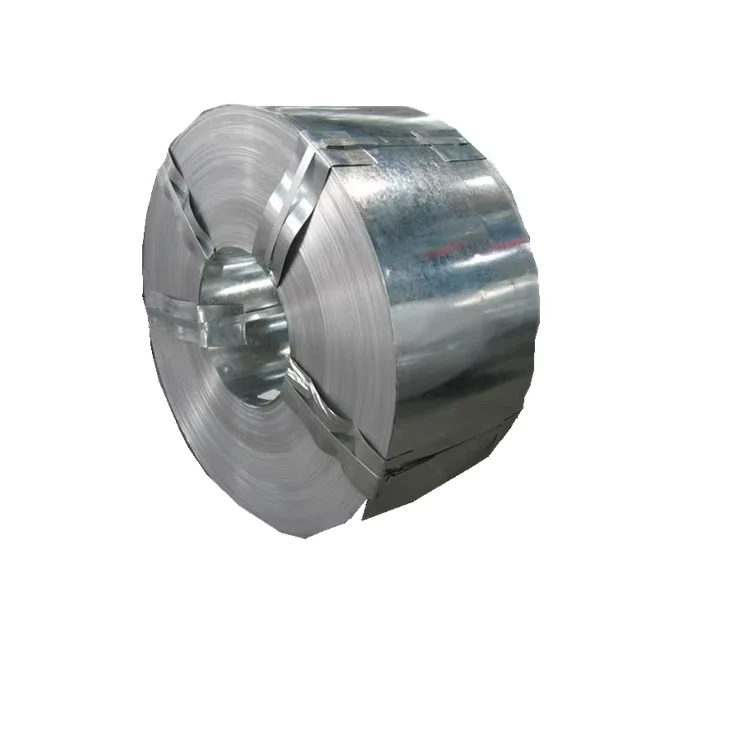
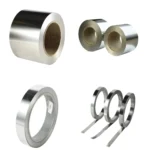
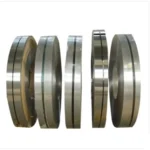
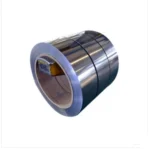
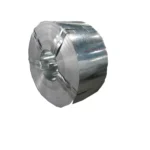
Description
Direct Mill Supply with Full Traceability — Every coil and sheet ships with heat-number-linked mill test certificates from our own production lines, eliminating third-party sourcing risks.
Technical Specifications
| Parameter | Value |
|---|---|
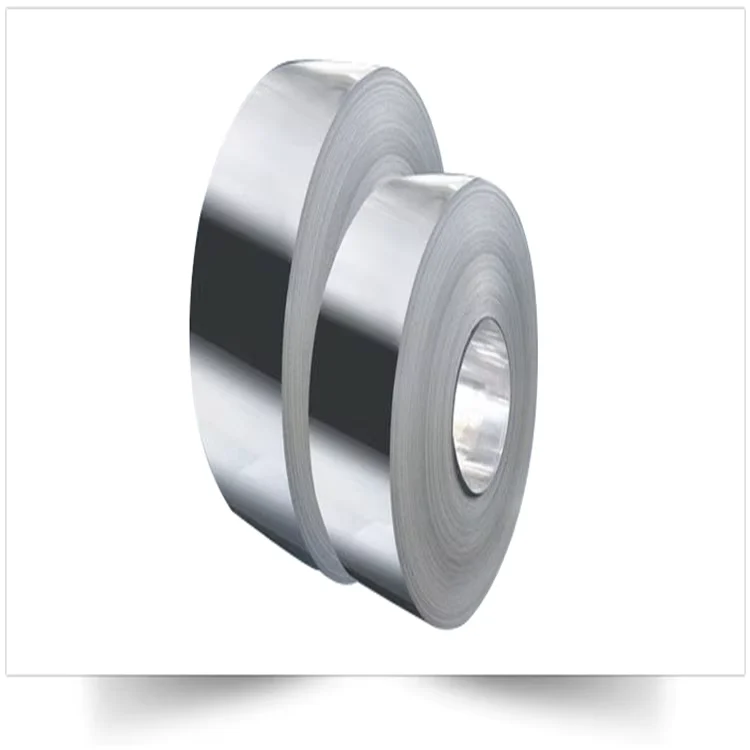
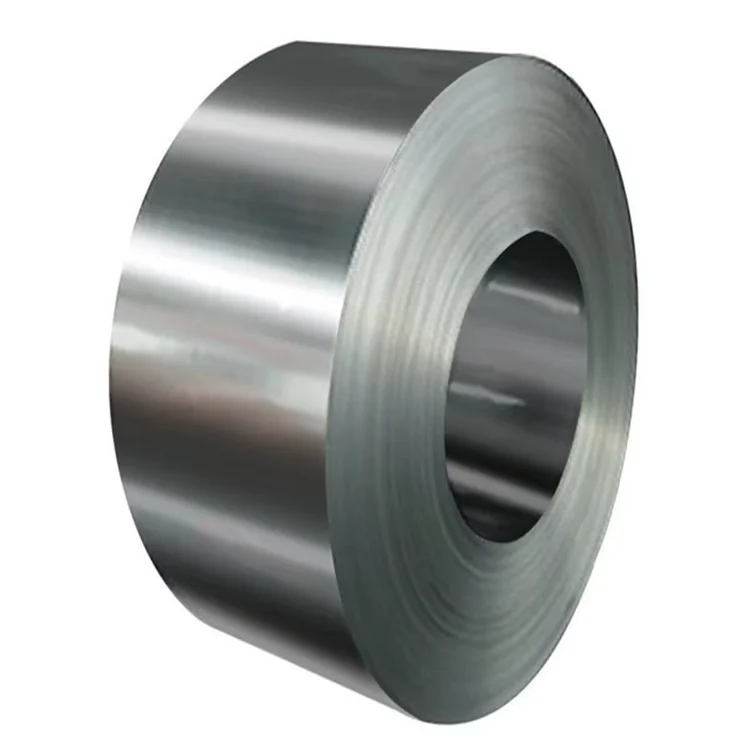
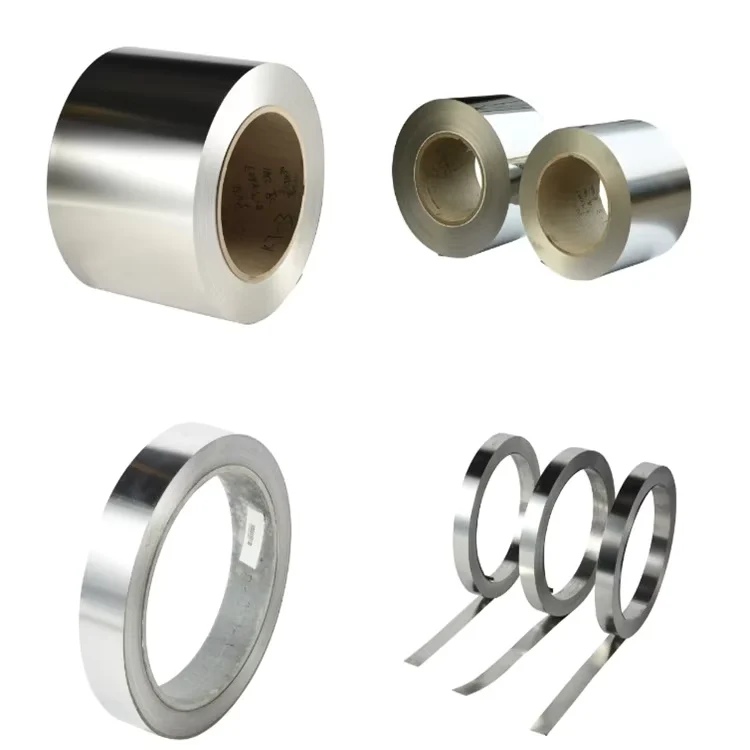
| Designation | Stainless Steel Coil/Strip/Sheet |
| Product Type | Steel Coil / Steel Strip / Steel Plate |
| Steel Grade | 201, 304, 304L, 316, 316L, 309S, 310S, 430, 410, 420, 3Cr12 |
| Standard | ASTM (A240 / A666) |
| Technique | Hot Rolled / Cold Rolled |
| Surface Treatment | BA (Bright Annealed) / Mirror Finish |
| Width Options | 1000mm / 1219mm / Other widths available |
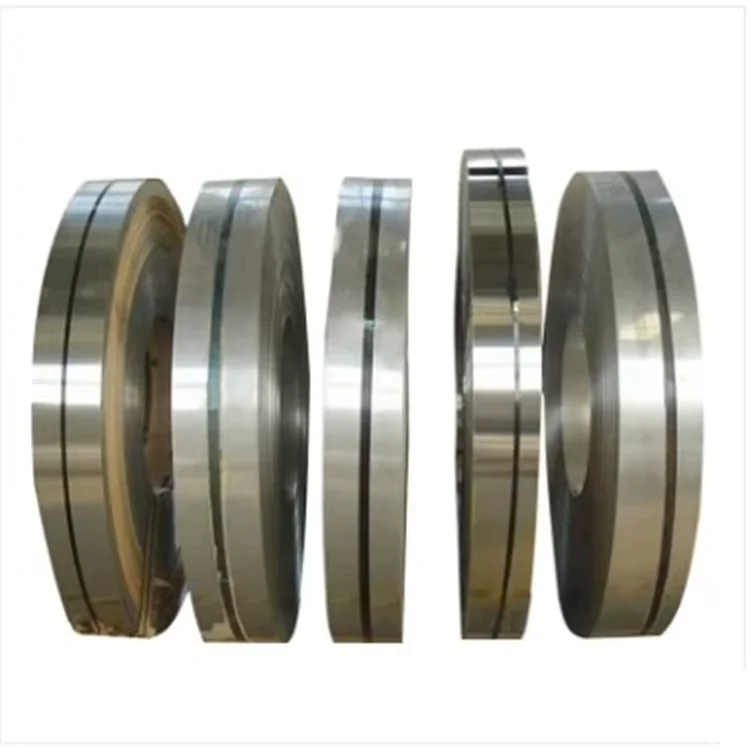
| Product Forms | Coil / Strip / Sheet |
| Application | Chemical industry / Food processing equipment / Construction and architectural applications / General fabrication |
Application Suitability
| Industry | Typical Applications |
|---|---|
| Chemical & Petrochemical | Reactor vessels, heat exchangers, and piping systems requiring 316/316L chloride resistance |
| Food & Beverage | Hygienic processing tanks, conveyor components, and filling equipment fabricated from 304/304L |
| Construction & Architecture | Decorative cladding panels, elevator interiors, and roofing trim using 430 or mirror-finish 304 |
| General Fabrication | Brackets, enclosures, and machine guards produced from 201 or 410 grades |
Why Material Certification Gaps Cause Project Delays on Stainless Steel Orders
When mill certificates don’t match heat numbers, customs holds the container and the site waits.
Overseas buyers sourcing ASTM 304 316 stainless steel coil supplier materials from China face a recurring problem: fabrication shops that buy raw material from third-party traders cannot guarantee certificate authenticity. The mill test document arrives, but the heat number stamped on the coil edge doesn’t correspond. At project sites in the Middle East or Southeast Asia, this triggers inspection failures and costly resupply cycles. [NEED_CITE: material traceability requirements for ASTM A240 stainless steel]
Matching Corrosion Resistance to Operating Environments
Selecting the correct grade from our ASTM 304 316 stainless steel coil supplier range determines whether a chemical processing tank survives five years or fails in eighteen months. The 316L variant’s molybdenum content provides pitting resistance in chloride-laden environments — coastal installations, marine platforms, and food plants using caustic cleaning agents. For architectural applications where surface appearance matters more than corrosion performance, 430 offers adequate protection at lower material cost. Our integrated mill-to-finished-product model means every coil, strip, and sheet carries traceable chemistry from raw slab to final gauge.
Engineering Compliance and Surface Finish Selection
Stainless steel components in food processing must meet hygienic surface roughness standards, while architectural cladding demands consistent reflectivity across batch lots. Hot rolled material suits structural brackets where surface appearance is secondary; cold rolled with BA finish delivers the uniform brightness required for elevator panels and decorative trim. Mirror-finish 304 sheets undergo additional polishing passes to achieve reflectivity specifications for high-end interior projects. International projects require ASTM A240 compliance documentation that matches the physical shipment — a verification step that separates integrated producers from trading companies. [NEED_CITE: surface finish specifications for architectural stainless steel applications]
Understanding Grade Selection and Rolling Process Differences
The 300-series austenitic grades — 304, 304L, 316, 316L, 309S, 310S — provide non-magnetic characteristics and formability for deep-drawn components. The “L” variants contain reduced carbon to prevent sensitization during welding, critical for thick-section chemical equipment. High-temperature applications such as furnace components and exhaust systems require 309S or 310S for oxidation resistance above 1000°C. The 400-series ferritic and martensitic grades — 430, 410, 420, 3Cr12 — offer magnetic properties and higher hardness for cutlery, fasteners, and wear-resistant parts. Hot rolling produces thicker gauges with scaled surfaces suitable for industrial fabrication; cold rolling achieves tighter thickness tolerances and smoother finishes for decorative or hygienic applications.
The Hidden Cost of Unverified Stainless Steel Procurement
Pricing differences between verified mill-direct material and trader-sourced coils often reflect certification gaps rather than quality differences. A shipment arriving at a European port without proper EN 10204 3.1 documentation faces customs rejection, regardless of actual material quality. Projects specifying ASTM 304 316 stainless steel coil supplier materials with third-party inspection requirements cannot accept substitute grades — substituting 201 for 304 in a food processing application creates regulatory liability. The cost of rejecting a 20-ton container and air-freighting replacement material exceeds any per-ton savings from unverified sourcing. [NEED_CITE: customs documentation requirements for stainless steel imports in EU markets]
Procurement Confidence Through Vertical Integration
Our production facility operates three rolling lines with in-house chemical analysis laboratories, meaning every heat of steel receives chemistry verification before casting. The ASTM 304 316 stainless steel coil supplier materials we produce carry heat numbers traceable from slab receipt through final coil winding. We maintain 2,800+ specifications in inventory across 200-series, 300-series, and 400-series grades, allowing single-source procurement for projects requiring multiple materials. Certified welding procedures and qualified quality inspectors prepare complete documentation packages — mill test certificates, dimensional reports, and surface finish verification — before shipment leaves our facility. Third-party inspection through SGS or BV is available for projects requiring independent verification.
Documentation & Compliance
- Mill test certificate documenting chemical composition and mechanical properties per ASTM A240 for each heat number of 304, 316L, or 430 material
- Material traceability report linking finished coil or sheet to original slab cast analysis
- Third-party inspection certificate from SGS or BV verifying grade compliance and surface quality
- Certificate of origin and commercial invoice formatted for customs clearance in destination country
- Surface finish specification sheet confirming BA, 2B, No.4, or mirror finish parameters
- Packing list detailing coil weight, width, gauge, and piece count per bundle
Packaging, Loading & Delivery
- Cold rolled coils in 304 and 316L grades packed with edge protectors and moisture-proof wrapping to preserve BA and mirror finishes during ocean transit
- Hot rolled material in 309S and 310S grades bundled with steel straps and anti-rust paper to prevent surface scaling
- Sheet orders in 430 and 410 grades stacked on wooden pallets with interleaving paper to prevent scratching
- Custom-width slit coils in 201 and 304 grades wound with core identifiers showing heat number and gauge
- Container loading optimized for 1000mm and 1219mm widths to maximize payload while preventing coil shifting
- FOB, CIF, and DDP shipping terms available with complete export documentation for project sites worldwide
Initiating Your Stainless Steel Procurement
Submit your project specifications including steel grade, gauge, width, surface finish, and quantity to receive a detailed quotation with production timeline. Our engineering team reviews material requirements against ASTM standards and confirms availability from our integrated mill production. Share your project drawings or bill of materials to verify grade suitability and obtain mill test certificate samples from previous shipments.
Frequently Asked Questions
Q: What is the difference between 304 and 316 stainless steel for chemical processing applications?
A: Grade 316 contains molybdenum addition providing superior chloride pitting resistance compared to 304. For chemical plants handling saltwater, acids, or caustic solutions, 316L is the standard specification. Grade 304 suits general-purpose applications where chloride exposure is minimal.
Q: Can you provide third-party inspection for ASTM 304 316 stainless steel coil supplier orders?
A: Yes, we arrange SGS or BV inspection at our facility before shipment. The inspection covers visual quality, dimensional verification, chemistry analysis, and surface finish confirmation. Inspection reports are included in the shipping documentation package.
Q: What surface finishes are available for architectural stainless steel applications?
A: We produce BA (Bright Annealed), 2B, No.4 brushed, and mirror finishes on cold rolled coils and sheets. BA finish provides uniform reflectivity for elevator panels and decorative trim. Mirror finish undergoes additional polishing for high-end interior applications requiring maximum reflectivity.
Q: How do you ensure material traceability from mill to finished product?
A: Each coil and sheet carries a heat number stamped on the edge, linked to our mill test certificate showing chemical composition and mechanical properties. Our integrated production from raw slab to finished coil eliminates third-party sourcing gaps, ensuring complete documentation chain from cast analysis to final product.
Q: What is the minimum order quantity for custom-width slit coils?
A: Standard widths of 1000mm and 1219mm are available from stock with flexible quantities. Custom slit widths require minimum tonnage depending on gauge and grade. Submit your width specifications for exact MOQ confirmation.
Request Your ASTM 304 316 Stainless Steel Coil Quote
Send your project specifications including grade, gauge, width, surface finish, and destination port to receive pricing with complete mill test certification.
Shandong Xin Jiyuan Special Steel Tube Co., Ltd
Website: www.xjystructure.com
Tel: +86 531 8573 6315
Mobile/WhatsApp/WeChat: +86 188 5315 7756
Email: admin@xjystructure.com