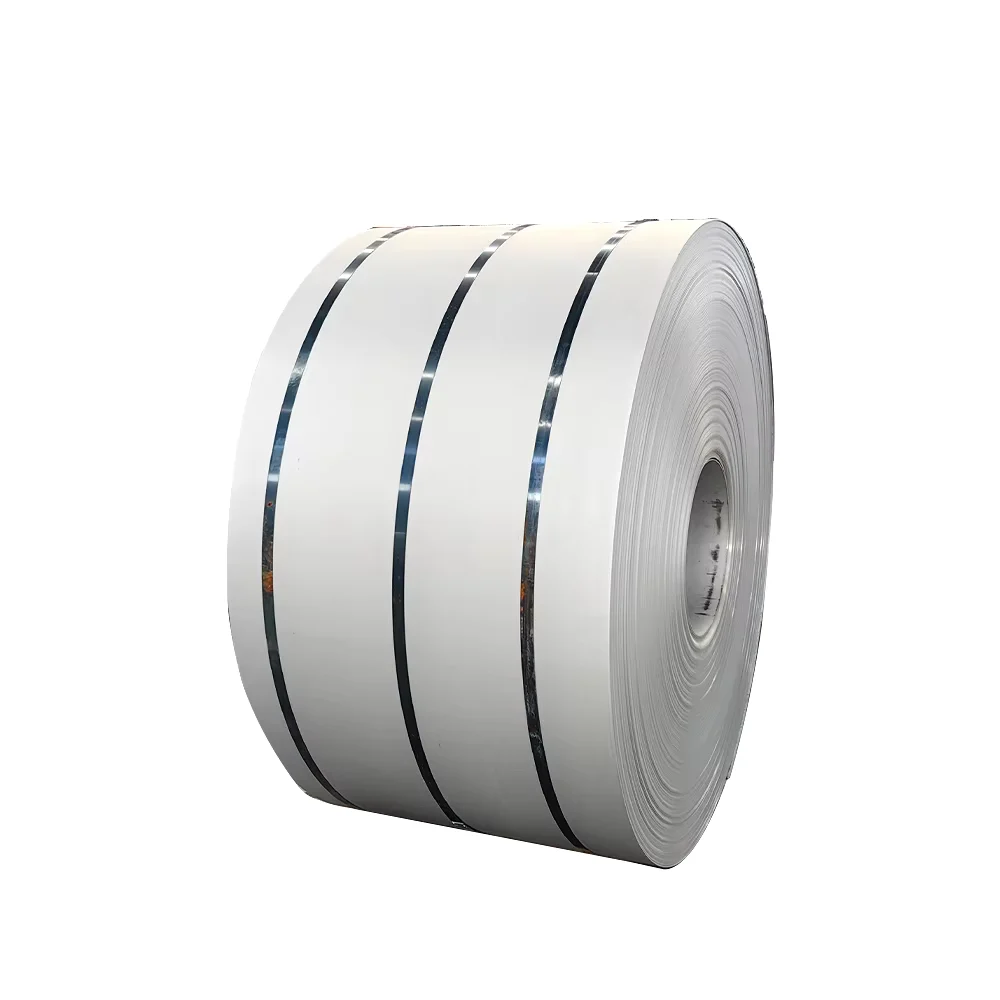
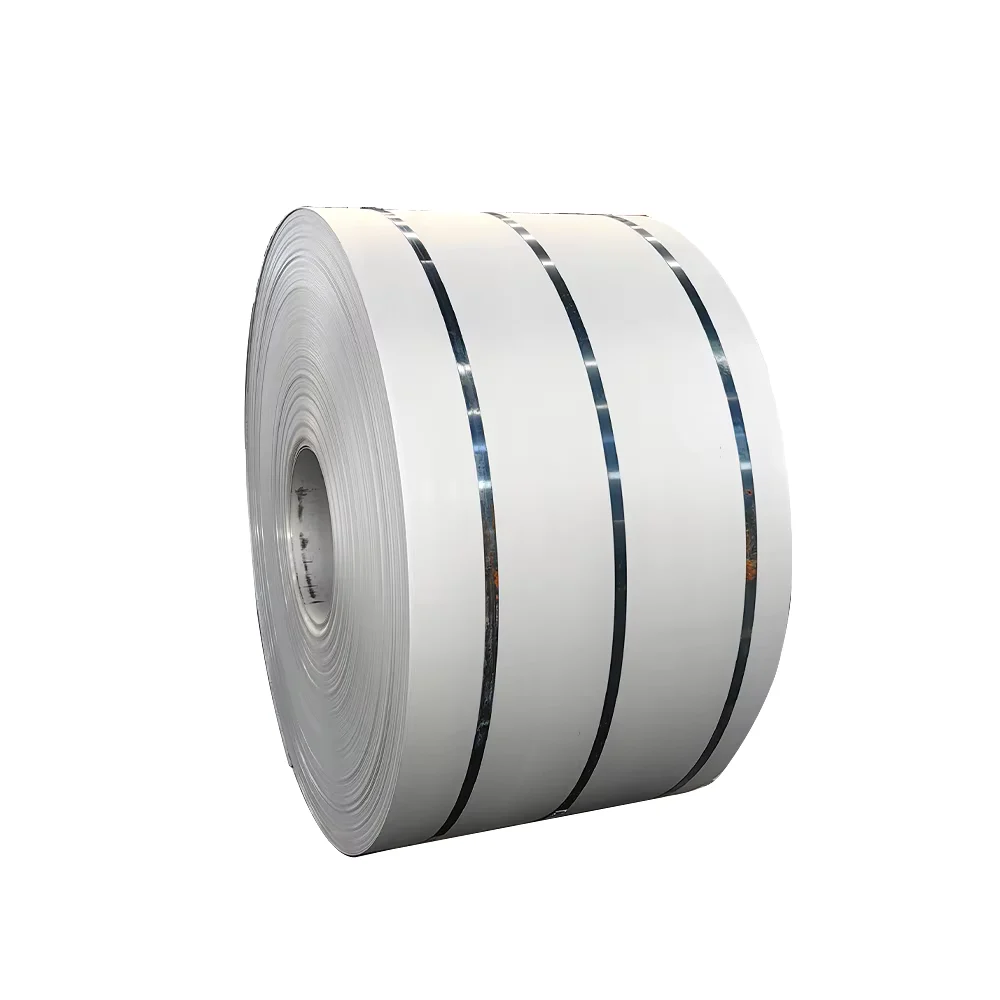
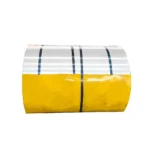
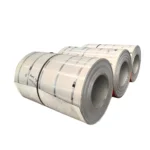
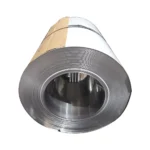
Description
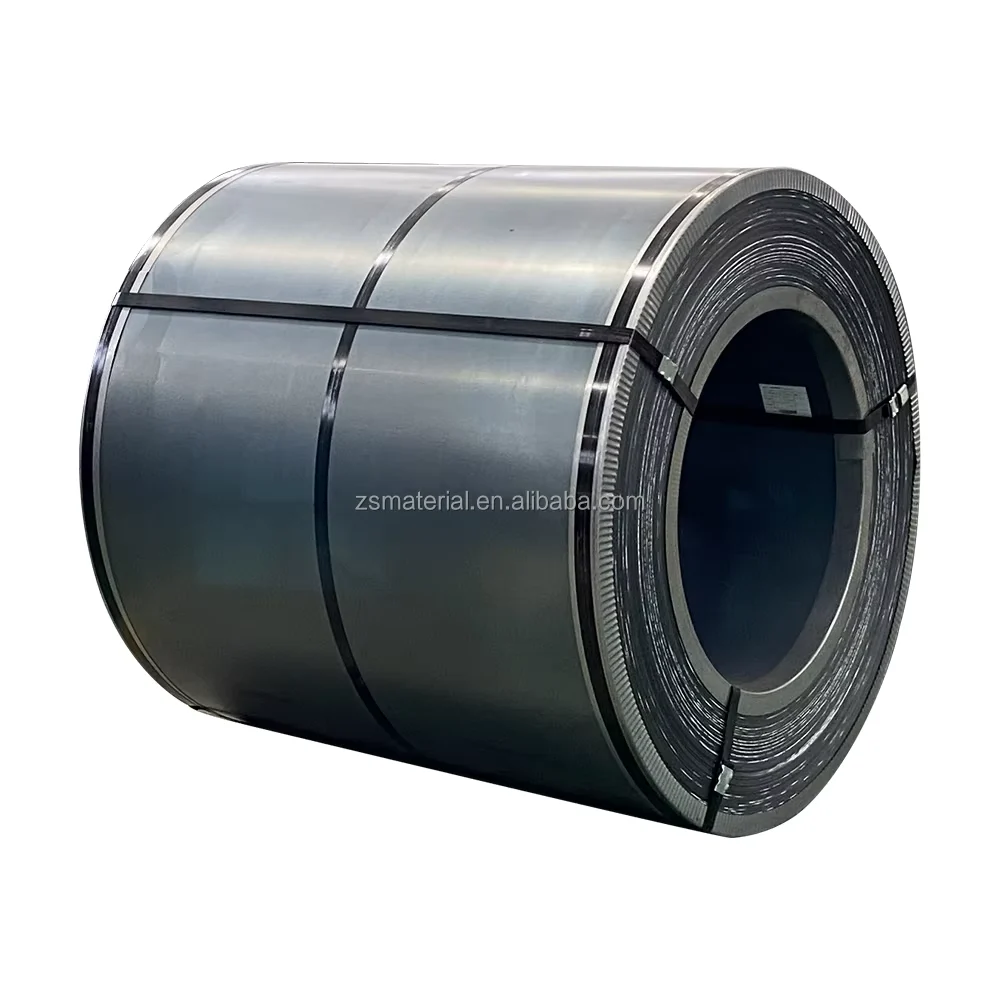
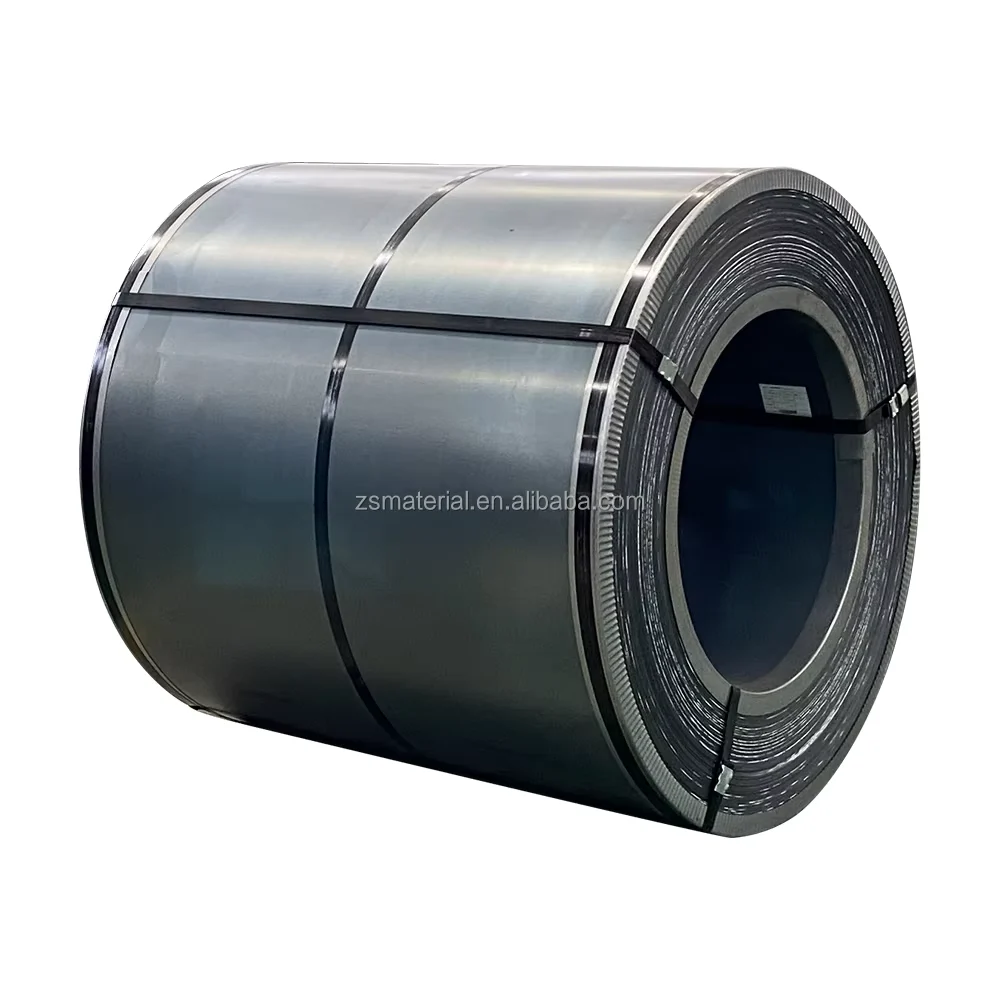
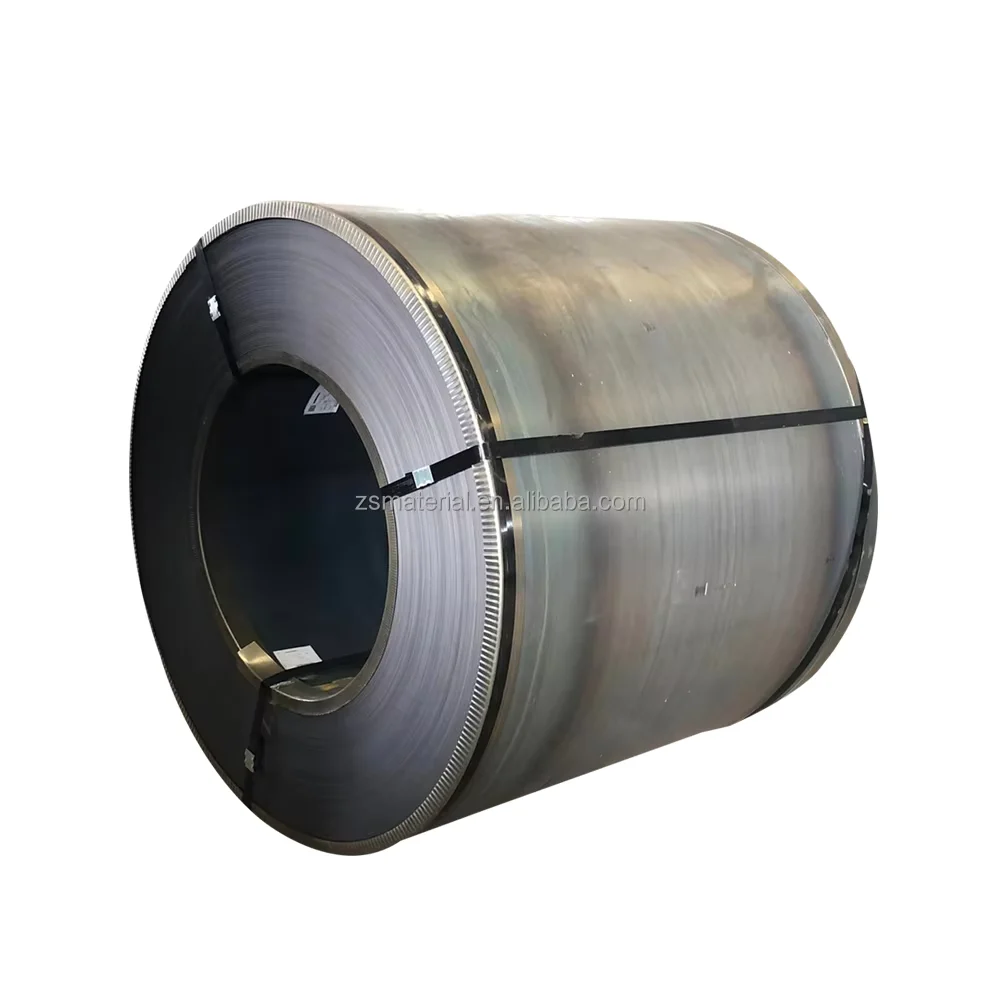
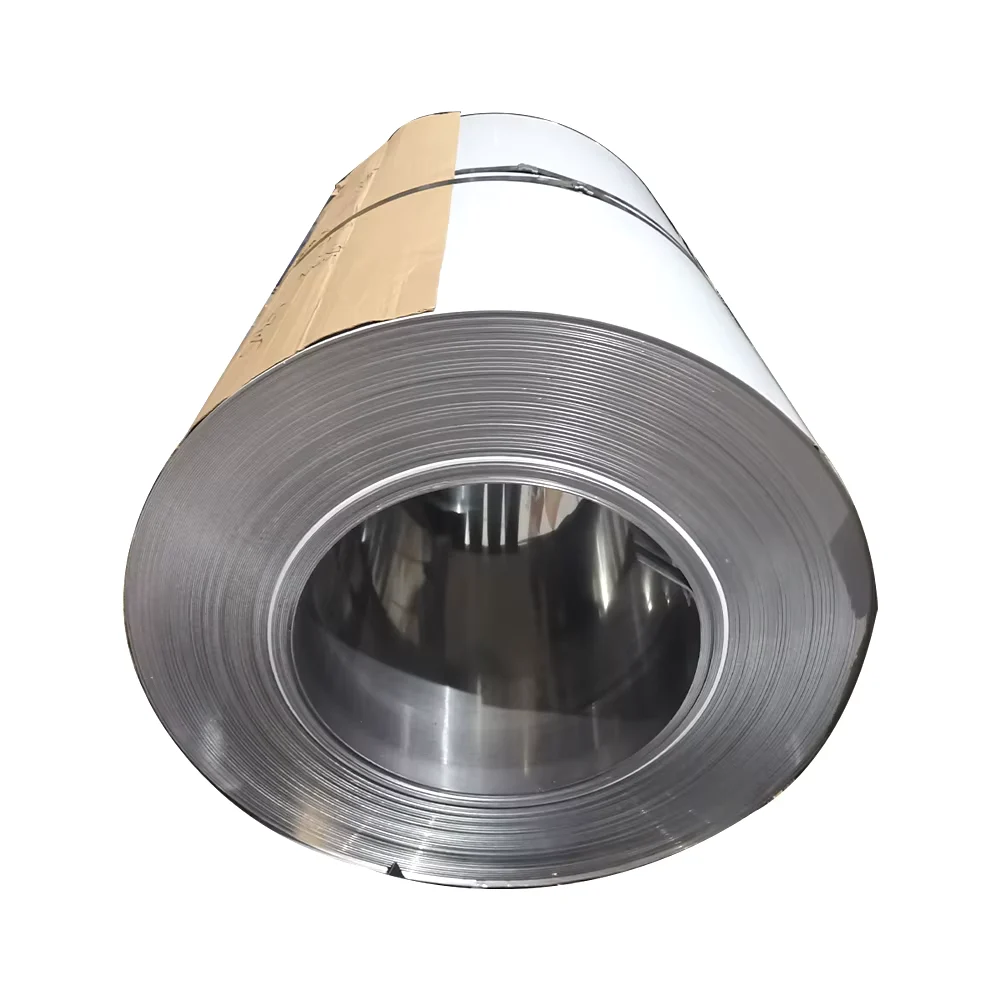
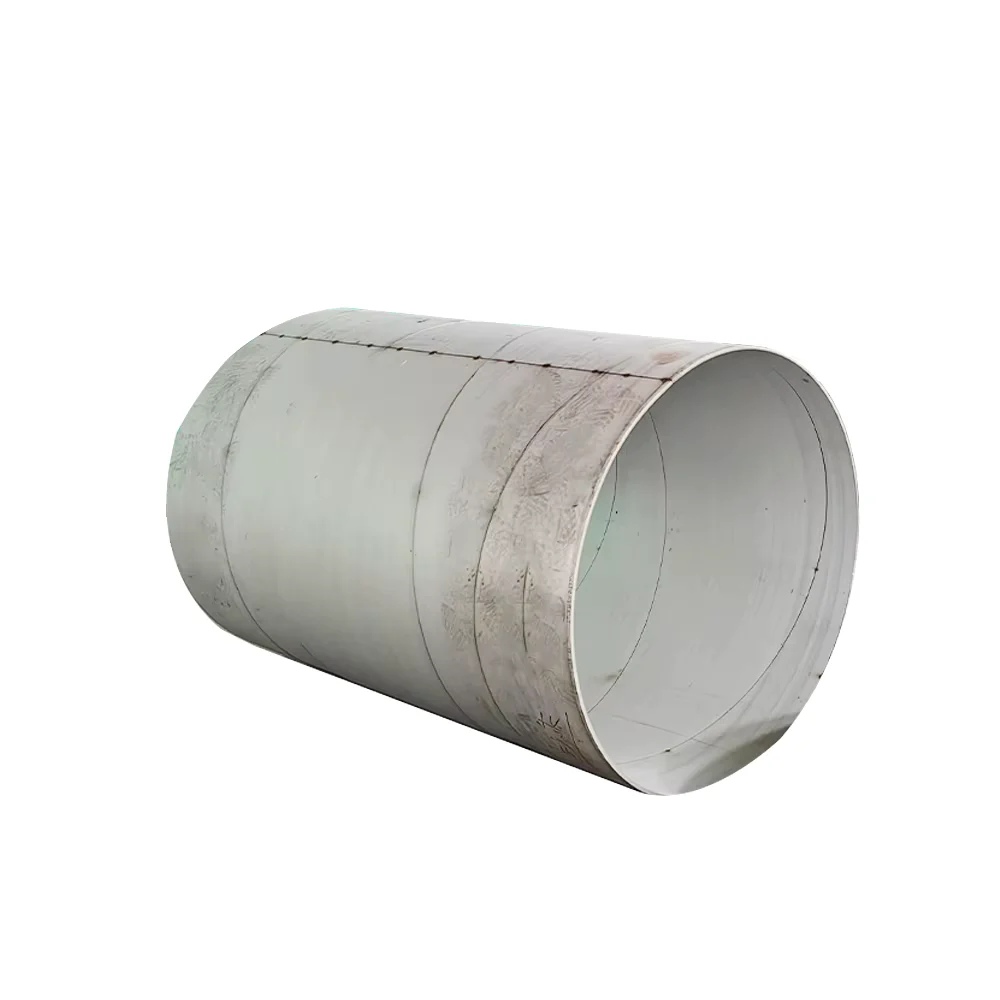
Full-Range Cold Rolled Coil Mill Direct — Vertically integrated production from raw slab to finished coil in 201, 304, 316L, 430 and more, with widths up to 2000 mm and factory-controlled material traceability per heat number.
Technical Specifications
| Parameter | Value |
|---|---|
| Designation | Cold Rolled Stainless Steel Coil |
| Product Type | Steel Coil |
| Steel Grade | 201, 202, 304, 304L, 309, 309S, 310S, 316, 316L, 316Ti, 317L, 321, 347H, 409, 409L, 410, 410S, 420, 430, 436, 439, 441, 444, 446 |
| Thickness | 0.3–14 mm |
| Width | 1000 mm / 1219 mm / 1250 mm / 1500 mm / 1524 mm / 1800 mm / 2000 mm or custom |
| Length | As per coil (continuous) |
| Technique | Cold Rolled |
| Surface Finish | 2B, 2D, HL (Hairline), BA (Bright Annealed), No.4, Gold Mirror, Sapphire Mirror, Rose Mirror, Black Mirror, Bronze Mirror, Gold Brushed, Sapphire Brushed, Rose Brushed, Black Brushed |
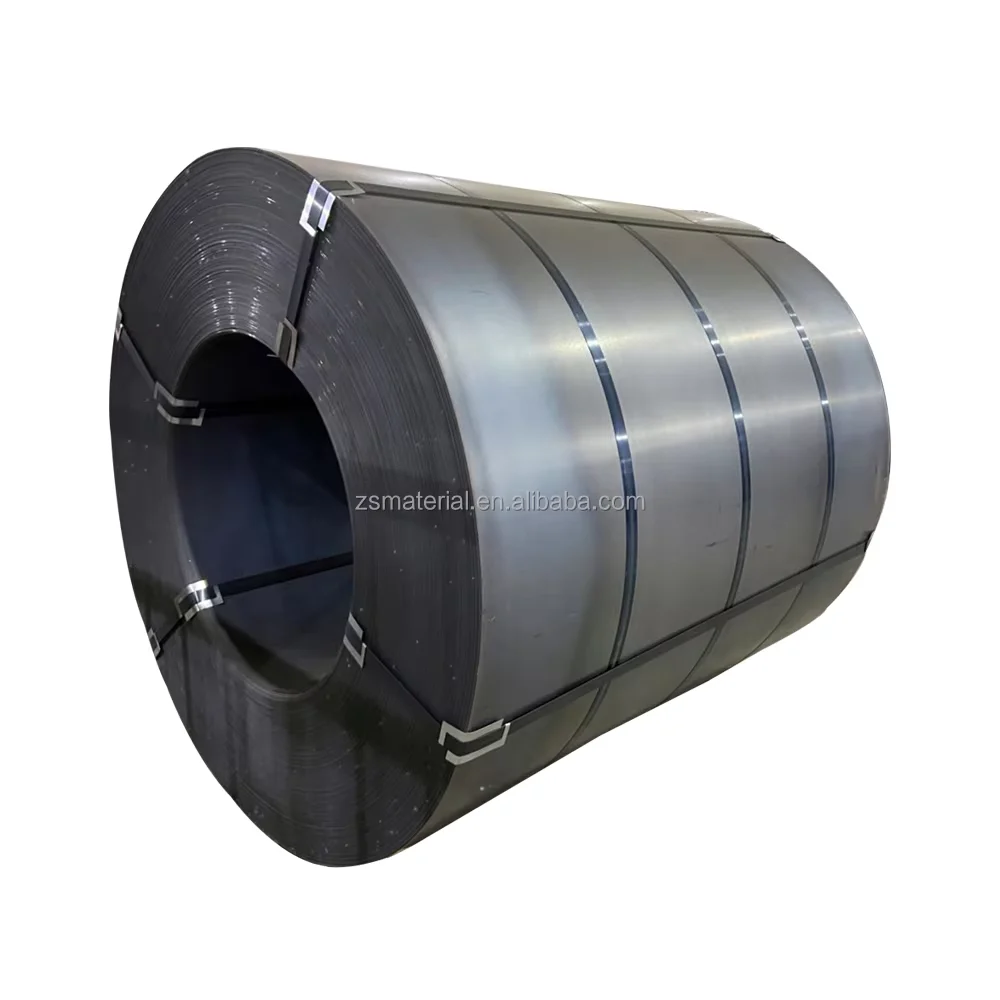
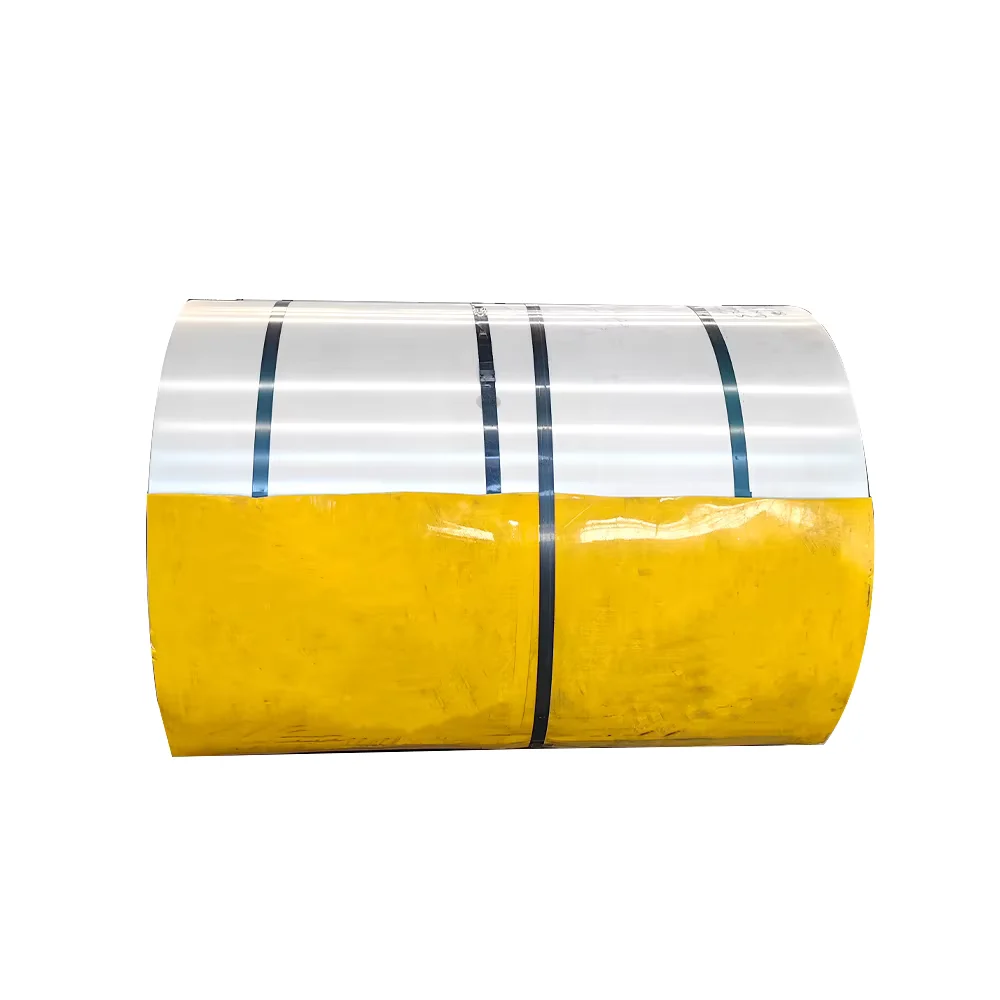
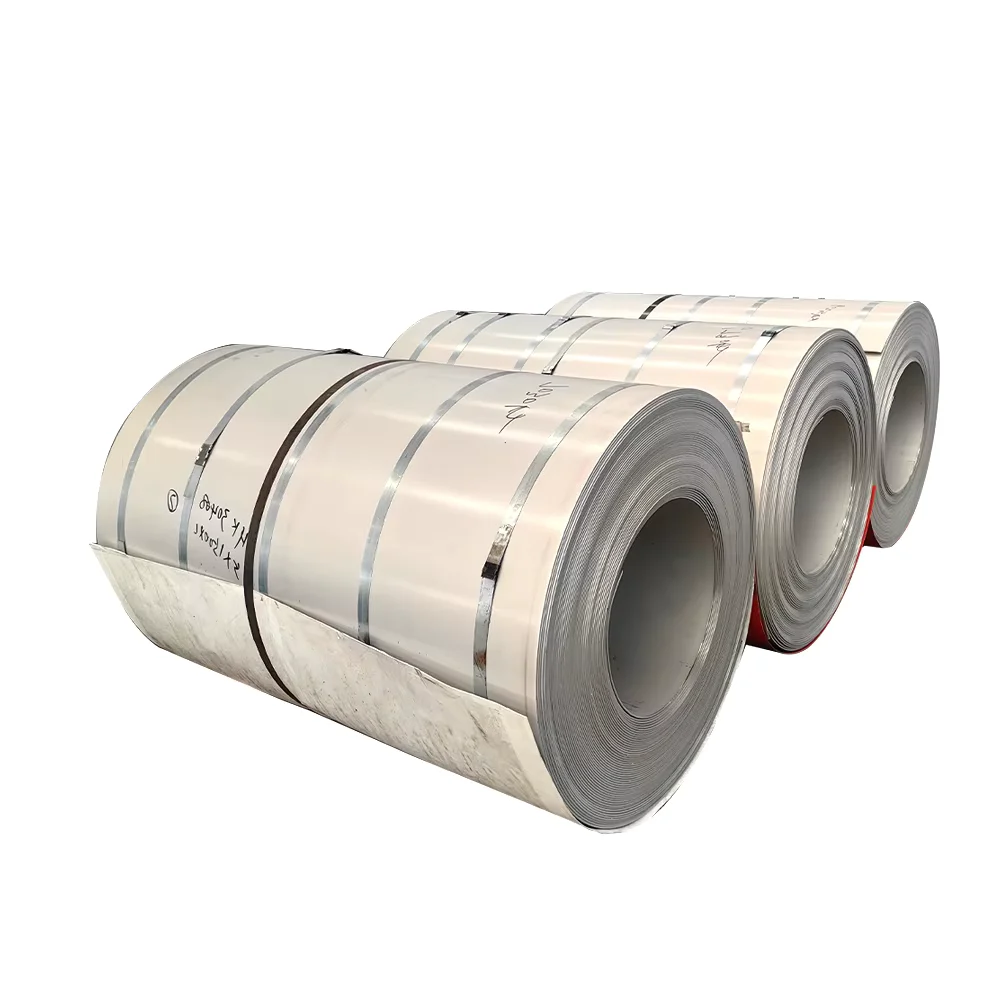
| Packing | Waterproof paper + metal pallet + angle bar protection + steel belt; BA and 8K with PVC film |
| Container Loading | 20ft GP (24–26 CBM, 23 MT) / 40ft GP (54 CBM, 27 MT) / 40ft HG (68 CBM, 27 MT) |
| Application | Industry, food machinery, mechanical & electrical industry, household appliance industry, home decoration and finishing industry |
Application Suitability
| Industry | Typical Applications |
|---|---|
| Food & Pharmaceutical Machinery | Hygienic processing tanks, conveyor belts, and filling equipment housings using 304 and 316L coils for corrosion resistance and cleanability |
| Architectural Decoration & Interior Finishing | Elevator panels, wall cladding, column covers, and ceiling trim in mirror and brushed finishes |
| Household Appliance Manufacturing | Washing machine drums, refrigerator liners, oven interiors, and range hood shells stamped from 2B and BA coils |
| Mechanical & Electrical Engineering | Control panel enclosures, cable tray covers, and switchgear housings requiring formable flat-rolled stock |
| Industrial Fabrication | Welded pipe and tube feedstock, gasket blanks, and flange liners cut from slit coil |
What Material Substitution Costs When Stainless Coils Arrive at Port
A failed PMI test at destination can void an entire shipment — and the re-melt cost always exceeds the original savings.
I once watched a forty-ton container of cold rolled stainless steel coil get rejected at a Middle Eastern project site because the buyer’s handheld XRF showed nickel levels consistent with 201, not 304. The supplier had shipped 201 material with 304 paperwork. No amount of negotiation fixed the chemistry gap. The coils were returned, the project schedule slipped, and the fabricator absorbed both freight and re-procurement costs. [NEED_CITE: PMI testing methods for stainless steel grade verification at project sites]
When sourcing a cold rolled stainless steel coil supplier overseas, the distance between mill and job site magnifies every documentation gap. Missing MTCs, untraceable heat numbers, and inconsistent surface finishes are not minor inconveniences — they are acceptance failures that halt installation. Buyers need a vertically integrated source where slab chemistry, rolling parameters, and final inspection all fall under one quality system.
How Grade Coverage Matches Diverse Engineering Environments
A cold rolled stainless steel coil supplier that stocks austenitic, ferritic, and martensitic families under one roof eliminates the need to fragment orders across multiple mills. For food-grade processing equipment, 304 and 316L coils deliver the chromium-nickel balance needed to resist organic acids and chloride cleaning agents. In architectural applications where aesthetics drive specification, decorative finishes — gold mirror, rose brushed, sapphire mirror — are produced on the same cold rolling lines as standard 2B and BA stock, ensuring consistent gauge and flatness across mixed-finish orders. Our integrated mill and processing facility in Shandong controls chemistry from ladle to coil, so every heat number on the MTC maps directly to the slab poured in our own furnaces.
Corrosion Resistance, Surface Integrity, and Standard Compliance in Coil Supply
Cold rolled stainless coils serving coastal or chemical-exposure environments require verified chromium and molybdenum content — 316L for marine cladding, 309S and 310S for high-temperature furnace linings. Surface finish selection directly affects both corrosion performance and downstream fabrication: BA finishes retain a protective oxide layer ideal for further forming, while No.4 and HL surfaces are specified where fingerprint resistance and visual uniformity matter. For EU-bound projects, EN 10204 3.1 certification with full chemical and mechanical data per heat is mandatory for customs and site acceptance. [NEED_CITE: EN 10204 inspection document types for metallic products] Ferritic grades such as 430, 439, and 441 serve interior and mildly corrosive environments at lower cost, while 409 and 409L are standard in automotive exhaust and industrial ductwork.
Cold Rolling Mechanics and Surface Finish Selection Explained
Cold rolling reduces annealed stainless slab to precise thicknesses — here from 0.3 mm to 14 mm — through successive passes at room temperature, increasing tensile strength and improving surface smoothness. The degree of reduction and final annealing atmosphere determine the finish: 2B results from cold rolling followed by bright annealing and a light skin pass, producing a smooth reflective surface suitable for general fabrication; BA is achieved by annealing in a controlled hydrogen atmosphere, yielding a highly reflective finish without additional mechanical polishing. Decorative finishes — mirror and brushed in gold, rose, sapphire, black, and bronze — are applied through electrolytic polishing or PVD coating after cold rolling, adding aesthetic value for architectural and interior trim applications. Width flexibility from 1000 mm to 2000 mm, including custom slit widths, allows buyers to minimize edge trim waste when feeding stamping lines or slitting equipment.
The Hidden Cost of Unverified Coil Chemistry and Missing Traceability
Ordering cold rolled stainless steel coil from a trader who sources from uncontrolled third-party mills creates a chain of custody gap. When material arrives without heat-number traceability or with MTCs that do not match the physical coil, project inspectors will reject the shipment — regardless of whether the steel is technically usable. The consequences extend beyond the material cost: delayed customs clearance, idle fabrication crews, re-order lead times that push project milestones, and in structural or pressure applications, potential safety liability. [NEED_CITE: material traceability requirements for stainless steel in construction and pressure applications] A vertically integrated cold rolled stainless steel coil supplier eliminates this risk by maintaining full documentation from raw material procurement through final coil inspection.
Why Project Buyers Choose an Integrated Mill for Stainless Coil
Our Shandong facility operates its own steel production lines alongside dedicated cold rolling and finishing equipment, meaning every coil we ship carries a heat number traceable to our furnaces. We stock over 2,800 specifications of raw material and finished product, covering austenitic grades (304, 304L, 316, 316L, 321, 347H), high-temperature alloys (309S, 310S), and ferritic-martensitic families (409, 410, 420, 430, 439, 441, 444). Third-party inspection through SGS, BV, or TUV is arranged before shipment at buyer’s request. Export documentation — including packing list, commercial invoice, certificate of origin, and bill of lading — is prepared in parallel with production so that customs clearance proceeds without delay. Professional loading plans optimize container weight distribution for 20ft and 40ft shipments, protecting coil edges with angle bar reinforcement and steel belt strapping.
Documentation & Compliance
- Mill Test Certificate (EN 10204 3.1) documenting chemical composition — including Cr, Ni, Mo, C content — and mechanical properties for each heat of 304, 316L, 430, and other ordered grades
- Third-party inspection report from SGS, BV, or TUV verifying dimensional accuracy, surface quality, and packaging condition prior to container sealing
- ISO 9001 quality management certification covering the full production chain from slab melting through cold rolling, annealing, and final coil inspection
- Material traceability sheet linking each coil’s heat number to its original ladle chemistry, rolling schedule, and annealing batch record
- Full customs documentation package: packing list with net/gross weight and coil count, commercial invoice, certificate of origin, and bill of lading
- Surface finish certification for decorative coils (mirror, brushed, PVD-coated) confirming coating type, thickness, and adhesion test results
Packaging, Loading & Delivery
- Cold rolled stainless steel coils wrapped in waterproof kraft paper with inner plastic film, secured on metal pallets with angle bar edge protection and steel belt strapping to prevent transit damage
- BA and mirror finish coils additionally protected with PVC film to preserve surface integrity against scratching during handling and ocean freight
- Container loading optimized for 20ft GP (23 MT, 24–26 CBM), 40ft GP (27 MT, 54 CBM), and 40ft HG (27 MT, 68 CBM) with weight distribution plans to meet port and road transport limits
- Heat number, steel grade, width, thickness, and surface finish clearly marked on each coil’s outer packaging and on the coil ID tag for site identification and MTC cross-referencing
- Custom slit widths from 1000 mm to 2000 mm shipped on standard export pallets with interleaving paper between layers to prevent edge marking
- FOB, CIF, and DDP terms available with door-to-door logistics coordination to project sites across the Middle East, Southeast Asia, Europe, and Africa
How to Request a Quotation and Verify Material Compliance
To receive pricing and lead time for cold rolled stainless steel coil, submit your required steel grade, thickness, width, surface finish, and total quantity along with the destination port. We respond within one business day with a detailed quotation including material cost, processing charges, packaging, and freight options. Mill Test Certificates, third-party inspection arrangements, and container loading plans are confirmed before contract signing.
Request Your Cold Rolled Stainless Steel Coil Quote
Send your specifications — grade, dimensions, finish, and quantity — to receive a detailed quotation with Mill Test Certificate commitment and estimated production schedule.
Company: Shandong Xin Jiyuan Special Steel Tube Co., Ltd
Website: www.xjystructure.com
Tel: +86 531 8573 6315
Mobile/WhatsApp/WeChat: +86 188 5315 7756
Email: admin@xjystructure.com
Address: No.11889, Jingshi West Road, Lulian Group, Jinan City, Shandong Province, China
Frequently Asked Questions
Q: What is the difference between 201, 304, 316L, and 430 cold rolled stainless steel coil?
A: 201 is a manganese-substituted austenitic grade offering lower cost with moderate corrosion resistance. 304 is the standard austenitic grade with good formability and general-purpose corrosion resistance. 316L contains molybdenum for enhanced resistance to chloride pitting, making it suitable for marine and chemical environments. 430 is a ferritic grade with lower cost and good resistance to mild atmospheric corrosion, commonly used in interior decoration and appliance applications.
Q: What surface finishes are available for cold rolled stainless steel coil?
A: Standard finishes include 2B (smooth, semi-reflective), 2D (matte), BA (Bright Annealed, highly reflective), HL (Hairline, directional satin), and No.4 (general-purpose satin). Decorative finishes include mirror (Gold, Sapphire, Rose, Black, Bronze) and brushed variants in the same color range, produced through electrolytic polishing or PVD coating.
Q: Can cold rolled stainless steel coils be slit to custom widths?
A: Yes. Standard stock widths include 1000 mm, 1219 mm, 1250 mm, 1500 mm, 1524 mm, 1800 mm, and 2000 mm. Custom slit widths are available based on your requirements, with minimum order quantities depending on grade and finish.
Q: How is material traceability maintained for each coil?
A: Every coil is assigned a unique heat number linked to its original ladle chemistry, rolling schedule, and annealing batch. The Mill Test Certificate (EN 10204 3.1) documents full chemical composition and mechanical properties for each heat, and the heat number is marked on both the coil and its packaging.
Q: What third-party inspection services are available before shipment?
A: SGS, BV, and TUV inspections can be arranged to verify coil dimensions, surface quality, packaging condition, and documentation accuracy before container loading. Inspection reports are issued directly to the buyer.