Description
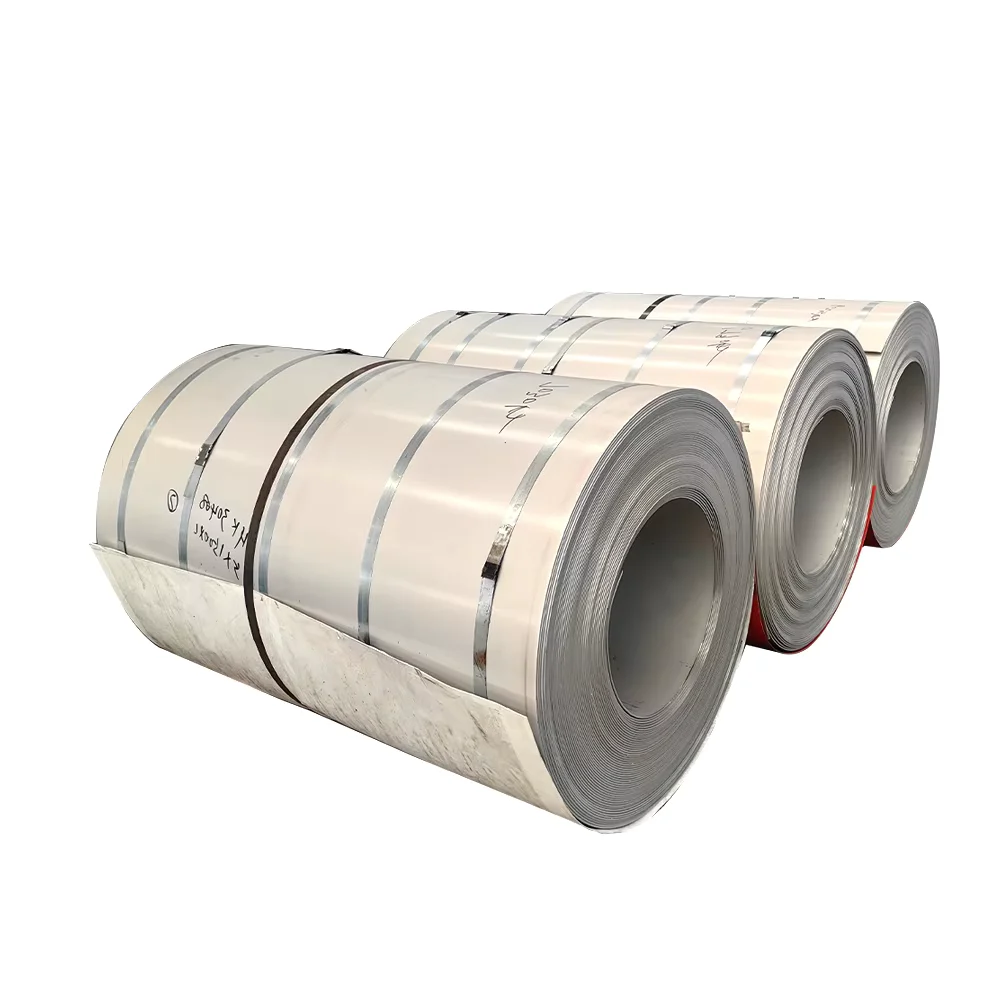
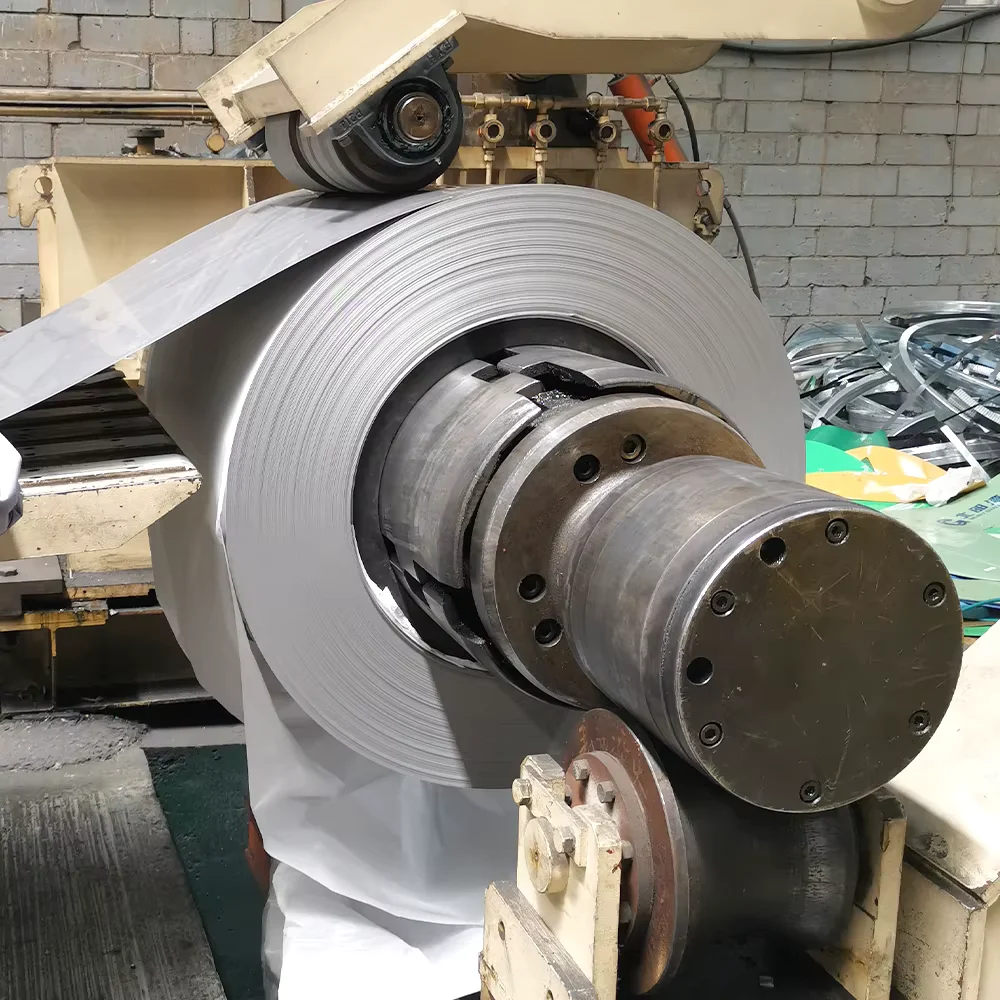
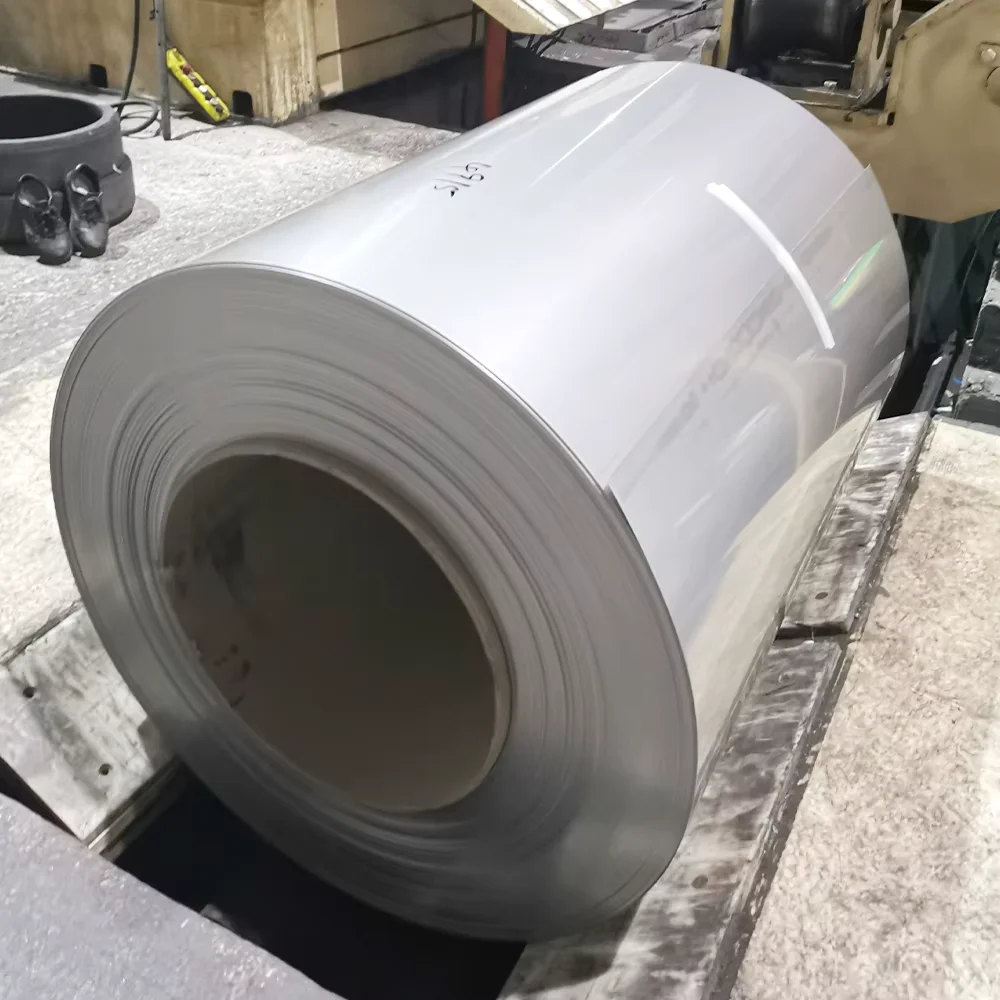
Direct Mill Supply with Full Traceability — Every 304L and 316L cold rolled stainless steel coil ships with heat-number-linked mill test certificates from our own production lines.
Technical Specifications
| Parameter | Value |
|---|---|
| Designation | 304L 316L Cold Rolled Stainless Steel Coil |
| Product Type | Stainless Steel Coil |
| Steel Grade | 201, 301, 304, 304L, 310S, 316, 316L, 321, 405, 409L, 410, 410L, 420, 430, 430A, 309S, 2205, 2507, 2520, 904L |
| Standard | ASTM, JIS, GB, AISI, DIN, BS, EN |
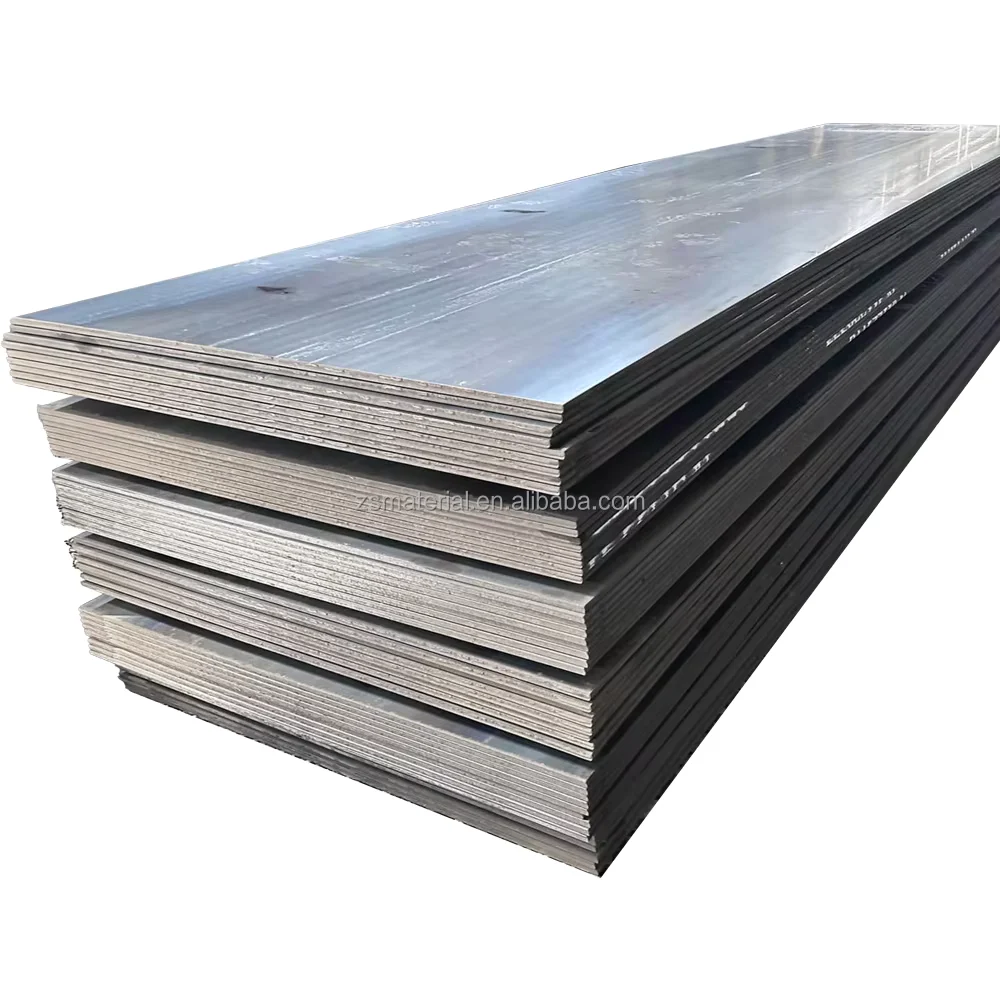
| Thickness (Cold Rolled) | 0.15–3mm |
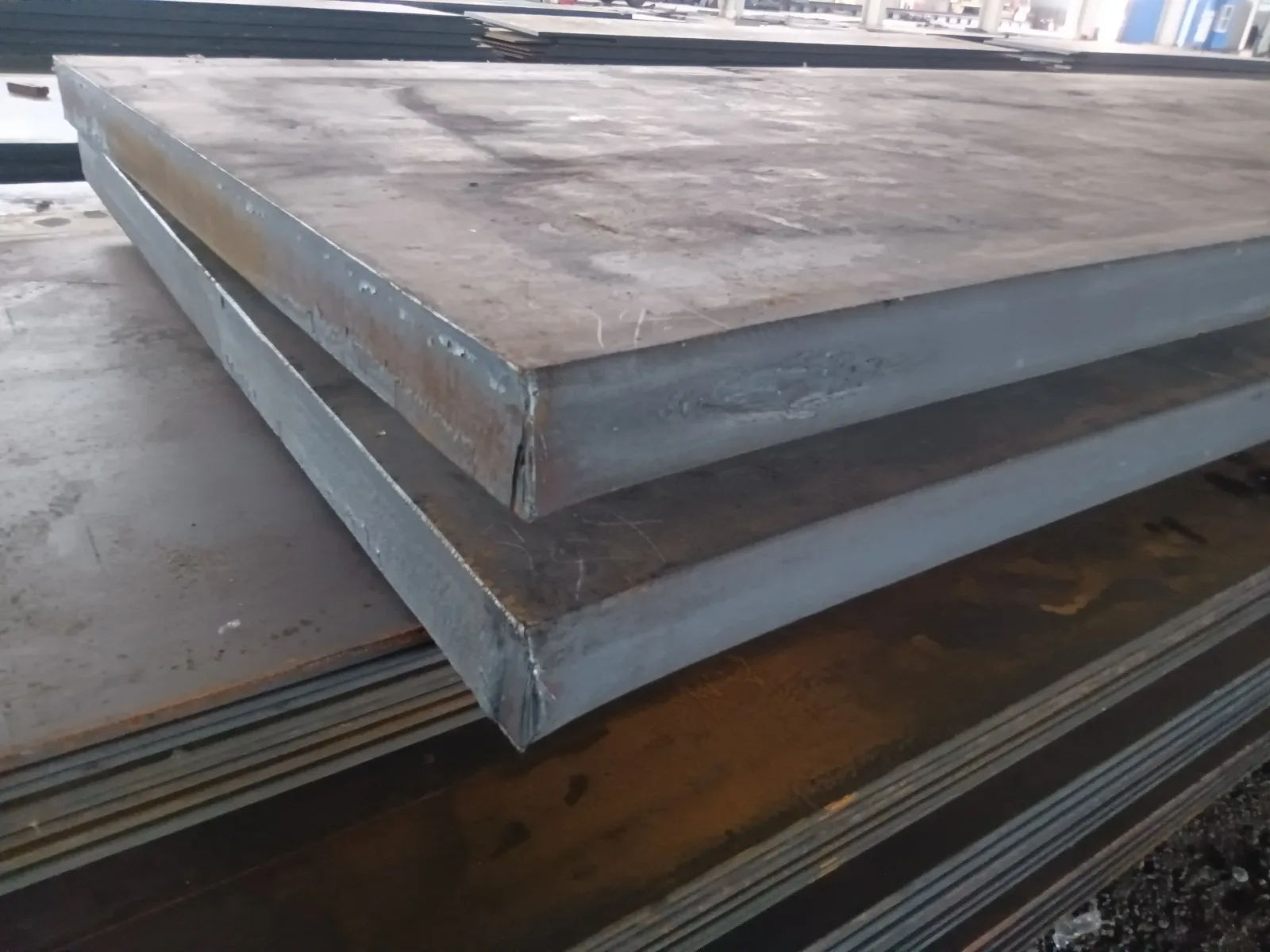
| Thickness (Hot Rolled) | 3–120mm |
| Width | 1000mm / 1219mm / 1500mm (slit to narrow width available) |
| Length | 2000mm / 2438mm / 2440mm / 3048mm (or customized) |
| Technique | Cold Rolled / Hot Rolled |
| Surface Treatment | 2B, 2D, BA, 8K, HL (Hairline), NO.4, NO.1, Embossed, Colored |
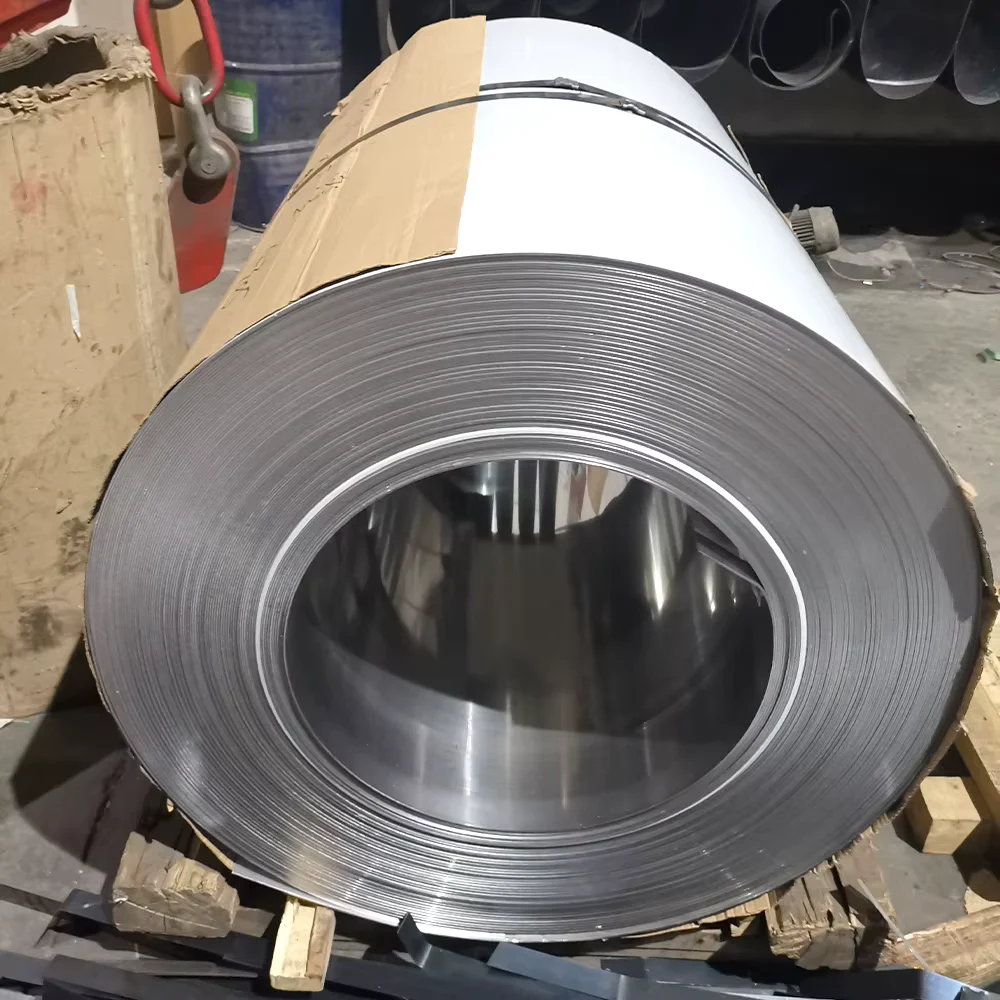
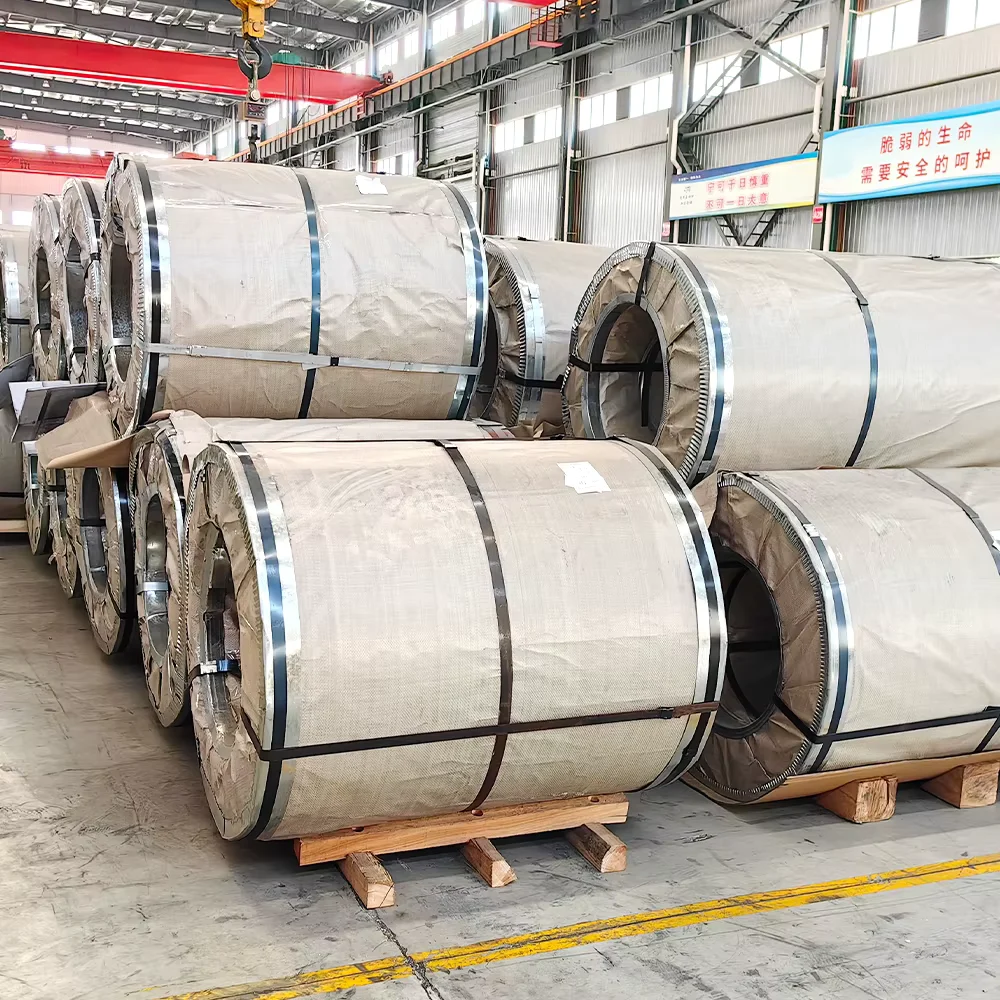
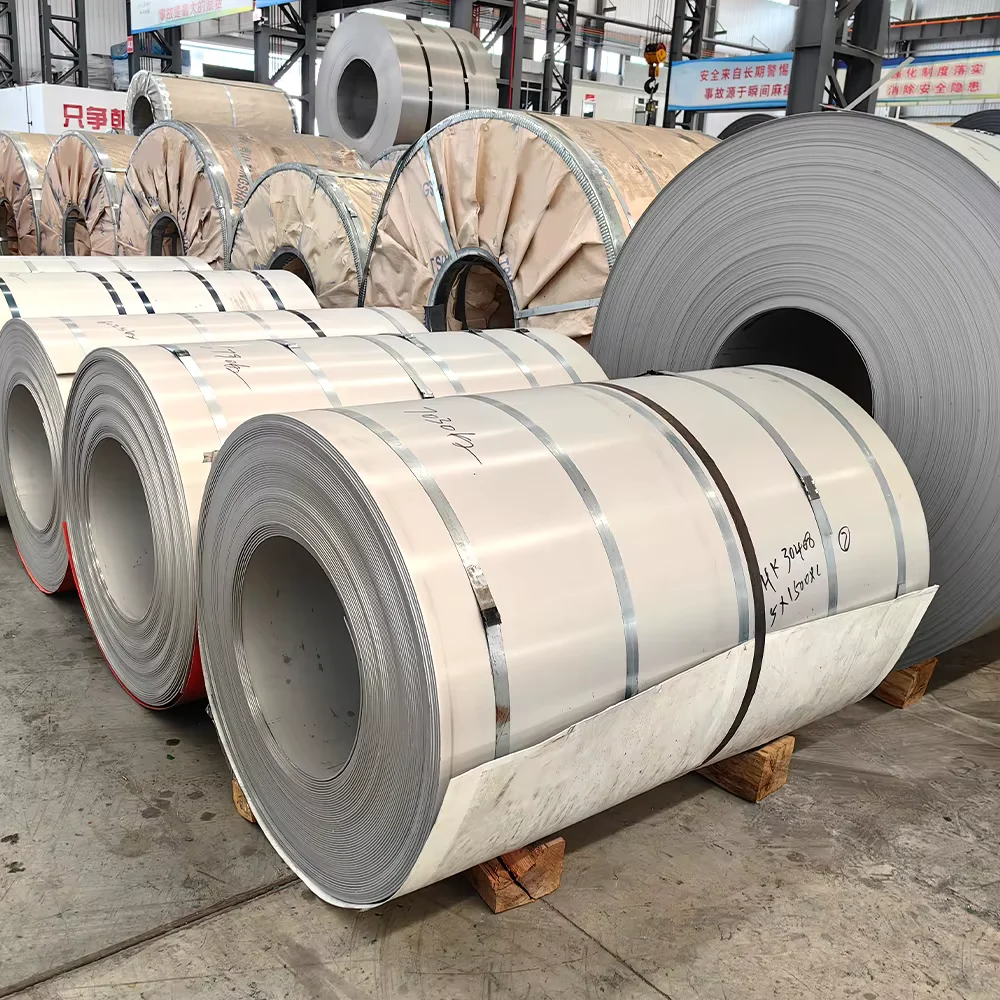
| Packing | Waterproof paper + steel strapping + pallet; BA and 8K with PVC film |
| Application | Medical equipment, food industry, table-wares, construction & architectural decoration, kitchen utensils, chemical industry, petroleum industry, storage tanks, industrial equipment, elevator interiors |
| Origin | Shandong, China |
Application Suitability
| Industry | Typical Applications |
|---|---|
| Construction & Architecture | Elevator interior panels, building facade cladding, decorative column covers |
| Chemical & Petroleum | Storage tank linings, process piping wrappers, pressure vessel shells |
| Food & Medical | Sanitary work surfaces, surgical instrument blanks, dairy processing equipment |
| Industrial Equipment | Conveyor belt substrates, heat exchanger wraps, filtration screen stock |
Why Surface Finish Selection Determines Inspection Rejection Rates on Site
A coil arriving with the wrong finish grade cannot be reworked at the job site — it must be returned or scrapped entirely.
I have watched entire container loads of 8K mirror-finish coils get rejected at a Middle East high-rise project because the protective PVC film delaminated during transit, leaving micro-scratches that ruined the reflectivity. The contractor had specified HL hairline for the elevator lobby panels but received 2B stock with no documentation to prove the mismatch until the material was unrolled. Cold rolled 304L 316L stainless steel coil orders require finish specification locked before production begins — not after the container reaches the port. Surface treatment variations between 2B, BA, 8K, and HL involve fundamentally different rolling passes, annealing atmospheres, and polishing sequences [NEED_CITE: stainless steel surface finish classification per ASTM A480].
Matching Finish and Grade to Corrosive and Aesthetic Demands
Architectural projects specifying 8K mirror or HL hairline finishes on 304L coils need consistent grain direction and zero roll marks — our cold rolling lines maintain gauge control within tight tolerances across the full 0.15–3mm range to prevent surface telegraphing. For chemical plant clients ordering 316L or duplex 2205/2507 grades, the cold rolled surface must remain free of carbide precipitation zones that compromise chloride resistance. Each Cold Rolled 304L 316L stainless steel coil is produced under controlled annealing and pickling conditions matched to the specified finish, ensuring the surface integrity aligns with both the visual requirement and the corrosion environment.
Engineering Compliance and Certification Pathways
Projects in the European Union require EN-compliant material documentation for stainless steel used in structural or pressure-containing applications, while North American specifications typically reference ASTM A240 or A480 frameworks [NEED_CITE: ASTM A240 standard specification for chromium and chromium-nickel stainless steel plate]. Our cold rolled coils conform to ASTM, JIS, GB, AISI, DIN, BS, and EN standards as specified, with full chemical composition and mechanical property documentation traceable by heat number. For petroleum and chemical storage tank applications, grade selection between 304L and 316L directly affects pitting resistance equivalent number (PREN), and our technical team provides grade equivalence guidance during the inquiry stage. Slitting to custom widths from our 1000mm, 1219mm, and 1500mm master coils supports precise panel nesting for architectural cladding, reducing on-site waste.
Grade Selection Logic: 304L vs 316L vs Duplex
The “L” suffix in 304L and 316L denotes low carbon content, which prevents chromium carbide precipitation at weld zones — critical for any application involving field welding or post-fabrication heat exposure. 316L adds molybdenum (2–3%), significantly improving resistance to pitting corrosion in chloride environments such as coastal architecture or chemical processing. For more aggressive conditions, duplex grades 2205 and 2507 offer superior stress corrosion cracking resistance and higher strength, allowing thinner gauge cold rolled coils to achieve the same structural performance. The 400-series ferritic grades like 430 and 409L serve applications where magnetic properties or lower cost matter more than deep-drawing formability. Understanding these distinctions before ordering a Cold Rolled 304L 316L stainless steel coil prevents costly post-delivery grade substitution disputes.
Hidden Costs of Unverified Material Procurement
Ordering stainless steel coils without heat-number traceability creates a cascade of downstream risks: failed positive material identification (PMI) tests at site, customs holds due to missing mill certificates, and in worst cases, structural or corrosion failures that trace back to mislabeled grade material [NEED_CITE: consequences of material mix-up in stainless steel fabrication]. A 316L coil delivered as 304 may pass visual inspection but will fail salt-spray exposure testing within weeks in a marine environment. Certification gaps also trigger re-inspection costs and project delays that far exceed the original price difference between verified and unverified sourcing.
Procurement Confidence Through Vertical Integration
Our own steel production facility operates multiple rolling lines with over 2,800 specification combinations in active inventory, meaning your Cold Rolled 304L 316L stainless steel coil order is fulfilled from raw slab to finished product under a single quality management system. Every coil carries a mill test certificate documenting chemical composition and mechanical properties per the relevant standard, with full material traceability from heat number to finished dimensions. We maintain ISO 9001 certification and accommodate third-party inspections through SGS, BV, or TUV prior to shipment. Custom slitting to narrow widths, multiple surface finish options from 2B through embossed and PVD colored, and export-ready packing with PVC film protection for mirror finishes are all handled in-house — eliminating the coordination gaps that occur when material sourcing and fabrication are split across separate suppliers.
Documentation & Compliance
- Mill test certificate documenting 304L/316L chemical composition (C, Cr, Ni, Mo content) and mechanical properties per ASTM A240, linked to individual heat number
- EN 10204 Type 3.1 inspection certificate available for European project compliance with material verification requirements
- ISO 9001 quality management system certification covering the full cold rolling and surface treatment process
- SGS/BV/TUV third-party inspection reports available upon request prior to container sealing
- Complete material traceability package from raw slab heat number through cold rolling passes to finished coil dimensions and surface finish
- Export documentation including commercial invoice, packing list, bill of lading, and certificate of origin for customs clearance
Packaging, Loading & Delivery
- Cold rolled 304L/316L coils wrapped in waterproof kraft paper with inner plastic layer, secured by steel strapping on fumigation-free pallets to prevent edge damage during ocean transit
- BA and 8K mirror finish coils receive additional PVC film wrapping to protect surface reflectivity from scratching and environmental contamination
- Slit-to-width coils in narrow dimensions packaged with edge protectors and interleaved paper to maintain edge condition for architectural panel applications
- Container loading optimized for 1000mm/1219mm/1500mm master coil widths with coil eye orientation selected per transport mode to prevent telescoping
- Heat number, steel grade, thickness, width, and surface finish clearly marked on each coil ID tag and outer packaging for site identification
- FOB, CIF, and DDP shipping terms available with professional oversized cargo handling experience across Middle East, Southeast Asian, and African ports
Initiating Your Inquiry with Precision
Submit your project specifications including steel grade, thickness, width, surface finish, quantity, and destination port to receive a detailed quotation with production timeline and mill test certificate preview. For architectural projects requiring specific HL grain direction or PVD color matching, share reference samples or Pantone codes for our technical team to confirm feasibility. We provide shop drawing support for custom slitting layouts and can arrange pre-shipment third-party inspection to verify finish quality and dimensional accuracy before container loading.
Frequently Asked Questions
Q: What is the difference between 304, 304L, and 316L for cold rolled coil applications?
A: 304L and 316L both feature reduced carbon content to prevent weld-zone corrosion. 316L contains molybdenum for enhanced chloride resistance, making it suitable for marine and chemical environments. Standard 304 is appropriate for general architectural and food industry applications where welding-induced sensitization is not a concern.
Q: Which surface finish is appropriate for elevator interiors versus chemical tank linings?
A: Elevator interiors typically specify HL (hairline) or 8K mirror finishes for aesthetic consistency. Chemical tank linings and food processing surfaces require 2B or BA finishes that provide smooth, hygienic, and corrosion-resistant surfaces without the cosmetic requirements of architectural applications.
Q: Can you provide third-party inspection before shipment?
A: Yes, we accommodate SGS, BV, and TUV inspections at our facility prior to container sealing. Inspection scope can cover dimensional verification, surface finish quality, chemical composition analysis via PMI, and packaging condition assessment.
Q: What is the minimum order quantity for custom slitting and specialty surface finishes?
A: MOQ varies by grade, thickness, and finish specification. Standard 2B finish coils in common grades and widths have lower thresholds, while 8K mirror, embossed, or PVD colored finishes may require higher minimums due to dedicated processing line setup.
Q: How do you ensure material traceability from raw material to finished coil?
A: Every coil is assigned a unique heat number that traces back to the raw slab chemistry and processing history. Mill test certificates document the complete chemical composition and mechanical properties for each heat, and our integrated production system maintains this traceability through all cold rolling, annealing, and surface treatment stages.
Request Your Cold Rolled Stainless Steel Coil Quotation
Share your grade, dimension, finish, and quantity requirements to receive pricing with full mill test documentation within one business day. Contact us via WhatsApp at +86 188 5315 7756 or email admin@xjystructure.com.