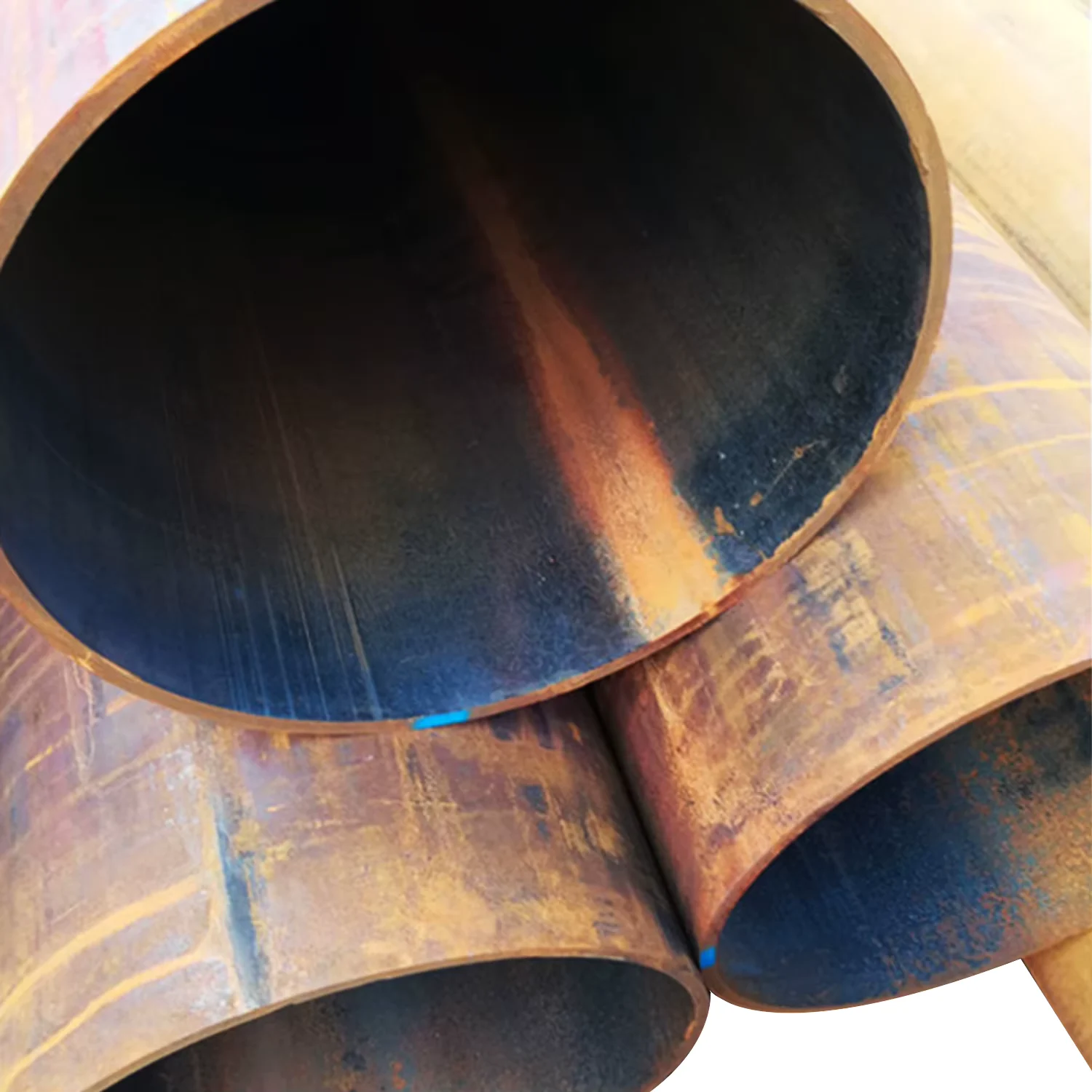
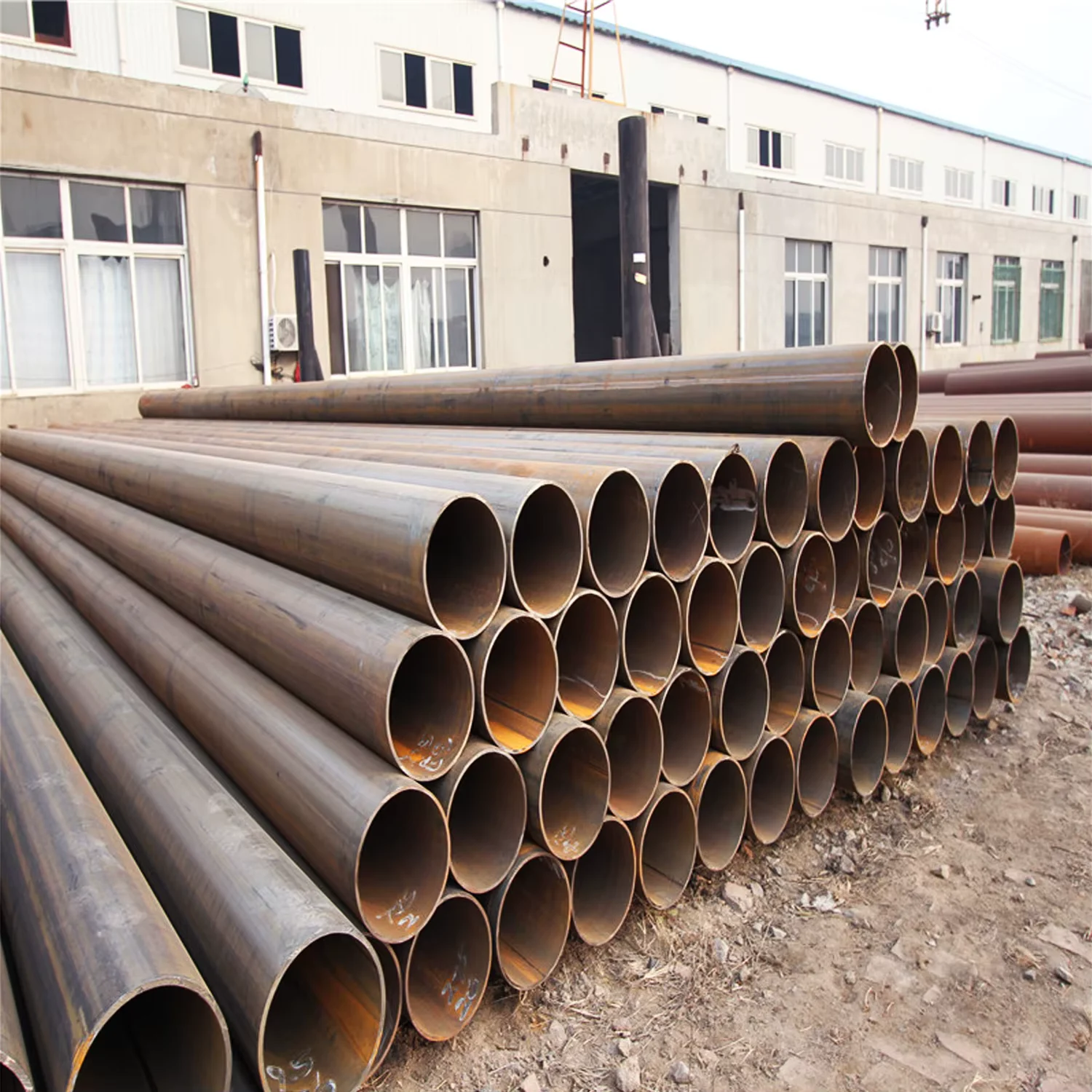
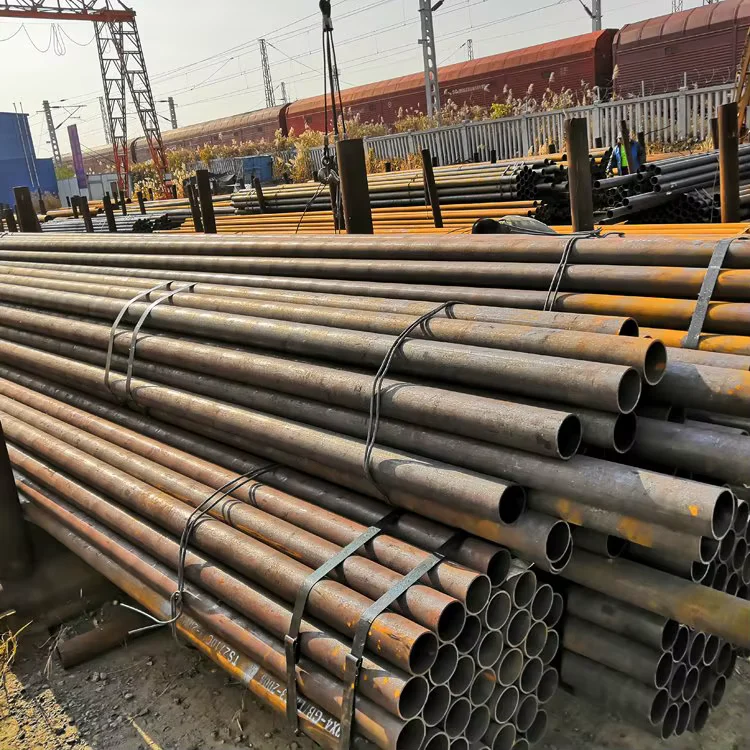
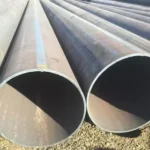

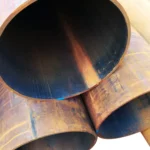

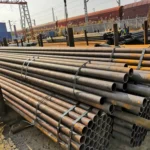
Description
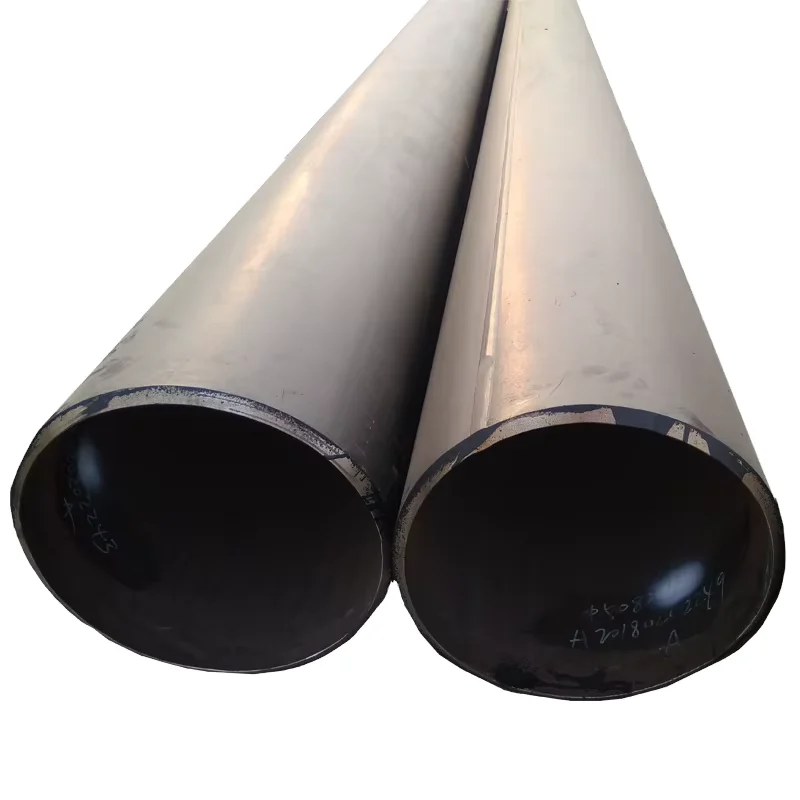
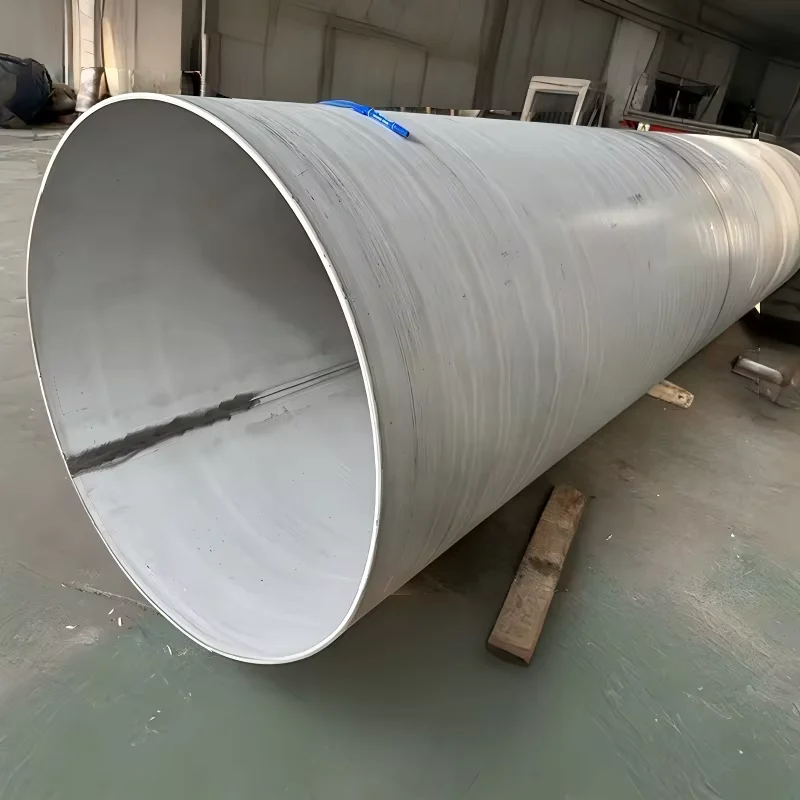
API 5L LSAW steel pipe supplier — Vertically integrated from raw steel plate to finished JCOE pipe with full API 5L monogram certification and 100% NDT testing.
Technical Specifications
| Parameter | Value |
|---|---|
| Designation | API 5L X42 X52 X60 LSAW Steel Pipe |
| Product Type | LSAW (Longitudinal Submerged Arc Welded) Steel Pipe |
| Steel Grade | API 5L Gr.B / X42 / X52 / X60 (PSL1 / PSL2) |
| Standard | API 5L / GB/T 9711 / ASTM A252 |
| Section Shape | Round |
| Size Range | Large Diameter (JCOE forming method) |
| Length | 6 m / 6.4 m / 12 m (customizable) |
| Technique | LSAW (JCOE High Roundness) |
| Surface Treatment | 3PE / FBE / Bare / Concrete Weight Coating |
| Tolerance | ±0.5% |
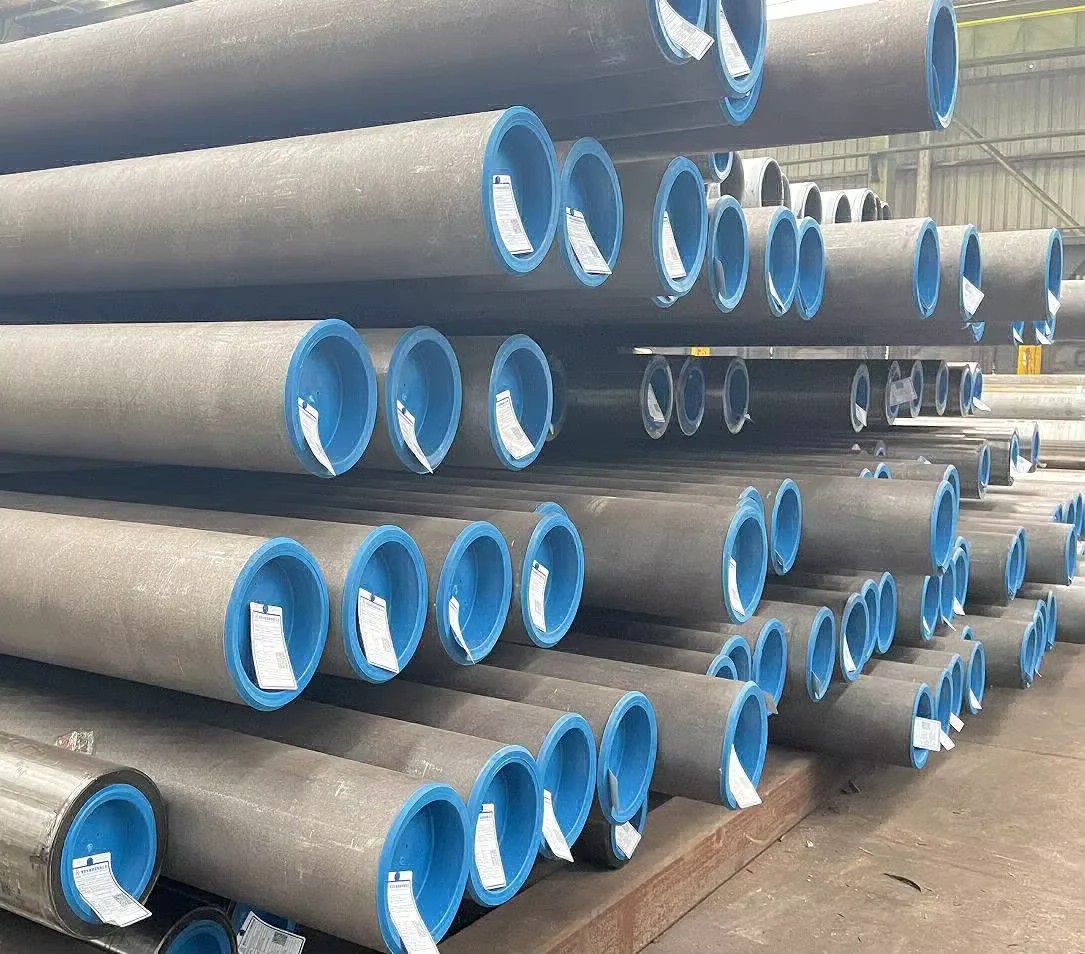
| Ends | Beveled Ends with Steel Protector |
| Application | Oil & Gas Pipeline / Offshore Pipeline / Deep Sea Pipeline / Jacket Platform / Piling / Fluid Transport |
| Origin | Shandong, China |
Application Suitability
| Industry | Typical Applications |
|---|---|
| Oil & Gas EPC | Onshore transmission pipelines, gathering lines, cross-country trunk lines |
| Offshore Engineering | Subsea flowlines, riser systems, jacket platform structural legs |
| Infrastructure & Piling | Bridge foundation piles, port marine piling, heavy load-bearing columns |
| Industrial Fluid Transport | Water intake/outfall lines, slurry transport, process piping in refineries |
Why Material Traceability Decides Whether Your LSAW Pipe Clears Customs
One heat number from raw plate to finished pipe — no third-party steel sourcing gaps.
When EPC firms source API 5L LSAW steel pipe from China, the most common customs and inspection failure point is not dimensional tolerance — it is broken material traceability. Fabricators who buy steel plate from third-party mills cannot guarantee that the heat number on the mill test certificate matches the plate actually formed into the pipe. This creates rejection risk at destination ports where customs authorities and client inspectors demand full chain-of-custody documentation under API 5L PSL2 requirements. [NEED_CITE: API 5L PSL2 material traceability requirements]
Our integrated mill-to-pipe model means the same facility produces the steel plate and forms it into finished LSAW pipe. Every pipe carries a heat number traceable back to the original steelmaking batch, with chemical composition and mechanical properties verified at each stage. This eliminates the documentation gaps that cause shipment holds at Middle East and Southeast Asian ports.
How JCOE Forming Matches Offshore and Buried Pipeline Demands
Large-diameter API 5L LSAW steel pipe produced through JCOE forming delivers high roundness and straightness below 0.2%, which directly affects field welding quality on offshore lay-barge operations and cross-country pipeline spreads. The JCOE process — J-forming, C-forming, O-forming, and Expansion — progressively shapes the steel plate into a precise cylindrical profile before submerged arc welding. This controlled forming sequence minimizes residual stress and ensures consistent ovality, allowing contractors to achieve acceptable high-low conditions during field girth welding without excessive line-up clamping force.
Engineering Compliance and Coating Selection for Corrosive Environments
API 5L PSL2 pipe for offshore and subsea applications requires coating systems that withstand hydrostatic pressure, cathodic disbondment, and mechanical damage during installation. Our 3PE coating system provides a three-layer barrier — fusion-bonded epoxy primer, copolymer adhesive, and polyethylene outer layer — suitable for buried and submerged pipelines operating at temperatures up to 70°C. For high-temperature flowlines, FBE coating offers thermal resistance up to 110°C with excellent adhesion to the steel substrate. Concrete weight coating adds negative buoyancy for subsea stability and impact protection during rock-dumping operations. [NEED_CITE: 3PE coating system DNV-RP-F106 requirements]
Steel Grade Selection: X42, X52, and X60 for Different Pressure Regimes
The API 5L designation system uses the “X” prefix followed by a number indicating minimum yield strength in ksi. X42 pipe delivers higher yield capacity than Gr.B, making it suitable for moderate-pressure gathering lines and distribution networks. X52 and X60 grades serve high-pressure transmission pipelines where wall thickness optimization reduces total tonnage and welding costs. PSL2 specification adds mandatory Charpy impact testing at -20°C, chemical composition restrictions on carbon equivalent, and stricter tensile property tolerances — requirements essential for sour service and low-temperature offshore environments.
The Hidden Cost of Sourcing LSAW Pipe Without Integrated Quality Control
Dimensional non-conformance discovered at site costs ten times more than rejection at the mill.
When API 5L LSAW steel pipe arrives at a project site with ovalized ends, excessive weld reinforcement, or coating holidays, the contractor faces a choice: pay for field rework with mobile equipment, or reject the lot and wait for replacement shipments. Oversized 12-meter pipe sections cannot be returned through standard logistics channels. The cost of delay — idle welding crews, missed lay-barge windows, liquidated damages — far exceeds the price difference between an integrated supplier and a trading company sourcing from multiple mills. [NEED_CITE: pipeline construction cost impact of material rejection]
Why Procurement Teams Choose an Integrated Mill-and-Fabrication Source
Our facility operates three steel production lines with over 2,800 raw material specifications in stock, meaning API 5L LSAW steel pipe orders begin with plate that has already passed internal chemical and mechanical verification before forming starts. The same quality management system governs steelmaking, plate rolling, JCOE forming, submerged arc welding, NDT testing, and coating application. Welding procedures are qualified per AWS and EN standards, with welders holding current certifications. Every order ships with a complete documentation package — WPS, PQR, weld maps, dimensional inspection reports, and coating thickness measurements — prepared by the same engineering team that reviewed your shop drawings.
Documentation & Compliance
- Mill test certificate documenting API 5L X42/X52/X60 chemical composition and mechanical properties per heat number, traceable from raw plate to finished pipe
- API 5L Monogram certification confirming compliance with PSL1 or PSL2 requirements including Charpy impact test results at -20°C
- ISO 9001 quality management system certificate covering steelmaking, pipe fabrication, and coating processes
- Third-party inspection report from SGS or BV covering dimensional verification, NDT results, and coating adhesion testing
- Material traceability sheet linking each pipe to its heat number, plate rolling record, welding log, and coating batch
- Export documentation including packing list, bill of lading, certificate of origin, and coating system data sheet
Packaging, Loading & Delivery
- API 5L X42/X52/X60 LSAW pipes bundled with steel strips and separated by rubber cradles to prevent coating damage during ocean transit
- Beveled pipe ends protected with steel or heavy-duty plastic caps to preserve weld preparation geometry
- 3PE/FBE coated pipes loaded with nylon slings and edge protectors to maintain coating integrity through port handling
- 12-meter and 6.4-meter lengths optimized for 40ft open-top and flat-rack container loading, with stowage sketches provided before production
- Each pipe marked with heat number, steel grade, size, and length for site identification and traceability verification
- FOB, CIF, and DDP delivery options with professional oversized cargo loading plans and real-time shipment tracking
Start Your API 5L LSAW Pipe Inquiry
Submit your project specifications — including steel grade, diameter, wall thickness, length, coating requirement, and destination port — to receive a detailed quotation with production schedule, mill test certificate sample, and loading plan within 24 hours. Our engineering team will review your requirements and confirm API 5L compliance, coating system suitability, and delivery timeline before contract signing.
Request Quotation and Technical Documentation
Share your project drawings and specifications to receive pricing, material traceability documentation, and delivery schedule.
Tel: +86 531 8573 6315 | Mobile/WhatsApp/WeChat: +86 188 5315 7756 | Email: admin@xjystructure.com
Frequently Asked Questions
Q: What is the difference between API 5L PSL1 and PSL2, and which one do I need?
A: PSL2 pipe requires additional testing including Charpy impact testing, stricter chemical composition limits, and mandatory hydrostatic testing. PSL2 is typically specified for offshore, sour service, and high-pressure transmission applications where impact toughness and chemical control are critical. PSL1 is suitable for standard onshore pipelines and lower-pressure applications.
Q: How do you ensure material traceability from raw steel to finished pipe?
A: Our vertically integrated facility produces the steel plate and fabricates it into finished LSAW pipe under one quality management system. Each pipe carries a unique heat number traceable to the original steelmaking batch, with chemical composition and mechanical properties documented at every production stage.
Q: What coating options are available for offshore versus buried pipeline applications?
A: For buried onshore pipelines, 3PE coating provides excellent corrosion protection with mechanical damage resistance. For subsea applications, concrete weight coating adds negative buoyancy and impact protection. FBE coating is suitable for high-temperature flowlines. We can apply coating systems per client specification or project standard requirements.
Q: Can you provide third-party inspection and what documentation is included?
A: Yes, we welcome SGS, BV, or other nominated third-party inspectors at our facility. Standard documentation includes mill test certificates, API 5L monogram certification, NDT reports (100% ultrasonic and X-ray testing), dimensional inspection reports, coating thickness and adhesion test results, and export documentation.
Q: What is the production lead time and how do you handle oversized cargo shipping?
A: Typical production lead time depends on order quantity and coating requirements. We provide detailed production schedules upon inquiry. For oversized cargo, we prepare professional stowage sketches and loading plans before production begins, coordinating with specialized heavy-lift shipping partners for port-to-port or door-to-door delivery.