
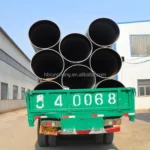
Description
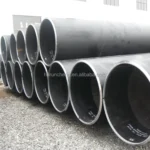
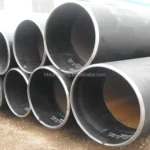
Direct Mill Supply — Own steel mill and fabrication workshop ensure full material traceability for ASTM A252 Gr.3 SSAW steel pipe projects.
Technical Specifications
| Parameter | Value |
|---|---|
| Designation | ASTM A252 Gr.3 Welded Steel Pipe |
| Product Type | Welded Steel Pipe (Straight Seam Submerged Arc Welded) |
| Steel Grade | ASTM A252 Gr.3, ASTM A106/A53 Gr.B, API 5L Gr.B, DIN ST37, DIN ST52 |
| Standard | ASTM A252, ASTM A106, ASTM A53, API 5L, ASTM A179, ASTM A192, DIN 2448, DIN 17179, BS 1387 |
| Section Shape | Round |
| Size Range | OD 21.3mm–914.4mm |
| Wall Thickness | 4mm–60mm |
| Length | 5.8m–12m (customizable) |
| Technique | Straight Seam Submerged Arc Welded (SSAW) |
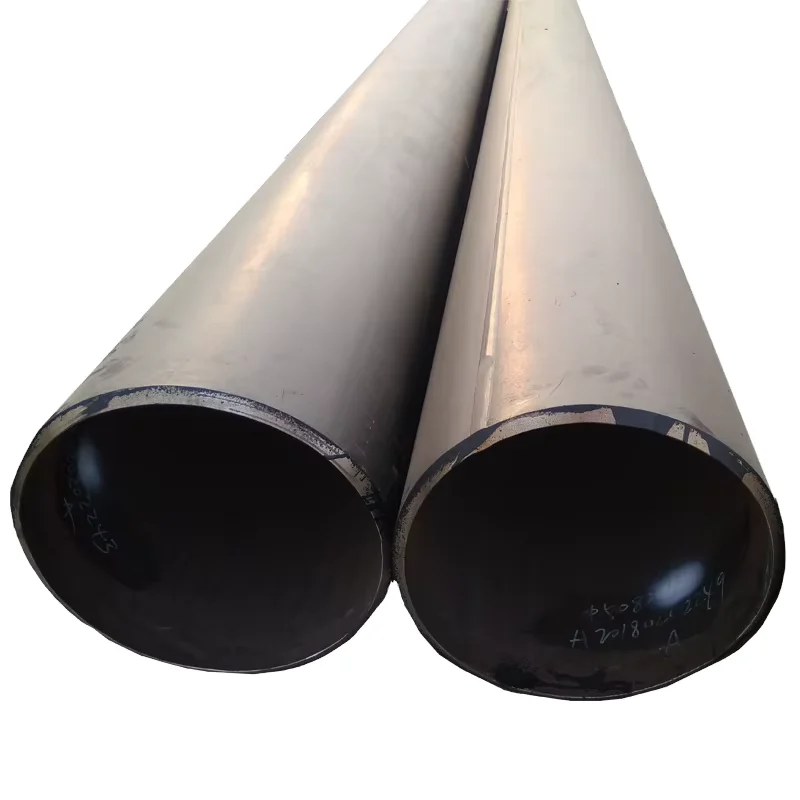
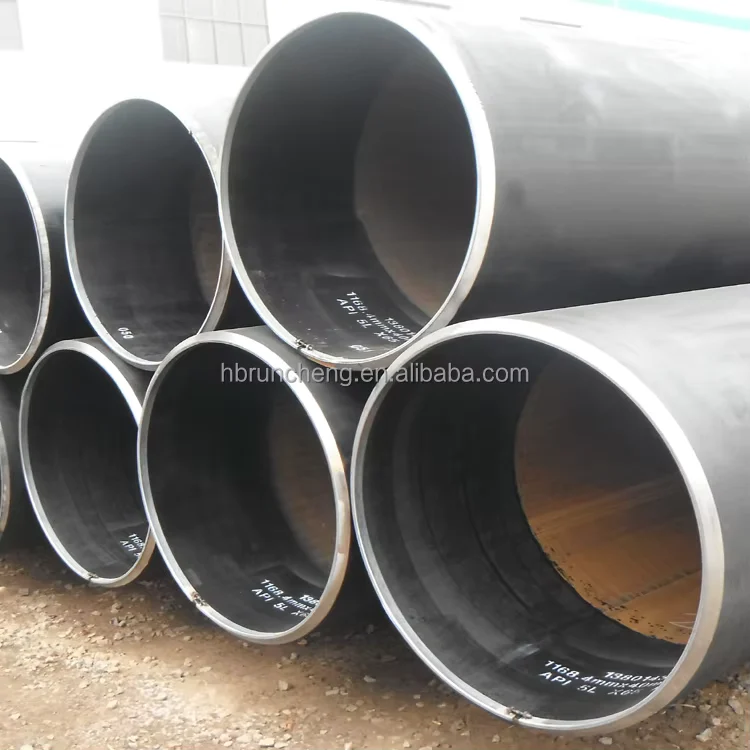
| Surface Treatment | Varnish coating / Anti-rust oil / Beveled ends with plastic caps |
| Tolerance | Per standard (±10% on wall thickness as indicated) |
| Ends | Beveled / Plain end with plastic cap protection |
| Application | Fluid transport (water, petroleum, gas) / Piling / Structural / Infrastructure |
| MOQ | 20 Tons |
| Origin | Shandong, China |
Application Suitability
| Industry | Typical Applications |
|---|---|
| Infrastructure & Civil Engineering | Foundation piling for bridges, highway overpasses, and retaining walls |
| Commercial Construction | Deep foundation piles for high-rise buildings and warehouse complexes |
| Oil & Gas Transmission | Water injection lines, gathering pipelines, and low-pressure gas distribution |
| Industrial Plant Construction | Structural column casings, pipe rack supports, and process piping systems |
| Municipal Engineering | Water intake and discharge pipelines, stormwater drainage systems |
What Wall-Thickness Tolerance Costs on a Piling Project
A 12% negative tolerance deviation turns a load-bearing pile into a rejected shipment at the port.
When overseas buyers source welded steel pipes from fragmented suppliers, the steel grade certificate often arrives but the actual wall thickness tells a different story. I once watched an entire batch of piling pipes sit in a Southeast Asian port for weeks because the third-party inspector found wall thickness deviations well beyond the permissible ±10%. The ASTM A252 Gr.3 SSAW steel pipe manufacturer who claims compliance on paper but delivers underweight walls creates a cascade of costs — demurrage fees, replacement production, and delayed foundation work that holds up the entire project schedule. Material traceability gaps between the raw steel source and the finished pipe make it nearly impossible to verify whether the mill test certificate matches the physical product on the dock [NEED_CITE: material traceability requirements for structural steel piling].
Matching Heavy-Wall SSAW Pipe to Piling and Structural Demands
Foundation piling demands pipes that can withstand driving forces without buckling or splitting at the weld seam. The submerged arc welding process used in producing this ASTM A252 Gr.3 SSAW steel pipe delivers high deposition rates and consistent fusion across thick walls — essential when OD reaches 914.4mm and WT climbs to 60mm for deep foundation work. Our own steel mill produces the raw coil and plate, then our fabrication division welds and finishes the pipe in a single facility. This vertical integration means the heat number on the mill test certificate traces directly back to our melting records — no gaps, no third-party material sourcing that leaves buyers guessing about what actually went into the ground.
Engineering Compliance and Certification for International Piling Projects
Piling specifications in North America typically reference ASTM A252, while Middle East and Southeast Asian infrastructure projects often accept API 5L or EN-equivalent grades for driven piles. The steel grade selection directly affects load-bearing capacity and driving resistance — ASTM A252 Gr.3 provides higher yield strength than Gr.1 or Gr.2, making it the default choice for structural piles in demanding soil conditions. Surface treatment selection matters equally: varnish coating or anti-rust oil protects the pipe during ocean transit and temporary stockpiling, while beveled ends with plastic caps prevent damage to the welding preparation during handling [NEED_CITE: ASTM A252 specification requirements for steel pipe piling]. Third-party inspection by SGS or BV before shipment gives EPC contractors the documentation package needed for customs clearance and site acceptance.
Steel Grade Selection and Submerged Arc Welding Process
ASTM A252 Gr.3 sits at the top of the piling pipe grade range, offering higher strength for driven pile applications where impact resistance during installation is critical. For fluid transport projects, buyers often specify ASTM A106 Gr.B or API 5L Gr.B — these grades serve pressure service rather than structural piling, and the selection depends entirely on whether the pipe carries load or carries fluid. The straight seam submerged arc welding process is particularly suited to thick-wall, large-diameter production because the flux blanket shields the molten pool from atmospheric contamination, producing weld seams with mechanical properties that match or exceed the parent metal. This is why SSAW pipes dominate the piling and large-diameter structural market — the process handles wall thicknesses up to 60mm that would challenge other welding methods. Wall thickness tolerance of ±10% per standard is the industry baseline, but consistent control within that band requires real-time ultrasonic monitoring during production — not just end-stage spot checks.
Hidden Costs of Sourcing Without Verified Material Control
Purchasing welded steel pipe based on price alone, without verified material traceability and certified welding procedures, creates risks that surface only at the construction site. Pipes with undocumented wall thickness deviations fail ultrasonic testing during foundation acceptance, forcing extraction and replacement at multiples of the original material cost. Missing or forged mill test certificates trigger customs holds in markets with strict import documentation requirements, turning a straightforward delivery into a weeks-long bureaucratic delay. Welding procedure specifications that were never qualified produce seam failures during pile driving — and by then the pipe is already underground, with investigation and remediation costs that dwarf any savings from the initial purchase [NEED_CITE: consequences of non-compliant steel pipe in foundation piling].
Why Project Procurement Teams Source From Our Facility
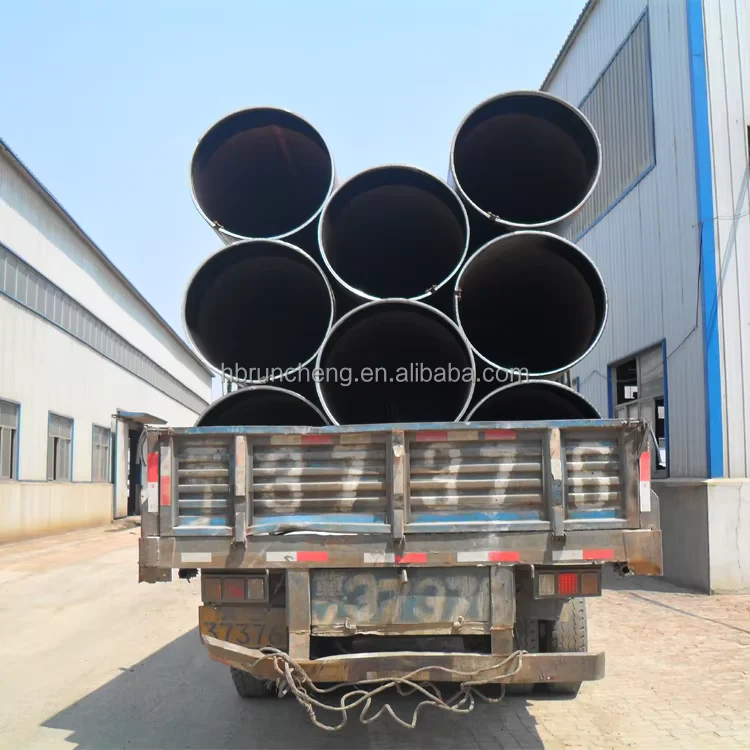
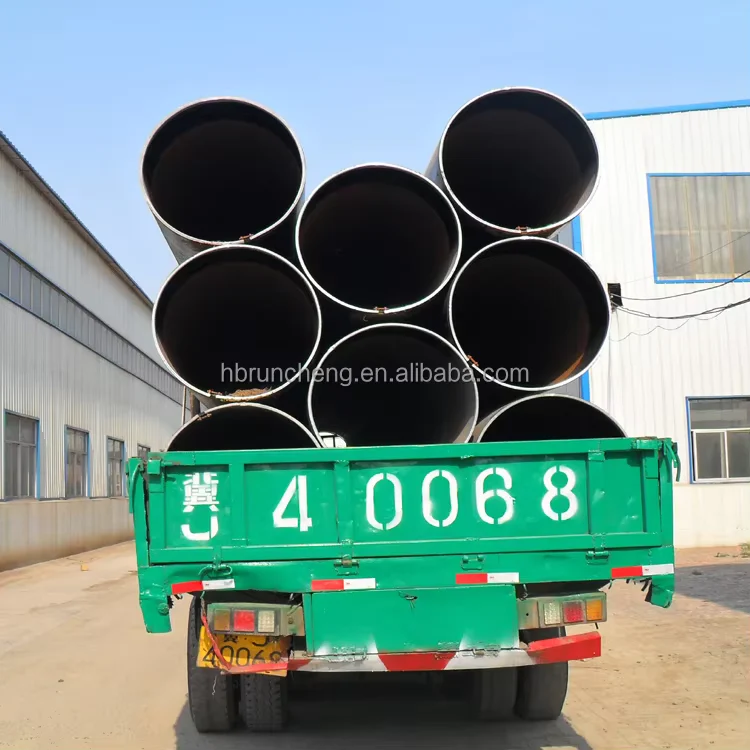
Our production starts at our own steel mill, where we melt and roll the raw material across three production lines covering over 2,800 specifications. The pipe then moves to our fabrication workshop for submerged arc welding, dimensional inspection, surface treatment, and end finishing — all under one quality management system. This means when an EPC contractor in the Middle East orders ASTM A252 Gr.3 SSAW steel pipe for a bridge foundation package, the mill test certificate, welding procedure qualification records, and dimensional inspection reports all come from a single source with full heat number traceability. We hold ISO 9001 certification, and our welding procedures are qualified per AWS and EN standards with documented welder certifications. Third-party inspection agencies including SGS, BV, and Intertek regularly audit our production and issue pre-shipment reports that satisfy international project owners. For oversized and heavy-wall pipes, our loading team develops custom lashing plans to prevent transit damage during ocean shipment.
Documentation & Compliance
- Mill test certificate documenting ASTM A252 Gr.3 chemical composition and mechanical properties per EN 10204 3.1 format, with heat number traceability to raw material
- Third-party inspection report from SGS or BV covering dimensional verification, weld seam ultrasonic testing, and coating thickness measurement
- Welding procedure specification (WPS) and procedure qualification record (PQR) for submerged arc welding per AWS D1.1 requirements
- Certificate of origin and customs documentation package including packing list, bill of lading, and fumigation certificate for destination port clearance
- Material traceability sheet linking each pipe’s heat number to the corresponding steel mill production batch and test results
Packaging, Loading & Delivery
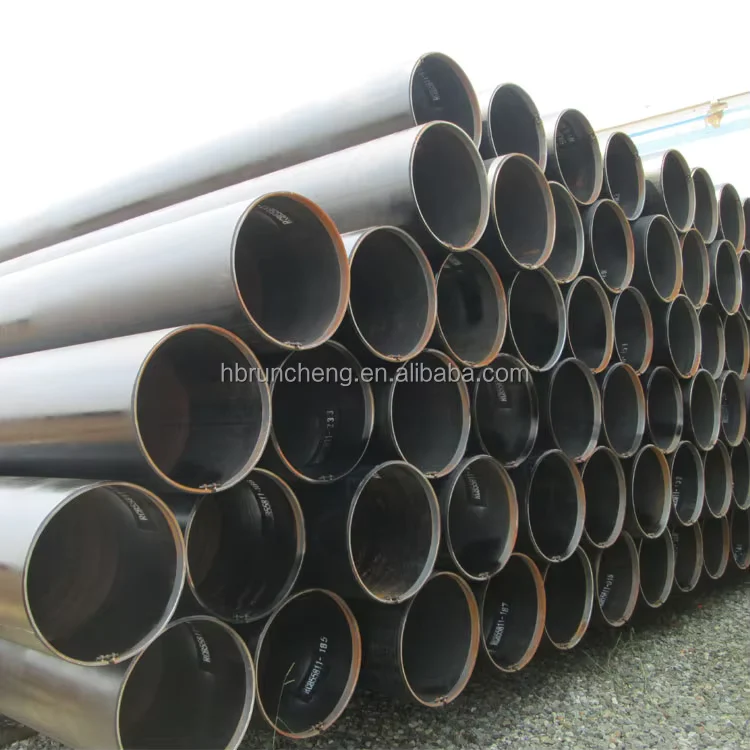
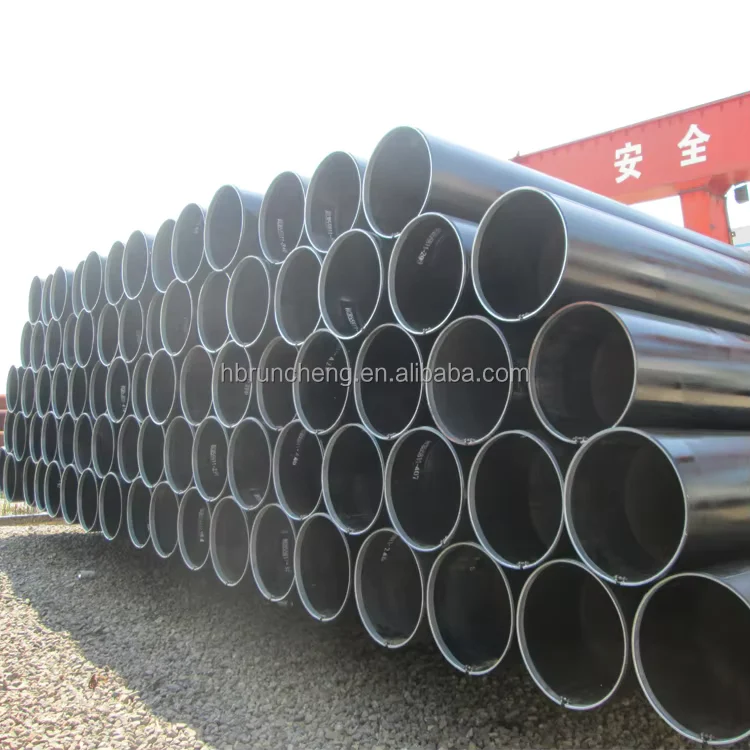
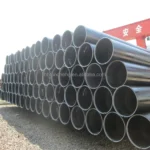
- Heavy-wall ASTM A252 Gr.3 SSAW pipes bundled with steel strips and edge protectors to prevent coating damage and maintain bundle integrity during ocean transit
- Varnish-coated or oiled surfaces wrapped with waterproof paper and secured within steel-framed containers to preserve surface treatment through humidity exposure
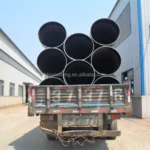
- Custom loading plans for pipes exceeding 12m length or 914.4mm OD, with specialized cradle supports and lashing points to prevent shifting in container or break-bulk stowage
- Beveled ends protected with individual plastic caps to preserve welding preparation geometry during handling and transport
- Heat number and steel grade stenciled on each pipe end for site identification and traceability verification during foundation installation
- FOB, CIF, and DDP shipping terms available with door-to-door logistics coordination for project sites in the Middle East, Southeast Asia, and Africa
Start Your Piling Pipe Procurement With Verified Documentation
Submit your project drawings, steel grade requirements, quantity, and destination port to receive a detailed quotation including material cost, fabrication, surface treatment, and shipping — along with sample mill test certificates and third-party inspection protocols. Our engineering team reviews shop drawings and confirms production scheduling within 24 hours of inquiry.
Request ASTM A252 Gr.3 SSAW Pipe Quotation With Full MTC Package
Send your specifications and quantity to our team for pricing, production scheduling, and documentation confirmation.
Mobile/WhatsApp/WeChat: +86 188 5315 7756
Email: admin@xjystructure.com
Frequently Asked Questions
Q: What is the difference between ASTM A252 Gr.3 and API 5L Gr.B for piling applications?
A: ASTM A252 Gr.3 is specifically designed for structural piling with higher yield strength requirements for driven pile installations, while API 5L Gr.B is intended for pressure pipeline service in oil and gas transport. Both grades can be produced in similar dimensions, but the selection depends on whether the pipe must withstand driving impact forces or internal pressure.
Q: How do you verify material traceability from raw steel to finished pipe?
A: Each pipe carries a unique heat number stenciled on the end, which links to our mill test certificate showing chemical composition and mechanical test results. Since we produce the raw steel in our own mill and fabricate the pipe in our own workshop, the traceability chain remains unbroken from melting through final inspection.
Q: Can you produce custom lengths beyond the standard 5.8m–12m range?
A: Yes, we accommodate custom length requirements based on project specifications and shipping constraints. Our engineering team evaluates the cutting plan and loading optimization to determine feasible lengths for container or break-bulk shipment.
Q: What surface treatment options are available for ocean shipping to tropical climates?
A: We offer varnish coating and anti-rust oil as standard protective treatments for transit and temporary outdoor storage. For projects requiring extended corrosion protection before installation, we can discuss additional coating options based on the service environment.
Q: Do you provide loading plans for oversized and heavy-wall pipes?
A: Yes, our logistics team prepares detailed loading and lashing plans for pipes with large outer diameters or heavy wall thicknesses, ensuring secure stowage in containers or on break-bulk vessels to prevent transit damage.
Get Your ASTM A252 Gr.3 SSAW Steel Pipe Quote Today
Share your project specifications, steel grade, dimensions, and quantity to receive a comprehensive quotation with mill test certificate samples and production lead time.
Mobile/WhatsApp/WeChat: +86 188 5315 7756
Email: admin@xjystructure.com