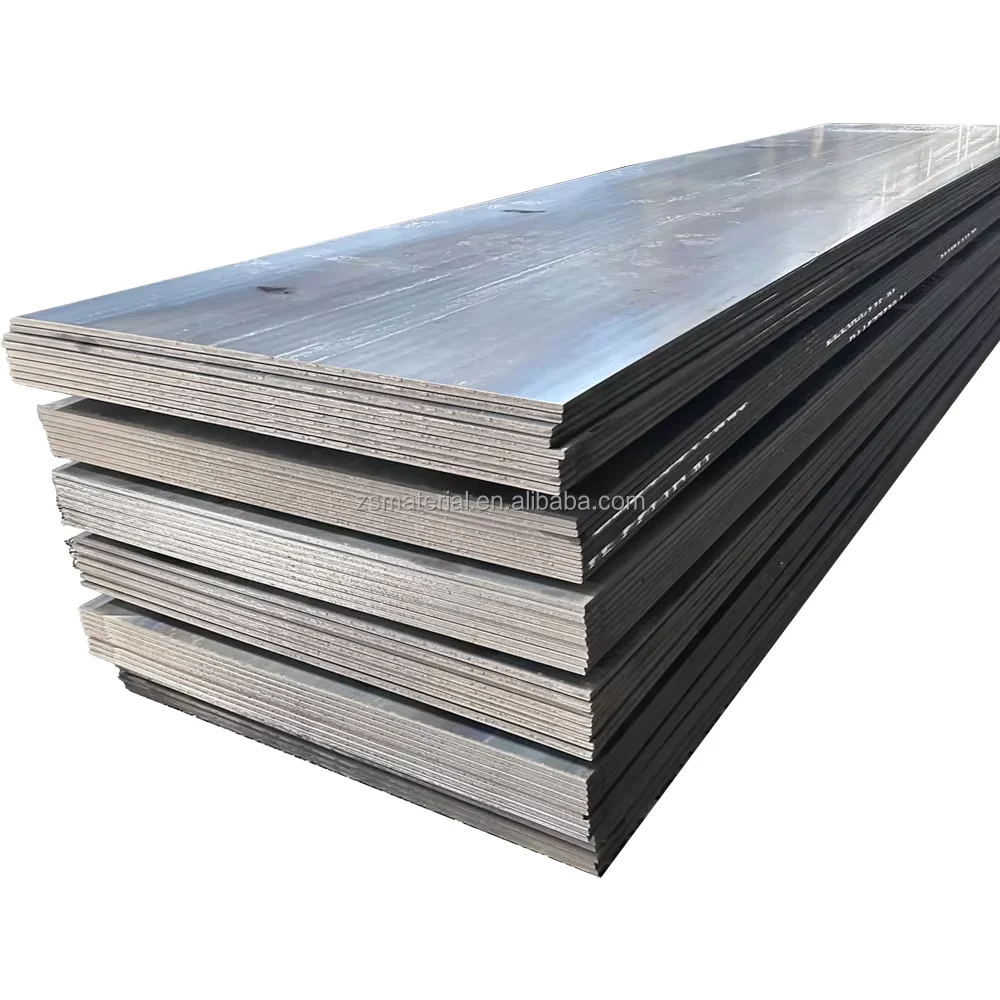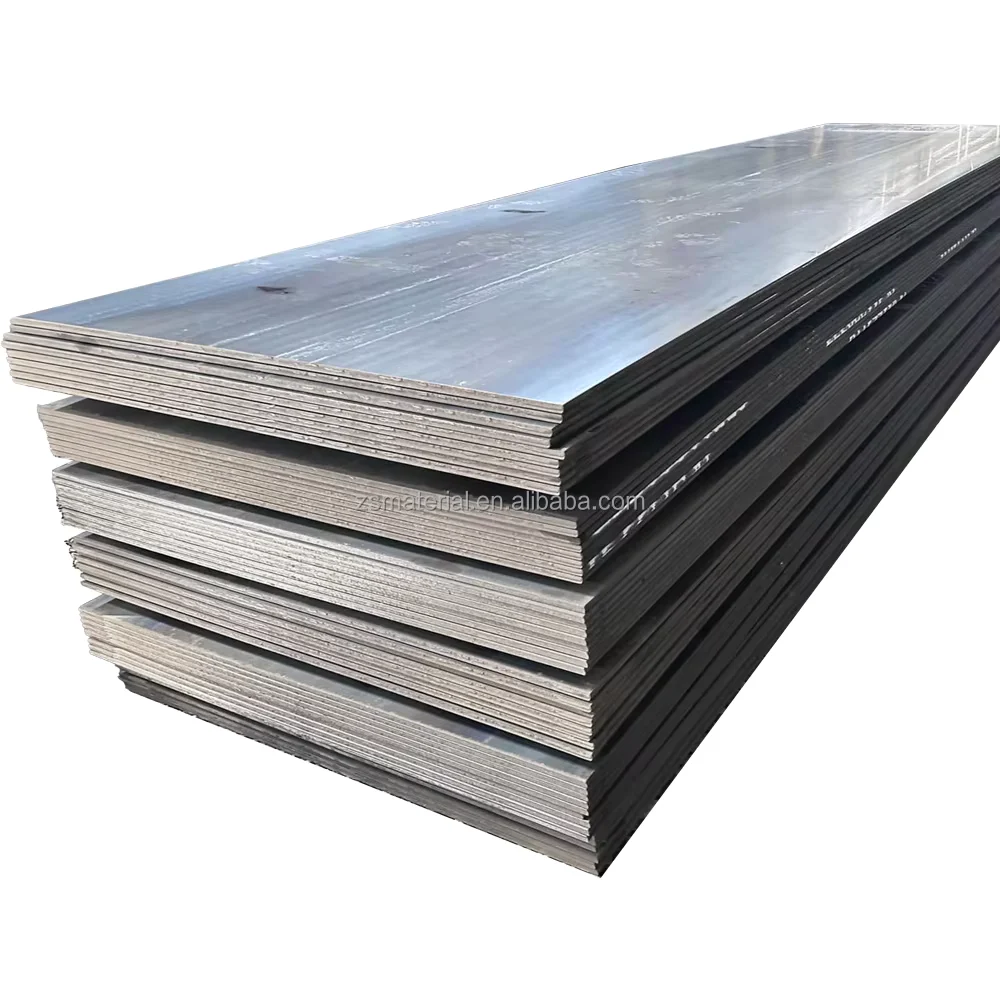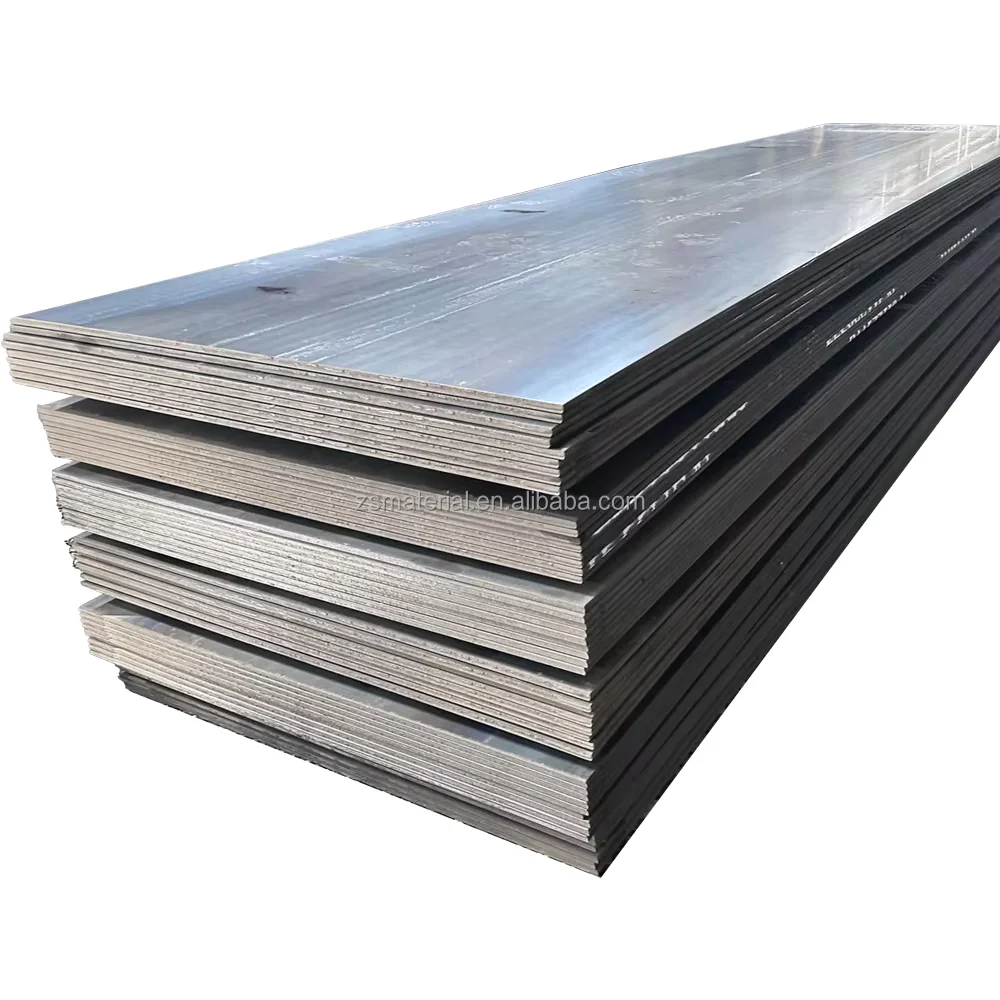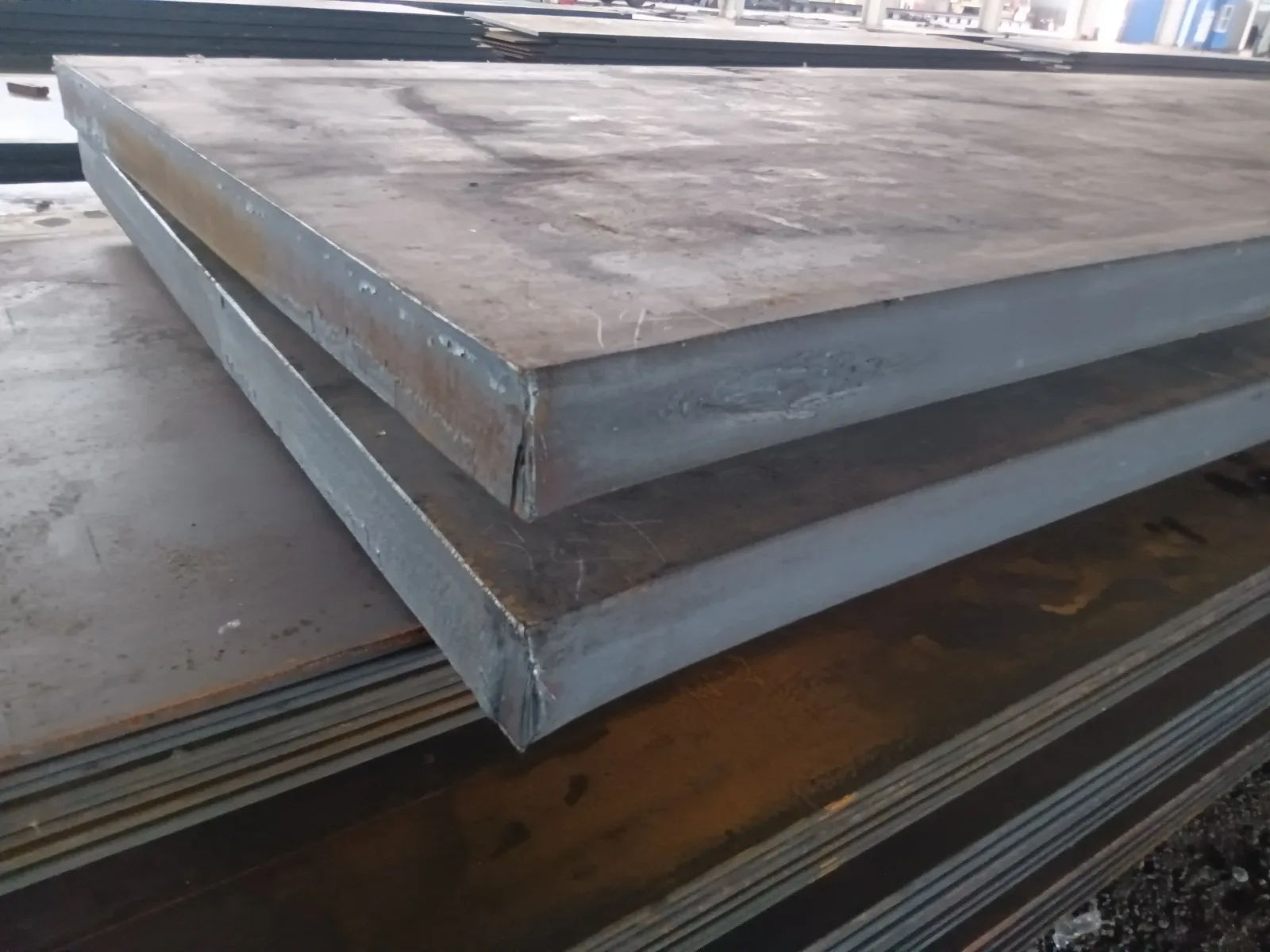
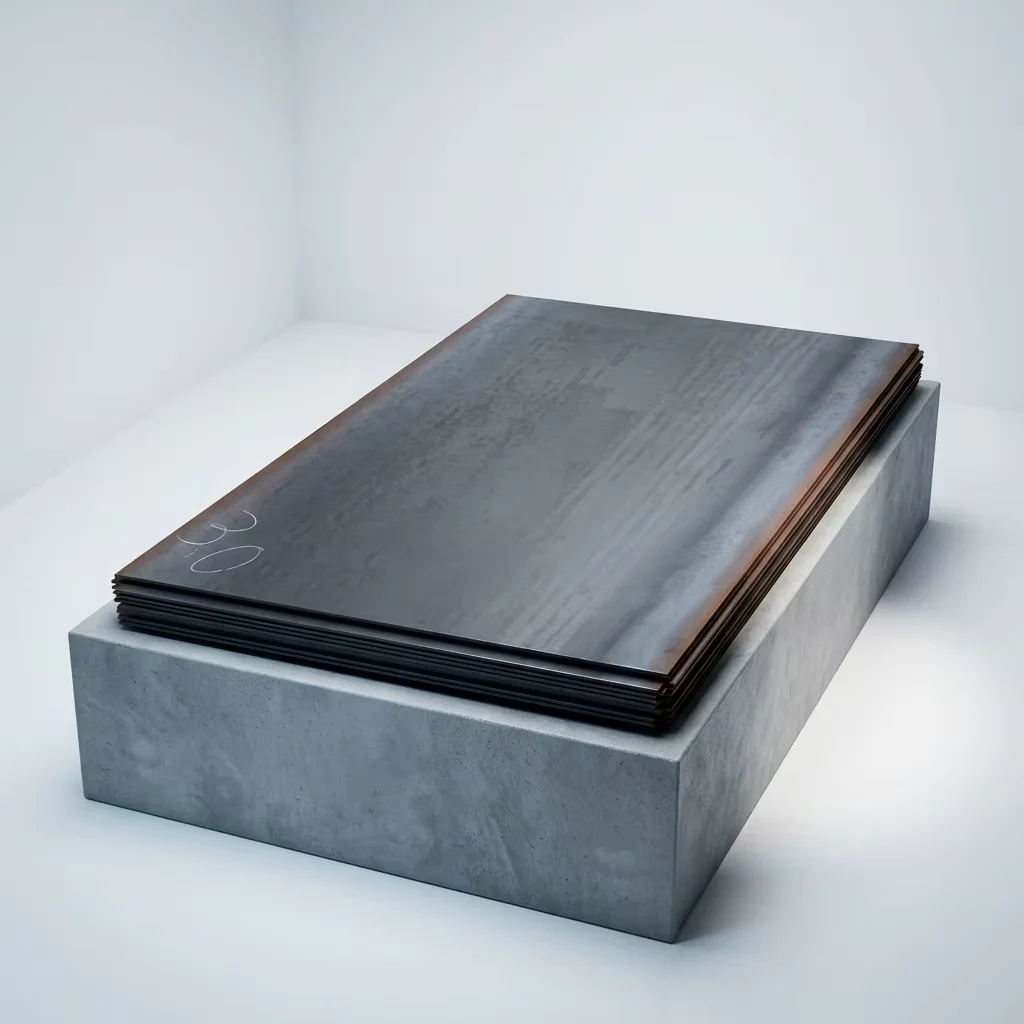
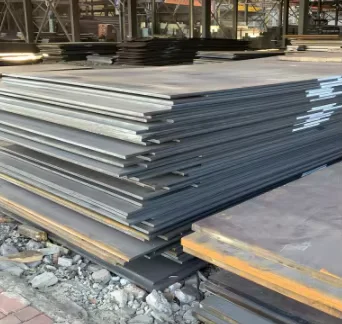
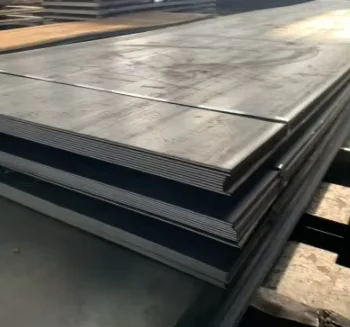
Description
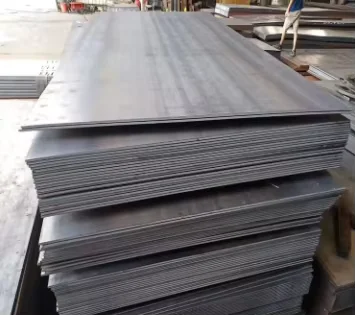
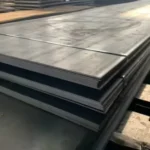
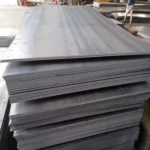
Direct Mill Supply — ASTM A36 plates rolled, cut, and welded under one roof with full heat-level traceability.
Technical Specifications
| Parameter | Value |
|---|---|
| Designation | ASTM A36 Mild Carbon Steel Plate |
| Product Type | Steel Plate |
| Steel Grade | ASTM A36 |
| Standard | ASTM / JIS / DIN / BS |
| Section Shape | Flat Plate |
| Thickness Range | 1–20 mm |
| Technique | Hot Rolled |
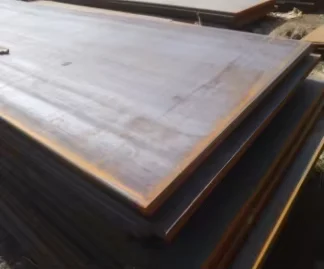
| Surface Treatment | Hot Rolled Finish |
| Processing Services | Cutting, Bending, Welding |
| Application | Shipbuilding, Construction, Structural Fabrication |
Application Suitability
| Industry | Typical Applications |
|---|---|
| Shipbuilding | Deck plating, bulkhead stiffeners, hatch coaming frames |
| Construction | Base plates, column splice connections, bracing gussets |
| Structural Fabrication | Beam-to-column end plates, bracket assemblies, platform grating supports |
What孔距偏差 Costs More Than the Plate Itself
Tolerance drift on CNC-cut A36 plates turns a routine procurement into a site-wide rework event.
I once watched a batch of 20 mm A36 plates arrive at a Jebel Ali warehouse with hole patterns shifted 3 mm off drawing. The entire lot was rejected, re-cut, and re-shipped — three weeks of delay on a commercial high-rise frame. The root cause was never the steel grade; it was the gap between the mill that rolled the plate and the shop that cut it. When material sourcing and fabrication sit under separate roofs, dimensional accountability vanishes [NEED_CITE: structural steel fabrication tolerance standards per AISC Code of Standard Practice].
For overseas buyers, the risk multiplies: fragmented procurement means no single party owns the tolerance chain. An ASTM A36 mild carbon steel plate supplier who also runs the cutting line can trace every hole back to the heat number — and stand behind the dimension.
How Hot-Rolled A36 Matches Structural Fabrication Demands
ASTM A36 mild carbon steel plate delivers predictable formability and weldability across the 1–20 mm thickness band, making it a default choice for non-critical structural connections and general fabrication. The hot rolled finish provides uniform surface texture that accepts shop primers without additional blast profiling on thinner gauges. When your project calls for base plates, gussets, or bracket assemblies, sourcing from a vertically integrated ASTM A36 mild carbon steel plate supplier ensures cutting tolerances align with your erection sequence — not the other way around.
Meeting Project Codes Without Customs Surprises
Structural frames shipped to EU markets require EN 1090-2 execution class documentation; North American EPCs expect AISC compliance markers on every plate [NEED_CITE: EN 1090-2 structural steel execution class requirements]. ASTM A36 plates produced under a single quality system carry consistent chemistry and rolling records that satisfy both frameworks. Hot rolled finish plates in the 1–20 mm range ship with mill-level dimensional reports, eliminating the need for third-party re-measurement at the port of discharge. For projects spanning multiple code jurisdictions, multi-standard equivalence (ASTM A36 / JIS SS400 / EN S235JR) should be confirmed at the inquiry stage to avoid substitution disputes during inspection.
Why ASTM A36 Remains the Baseline for General Fabrication
ASTM A36 sits at the entry point of the carbon steel plate family — a low-carbon manganese-silicon kill steel designed for welding and forming rather than high-stress load-bearing. Its yield point is lower than S275 or S355 grades, but its elongation and carbon equivalent make it forgiving on site welding without preheat in moderate thicknesses [NEED_CITE: ASTM A36 chemical composition and weldability characteristics]. Hot rolling at controlled finishing temperatures produces a consistent grain structure across the 1–20 mm range, which matters when plates are bent to tight radii or punched with dense hole patterns. The hot rolled surface, while not as clean as pickled-and-oiled, bonds adequately with epoxy primers after light sweep blasting — a practical trade-off for infrastructure and industrial projects where appearance is secondary to fit-up.
The Hidden Price of Buying Plates from a Broker
When an ASTM A36 mild carbon steel plate supplier does not control the rolling mill, material certificates become a chain of photocopies rather than original test reports. Heat numbers drift, thickness tolerances widen to commercial-minus levels, and the plate that arrives on site may carry a different chemistry than what your welder qualified against [NEED_CITE: material traceability requirements per EN 10204 Type 3.1 inspection documents]. The cost of this gap is never the plate price — it is the NDT re-test, the weld procedure re-qualification, and the customs hold when the port authority demands a Type 3.1 certificate that matches the physical heat stamp.
Why Procurement Teams Choose Our Mill
We roll, cut, bend, and weld ASTM A36 plates in one continuous workflow — from slab reheating to finished assembly. Every plate carries a heat number traceable to our own ladle analysis, not a trader’s re-issue. Our fabrication shop holds AWS and EN-certified welders and WPS records, so when your drawing calls for a welded built-up section, the same quality system covers both the base metal and the joint. With over 2,800 stock specifications across our steel production lines, we consolidate plate orders with profile and tube requirements into single shipments — reducing your forwarding overhead and eliminating partial-delivery gaps. Independent surveyors (SGS, BV) witness testing on demand, and full documentation packages — MTC, dimensional reports, coating thickness records — ship with every container.
Documentation & Compliance
- Mill Test Certificate documenting ASTM A36 chemical composition and mechanical test results per heat number, issued to EN 10204 Type 3.1 format
- Third-party inspection reports from SGS or BV covering dimensional verification and visual weld inspection for fabricated plate components
- Material traceability sheet linking each plate’s heat number to its cutting file and welding WPS record
- Export customs package including packing list, ocean bill of lading, and certificate of origin for destination-port clearance
- Welding procedure specification (WPS) and procedure qualification record (PQR) for any shop-welded A36 plate assemblies
- Coating thickness inspection report for plates receiving primer or finish paint per project specification
Packaging, Loading & Delivery
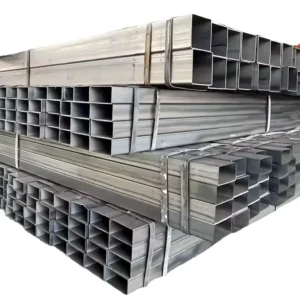
- Hot rolled ASTM A36 plates bundled with galvanized steel straps and edge protectors to prevent strap marks on the rolled surface during ocean transit
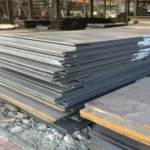
- Plates in the 1–6 mm range interleaved with anti-scratch paper to preserve hot rolled finish integrity; thicker plates (6–20 mm) stacked with timber dunnage for forklift access
- Custom-cut plates nested and labeled by drawing part number, with heat number stenciled on each piece for site traceability
- Container loading optimized for 20 ft and 40 ft open-top units when plate width exceeds standard side-door clearance; heavy-gauge plates loaded with crane spreader bars to avoid edge damage
- FOB, CIF, and DDP terms available with door-to-door tracking for project-site delivery to Middle East, Southeast Asia, and African ports
Ready to Move Your Plate Order Forward?
Send your cutting list in DXF or PDF along with steel grade, thickness, quantity, and destination port. We return a detailed quotation covering material, processing, coating, packing, and freight — with a shop drawing timeline and production schedule attached — within 24 hours.
Get Your ASTM A36 Plate Quote with Full Mill Documentation
Submit your project specifications to receive pricing, material certificates, and a fabrication schedule. Contact us at admin@xjystructure.com or WhatsApp +86 188 5315 7756.
Frequently Asked Questions
Q: Can you provide ASTM A36 plates with JIS SS400 or EN S235JR equivalence?
A: Yes. Our mill produces plates that meet the chemical and mechanical requirements of multiple international standards. At the inquiry stage, specify your primary standard and any equivalence requirements so we can confirm heat-level compliance and issue the correct MTC format.
Q: What thickness tolerance do your hot rolled ASTM A36 plates meet?
A: Plates are rolled to standard hot rolled thickness tolerances per the applicable standard (ASTM A6 for imperial, or equivalent metric standards). Detailed tolerance tables are included in the mill test certificate and can be verified by third-party surveyors before shipment.
Q: Do you offer CNC cutting and welding on A36 plates before shipment?
A: Yes. Our fabrication division provides CNC plasma and flame cutting, drilling, bending, and MIG/MAG/SAW welding per approved shop drawings. All welding follows qualified WPS procedures with certified welders, and full dimensional inspection reports accompany each shipment.
Q: How do you ensure material traceability from mill to finished plate?
A: Every plate is stamped with its heat number at the rolling stage. This number is carried through cutting, welding, and packing records, so each delivered piece can be traced back to the original ladle analysis and mechanical test results in the MTC.
Q: Can third-party inspectors witness testing and dimensional checks?
A: Yes. We routinely coordinate SGS, BV, or client-nominated surveyors for pre-shipment inspection covering dimensional verification, visual weld inspection, and coating thickness measurement. Inspection windows are built into our production schedule upon request.
From Raw Slab to Site-Ready Plate — One Source, One Standard, One Accountability Point
Share your drawings and specifications today to receive a complete quotation with mill test certificates and a production timeline. Reach us at admin@xjystructure.com or call +86 531 8573 6315.