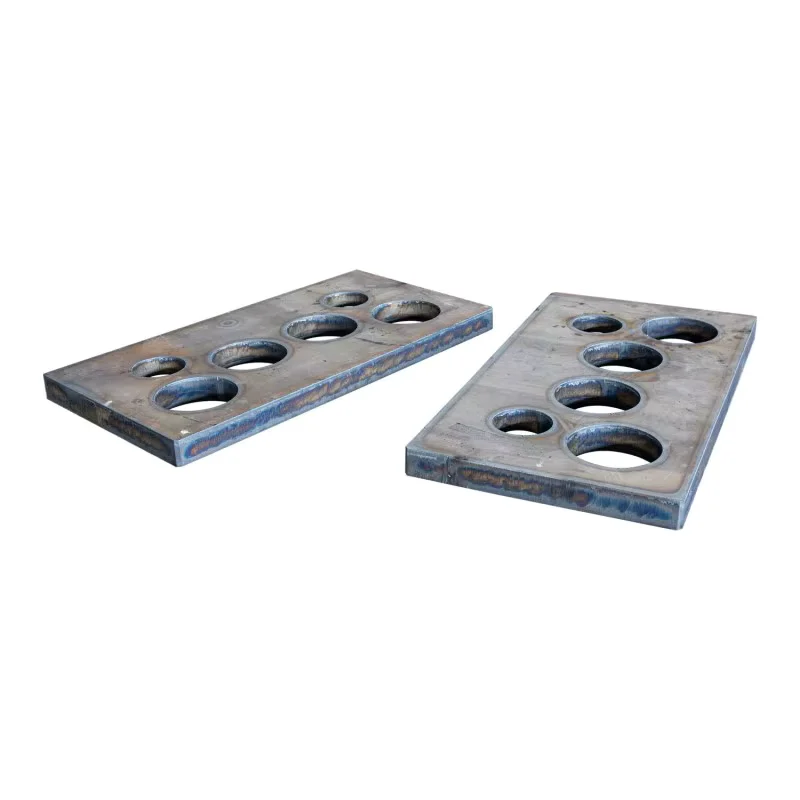
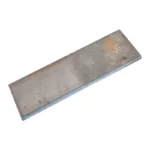
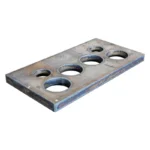
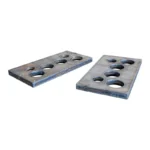
Description
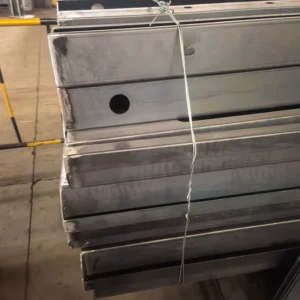
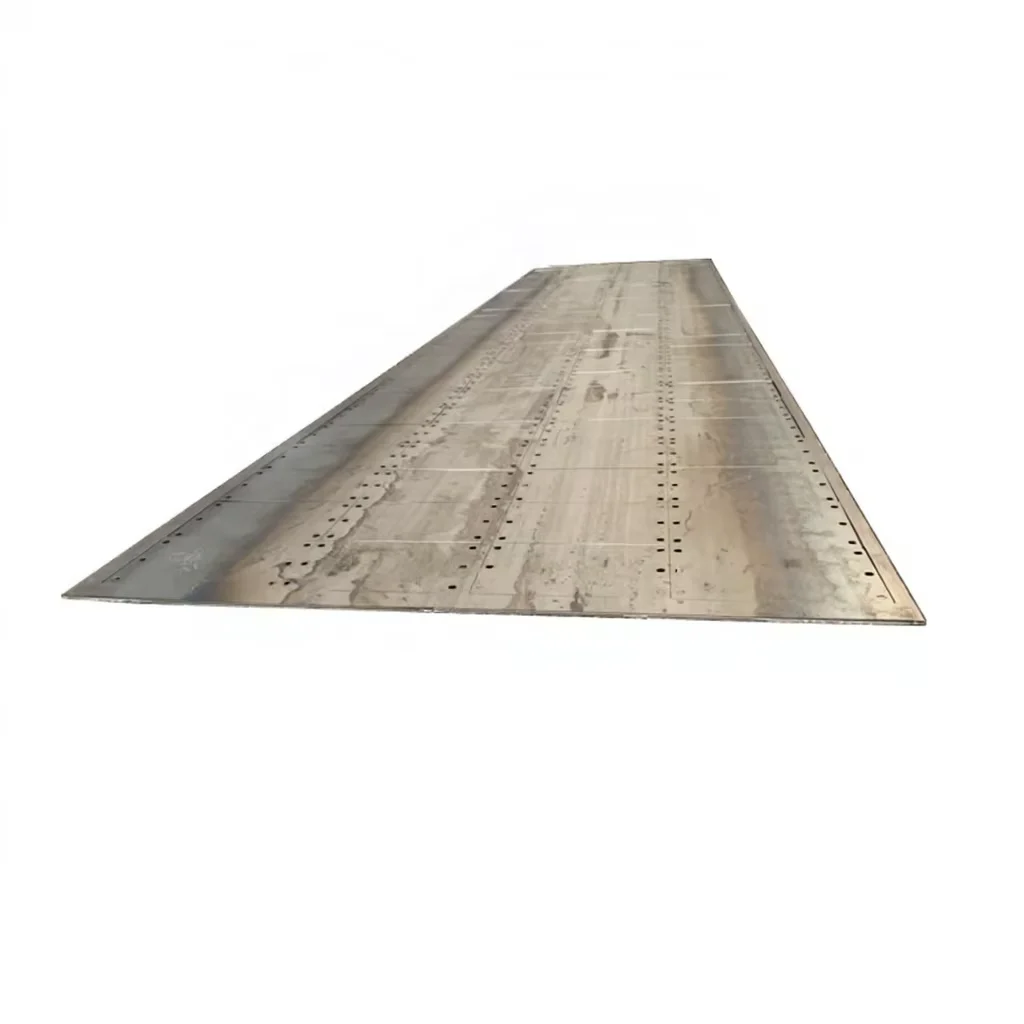
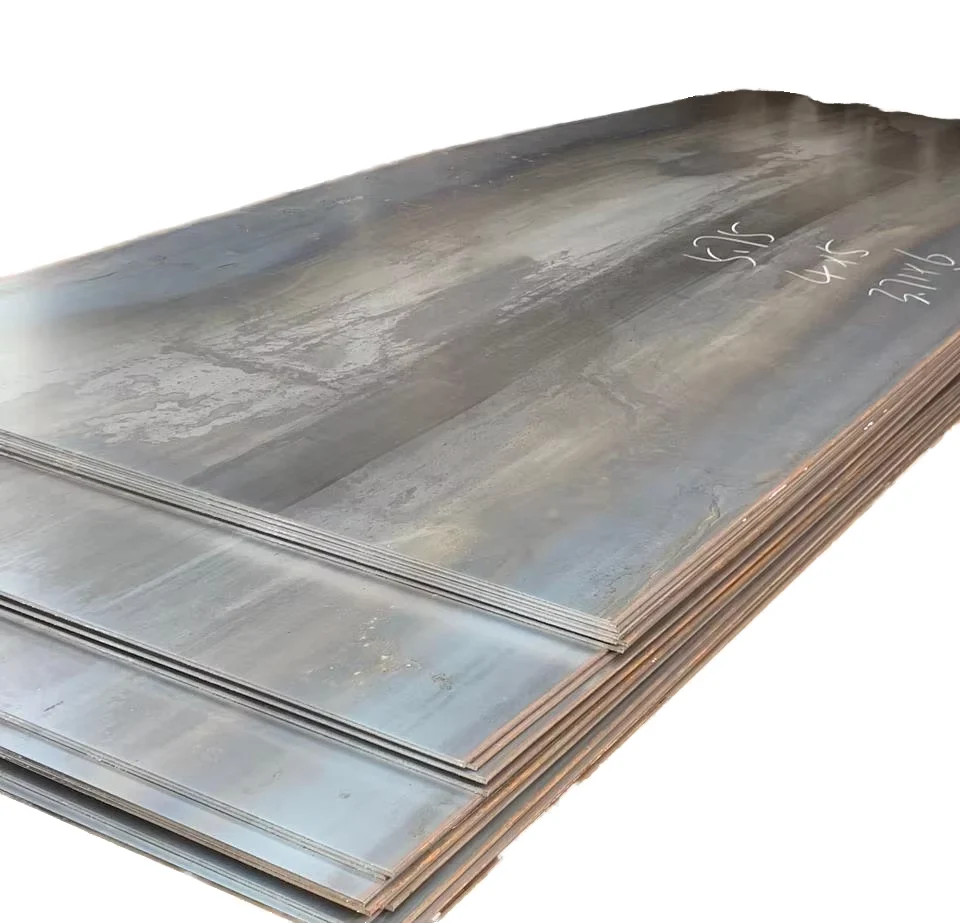
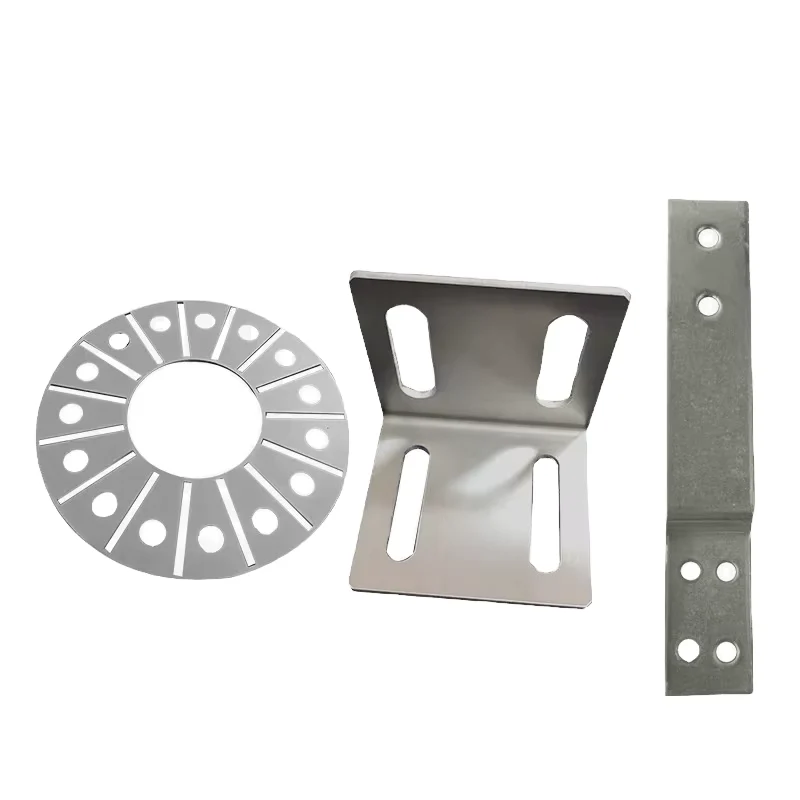
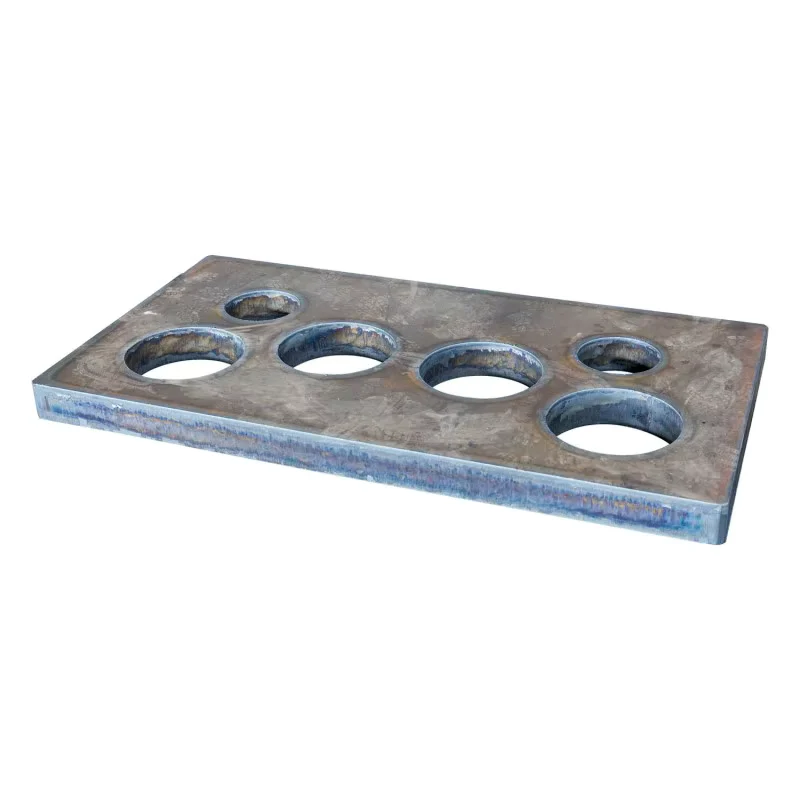
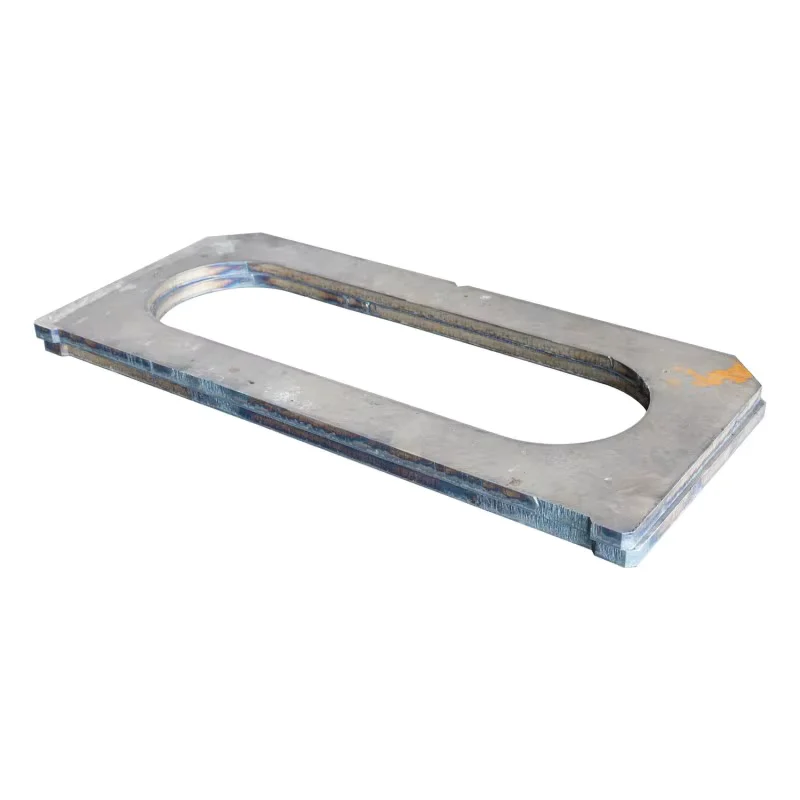
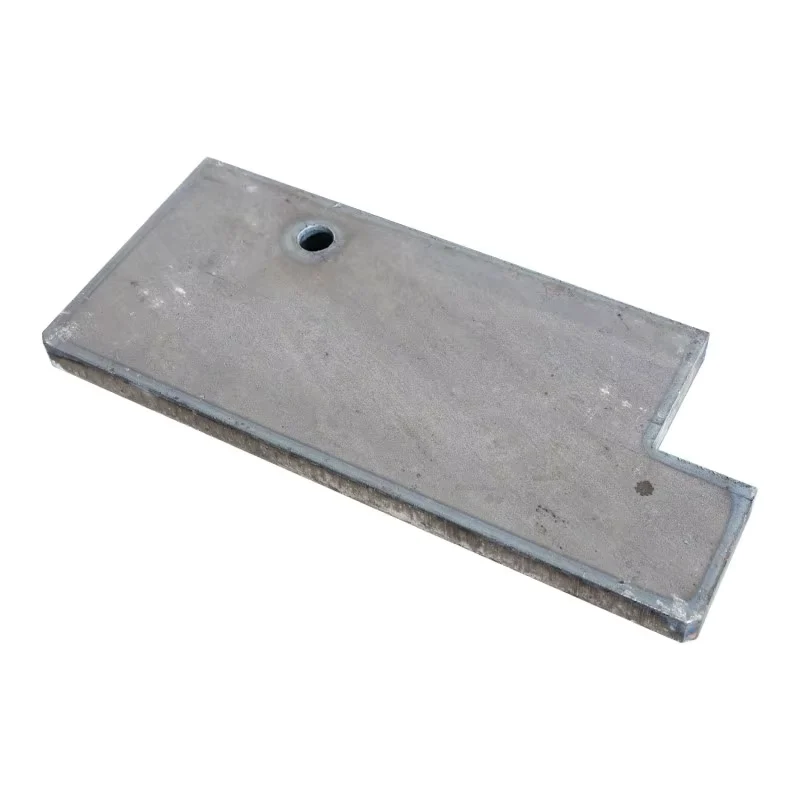
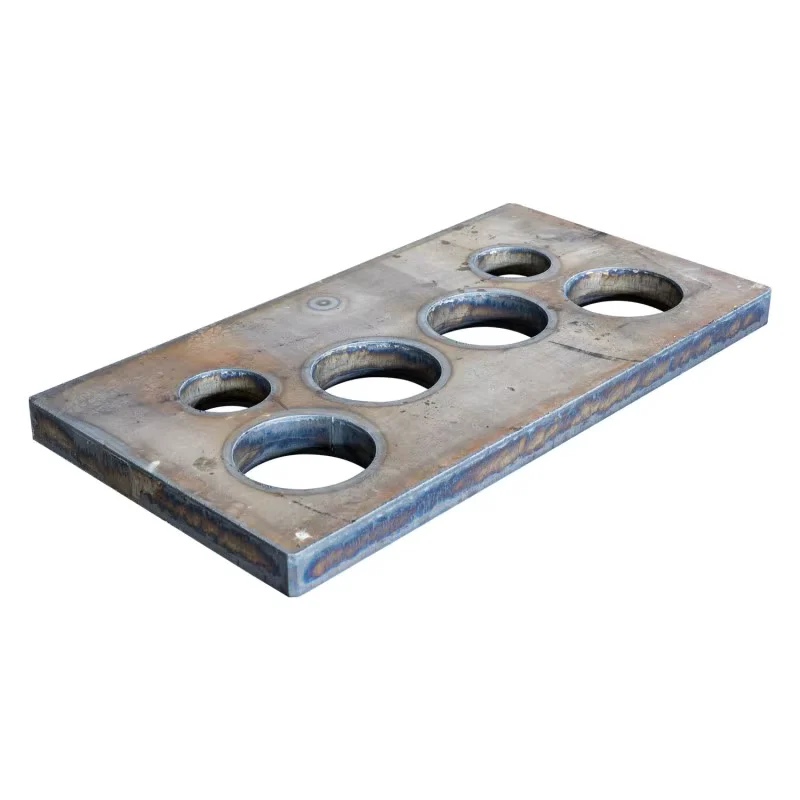
Factory-Direct Sheet Metal Fabrication — Raw steel from our own mill feeds directly into laser cutting and bending lines, eliminating third-party material sourcing.
Technical Specifications
| Parameter | Value |
|---|---|
| Designation | Carbon Steel / Stainless Steel Sheet Metal Fabrication (Custom) |
| Product Type | Machined Steel Product / Sheet Metal Fabrication |
| Steel Grade | Carbon Steel, Stainless Steel |
| Precision Tolerance | +/- 0.01–0.1 mm |
| Process | Laser Cutting, Bending, Welding |
| Material | Carbon Steel, Stainless Steel, Sheet Metal |
| Size | Customized per drawing |
| MOQ | 50 pcs |
| Origin | Shandong, China |
Application Suitability
| Industry | Typical Applications |
|---|---|
| Industrial Facilities | Machinery enclosures, equipment bases, conveyor support frames |
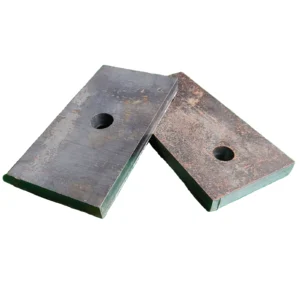
| Structural Steel Projects | Connection assemblies, custom brackets, embedded plates |
| Infrastructure & EPC | Platform grating supports, cable tray components, pipe rack clips |
| Commercial Construction | Facade mounting brackets, stair stringers, handrail fittings |
When Laser Cutting Tolerance Decides Whether Components Fit on Site
A 0.1 mm deviation in hole positioning can turn a bolted assembly into a rework nightmare.
Overseas buyers outsourcing sheet metal fabrication face a recurring problem: the shop drawing looks perfect, but the delivered parts don’t align during field assembly. Laser cutting drift, uncalibrated bending dies, and inconsistent weld shrinkage compensation accumulate across dozens of components — and by the time the error surfaces on site, shipping replacement parts means weeks of delay. Material traceability gaps make it worse: when the fabricator sources steel from unknown mills, there is no way to verify whether the stainless steel grade actually matches the corrosion resistance specified for a coastal project. [NEED_CITE: precision sheet metal fabrication tolerance standards for structural applications]
Matching Engineering Drawings to Fabrication Reality
Custom sheet metal fabrication laser cutting supplier capability starts with reading the drawing the way the installer will read the site condition. When a project specifies carbon steel brackets for a warehouse mezzanine, the fabricator must account for weld shrinkage on thick plates and adjust laser cut dimensions before bending begins. For stainless steel facade panels, springback compensation during bending determines whether the panel edge meets the adjacent frame within the specified gap. Our fabrication team reviews every shop drawing against the project’s installation sequence — not just the final geometry — so that custom sheet metal fabrication laser cutting supplier output arrives ready to bolt, not ready to grind.
Compliance Requirements for Engineered Metal Components
Structural steel fabrication for international projects must meet the compliance framework of the destination market. EU-bound components require EN 1090 execution class documentation, while North American projects reference AISC and AWS D1.1 welding standards. Material certification must trace each piece back to the original heat number, and welding procedures must be qualified through WPS/PQR records before production begins. Surface treatment selection — shot blasting grade, primer type, topcoat thickness — must align with the corrosion category defined in ISO 12944. [NEED_CITE: EN 1090 structural steel fabrication execution class requirements]
How Steel Grade and Process Selection Affect Fabrication Outcome
Carbon steel and stainless steel behave differently under the laser and the press brake. Carbon steel cuts cleanly with oxygen-assist laser at high speed, but the heat-affected zone requires post-cut grinding if the edge will be welded. Stainless steel demands nitrogen-assist cutting to prevent oxidation discoloration, and its higher work-hardening rate means bending tools must account for springback — typically 2–4 degrees depending on alloy and thickness. Welding carbon steel with MIG/MAG processes offers high deposition rates for thick sections, while stainless steel often requires TIG or pulsed MIG to control heat input and preserve corrosion resistance at the weld zone. The choice between these materials is not just about cost — it determines the entire fabrication sequence, tooling setup, and quality inspection method.
Hidden Costs of Choosing the Wrong Fabrication Partner
Selecting a fabricator based on unit price alone ignores the cost structure that appears later. Material without proper mill certification fails customs inspection in markets requiring EN or ASTM compliance documentation. Undocumented welding procedures trigger rejection during third-party inspection, forcing either re-welding or complete remanufacture. Dimensional tolerance drift means field crews spend days fitting components that should have bolted together in hours. These costs do not show on the invoice — they appear as schedule delays, re-inspection fees, and client penalties. [NEED_CITE: consequences of non-compliant steel fabrication documentation in international projects]
Why Buyers Choose Vertically Integrated Fabrication
Our fabrication division operates within the same facility that produces the raw steel plate and sheet. This means every piece of carbon steel or stainless steel entering the laser cutting line carries a mill test certificate generated in-house — no gaps in the traceability chain, no uncertainty about whether the material matches the order specification. With over 2,800 raw material specifications in stock, we avoid the procurement delays that force other fabricators to substitute grades mid-production. Our welding procedures are qualified to AWS and EN standards, and our welders hold current certifications verified through ongoing testing. The fabrication workshop handles the complete sequence — CNC laser cutting, press brake forming, MIG/MAG/SAW welding, shot blasting, and coating — under a single quality management system, so the dimensional inspection report and coating thickness measurement reference the same production batch.
Documentation & Compliance
- Mill Test Certificate documenting chemical composition and mechanical properties for each carbon steel or stainless steel heat number used in fabrication
- Welding Procedure Specification (WPS) and Procedure Qualification Record (PQR) per AWS D1.1 or EN ISO 15614 for all structural weld joints
- Dimensional inspection report covering laser cut tolerances, bend angles, and assembly dimensions against approved shop drawings
- Surface treatment certificate recording shot blasting grade, primer type, dry film thickness, and adhesion test results per ISO 12944 specification
- Material traceability sheet linking each fabricated component to its original heat number and mill test certificate
- Export documentation including packing list, bill of lading, and certificate of origin for customs clearance at destination port
Packaging, Loading & Delivery
- Fabricated carbon steel components bundled with steel straps and edge protectors to prevent coating damage during ocean transit
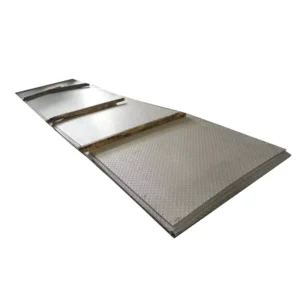
- Stainless steel sheet metal parts wrapped in moisture-proof paper and separated by plastic interleaving to avoid surface contamination
- Custom crate packaging for oversized assemblies exceeding standard container dimensions, with lifting points marked for site handling
- Heat number and piece mark stenciled on each component for traceability verification during site installation
- Container loading plan optimized for the specific dimensions of fabricated brackets, plates, and welded assemblies to maximize space utilization
- FOB, CIF, or DDP delivery terms available with complete export documentation and tracking through final site delivery
How to Start Your Fabrication Inquiry
Submit your project drawings in PDF or DWG format along with material specifications, required tolerances, surface treatment preferences, and destination port. Our engineering team responds within 24 hours with a preliminary assessment covering fabrication feasibility, shop drawing timeline, and pricing breakdown for material, processing, coating, and logistics. Once drawings are approved and the contract is signed, production begins with full quality documentation prepared for each shipment.
Request a Fabrication Quote with Material Certification
Send your drawings and specifications to receive a detailed quote including mill test certificates and production timeline. Contact us at +86 188 5315 7756 or admin@xjystructure.com.