Description
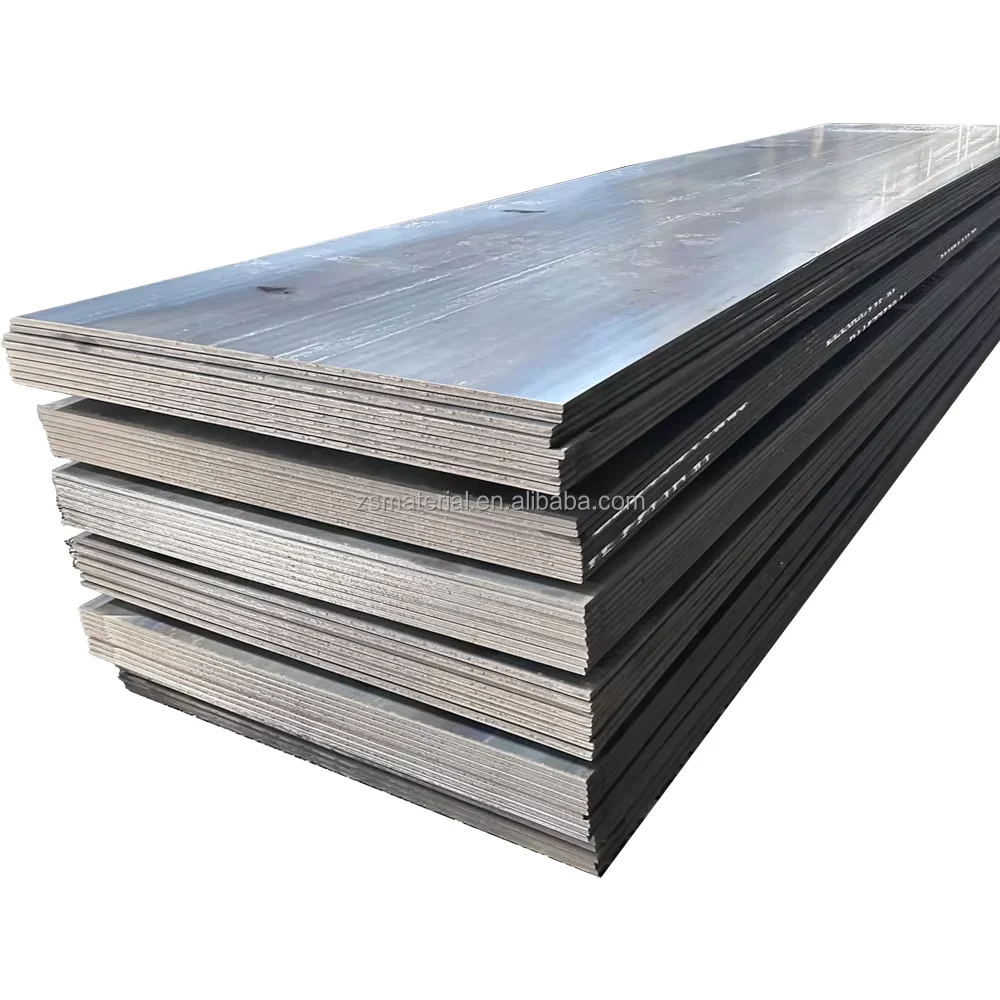
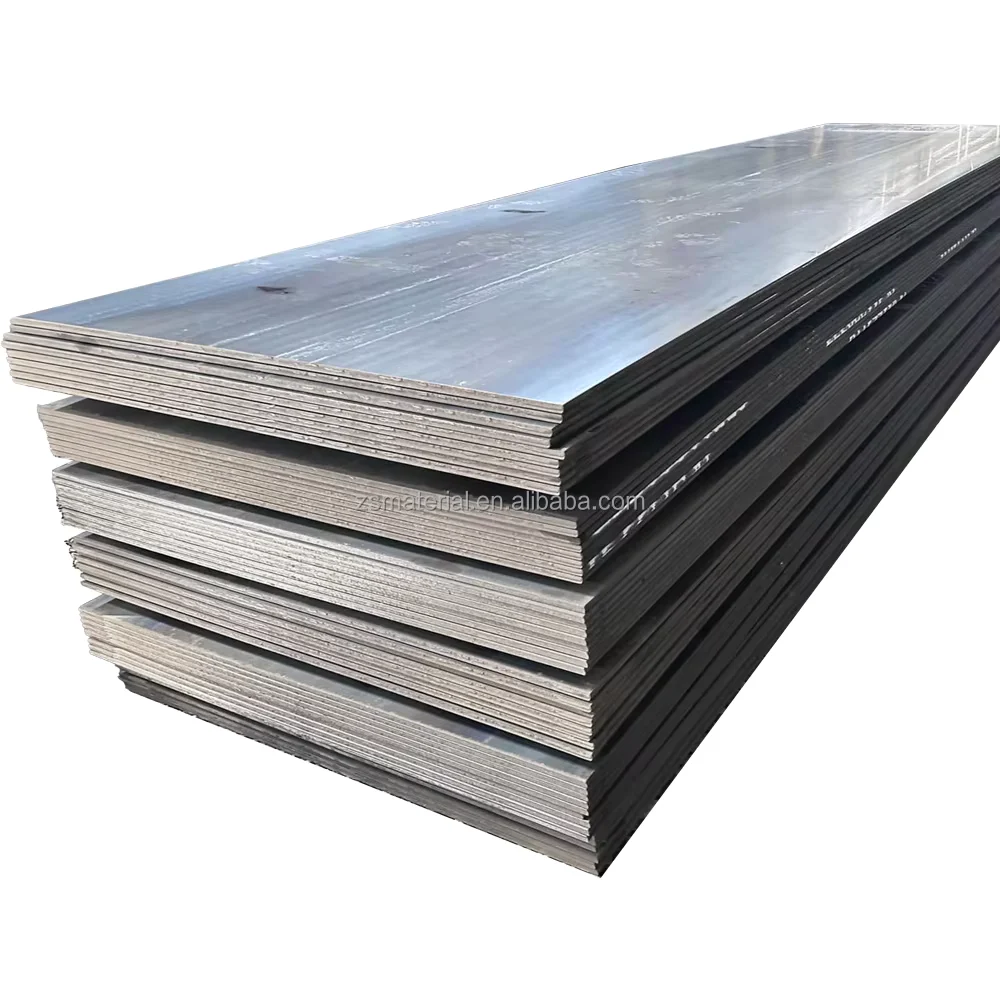
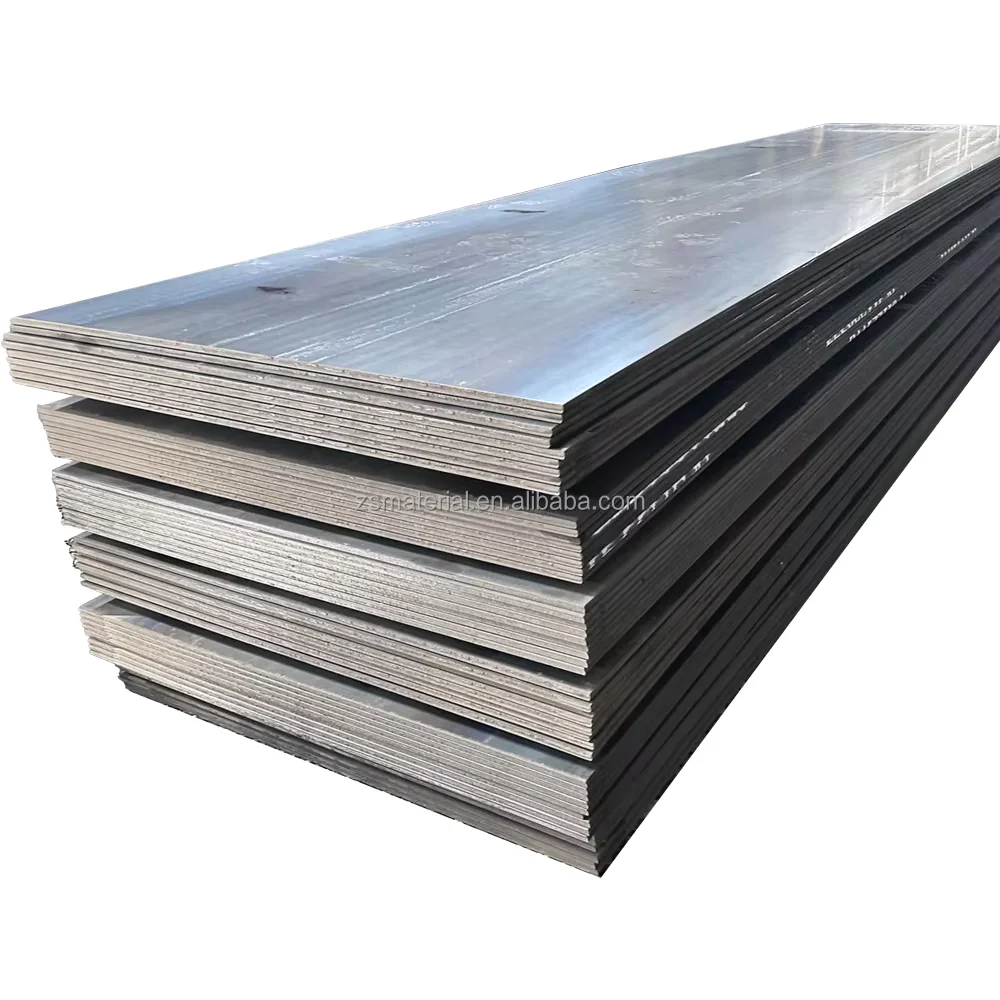
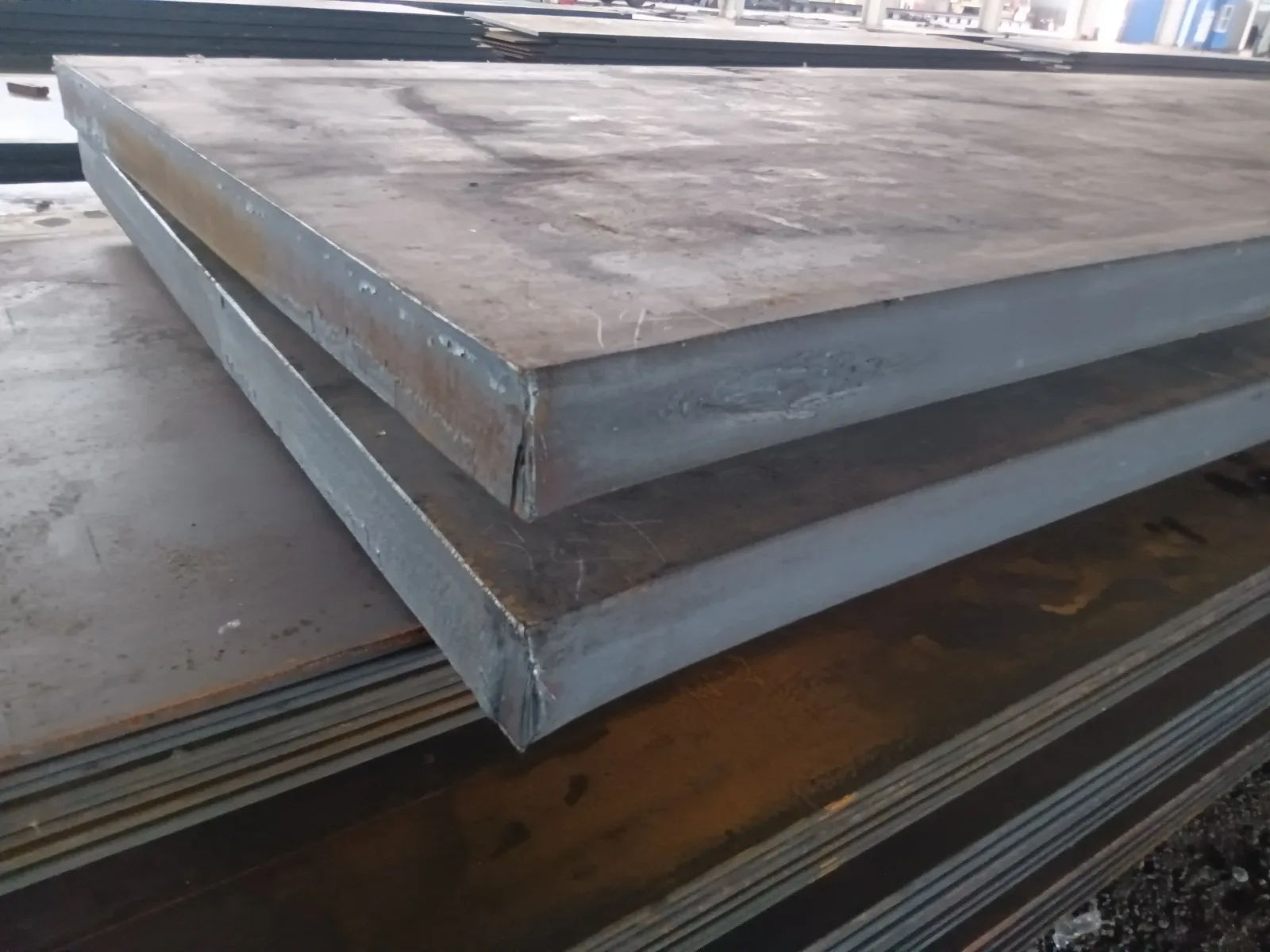
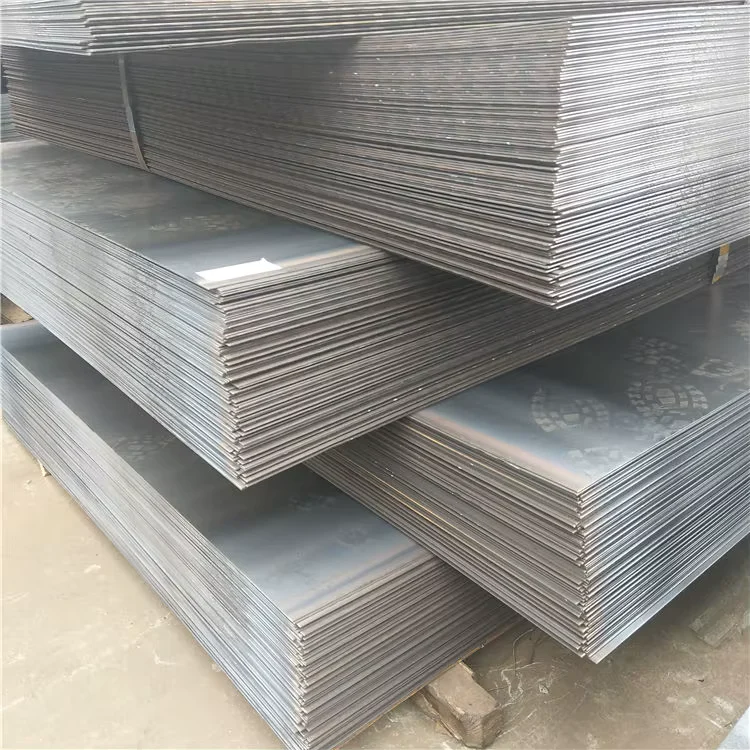
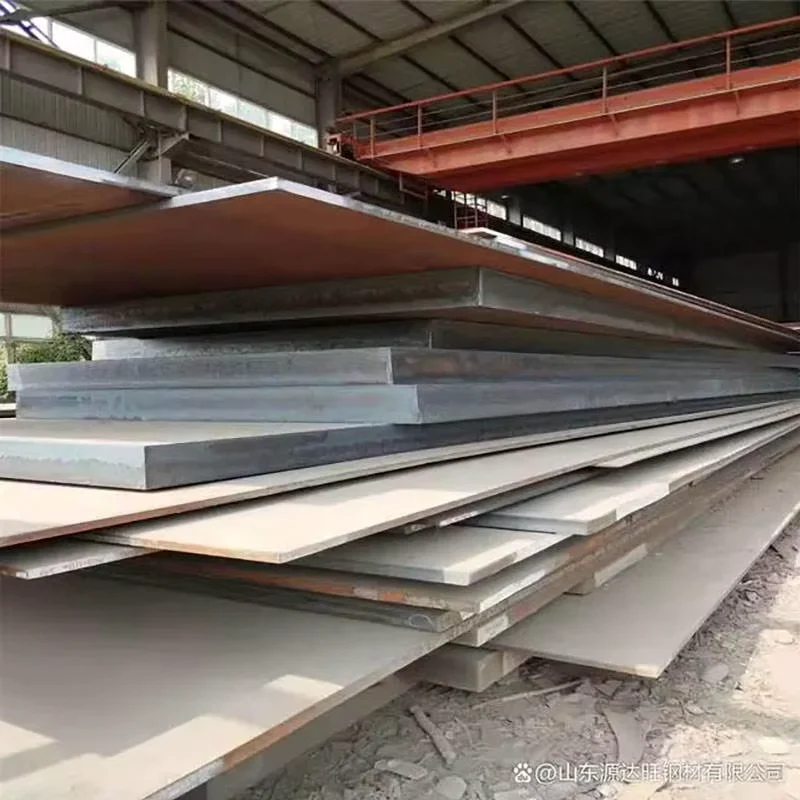
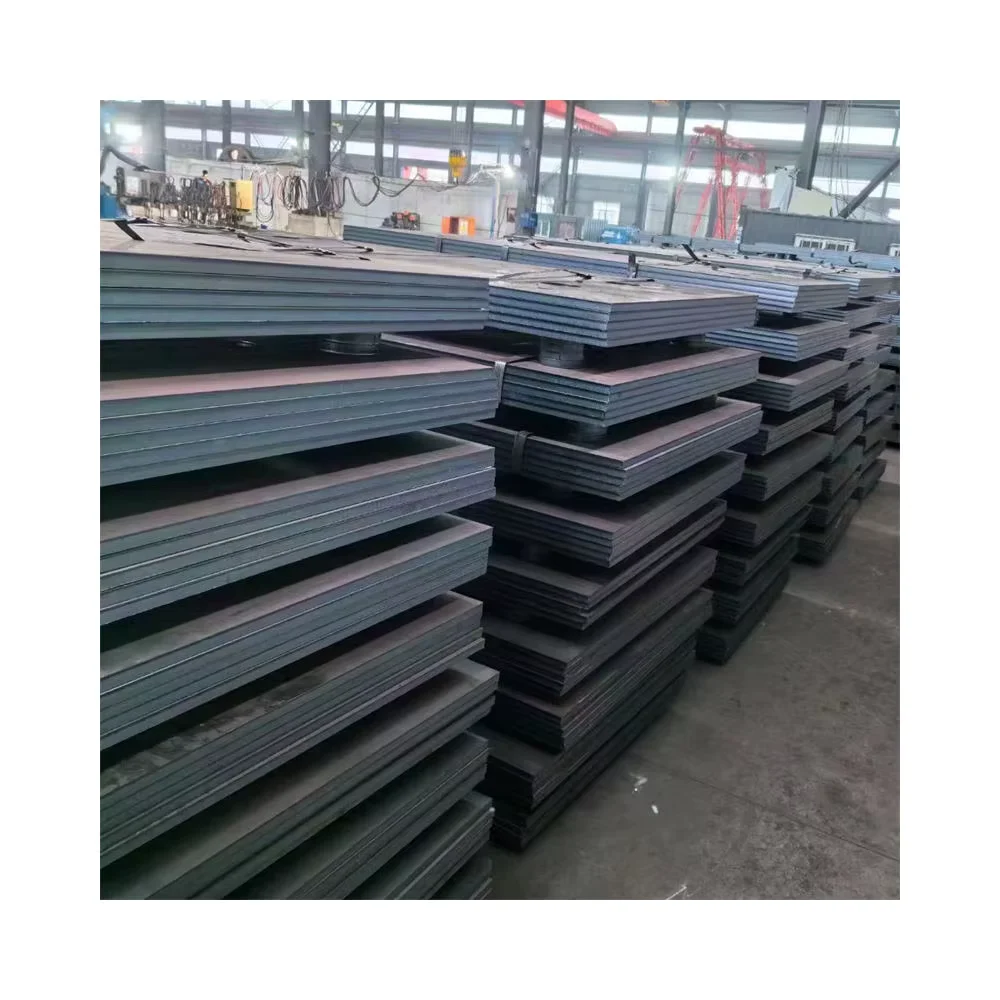
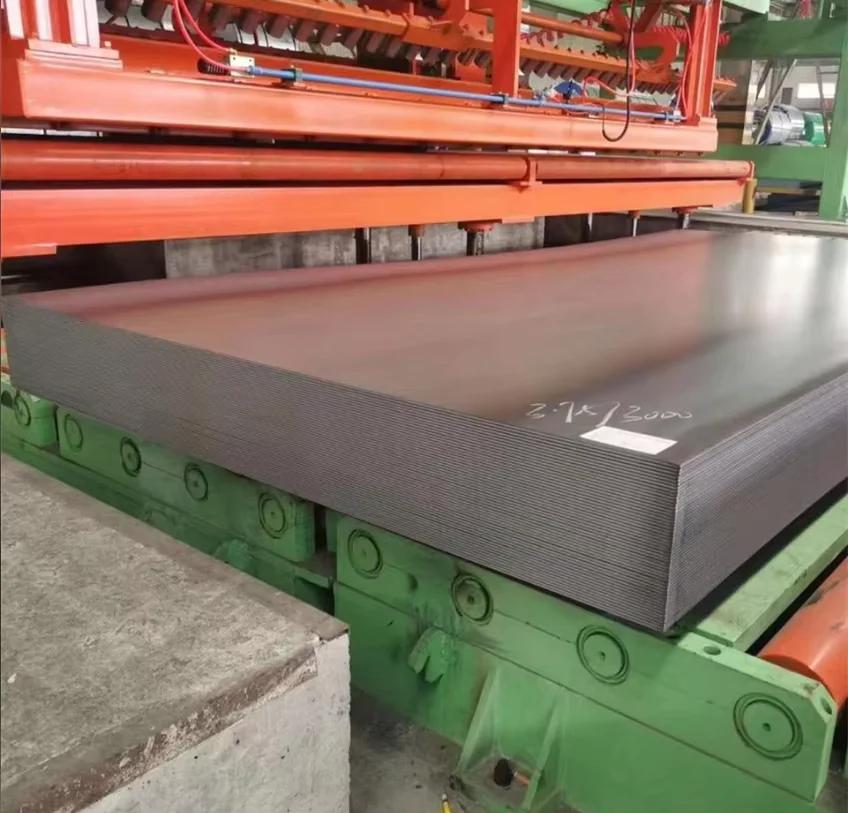
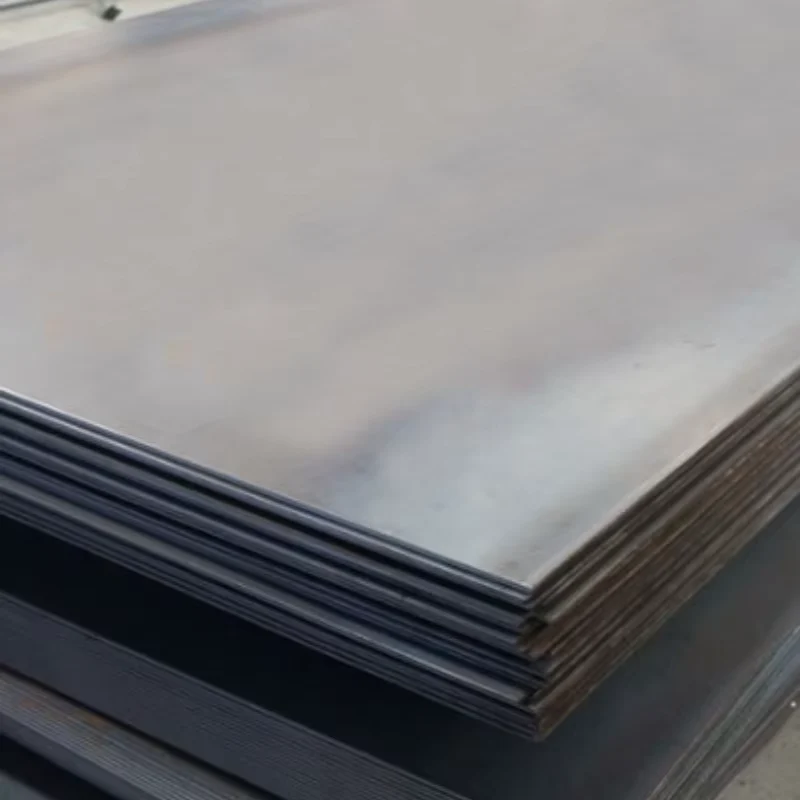
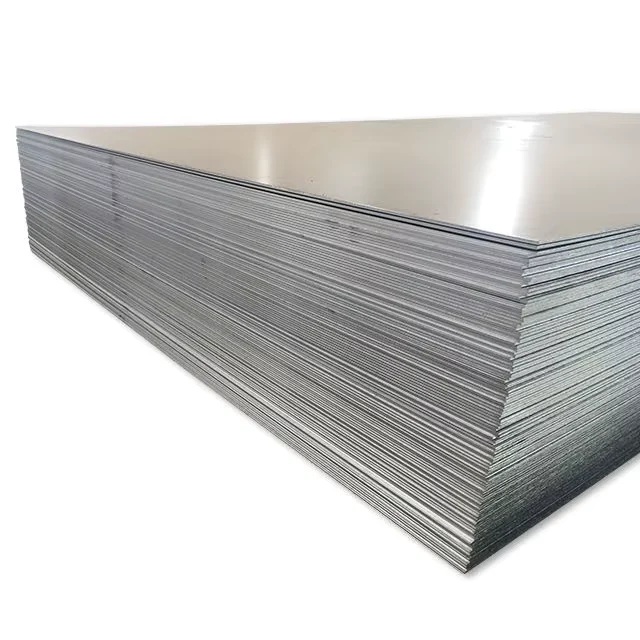
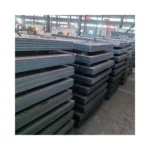
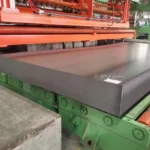
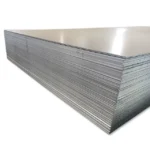
Factory Direct NM400 NM500 Wear Resistant Steel Plate — Integrated steel mill production ensures full material traceability from raw slab to finished 12mm plate with precision cutting service.
Technical Specifications
| Parameter | Value |
|---|---|
| Designation | NM400/NM500 Wear Resistant Steel Plate |
| Product Type | Steel Plate |
| Steel Grade | NM400, NM500 |
| Standard | GB/T (NM series wear resistant plate standard) |
| Thickness | 12mm |
| Technique | Hot Rolled |
| Surface Treatment | Hot Rolled / Coated |
| Processing Service | Cutting |
| Application | Construction / Mining equipment / Industrial machinery / Material handling systems |
Application Suitability
| Industry | Typical Applications |
|---|---|
| Mining Equipment | Excavator buckets, crusher liners, conveyor skirting, hopper linings |
| Construction | Bulldozer blades, grader moldboards, scraper bowls |
| Industrial Machinery | Feed chutes, discharge pans, mixer drum linings |
| Material Handling | Dump truck bed liners, loader bucket edges, transfer point wear plates |
Material Traceability Gaps Create Project Risk
Third-party sourcing breaks the certification chain.
When buyers outsource steel fabrication overseas, material origin often becomes unclear. Fabricators purchasing plates from multiple traders cannot guarantee consistent chemistry or provide unified mill test certificates. This creates problems during customs clearance and final inspection. Our NM400 NM500 wear resistant steel plate supplier capability eliminates this uncertainty through vertically integrated production — from our own steel mill to finished plate, every heat number is documented and traceable.
Matching Wear Resistance to Engineering Demands
Mining and construction equipment face extreme abrasion from rock, ore, and aggregate. NM400 and NM500 grades deliver the hardness required for these applications while maintaining weldability for field modifications. The 12mm thickness balances weight reduction with service life extension in moderate wear conditions. Our cutting service delivers project-specific dimensions, reducing on-site fabrication time and material waste.
Compliance Requirements for Wear Plate Procurement
International projects require documented material properties and third-party verification. Buyers specifying NM series wear resistant plates must confirm chemical composition meets GB/T standards and request mill test certificates showing hardness values. For EU-bound shipments, additional CE marking and EN compliance documentation may apply. Third-party inspection through SGS or BV validates material conformity before shipment. [NEED_CITE: wear resistant steel plate hardness testing standards and certification requirements]
Understanding NM400 vs NM500 Performance Characteristics
NM400 and NM500 designations indicate Brinell hardness ranges — NM400 targets approximately 400 HBW while NM500 reaches 500 HBW. Higher hardness provides superior abrasion resistance but requires adjusted welding procedures to prevent cracking. Hot rolled surface treatment offers cost efficiency for indoor applications, while coated variants add corrosion protection for outdoor or marine environments. The quenching and tempering process creates the martensitic microstructure responsible for wear performance. Thickness tolerance directly affects fit-up in welded assemblies — tight control prevents gaps that compromise structural integrity.
Hidden Costs of Unverified Wear Plate
Purchasing wear resistant plate without proper documentation creates multiple failure points. Material that fails hardness specifications wears prematurely, forcing unplanned equipment downtime and replacement costs. Non-conforming chemistry causes welding defects during fabrication, leading to rework delays. Customs authorities may reject shipments lacking proper mill certificates, stranding cargo at port. Engineering specifications referencing NM400 NM500 wear resistant steel plate supplier standards require verifiable test reports — verbal claims hold no weight during disputes. [NEED_CITE: consequences of non-compliant wear resistant steel in mining equipment]
Why Source Wear Plate from Integrated Mills
Our production facility controls the entire process from steelmaking to finished plate. This vertical integration means we specify raw material chemistry, control rolling parameters, and execute heat treatment in-house — eliminating quality variations from third-party sourcing. Each NM400 NM500 wear resistant steel plate undergoes hardness testing and dimensional verification before release. Our engineering team reviews cutting drawings to optimize material utilization and minimize waste. Complete quality documentation packages accompany every shipment, including mill test certificates, dimensional reports, and surface treatment records. Professional loading teams understand the requirements for heavy plate transport, preventing damage during ocean transit.
Documentation & Compliance
- Mill test certificate documenting NM400/NM500 chemical composition including carbon, manganese, chromium content and Brinell hardness values per GB/T standard
- Third-party inspection report from SGS or BV verifying hardness testing results and dimensional accuracy for 12mm thickness
- Material traceability report linking each plate to specific heat number and production batch for full supply chain transparency
- Surface treatment certificate confirming hot rolled condition or coating specification compliance with purchase order requirements
- Customs documentation package including packing list, bill of lading, and certificate of origin for smooth port clearance
Packaging, Loading & Delivery
- NM400 NM500 wear resistant steel plate bundled with steel straps and edge protectors to prevent surface damage during handling and transit
- Hot rolled surface plates receive anti-rust oil coating before bundling; coated variants receive additional protective wrapping to preserve finish integrity
- 12mm thickness plates loaded in containers with weight distribution optimized for 20ft and 40ft equipment, maximizing payload while maintaining stability
- Custom cutting to project dimensions reduces on-site processing and improves container utilization compared to standard mill sizes
- Each plate marked with heat number, steel grade NM400 or NM500, and thickness for positive identification at job site
- FOB, CIF, and DDP shipping terms available with professional export packing suitable for ocean freight to mining and construction sites worldwide
Initiating Your Wear Plate Procurement
Submit project drawings specifying NM400 or NM500 grade, 12mm thickness, quantity requirements, and cutting dimensions to receive detailed quotation within 24 hours. Our engineering team reviews specifications and provides material optimization recommendations. Confirm certification requirements and destination port to ensure complete documentation package. Production scheduling begins upon drawing approval and deposit receipt.
Frequently Asked Questions
Q: What is the difference between NM400 and NM500 hardness levels?
A: NM400 targets approximately 400 Brinell hardness while NM500 reaches 500 Brinell hardness. Higher hardness provides better abrasion resistance but requires modified welding procedures to prevent hydrogen cracking. Application severity and impact conditions determine optimal grade selection.
Q: Can you provide third-party inspection for wear resistant plate?
A: Yes, SGS and BV inspection services are available to verify hardness testing, dimensional accuracy, and surface condition before shipment. Inspection reports document compliance with GB/T standards and purchase order specifications.
Q: What cutting services do you offer for 12mm wear plate?
A: We provide CNC plasma cutting, flame cutting, and precision saw cutting to project-specific dimensions. Cutting drawings are reviewed by our engineering team to optimize material utilization and ensure dimensional accuracy within standard tolerances.
Q: How do you ensure material traceability for NM400 NM500 wear resistant steel plate?
A: Each plate is traceable to its original heat number through our integrated production system. Mill test certificates document chemical composition and mechanical properties. Material traceability reports accompany every shipment for complete supply chain transparency.
Q: What surface treatment options are available?
A: Hot rolled surface is standard for indoor applications. Coated variants provide additional corrosion protection for outdoor or marine environments. Surface treatment selection depends on application conditions and project specifications.
Start Your NM400 NM500 Wear Resistant Steel Plate Order
Send specifications including grade, thickness, quantity, and cutting requirements to receive quotation and mill test certificate samples.
Website: www.xjystructure.com | Email: admin@xjystructure.com | WhatsApp: +86 188 5315 7756