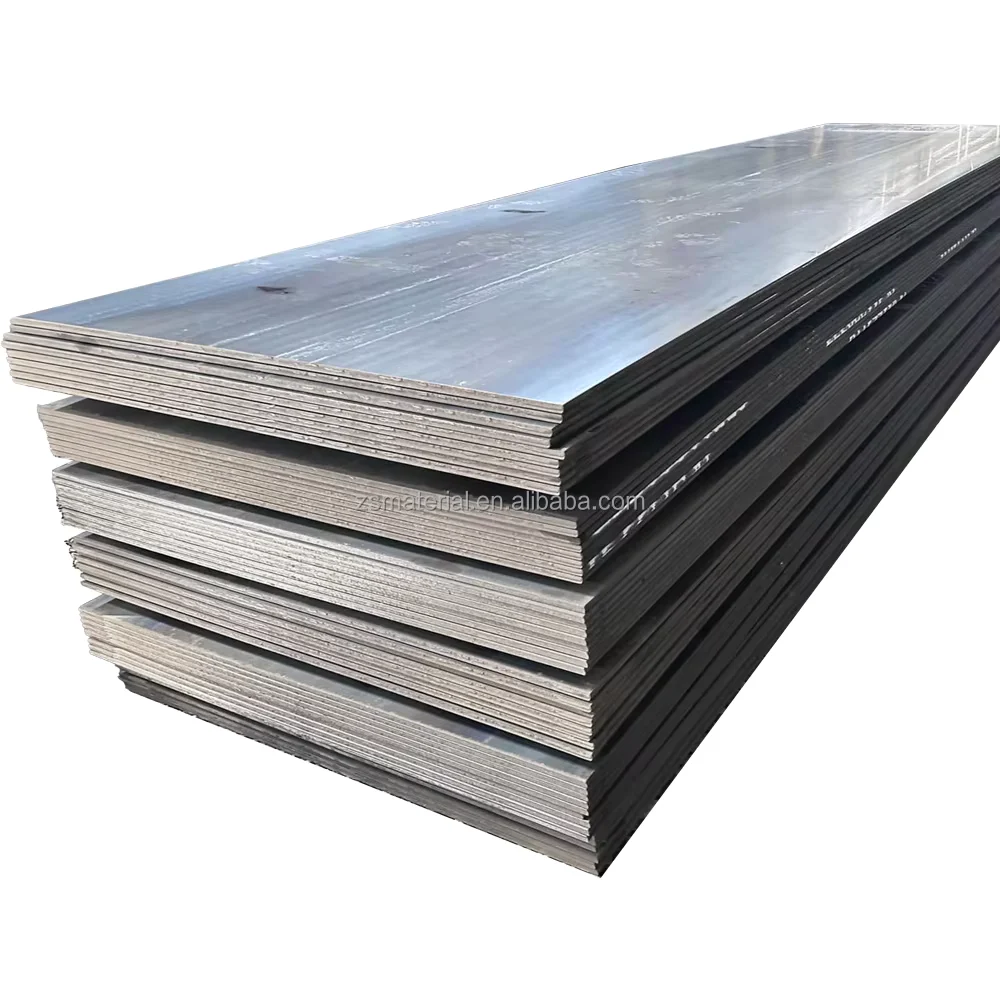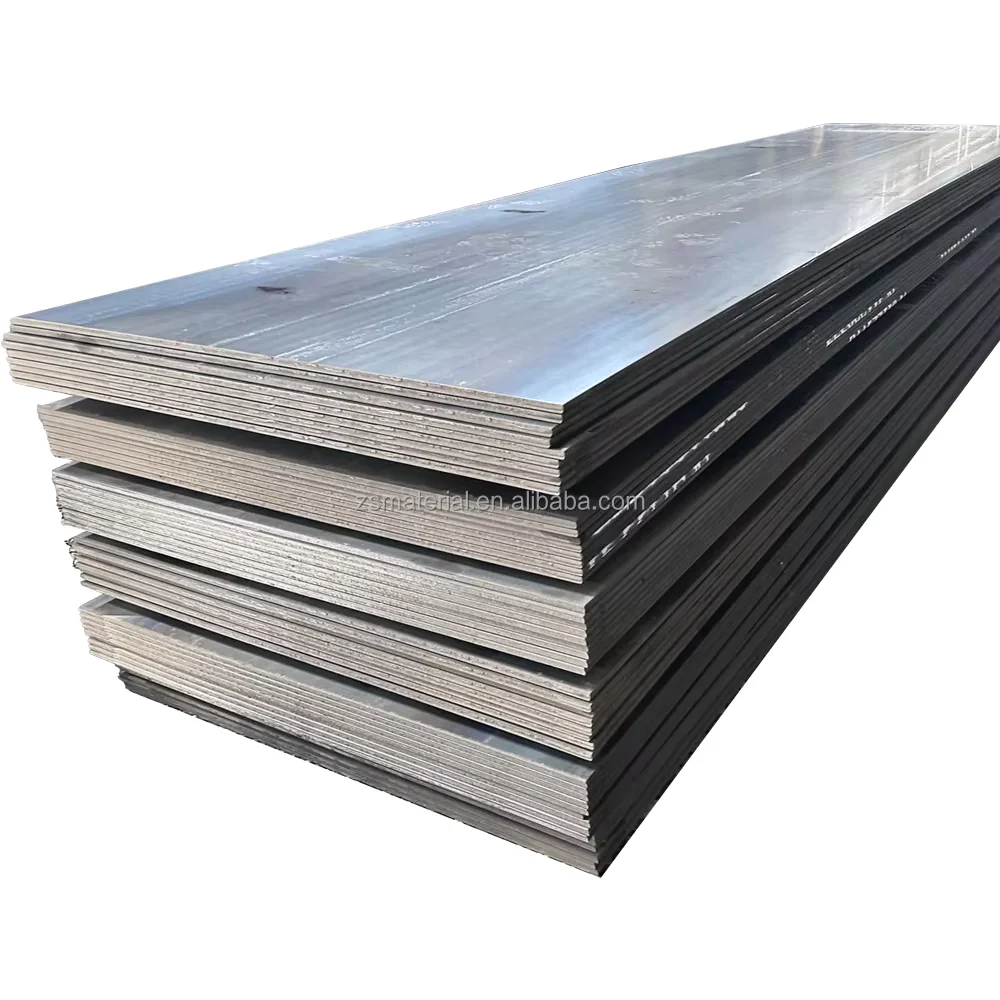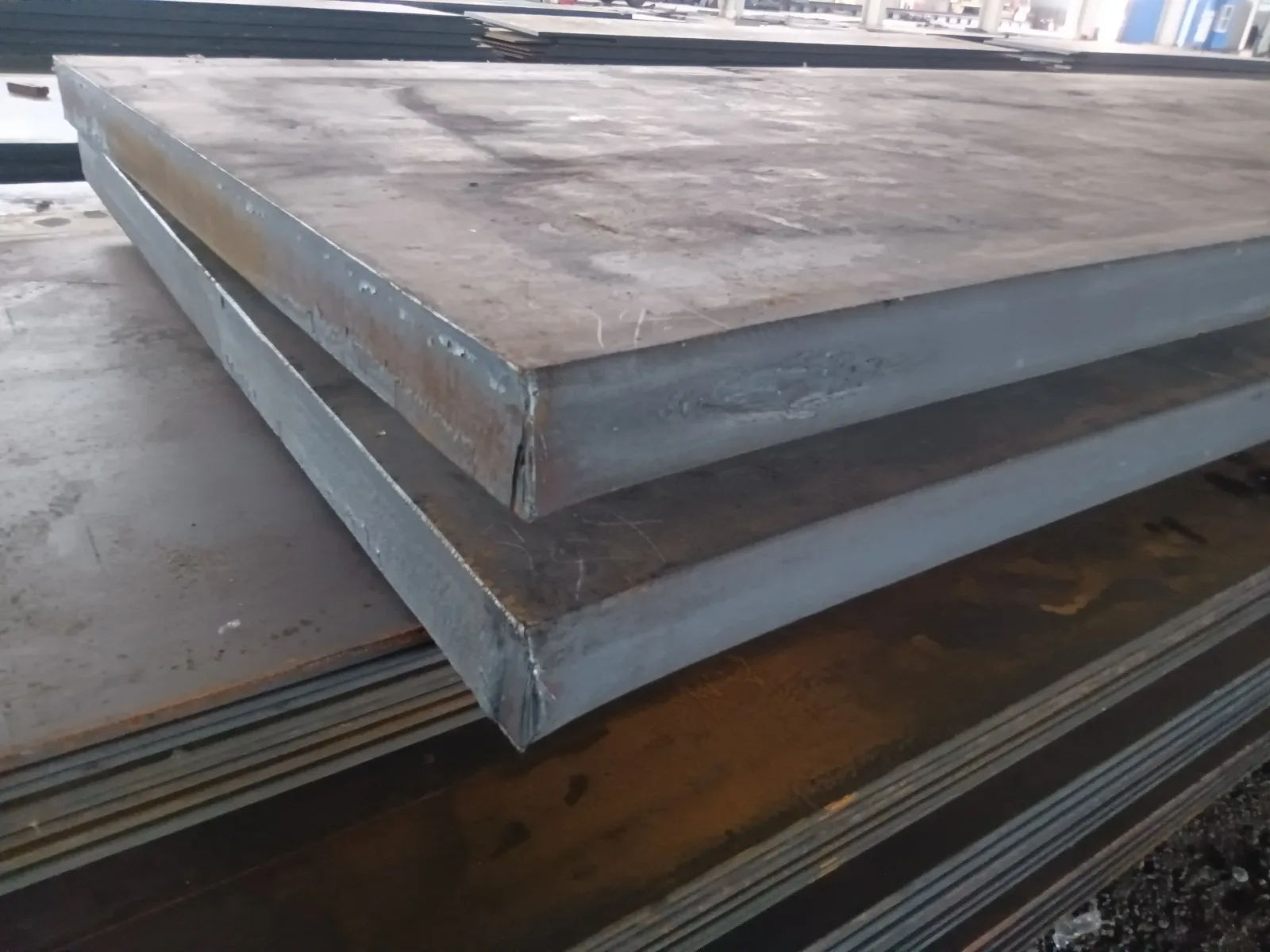
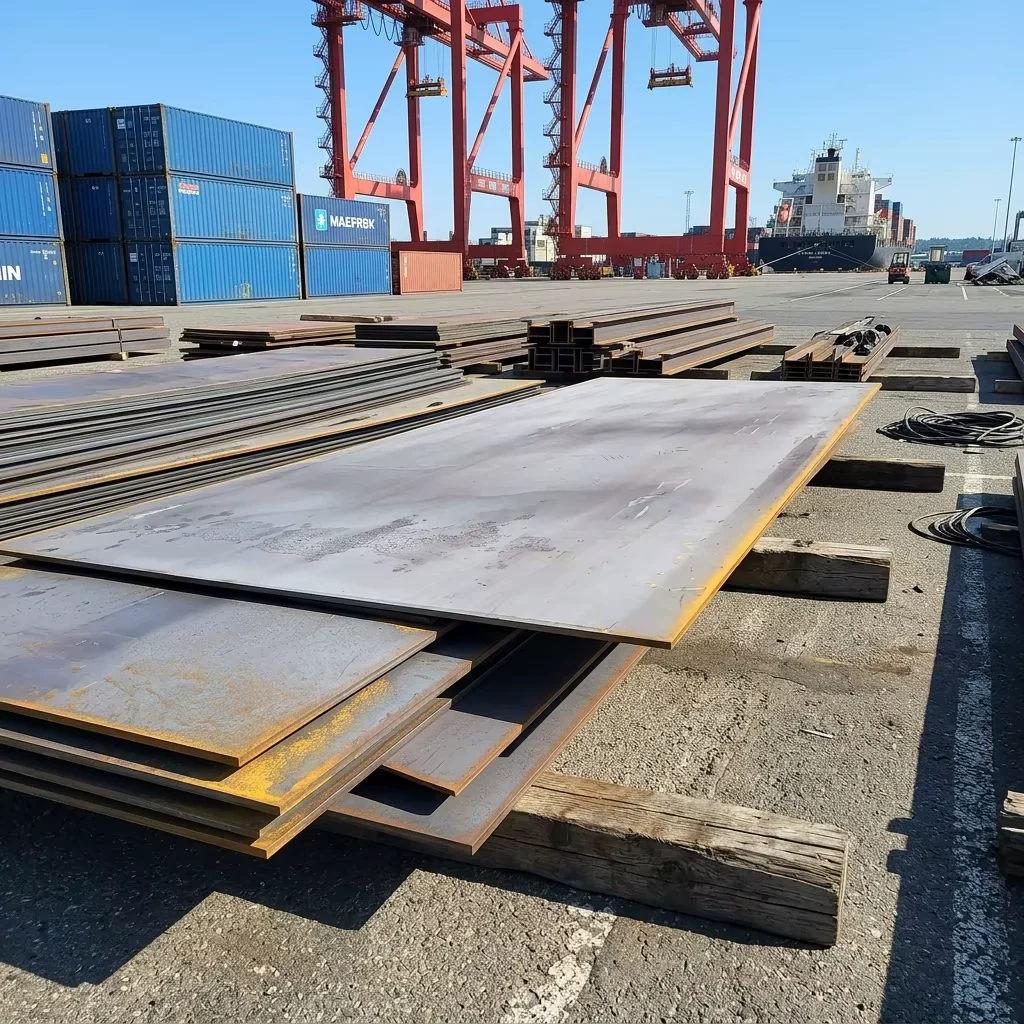
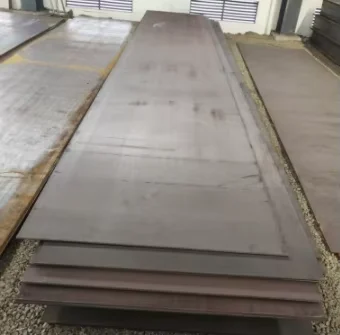
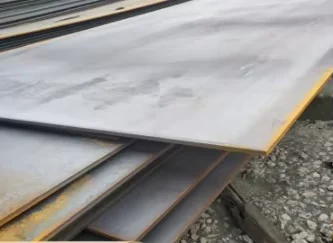
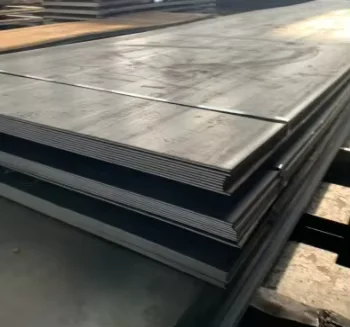
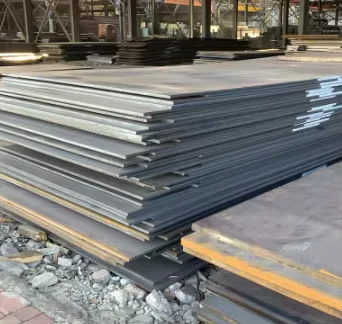
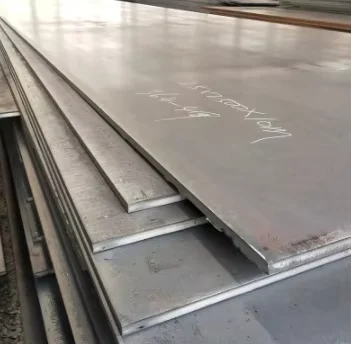
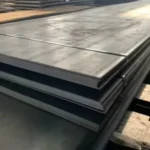
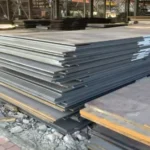
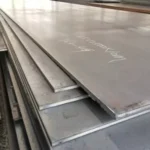
Description
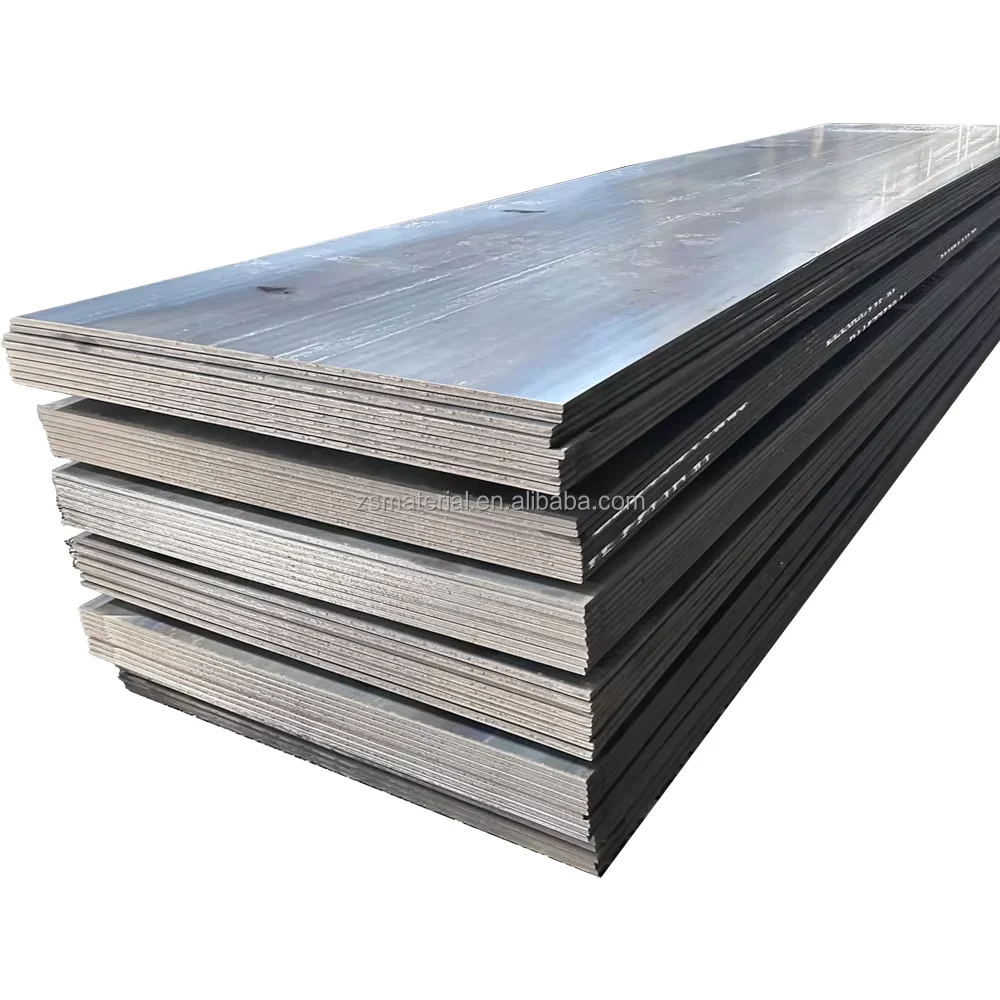
Direct Mill Supply, Zero Traceability Gaps — Every NM400 NM500 wear resistant steel plate rolls from our own mill and ships with full heat-number traceability, eliminating the hardness mismatches that plague third-party sourced abrasion-resistant steel.
Technical Specifications
| Parameter | Value |
|---|---|
| Designation | NM400/NM500 Wear Resistant Steel Plate |
| Product Type | Steel Plate |
| Steel Grade | NM400, NM500 |
| Standard | ASTM, DIN, JIS |
| Thickness | 12mm |
| Technique | Hot Rolled |
| Surface Treatment | Coated / Cutting Service Available |
| Application | Wear-resistant components, Industrial machinery, Mining equipment, Construction machinery, Material handling systems |
Application Suitability
| Industry | Typical Applications |
|---|---|
| Mining & Quarrying | Crusher liners, chute liners, screen plates, bucket lips |
| Cement & Aggregate | Hopper wear plates, conveyor skirting, fan impeller guards |
| Construction Machinery | Excavator bucket teeth edges, bulldozer blade liners, grader moldboards |
| Material Handling | Transfer chute liners, truck bed liners, silo hopper cones |
| Steel & Foundry | Ladle liners, scrap charging buckets, slag pots |
Why Hardness Certification Beats Price Per Ton on Wear Plate
A plate stamped NM500 that tests at 380 HBW will crack under plasma cutting and fail long before its promised service life.
I watched an entire shipment of NM500 plate split open during plasma cutting at a Riyadh warehouse project. The mill test certificate said 500 HBW. Independent re-testing showed 380 HBW. The heat treatment cycle at the original supplier had been shortened to save energy costs. Twenty tons of plate sat useless at the job site, and air-freighting replacements wiped out the margin on the entire order. [NEED_CITE: wear resistant steel plate hardness testing standards and buyer verification practices]
When overseas buyers source NM400 NM500 wear resistant steel plate from traders who broker from multiple small mills, there is no single point of accountability for hardness consistency. The certificate travels with the plate, but the actual quenching and tempering parameters remain unverifiable. By the time the plate reaches the fabrication shop, the cost of a failed component — rework, downtime, air freight — dwarfs the initial price saving.
Matching Wear Grade to Abrasion Severity in Heavy Industry
Mining chutes handling iron ore demand NM500 for its higher abrasion resistance, while grain silo liners in moderate-duty material handling often perform adequately with NM400 at lower cost. The 12mm hot rolled thickness we supply fits standard bolted liner configurations and allows CNC plasma cutting to exact bolt-hole patterns before shipment. Our in-house cutting service means the NM400 NM500 wear resistant steel plate arrives on site ready to install — no secondary processing delays at the project location.
Engineering Compliance and Surface Protection for Harsh Environments
Wear plates in outdoor stockpile reclaim systems face simultaneous abrasion and atmospheric corrosion. The coated surface treatment option on our hot rolled NM400 and NM500 plates adds a corrosion barrier without compromising the hardened subsurface. For projects targeting EU or Middle East specifications, our plates conform to ASTM, DIN, and JIS frameworks, and every heat is documented with full chemical and mechanical traceability. [NEED_CITE: wear resistant steel plate compliance requirements for international industrial projects] Dimensional inspection reports accompany each batch, ensuring cut-to-size components meet the tolerances required for bolted assembly on conveyor structures and hopper frames.
How NM400 and NM500 Differ in Metallurgical Design
Both grades are quenched and tempered low-alloy steels, but the carbon equivalent and alloying element ratios differ to produce distinct hardness bands. NM400 offers a balance of abrasion resistance and formability, making it suitable for applications requiring moderate bending or drilling. NM500 pushes hardness higher for severe abrasion environments, though its reduced ductility demands preheating before any thermal cutting or welding. The hot rolling process produces a uniform grain structure through the 12mm cross-section, and the controlled cooling cycle after quenching determines whether the plate achieves its rated hardness consistently across the full width. Surface coating options — whether shop primer or industrial paint systems — are applied after hardness verification so that the coating process does not interfere with the heat treatment response.
The Hidden Cost of Unverified Hardness on Wear Plate Procurement
Plates that fail to meet their stated hardness grade cause cascading failures: premature wear-through in chute liners forces unplanned shutdowns, cracked weld zones during fabrication require component replacement, and rejected material at customs due to missing or inconsistent mill certificates delays the entire supply chain. [NEED_CITE: consequences of substandard wear resistant steel in industrial applications] When a fabricator discovers that NM500 plate actually delivers NM400-level hardness, the liability falls on the procurement team who cannot produce verifiable test documentation. Our vertically integrated process — own mill, own fabrication shop, own testing lab — ensures that every NM400 NM500 wear resistant steel plate leaving our facility carries a mill test certificate tied to a specific heat number, with hardness values confirmed before shipment.
Why Procurement Teams Source Wear Plate from Our Integrated Mill
We control the entire chain from raw steel production through hot rolling, heat treatment, hardness testing, surface coating, and CNC cutting. There is no broker, no middleman mill, and no gap in the material certification chain. Our own steel mill produces the plates, our own laboratory tests every heat for Brinell hardness, and our own fabrication shop handles plasma and flame cutting to customer drawings. This vertical integration means the NM400 NM500 wear resistant steel plate you order comes with a single quality system, a single point of accountability, and complete documentation from melt to delivery. For overseas EPC and industrial clients, we also coordinate third-party inspection through SGS or BV, manage export packing for heavy plate, and provide full customs documentation — all from one source.
Documentation & Compliance
- Mill Test Certificate documenting NM400/NM500 chemical composition, Brinell hardness values, and heat treatment parameters per ASTM/DIN/JIS standards
- Hardness testing report per plate batch with Brinell indentation measurements recorded at multiple points across the rolled surface
- Material traceability by heat number linking each cut piece back to the original melt and rolling campaign
- Third-party inspection report from SGS or BV confirming dimensional accuracy, surface quality, and hardness compliance
- Export customs documentation including packing list, bill of lading, and certificate of origin for destination-country clearance
- Dimensional inspection report verifying cut-to-size tolerances on CNC-processed wear plate components
Packaging, Loading & Delivery
- 12mm NM400/NM500 plates bundled with galvanized steel straps and edge protectors to prevent surface coating damage during ocean transit
- Cut-to-size wear plate components packed on fumigated timber pallets with interleaved separators to avoid scratching during handling
- Heavy plate loaded in containers with steel dunnage and lashing to prevent shifting, optimized for 20-ton payload per 20ft unit
- Heat number and steel grade stenciled on each plate surface for on-site identification and traceability verification
- Coated surface plates wrapped in waterproof VCI paper before bundling to preserve the corrosion protection layer during storage and shipping
- FOB, CIF, and DDP delivery options with professional oversize cargo planning for project-site direct delivery
Starting Your Wear Plate Procurement
Send your project drawings in PDF or DWG format along with steel grade requirements (NM400 or NM500), thickness, quantities, and destination port. We respond within 24 hours with a detailed quotation covering material, CNC cutting, coating, packing, and shipping — plus a shop drawing timeline and production schedule. Once you approve the drawings and sign the contract, material procurement and production begin immediately, with full mill test certificates and hardness reports delivered alongside the finished plates.
Frequently Asked Questions
Q: What is the difference between NM400 and NM500 in terms of application selection?
A: NM400 provides a balance of abrasion resistance and formability, suitable for moderate-wear applications like grain handling liners and conveyor skirting. NM500 delivers higher hardness for severe abrasion environments such as iron ore chutes, crusher liners, and excavator bucket edges. The choice depends on the abrasiveness of the material being handled and whether the component requires any bending or drilling after delivery.
Q: How do you verify hardness consistency across the plate?
A: Every heat undergoes Brinell hardness testing at multiple points across the rolled surface before shipment. The results are documented in the mill test certificate and the batch-specific hardness report. We do not rely solely on the steel mill’s outgoing certificate — our own laboratory re-tests each batch to confirm the hardness falls within the NM400 or NM500 range.
Q: Can you cut the plates to custom shapes and sizes?
A: Yes. Our in-house CNC plasma and flame cutting service processes NM400 and NM500 plates to customer drawings. We handle bolt-hole patterns, beveled edges for welding preparation, and complex contours. Cut tolerances and minimum dimensions are confirmed during the quotation stage based on your specific drawing requirements.
Q: What surface treatment options are available?
A: Our hot rolled NM400 and NM500 plates are available with coated surface treatment for corrosion protection in outdoor or humid environments. We can also supply as-rolled condition for applications where the buyer will apply their own coating system on site. Surface treatment selection is confirmed during the quotation stage based on your project environment.
Q: What documentation accompanies the shipment?
A: Each shipment includes a mill test certificate with chemical composition and hardness data, a batch-specific hardness testing report, dimensional inspection reports for cut components, material traceability by heat number, and full export customs documentation. Third-party inspection reports from SGS or BV are available upon request.
Get Your NM400 NM500 Wear Plate Quote with Full Mill Test Documentation
Submit your project specifications — steel grade, thickness, quantities, cutting requirements, and destination port — and receive a detailed quotation with mill test certificate commitment within 24 hours.
Shandong Xin Jiyuan Special Steel Tube Co., Ltd
Website: www.xjystructure.com
Tel: +86 531 8573 6315
Mobile/WhatsApp/WeChat: +86 188 5315 7756
Email: admin@xjystructure.com
Address: No.11889, Jingshi West Road, Lulian Group, Jinan City, Shandong Province, China